Cover Story
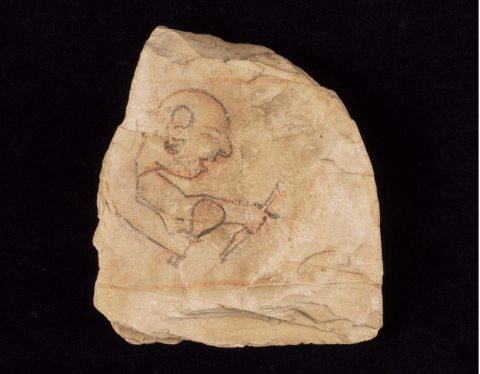 The making of ancient Egypt: Glimpsing the artisans behind the artefacts The art and artefacts of ancient Egypt are still familiar around the world, but how much do we know about the people who created these objects? Matthew Symonds spoke to Helen Strudwick about the makers of ancient Egypt.
 Features
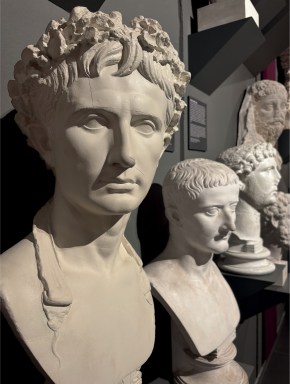 Communicating classical antiquity: The making of a Museum of Ancient Art Aarhus offers a fascinating example of how university museums can reflect research agendas, as Vinnie Nørskov and Rubina Raja explain.
  The last continent: Heritage on the Antarctic Peninsula Amid the remote and beautiful Antarctic wilderness, a set of structures is preserved to tell the story of British science in the region. While the origins of a permanent presence…
  109 Roman mounts: Excavating a military horse cemetery Investigating the environs of a Roman fort at Stuttgart-Bad Cannstatt, in south-west Germany, has revealed the remains of a remarkable number of cavalry horses. Sarah Roth explains what these can…
 News
 A dog and a dagger Archaeologists from Swedish National Historical Museums have uncovered an unusual and remarkably well-preserved dog burial believed to date to c.5,000 years ago at a site in Logsjömossen, near Järna, south-west…
  Earliest evidence of fire-making Archaeologists have revealed that humans were making fire 350,000 years earlier than previously known. Opportunistic use of wildfire, usually created by lightning strikes, is likely to have developed over a…
  A monumental site in Mexico Investigations at Aguada Fénix, in the lowlands of Tabasco, south-east Mexico, are uncovering evidence of a vast ritual complex constructed c.3,000 years ago. The site was first discovered via LiDAR…
  Submerged stone structures A collection of undersea constructions dating to the end of the Mesolithic period has been discovered off the coast of France near Île de Sein, Brittany. A total of 11…
 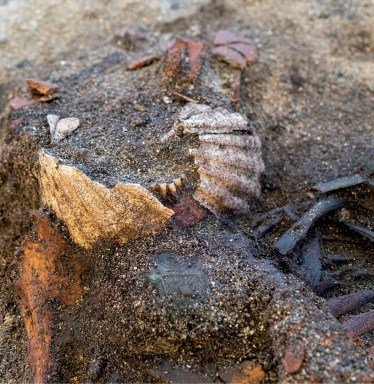 An unusual Viking Age burial An intriguing woman’s grave has been discovered in Bjugn, in Trøndelag County, Norway. Researchers were alerted to the burial by a metal-detectorist who came across an oval brooch of a…
 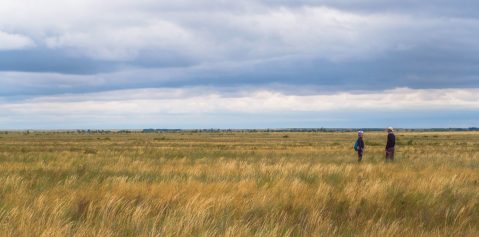 Semiyarka: a special steppe site Archaeologists are exploring a unique Bronze Age settlement in the heart of Kazakhstan’s grasslands.
 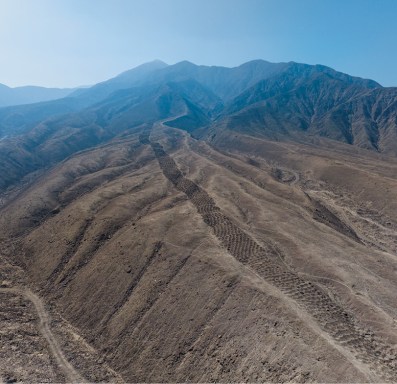 Understanding the ‘Band of Holes’ New research is shedding light on the possible function of a mysterious site in southern Peru.
 Views
 Charles Williams and the Corinth Roman Painting Project Travel In the second – and final – part of his interview, Richard Hodges talks to Charles K Williams about the remarkable Roman frescoes he discovered in Corinth.
  Retreading old trails Comment A comprehensive road system underpinned the exceptional degree of mobility and trade that characterised the Roman Empire, and much of the modern road system in Europe and the Mediterranean region…
  CWA 135 crossword, and answers to crossword #134 Competitions Across 7 Name given to human fossils discovered in Indonesia in the late 19th century (4,3)8 Culture of coastal communities in Peru from c.900-100 BC (7)10 Semi-precious stone used since…
  The Asante Ewer Objects The ewer is the largest surviving bronze vessel made in medieval England. What is it? This medieval vessel, known as the Asante Ewer, is a large bronze jug with a…
  Grand Egyptian Museum Museum, What's on The world’s most comprehensive collection devoted to ancient Egyptian civilisation has opened its doors in full. Tony Field reflects on his visit to the new museum in Giza.
  Phaselis: A city and the sea Travel The ruins of ancient Phaselis occupy a striking setting on the Mediterranean shore. Matthew Symonds visited to find out more.
  China’s first state Comment At the time of writing, I am anticipating a memorable occasion in December: the 6th Shanghai Archaeology Forum. These meetings begin with the announcement of the winning nominees in two…
 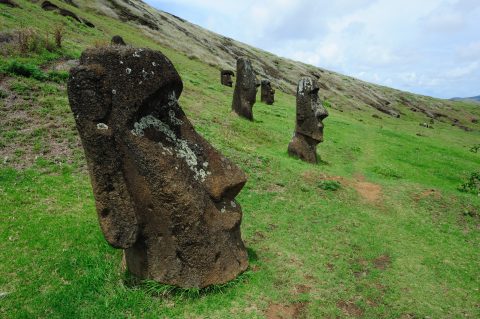 Making the moai The Picture Desk Easter Island (Rapa Nui) is famous for its monumental stone sculptures, known as moai. More than 1,000 have been found across the island, and over 95% of these figures were…
 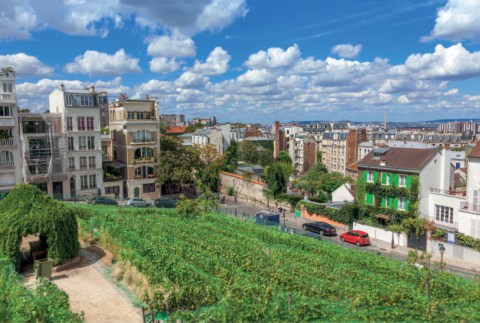 Urban jungles Comment A little urbanism can be a dangerous thing. Sometimes all it takes is a patch. In the modern world, for all its cities, there are still many places where one…
 Reviews
Charles Williams and the Corinth Roman Painting Project In the second – and final – part of his interview, Richard Hodges talks to Charles K Williams about the remarkable Roman frescoes he discovered in Corinth. Grand Egyptian Museum The world’s most comprehensive collection devoted to ancient Egyptian civilisation has opened its doors in full. Tony Field reflects on his visit to the new museum in Giza. Phaselis: A city and the sea The ruins of ancient Phaselis occupy a striking setting on the Mediterranean shore. Matthew Symonds visited to find out more. 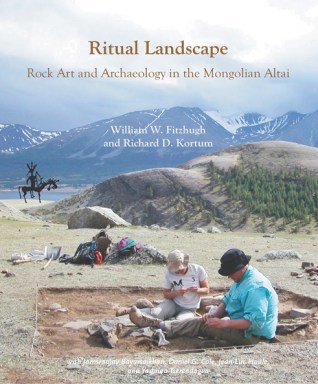 Ritual Landscape: rock art and archaeology in the Mongolian Altai REVIEW BY GEORGE NASH The Altai region of western Mongolia has long been considered marginal in broader Eurasian archaeological narratives. In this book, William Fitzhugh and Richard Kortum build a…
 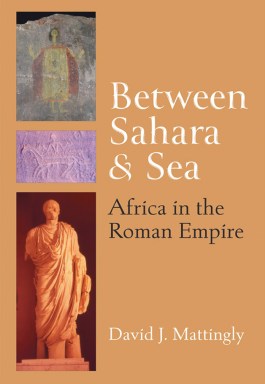 Between Sahara and Sea: Africa in the Roman Empire REVIEW BY ANDREW SELKIRK The Roman province of Africa was famed as being the ‘breadbasket’ of the ancient city, for Africa produced the huge quantities of grain needed to feed…
  Muslim Europe: a journey in search of a fourteen hundred year history REVIEW BY ADAM KLUPS Are Muslims native to Europe? Should Islam, in a historical and cultural sense, be considered an indigenous European religion? Readers who believe they already know the…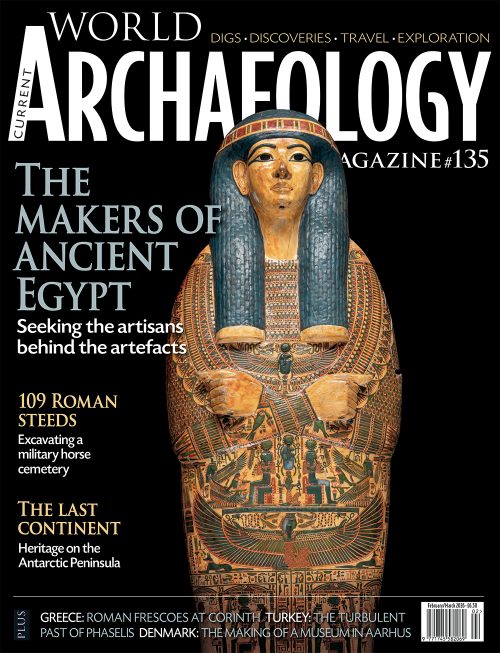
From the editor
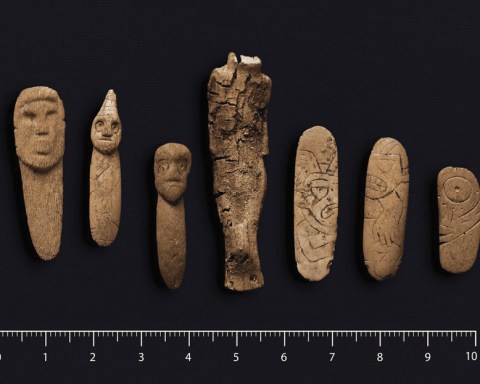
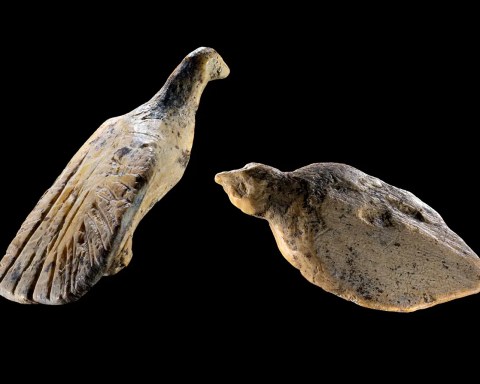
Art and artefacts from ancient Egypt must rank among the most remarkable and influential from the ancient world. Yet we know comparatively little about the artisans who created these iconic works. Traces of the individuals behind these objects can still be found, though, ranging from texts asserting their contributions to errors in the production process that may – or may not – have been cunningly disguised. As an exhibition at the Fitzwilliam Museum in Cambridge celebrates such human touches, we go in search of the makers of ancient Egypt.
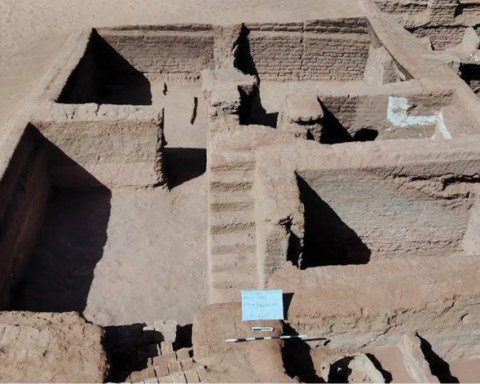
In Bad Cannstatt, Germany, it is equids that have been the focus of attention. Excavations revealed the remains of a horse cemetery associated with a Roman frontier fort. In total, the remains of 109 animals have been recovered, offering fresh insights into how they were treated – in both life and death.
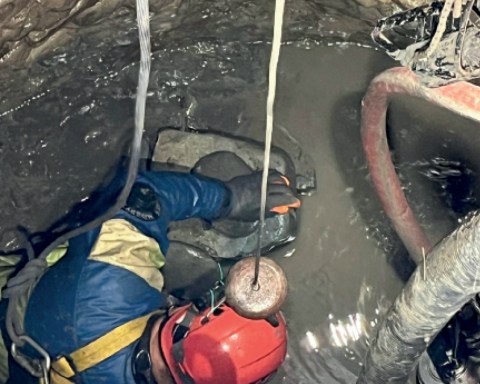
Achieving a permanent human presence in Antarctica led to numerous scientific bases being established. In the 1990s, it was agreed that all defunct facilities on the continent should be classed as either waste and removed or heritage and protected. We take a look at what the preserved bases on the Antarctic Peninsula can reveal about British science in the region.
At Aarhus, Denmark, the objects in the care of a university museum include a fine set of casts from celebrated sculptures. One of the reasons they were preserved, when many such collections elsewhere were junked, was because of their relevance to contemporary research interests. We examine how such agendas continue to be reflected in museum activities.
In our travel section, Richard Hodges resumes his interview with Charles Williams about the remarkable discoveries at Corinth. Elsewhere, a trip to Phaselis, in Turkey, is an opportunity to weigh the risks and rewards of its sublime coastal setting.
Finally, I would like to mention Søren Sindbæk, who is signing off in this issue. Søren has been a popular fixture alongside Rubina Raja in their regular column, and I want to thank him for all of his wonderful contributions to CWA.