Ancient Egypt October listings

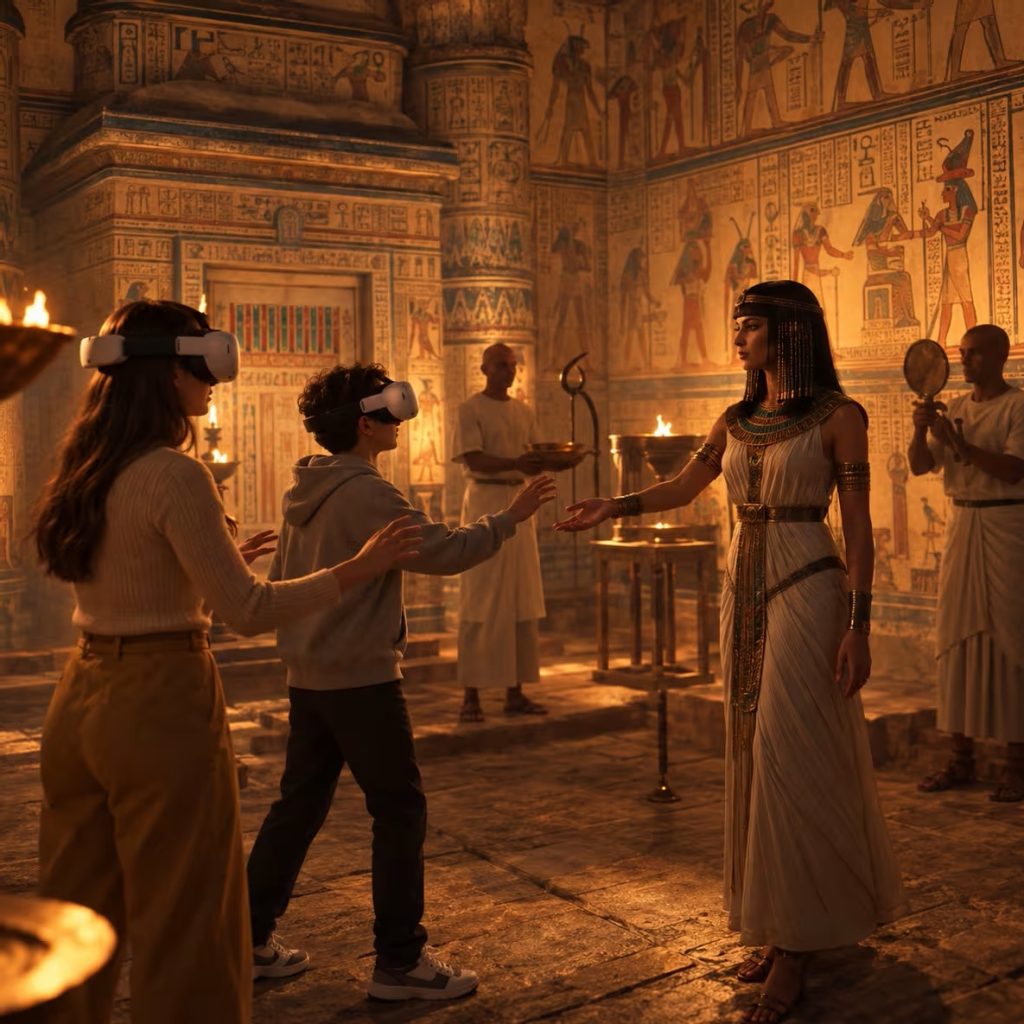
CLEOPATRA: THE FATE OF EGYPT This immersive experience with virtual reality explores the life and reign of Cleopatra VII, and the alliances, betrayals, and secrets that changed the course of history. CUBE

CLEOPATRA: THE FATE OF EGYPT This immersive experience with virtual reality explores the life and reign of Cleopatra VII, and the alliances, betrayals, and secrets that changed the course of history. CUBE
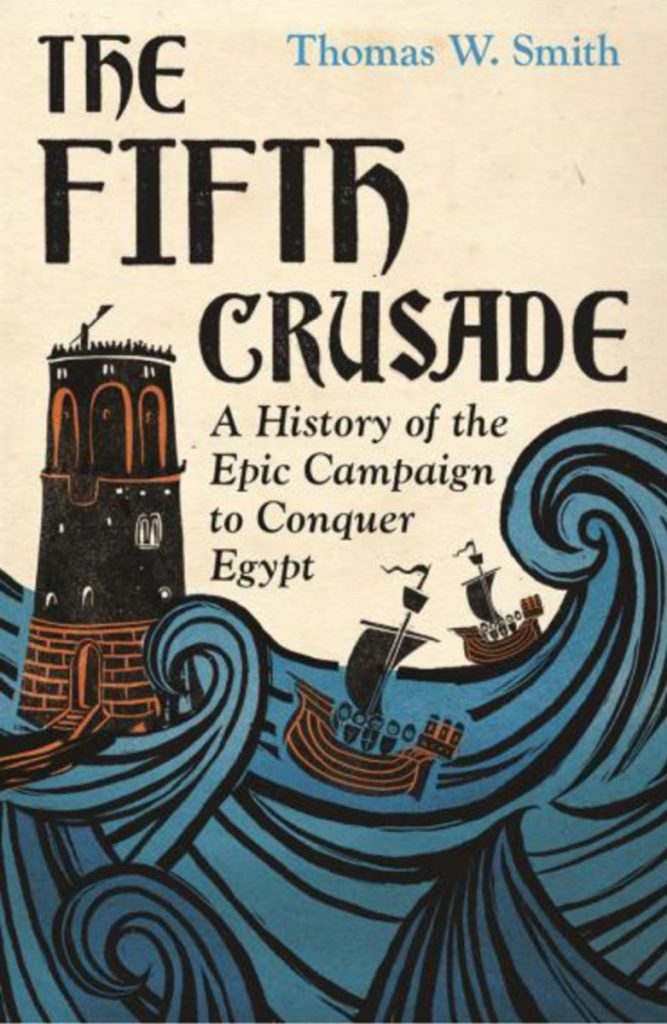
The medieval Crusades in the Middle East were a series of expeditions from AD 1097 to 1291. The First Crusade had, against the odds, succeeded in capturing Jerusalem and the Holy Land
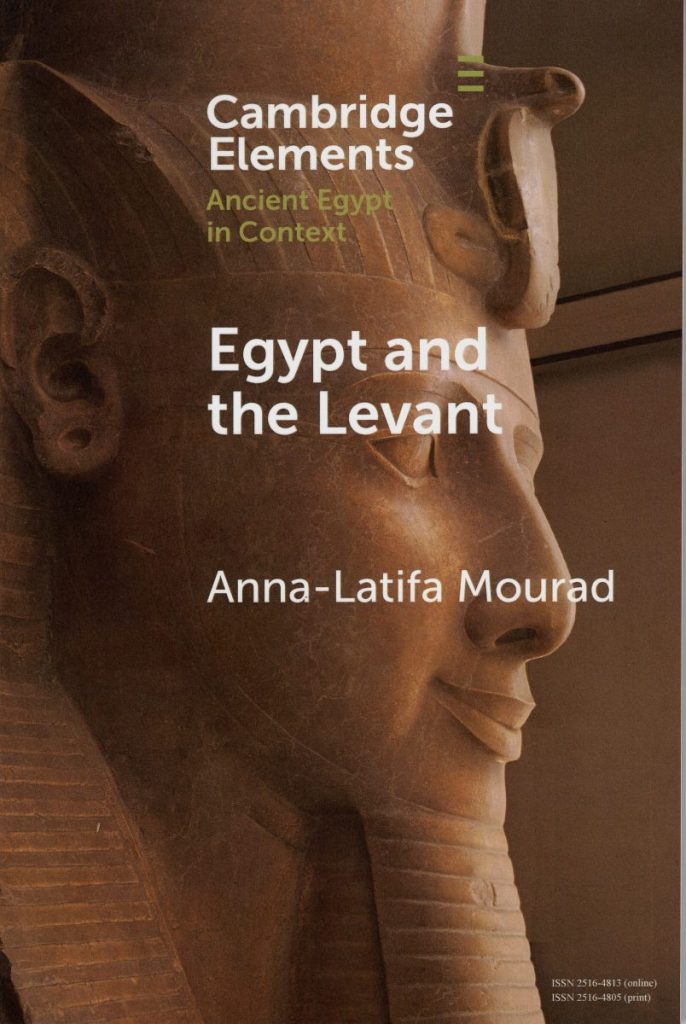
This latest volume in the Cambridge Elements series offers a snapshot of what we understand about connections between Egypt and the Levant in the early to mid-Bronze Age, a period that covers
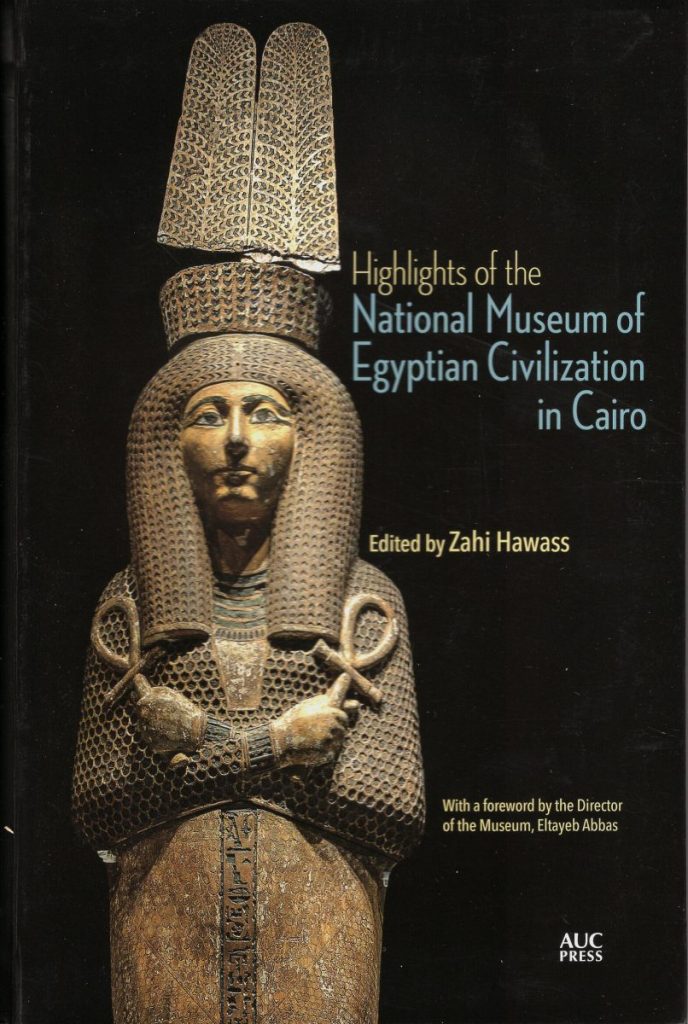
The National Museum of Egyptian Civilization (NMEC) opened fully in 2021 following the ‘Golden Parade’ of royal mummies, which were transported in style from the old Tahrir Square museum. Fustat (in Old
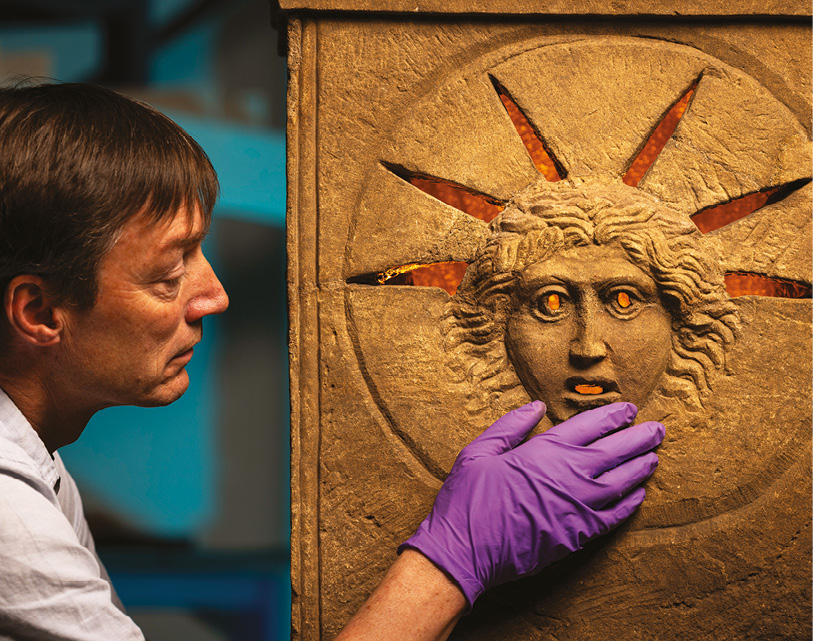

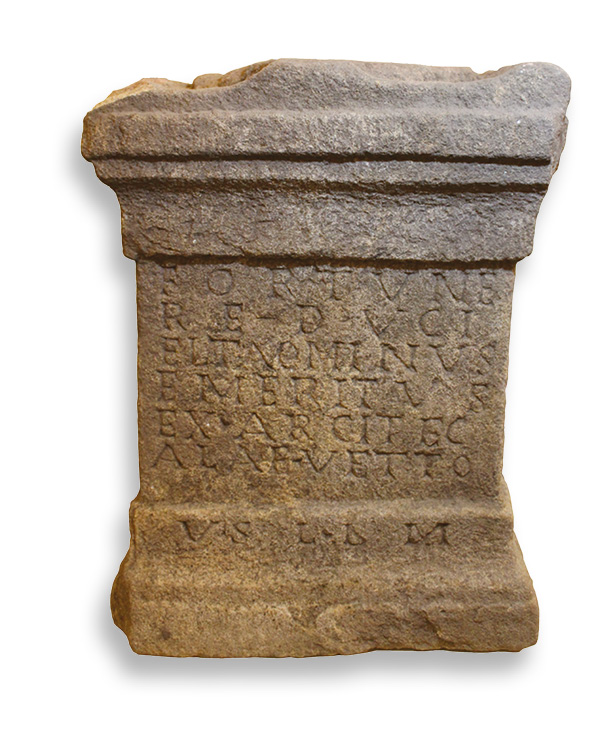
There are lots of great ways to get involved with history and archaeology over the next few months, including exhibitions, lectures, and conferences exploring a wide range of subjects. If you would prefer to get your heritage fix from the comfort of your sofa, though, there is a variety of resources on offer online, too, from virtual site tours and digital offerings by museums to podcasts, TV shows, and more. Kathryn Krakowka has put together a selection from the options available.
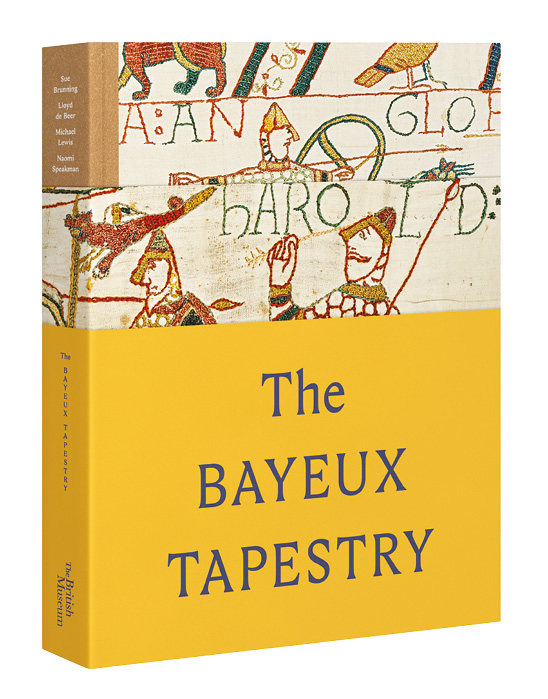
Britain has been overcome by Bayeux Tapestry fever (as has CA: see our feature on here and more in Sherds on here) with the famous embroidery returning to British soil for the
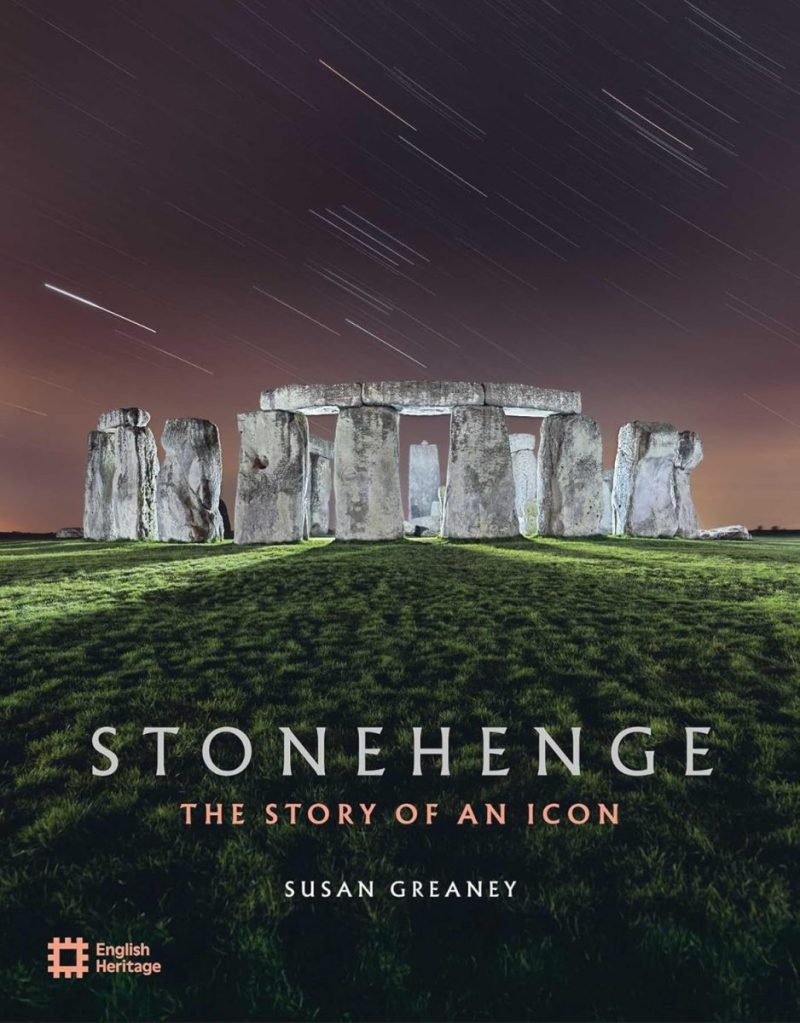
This Stonehenge paperback will sell, probably deservedly, very well. Its text gives a suitable level of detail, while also reflecting current mainstream (and therefore English Heritage) views, and hence is correctly pitched

It is a much-cited refrain that the only way to understand Scottish hillforts properly will be to excavate them fully, reliant as we have been, for the most part, on very limited
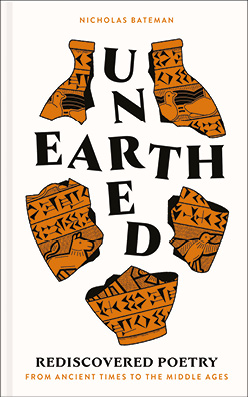
In this absorbing book, Nicholas Bateman draws together 70 poems spanning 35 centuries, all of which had become lost before being rediscovered by archaeologists or archivists. Ranging from epic texts to fragments,
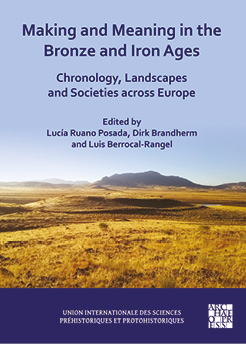
This book brings together papers from MetalAges2024 – Chronological Methods and their Correlation in the Metal Ages, which was held in Florence in 2024, co-organised by the UISPP Scientific Commission ‘Metal Ages
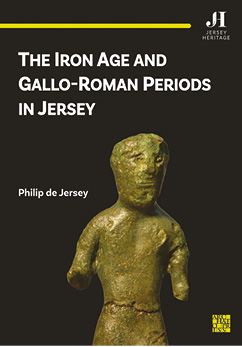
This is the most recent addition to the Jersey Heritage Research Series (see CA 434 for a review of The Chalcolithic and Bronze Age in Jersey and CA 431 for The Neolithic


I first came to the Umbrian hilltop village of Giove half a lifetime ago. I was seeking sanctuary in the real Italy as I navigated potential closure of the British School at Rome (where


An exhibition at the Met Cloisters explores depictions of fantastical hybrid creatures from medieval Europe and the ancient Americas.

This handsome 158-page volume focuses on the Mediterranean and its role in the Bell Beaker phenomenon. Throughout the book, the sea emerges both as an inhabited space and as a medium for

This sweeping history of hunting is the archaeologist and anthropologist Brian Fagan’s final book, helped into publication by his friend and collaborator Nadia Durrani. Fagan was an extraordinarily prolific writer, and his

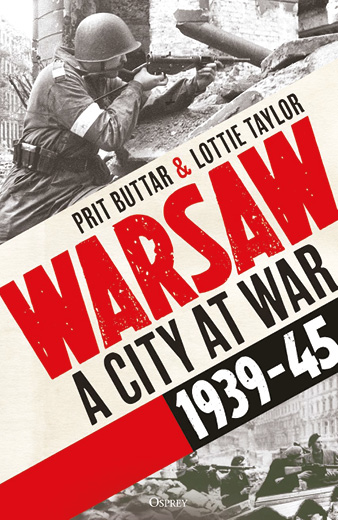
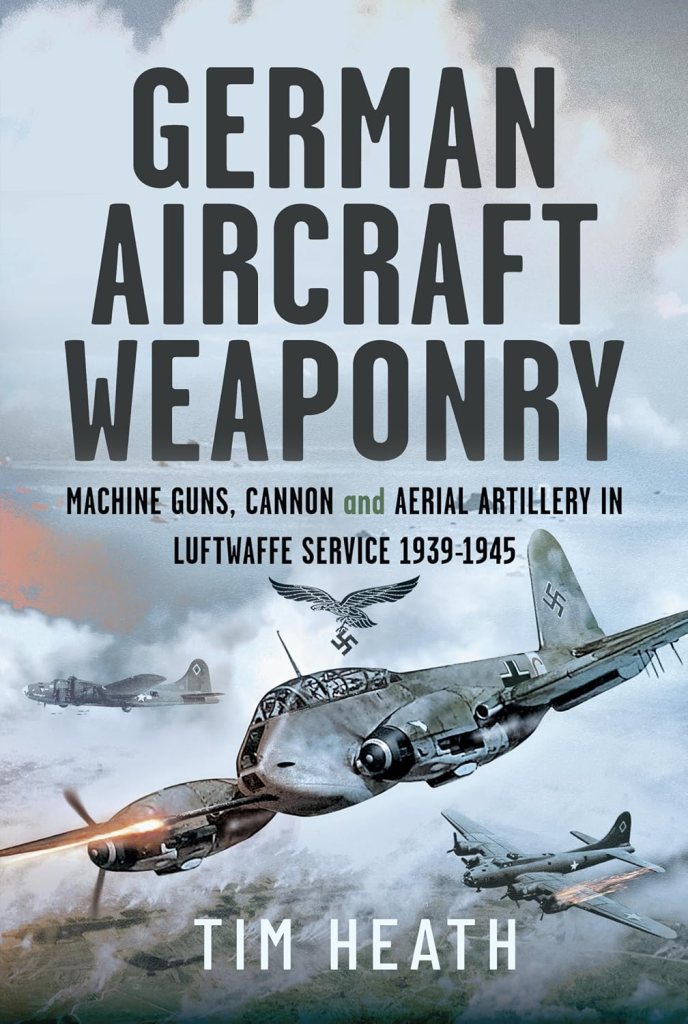

When the Second World War broke out in 1939, the Luftwaffe was almost as heavily dependent on rifle-calibre machine-guns as the Imperial German Air Service had been in 1918. The Battle of
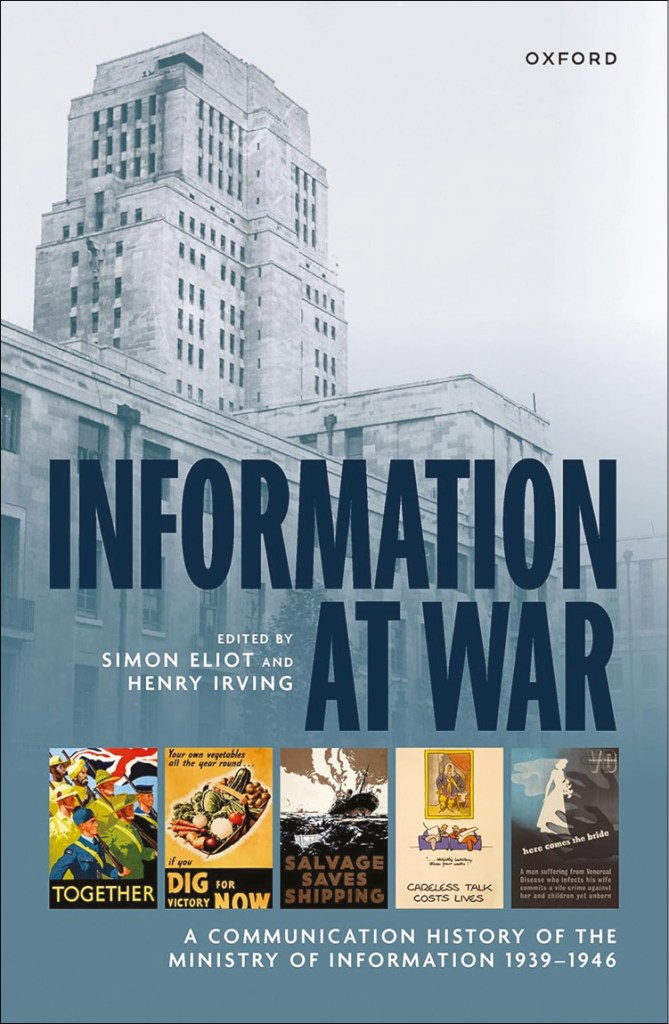
The Ministry of Information was one of the most remarkable government creations of the Second World War. It was given a global remit to spread information, essentially propaganda, to allies and neutrals
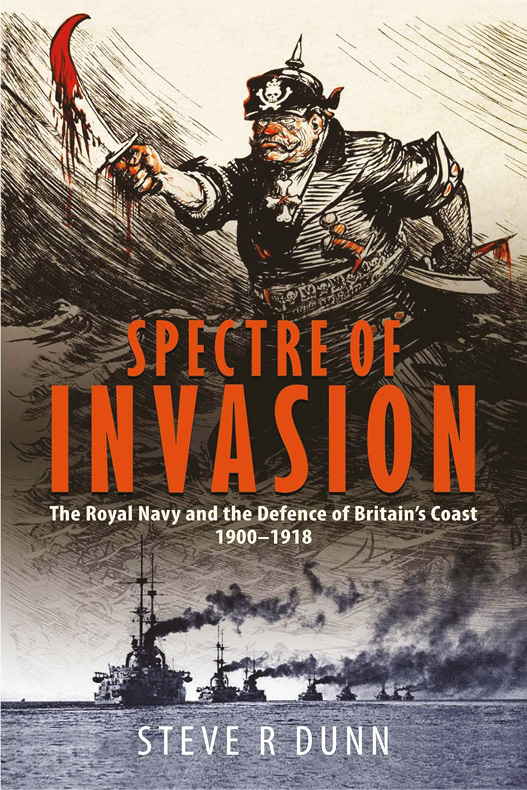
Steve Dunn is the author of 15 books, mostly on specific aspects of World War I at sea, from the Dover Patrol to the defence of the Western Approaches. In Spectre of
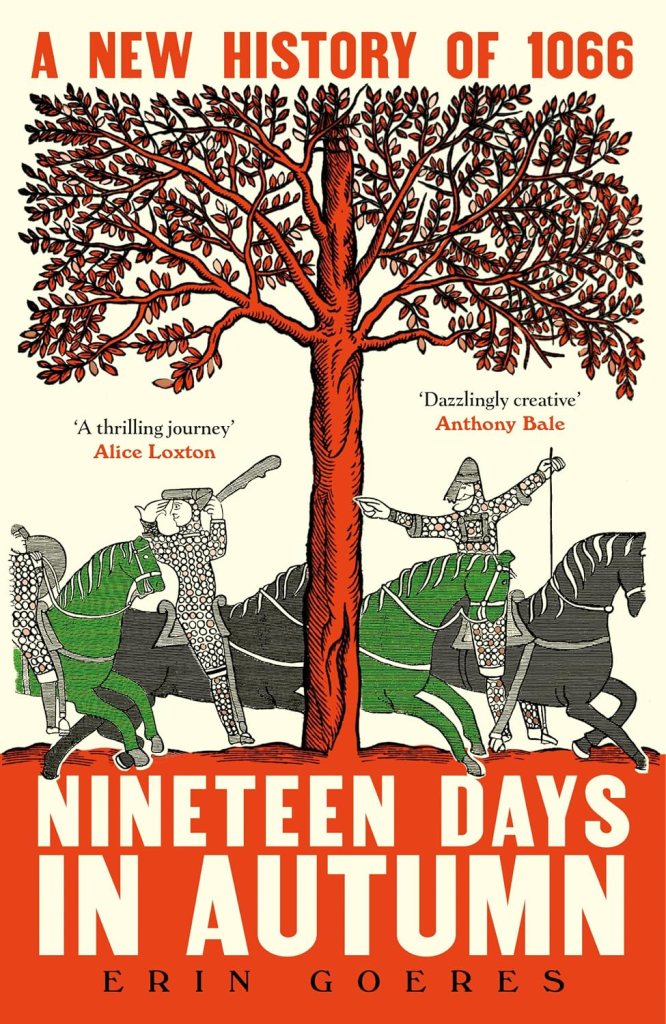
It’s a rip-roaring start, with three deaths in five pages as Harald Hardrada (or Haraldr Sigurdarson as he’s termed here), Tostig (wayward brother of Harold Godwinson), and an unnamed farmer all get
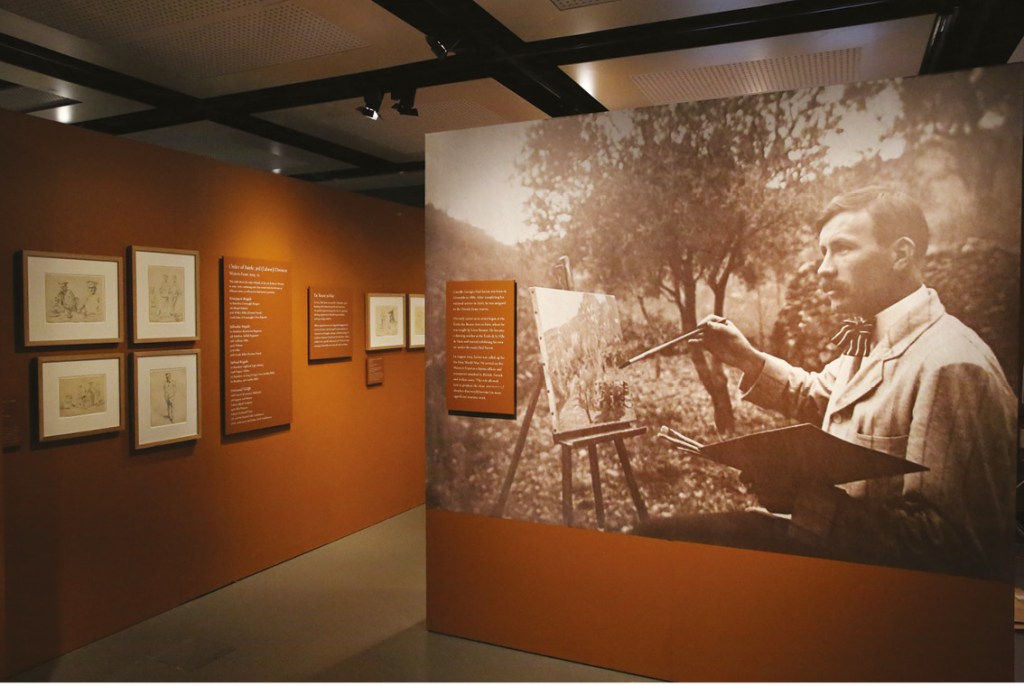
Reviewing the best military history exhibitions, with Peter Popham.