
Subscribe now for full access and no adverts
My son looked at me askance and muttered ‘more nostalgia’. I smiled, recognising he was right. My Mediterranean journey really began in this unlikely valley and its off-the-beaten-track places that I have dreamed of revisiting. For two full days, my long-suffering son has to put up with my recollections of archaeologists, digs, and surveys decades ago. We shall eat sea fish at Termoli, I promise, by way of compensation.

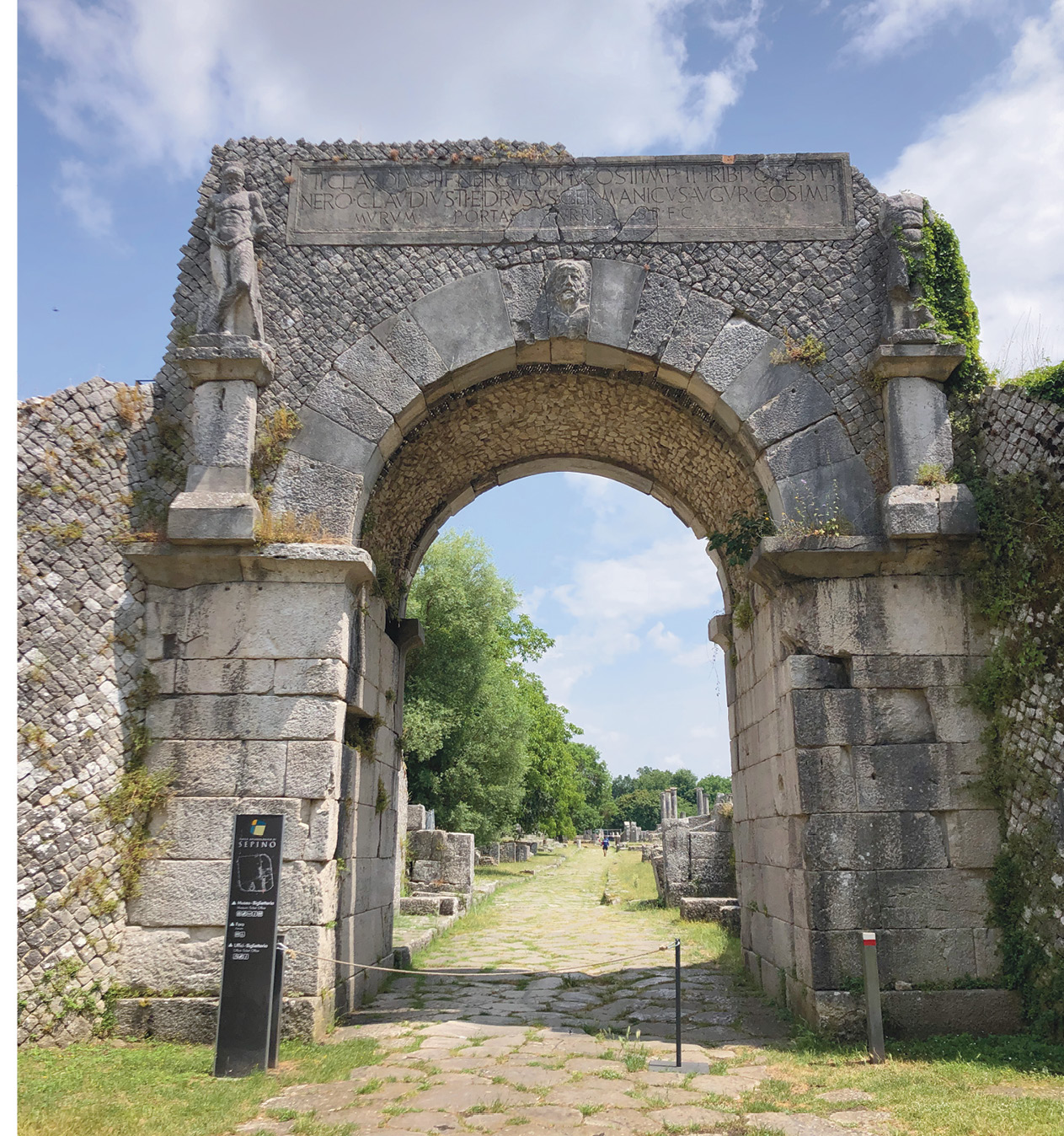
First, though, some context. As a young university lecturer I set my heart on doing a project in Sicily. I took a team there in 1977, but for various reasons the permit never materialised. I phoned my Sheffield University colleague Graeme Barker, who was directing a big project in the regione of Molise. It was not easy to reach him, but I did, and inimitably he was very welcoming. To get to Molise, we drove through the length of Calabria, where the accelerator cable broke and a helpful mechanic replaced it with one from a lawnmower. In a thunderstorm, we struggled through Benevento and, after a further hour, reached the dour town of Campobasso. Here I was to rendezvous with Graeme at the offices of the Soprintendenza, the state archaeological authority. While waiting, a young inspector – on learning of my interest in the Middle Ages – told me of a monastery called San Vincenzo al Volturno that was well worth visiting. Brashly, I responded that I was only interested in villages. When Graeme arrived, he took us to Saepinum, a jewel of a Roman town mostly occupied by four farms, in the shadow of the Matese mountains (see below). There, we camped in the Roman forum! The next day, Graeme took me on a tour of his summer domain: the Biferno valley. Driving his Land Rover with the aplomb of an estate agent selling property here and there, he chattered about the sediment history, the Bronze Age farms, and the myriad Roman farms near the Adriatic Sea. Down the valley we rattled, castles loomed in airy villages high above us, in what immediately appeared to me to be what Carlo Levi once derogatively called ‘the Other Italy’. This was a striking but wholly forgotten world.
Molise had been rich in the Roman period, but suffered abject poverty in the later 19th and 20th centuries, when the greater proportion of its people migrated. The area is named after a Norman duchy, and was until 1974 part of the region of Abruzzo. Then it gained its independence to become Italy’s second smallest regione. To give it some fresh identity, a brilliant young Superintendent of Antiquities (born in Molise), Adriano La Regina, invited Graeme to replicate the British School at Rome’s South Etruria field survey of archaeological sites in his new patch. La Regina knew his man: Graeme was never a slouch! On agreeing, he ambitiously aimed to survey a valley that led from the Matese mountains, forming part of Italy’s Apennine spine, to the Adriatic Sea at the bijou port of Termoli. This was a canonical Mediterranean valley, as he would call it in his classic monograph published 20 years later.
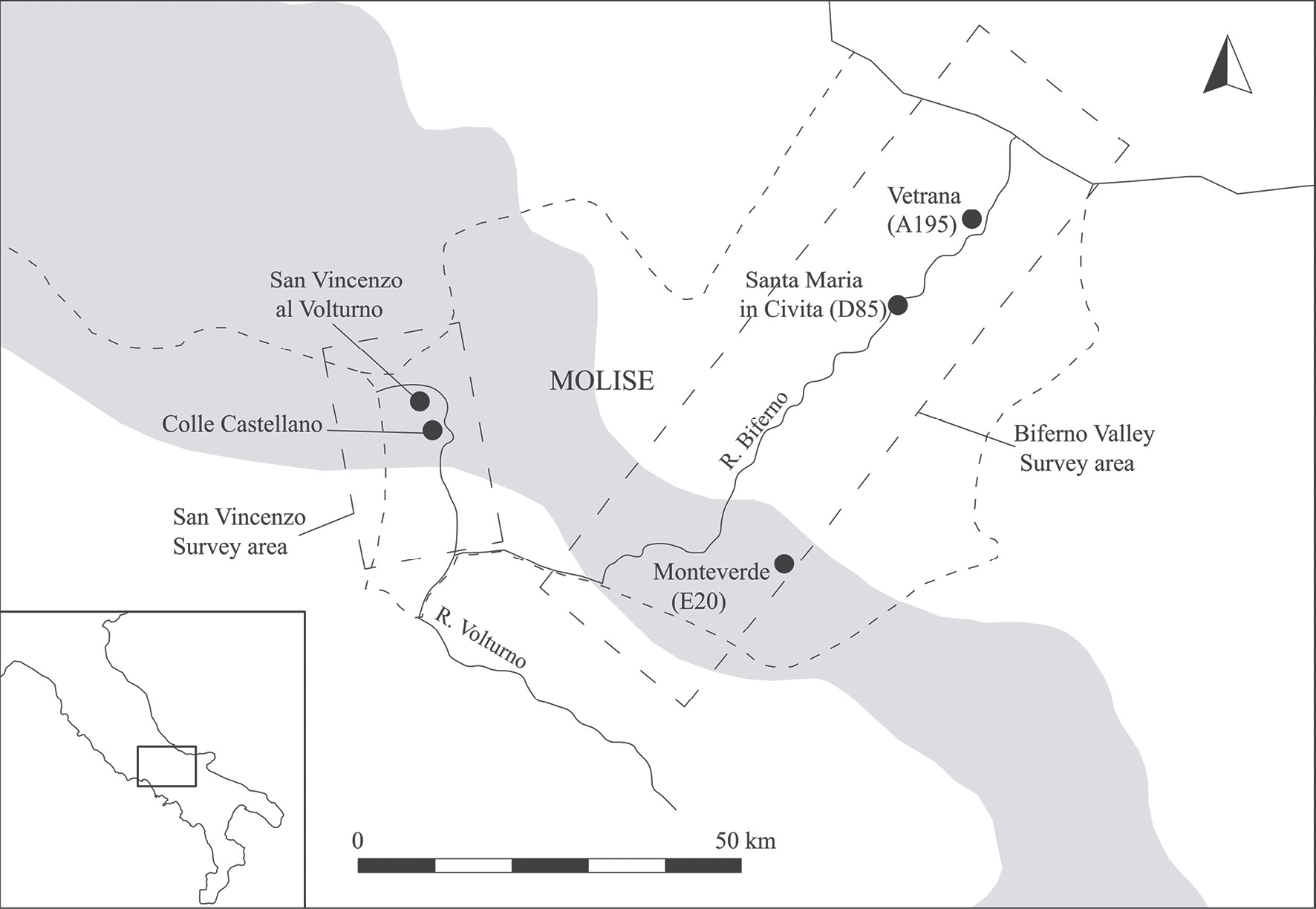
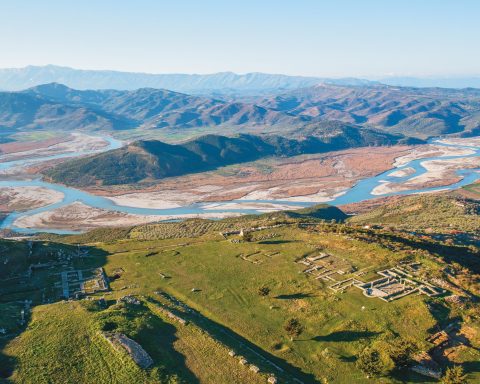
The valley is about 80km long. Its headlands around Saepinum encompass a wide plain reaching to modern Boiano and beyond. The river then winds through gorges under the gaze of hilltop towns reached by murderous, pot-holed narrow lanes. The valley widens about 25km from the sea at Guardialfiera, where a large reservoir had just been made for the new region. It was at this spot that Graeme bemusedly pointed out a prominent hill, which he called D85. ‘We found red-painted pottery there’, he added cheerily. My ears pricked up: Graeme was alluding to the rarest of the rare, tell-tale ceramics belonging to a Dark Age site that I instantaneously assumed to be a village. I was hooked long before we had crossed the reservoir and sped towards the seaport of Termoli, the eastern terminus of Graeme’s survey.
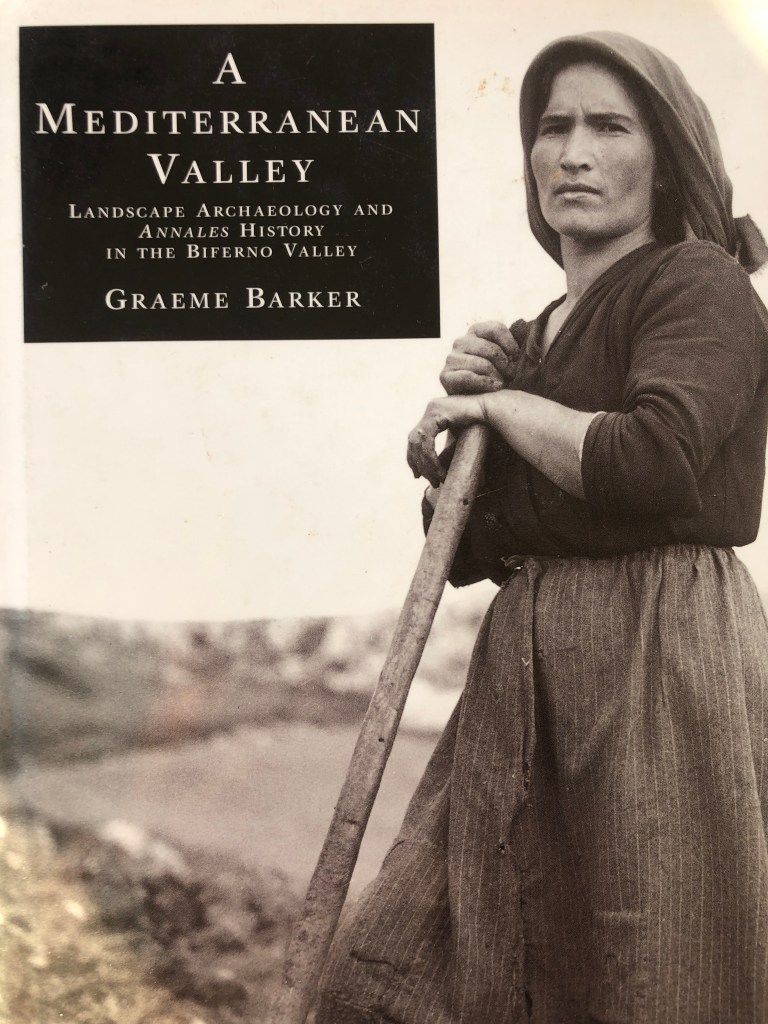
The following summer we excavated D85 and visited much more besides, with our friend, the historian Chris Wickham, introducing medieval archaeology to Molise. Graeme’s monograph, published in 1995, was graced with a photograph by the Brooklyn-born fashion photographer Frank Monaco, whose parents came from this part of Molise. Monaco was the first to illustrate the beauty of these forgotten landscapes through the struggles of its graceful, strong women. Few book covers match it. More to the point, our research directed by Graeme opened the door to many more projects, turning this unassuming land into little short of an archaeological treasure trove. One of these projects, led by the Dutch School in Rome, in recognising the historic significance of the Biferno valley survey, decided in 2024 to hold a conference to honour Graeme and the groundbreaking research. It was then, with Frank Monaco’s images in my mind, that my nostalgia set in and I decided to head back to places that, almost half a century ago, had thrilled me.
Saepinum and Boiano
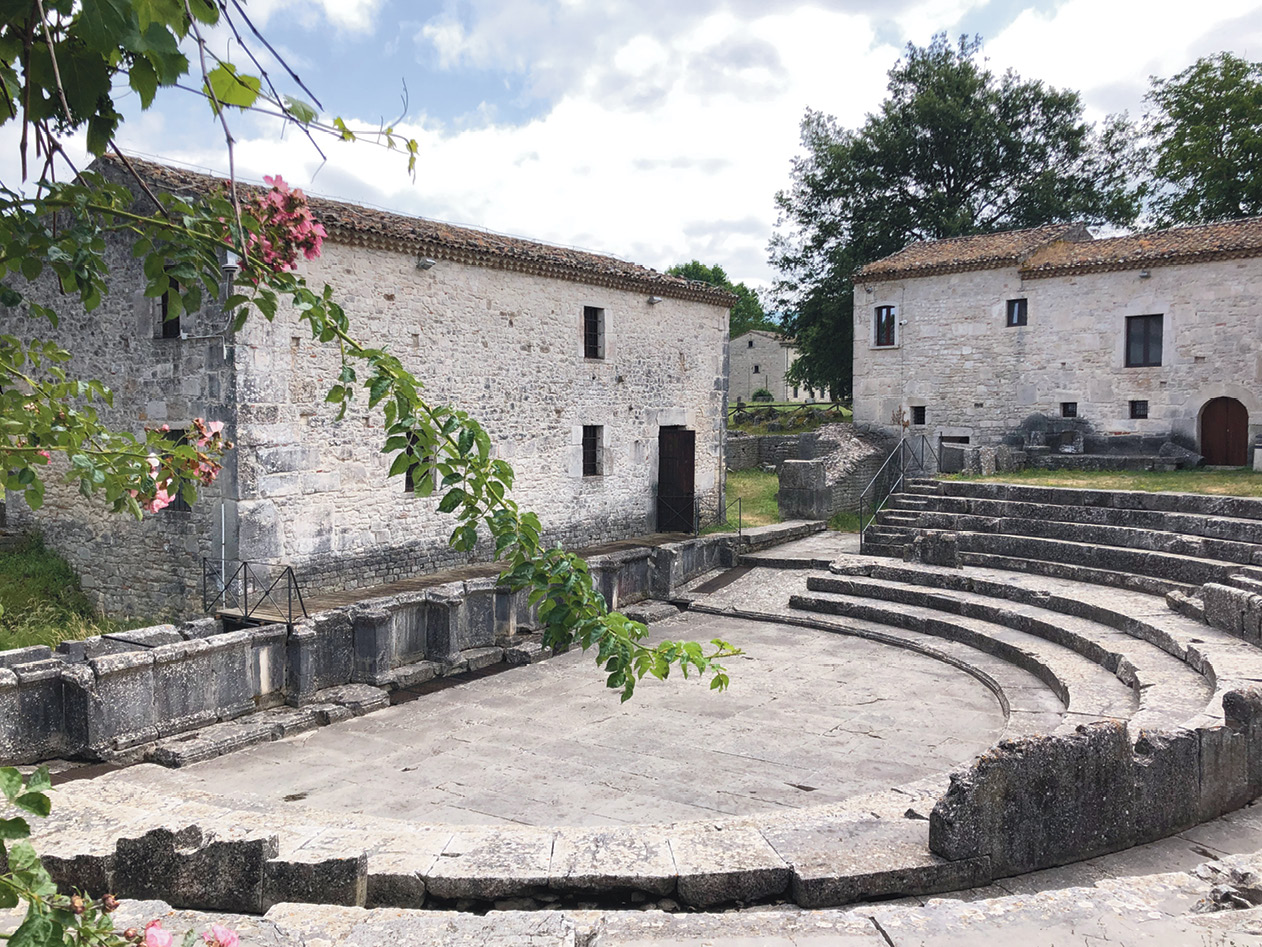
Saepinum is a jewel. It lies just off the Isernia–Benevento highway, its finely preserved ruins once incorporated into several well-appointed farms. This was a transhumance town in Roman times. Here, according to an inscription over the north gate, flocks were driven from the plains that lie to the south up into the mountain pastures high above the town. In many ways, it is a Roman town in miniature, with everything you associate with the idea of Roman urbanism. It has fine fortifications, a lattice of well-paved streets, ruined shops, a macellum, a basilica beside the spacious forum with reconstructed columns, and, its one real glory, a most-intimate theatre, for hundreds not thousands. Now, decades later, all trace of the dark farms has been removed. Instead, Saepinum is a new archaeological park, its voluptuous vegetation tamed, and a triumph. The verdant setting and cleaned, conserved ruins lend this place a tranquil otherness that is a million miles from modernity or, indeed, the disturbing poverty of Molise in recent centuries. Few places introduce the Pax Romana better to the visitor.


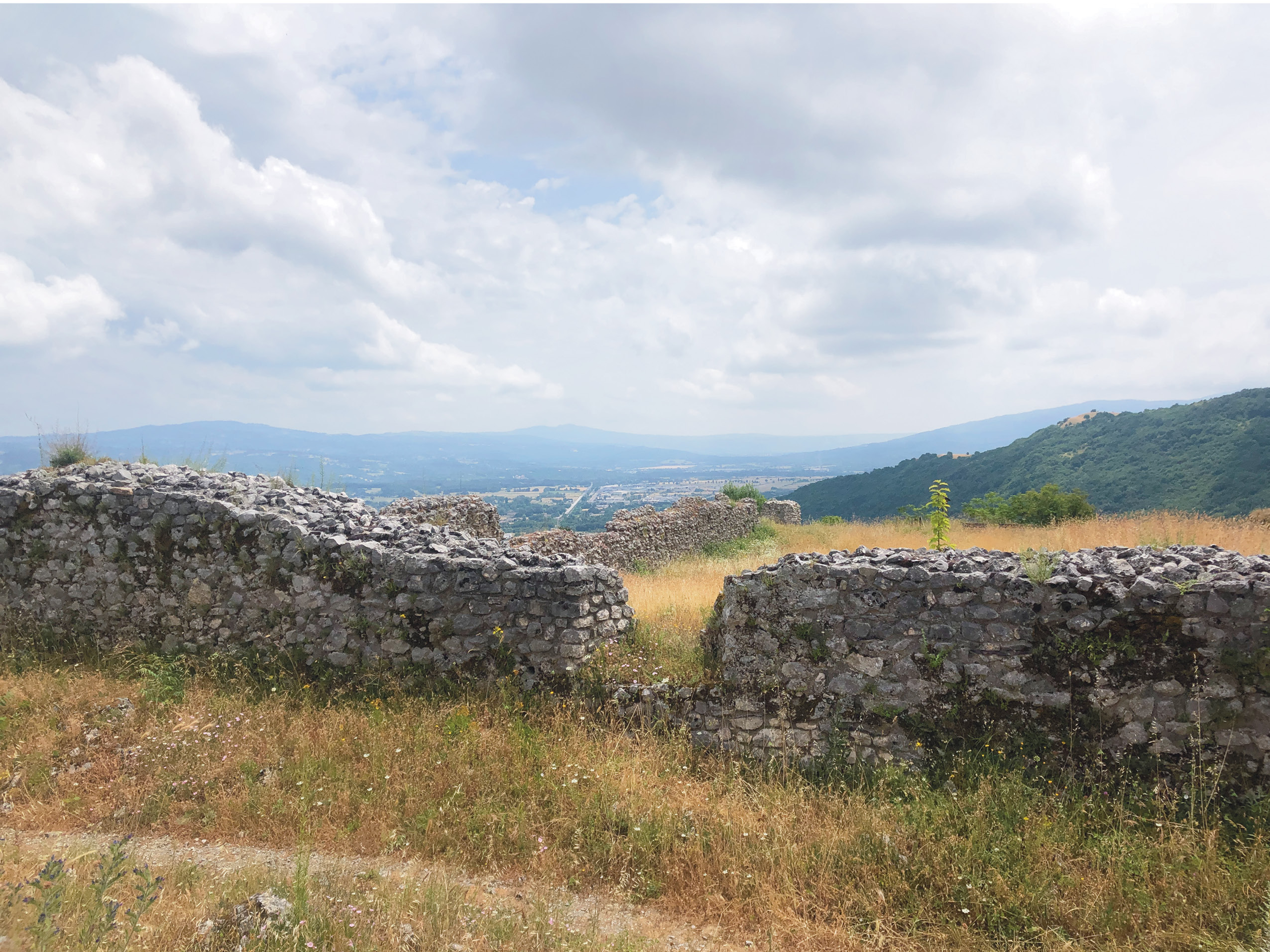
About 15km to the north of Saepinum, Boiano – ancient Bovianum – was a Samnite capital and a Roman colony. Today, it is a sleepy town with an untidy square that each weekend accommodates a sprawling market. Above, on a sharp ridge reached by a twisting road, is the medieval citadel and what is left of its borgo. In its tiny square now stands a bronze statue of a boy in a cap as a memorial to the many who migrated from here to Canada. A path leads upwards to the castle, where I began my Molisano odyssey for real. The huge fortress has a walled bailey that is separated by a deep, rocky ditch from the main keep. This is no ordinary keep. In scale, it resembles the military architecture to be found in 13th-century France or Germany, with its two-storey long hall and associated buildings. Its origins date back to the 11th century, or perhaps earlier. In the first half of the 11th century, it belonged to Rudolf of Moulins, one of Robert Guiscard’s fellow adventurers born in Normandy, who conquered much of the Mezzogiorno and Sicily. The Moulins of Rudolf’s name was soon refashioned as Molise, as his duchy spread to occupy this tract of south-central Italy. It was here, scraping away at the exposed sections in the bailey, that I collected the tell-tale 12th- to 14th-century ceramics of the later Middle Ages – narrow line red-painted wares and Archaic Maiolica polychrome sherds that I used to define the third of three medieval phases of settlement found in Graeme’s Biferno valley project.
Today, on this visit, the castle seems forgotten. Wading through the tall grass, in the company of flotillas of butterflies, to this great Norman fortress refurbished in the 13th century, time has stood still. Just inside the gate is a facsimile broad sword, embedded in a stone. Small padlocks dangle from its pommel, perhaps memories, now rusting, to those who emigrated from Rudolf’s county long ago. My son could not resist trying to extricate the sword, in vain.
D85
Within the viewshed of Boiano, I spent a day in 1978 sketching a plan of the deserted medieval village of Monteverde. Its ruined houses clustered around a low ridge, close to a circular floor where I came upon villagers from a nearby settlement watching threshing as a horse trailed a wooden sledge peppered with flints. I had stepped back in time and felt so privileged. Perhaps that is when, in my memory, pushing on through the grass leading into the abandoned village, I plonked my foot on an invisible nest of baby vipers. Eight or more snakelets slithered like lizards in all directions. Heart in my mouth, of course, all thought of the threshing scene was obliterated by abject terror. Scouring the village for potsherds, I found a few measly fragments of maiolica (like those from Boiano) that confirmed Monteverde to be one of many villages, now place-names on maps, forsaken after the Black Death, as occurred across Europe.

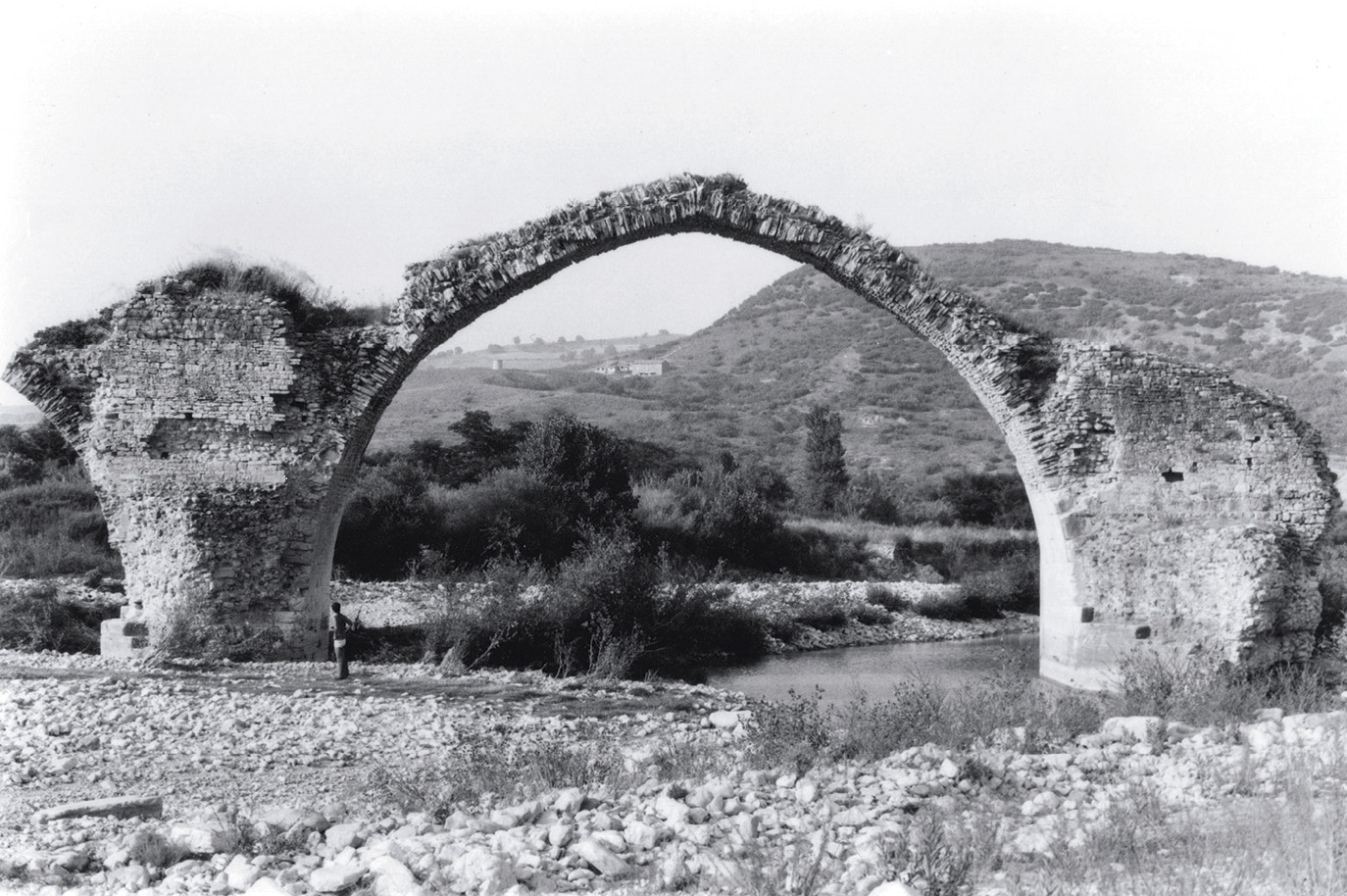
The superstrada down the Biferno valley sweeps through thick woodland. As the valley widens, villages crown the tops. Tratturi – the wide sheep trails that traversed the valley at several points – occur at frequent intervals, testament to the massed flocks and shepherds who lived on the hoof between northern Apulia and the Abruzzi. Today, this age is no more than a memory to conjure with as the valley widens and the Biferno emerges, little more than an unassuming brook in summertime. A now-lost Roman bridge, the Ponte Antonio, below Guardialfiera, shows that at times the Biferno has been a force to be reckoned with. This great humped bridge connected ancient Larinum with Triventum, and remained intact and in use until the 1970s. Its presence almost certainly explains the place I most cherish in the valley: christened by Graeme as D85 and known at times as Santa Maria in Civita. This was my first excavation in Italy.
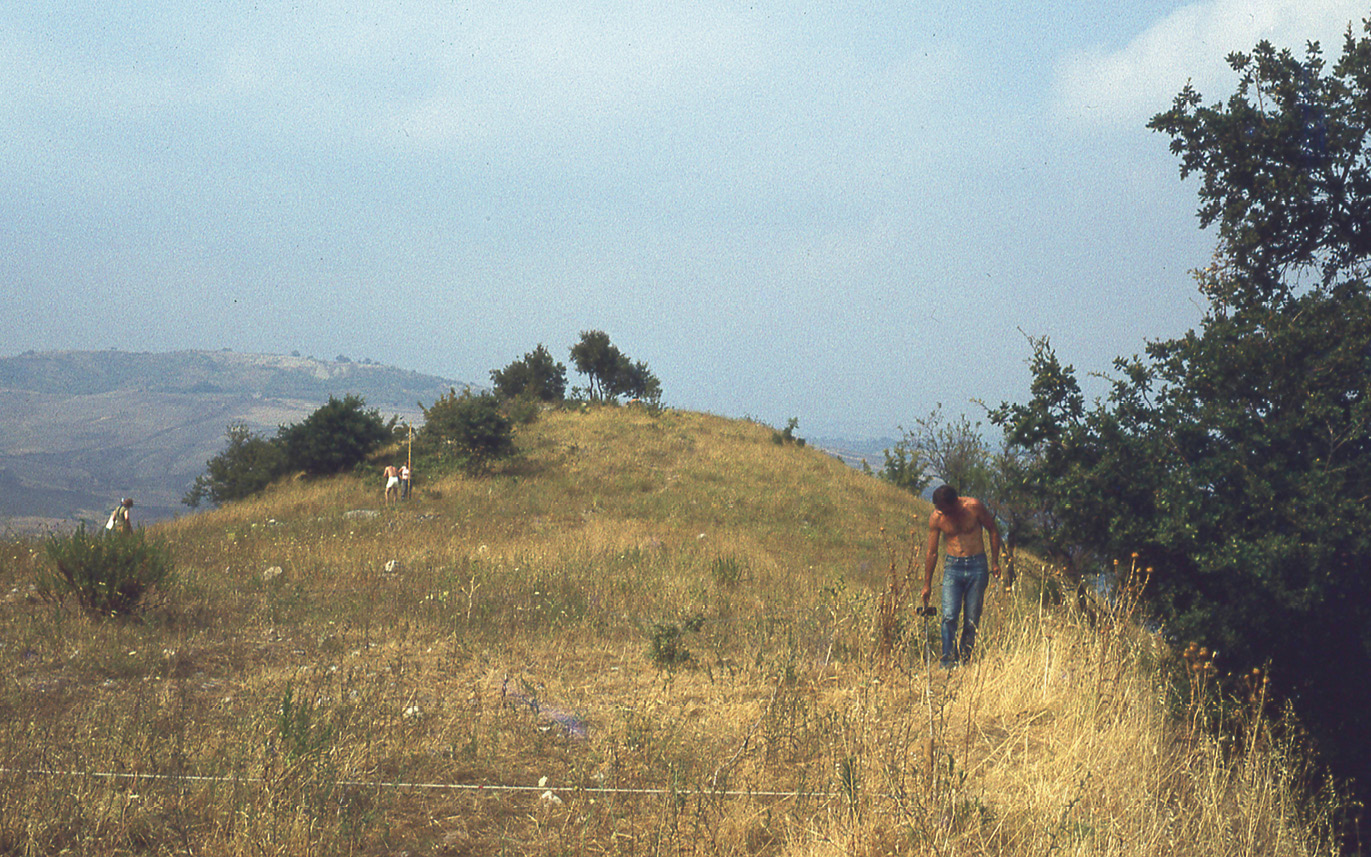
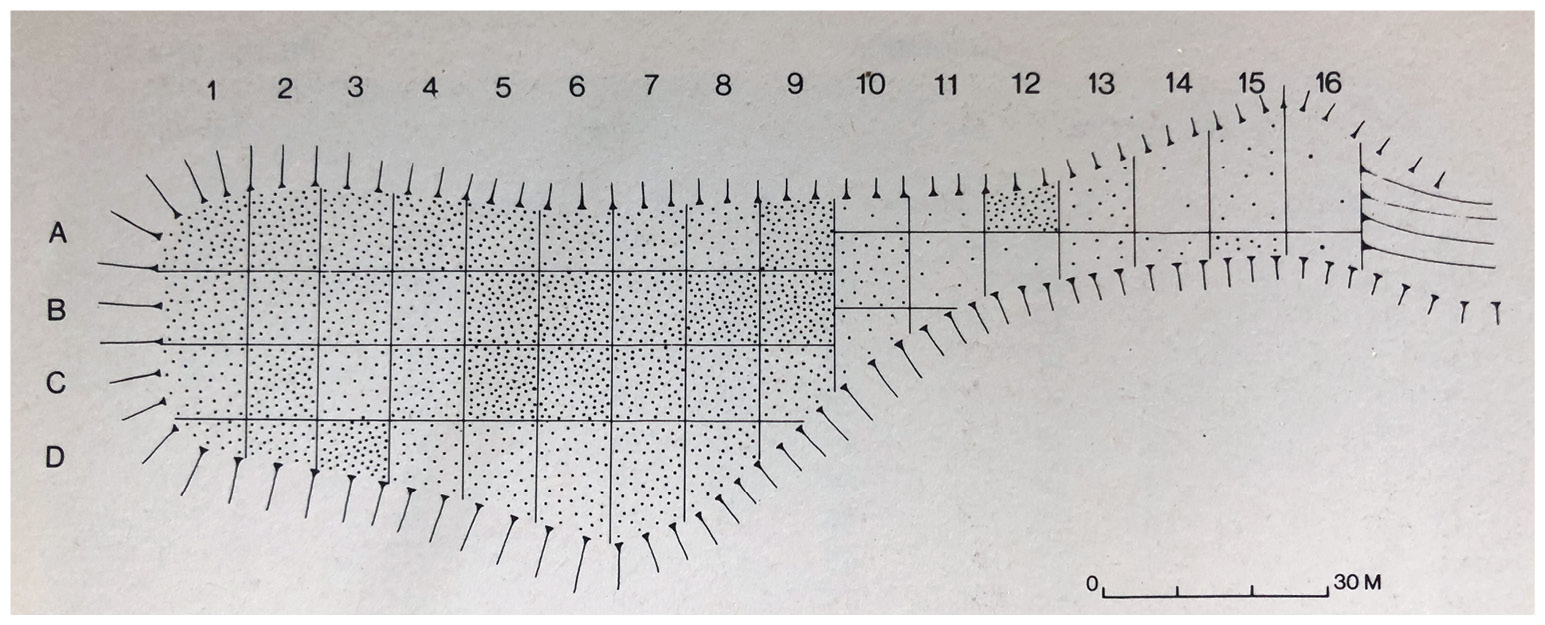
Nowadays, you approach this hill by a sweeping bridge rising high above the reservoir waters on a forest of concrete piers. It is modern engineering gone mad. The hill is essentially saddle-backed, with a knoll at the east end that looked down on the Ponte Antonio. Graeme had found distinctive early medieval pottery, as well as rubble and tile, on the saddle of the hill, so we embarked on an ingenious strategy to learn more. First, we carried out a magnetometer survey with a machine that today would be in a museum. Next, we laid out a 10m by 10m grid and plotted all the sherds and bones we could find. Again, geo-referencing would be used these days. Then, with three weeks at our disposal, we put trenches on the knoll (where no pottery was present) and at points where there was an overlap between magnetometry anomalies and ceramic concentrations. Very soon we encountered structural evidence. These remains were and continue to be thought-provoking, given their 9th-century date.
The real treasure from the expedition to D85 was the haul of carbonised grain (and weeds) filling the deep, circular silos we found in two trenches. Bags of charcoal-black grain were manhandled off the hilltop to a waiting Land Rover, and then shuttled a kilometre to a gushing, ice-cold fountain, where Graeme installed an invention that was then barely a decade old: a froth flotation machine. Two willing students directed the pumped water into an old oil drum. After pouring in the contents of each plastic bag, they carefully swept the floating botanical remains into fine-meshed bronze sieves. This artful operation left the students looking like coal-merchants. The saving grace uppermost in most of our students’ minds was that this was a job in the shade, while the sun was seldom less than ferocious on the exposed rump of D85.
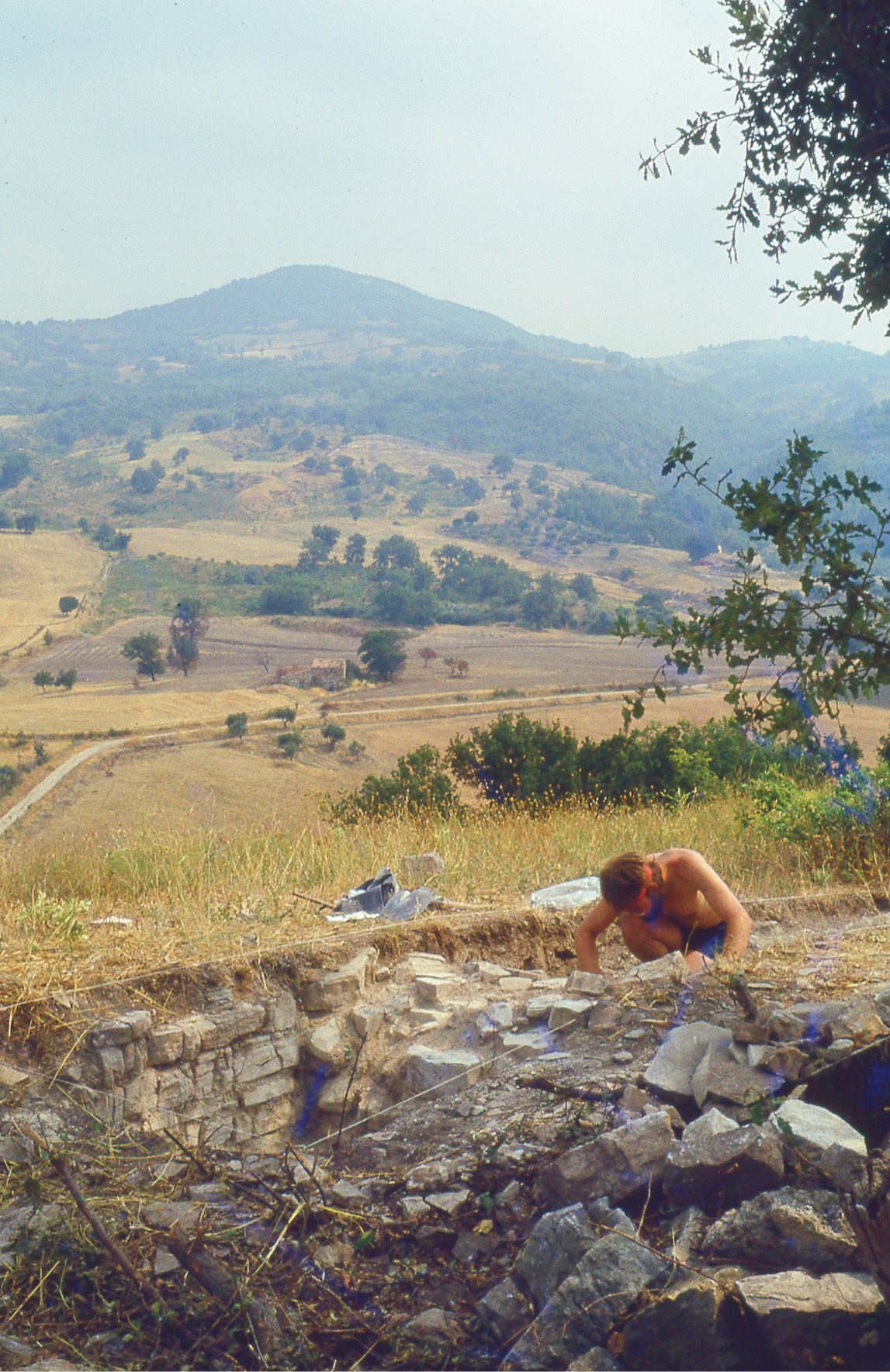

At the time, I was convinced by the historical paradigm that this was a village, and we had the first Dark Age one to be excavated in Italy. Only later, after many other digs, did I come to realise that this was a rare and early example of a (Beneventan) Lombard manor. Analysis of the grain and its weeds showed that the silos contained cereals from several different landscapes. These had been collected and brought to this hill without being cleaned of their weeds. Carbon-14 dating pinpointed the little settlement to the 9th century, while the broad line red-painted ceramic tablewares, a few sherds of Alpine soapstone, and glass goblets and lamps spoke to some conspicuous material wealth. The dwelling itself, I came later to realise, was a small tower with internal rooms subdivided by timber walls set on sills. The silos were within several rooms in the dwelling. In retrospect, too, the building with the biggest footprint here was actually on the knoll overlooking the Ponte Antonio. Given the number of skeletons ranged around it, this was a stone-built church with an accompanying graveyard that continued to be used long after this manor had been abandoned.
Why D85 was deserted is far from clear. The ubiquitous burning suggests a conflagration. One appealing explanation is that it was sacked in the late 9th century, shortly after the manor was built, by an Arab warband who for some decades caused havoc in this region. Then again, as fortification became a requisite feature, it is possible that the hill was too large to defend. Only further excavations will resolve this. Today, visiting D85, absolutely nothing has changed since we arrived with all our ambitions, and soon found them exceeded beyond our wildest dreams. There is something truly intoxicating about pushing again through the tall grass and once more stooping to pick up 9th-century potsherds.
Later, this small place almost certainly shifted to the far side of the Biferno valley at Guardialfiera, where in the Norman era a cathedral was built on a knoll, and today an anonymous one-street town runs east from it.
Vetrana
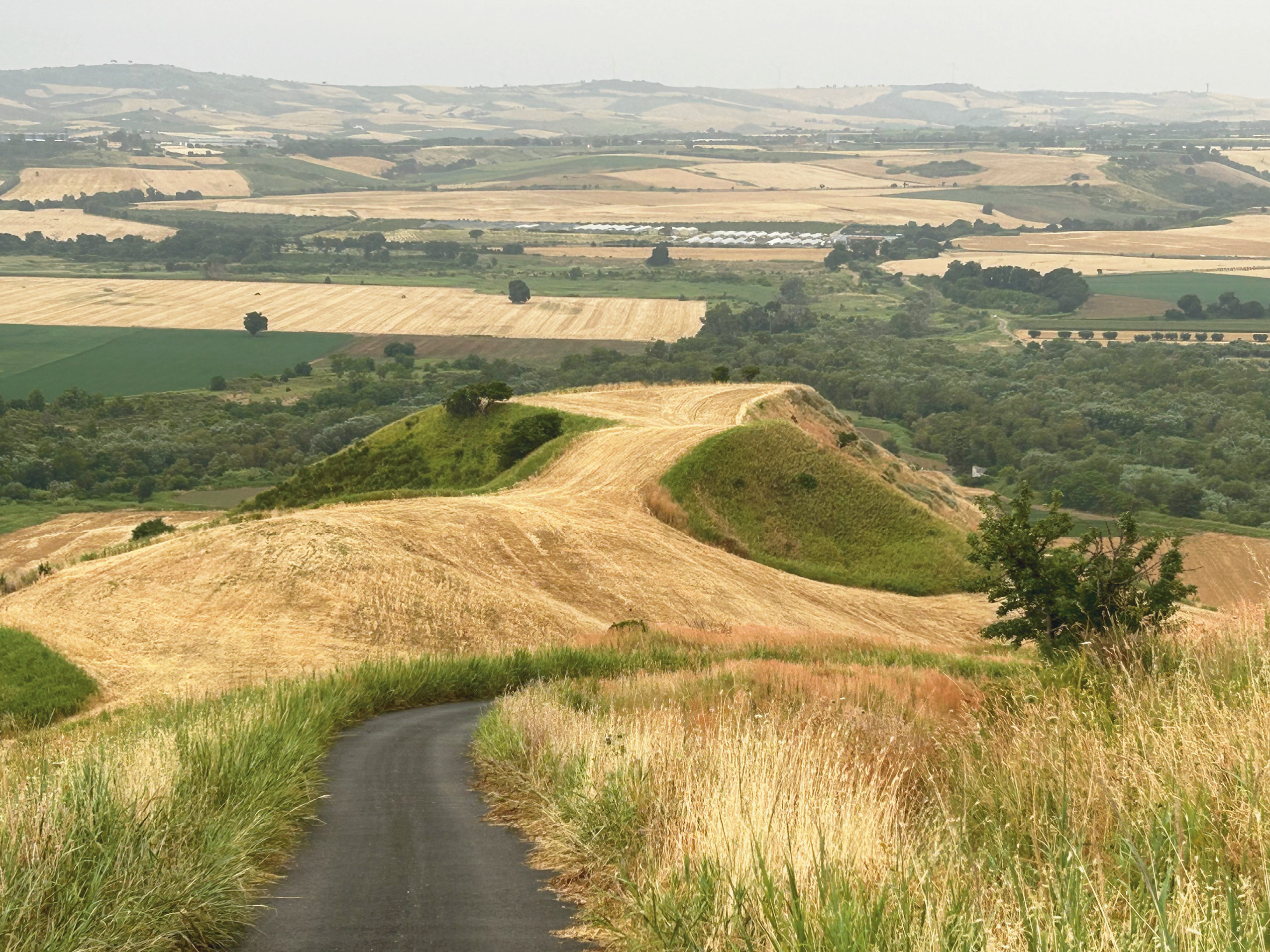
D85 is easily found and visited. Not so Vetrana, or A195 as Graeme christened it. I identified A195 near Guglionesi as a possible 10th- to 12th-century lost village from the bagged sherds kept in Graeme’s Saepinum store. A year after excavating D85, I returned with friends in my blue-and-white Volkswagen camper to pursue a surface pick-up. We stayed in Guglionesi, a dark town of large, untidy residential blocks as well as an exceptional Romanesque church, San Nicola. Water was our biggest challenge. Despite the new large reservoir in the valley being within our viewshed, there was only water in the village for a few hours after midnight. Paying for food was another issue: Italy had no small change, the trattoria and shops gave local bank coupons and sweets as currency. No such problems exist today. This and every Biferno valley village has a gigantic concrete cistern looming over it, while for their citizens the euro rules supreme. Instead, on this new trip I was nervous about recognising the site. It lay on a low promontory on the punctured first terrace immediately above the Biferno river. Like D85, it has a knoll at one end, in this case at the upslope terminus of the hill.

A thunderstorm was brewing further up the valley as my son and I identified the newly tarmacked road that winds down the steep hill below Guglionesi. The storm refracted the light, turning it ominously purple in hue. Not too soon, we found Vetrana, although the thick stubble remaining from recent harvesting prevented any attempt to retrieve more potsherds. Still, with the gusting wind and lashing rain, in a soupy light, the stubble lent the hill a golden mien.
In our original survey, we found a uniform density of sherds, as well as Alpine soapstone fragments and tiles, ranged around the rim of the hill. From this, we interpreted a village where the dwellings doubled as fortifications. On the knoll above, where skeletal fragments were found, a small church would have stood proud above the houses. Chris Wickham mined all the documentary sources to show it had been one of several small settlements within the territory of Guglionesi. It belonged to the extraordinary 10th-century boom in village building in Italy, known as incastellamento, each place having its own written foundation charter. In this case, these properties belonged to the abbey of Santa Maria a Mare on the Tremiti islands – an archipelago some kilometres out to sea from Termoli. Unlike the countless castelli that make the Molisano landscape so distinctive, or those that failed after the Black Death, Vetrana – judging from the potsherds – was short-lived. It was abandoned in a time of prosperity in the 12th century. Quite why it was deserted remains a mystery. Nonetheless, with its distinctive narrow line red-painted pottery – like the few sherds from Boiano castle – it marked a coherent ceramic phase that immediately followed the assemblage we had collected at D85.
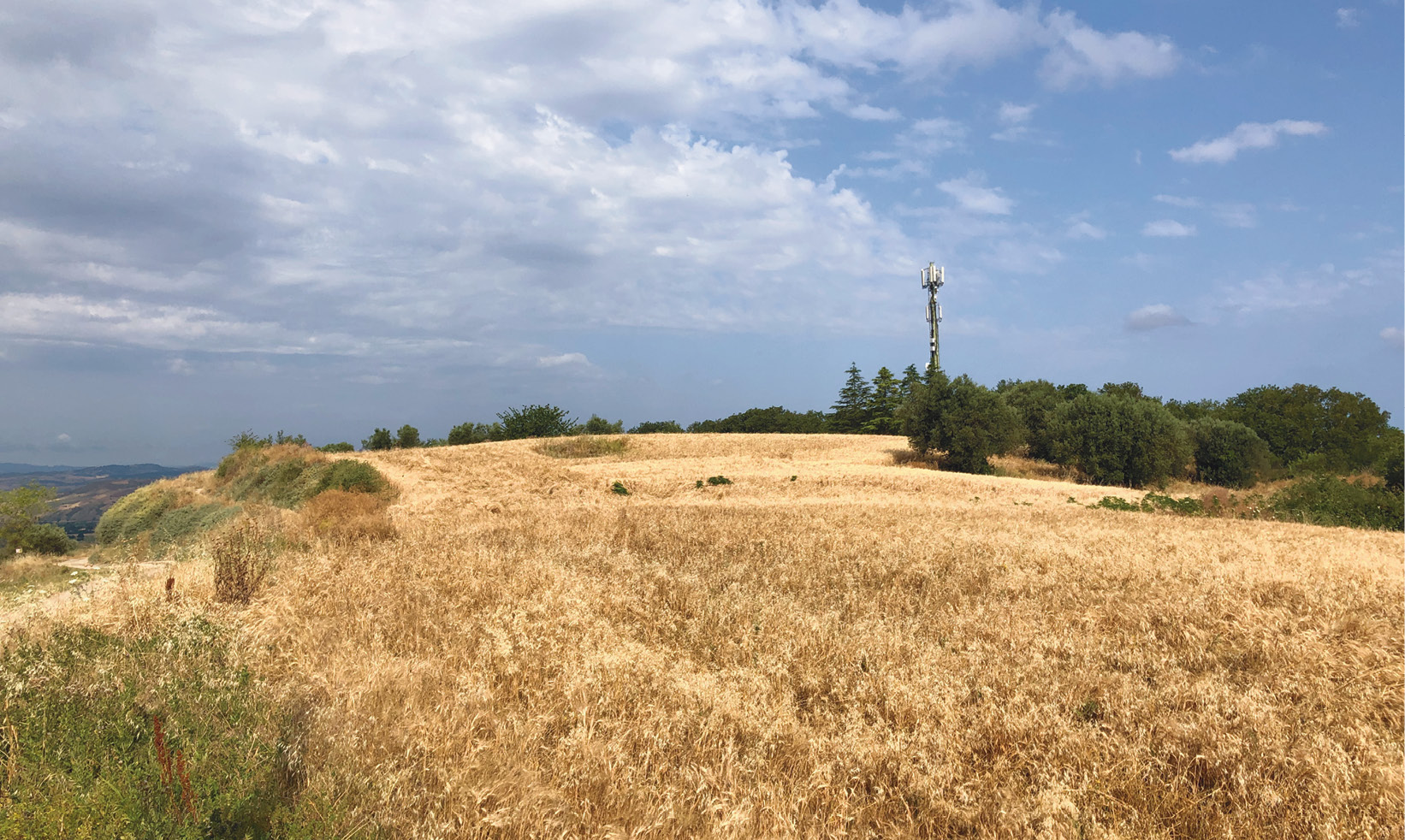
Finding the next phase in this hypothetical medieval sequence of villages defined by ceramics was a lot easier. Graeme and I had scanned the place-names on the old military (IGM) maps that no longer marked extant villages. There were dozens of them. Most had been smaller villages, almost certainly victims of the Black Death and its aftermath. When I visited them, these resembled Monteverde, where I had encountered the baby vipers: constellations of ruined dwellings with an accompanying church invariably overwhelmed by vegetation. The deserted medieval village at Portocannone was different, however. Described as Portocandesium in 1137, it was destroyed by a powerful earthquake in 1456. A new brick-built village was then established half a kilometre from the old one by Albanian exiles, Arbëreshë as they are known, who had fled the Ottomans. Old Portocannone (or E36 as it was registered in the project’s survey catalogue) is just visible from Vetrana, and vice versa. The lanes across the valley bisect new vineyards and large fields.
Back up the valley beyond Vetrana, the massing puce clouds belong to a persistent thunderstorm caught in the Apennine spine, but we are now entering another, marine, ecosystem. The lower Biferno valley had been spectacularly rich in Roman sites and, within the halo of the port of Termoli, it still feels this way today. Beside old Portocannone is new Portocannone’s cemetery, with ample parking. I wonder how many villagers who now frequent this spot realise that next to it lay their former village. Like Vetrana, it occupied a spur, with a rising south end on which, once again – to judge from the human bones in the ploughsoil – a big church had been positioned. Cereals yet to be harvested cover the rising ground where the footings of the erstwhile basilica are sure to exist. Beyond, on this wide tongue of land, is an olive grove and a newly minted vineyard. My son is puzzled by my unalloyed excitement: such is the joy of an archaeologist to discover a carpet of potsherds and tile. Here I picked up 12th-century Byzantine polychrome sherds from bowls that were commonly used to decorate the façades and bell-towers of churches in the Adriatic Sea littoral. Here I also found North Italian glazed wares, the material signature of imperial Venice, as well as scuffed 13th-century Archaic Maiolica sherds – bowls made in Apulia – that I had first found at Monteverde.
After old Portocannone, under a hammered grey sky, we passed through its replacement, a charmless brick-built town, and headed 10km towards the sea and the port of Termoli.
Termoli
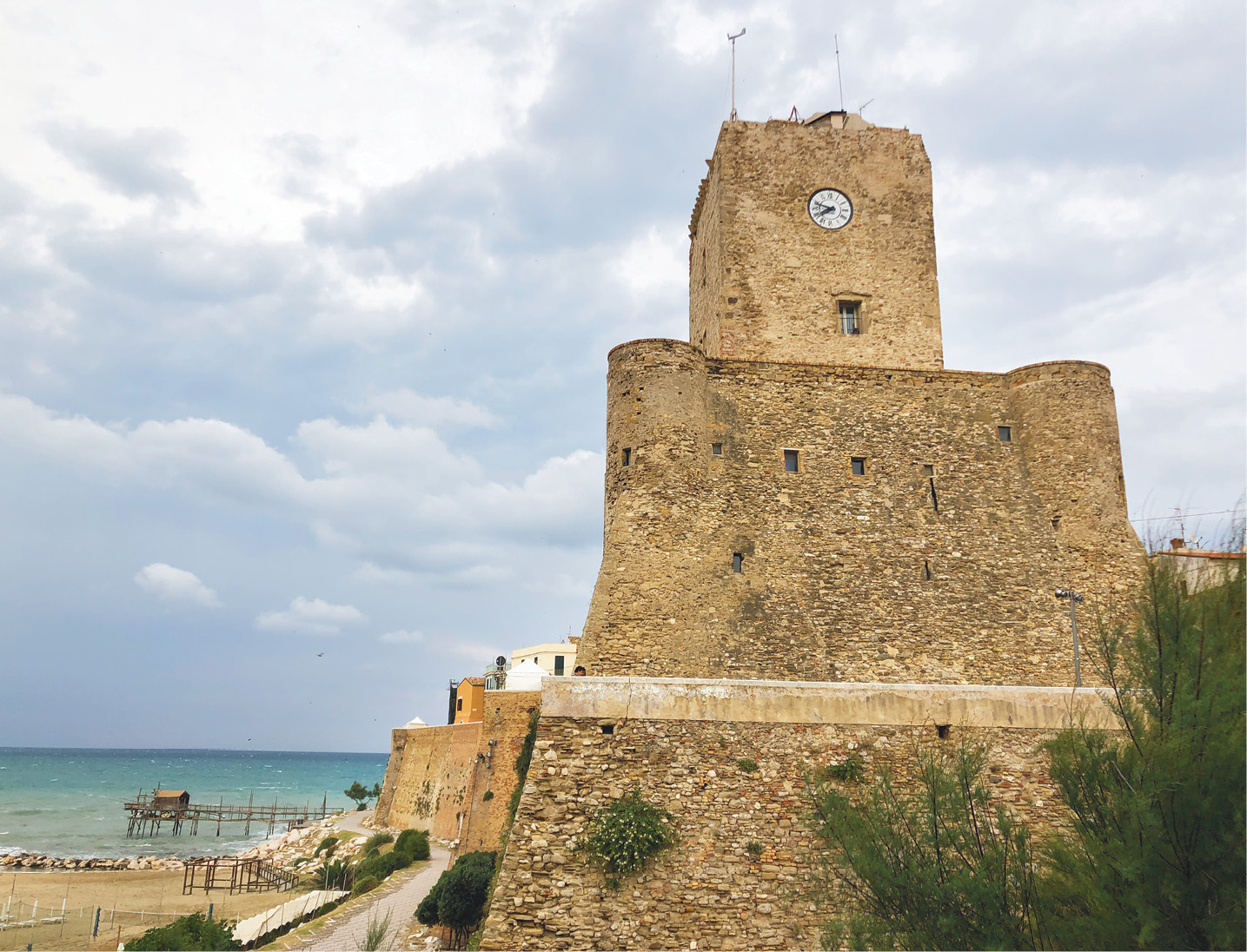
Termoli by the 11th century, in the age of Rudolf of Moulins, was an Adriatic Sea port to be reckoned with. It commanded the mouth of the Biferno, and expanses of salterns to the south, as well as the passage to the Tremeti archipelago that provided stopovers on the Adriatic Sea crossing to Croatia and Montenegro. Its long beach in recent times has drawn locals from Molise, but it is the castle and cathedral that have remained in my mind. The walled town sits on a high rock with a diminutive but intact Angevin donjon sat in one corner, surmounted by a stubby lighthouse. Inside the high wall circuit lies a maze of streets at the centre of which is the cathedral of St Mary of the Purification. Termoli feels affluent. Its cathedral is a bigger version of San Nicola at Guglionesi and the cathedral at Guardialfiera. It is blessed with fine sculptures, as well as a dark colonnaded nave that rises steeply to a high altar. It brings to mind French Romanesque churches that Rudolf may have known, but more to the point it signalled the commercial reawakening of the Mediterranean Sea after the 11th century, nurtured by these Norman buccaneers. Today, fishermen cast lines from the rickety wooden piers below, and kilometres of sunbeds all aligned with precision speak to our Mediterranean, a place for leisure. Here, too, to my son’s delight, at Donna Lavinia’s you can eat wonderful fresh seafood.
Termoli, of course, is so obviously another world from inland Molise. It feels cosmopolitan, looking seawards. Nowhere could be more different from Frank Monaco’s portfolio of bewitching photographs. He captured the last generation of a proud peasant culture that had struggled on these thin soils. They were fearless people, who claimed ancestry to the Samnites, the Iron Age tribesmen who had battled with the Romans. In their thousands, they took flight from these villages, boarding Neapolitan steamers to the New World and, for most, a metropolitan life so utterly different from rural Molise. The emigration continues even now, more discreetly, as a young generation seeks opportunities in Italy’s conurbations. The region boasts only a third of the population it had when Graeme and I were here in the ’70s. Then, in a bid to stem the tide of emigration, the new region gave grants to the peasants to equip them with bulldozer tractors that chugged up the steep valley sides and ripped up lands that had been barely scratched for millennia. You heard their clanking tracks like approaching Sherman tanks long before you saw them. Grinding their way over this landscape, these diesel-belching monsters turned up the hundreds of sites now logged in Graeme’s canonical monograph. So came into existence A195, D85, and E36.
Hand on my heart, like Frank Monaco, I have found this forgotten landscape and its rich archaeology and history to be deeply affecting. It is not so much spectacular, as a representative of numerous Mediterranean valleys. In discovering a framework for its medieval story, based improbably on a sequence of settlements dated by potsherds, I feel I added to the picture Graeme brilliantly portrayed from the Palaeolithic period to Roman times. Perhaps it is not a huge thing to achieve and yet… Then, too, I admit to my bemused son, my nostalgia for these seemingly unexceptional places is because the Biferno campaign proved to be the start of a Molisano adventure that has lasted decades and taken me to other Mediterranean valleys.
Acknowledgements: My thanks to Graeme Barker for some of the images from the excavations at D85 in 1978, and to my son, Rafi, for his forbearance and companionship!
Richard Hodges is President Emeritus of the American University of Rome.
All images: courtesy of Richard Hodges