Subscribe now for full access and no adverts
Dedicated to the memory of Amanda Claridge
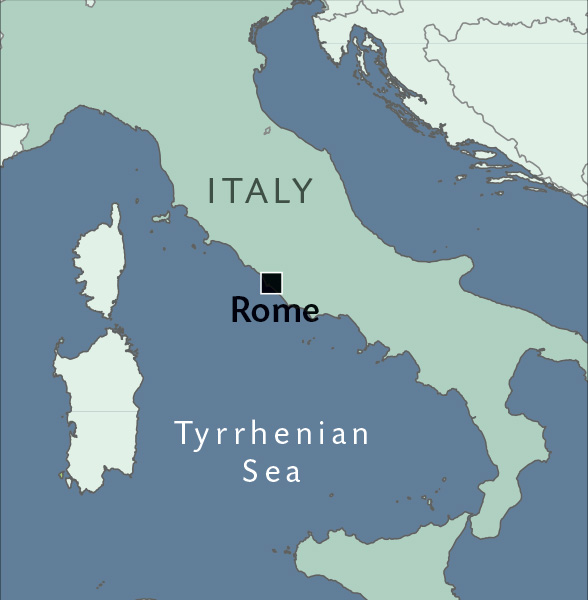
In 1925, thanks to Winston Churchill, Britain returned to the gold standard; Italy slipped into a dictatorship under Benito Mussolini after a speech to the Chamber of Deputies on 3 January; the USA elected Calvin Coolidge as president; Percy Fawcett was lost in the Amazon; Adolf Hitler published Mein Kampf; F Scott Fitzgerald published The Great Gatsby; and Britain dispensed with the services of two of its greatest archaeologists in Rome: Thomas Ashby and Eugénie Strong. A full century afterwards, the echoes of this last act, undertaken by the Council of the British School at Rome, are only now coming into perspective. One conclusion is pretty much widely agreed: the place of British archaeologists in Italy was never to quite match that it had enjoyed when Ashby directed the School and Strong served as his deputy. Institutional change through machinations involving jealousy or brought about by acts of violence are the stuff of history. But this institutional sea change, which by common consent set the School back for decades, had its roots in an elitist end-of-empire impatience that today beggars belief. Or does it?
Ashby and Strong
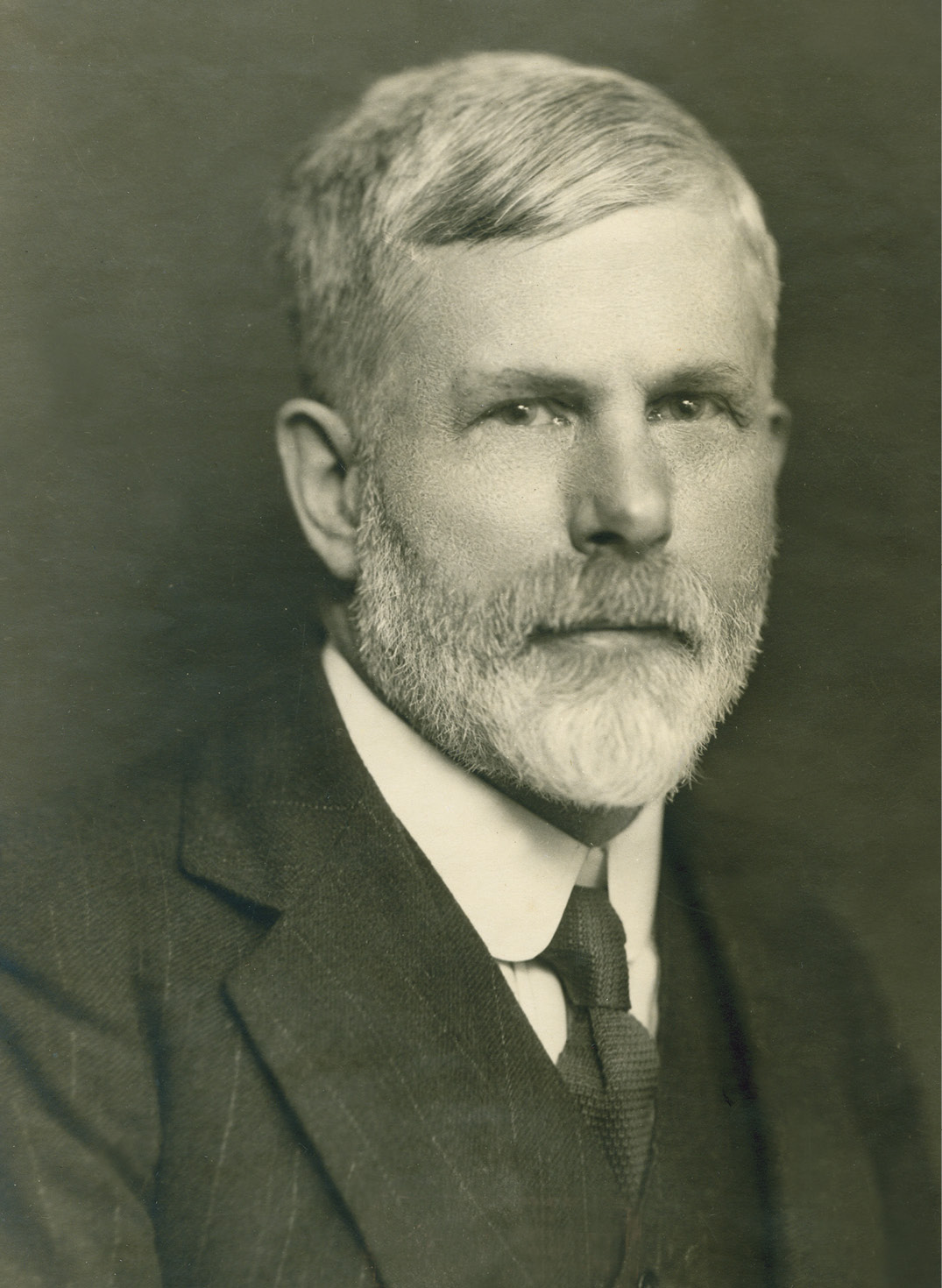
Thomas Ashby and Eugénie Strong were hardly Laurel and Hardy in temperament. Ashby, born in 1874, was the son of a Quaker brewer who, with early retirement, moved to Rome and introduced his son into the British and American Archaeological Society. This association, which included the great Italian archaeologist Rodolfo Lanciani, spent weekends hiking the hinterland of Rome, studying and mapping Roman ruins. From an early age, then, Thomas Ashby’s world was formed by a fascination for antiquity. At Oxford, he studied classics, and, falling under the spell of Francis Haverfield, a historian promoting the importance of systematic archaeological enquiry in Roman Britain, he found what turned out to be the lodestar that was to make him a legend in Italy.
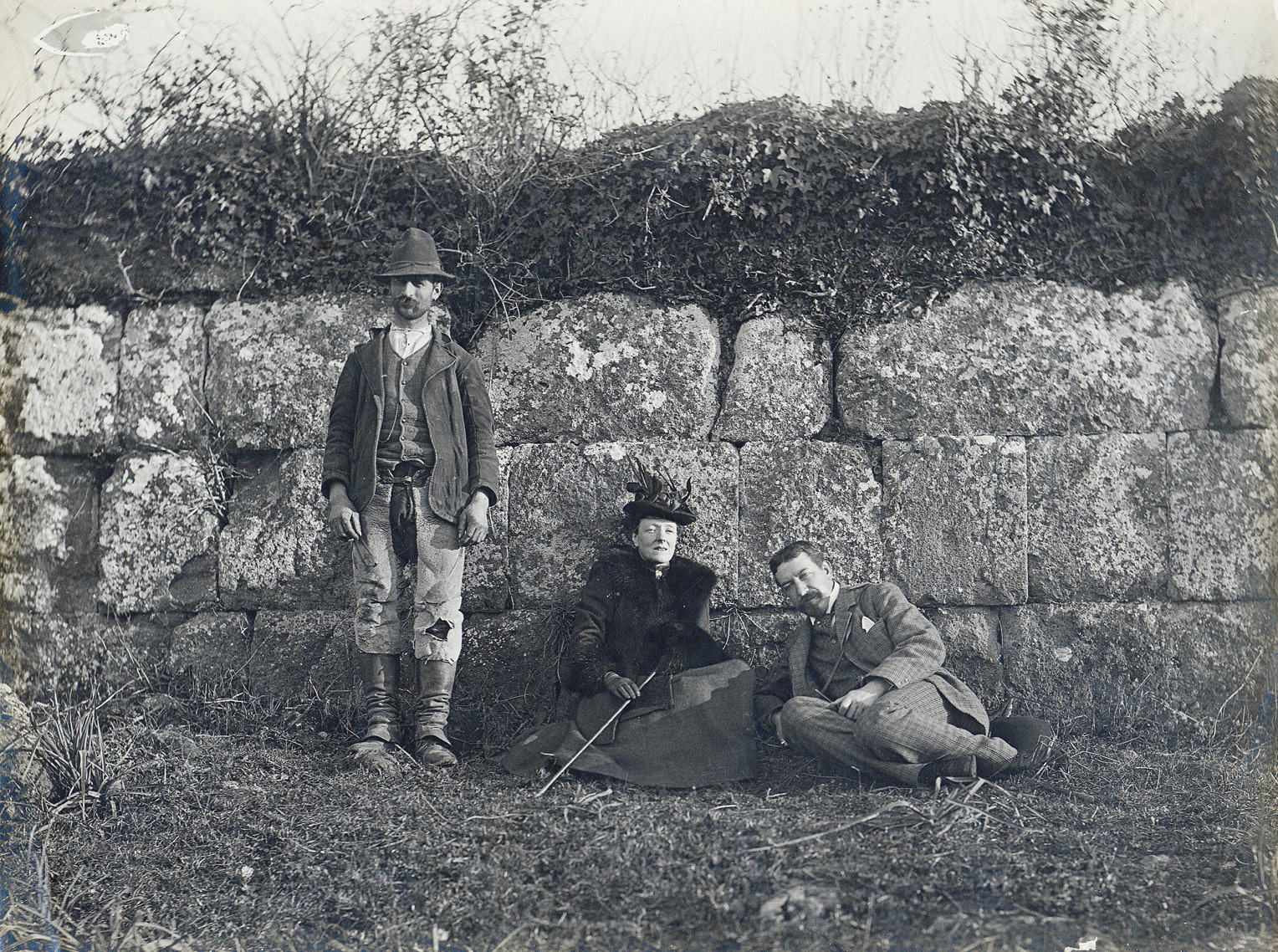
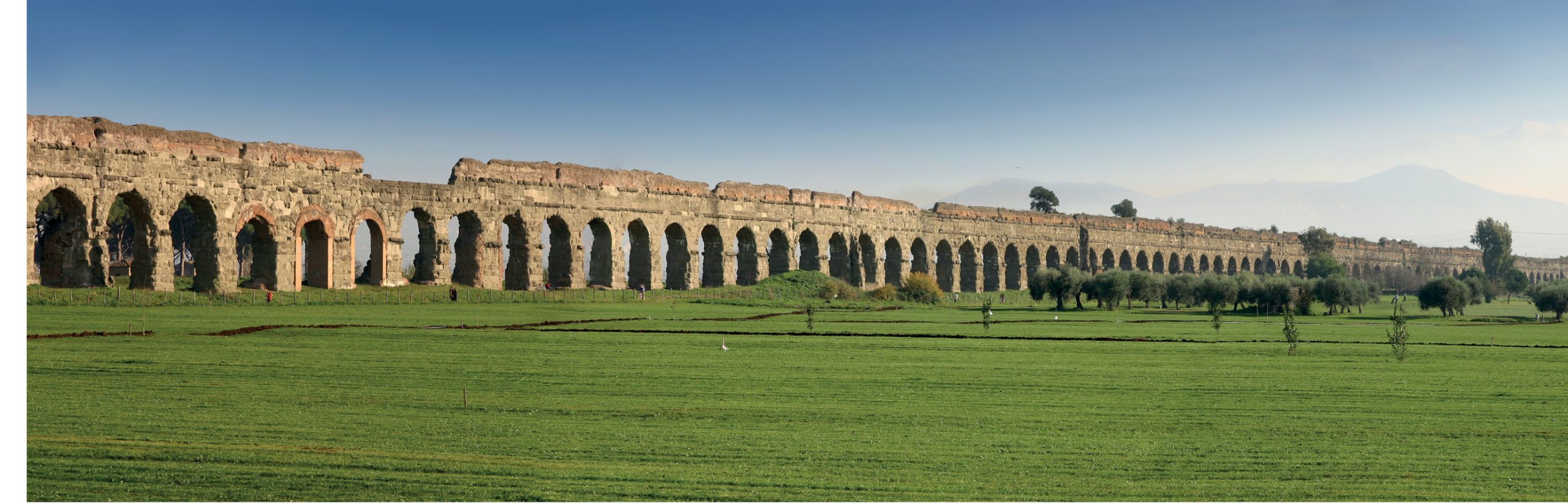
With a camera in hand, Ashby began pursuing the radial roads emanating from the eternal city, detailing the often-spectacular ruins that graced a landscape occupied principally by shepherds. Over the next three decades, the sum of his work was to be a picture of the metropolitan suburbium, filled as early as the 1st century BC with villae rusticae, small- and medium-sized farms, and with way-stations along the great basalt paved roads. As the multistorey blocks grew alongside the monumentalisation of Rome in the age of Sulla and Pompey, so the need for housing for those families who serviced the city became increasingly important. Beyond the suburbs, further afield, on the slopes of the Alban Hills or dotted around Tivoli, were the summer homes of Rome’s Republican elite, whose writings and sculptures were the stuff of Ashby’s training in classics in England. By far the most imposing remains, however, were the snaking aqueducts reaching from sweet-water fountains through the suburbs to the eternal city itself. At Rodolfo Lanciani’s suggestion, Ashby started recording the details of these extraordinarily ambitious feats of engineering, and, 30 years later, his study of the aqueducts, published posthumously, was to be regarded as Ashby’s greatest achievement.
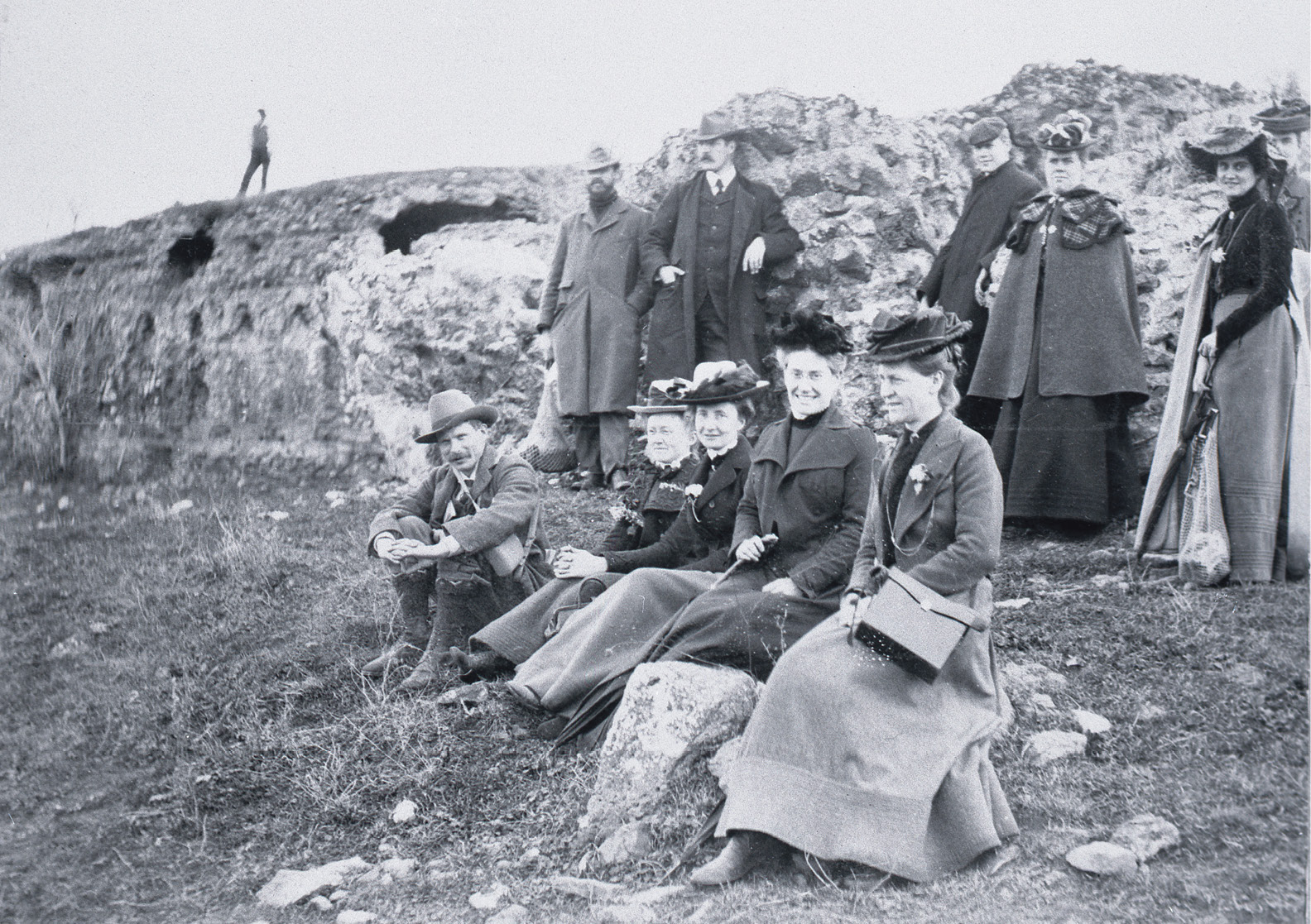
In 1901, his Oxford patrons secured him the very first Craven Fellowship at the newly founded British School at Rome in leased rooms in the Palazzo Odescalchi in Piazza Santi Apostoli. This geeky young man then embarked on an avalanche of publications. His photographs were no less a part of his record. Bringing the Campagna Romana to life, a world of shepherds and vast unfenced pastures, Ashby’s discoveries complemented the colossal excavations being made at this time by Giacomo Boni to uncover the ruins of the Roman Forum, as Rome, the capital of the unified Italy, aimed to reinvent its imperial status. In tandem, unintentionally, Ashby and Boni reframed our knowledge of ancient Rome. The difference was that Ashby meticulously published his findings. This was not Boni’s way. Boni’s subsequent reputation has been sealed from his archived notes and the photographs taken by fellow archaeologists, including Thomas Ashby.
Ashby’s life was to change significantly in 1906. In that year, the British School sought its third director. The choice was between the lugubrious Alan Wace, a former Craven Fellow in Rome, who was then mastering Roman sculpture in the tradition promoted by the German art historical school, or the taciturn topographer Ashby. The Council of the BSR selected Ashby, and Wace went on to spend much of his career involved with Greece, its Vlach shepherds, and, famously, Mycenae in the footsteps of Heinrich Schliemann.
Ashby very soon became the essence of the British School. His scholarly manner won his peers in Rome over to him, and, with continuing support in Oxford, his work flourished. His energy was prodigious. Besides spending summers excavating in Caerwent, he branched out to pursue collaborative projects surveying prehistoric Malta and Sardinia. In this period, he also made the first archaeological investigation of the island of Lampedusa. But it was his research on the ancient metropolis and its hinterland that garnered him a great reputation. His fieldwork and publications established his topographic approach, often using antiquarian texts to help him, which stood well apart from the prevailing German emphasis on monuments and their art. Then in 1909, three years into his term as director, his world changed abruptly. The Council of the BSR now had visions of an institute that might rank beside those of the French or Germans. Ashby, after all, had the standing that made this seem feasible. But to bring this off – to secure private and government resources – someone from the British establishment was a prerequisite. Ashby’s ‘somewhat shaggy form of conversation sometimes led people who did not know him well to think him rather brusque and rough, but it was really only a mannerism natural to one who had no use for verbiage or ceremony,’ R T Warner recalled, adding, ‘he was in his heart a Peter Pan who had never quite outgrown his boyhood’.
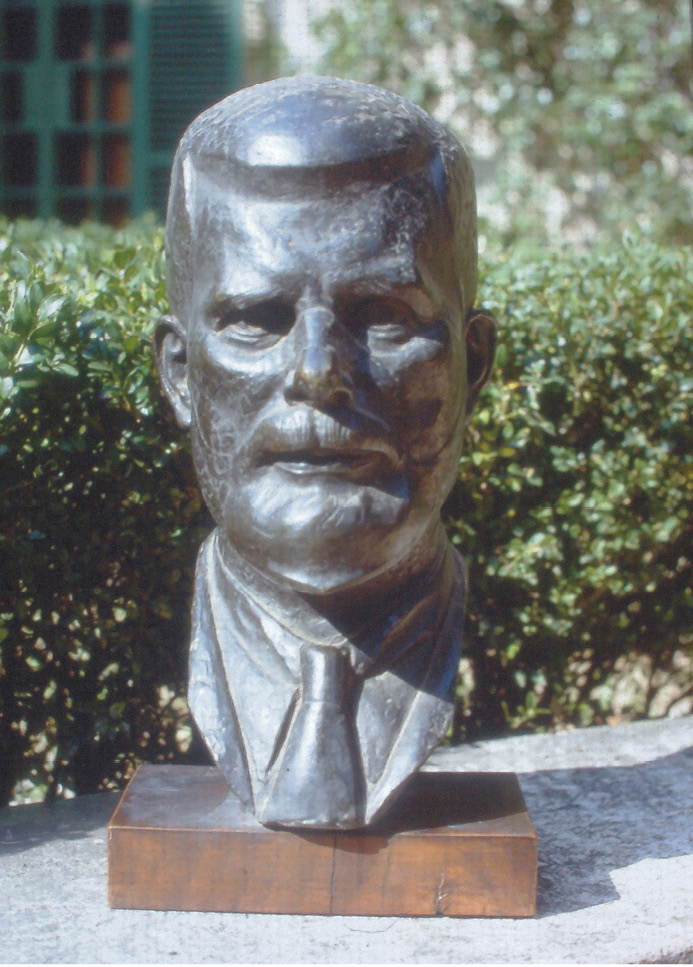
In 1908, a candidate to help the Council and support Ashby expressed an interest in the School. She also happened to be the emerging authority in Britain on the arts of the Roman age that Ashby largely ignored. Her name was Mrs Eugénie Strong. From 1909, the lives of these two very different academic archaeologists were to inhabit the School and set it on a trajectory that largely shaped the institution’s reputation through the 20th century. Indeed, more than a century afterwards, Ashby’s bust graces the fireplace in the salon at the British School at Rome, and Eugénie’s ghost still inhabits the library.
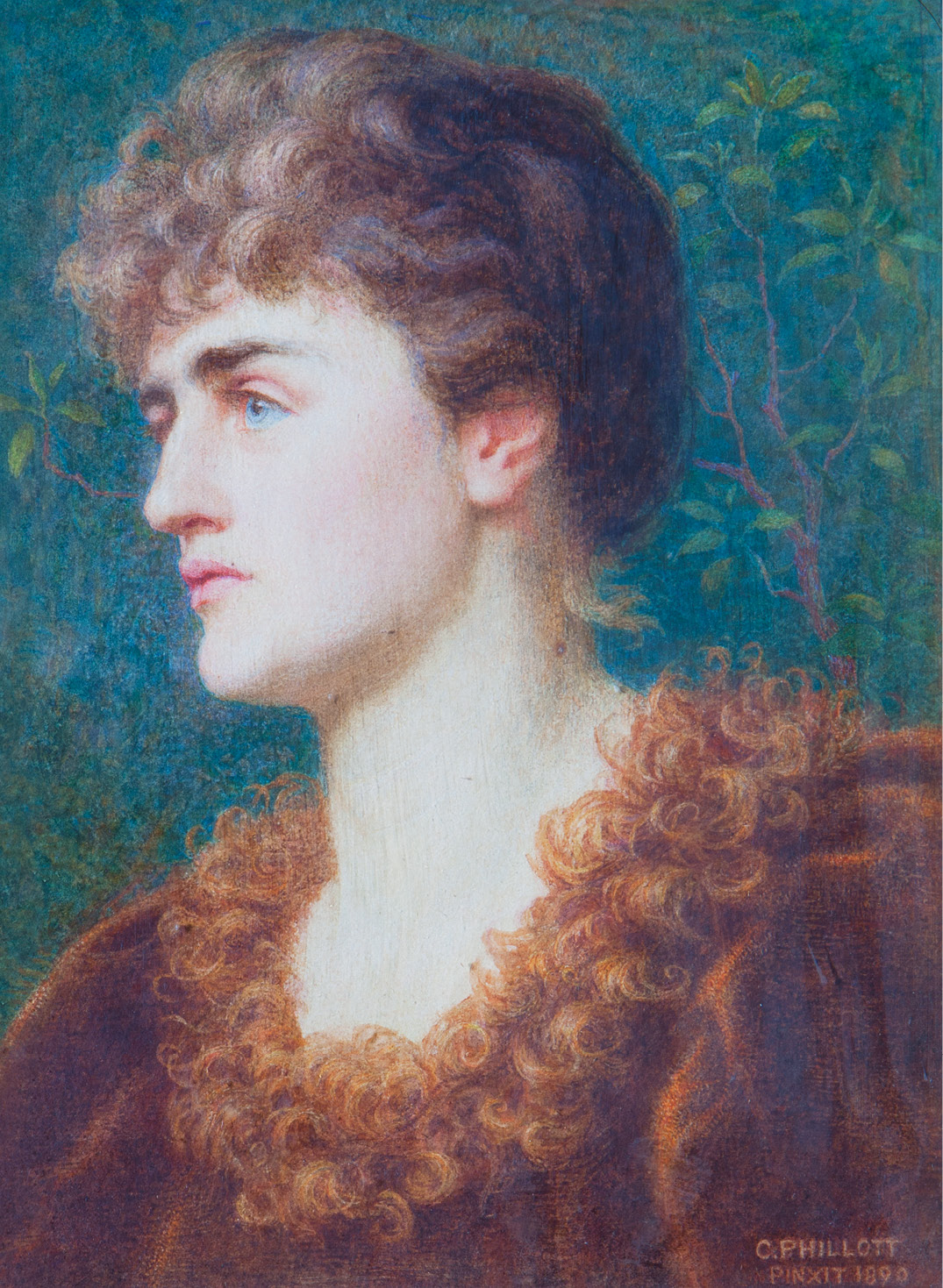
Eugénie Sellers was born into a cosmopolitan Quaker household in London in 1860. She studied at Girton College, Cambridge. Then she carved out a career in the male-dominated late Victorian world of classical archaeology. She studied at the British School at Athens, then in Munich – seat of the great German tradition of classical archaeology. From there, in 1892, it was a short step to a scholarship at the mighty German Archaeological Institute in Rome. Five years later, she married the Hon. Sanford Arthur Strong, formerly professor of Arabic at University College London, then librarian at Chatsworth House, as well as librarian to the House of Lords. Strong was a gifted man who enjoyed access to the powerbrokers of imperial Britain; and ‘his handsome wife… is well known for her lectures on Greek art; her beauty is Greek’, commented a member of Rome’s high society after a dinner party in 1900. Strong, however, died suddenly in 1904, aged 40. His employer, the Duke of Devonshire, generously offered his post to his widow, which she held at Chatsworth until the Duke’s own death in 1908. It was then, aged 48, jobless but enjoying good reviews for her pioneering book Roman Sculpture from Augustus to Constantine (1907), that she offered her services as assistant director at the British School at Rome.
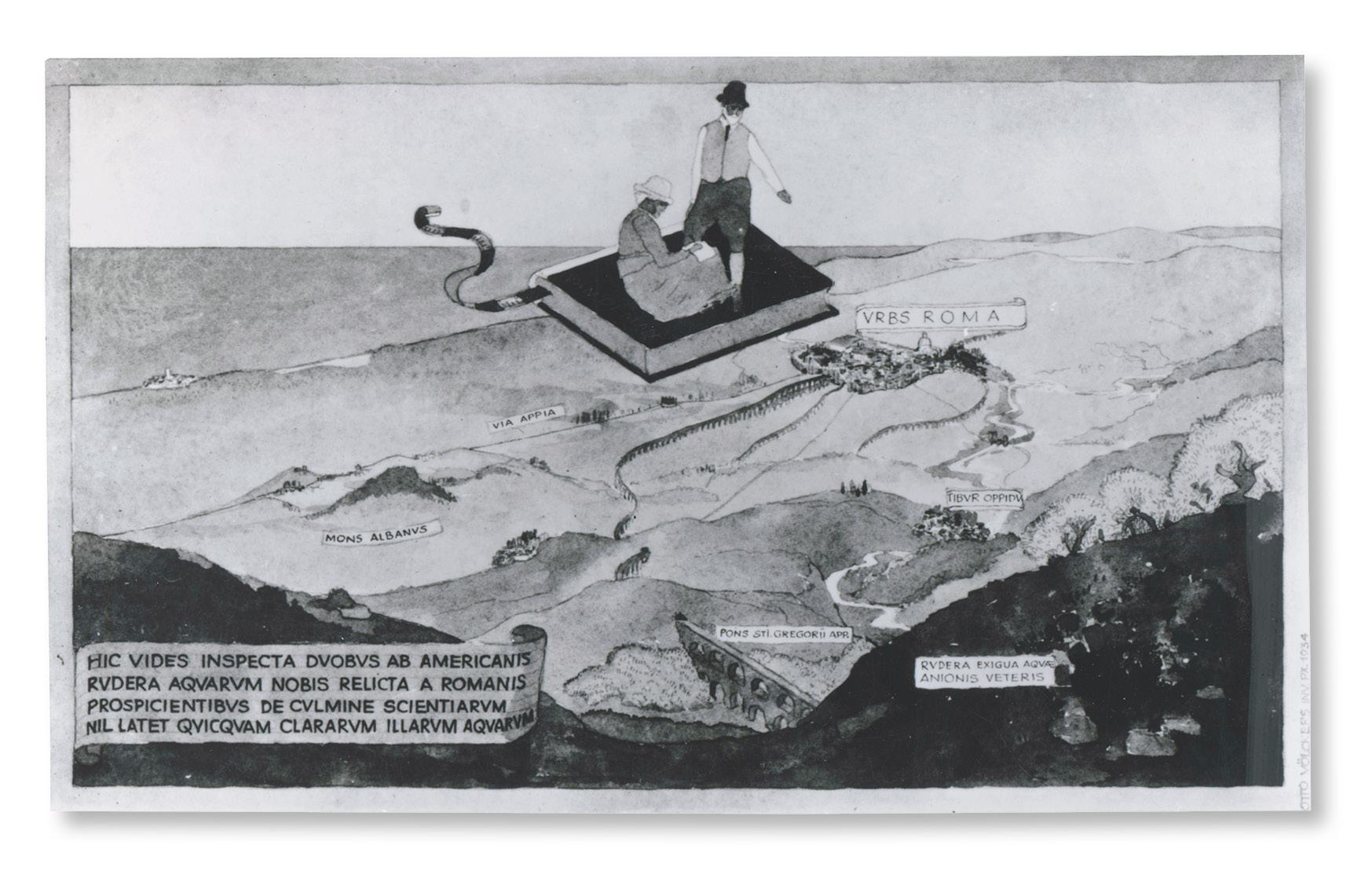
For the following 16 years, this formidable duo ran the British School. Looking back from 1943, the Swedish scholar Axel Boethius recalled: ‘The great English tradition in the secular Rome encountered in our generation two very important scholars, Dr Thomas Ashby and Mrs Eugénie Strong. In contrast to Ashby, the restless unpretentious expert on the Campagna and topography of Rome, Mrs Strong stood as a brilliant personality of marked general culture, with a leading position in Rome society. While Ashby’s English had an accent of its own and reflected in its quick tempo and certain Italian cadences his mobile life in Italian districts, Mrs Strong’s English had preserved an unmistakable university flavour, together with a strong literary and dramatic atmosphere.’
Before the storm
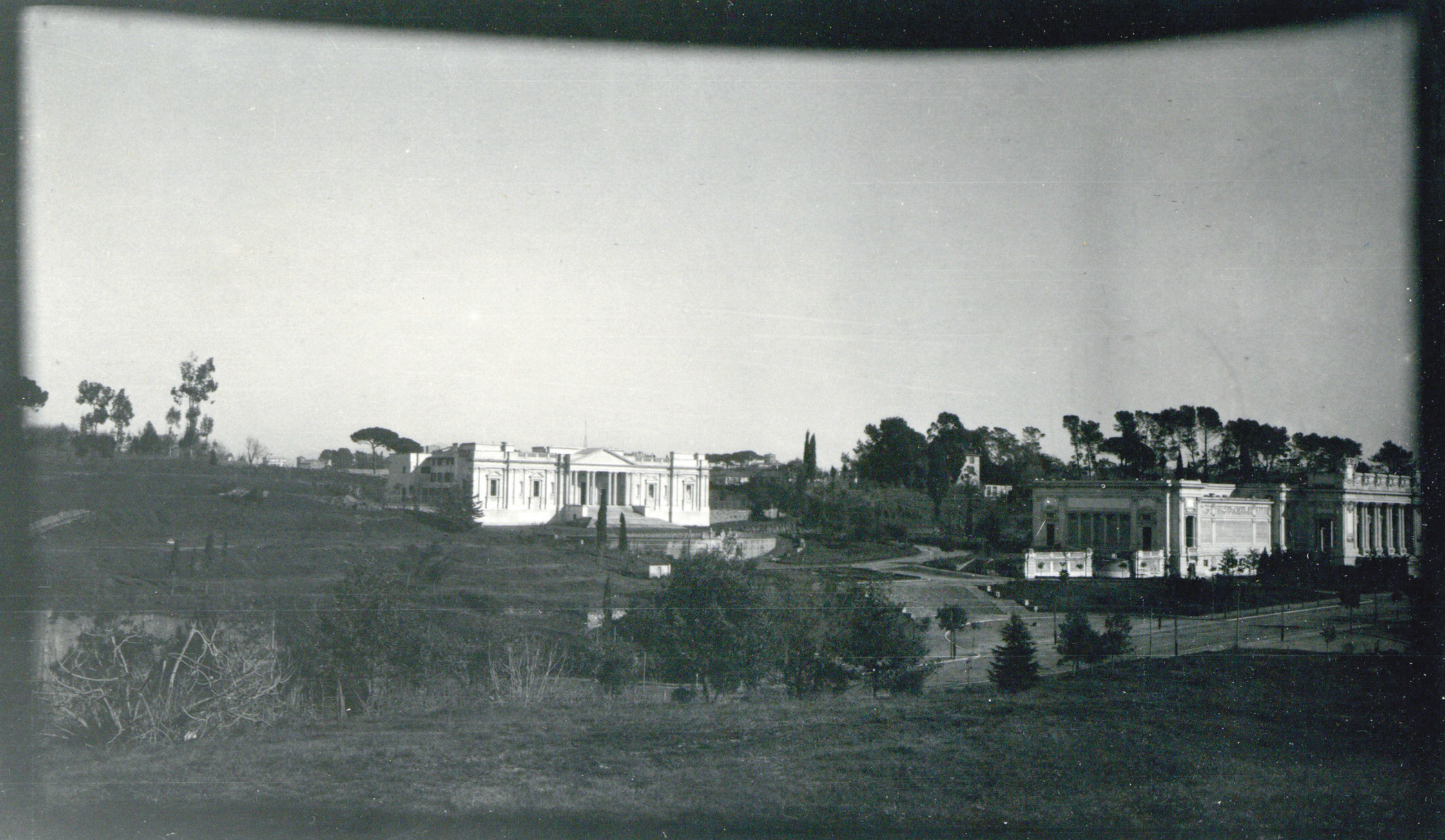
Eugénie Strong soon recognised the exceptional gifts of Thomas Ashby. She may have belonged to another class steeped in late Victorian traditions, but her training in Britain and Europe prepared her for the gentle eccentricities of her director. Ashby continued to march across Latium, following its ancient roads as far south as Brindisi, documenting a landscape that very soon was to be fenced and transformed forever. Eugénie, meanwhile, set to work on her book Apotheosis and After-Life (1916). Based on the Norton Lectures she gave during an Archaeological Institute of America tour, this book repositioned attitudes to Roman art, challenging the century-old worship of Greek art propagated most profoundly by Johann Joachim Winckelmann (1716-1768). It was to win an axiomatic place in the study of Roman archaeology. More importantly, as the School’s Council of establishment grandees wished, the institute based in an apartment in Rome and dependent on Ashby’s ballooning library, now acquired the promise of a new lease of life. The quintessential imperial architect, Sir Edwin Lutyens, had designed the UK’s temporary pavilion for the Great Exhibition held in Rome in 1911. Lutyens’ monumental façade was too noble to dismiss and, with Mrs Strong’s connections in London, the Council set about turning the temporary structure into a grandiose permanent building perched on the edge of the Valle Giulia in north-west Rome. The ambition belonged to the Victorians. No one had foreseen that no sooner had construction begun than Europe would become engulfed in a world war. Nevertheless, Eugénie enabled Lutyens to proceed while Ashby continued doing what Ashby had done since his days as a callow teenager.
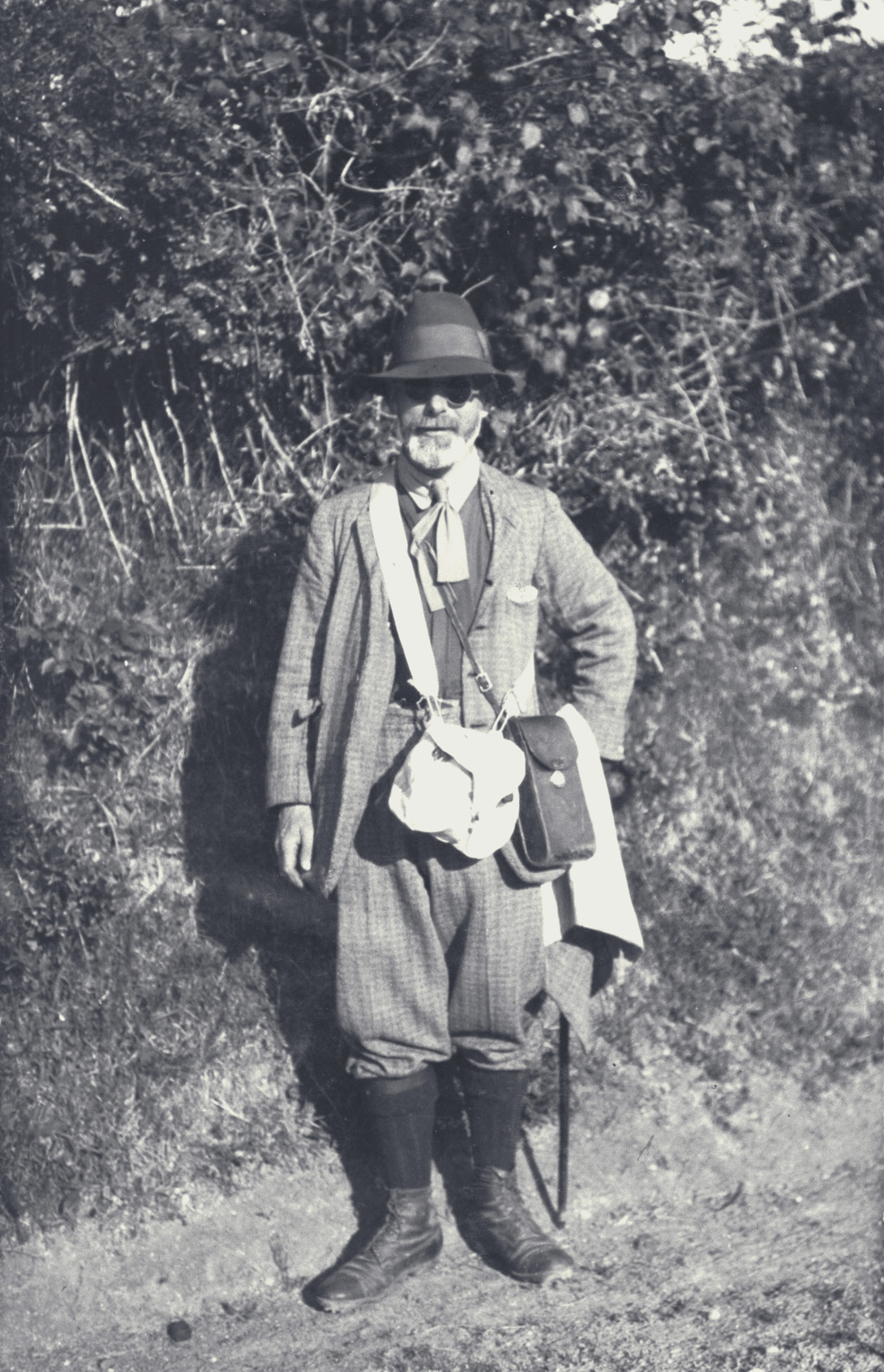
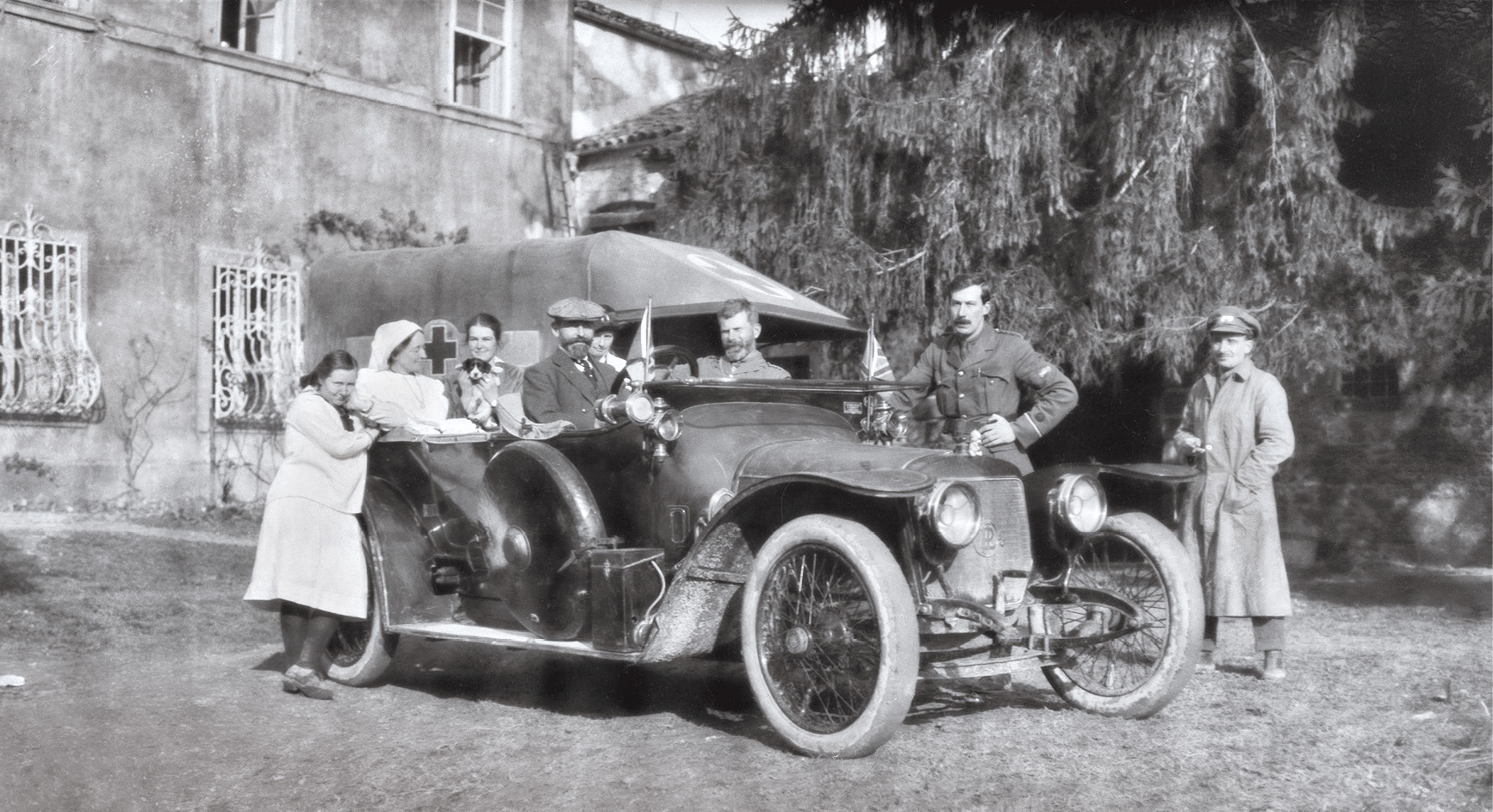
Slowly but surely, dealing with wartime realities, the new building was erected. Notwithstanding this enormous challenge, Eugénie Strong supported Thomas Ashby when in 1915 he enlisted as a driver in a volunteer ambulance unit on the Italian front in Friuli. From this time onwards, perhaps imperceptibly at first, the director and his deputy grew apart. The unworldly scholar who had roamed the Campagna Romana came face to face not only with the brutal reality of life in the trenches, but also a cosmopolitan camaraderie that Ernest Hemingway romanticised in A Farewell to Arms. Meanwhile, against the odds, by 1916 Eugénie had overseen the completion of a significant phase of Lutyens’ project. Albeit the masterplan comprising three wings behind the monumental façade was not to be achieved for another two decades, but the institute now had its own rooms and library as opposed to being confined to a floor of a Renaissance palace in central Rome. It was to this new home, outside Rome’s centro storico, that Ashby returned from military service in April 1919.

By this time, Ashby was aged 45 and Strong was 60. The new School brought new challenges, including many more scholars, among them artists besides the regular intake of humanists. Most of all, the increased scale necessitated more management, as heating and light bills ballooned. In London, a new general secretary, Evelyn Shaw, was appointed to control budgets and oversee the many committees regulating the School’s increased activities. In Rome, the task of managing the Lutyens building and its community continued to fall on Eugénie Strong, who tackled these quotidian responsibilities diligently, until Ashby’s personal circumstances suddenly altered.
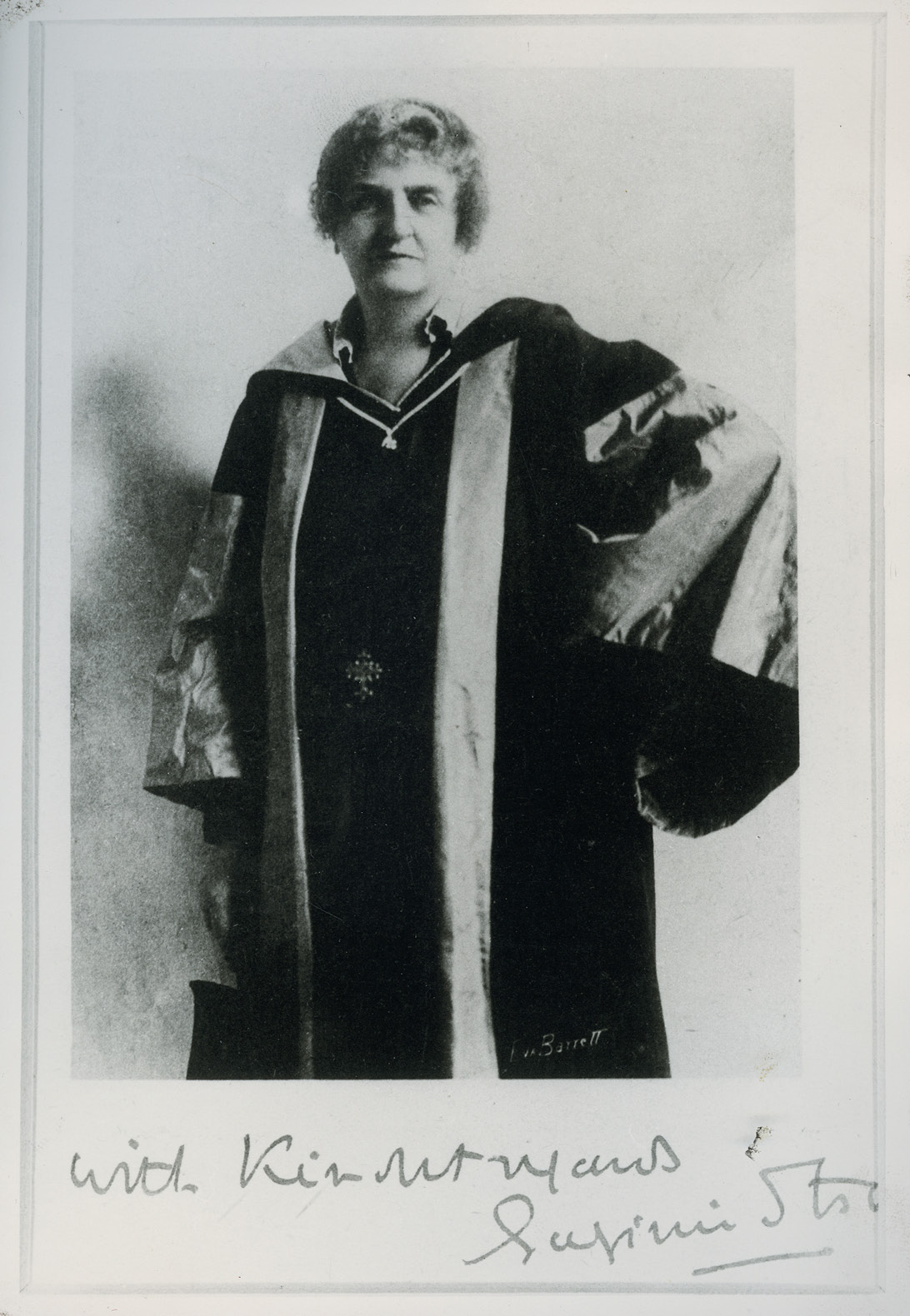
The falling out
Two years after returning from the north Italian front, Ashby announced that he was getting engaged. It was all quite unexpected. In those immediate post-war years, Ashby was more self-confident, less shy. The young painting scholar Winifred Knights noted in her diary how ‘Dr Ashby came in after dinner and insisted on being taught to dance & the task fell to me. He is one of those people who have no idea of dancing… but he is so keen & I really think he made a great improvement in the evening’. Winifred Knights also told her mother how, on a walk near Frascati, Ashby stopped at a Jesuit monastery and found some boy priests playing football, so he joined in as the goalkeeper. But in July 1921 this changed. That month he married Florentine expatriate May Price-Williams, who was his age, and had briefly volunteered in the British School’s library.
Ashby, almost certainly encouraged by his new wife, asserted that May should become ‘lady of the house’, usurping Eugénie’s role dating back to 1909. In passing, he recommended, too, that his deputy be outhoused from the Lutyens building. The omens were not good. Eugénie got wind of these changes from Ashby himself, but what irritated her was that he had involved the new London secretary. This may have instigated Eugénie’s efforts to lobby the School’s London office that May had dogs, and these were brutes. Soon an unseemly struggle for supremacy erupted, involving the whole community, including the scholars and domestic staff, as May now took charge of domestic affairs. Then there was the question of accommodation. The issue boiled down to the allocation of two bedrooms. Who should have the warmer rooms?

By March 1924, this fracas had reached the ears of the Council, who dispatched one of their number, a retired British Museum curator, to arbitrate. He failed and instead placed before the School’s executive of grandees a long memorandum with drawn plans on the sleeping arrangements of the director, his wife, and the assistant director. The grandees of the Council who now pored over this long, unseemly account included the Earl of Crawford and Balcarres, (ex-ambassador) Sir Rennell Rodd, Sir Reginald Blomfield, Sir David Cameron, and Sir George Frampton. The deliberations were all recorded as each voiced his concern, ignoring in effect the long, devoted service of the two principals involved. Carefully manipulated by the School’s secretary Evelyn Shaw, these gentlemen first decided to terminate Eugénie’s post and then to release Ashby, aiming to ‘put both salaries together… [to] appoint men of great distinction’. In a show of solidarity, Shaw expedited this manoeuvre, casting the die a month later when a 30-year-old specialist in Greek and Roman sculpture, Bernard Ashmole, was catapulted into the directorship, beginning in July 1925. As it happened, in the small fish bowl of Roman archaeology, Eugénie Strong had regarded Ashmole as a protégé, having helped him with access to important private collections of sculpture. Not one to bear a grudge, after Ashmole’s appointment, the emollient Eugénie tried to find a working relationship with the new director. But Ashmole, perhaps guided by Shaw from afar, proved uninterested in mending these fences.
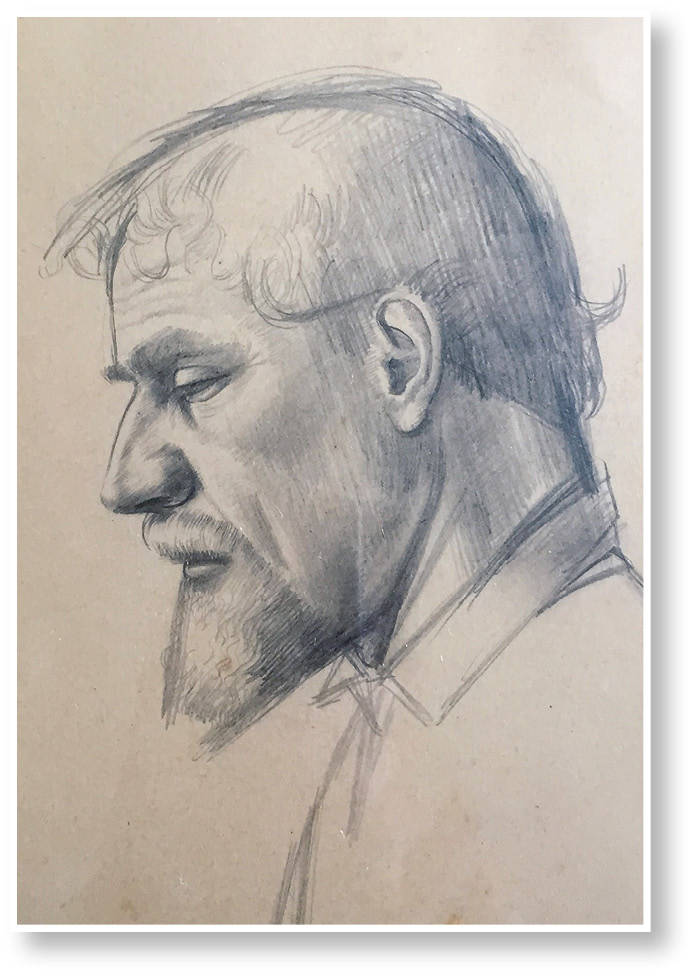
The detailed wrangling makes extraordinary reading a century later. It came back to haunt all involved, as in 1931 Ashby died suddenly in tragic circumstances. More internal memos passed between the grandees as they anxiously sought to cover up the discussions that pre-empted the abrupt changes in 1925. All these records were then buried for several generations, until their discovery in 1992. By this time, Ashby’s star as a peerless topographer and photographer of lost archaeological sites in Rome’s metropolitan hinterland was well and truly in the ascendent, with a string of major exhibitions of his photographs accompanied by republication of his principal books in Italian translations.
Aftermath
On 14 July 1925, a dinner was held at the Hotel Cecil in London to honour Mrs Strong. It was a glittering occasion, with almost 200 guests who supported the tradition of celebrating scholarship. Present that evening was a minor royal, Princess Helena Victoria, granddaughter of Queen Victoria; the Italian ambassador; Sir James and Lady (‘Tiger Lil’) Rennell Rodd (formerly British ambassador to Rome and a member of the school’s executive); Sir James Frazer; Lady Arthur Evans; the Earl of Oxford, formerly Prime Minister Asquith; a party of Macmillans; the historian G M Trevelyan; the director of the Fitzwilliam Museum, Cambridge; and Gisela Richter, the legendary curator at the Metropolitan Museum, New York. Lord Oxford, over coffee, in praising Eugénie Strong asserted ‘that there is no more distinguished scholar to be found anywhere today’. He ‘pointed out how wide was Mrs Strong’s range, how varied her interests, how she had taken all Western archaeology for her province’. The former prime minister ended his encomium by saying, as he was often wont to do, that he need not enumerate all the beads of her rosary of honour. Eugénie herself had understandable qualms about attending the party, especially as so many of the School’s executive were present. In response to all the flattery, she heaped gracious praise on Thomas Ashby.
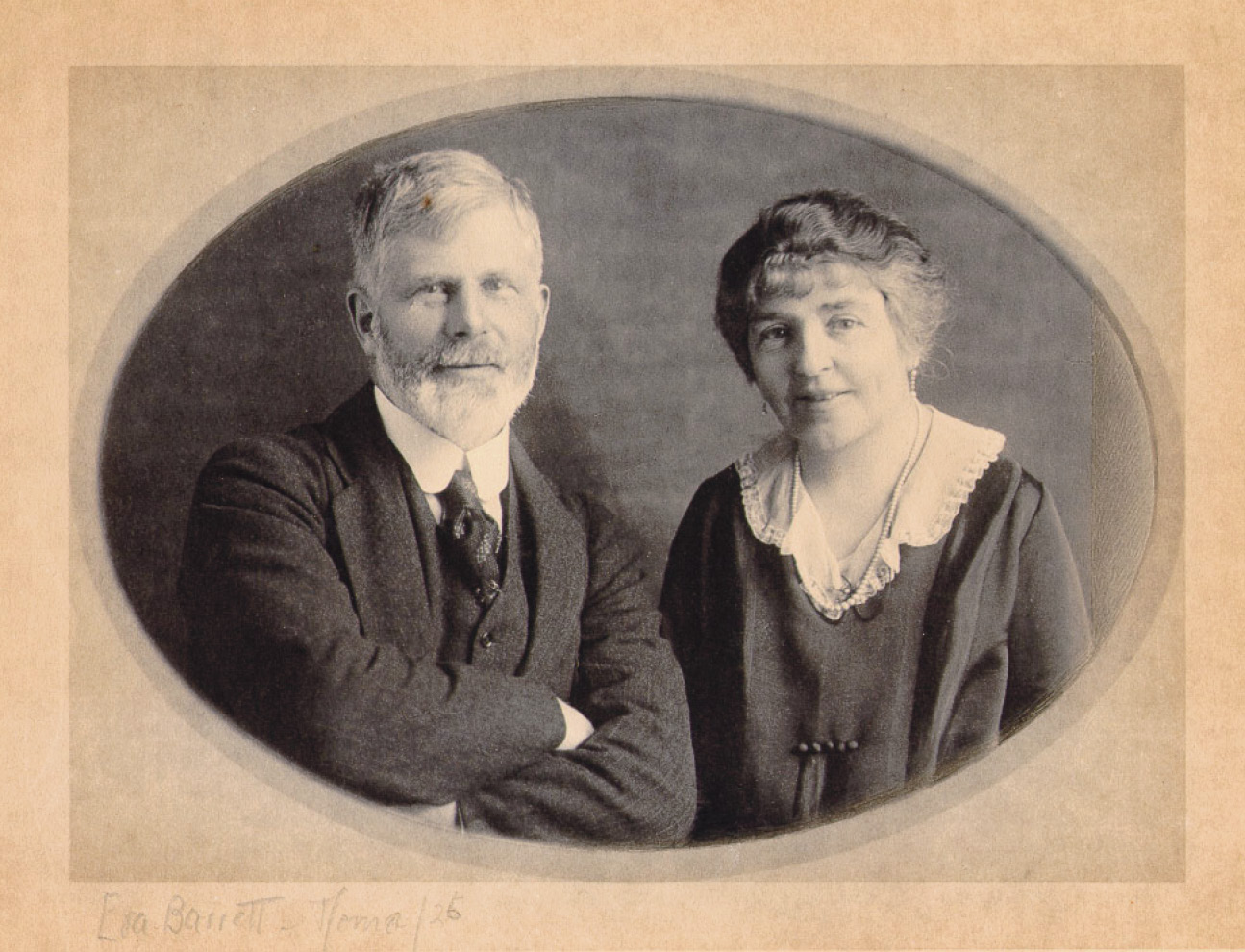
Eugénie Strong, it is now clear, was an extraordinary figure, one of a pioneering generation of women scholars. It is only because she was a woman that she was not considered for the directorship herself. Being 65, the blow of retirement was marred by the indignity to which she had been subjected by the School’s Council. After all, she had guided the construction of what was to be the most splendid of homes of all the British Schools of Archaeology abroad. After the celebration in London, she retired to an apartment in Rome on the Via Balbo, and was to remain there, a matriarchal point of reference for visiting scholars until her death in 1943. In 1928, her Art in Ancient Rome from the Earliest Times to Justinian was published in two volumes. Her groundbreaking innovation was to extend her timeframe for the arts of Rome back to Italian prehistory and towards Late Antiquity. In the preface, she acknowledged her debt to many Roman archaeologists, but her warmest words were reserved for Thomas Ashby: ‘My more personal thanks are due to Dr Thomas Ashby for the encouragement accorded me in this and other work during an official association of 16 years; for the privilege of free access to his rich library, and for generously loaning me so many of his own valuable photographs of Rome and the Campagna, before he had published them himself’.
Thomas Ashby and his wife May also remained in Rome, taking a small dark apartment in the Via Mazzini and then the Via Vincenzo Bellini, a short distance from the British School. Ashby continued to write prodigiously. He completed a book on The Roman Campagna in Classical Times (1927) as well as Some Italian Scenes and Festivals (1929) and (with S B Platner) A Topographical Dictionary of Ancient Rome (1929). He accepted his fate with Quaker dignity. But there can be little doubt that the School had been his home and, now in his late 40s, finding other employment was out of the question. Leaving the institute effectively broke his heart. Six years later, he had a nervous breakdown after delivering the manuscript of his opus magnus The Aqueducts of Ancient Rome (1935) to its publisher, and fell to his death from a train outside Waterloo Station in London.
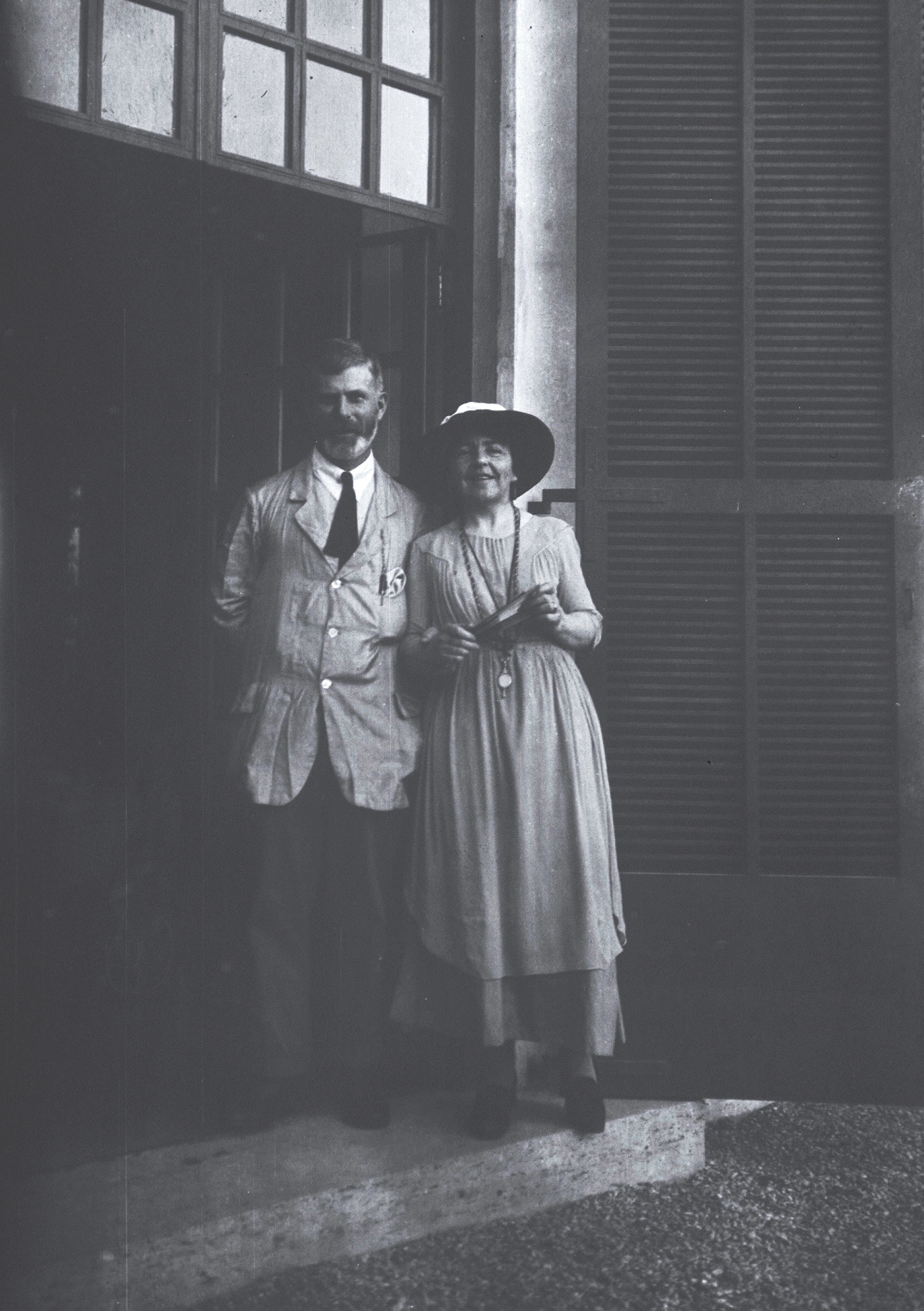
The British School equally suffered its own loss of nerve from the events of 1922-1925. As Europe became mired in post-war political turmoil and economic depression, its next six directors over the 14 years before war broke out again in 1939 were all short-term appointments unable to halt the institution’s all too apparent retrenchment. Although several of them, notably Bernard Ashmole, Ralegh Radford, and Ian Richmond were later to be men of distinction, none stayed in Rome long enough to make an impact or to recapture the vision and passion that characterised the Ashby era. The row that broke out in London over Mrs Ashby’s dogs, and then the living quarters in the new School, ironically led to greater control being ceded to London in the management of the School’s affairs. That sense of independence in Rome that had fostered research of the highest calibre – and the School’s reputation to rank alongside the French and German missions – would not return until after the Second World War when director John Ward-Perkins consciously created a project in South Etruria pursuing Ashby’s vision of recording the hinterland of the ancient metropolis. Only, then, in retrospect, could one imagine how golden the age of Ashby and Strong had been.
The year 1925, then, marked a nadir in the status of British archaeology in Italy. A French philosophy student, who became a friend of Eugénie Strong, summed it up:
‘It was then with profound emotion that the Roman intellectual world received the news of the departure of these two famous savants from the institute which owed to them all its Scientific prestige. It is still difficult for me to enter into the beautiful library of the School where Mrs Strong claimed to have herself put every volume in its place, and in the austere places where Dr Ashby offered with generosity not only the riches of his personal library and his marvellous collection of prints, but furthermore all the special insights which made him the most eminent topographer of the Campagna and Rome’.

MY THANKS:
My warmest thanks to Alessandra Giovenco, Archivist of the British School at Rome and to the British School at Rome Research Collections. Thanks, too, to Lavinia Ciuffa, photographic archivist at the American Academy of Rome, and to Jude Brimmer, Archivist at Girton College Archives, Cambridge.
See also Richard Hodges (2000) Visions of Rome; Andrew Wallace Hadrill (2001) The British School at Rome: one hundred years.