Subscribe now for full access and no adverts
The Grand Egyptian Museum (GEM) in Giza is being opened in stages. In AE 138, I reported on my first visit there; at the time, only the interior atrium was open to the public. Subsequently, the Grand Staircase was opened, followed by 11 of the 12 Main Galleries in October 2024. When the museum is finally officially opened (on 3 July this year, according to recent announcements), it will also display the entire Tutankhamun collection together for the first time, plus the two solar boats originally found beside Khufu’s Great Pyramid. At present, you can buy a ticket either online, in advance, or in person on the day, either to visit on your own or to join a guided 90-minute tour in English or Arabic.
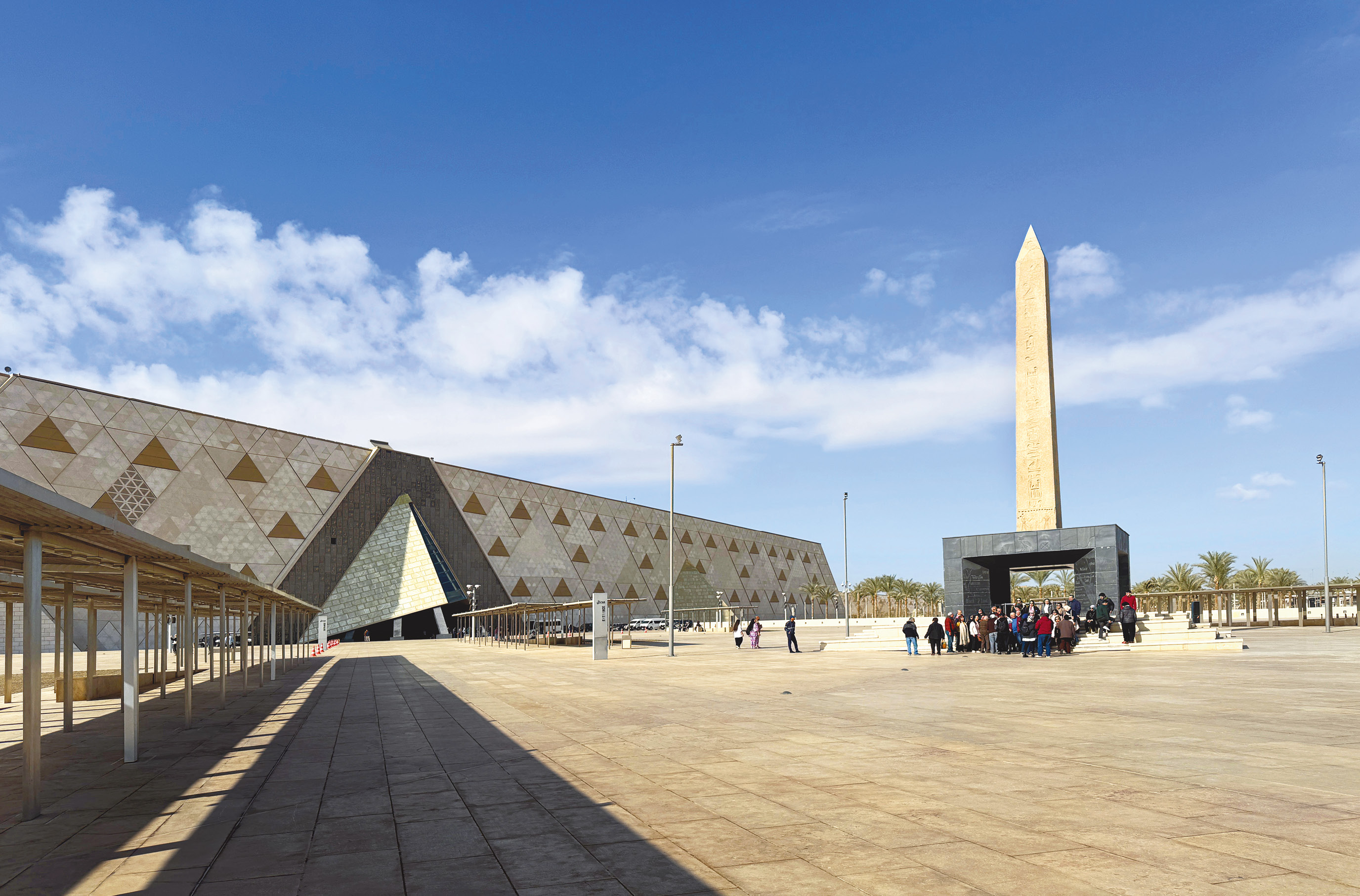
Arriving at the Museum
As I reported previously, no cameras are allowed inside the museum, but you may freely use your phone for photography. If you have brought a camera with you, you must leave it with security and collect it when you leave. No photography restrictions apply in other museums in Cairo, such as at the National Museum of Egyptian Civilisation (NMEC) or the old Egyptian Museum in Tahrir Square. I hope that the policy is changed and cameras are allowed when the GEM officially opens.
I was pleased to see that the hanging obelisk of Ramesses II (c.1279-1213 BC), erected in front of the museum’s entrance, is no longer roped off. It is now possible to stand inside the pedestal supporting the obelisk, and look up to see Ramesses’ cartouches inscribed on the obelisk’s base. They are difficult to read, but I could see hints of Usermaatra on the left, and Ramesses on the right.
The Grand Staircase
Beyond the entrance, the atrium is dominated by the impressive standing colossus of Ramesses II. Having studied the objects in the atrium before, I made my way to the Grand Staircase. The Main Galleries are accessed from the top of the staircase. There is a choice of three ways to get to the top: you can walk up the stairs at your own pace, enjoying the 60 or so statues and other objects placed there; or you can stand on the moving walkway beside the staircase; or, if you have limited mobility, you can take the lift.
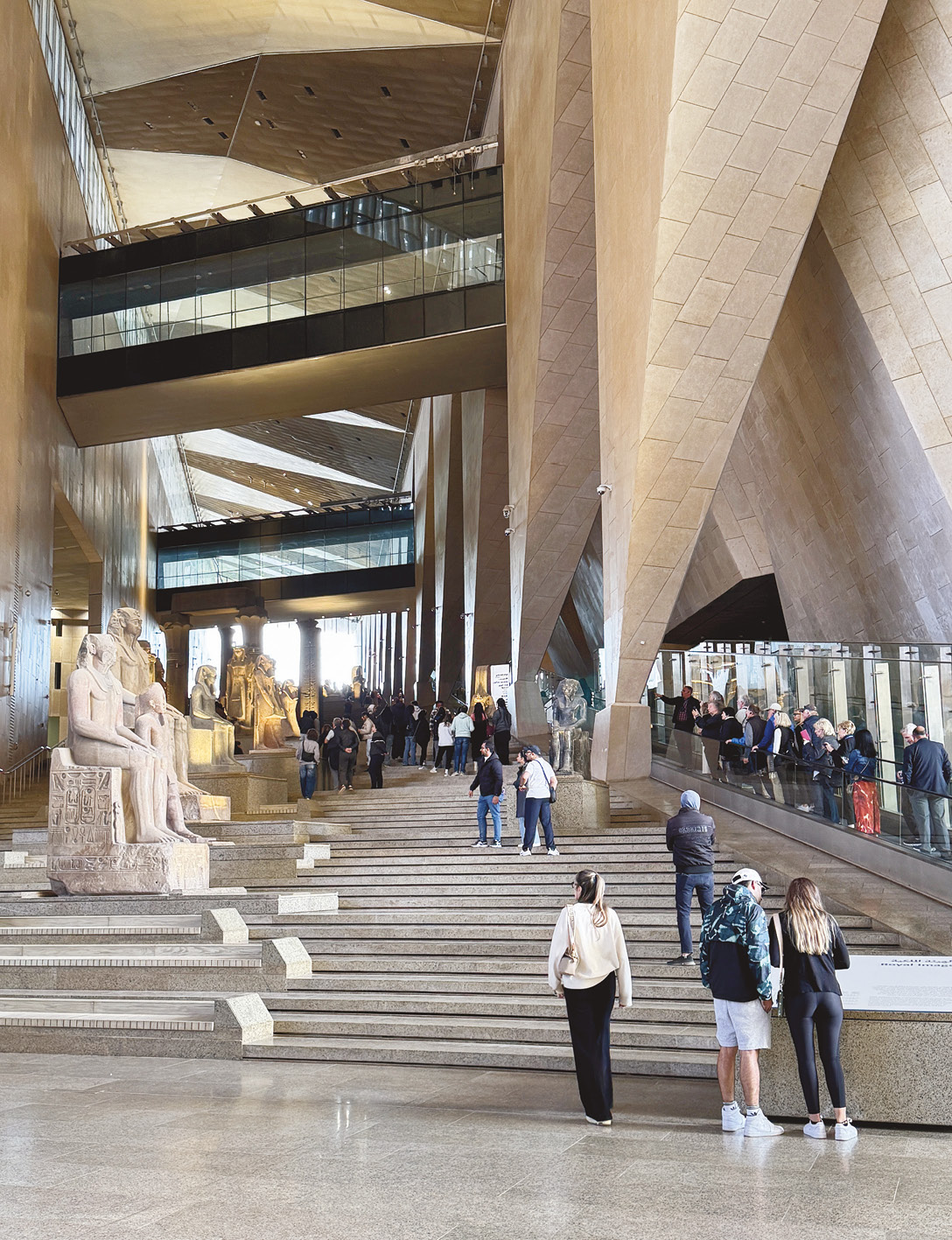
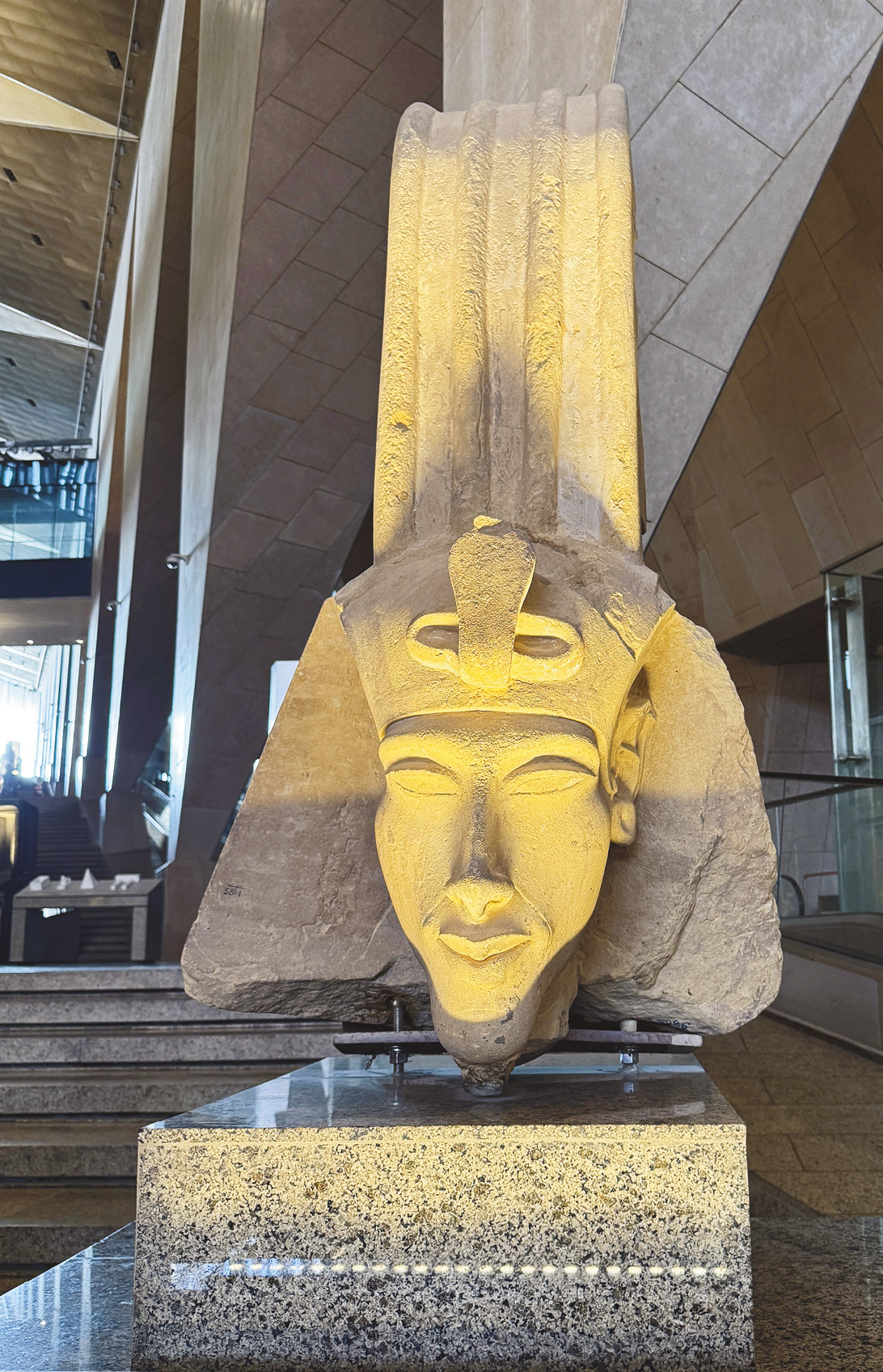
In my opinion, the Grand Staircase is the least successful offering in the museum. There is a potential safety issue: exhibits are placed on the staircase, and visitors may step backwards to take a better photo and fall. The lighting of the objects is also unfortunate, with a bank of LEDs illuminating each object from below. This gives each statue a ghoulish appearance like in a horror movie.
At the top of the Grand Staircase, you turn left for the Main Galleries, or right for Tutankhamun (not yet open). Ahead is a splendid view of the Giza Pyramids, only 2km away.

The Main Galleries
There are 12 Main Galleries, arranged by a combination of time-period (Old Kingdom, Middle Kingdom, New Kingdom, Late Period) and theme (Society, Kingship, Beliefs). You are advised to follow the galleries in numerical order in a zigzag, starting in Gallery 1 with ‘Early Society’, then Gallery 2, and so on. When I visited, all the galleries were open except number 3 ‘Early Beliefs’. This looked nearly ready (it was roped off rather than still being built), so it is expected to open soon.

There are thousands of objects on display, so it is only possible here to choose a few that particularly caught my eye. All the objects are beautifully presented in the new galleries: the lighting is good, and most pieces are clearly labelled. Everything is clean and there are ramps as alternatives to stairs for visitors in wheelchairs.
Old Kingdom
The Old Kingdom statue of Mitri comes from his mastaba at Saqqara. Made of stuccoed and painted wood, the statue depicts Mitri as a scribe, seated on the ground and holding an unrolled papyrus on his stretched kilt. Mitri’s expressive eyes are outlined in copper, the white is limestone, while the iris is a separate dark stone. Around his neck is a broad collar whose colours survive in patches.

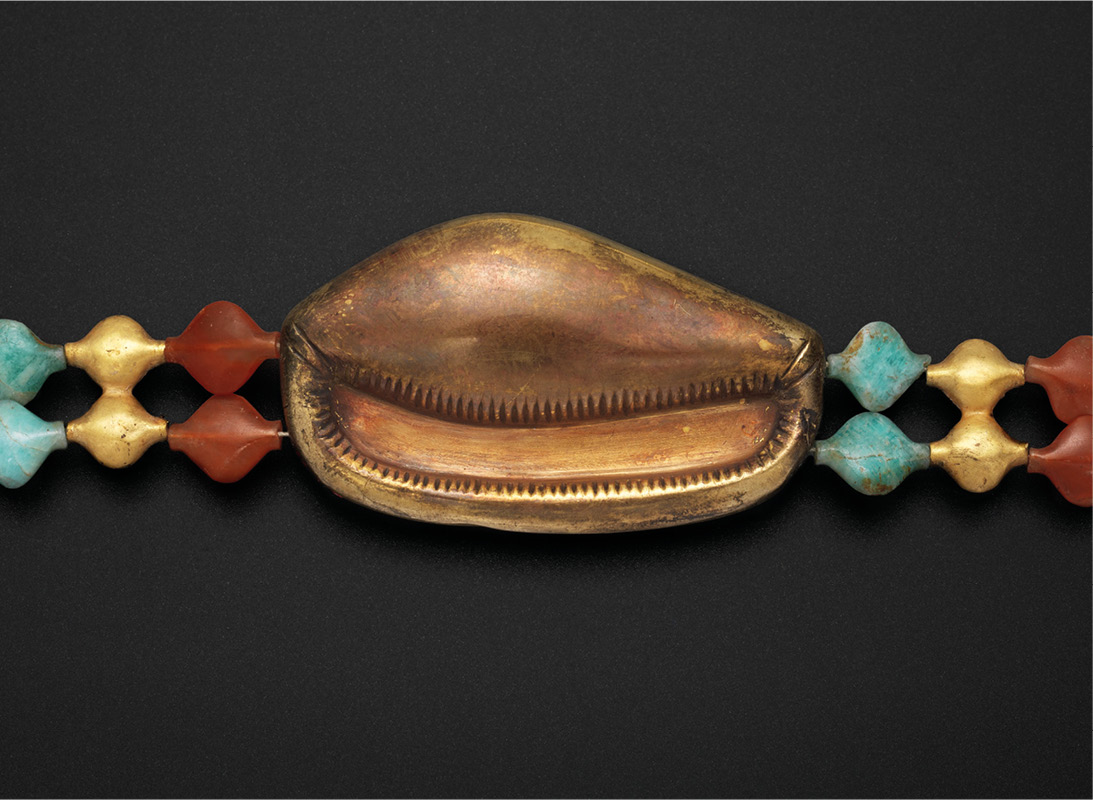
When Petrie was excavating the First Dynasty tomb of Djer (c.3000 BC) at Abydos, he found a human arm, decorated with bracelets, hidden in the wall of the tomb. The bracelets are made of gold, lapis lazuli, turquoise, and amethyst, the typical materials of jewellery of the period. He sent the arm and bracelets to the Cairo Museum, where the bracelets were put on display, but sadly the arm was thrown away, prompting Petrie to make his famous remark: ‘A museum is a dangerous place’.
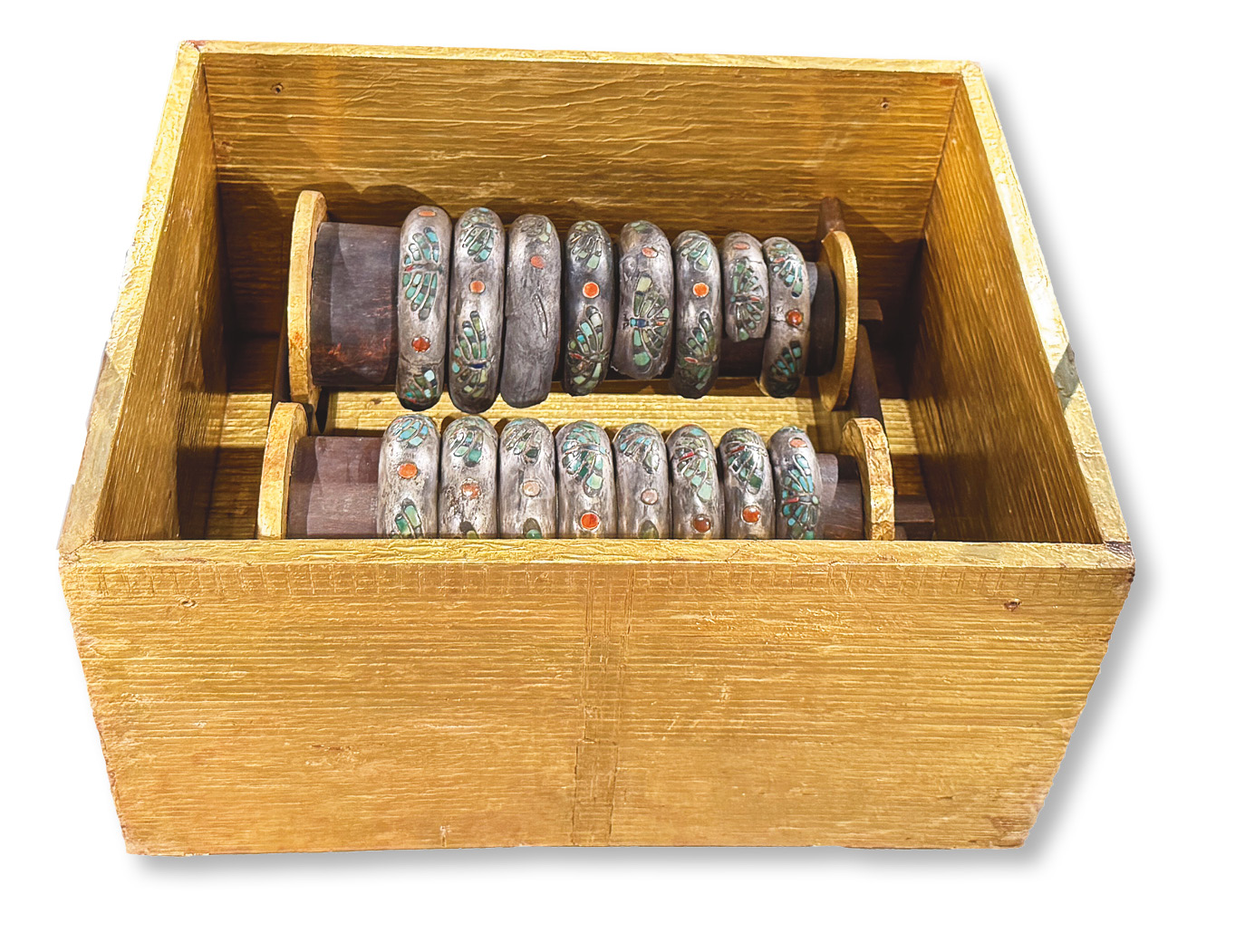
Among the objects that Reisner discovered in the tomb of Hetepheres I at Giza was a wooden casket containing silver bracelets, each with inlays of carnelian, lapis lazuli, and turquoise to form butterfly patterns. Hetepheres was the wife of King Sneferu (c.2613-2589 BC) of the Fourth Dynasty. It is unclear why her funerary equipment was buried in a shaft tomb at Giza, but it is all now exhibited together in the GEM.
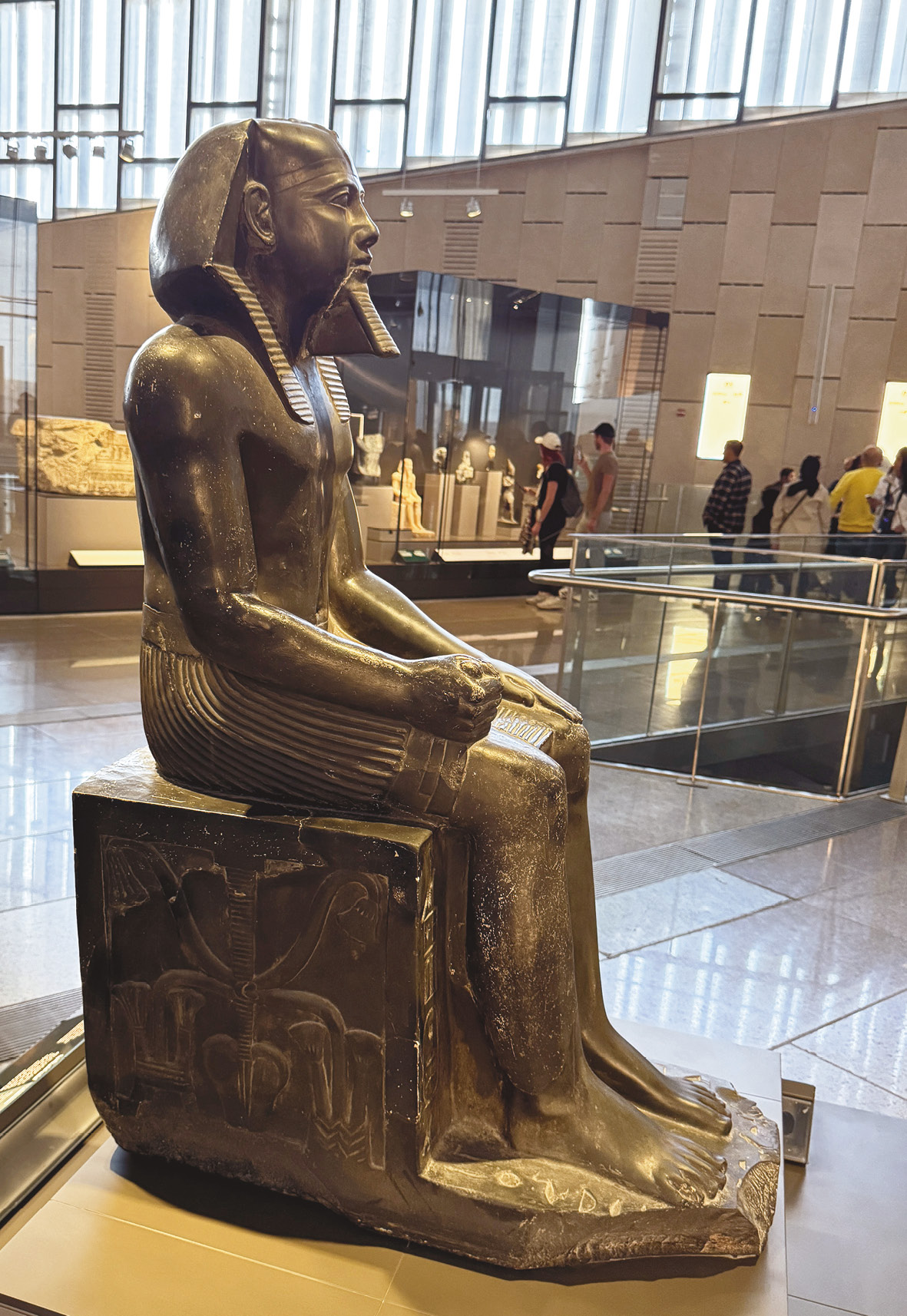
Mariette found several statues of Khafra (c.2558-2532 BC) in his Valley Temple at Giza. The statue in the GEM is not the famous one with the falcon Horus protecting the back of the king’s head – that is still in the old Cairo Museum. The GEM statue is equally powerful: Khafra stares serenely into the distance, confident (as Old Kingdom rulers were) in his position as ‘the good god, son of Ra, lord of appearances.’
Middle Kingdom
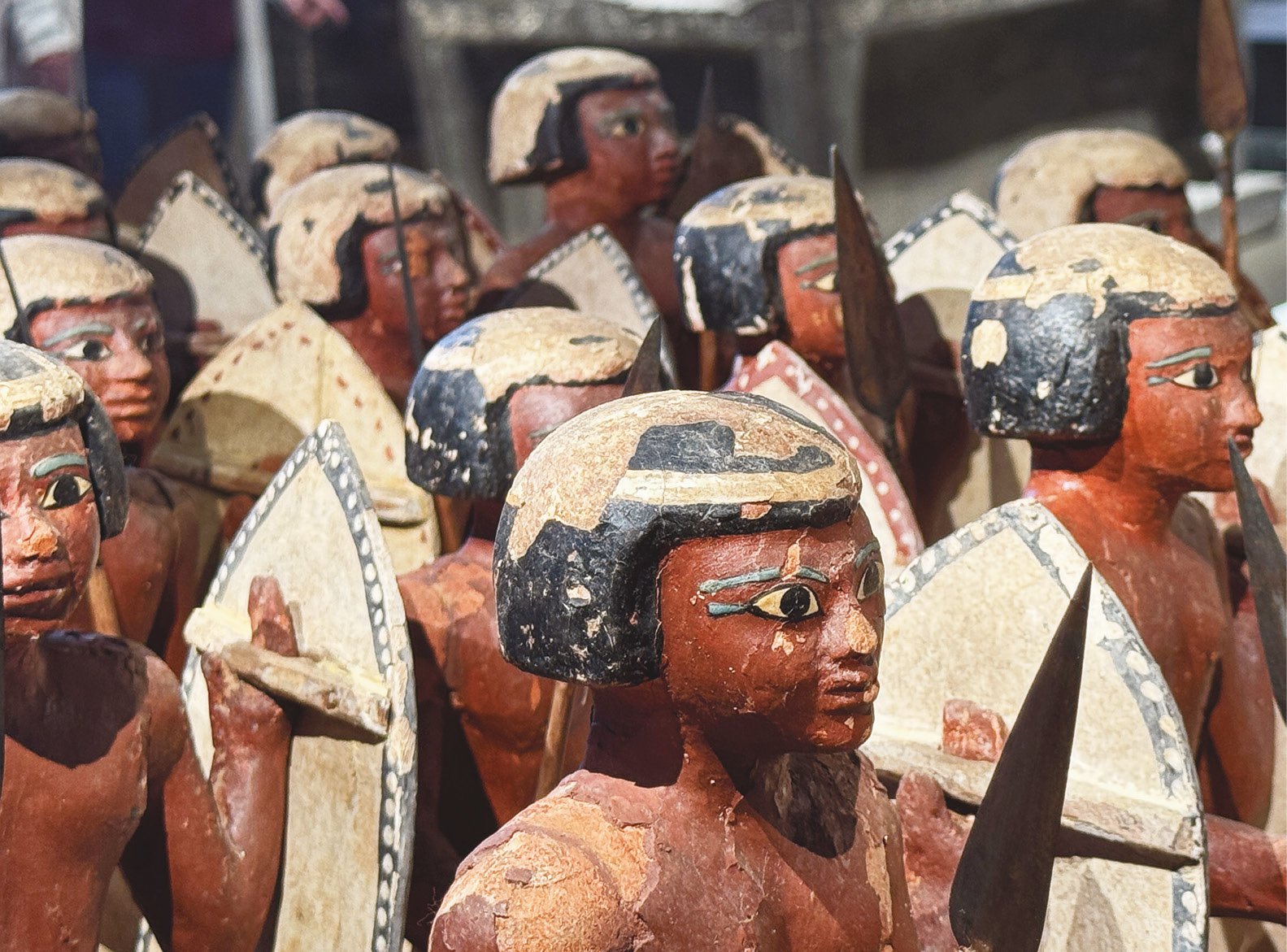
Mesehti was a nomarch in the Asyut region in the Eleventh Dynasty of the Middle Kingdom. His tomb equipment included two groups of painted wooden soldiers: 40 Egyptian spearmen and 40 Nubian archers. The Egyptians all hold a lance in their right hand and a shield in their left. Each group is lively, with every face being different, and the heights of the figures varying. The inclusion of model soldiers in the funerary equipment of Middle Kingdom nomarchs suggests that these officials were displaying their autonomy from the central power of the king.

New Kingdom
The kneeling statue of Hatshepsut (c.1473-1458 BC) was found in her temple at Deir el-Bahri. She wished to be accepted as an authentic king, so she is represented as a muscular male with a false beard, offering pots of liquid (milk or wine?) to an unspecified deity, probably Amun-Ra. The statue has a quiet confidence, suggesting that Hatshepsut was no usurper of the throne, but a properly appointed pharaoh.
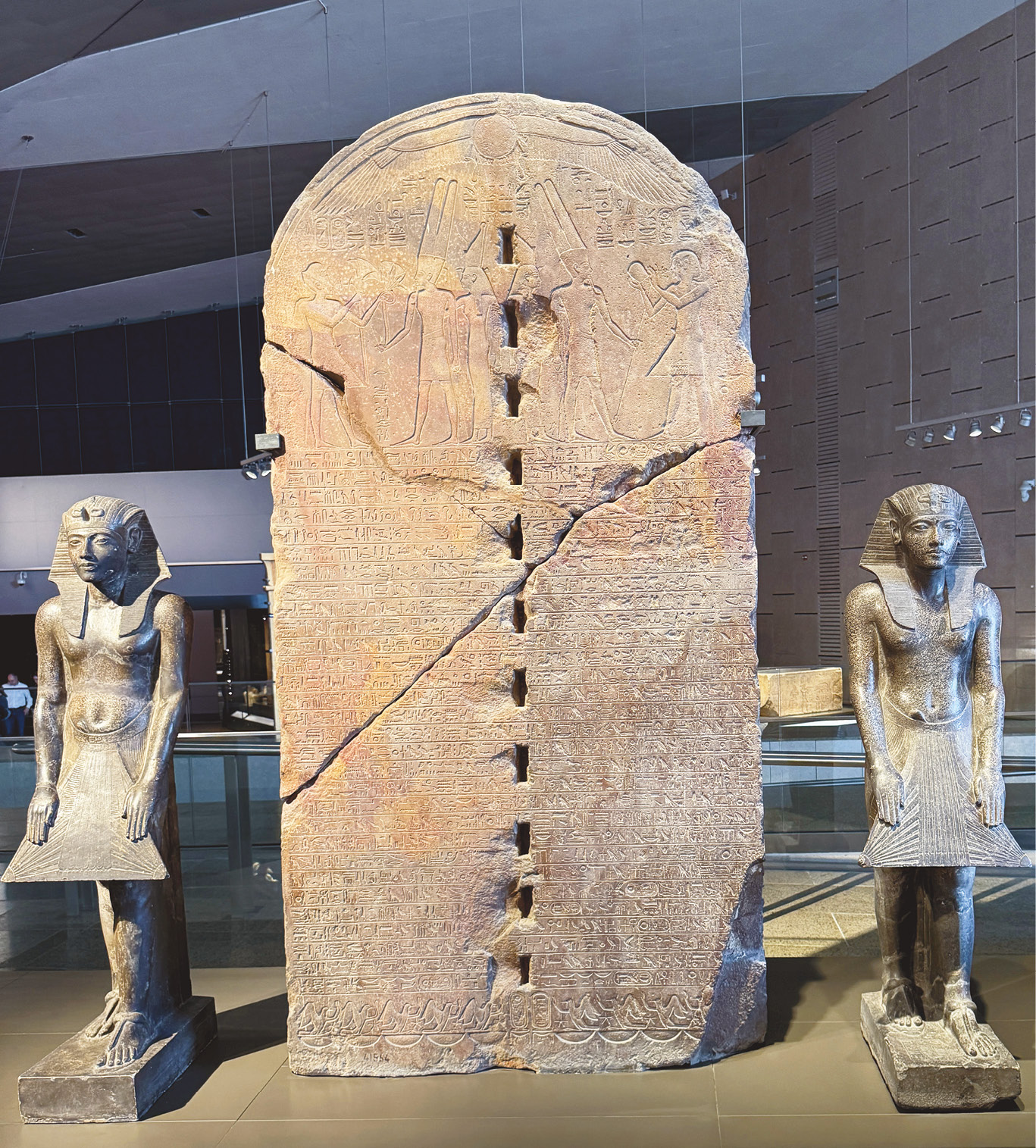
The Restoration Stela of Tutankhamun (c.1336-1327 BC) was found at Karnak Temple. It describes the return to the worship of the traditional gods of Egypt by Tutankhamun after the Amarna interlude. In the upper section, Tutankhamun is shown offering papyrus and lotus flowers to Amun-Ra and Mut on the left, and a vase to them on the right. The king’s cartouches were usurped by Horemheb (c.1323-1295 BC) when he became king. The text describes how, on Tutankhamun’s accession, he saw that the traditional temples had been neglected, and he decided to rebuild them for his ‘father’ Amun-Ra. At some later date, it seems that someone tried to split the stela in two by cutting perforations down the centre.
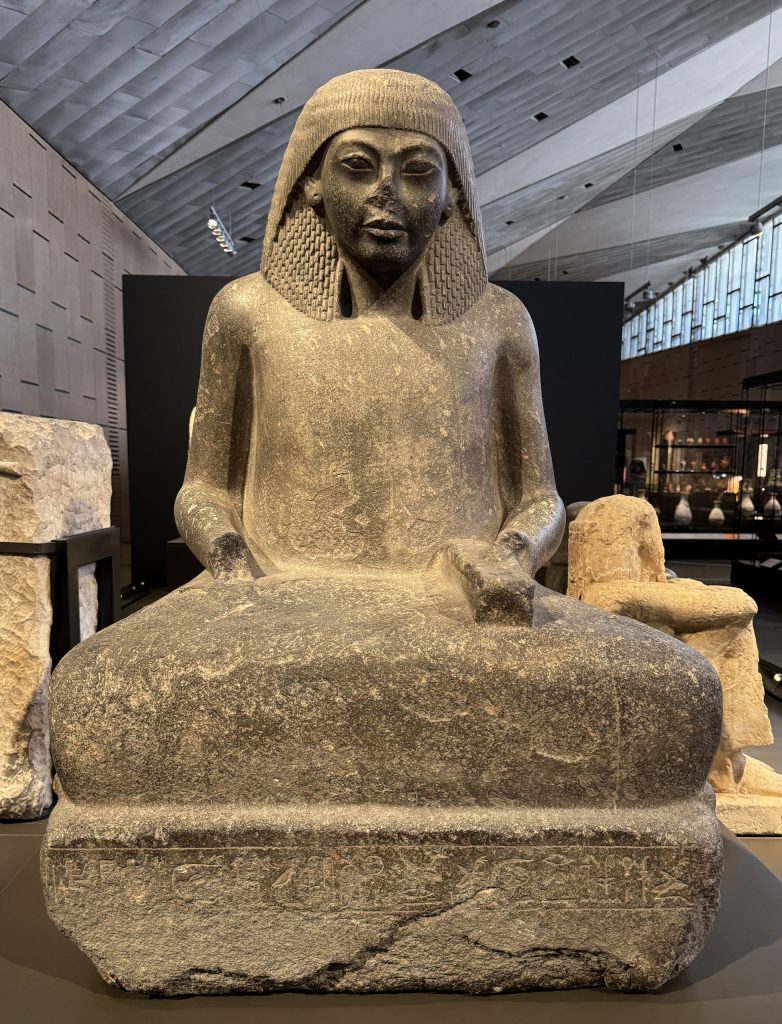
Paramessu was vizier to Horemheb. The king had no children, so in his later years he chose Paramessu to be his successor. Since Paramessu already had a son (the future Sety I) and grandson (the future Ramesses II), this would avoid future problems for the succession. On Horemheb’s death, Paramessu became Ramesses I. The statue in the GEM shows Paramessu as a scribe, while he was still a vizier. It was set up in Karnak Temple, a great honour for a non- royal at the time.
Late and Graeco-Roman Periods
The Dendera Treasure Hoards are groups of valuable objects hidden (by priests?) in the temple during the Late/Ptolemaic Period, perhaps to safeguard sacred treasures in a period of local instability. The exhibited falcon is made of gold and silver, and is hollow, suggesting that it may originally have contained a mummified bird.
The priests at Kom Ombo temple bred crocodiles so they could be mummified and offered to the crocodile god Sobek. Most crocodile mummies are of baby crocodiles, but the museum displays a full-size adult crocodile mummy from the Graeco-Roman Period.


The marble head of Alexander the Great was found at Thmuis in the Delta. The facial features seem delicate, and the curly hair is unusual, being above the ear on one side and down to the neck on the other. Invading Egypt in 332 BC, Alexander was generally welcomed as a liberator from the Persians.
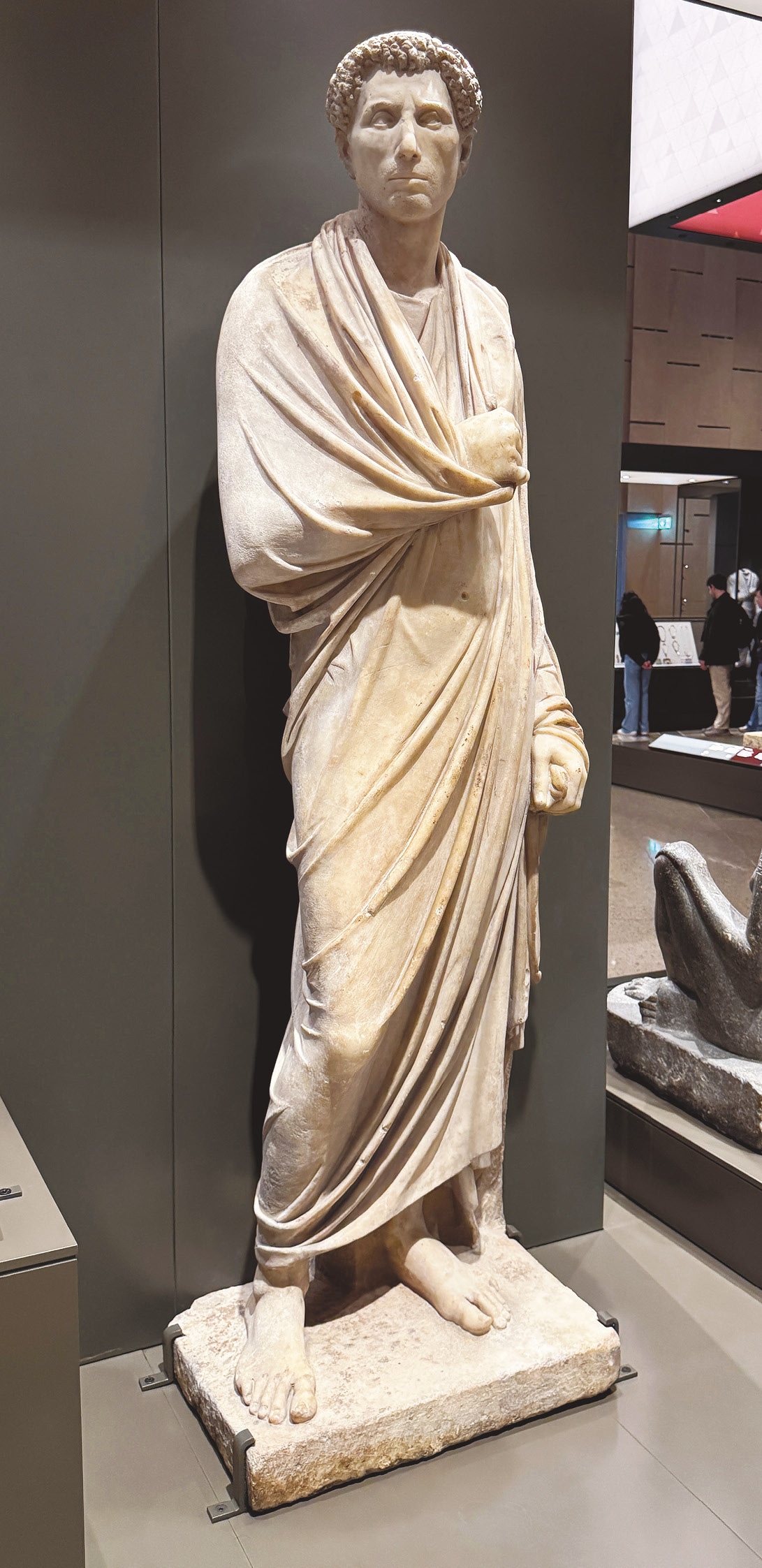
The life-sized marble statue of a Roman man was found at Herakleopolis Magna, near Beni Suef, south of Cairo. He looks to the right, with curly hair and hints of a beard, wearing a loose tunic and a rectangular cloak. The sculptor has skilfully portrayed the soft folds of the cloak in the hard medium of marble.

The official opening?
The Grand Egyptian Museum is huge – it claims to be the world’s largest archaeological museum. Even without the Tutankhamun galleries, there is plenty to enjoy, so there is no reason to wait for the official opening – visit now and you won’t be disappointed!
Geoffrey Lenox-Smith holds the Certificate in Egyptology from Birkbeck, University of London, and is one of our regular ‘Out and about’ contributors.
All images: Geoffrey Lenox-Smith