Subscribe now for full access and no adverts
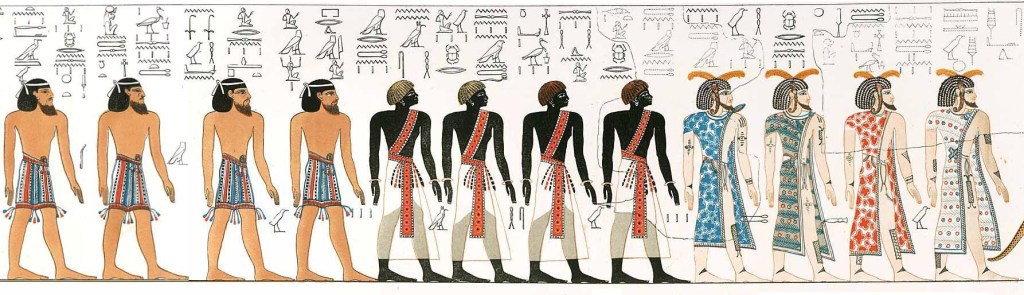
During the 10th to 7th centuries BC, Egypt was ruled by kings whose backgrounds would have perplexed an Egyptian of earlier centuries. In its hierarchy of peoples, the Egyptians placed themselves above all others, reserving particular scorn for their immediate neighbours in north-eastern Africa: the Nubians in the south, and the Libyans to the west. Yet at the beginning of the 7th century, Egypt’s paramount ruler was a Nubian, and regional thrones were occupied by kings of Libyan descent – including a line who had once been the undisputed pharaohs of the whole of Egypt.

Early in the 12th century BC, Merenptah and Ramesses III had both fought against the Libyans, and during the latter part of the Twentieth Dynasty considerable trouble was caused in Thebes by bandits penetrating from the Western Desert. However, very little is known of Libyans in Egypt itself. It is therefore surprising to find Libyan names among the sons of Herihor, the priest-king at Thebes at the beginning of the Twenty-first Dynasty, depicted in a procession in the Temple of Khonsu at Karnak. One can only assume that among the wives of Herihor was a woman of Libyan background, and that her sons were given names deriving from her ancestral region. A Libyan name, Masaharta, also appears among the sons of another Theban priest-king, Panedjem I. Indeed, he was apparently the eldest son, becoming High Priest at Karnak when his father transitioned to pharaonic status.
Then, some three-quarters of a century later, Pharaoh Amenemopet of Tanis was succeeded by a man with the Libyan name Osorkon. Osorkon was son of a Chief of the Libyan Meshwesh tribe named Shoshenq (A), and the descendant of three generations of like-titled individuals, whose ultimate ancestor was listed in a later text as simply ‘the Libyan’. Osorkon (known today as ‘the Elder’, having been discovered after the ordinals assigned to kings of the name had been fixed in Egyptology) presumably owed his right to the throne to the ancestry of his Egyptian-named mother Mehytemweskhet, although data are lacking.

Osorkon the Elder seems to have had quite a short reign, and was followed on the throne by two kings with purely Egyptian names: Siamun and Pasebakhanut (Psusennes) II. Nothing is known of their origins, and so it is unclear whether they were of the same family as Osorkon, albeit with Egyptian names, or wholly unrelated.
However, Pasebakhanut II was succeeded by Osorkon the Elder’s nephew, also a former Chief of the Meshwesh, Shoshenq I, the founder of the Twenty-second Dynasty. Pasebakhanut’s daughter, Maatkara, was married to Shoshenq’s son, the future King Osorkon I. Although she gave birth to the latter’s heir, Shoshenq Q, she died before her husband’s accession, and thus never became queen of Egypt.

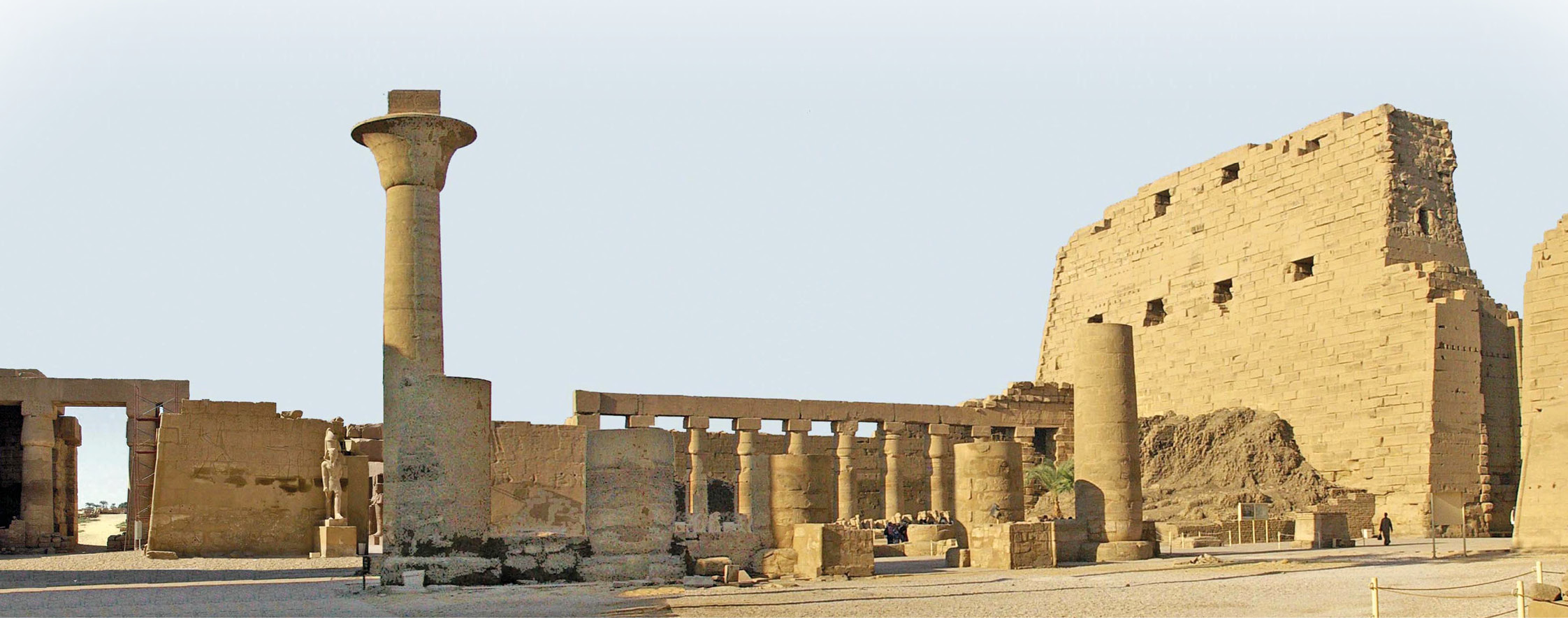
The reign of Shoshenq I was marked by a major shift in royal policy. At home, the Theban high priesthood ceased to be hereditary, with Shoshenq’s own son Iuput A being appointed to the post. This pattern of the nomination of a son of the reigning king to succeed a deceased pontiff would become standard practice. The reign also saw the first major building-work at Karnak since the Twentieth Dynasty, with the construction of a whole new forecourt, although it was left unfinished at the time of the king’s death. Shoshenq I built at Memphis, Tanis, Bubastis, Tell el-Maskhuta, Athribis (Tell Atrib), and Heliopolis, too.
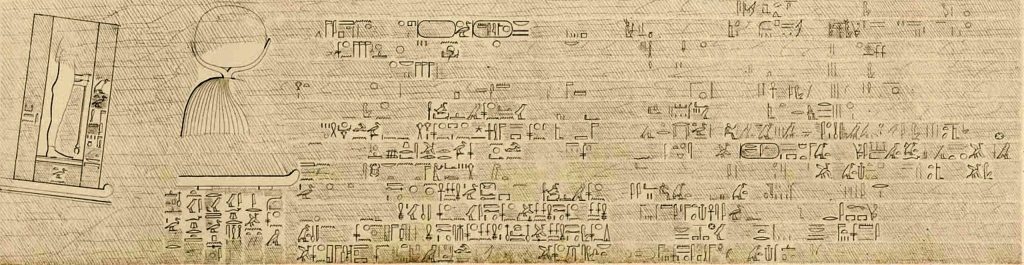
Abroad, Shoshenq carried out the first recorded military campaigns into Syria-Palestine for some two centuries. One is recorded by a relief on a gateway to the king’s Karnak courtyard, while another features in the Old Testament when ‘Shishak, king of Egypt’ is described as having attacked Jerusalem. That these campaigns were intended to be more than simply punitive raids is indicated by significant amounts of locally made, but Egyptian-shaped, pottery and seal-impressions in contemporary (Iron Age IIA) deposits in the region. There is evidence, as well, for renewed Egyptian links further north at the Lebanese trading centre of Byblos, extending over the following century.
The domestic prosperity and international relations of the reign of Shoshenq I seem to have been maintained under his successor Osorkon I. Major additions were made to the temple of Bastet at Bubastis, with evidence for work elsewhere in the country, including at Karnak. Here, Crown Prince Shoshenq Q became High Priest, but died prematurely, being followed in post by a younger brother, Iuwlot.
Unfortunately, this revival of Egypt’s fortunes appears to have been reversed following the accession of Shoshenq Q’s half-brother Takelot I. In contrast to the preceding two reigns, hardly any material survives naming the new king. Takelot’s brother Iuwlot was succeeded as High Priest at Karnak by a further sibling, Nesibanebdjedet III, who served into the next reign.

The paucity of royal material or other evidence of building work suggests a collapse of authority and/or the economy. It is possible that at least one rival king arose during Takelot I’s reign, since a Shoshenq IIa is known from around this time for his reburial at Tanis. Two other potential Shoshenqs (IIb, IIc) of the general period may, or may not, be alternate or miswritten names of Shoshenq I.
The accession of Takelot I’s son Osorkon II seems to have marked a temporary upswing in Egypt’s fortunes. However, a ‘manifesto’ that the king had inscribed on a statue from Tanis suggests that not all was well. This set out the prospective assignment to his children of various key offices, but also warned the god Amun to guard against any ‘brother being resentful of his brother’ – suggesting royal concern that parcelling out of key roles to members of the royal lineage could lead to conflict.

The family tree of the Libyan pharaohs.
The independence of Thebes
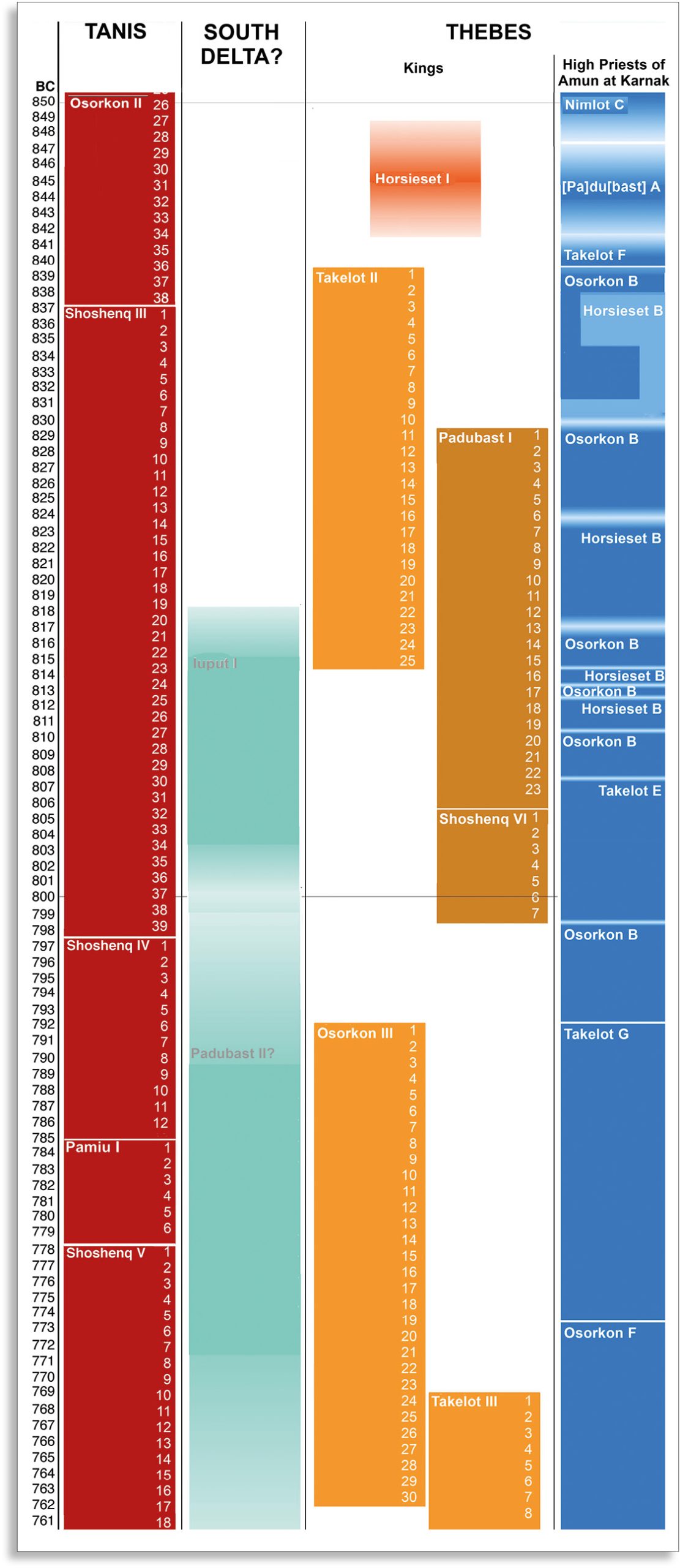
That there were broader issues destabilising the Egyptian state – some perhaps arising from events concealed by the obscurities of the reign of Takelot I – becomes clear through the appearance during the latter part of Osorkon II’s reign of an independent king in Thebes. The origins of this person, Horsieset I , are unclear, although he may have been a son of high priest Nesibanebdjedet III. Horsieset’s rule at Thebes appears to have been quite short-lived, being followed by a brief period of reunification of Egypt under Osorkon II.
However, within a short time, a new king ruling from Thebes had arisen in the person of Takelot II, who had probably served previously as High Priest. After a few years he was then faced with a rival, Padubast I (possibly a son of Horsieset I), and southern Egypt was henceforth wracked by civil war between two factions. That of Takelot II was prosecuted by his son, the High Priest Osorkon B, who continued the fight after his father’s death, apparently now supported by Shoshenq III, who had followed Osorkon II on the throne at Tanis. Control of Thebes would alternate between the factions for some three decades. Shoshenq III may have himself been faced by a rival in the north of Egypt, Iuput I, allied to the Padubast I faction in the south.
Victory finally fell to Osorkon B, but he remained loyal to Shoshenq III until the early years of the latter’s Tanite successor Shoshenq IV. He then finally became King Osorkon III, ruling the south for some 30 years. During this time, his son Takelot served first as High Priest, then coregent, as Takelot III, during the last years of the aged Osorkon III.

Lower Egypt
At Tanis, Shoshenq III and his successors Shoshenq IV, Pamiu I, Shoshenq V, Osorkon IV, Pamiu II, and Gemenefkhonsubak continued monumental construction at their home city. Although the north of Egypt was now increasingly divided between polities headed by kings, chieftains, and other worthies, the old Twenty-second Dynasty line continued to be recognised at the ancient capital city Memphis, as attested by the burials of the sacred Apis bulls there being dated by their reigns.
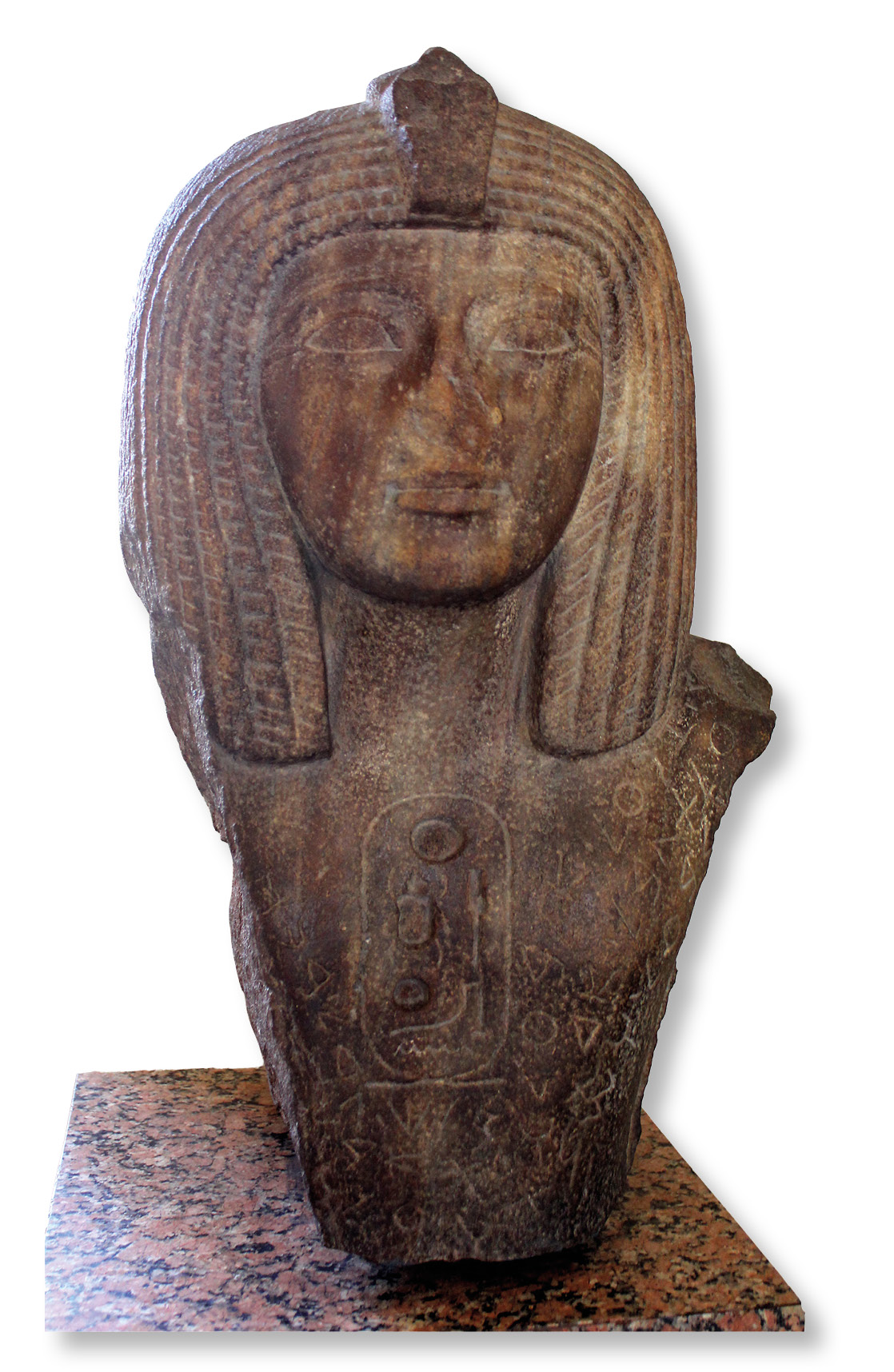
From the middle of the 8th century, we find radical changes being introduced as regards royal titulary and artistic style. These innovations involved an attempt to recapture the spirit of the remote past, by following the patterns of royal naming used during the Old and Middle Kingdoms, and employing models from the same periods for new artistic productions. This necessitated ‘archaeological’ work, probably including the cutting of a new entrance passage to the Third Dynasty Step Pyramid of Djoser to allow it to be investigated and its decoration copied.
The rise of Nubia
Around the middle of the 8th century, the divisions of the country widened yet further, with new kingdoms arising at Herakleopolis and Hermopolis in Middle Egypt, and a Chiefdom of the West based at Sais which came to be the dominant power in the north-west, with wider political aspirations as well.
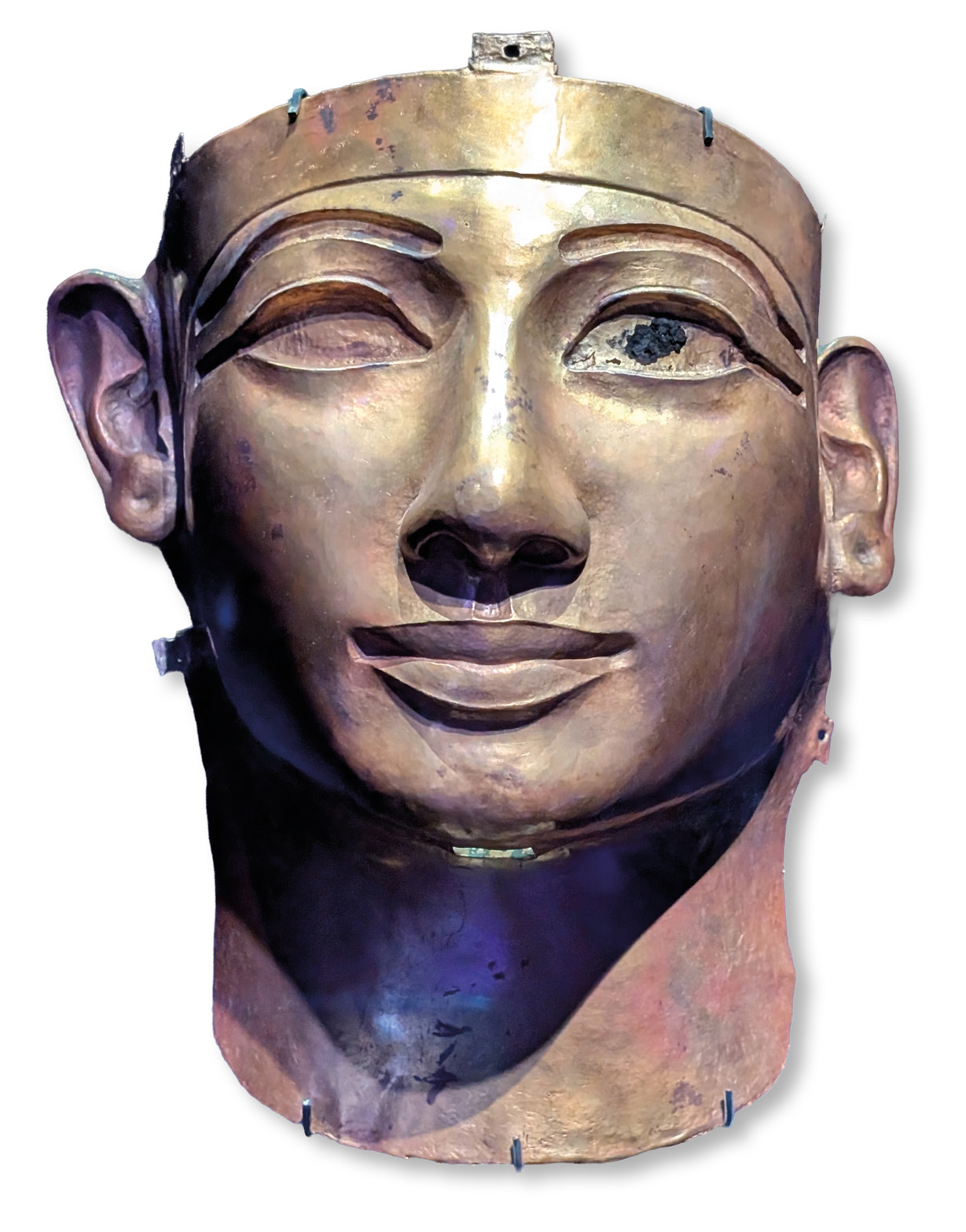
Meanwhile, a new Nubian (Kushite) kingdom began to expand out of its Nubian heartland into Upper Egypt, with Thebes itself coming under Nubian control following the end of the reign of Takelot III. Around 725 BC, the Nubian king Pi(ankh)y intervened in an attempt led by the Chief of the West, Tefnakhte, to seize the territory of the king of Herakleopolis, Peftjauawybast, an ally of the Nubians. Pi(ankh)y defeated the aggressors and also took the submission of the other local rulers of Middle and Lower Egypt, including Kings Iuput II of Leontopolis and Osorkon IV of the Twenty-second Dynasty line.

However, the Nubian king had no intention of personally ruling anything north of the Thebaid, so it was apparently Osorkon IV, ruler of the eastern Delta, who gave aid to Israel against attacks by the Assyrians during 726/725 BC, and made a gift of horses to the Assyrian king in 716, perhaps to dissuade him from coming any closer to Egypt than Gaza.
Pi(ankh)y’s successor in Nubia and Thebes, Shabataka, took a different approach, and assumed substantive control over both Egypt and Nubia. While most of the local kings and other rulers retained their positions, the Kingdom (formerly Chiefdom) of the West was temporarily eliminated; Manetho records that Shabataka had its ruler, Bokkhoris (Bakenrenef) burned alive. A kingdom was later re-established at Sais, and would eventually provide the kings of a fully reunited Egypt.
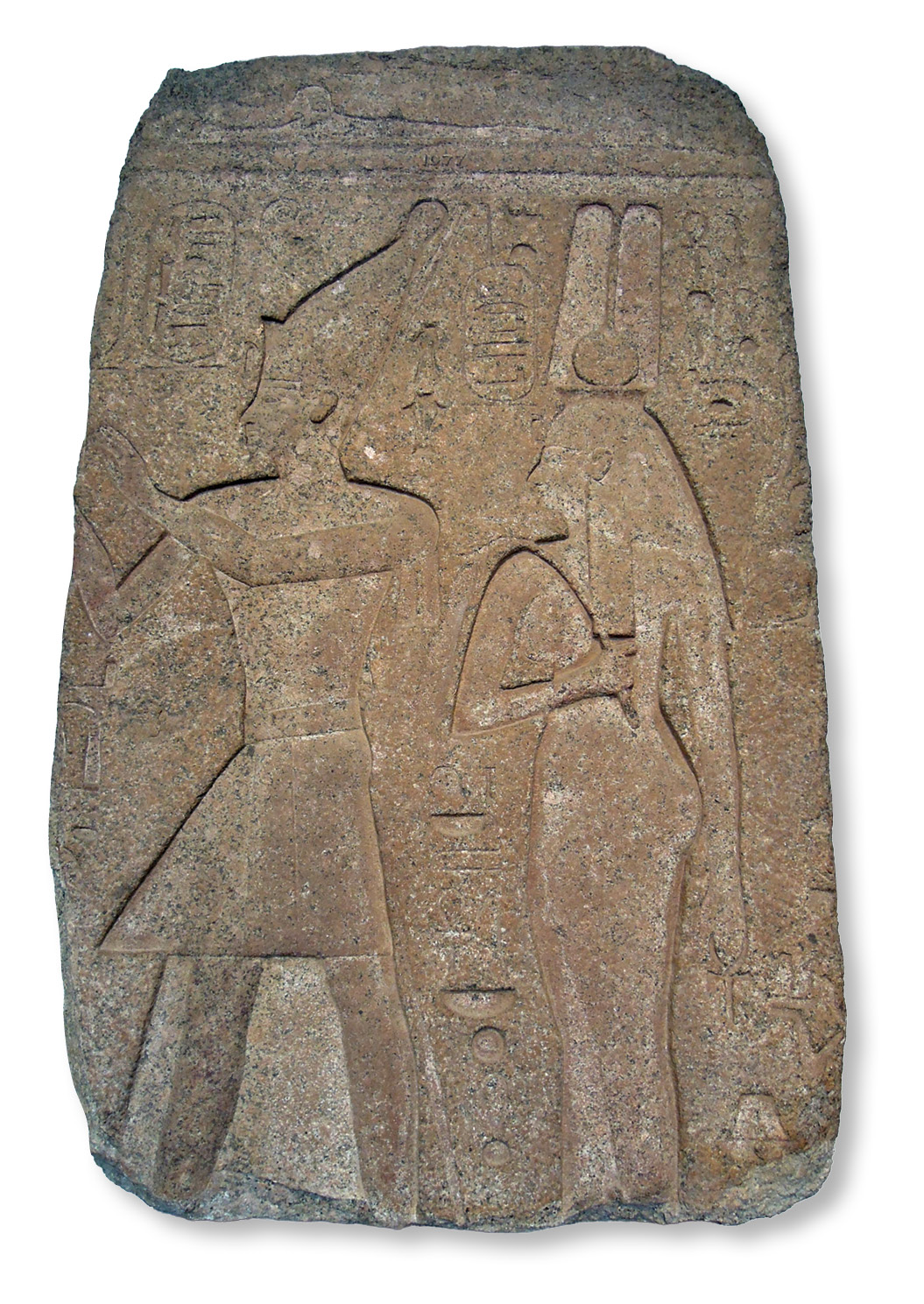
A block from the Jubilee Gateway of Osorkon II at Bubastis, showing him with Queen Karomama B. It is now in the British Museum. Image: SG
Most of these local rulers were scions of Libyan lines and seem to have continued to run their various fiefdoms in parallel with the overlordship of the successive Nubian pharaohs, Shabataka being followed by Shabaka and Taharqa. But during the late 670s, the Assyrians began attempts to conquer Egypt, forcing Taharqa to retreat into the south. The local rulers defected to the invaders, but were forced to revert to Nubian authority when Taharqa returned north in 669 BC. The Assyrians successfully returned during 667/666 BC, placing the Egyptian local rulers back under Assyrian suzerainty, but once the Assyrian king himself had withdrawn, a number of Delta rulers began to plot for a further restoration of Taharqa. This was detected by the Assyrian authorities and the plotters and those of doubtful loyalty were executed. Only King Nekao I of Sais, who had maintained his allegiance to the Assyrians, appears to have been spared.

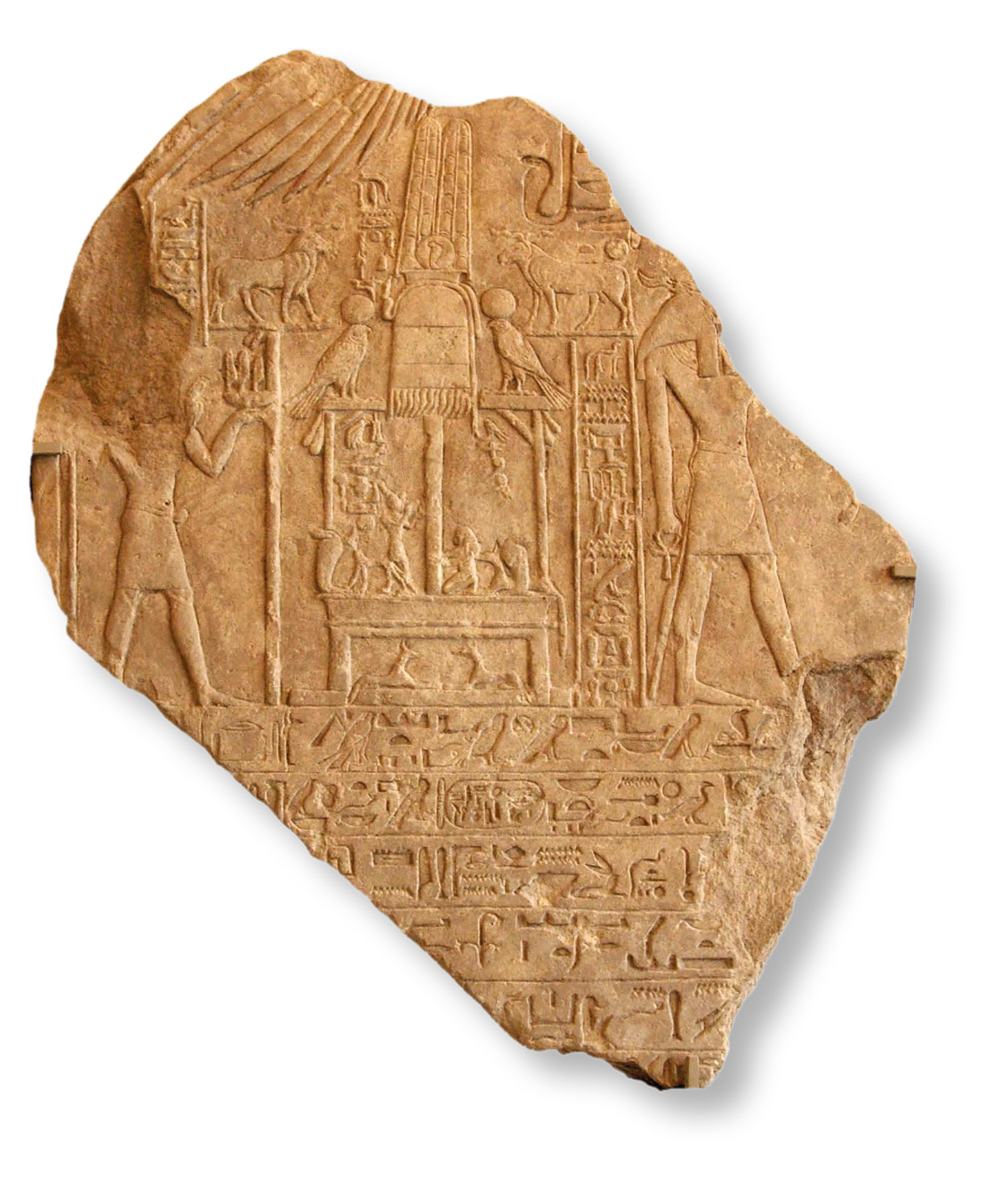
Taharqa died in Nubia in 664 BC, but his successor Tanutamun made a final attempt to restore Nubian control in Egypt. Initially he had some success, including probably executing the pro-Assyrian Nekao I and forcing his son Psamtik into exile in Syria. However, the Assyrians soon returned and drove Tanutamun back into Nubia, sacking Thebes in the process. Psamtik returned to become king of Sais as an Assyrian vassal, but over the coming years he would assert his independence as the first king of the Twenty-sixth Dynasty.

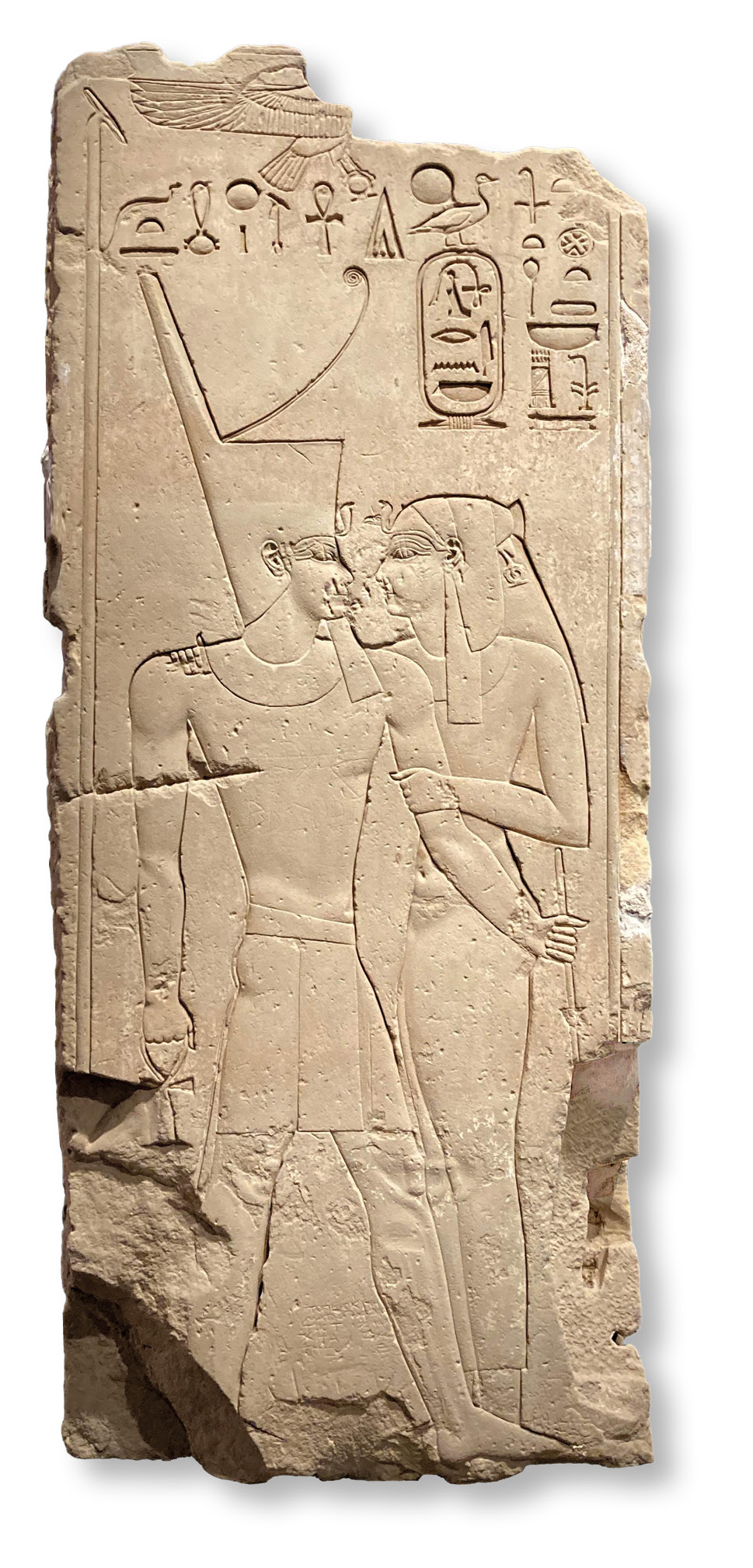
Psamtik was certainly of Libyan ancestry, but his accession can be seen as ending the era of ‘Libyan’ kings and chieftains – both great and small. In contrast to the approach taken by Shabataka and his Nubian successors, it seems that Psamtik’s fundamental policy was to have once again but a single pharaoh, who was the sole font of legitimate royal power. Doubtless the ease with which the Assyrians had conquered the country, and the way that they had made use of the political situation to their own ends, helped Psamtik to strengthen his resolve in this. Thus, all traces of ‘Libyan-ness’ vanished from Egypt, almost as suddenly as it had appeared three centuries earlier.

Aidan Dodson is Honorary Professor of Egyptology at the University of Bristol, a former Simpson Professor of Egyptology at the American University in Cairo, and former Chair of Trustees of the Egypt Exploration Society. He is the author of some 30 books, most recently The Libyan Pharaohs of Egypt: their lives and afterlives (AUC Press, 2025).
All images: the author, unless otherwise stated