Subscribe now for full access and no adverts
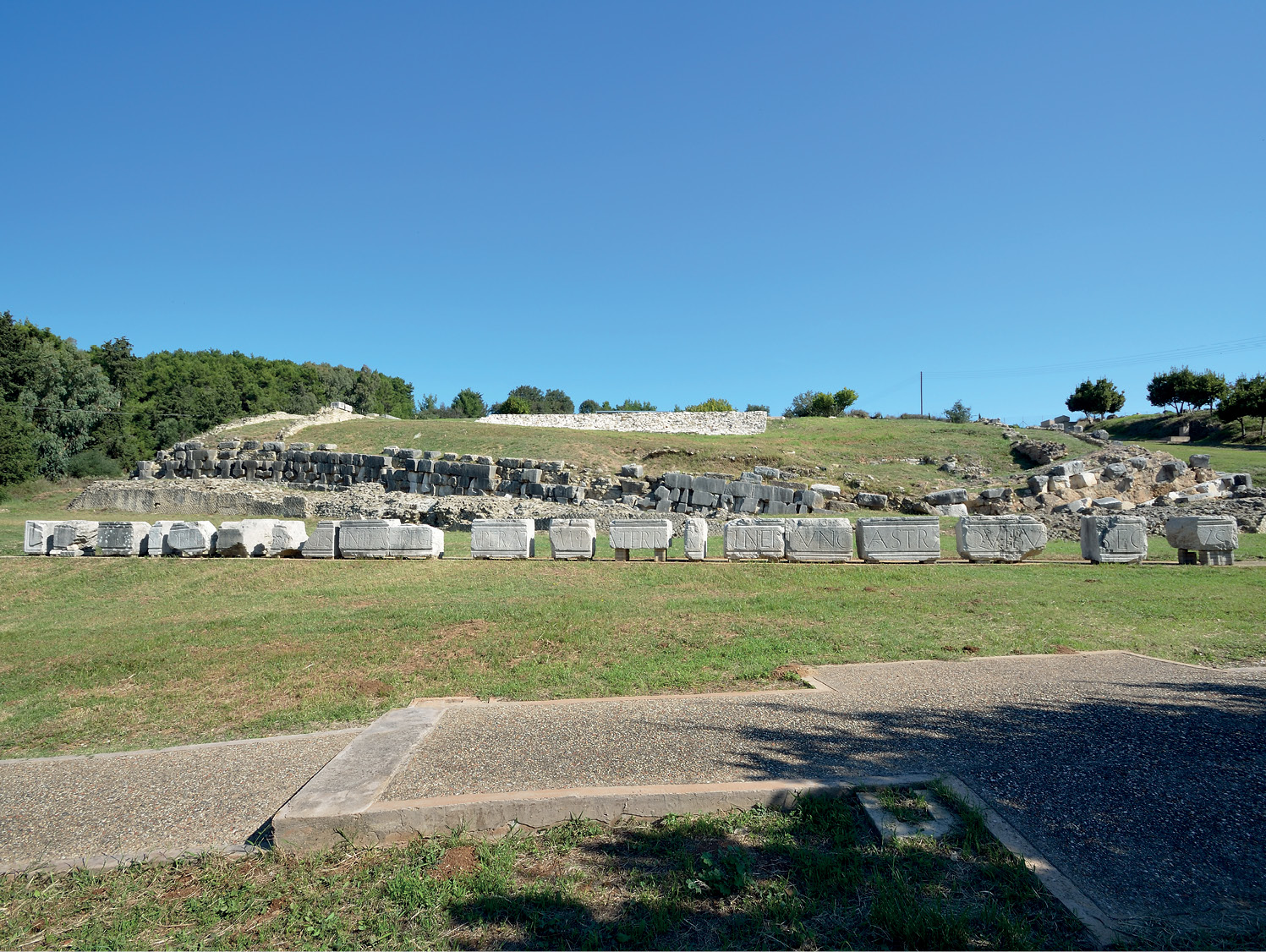
Few battles have had such dramatic outcomes as the great sea battle at Actium in 31 BC. The defeat of Cleopatra and Marc Antony by Octavian ushered in a Roman revolution. Octavian became the Emperor Augustus and before long, with the Pax Romana, not only Rome was transformed from clay into marble, as the new leader boasted, but just about every corner of the new empire. After Actium, the world order changed. Of the many achievements marking this revolution – ranging from Virgil’s Aeneid to the Ara Pacis in Rome – the Victory City of Nicopolis, founded at Actium by Octavian, is truly remarkable. More remarkable still is the Actium Monument built on the hill overlooking the new town. Described by Plutarch, Suetonius, and Dio Cassius, its discovery by Alexander Philadelpheus in the early decades of the 20th century brought to light anchor-shaped sockets on some of the visible stone blocks, into which the bronze rams from the captured ships of Cleopatra and Marc Antony had been inserted. A full excavation in the 1990s, now followed by its magisterial publication, has been one of the most important strands in the professional career of the Greek archaeologist Konstantinos (Kostas) Zachos.

A career in Greek archaeology
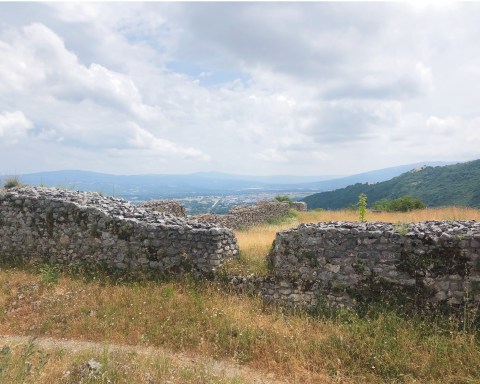
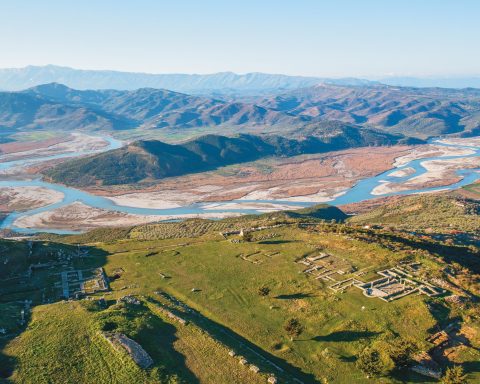
The publication of the Actium Monument in three volumes (two are published; the third volume is forthcoming imminently) is certain to define Kostas’ career, but over the past 50 years he has established himself as one of the great archaeologists of his age. We meet most years for dinner in Epirus – this time in the Pindos mountains at Ano Pedina – and talk about archaeology and travels. A dapper man who defies his age, speaks English with lyrical ease, has a winning smile and an obvious energy, he is the perfect companion with whom to share a bottle of wine. Few people I know have such a mixture of charm and curiosity, a combination to fuel endless conversations that, in our case, include shared experiences – good and bad – in southern Albania. (He excavated for two seasons at the hilltop town founded at Antigonea by Pyrrhus around 300 BC and destroyed by the Roman, Aemilius Paullus, in 168 BC.)

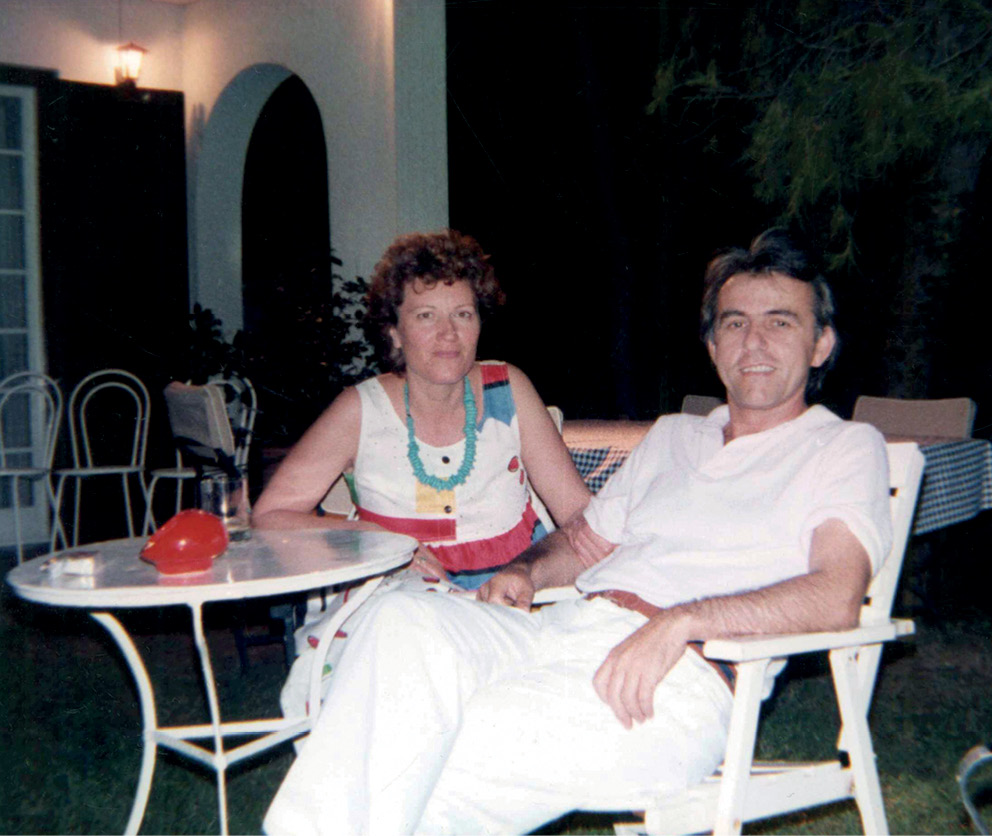
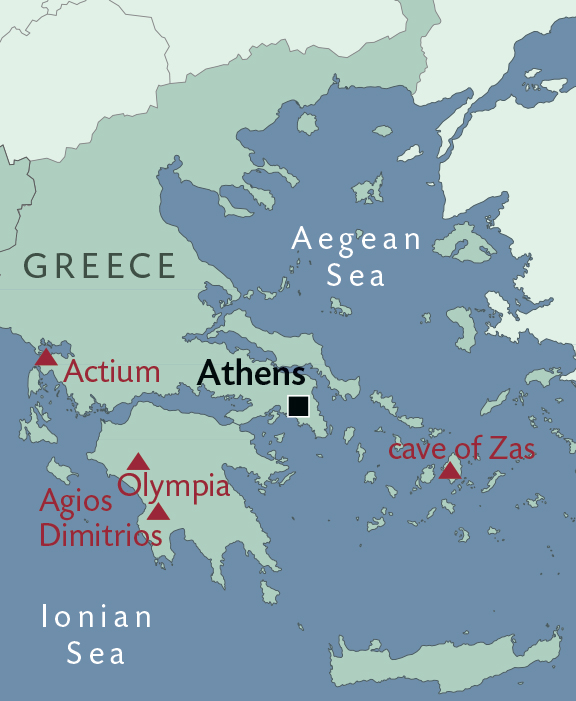
Kostas grew up on the slopes of Mount Olympus, went to university in Thessalonica, and on graduating in a bitterly divided Greece, went off to visit an uncle and cousins in Boston. He readily warmed to the America of the ’70s and enrolled to study at Boston University, its archaeology department chaired by James Wiseman. Keeping body and soul together by waiting tables in a pizzeria, he was at one point challenged as to whether to go into the hospitality business. Instead, as he says with a lilting humour, he found his way back to Greece on a fellowship with the American School of Classical Studies at Athens in 1978-1979. It was during this return to Greece that he was first introduced to Nicopolis. It was also when he learned of the newly opened competition to join the Greek archaeological service, the Ephoreia. Quite unexpectedly, as he tells it with a passing smile, he aced the exams.
His very first assignment was at Ancient Olympia. It was then that he discovered and began excavations of the Final Neolithic and Early Helladic II hilltop settlement at Agios Dimitrios, in Trifylia. In the meantime, he participated for a summer at the excavations of the Temple of Apollo Epicurius at Bassae, which were directed by the General Director of Antiquities Nikolaos Yalouris. After Olympia, he was transferred to the Ephorate of Speleology and Palaeoanthropology. One day, he travelled to Naflion to attend a seminar on Mycenaean pottery given by Lisa French (the daughter of Alan Wace, a celebrated Director of the British School at Athens) in the Ephorate’s storerooms. It was there that he met the love of his life, Angelika Douzougli, who was working in the Ephoreia, with Lisa being, in a way, their matchmaker! Angelika followed him back to the excavations at Agios Dimitrios, and later she joined him at the cave of Zas on Naxos. At the end of the first excavation season there, they were married in a Byzantine chapel under the shadow of Mount Olympus. All the students who had participated in the excavations, from various regions of Greece, attended their wedding.
The pull of the prehistory of the Cyclades – by this time given international fame thanks to Colin Renfrew – was soon revealed to be a mere prelude to the main story of Kostas’ career in archaeology. In 1987, he and Angelika were offered the opportunity to move to (and soon to be Director – Ephor) of the 12th Ephoreia of Prehistoric and Classical Antiquities for Epirus, based in Ioannina. Far from Athens, this north-west region of Greece was considered poor and peripheral, but Kostas and Angelika jumped at the chance. Here Kostas not only made himself master of the sprawling Roman ruins of Nicopolis, its most celebrated archaeological site, but of its passage from a cultural heritage backwater into one of the better studied regions in the western Balkans. No less importantly, his legacy can be seen across the breadth of this mountainous province. Here he renovated the shabby museums, bringing light and modern museology to Arta, Ioannina, Leucas, and Nicopolis, for example. He created archaeological parks not just with renovated monuments at the ancient sanctuary of Dodona and the Victory City at Nicopolis, but through his many connections invested them with a new energy – with events ranging from concerts to theatrical spectacles. A flurry of beautifully illustrated guidebooks in Greek and English followed, accompanied by waymarked trails to the many hilltop fortresses in the region. Most of all, he invested his energy in new excavations to change the tone of Epirote history.
The Nicopolis story
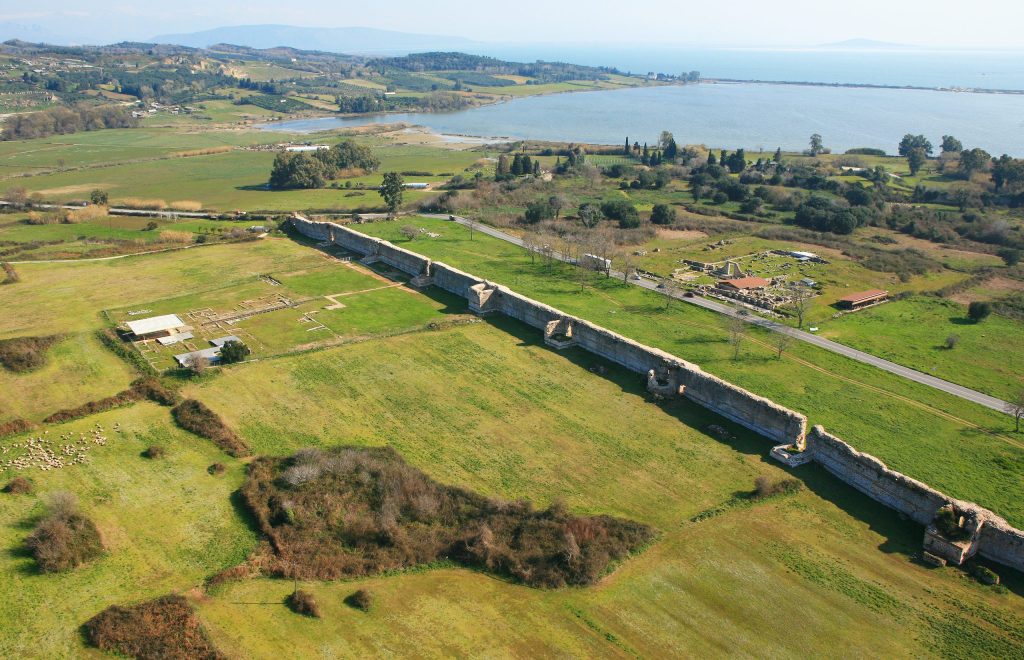
Kostas began working at Nicopolis soon after arriving in the region. The Scientific Committee for Nicopolis had been established in 1984 as an umbrella organisation to advance the importance of the ancient city and its conservation. Kostas joined it and soon became its president. With his former mentor, James Wiseman of Boston University, he directed a groundbreaking field survey of 1,200km2 of the hinterland of the Victory City. Carried out between 1991 and 1995, the survey mapped the environmental circumstances and logged details of sites of all periods, setting Octavian’s new foundation into a story of long-running Ionian Sea settlement beside the great inland lagoon known as the Ambracian Gulf. Following this, Kostas began a programme of excavation and conservation. This included investigations of Nicopolis’ line of grandiose mausolea on its western side, renovation of the city walls, and a project to conserve the odeion and the massive theatre depicted in some evocative detail by many 19th-century Grand Tourists.
These new volumes, however, are testament to Kostas’ particular passion to do justice to the archaeology of Octavian’s Victory Monument. Known to have been built on the hill overlooking the battlefield – and later city – where Octavian had his headquarters, its location was first identified in Ottoman times by the spy and English topographer (Colonel) William Martin Leake in his Travels in Northern Greece (1835). Such was the lure of this place, that a mere nine months after the expulsion of the Ottomans from Epirus in July 1913, the Ephor of Argolidokorinthia, Alexander Philadelpheus, began excavations here. An archaeologist-painter and student of Edvard Munch, Philadelpheus devoted over a decade to the rediscovery of Nicopolis. His excavation diaries, now published by Kostas in some detail, are simply glorious works of art, surely ranking as some of the most remarkably illustrated notes in the history of archaeology. The Victory Monument, as Philadelpheus recorded, had been despoiled for its ashlar in Late Antiquity as Nicopolis, in its reduced urban form, was refortified in the age of Justinian. This despoilation was almost certainly renewed by Ali Pasha, the tyrannical vizier who befriended Lord Byron and made a palace at nearby Preveza. What remained puzzled Philadelpheus and led 50 years later to a surface survey and monograph by William M Murray and Photios M Petsas.
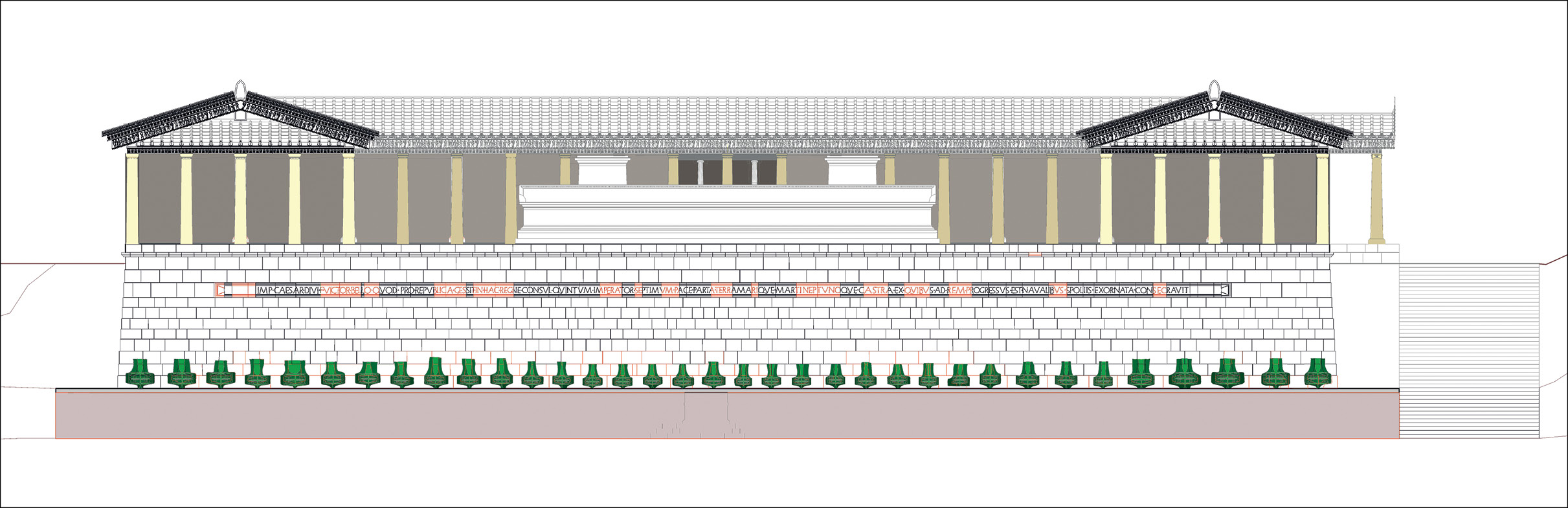
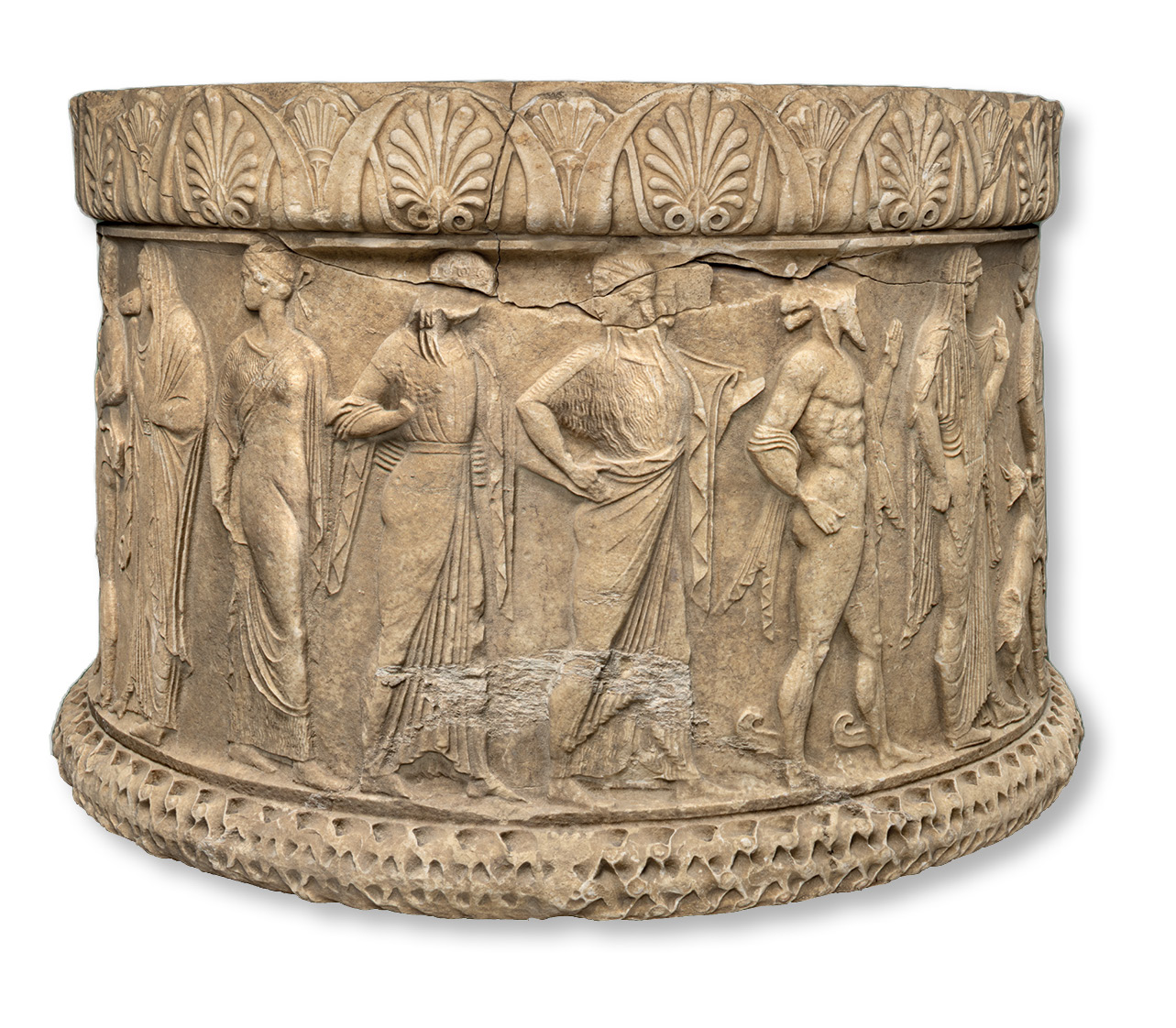
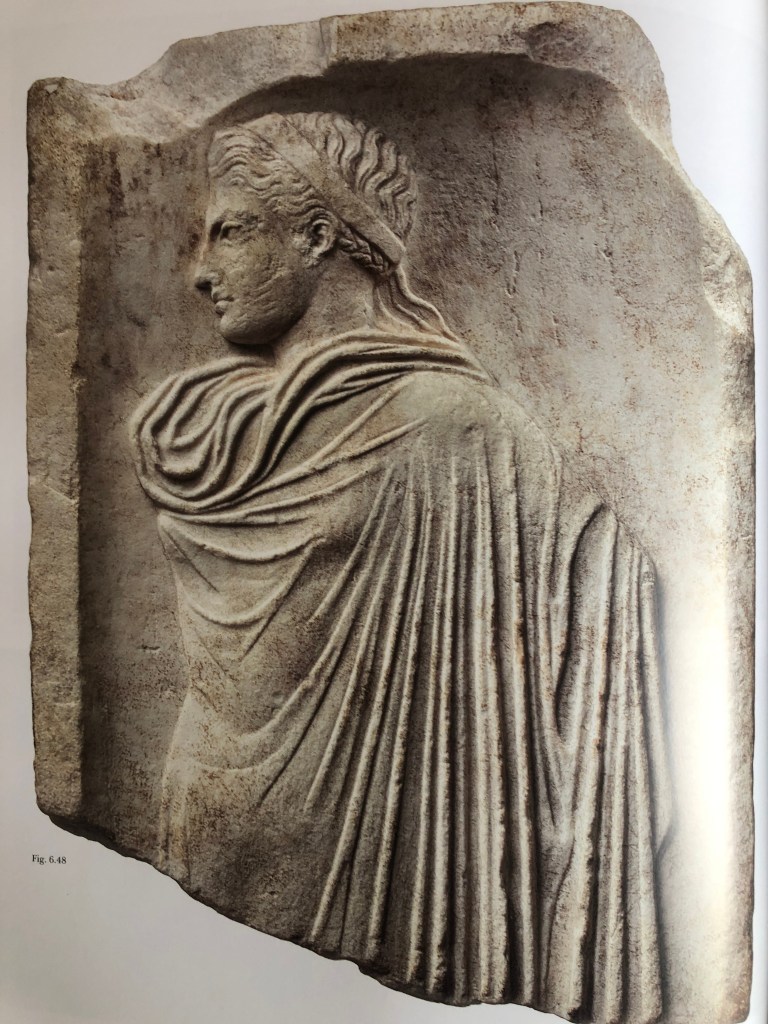
Making sense of these badly destroyed ruins, therefore, has been the essence of Kostas’ long, detailed investigation. Added to this, complicating matters, the great monument was rebuilt three times over the Roman period before its abandonment in the 4th century. Understanding its grandiosity depended, most of all, on reconstituting thousands of fragments of Pentelic marble. These belonged to the structure of the monumental altar, which dominated the open space of the upper terrace of the complex. Most of the fragments come from the core of the slabs, while a significant number are from the outer faces that were decorated in relief and arranged in two successive friezes. Represented in the lower frieze are mixed piles of weapons, a frequent motif of triumphal imperial art, with the upper frieze depicting a Roman triumphal procession. This is specifically the Actium triumph, which Augustus celebrated in Rome on the second day of his triple triumph in August 29 BC. The sculpted decoration of the altar is the last flare of Hellenic art, while as a whole the altar itself presages the Ara Pacis in Rome (now enshrined in Richard Meier’s building beside the Tiber), the culminating monument of Augustus’ Golden Age.
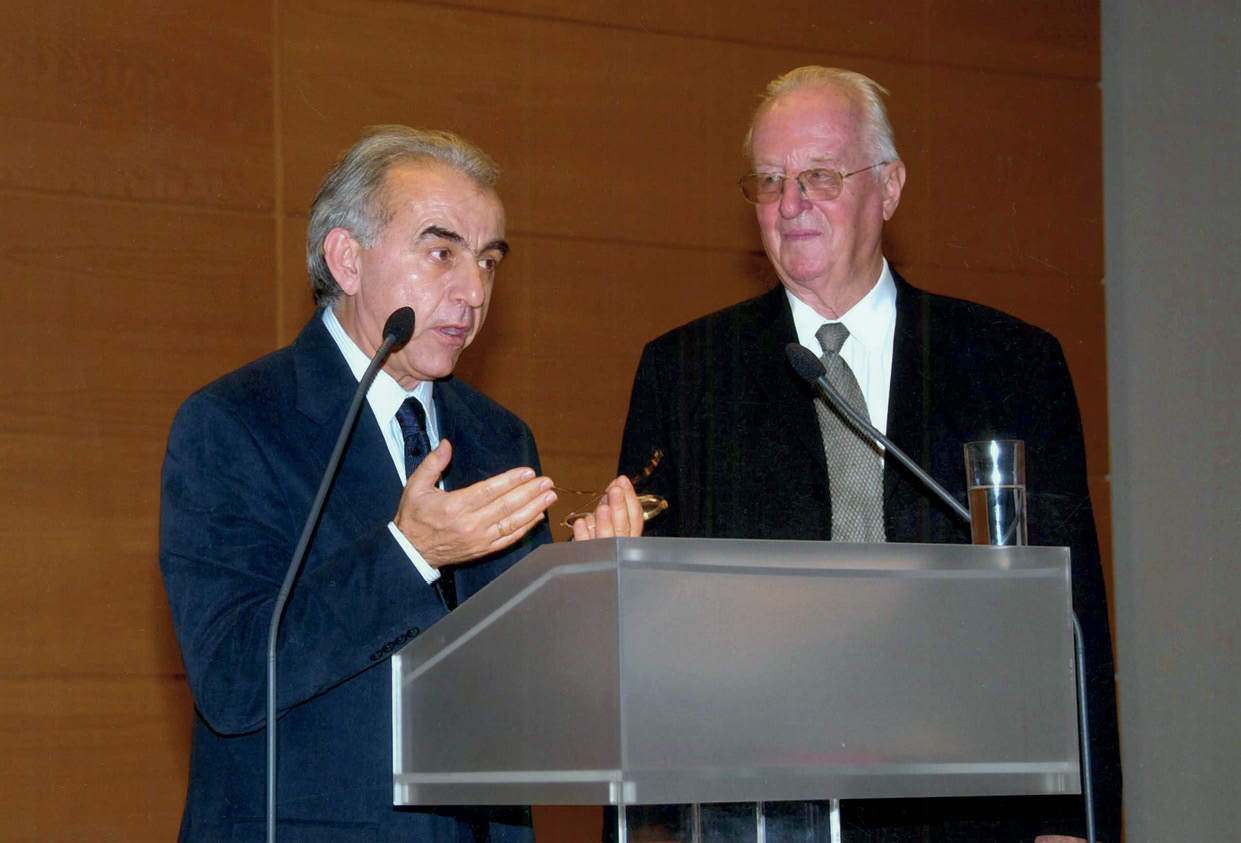
Making sense of this extraordinary puzzle, as well as reconstructing the architecture of the Victory Monument itself from the sparest remains in situ, was the work of an army of colleagues. Archaeology, at heart, is the mastery of collaboration: this book is a tribute to Kostas’ collegiality as well as his scientific rigour. By any standards, it is a masterpiece with illustrative riches that Kostas’ forebear, Philadelpheus, student of Munch, would have surely welcomed. In a stroke, a monument to a conflict that changed the world has been brought back to life.
A dinner conversation
Cradling the first volume of Kostas’ majestic trilogy devoted to the Victory Monument, I asked him over the dinner table about his career and his devotion to Nicopolis.
Richard Hodges (RH) Kostas, you started in Greek prehistory but will end up being known for your far-reaching research on the Roman period. What made you make this switch?
Kostas Zachos (KZ) The main responsibility of the Greek archaeologists working for the Archaeological Service in Greece is to protect the sites and antiquities generally. The Greek Archaeological Service has a glorious history in this respect, with prominent scholars who saved many sites. When Greece was liberated from Ottoman rule, the first archaeological museum housed a few hundred ancient artefacts.

Today the Greek museums house millions of items, thanks to the devotion of the members of the Archaeological Service.
For example, after Epirus was liberated from the Ottomans, the fields at Nicopolis that belonged to Turkish lords were distributed to landless Greek farmers. Archaeologists who came from Athens to Nicopolis, such as the prominent Konstantinos Romaios, participated in the Commission that distributed the fields. They proposed to exclude from the distribution to the locals (mainly refugees from Asia Minor and Pontus) the fields in which there were visible antiquities, both the entire area within the Byzantine walls and outside the walls in the areas of the cemeteries and the area of the so-called by Strabo Proasteion, where the gymnasium, the theatre, the stadium, and the Victory Monument existed.

It was a critical moment, and my obligation was plainly to pursue this project to protect, save, and promote Nicopolis and its natural environment.
RH You have made the Roman period respectable in Greece. Once upon a time, only the archaeology of the Greeks mattered. Is that something to do with your doctoral training in the USA?
KZ You are right, until recently there was not a chair of Roman Archaeology in Greek universities.
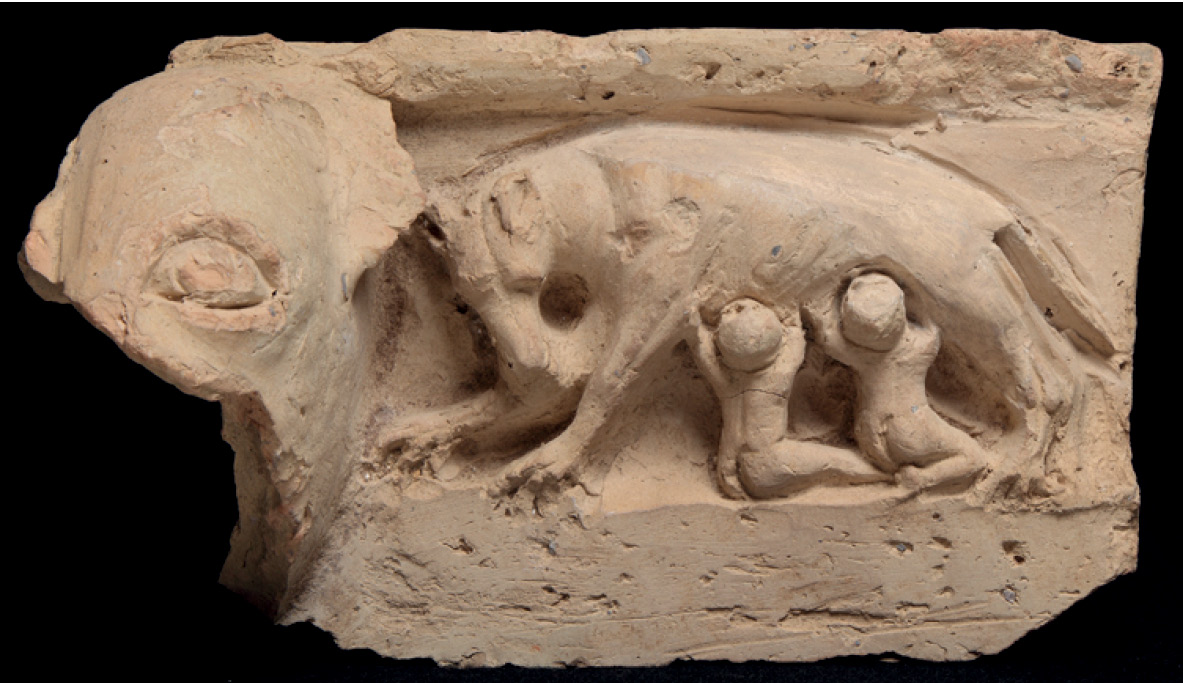
No, it was not my training at Boston University that affected my decision. It was the general education I got concerning the past. I remember once at a symposium organised in Preveza (close to Nicopolis) by the Panepirotic Federation of America, a gentleman asked me what topic I would be speaking about. I replied – Nicopolis. He then yelled at me and told me to get a bulldozer and make it disappear. ‘You bring us the Romans,’ he continued, ‘their symbol the wolf with the twins, the conquerors of Greece’. When I asked him who he was, he told me that he had been a prefect of the Prefecture of Preveza.
Most of all I was attracted by the landscape around Nicopolis. I knew that the site was in a dangerous position, being next to nice beaches.
Also, to be honest, I was fed up with the theoretical approaches of prehistoric archaeology. As you know, in 2002 I was elected as an Associate Professor in the University of Athens in the chair of prehistoric archeology (principally the Neolithic and Early Bronze Age periods), a very honourable position, as you understand. I did not accept the appointment because I had become attached to Nicopolis and had made it my goal to promote it internationally.
To be honest, my education played its role. When I was 14, I was sent to Athens to a prominent school, the Rizarios [or Rizareios] Ecclesiastical School of Athens, a Greek Orthodox historical educational institution founded in 1841 by Manthos and Georgios Rizaris, who came from Monodendri in Zagorochoria [the mountains of northern Epirus]. They were members of the Society of Friends.
There I learnt a hymn by the Byzantine hymnographer Kassia, in which she refers to the coming of Jesus in the times of Augustus, as follows: ‘When Caesar Augustus became monarch on earth, then the polyarchy of men ceased; and when You, (Lord), became man from pure Mary, the polytheism of idols was abolished. Under a worldly kingdom came the cities of this world, (as respectively) and the human nations believed in one Lord and God. The people (of the Roman empire) were enumerated, by the order given by Caesar, while we the faithful were marked by the name of the Deity – that is, You Lord our God, who became man (for us). Great is Your mercy, glory to You.’ When I was excavating the Actium Monument, I was well aware of this hymn, because they sing it on Christmas Eve in the Orthodox Church. How long these things from schooldays stick in your mind!
RH What were your first impressions of Nicopolis? Were Philadelpheus’ excavations and especially his extraordinarily beautiful notebooks in your mind from the beginning?
KZ No, I did not know about his notebooks. I discovered them later because they are in the possession of his grandson, who bears the same name. His grandson, with whom I became friends, allowed me to scan them. In his notebooks, Philadelpheus also kept notes from his excavations in other regions of Greece, as well as private notes about his family. He came from a bourgeois family, and his grandson’s apartment in Athens today is located next to the Presidential Palace. Philadelpheus had studied painting and was a good painter. In fact, a church in the centre of Athens, Agios Georgios in Karytsi Square, was painted by him.
I photocopied all of Philadelpheus’ articles about his excavations in Nicopolis and bound them in a book in chronological order.
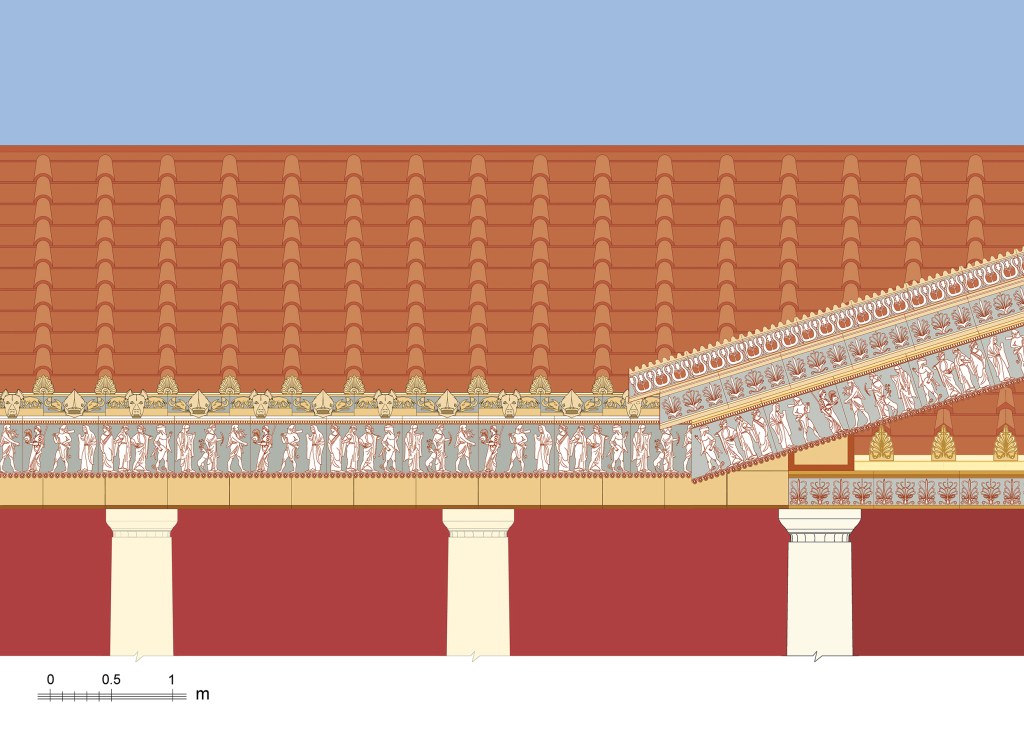
RH You first went to Nicopolis as a student at the American School of Classical Studies at Athens. What were your initial impressions of the ancient city?
KZ With the exception of the magnificent mosaic floors of the Basilica of Bishop Dometius and the impressive walls of the early Christian era, my first impression of Nicopolis as an archaeological site was of the chaos. On my frequent visits, the local guard, a long-time employee of the Archaeological Service, guided me to the various individual monuments, which were covered with dense vegetation. For this reason, one of my first goals when I took over the site was the surveying of all the monuments to create a topographical map, and thus slowly the city with its walls and necropolises began to be structured in my brain. Later, with the excavations when various roads were identified, its urban fabric began to possess a recognisable shape.
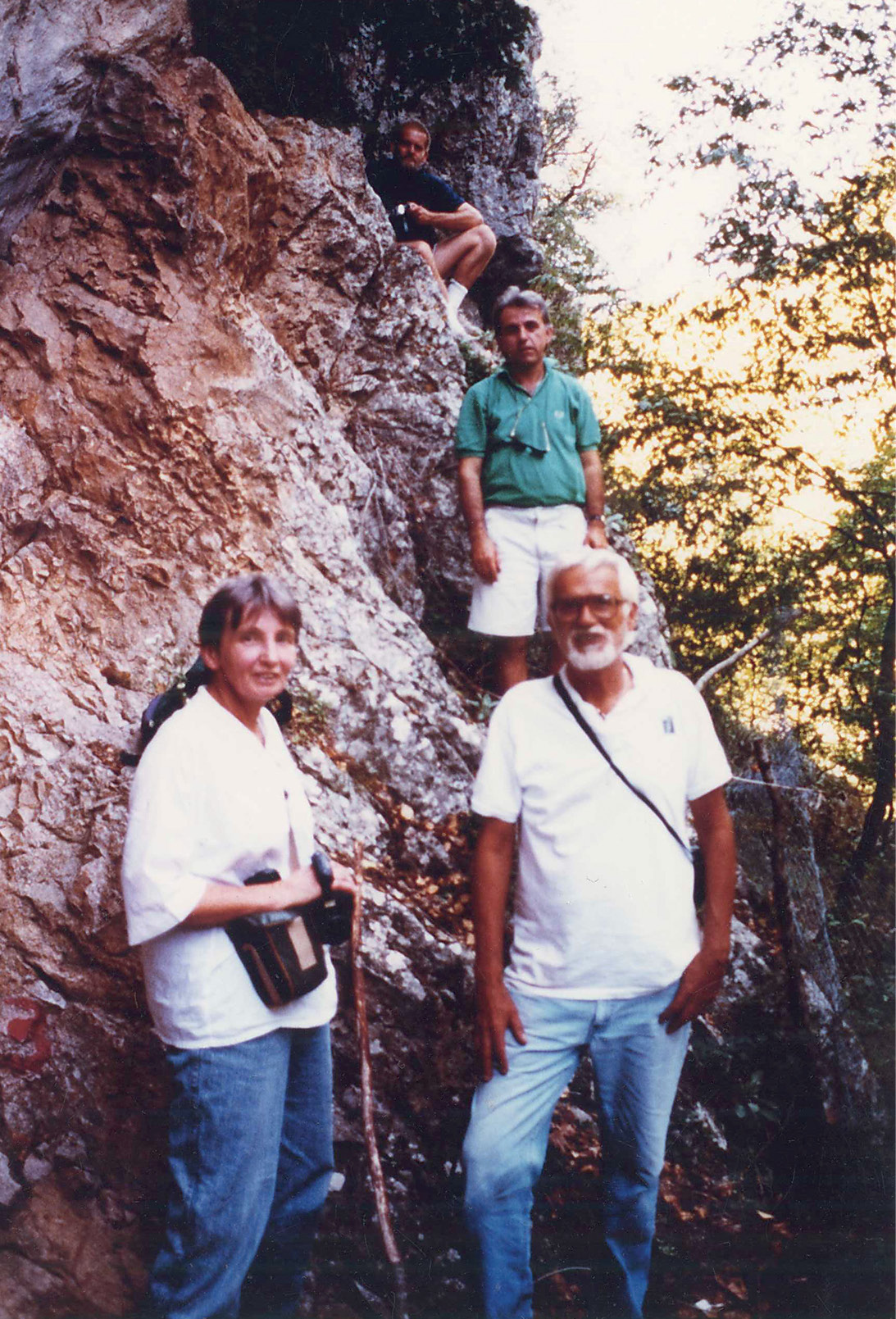
RH Tell me a little about how you went about reconstructing the thousands of marble fragments to reconstitute the friezes.
KZ Let’s start from the beginning. I decided to excavate the Victory Monument firstly for its symbolism and secondly from a purely archaeological point of view, because it was a monument whose dating was precisely limited to the beginning of Augustus’ hegemony. I thought that the data would be useful for the dating of other buildings that might be researched in the future.
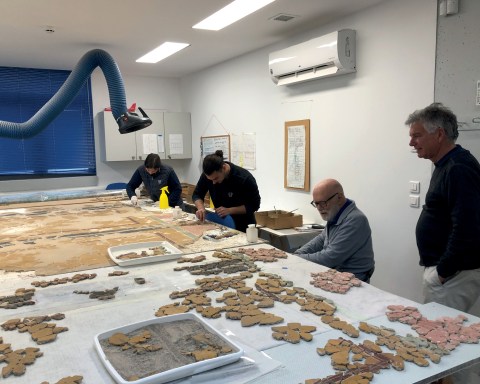
At first, I didn’t make sense of the finds. Now everything seems logical, as always happens in field archaeology, starting with a monumental altar decorated with friezes. Thousands of fragments of Pentelic marble were scattered up and down the hill, though mainly in front of the altar (the surviving fragments weigh around 14 tons in total; the entire altar is estimated to have weighed many more tons). These pieces had to be sorted, preserved, and we had to attempt to piece them together as far as possible. Here my experience as a prehistoric archaeologist helped me. This project, which lasted many years, was beyond the economic means of the Ministry of Culture. That’s why I turned to the Stavros Niarchos Foundation and asked for its financial support. When the funding was approved, I organised a team of archaeologists, conservators, and architects, who worked enthusiastically. We built a database into which we registered all the pieces, which we processed as if they were pottery sherds from a prehistoric dig, according to the German system, which I had learned from my wife, Angelika. On the back of each fragment, we wrote the excavation data in Chinese ink so that we could pass it around from table to table where all the pieces were laid out.

RH Your energy is legendary. You are now excavating the forum at Nicopolis. After the Victory Monument and so many other studies, what made you pick your trowel up again?
KZ The reason I picked up the trowel again was emotional. Due to Angelika’s long illness, I had been isolated from the world and in a room, where I was trying to finish the publication of the Victory Monument, answering literally hundreds of letters from fellow authors in the publication, while our house had been turned into an intensive care unit. I needed a refreshing injection, to be in contact with young people and outside in the environment of Nicopolis. I thought that it would be the best psychotherapy for me. My friends were positive and the creation of a non-profit organization named EUTYCHUS by Giorgos Tryfonidis, a former member of the Greek Parliament, played a catalytic role. He asked me to join the Board of Directors of his association. Another trigger was when I visited Buthrotum in 2022 and was guided by David Hernandez around his excavations of the Forum. Then, I thought that the Forum of Nicopolis was inviting me. It’s a new adventure, and, so far, I’m happy because I think I really have discovered Nicopolis’ agora/forum.
RH Looking back on your long, rich career in archaeology, what stands out for you? What moments do you dream about?
KZ I dream of my first love: my first encounter with excavations. When I was in Boston, Brandeis University was excavating in Cyprus at Tenta-Kalavasos, a settlement of the Aceramic Neolithic period, and the director of the excavations, Ian Todd, had advertised for graduate students. I applied and was accepted, and I went to Cyprus. Ian Todd, a typical austere Briton concerning regulation and so forth, was an amazing excavator. In the third week, he made me trench master to the surprise of other students who were participating for a second year and had not been appointed to that position. There I learned excavation methodology, as well as surface surveying. The events of the 1974 war and the Turkish occupation of Northern Cyprus were still very fresh in the cafés of the village. It was a beautiful village with traditional houses. I was the only Greek in the excavation team and the workers, mainly high-school students, wanted to be in my trench. On the way to the site every morning we were singing Greek songs to the embarrassment of the American and the British students, who were wary of the response of the professor. With his British stiff upper lip, he did not react.
When we returned to the village in the afternoon, the elders of the village insisted on hosting me while they argued among themselves. These coffee houses were divided between those of the right-wing political faction and those of the left. Many years later I returned to Cyprus as representative of the Greek Ministry of Culture in an exchange programme with the Cypriot Archaeological Service. That time a car was waiting for me in the airport.

I dream too of the excavations in Agios Dimitrios in the Western Peloponnese and, of course, the cave of Zas on Naxos, both with my beloved wife Angelika. I remember a day when in the excavation at Agios Dimitrios we found a fragment of pottery of the so-called Crusted Ware of the Final Neolithic period. How happy we were that day! We were so happy for something so simple. Another day in the cave of Zas I had gone down to the town for business and when I came back to the cave the students showed me some sherds of early prehistoric pottery that they had found in one of the layers. There were fragments of the so-called Rolled Rim Bowls, dated back to the Proto-Cycladic I era. Honestly, I started screaming and dancing inside the cave.
I also remember with nostalgia the beautiful days full of excitement when we were preparing the renewal of the Ioannina Museum. I had visited several museums with Angelika around the world, and we wanted to introduce all our knowledge in this museum. It was an unsurpassed experience and I am very proud of our achievement.
I recall that despite the great stress I had during all these years, undertaking big projects, I must be grateful for my life. I had unique experiences, I had wonderful students who have followed my pathways, working for the protection of the antiquities of our little country. These all constitute a sweet reward.
RH Kostas, retirement?
KZ No answer. Δεν γνωρίζω.
Master of Actium
From the slopes of Mount Olympus to Nicopolis, Kostas’ work traverses northern Greece. In addition, with his excavations in the Cyclades and Peloponnese, he has – in the company of his cherished wife Angelika – not only had an extraordinary career, but left an indelible impression on all who met and worked with him: charmed, it could be said, yet his responsible diligence for his country and its heritage is much to behold. Nicopolis is now a monument to his strongly held beliefs. He has published all his findings to the highest standards, conserved the ruins he excavated, and, against the odds, made them into a treasured landscape that does justice to its pivotal place in world history. Kostas Zachos has proved to be a master of Actium worthily following in the footsteps of those who created this vaunted place.
Further Reading:
Konstantinos Zachos (ed.) The Victory Monument of Augustus at Nicopolis. The Tropaeum of the Sea Battle of Actium. Athens, Research Association of Nicopolis, 2024.
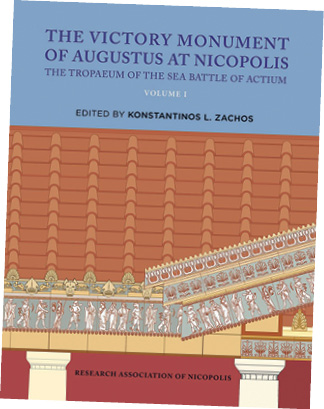
All images: courtesy of Richard Hodges