Subscribe now for full access and no adverts
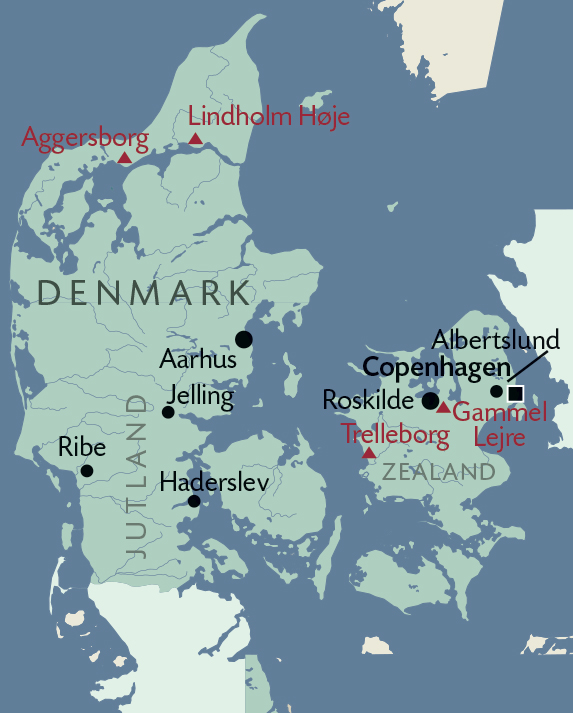
Denmark offers an extraordinary array of archaeological and historical sites, ranging all the way from prehistoric bogs and Iron Age villages to Viking settlements, medieval cathedrals, and maritime heritage. You can wander through magnificent museums, explore open-air reconstructions, or amble beside UNESCO World Heritage runestones, with the assortment of archaeological treasures on offer capable of captivating every curious traveller. Whether seeking to immerse yourself in Danish heritage, or participating in the joint Roman Archaeology Conference and Theoretical Roman Archaeology Conference in Aarhus (see ‘Further information’ box below), you will find that spring is an ideal time to explore the country. It brings longer daylight hours, mild temperatures, and the countryside is in bloom, perfect for visiting some of Denmark’s iconic landmarks. This guide highlights must-visit museums, monuments, and sites, organised geographically to help you plan a visit.

Central Jutland
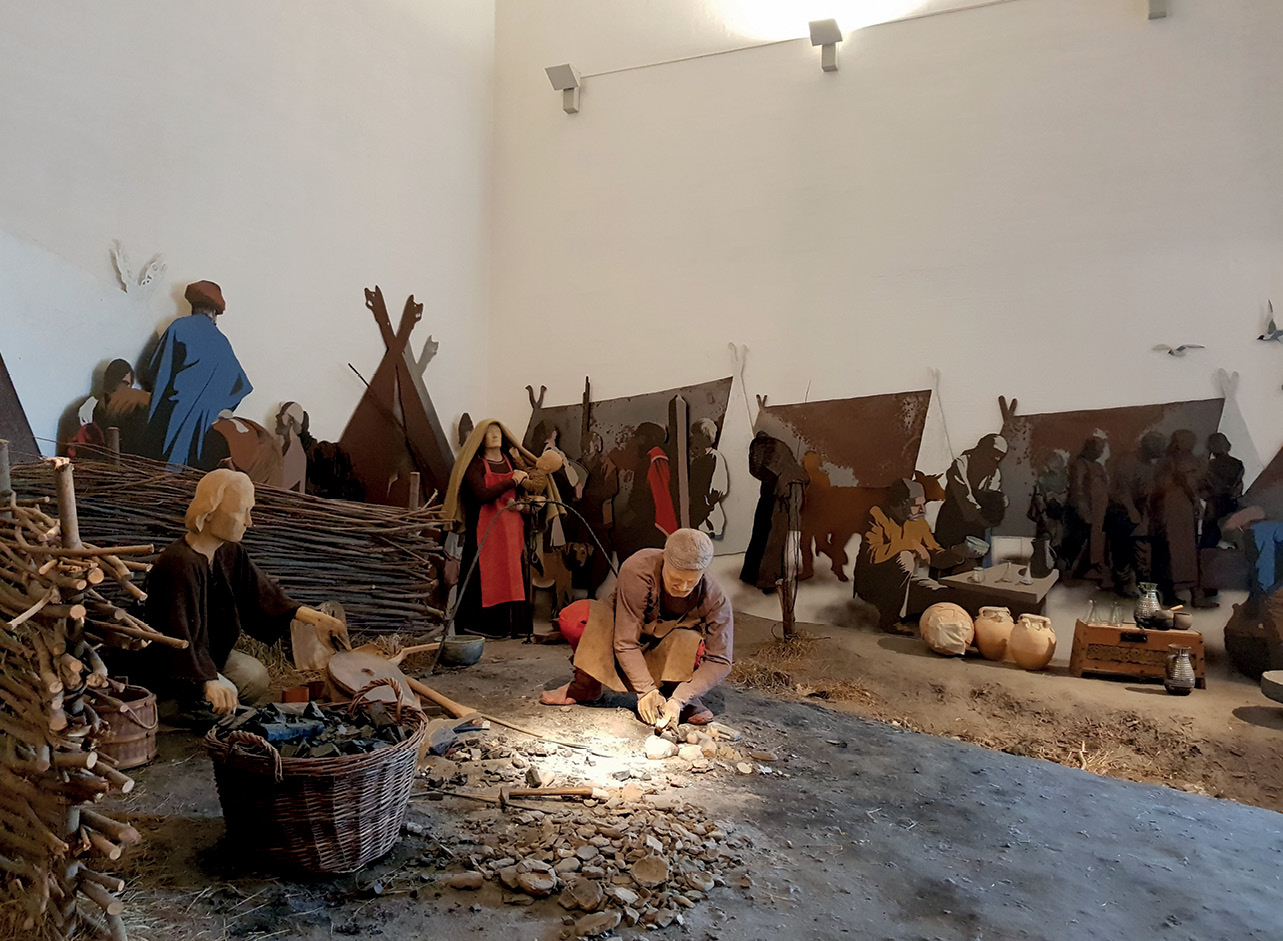
Jutland (Danish: Jylland) is the large peninsula that forms the continental mainland of Denmark and extends into northern Germany. Within this region, the archaeology ranges from Stone and Iron Age sites to Viking burial grounds and medieval towns. Starting at Aarhus, Denmark’s second-largest city, visitors will find a vivid insight into the earliest history of the settlement beneath Sankt Clemens Torv, where the 13th-century red-brick St Clemens Cathedral stands. This square is also the home of the Vikingemuseet, which was built directly over the site of the archaeological excavations in 1964. The museum takes visitors below today’s street level to see the original Viking Age ground surface. Here, pit houses, everyday artefacts, and a plank road running alongside the town’s defensive rampart reveal a glimpse of Aros, as Aarhus was known in the Viking period. The museum focuses on the town around AD 980, during the reign of King Harald Bluetooth (r. c.960-986), who saw to it that Aros was heavily fortified by strengthening the defences established by his father, King Gorm the Old (r. AD 936-c.960).
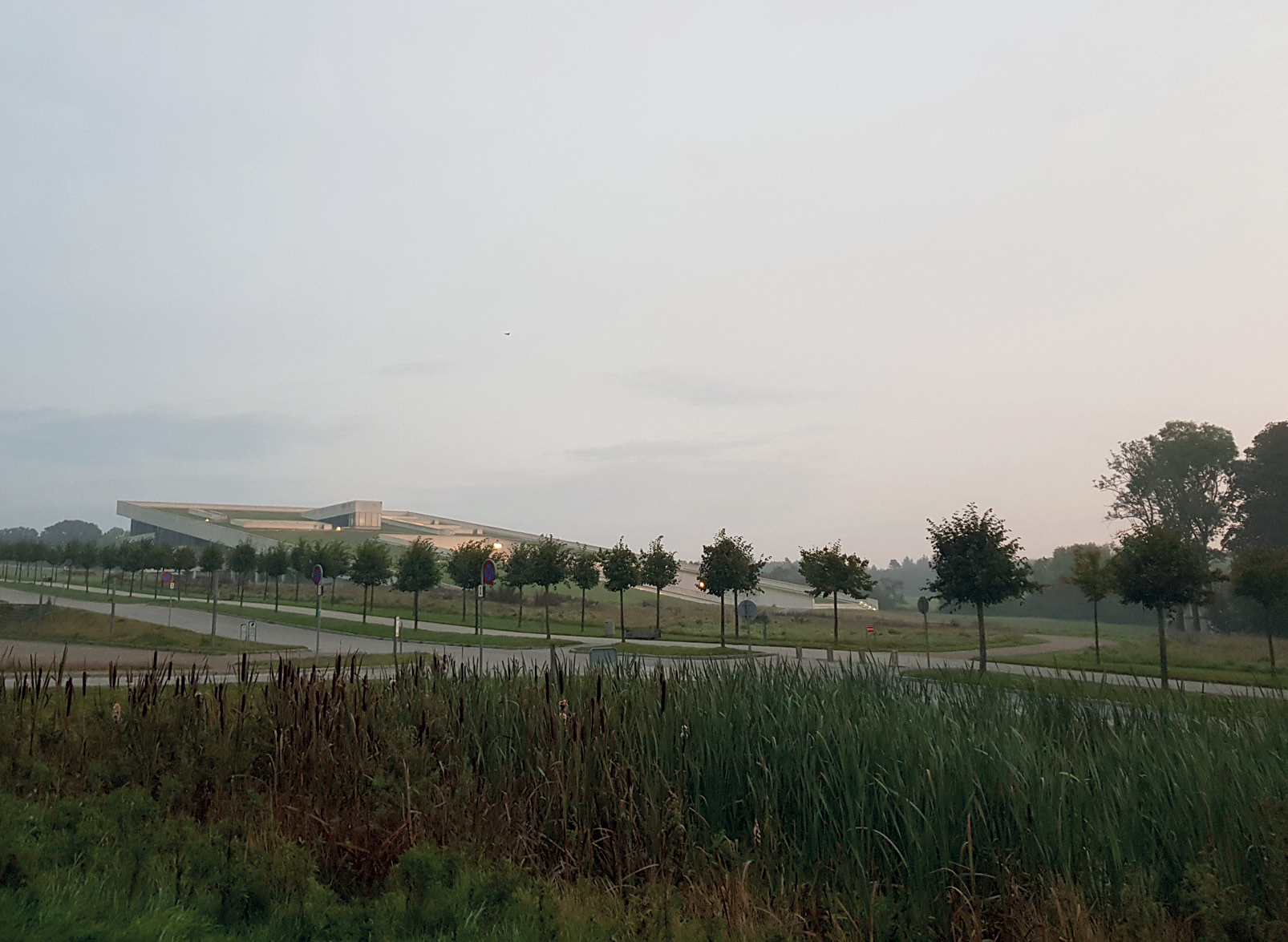
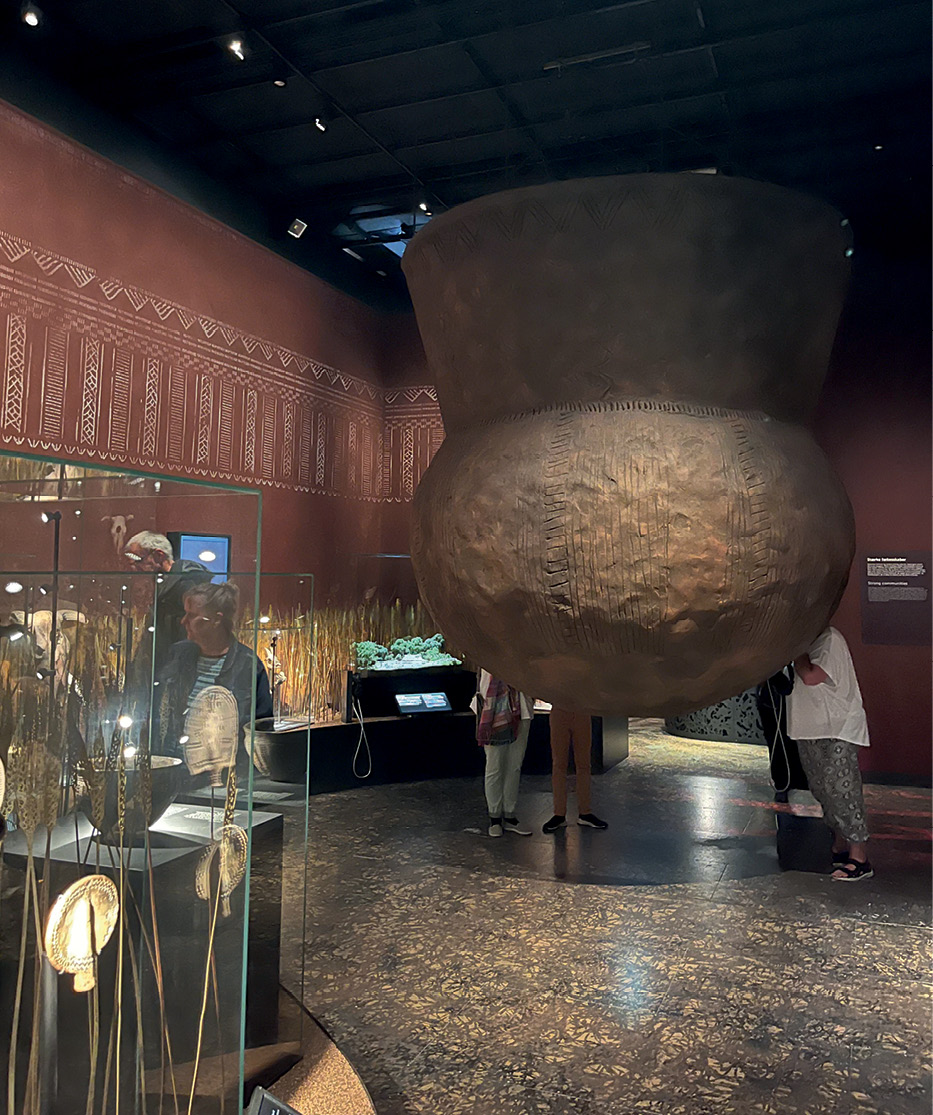
Just south of the city, Moesgaard Museum is set within a stunning natural landscape, and presents exhibitions on archaeology, anthropology, and ethnography. Visitors can explore the history of humanity from its earliest beginnings, stroll among reconstructed Iron Age houses, discover Viking treasures, and engage with large-scale dioramas. Notable exhibits include the Illerup Ådal finds (see CWA 133), an extraordinary collection of military equipment from the Roman Iron Age in Denmark (AD 1-400). This material was uncovered north-east of Skanderborg, around 20km south- west of Aarhus. Approximately 15,000 items of weaponry and personal effects were deposited there, which are thought to represent the equipment and possessions of more than a thousand soldiers – Denmark’s first professional army. The museum is notable, too, for the so-called ‘Grauballe Man’, an Iron Age bog body that has been claimed as the best-preserved in the world. This 34-year-old individual was executed – possibly as a human sacrifice to the gods – around 390 BC, and the study of his remains has provided unique insights into ancient religious customs and rituals.
In 2026, the special exhibition The Celtic World – Europe’s Lost Legacy (running until 9 August 2026) explores the rise and spread of the Celts across Europe c.800-50 BC, revealing how hundreds of independent tribes, led by princes and princesses, created a culture that was both beautiful and brutal, shaped by raw materials, rituals, myths, art, and warfare. It showcases more than 550 objects from Europe’s leading museums, including weapons, jewellery, and ritual artefacts, many on display in Denmark for the first time.
Northern Jutland
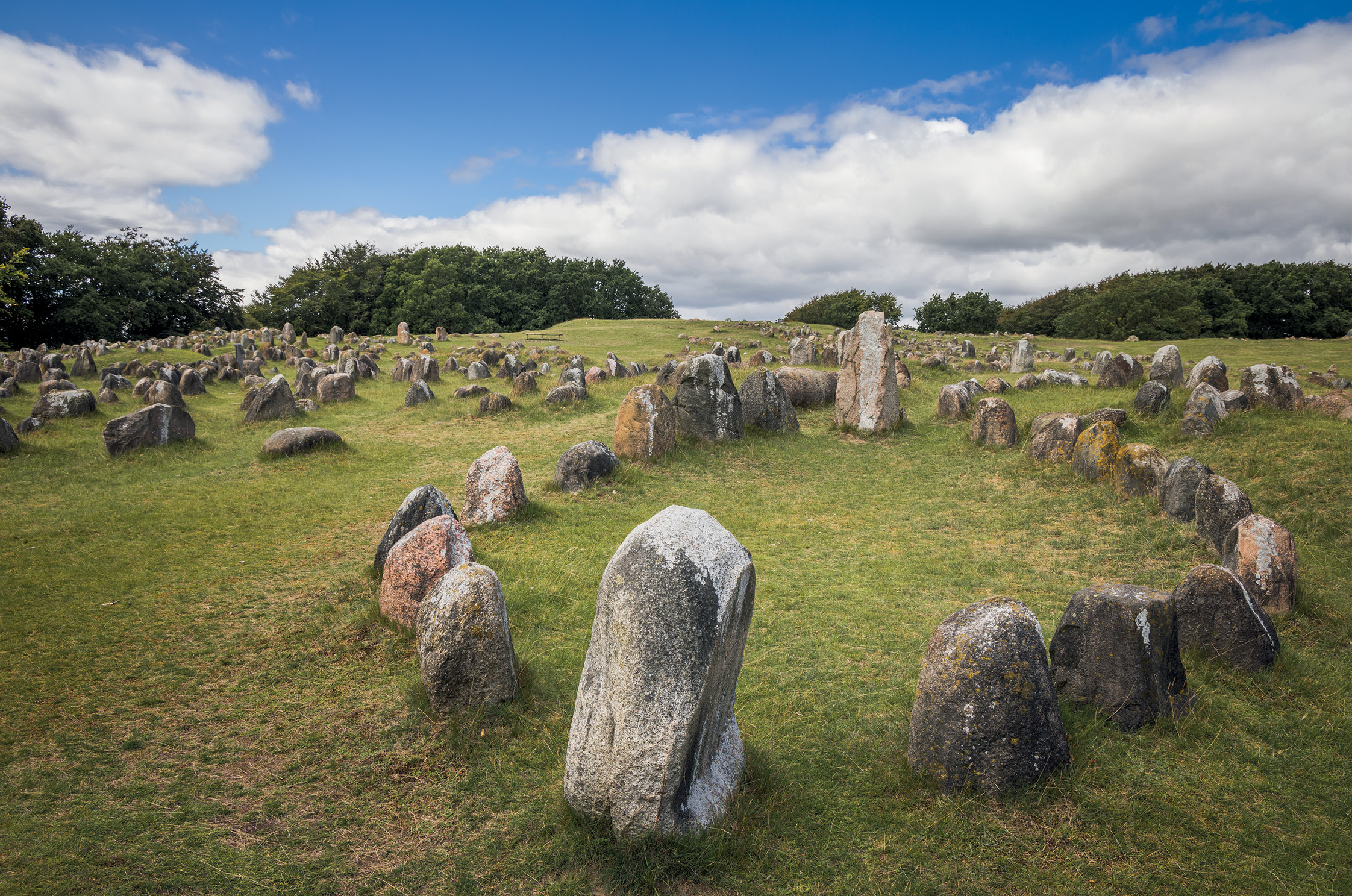
About 120km north of Aarhus, on the outskirts of Aalborg, Lindholm Høje is one of Denmark’s most impressive Iron Age and Viking Age burial grounds, set on a hillside overlooking the Limfjord. The site contains almost 700 graves, mainly with cremation burials, marked by stone settings in ship-shaped, triangular, and oval forms, dating from around AD 400 to just before AD 1000. Walking among the stones, visitors can trace changing burial practices and beliefs over several centuries, with sweeping views across the fjord enhancing the experience. In the 12th century, drifting sands shrouded the site, creating a deposit up to 4m thick, which helped to preserve the burials until excavations commenced in the 1950s. Archaeologists also uncovered traces of nearby settlements and evidence of agricultural change during the Viking period. A modern museum beside the burial ground presents the artefacts from the excavations, with displays focusing on the site and the wider history of the Limfjord region, telling the stories of the lives, rituals, and seafaring culture of the people buried there.
During the last decades of activity at Lindholm Høje, work was also under way at Aggersborg. This lies at Aggersund in north-western Himmerland, and is home to Denmark’s largest Viking Age ring fortress, which was built by Harald Bluetooth in the late AD 970s. It boasts a circular rampart 9m wide, 4m high, and 240m in diameter. This was punctuated by four gates, while 48 longhouses lay within the interior, creating a fortification that was strategically positioned to control trade and travel along the Limfjord. The result is significantly larger than Denmark’s other four ring fortresses – Fyrkat, Nonnebakken, Trelleborg, and Borgring – all of which were inscribed on the UNESCO World Heritage List in September 2023. Aggersborg was built on the site of an 8th-century trading post, and later developed into a royal estate and manor in the 11th century, reflecting the area’s long-standing political and economic importance. Alongside guided tours, the freely downloadable AGGERSBORG app allows visitors to explore the fortress’s history alongside King Harald’s aide Svend and play a game that highlights seven key historical objects found at the site.
Southern Jutland
Harald’s handiwork is prominent at Jelling, too. The UNESCO-listed monuments there are closely associated with both him, and his parents King Gorm and Queen Thyra. The result was a major royal and religious centre that played a crucial role in both the formation of the Danish kingdom and its conversion to Christianity. The museum at the site, Kongernes Jelling, is a real treat that complements a visit to the monuments. Within you can meet Denmark’s Viking kings and queen, explore Valhalla, and see the Norse gods beneath the great ash tree Yggdrasil, as well as view the Vindelev hoard (see CWA 132) – one of the most remarkable collections of golden objects ever found in Scandinavia. It includes an inscribed pendant naming Odin, establishing the existence of Nordic mythology at least as early as the 5th century AD. The museum display also traces the royal line from Gorm the Old to Frederik X, featuring Christine Sørensen’s miniature crochet of 54 monarchs, running all the way from Viking rulers to Denmark’s modern royal family.
Remains of another of Harald’s grandiose building projects lie just south of Jelling, at Ravning Enge. This was the site of a massive 10th-century bridge, which was supported by 1,800 oak piles and stretched some 730m, offering an insight into Viking Age engineering; visitors can see reconstructed bridgeheads and explore its history at Ravning Station. Inspired by Ravning Bridge, the Viking Village at Albertslund and the Kroppedal Museum have also reconstructed a 765m-long road and bridge between Høje-Taastrup and Albertslund in the Store Vejleå Valley, showcasing different Viking Age road styles and involving thousands of local citizens, schoolchildren, and other volunteers in the process.
The settlement at Ribe can be viewed as a bridge of another kind. This trading centre connected Scandinavia with western Europe, and was founded around AD 705, making it Denmark’s oldest town, and the first to appear in written sources. Archaeological evidence shows that by the 8th and 9th centuries Ribe was a major hub for international trade, with abundant imported goods present at the site. The town was equipped with fortifications as well, and enjoyed strong royal connections. Christianity arrived early, with King Horik II permitting the missionary Ansgar to build a church around AD 855 – over a century before the conversion of Denmark commemorated by Harald at Jelling – and by AD 948 Ribe had become an episcopal seat. Its medieval centre, including cobbled streets, historic houses, and the 12th-century cathedral, preserves centuries of Viking, medieval, and Christian history.
Excavations from the 1970s, and more recently since 2016 through the Northern Emporium Project led by Aarhus University’s Centre for Urban Network Evolutions (UrbNet) in partnership with the Museum of Southwest Jutland, have transformed our understanding of early Ribe as a key northern European urban centre (c.700-1050). High-definition archaeological methods integrating stratigraphy with scientific analyses such as micromorphology and soil chemistry, used alongside digital documentation, have revealed the town’s urban development, its role in long-distance trade networks, and the social, economic, and environmental dynamics of its inhabitants.
Today, the Ribe Viking Museum houses artefacts from AD 700-1700, offering immersive exhibits, and the Ribe Viking Centre brings the town’s past to life with open-air reconstructions of the harbour, Ansgar’s church, longhouses, and workshops, while living history interpreters demonstrate Viking crafts and daily life.

An even greater span of the past is on offer at Archaeology Haderslev, which is located in the eponymous modern town, and is part of the Museum Sønderjylland. Archaeology Haderslev takes visitors on a fascinating journey through 10,000 years of Southern Jutland’s history. The museum preserves remarkable finds, ranging from Denmark’s oldest burial site and Early Bronze Age gold bowls to Iron Age weapons and a Viking harness bow. The open-air museum features historic farms, a rare post windmill, and prehistoric burial mounds, alongside a medieval-style herb garden and 18th-century family homes.
Zealand
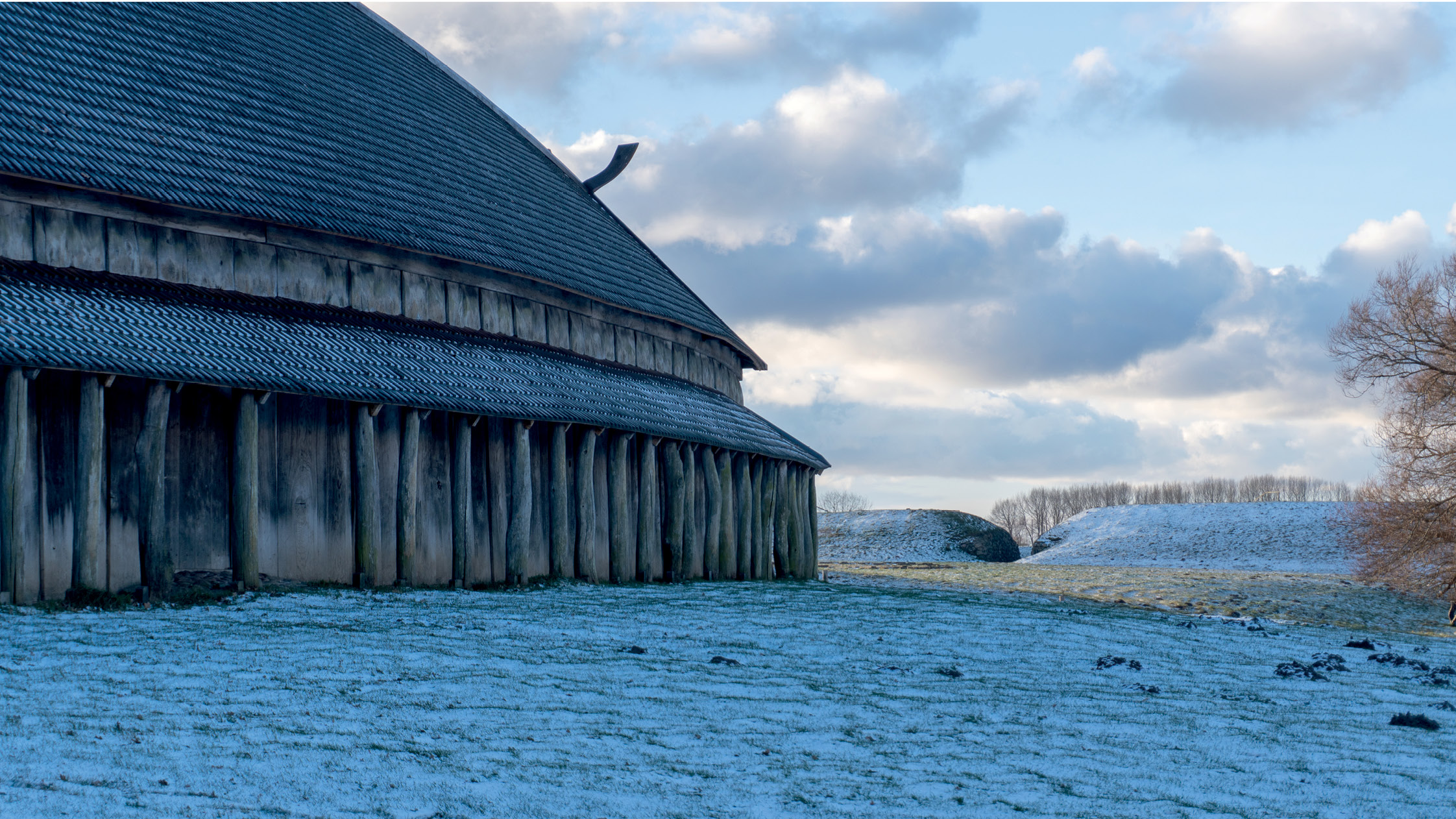
Zealand (Danish: Sjælland) is the largest and most populous island in Denmark and home to its capital city. The western portion of Zealand is also home to the Viking ring fortress of Trelleborg, which was constructed in the 10th century and is a marvel of the Norse world. It is another major monument attributed to the reign of Harald Bluetooth, as well as being the best-preserved example of Viking engineering and technical expertise in the world. The earthworks are shaped in a perfect circle and divided into quarters where longhouses were built. Today, visitors can see the remains of the fort alongside a replica longhouse. The museum houses many of the objects excavated from the site, including the only surviving Viking Age shield ever found in Denmark.
Viking Age activity was also under way at Gammel Lejre, although the finds from this settlement stretch back into the Iron Age. The area is legendary as the home of Denmark’s first kings – the Skjöldung dynasty – who are referred to in the epic poem Beowulf. Archaeological investigations undertaken from the 1980s onwards have revealed an extensive Iron Age and Viking Age settlement just outside the hamlet of Gammel Lejre. Among the most remarkable discoveries are a series of monumental halls, built and rebuilt over some five centuries from around AD 500. The nearby Viking Age cemetery presents several stone settings arranged in the outline of ships, the largest of which measures 83m in length and is aligned south-east to north-west. Excavations in the 1950s revealed the burial of a high-status individual within this ship setting, alongside a larger cemetery for ordinary individuals nearby. The surrounding area contains several notable archaeological sites, too, including the large Iron Age cremation mound known as Grydehøj, a number of Bronze Age burial mounds, and Neolithic chamber graves, highlighting the area’s long-running significance. Today, many of the archaeological finds from the area are housed in Lejre Museum, and the site and its surrounding landscape are protected as an important part of Denmark’s ancient heritage.
Just 1km west of Gammel Lejre, Sagnlandet Lejre (Lejre, the Land of Legends) is an open-air museum that brings the past to life using reconstructions of a Stone Age campsite (5000 BC), an Iron Age village and sacrificial bog (200 BC to 200 AD), a Viking marketplace (900 AD), an 18th-century farmstead, and various grave monuments. Visitors can take part in activities such as bread-baking, blacksmithing, textile-weaving, and traditional farming, providing a flavour of daily life in past societies. The site is rooted in experimental archaeology and encourages active participation by offering hands-on historical experiences – including short family stays – designed to foster a deeper understanding of historical lifeways.
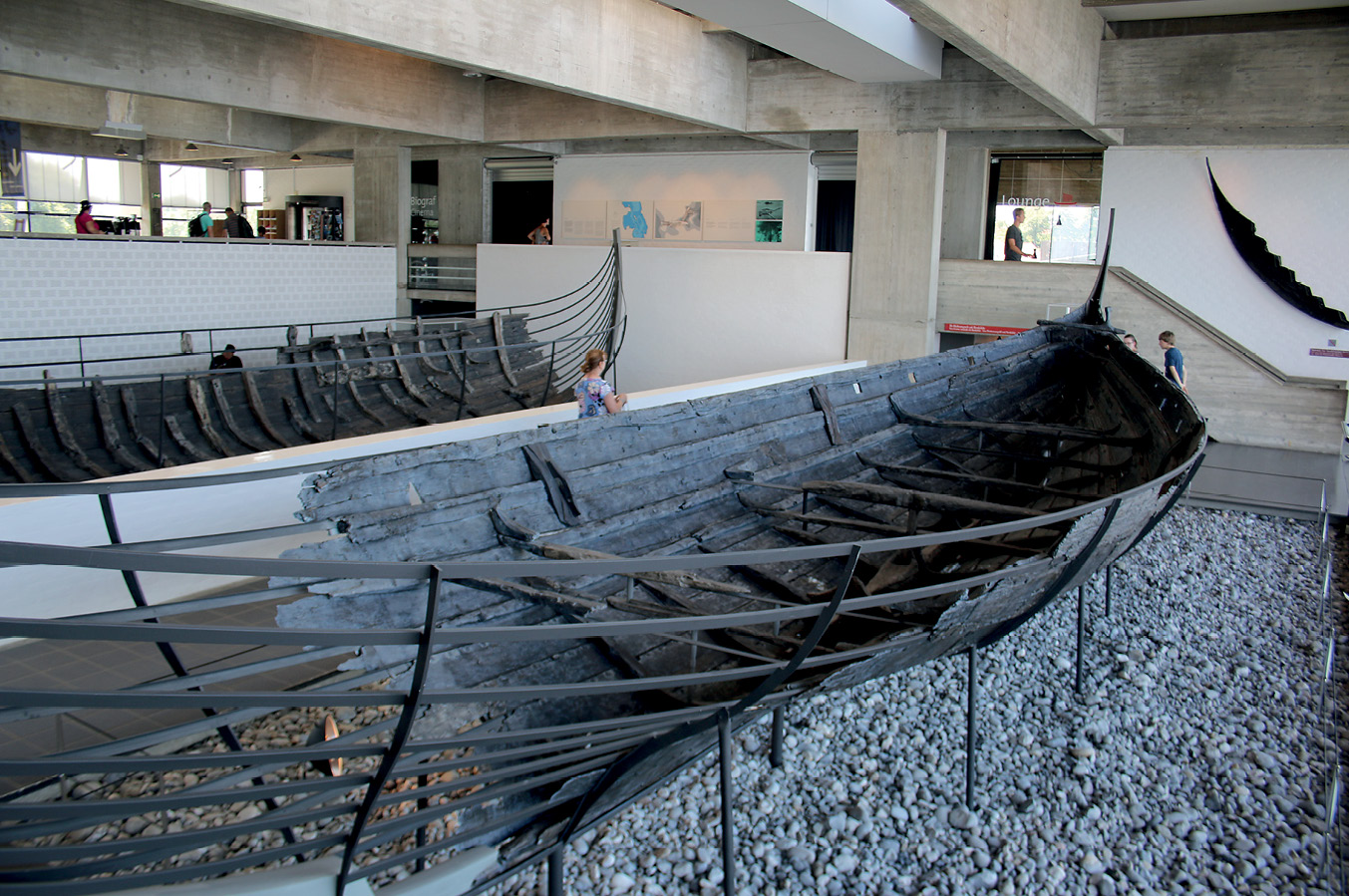
The nearby city of Roskilde is a former capital of Denmark and combines Viking maritime heritage with medieval architecture: the Viking Ship Museum at Roskilde Fjord preserves original and reconstructed ships, while Roskilde Cathedral, a UNESCO World Heritage Site, serves as the burial place of Danish royalty. The Viking Ship Museum offers a unique insight into Viking seafaring and maritime life. It houses five original 11th-century Viking ships – known as the Skuldelev vessels – that were deliberately sunk to control access to Roskilde Fjord. These vessels comprise warships – the largest of which would have had a crew of 65-70 people – trading vessels, and a fishing boat. This fleet is now displayed in a striking modernist hall overlooking the water. Via these vessels, the museum explores Viking trade, warfare, fishing, and long-distance voyages. Beyond the main gallery, the museum’s boatyard brings history to life, with craftsmen building full-scale replica Viking ships using traditional techniques. Visitors can board reconstructed vessels, take part in hands-on activities, and – in summer – experience sailing trips on the fjord. Together, archaeology, architecture, and living craftsmanship make the museum a highlight of Denmark’s Viking heritage.

Copenhagen and surroundings
Between Roskilde and Copenhagen, the Viking village in Albertslund offers another perspective on Viking life. Set in the picturesque Store Vejleå valley, the open-air museum features several reconstructed houses (including a farmhouse, a weaving house, and a forge), as well as the colourful Salshuset long hall, which is adorned with carved woodwork and wall hangings. The site continues to grow as a historical workshop, run by Albertslund Municipality with the help of volunteers. Visitors are welcome to explore the grounds, with house interiors open on special occasions.
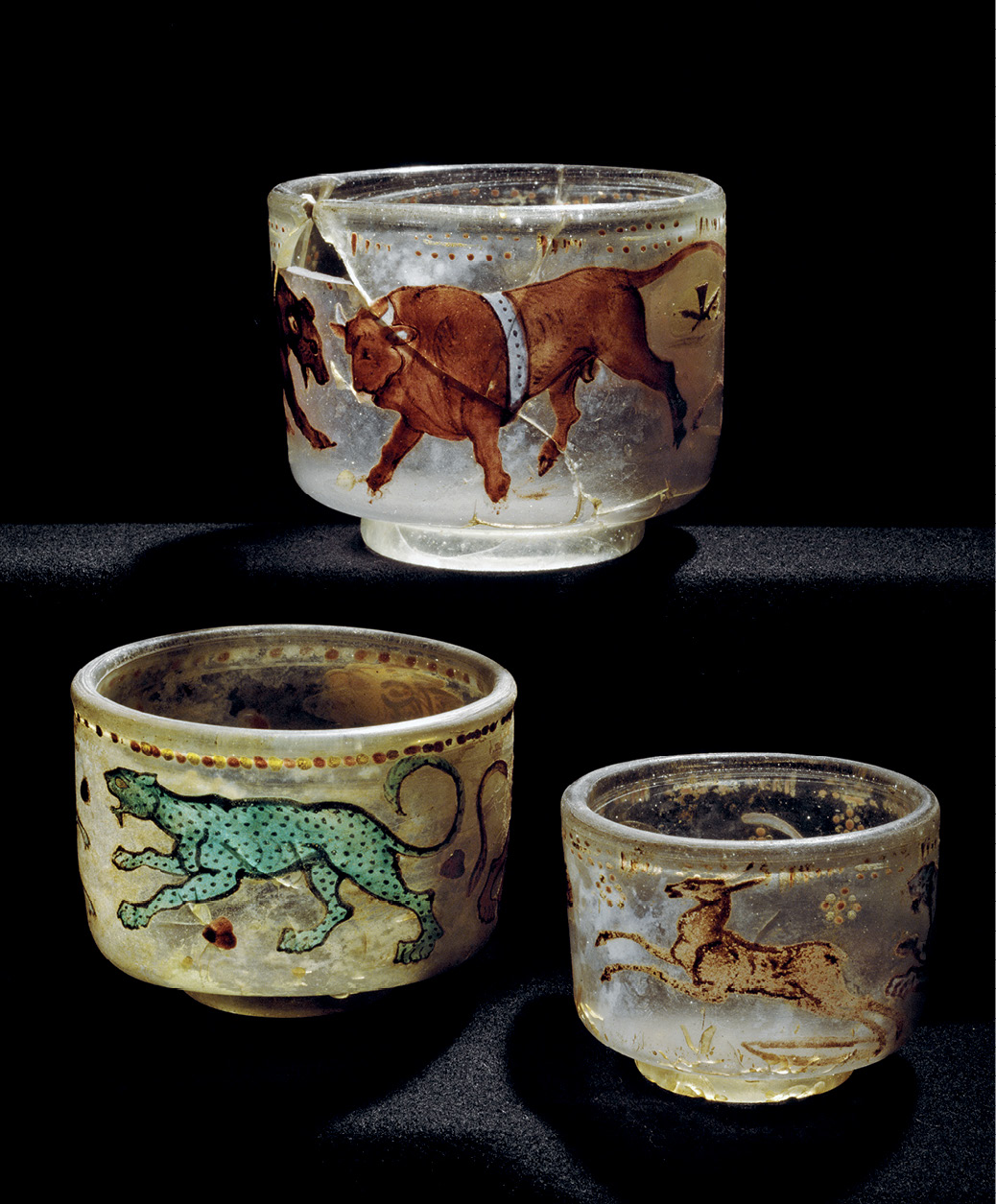
For those thirsty for a broader chronological and cultural perspective, the National Museum of Denmark in Copenhagen presents an extraordinary journey through human history, from the Stone Age to the medieval period and beyond. Its collections include artefacts from the ancient Mediterranean, Egypt, Southwest Asia, and Northern Europe, such as sculptures, inscriptions, jewellery, tools, vessels, and everyday objects. The museum explores cultural exchange, trade, and the social and religious lives of past societies. Objects from the Roman period – like the silver cups from Hoby on the island of Lolland (CWA 131), the so-called ‘Circus Beakers’ featuring wild animals and hunts from Himlingøje on Zealand, and the exceptionally well-preserved chain mail from Vimose on Funen (CWA 134) – testify to Denmark’s connection to the Mediterranean world from an early period. The museum’s collection of imperial portraits, by contrast, reflects the desirability of Roman sculpture in the modern period, when the objects were acquired by the museum.
The engagement with the Viking Age extends to the current immersive exhibition, The Viking Sorceress (Vølvens Varsel, until 31 August 2027), which explores belief, ritual, and magic in Viking society. Focusing on the figure of the völva, a female ritual specialist, the exhibition brings together recent archaeological discoveries, grave goods, and scientific analyses to offer new perspectives on Viking cosmology, prophecy, and power.
Finally, a visit to Copenhagen would not be complete without wandering through the Ny Carlsberg Glyptotek, which houses an extraordinary collection of art and archaeology from the ancient Mediterranean, alongside Nordic and Danish art from the 19th and early 20th centuries. Its classical collections include Egyptian, Greek, and Roman sculpture, as well as one of the largest assemblages of portraits from Palmyra in Syria (1st-3rd century AD), together with vases and reliefs, illustrating the development of artistic techniques and styles over millennia. Meanwhile, the museum’s Nordic and Danish works, including paintings and sculptures, trace the evolution of European art and its dialogue with classical traditions. Bringing this material together, the Glyptotek offers a rich perspective on the interconnectedness of cultures, showing how ideas, myths, and aesthetics travelled across time and space.

RAC/TRAC 2026: The next joint Roman Archaeology Conference and Theoretical Roman Archaeology Conference will be held in May 2026 at Aarhus University, Denmark. The event is jointly organised by Aarhus University, UrbNet (Centre for Urban Network Evolutions), the Museum of Ancient Art and Archaeology, the Roman Society, and the TRAC Committee. RAC/TRAC 2026 will gather scholars from around the world for a dynamic programme of thematic sessions highlighting the latest research and approaches to Roman studies. Topics will range from urbanism and landscapes to connectivity, the use of archaeological archives, and critical perspectives on the decolonisation of the discipline. The final programme of the conference and registration details are available at http://www.romansocietyrac.ac.uk/ractrac-2026/.
Further information:
• Vikingemuseet (Viking Museum), Aarhus: http://www.vikingemuseet.dk
• Moesgaard Museum (MOMU): http://www.moesgaardmuseum.dk/en/
• Lindholm Høje: https://nordjyskemuseer.dk/en/u/vikingemuseet-lindholm-hoje-en/
• Aggersborg: http://www.vesthimmerlandsmuseum.dk/aggersborg/english
• Jelling monuments, Vejle: http://www.visitvejle.com/vejle/experiences/guide-jelling
• Kongernes Jelling: https://kongernesjelling.dk/en
• Ribe Viking Centre: http://www.ribevikingecenter.dk//en/
• Ribe Viking Museum: https://ribesvikinger.dk/en/frontpage/
• Haderslev, Museum Sønderjylland: https://msj.dk/en/archaeology/
• Trelleborg: https://trelleborgvikingeborg.dk/en
• Lejre Museum: https://lejremuseum.dk/en/
• Sagnlandet Lejre: https://sagnlandet.dk/en/
• Viking Ship Museum, Roskilde: http://www.vikingeskibsmuseet.dk/en/
• Albertslund Viking Village, Copenhagen: https://vikingelandsbyen.albertslund.dk
• National Museum of Denmark, Copenhagen: https://nationalmuseet.dk/en/
• Ny Carlsberg Glyptotek, Copenhagen: https://glyptoteket.com