Subscribe now for full access and no adverts
Around 12,000 years ago, the warming process after the last Ice Age reached a stable status. With warmer climate, the land became more hospitable, and a new way of life began to emerge. Formerly mobile hunter-gatherer groups started to construct permanent dwellings, and eventually to domesticate animals and cultivate plants. The Fertile Crescent in Southwest Asia, where conditions were particularly favourable, was the core zone for these first human settlements, and the most well-preserved examples are found in Şanlıurfa Province, in modern-day Turkey (Türkiye), where homes and monumental structures that were built from local limestone still survive today.
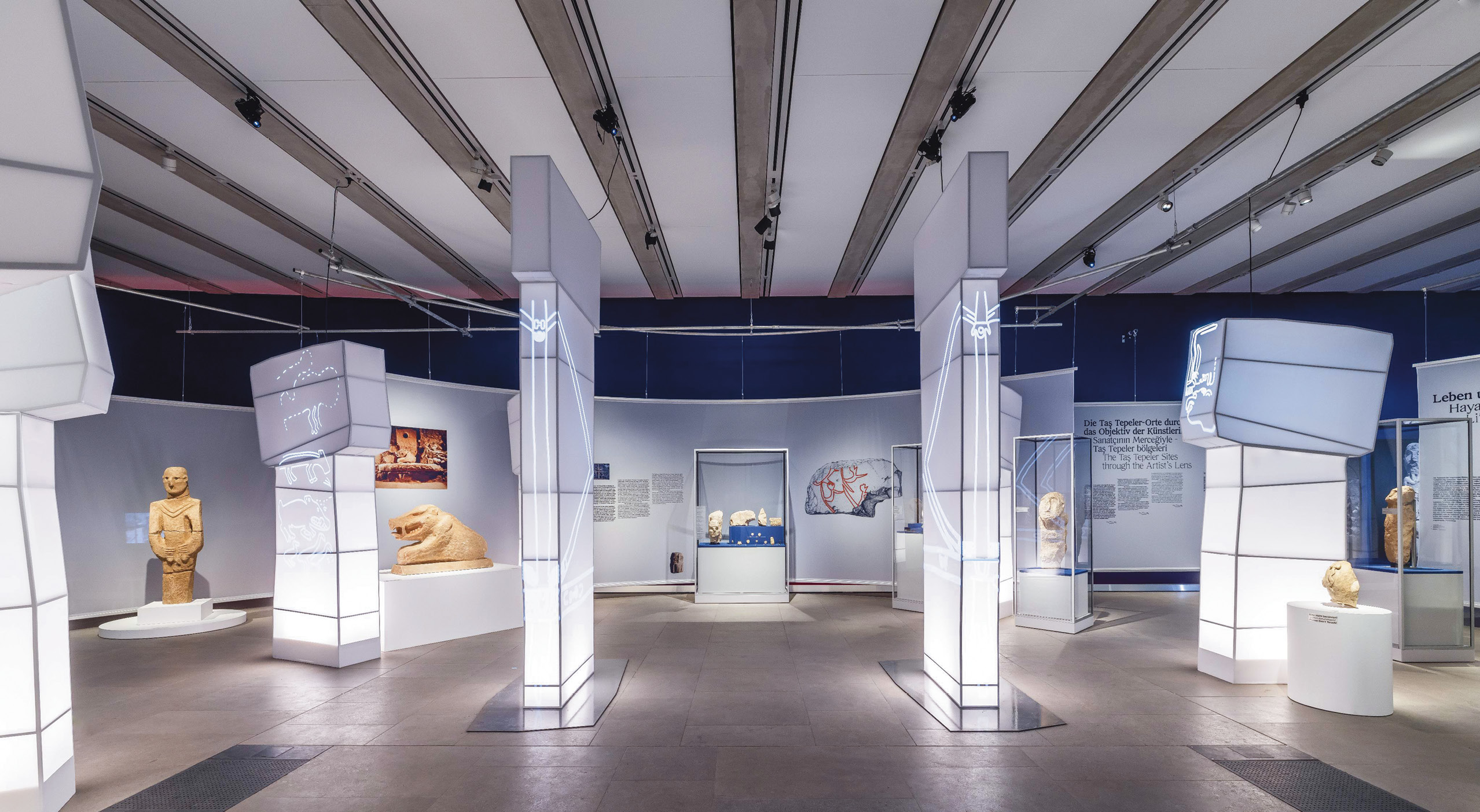
Göbeklitepe, discovered in 1963, was the first of these sites to capture public attention, and its role in transforming our understanding of the Pre-Pottery Neolithic (PPN) is reflected in its inscription as a UNESCO World Heritage Site in 2018. However, we now know that Göbeklitepe was not a unique, isolated occurrence. At least 13 other sites of a similar nature have been identified, revealing a whole landscape of early settled communities established in the hilly region surrounding the fertile plain of Harran between the 10th and 7th millennium BC. Research is currently under way at ten of these sites, and exhibition curators Dr Barbara Helwing and Dr Necmi Karul believe there are more to be discovered.
Since 2021, research in the area has been coordinated by the Taş Tepeler (Stone Hills) project. The exhibition Building community: Göbeklitepe, Tas¸ Tepeler, and life 12,000 years ago – a collaboration between the Vorderasiatisches Museum in Germany, the General Directorate of Cultural Assets and Museums of the Ministry of Culture and Tourism of the Republic of Türkiye, the Archaeological Museum in Şanlıurfa, and Istanbul University – is based on the latest findings of this international and interdisciplinary endeavour.
Strengthening social bonds
The move to a sedentary lifestyle resulted in a dramatic shift in social structures: population sizes increased, different roles emerged, and new rules for cohabitation were needed. In such situations, Dr Helwing says, ‘cooperation and social cohesion are of the utmost importance for the survival of groups.’
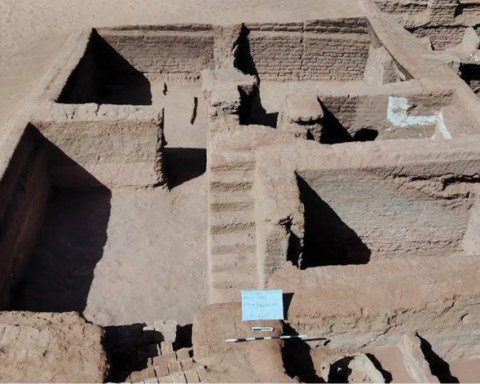
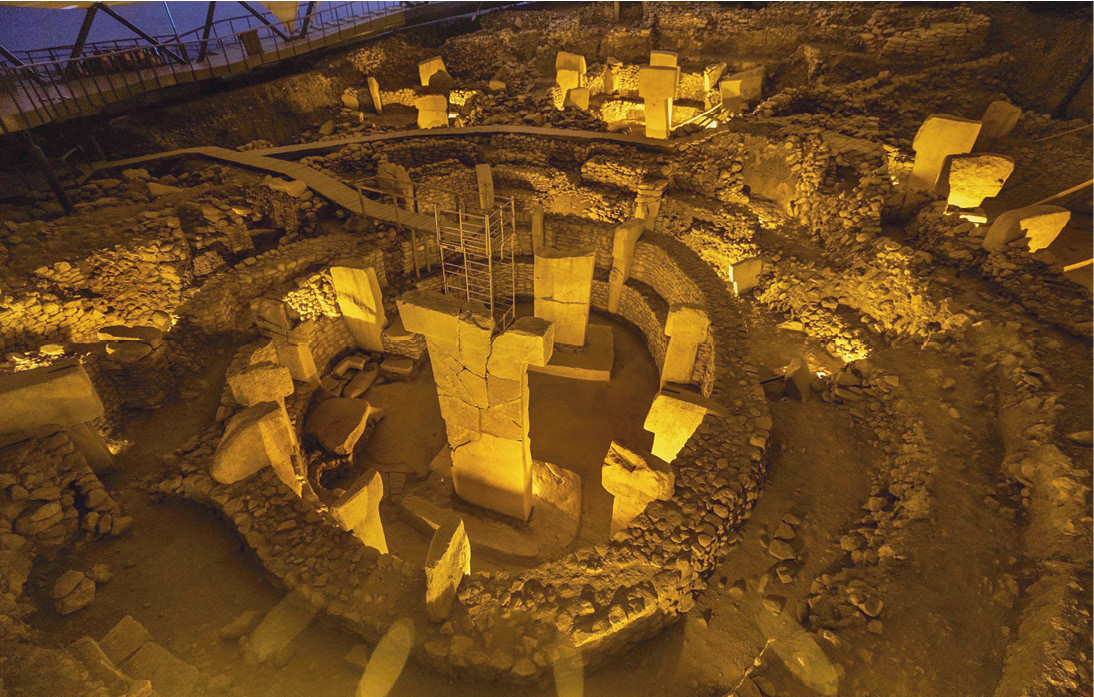
One way to reinforce such cohesion is with monumental construction projects, like the ‘special buildings’ found at many of the Taş Tepeler sites. These distinctive non-residential structures had round or sub-rectangular plans, measuring up to 30m in diameter, and were dug deep into the ground, letting in almost no natural light. The roofs were supported by distinctive T-shaped pillars, standing up to 6m tall, while other engraved pillars and stone benches, sculptures, and friezes were decorated with complex visual narratives. The creation of these impressive spaces would have been impossible without coordinated effort from a large number of people; each of the massive T-pillars alone weighs several tonnes. Similarly, the structures’ rich decorations appear to reflect a shared knowledge or belief system that would have been familiar to the communities who built and used them.
Once construction was complete, it seems that people gathered in these monumental places for celebrations, rituals, feasts, and festivals, probably featuring dances and performances, as hinted at by a number of the carvings. Events like these would have been a central way to bring the community together. Meanwhile, the more mundane work involved in their preparation would also have been a social endeavour. In kitchens located near these monumental buildings, grain was ground into flour, roots pounded, alcoholic drinks fermented, and meat cooked – predominantly by women, judging by skeletal changes, which reflect a gendered division of labour for the first time.
The wider world
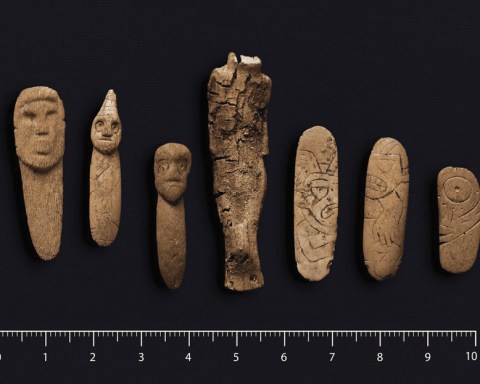
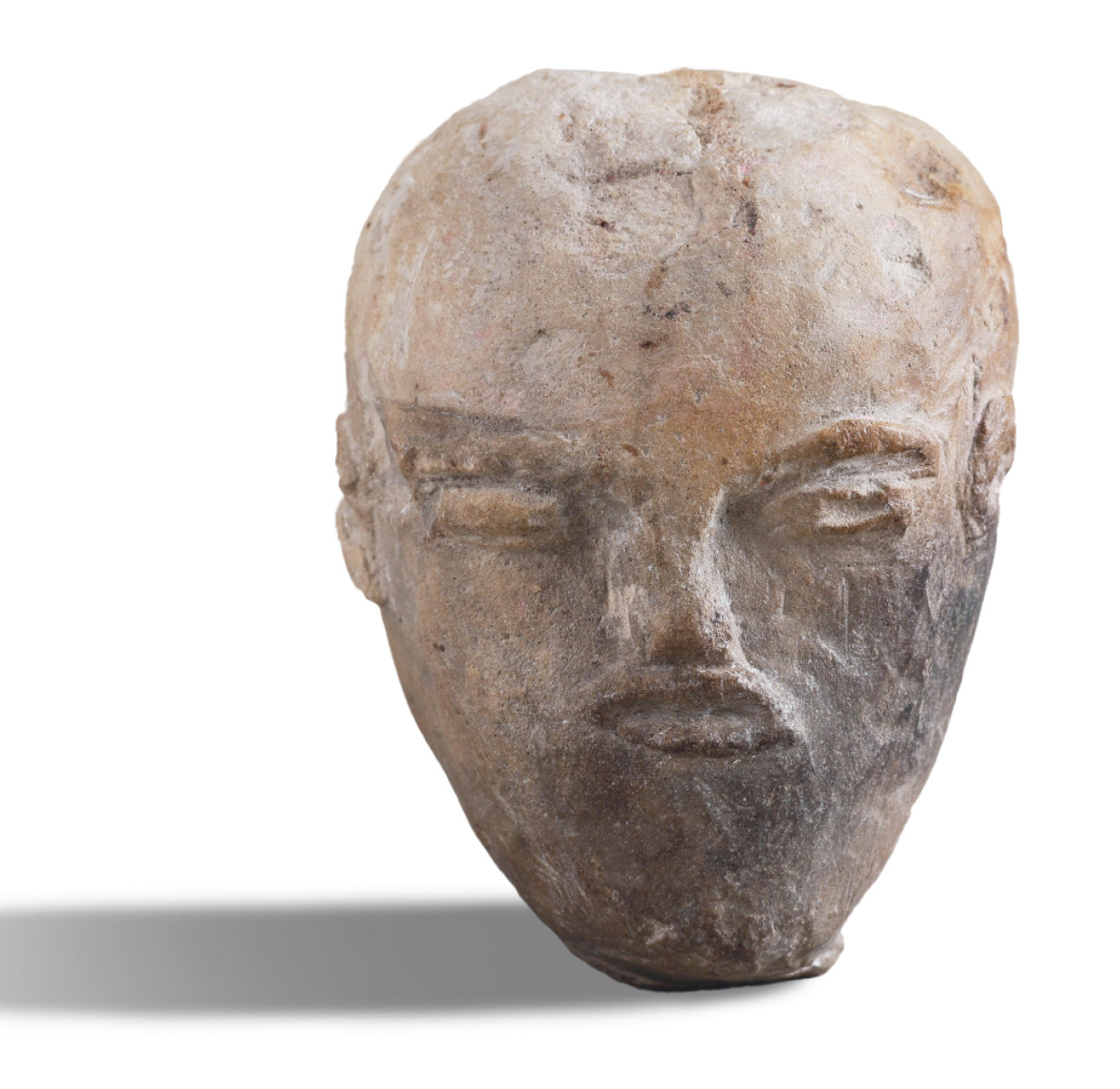
The attendees of such gatherings were not alone in these special spaces. They were surrounded by stylised images of people represented by the T-shaped pillars, faces carved into benches, human sculptures frozen in dance, and hand-sized stone heads and masks, among others. The identities of these figures remain uncertain: they could be absent members of the community, deceased ancestors, or spiritual beings. At earlier PPN sites, depictions of men are most common, often with an emphasis on their sexual characteristics and the power this symbolised. As agriculture and animal husbandry became more central, we see the emergence of small, hand-held female figurines, which appear to highlight their fertility.
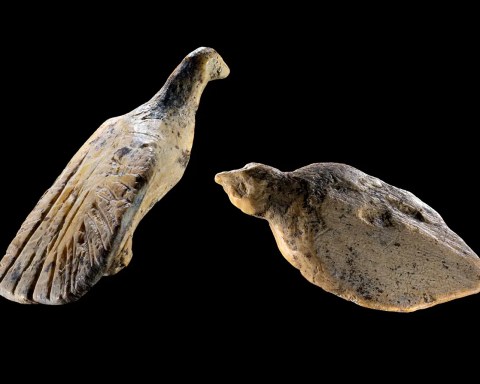
The Taş Tepeler sites are filled, too, with images of wild animals, most of them explicitly depicted as male and radiating a sense of danger and aggression: leopards with bared teeth, charging aurochs, running wild boars, twisting serpents, waiting vultures. Other animals, including foxes, water birds, and ostriches, provide a more comforting presence. Interestingly, though, there are almost no images of donkeys and gazelles, the main wild prey animals. Additionally, even as subsistence strategies shifted and hunting became less central as a source of food, it remained important symbolically. Wild animals continued to be hunted for feasts and sacrifices, the bones and horns of aurochs were built into walls and benches, hunting scenes filled murals and friezes, and depictions of domesticated species remain entirely absent. Why this should be is still a source of speculation, but it is clear that wild animals played a significant role in the worldview of these early settled communities.

Depictions of dangerous animals are common. This sculpture of a leopard comes from Karahantepe. Images: © Şanlıurfa Museum, Yusuf Aslan
The importance of animals in their belief systems is further revealed by the presence of hybrid animal–human figures in art and sculpture. Images like the statue with a human head and bird body from the site of Nevalı Çori or the ‘bird-man’ relief from Göbeklitepe highlight the connection between people and the animal world. It has been suggested that such images may reflect practices where people disguised themselves as animals using masks, costumes, and performance in order to acquire certain qualities from these creatures or to call on them for support in moments of transition or transformation. Alternatively, they could represent protectors or guardians, who were able to bridge the gap between the human realm and the spiritual.
The emergence of sedentism is one of the fundamental turning points in human history, laying the foundations for society as we know it today. At the Taş Tepeler sites, we get a glimpse into the rapidly changing world that these people inhabited, and reflected in their art and monumental architecture are the importance of community and their connections with the natural environment around them.
DETAILS:
Building community: Göbeklitepe, Taş Tepeler, and life 12,000 years ago
Address: James Simon Gallery, Bodestraße 1-3, 10178 Berlin, Germany
Open: until 19 July 2026
Website: www.smb.museum/en/museums-institutions/james-simon-galerie/exhibitions/detail/building-community
Text: Amy Brunskill