Subscribe now for full access and no adverts
Japan’s warrior caste has demonstrated extraordinary staying power. Although abolished as a social class in 1874, they have remained fascinating and erotically charged right up to the present. Samurai at the British Museum does an excellent job of explaining why.
Emerging during Japan’s incessant regional fighting in the Middle Ages, the samurai came to maturity during the centuries when Japan’s de facto rulers were the shoguns, samurai themselves, from the 14th-century Kamakura period right up to the dawn of Westernisation in 1868. After that, like so much of the nation’s historical baggage, they were dropped in the bin – only to clamber out as inspiring and galvanising symbols of national pride through the decades of nationalism and militarism that culminated in the disasters of the Pacific War.
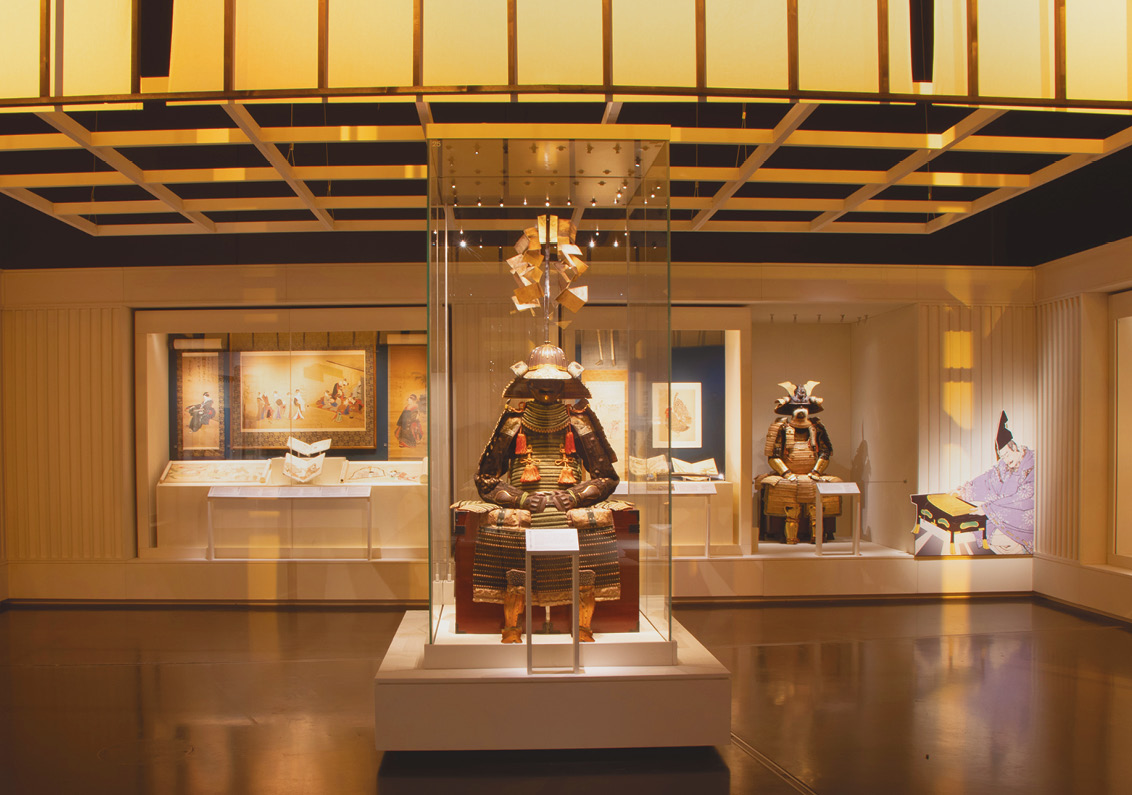
Samurai at the British Museum gloriously conveys the opulence, the artistic richness, and the mad idiosyncratic whimsy of this extraordinary phenomenon. Surely no other military in the world inspired armour as crazy as the samurai’s, with dragons, clenched fists, butterflies, shark’s fins, fat caterpillars, and aubergine heads among the motifs favoured to top off helmets. Samurai galloped into battle as fashion plates, the rivets fastening their armour highlighted in gold and lacquer, a triple layer of frilled silk crepe lining the neck of the cuirass, and orange silk tassels holding the whole ensemble together. Genuinely scary as they must have been in battle, their outfits are often hilariously camp.
The pinnacle of culture
Swordsmanship and archery were the heart of samurai culture, but the samurai also became masters and mistresses of the arts of peace, developing a quasi-religious cult around the tea party, which became the pinnacle – along with the Noh theatre – of classical Japanese culture. It was centred on a rustic-looking cottage, its entrance so low one had to bow to get in, leaving swords outside, and all the details of the tea ceremony – the delicate implements, the humbly elegant tea bowls, the scroll paintings hanging in the alcove, the slow, painstaking ritual – reflected samurai taste.
Religion played its part, too. With the Zen sect of Buddhism the samurai found a faith, a ritual, and a spiritual challenge to complement their martial discipline. The austere practice of Zen meditation, with its promise of sudden enlightenment, resonated strongly with men and women trained to confront violent death with serene stoicism. Zen also had the effect of setting the samurai above more plebeian sects, asserting their spiritual as well as social superiority. In the city of Kamakura, south of present-day Tokyo, for example, homely temples of the Nichiren sect, favoured by shopkeepers, huddle near the bustling centre of the town while the elegant Zen temples command the leafy heights.
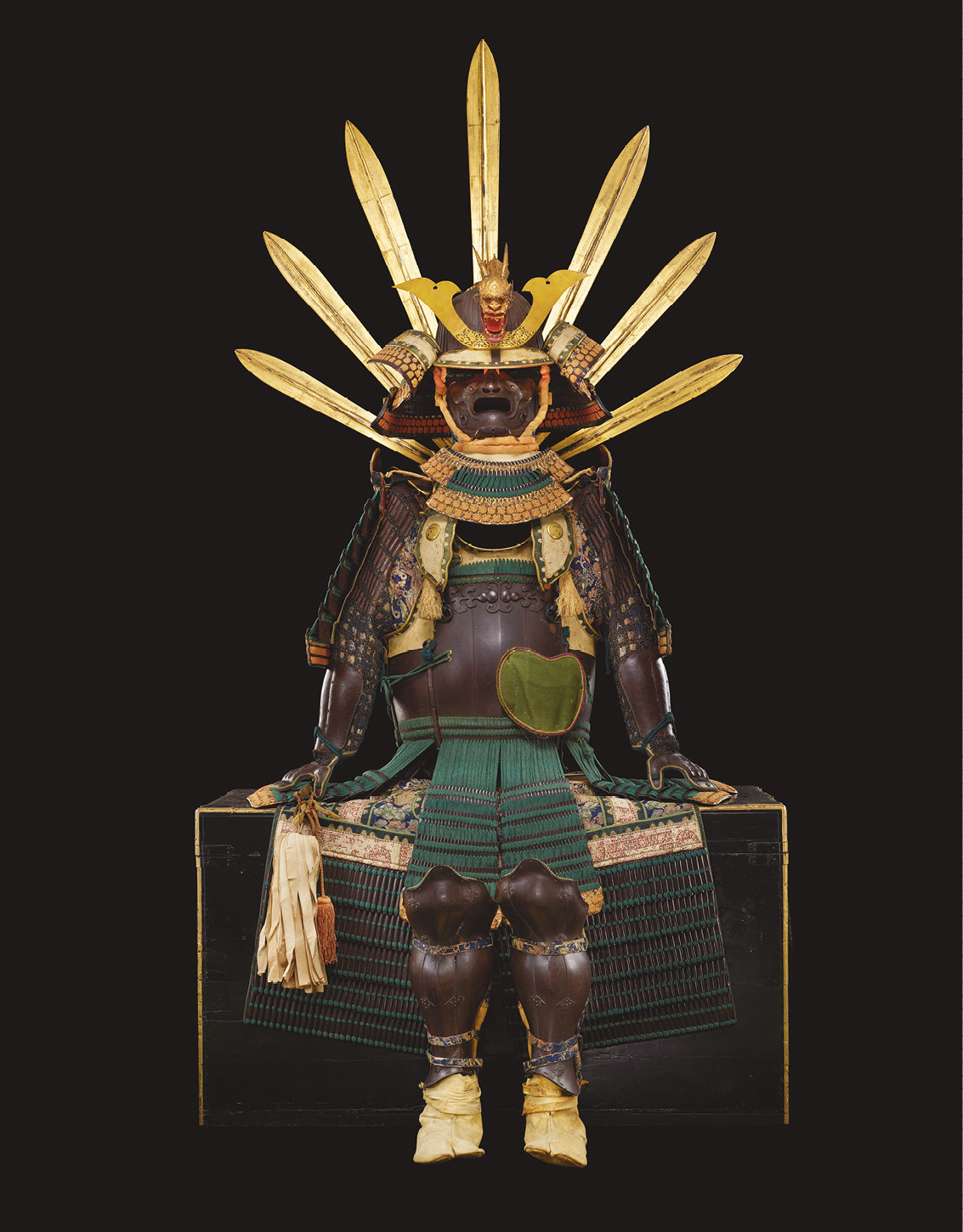
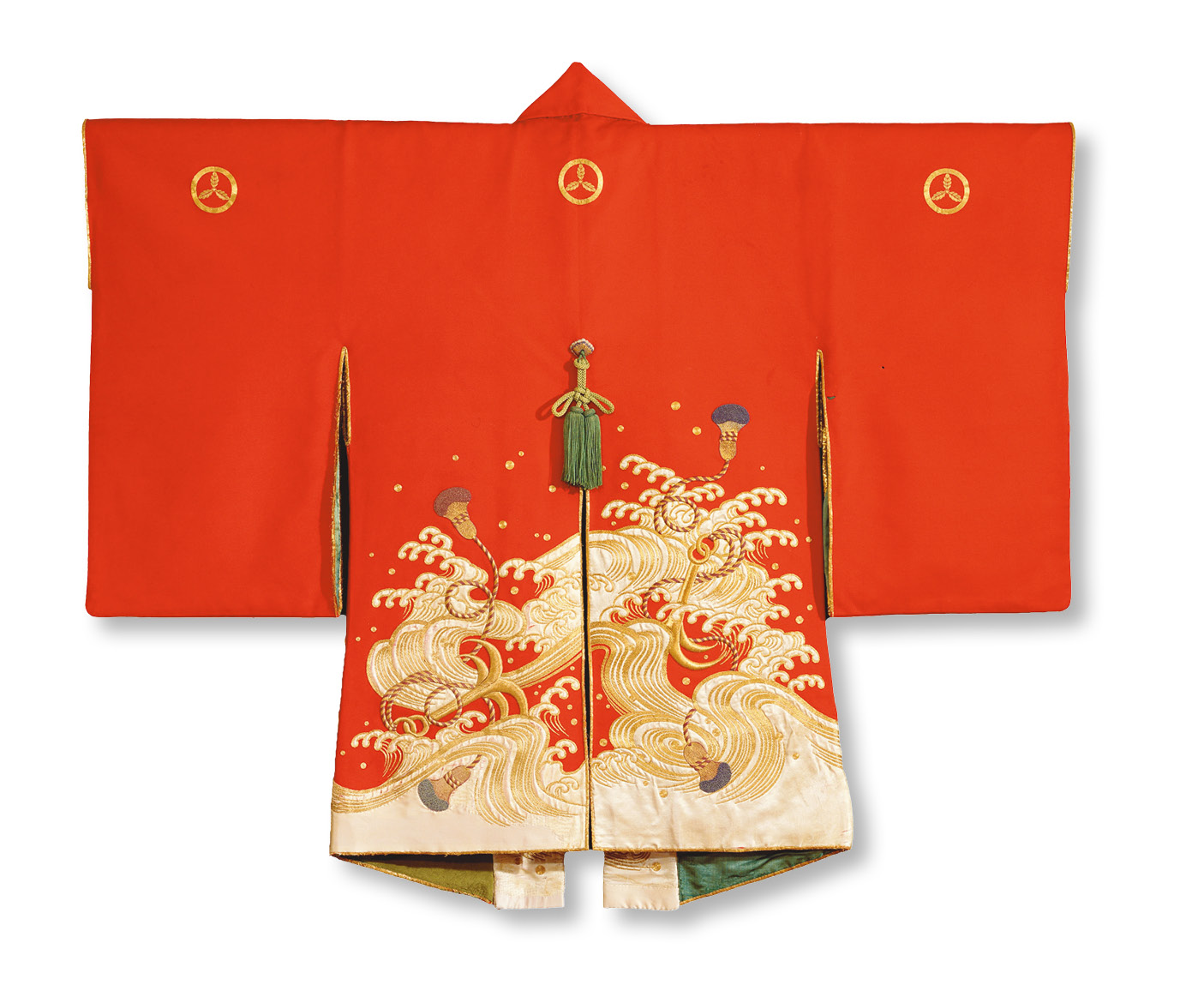
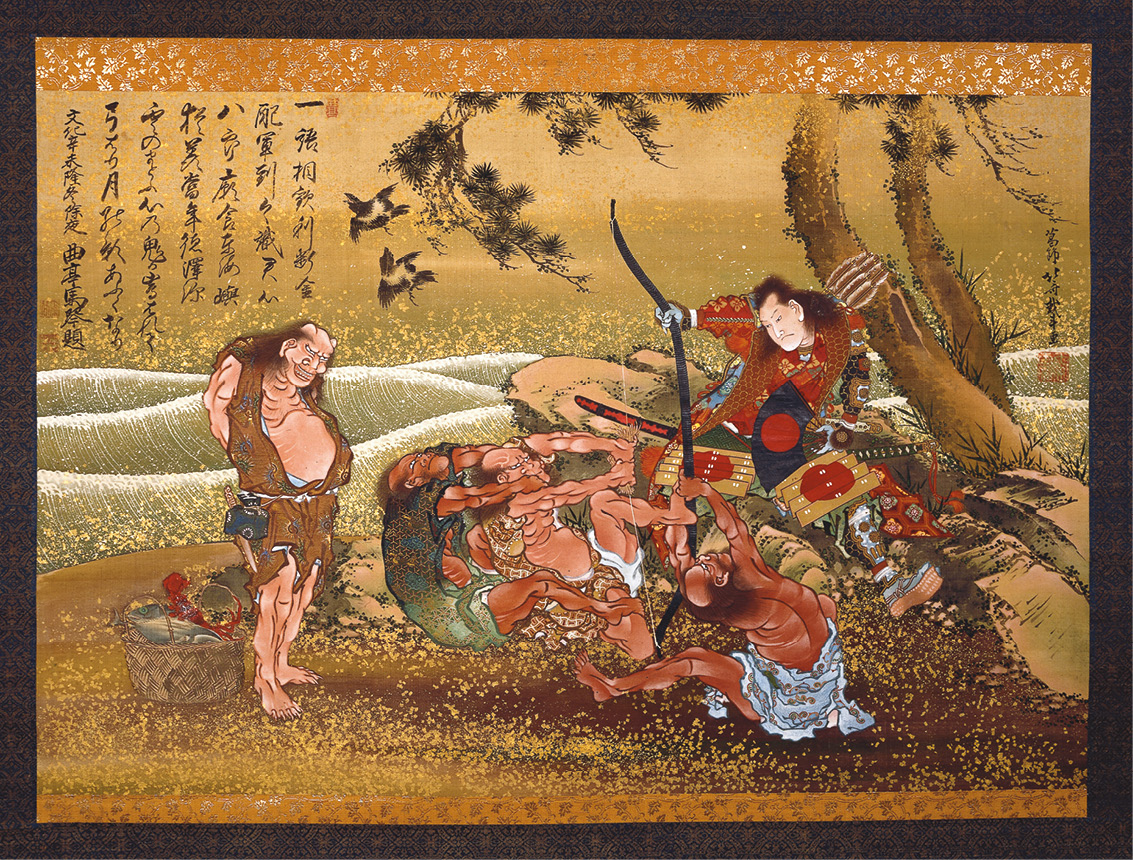
The British Museum’s show does extravagant justice to many striking attributes of the samurai and their culture. Displays range from the gorgeous crimson tunics and headgear worn by female fire-fighters in the Edo court; to the jinbaori, the armour surcoat worn by the great general Toyotomi Hideyoshi, composed of hundreds of pheasant and duck feathers glued on to hemp and designed, bizarrely, in the form of an archery target; to the exquisite 18th-century handscroll paintings depicting military campaigns. Taking the samurai’s legacy into modern times, we are treated to a wealth of videos, manga, fashion plates, and much else, from both East and West, which take samurai as their inspiration – the costume of Darth Vader from Star Wars being the most familiar example.
A sinister side
But it was in the 20th century – decades after abolition – that the mystique of the samurai revealed its sinister side. Among the unique aspects of samurai culture was seppuku, more commonly known in the West as hara-kiri – the gruesome public suicide required of any samurai who faced disgrace, as the only way to salvage his (or indeed her) honour. The exhibition catalogue gives numerous examples from history where it was a warrior’s chosen end.
The Japanese army was thoroughly modernised and Westernised long before the 1930s, but as Japanese soldiers swarmed across south-east Asia in the wake of Pearl Harbor, it was that rigid, fanatical concept of honour – deliberately revived by the army high command as a way to stiffen morale – that they brought with them. As Britain’s General William Slim discovered in the Burma theatre, the refusal of Japanese soldiers to surrender made them terrifying enemies; conversely, their inability to accept the Western concept of honourable surrender made their POW camps uniquely horrible for their prisoners. It was the same ethic that created the kamikaze pilots of the tokkotai, and served to indoctrinate practically the whole Japanese population, as defeat approached, with the obligation of dying an ‘honourable’ if pointless death.
The emperor cult expired in 1945 with the humiliation of defeat, and the samurai, their reputation closely intertwined with that of the disgraced Hirohito, were strictly taboo during the years of the American Occupation. But, despite their close association with the militaristic cult that had laid Japan low, as soon as General MacArthur was out of the country they were back, in Akira Kurosawa’s Seven Samurai of 1954, and a million lesser film and television dramatisations since, as the most gratifyingly romantic self-image Japan was capable of conjuring.
The fanaticism of the samurai had international appeal, too: a tragic legacy reaching to the present, quite as much as their gorgeous tunics and superb swords. Their attitude towards suicide went on to inspire the suicide missions of the Tamil Tigers in Sri Lanka and all the suicide-bombing cadres of Islamist terrorists with which we have become horribly familiar. The glamour of the samurai dazzles in this exhibition; in the process, their fanatical, murderous underside goes eerily unexamined.
Samurai
Until 4 May 2026 (£25)
British Museum, Great Russell Street, London WC1B 3DG
www.britishmuseum.org/exhibitions/samurai
+44 (0)20 7323 8181
MHM visits
EXHIBITION
The Beautiful Game
Opens 2 April 2026
National WWI Museum and Memorial, 2 Memorial Drive, Kansas City, MO 64108, USA
http://www.theworldwar.org/exhibitions/beautiful-game
Admission $9.50 (adult)
This exhibition in Kansas City, which coincides with the summer’s 2026 FIFA World Cup, explores the connections between the beloved sport and the First World War. Football was used by nations on both sides of the conflict as a tool in both recruitment and training; it also served as an escape for people on the frontlines and the home front.
EVENT
Chalke History Festival
22-28 June 2026
Church Bottom, Broad Chalke, Salisbury, Wiltshire, SP5 5DP
http://www.chalkefestival.com
Prices vary
The Chalke History Festival returns this summer, bringing the past to life through a rich programme of talks, discussions, performances, and living history experiences. Confirmed speakers include Mary Beard, Antony Beevor, Kate Williams, and James Holland, among many others. Chalke will also mark the 250th anniversary of the US Declaration of Independence with a series of events.
EXHIBITION
Beauty and Destruction: wartime London in art
20 March-1 November 2026
IWM London, Lambeth Road, London SE1 6HZ
http://www.iwm.org.uk/events/beauty-and-destruction-wartime-london-in-art
Admission free
As bombs rained down in 1940s London, artists responded. Discover the story of London during WWII through their eyes; see art that presents a city both familiar and strange, with more than 45 paintings and drawings alongside photographs, film, objects, and presentations of oral history.