Cover Story
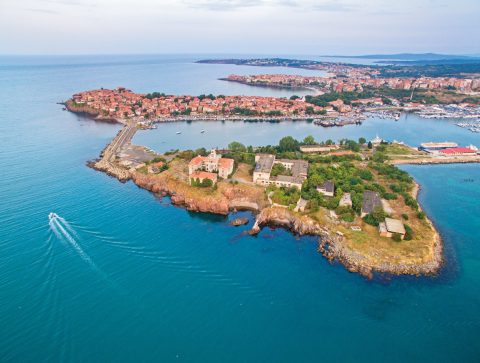 Apollonia Pontica: The rise and fall of a Greek city A surge in development associated with Black Sea tourism has provided numerous opportunities for excavations in the ancient Greek city of Apollonia Pontica. Matthew Symonds talked to Margarit Damyanov about how the results are revolutionising our knowledge of this major…
 Features
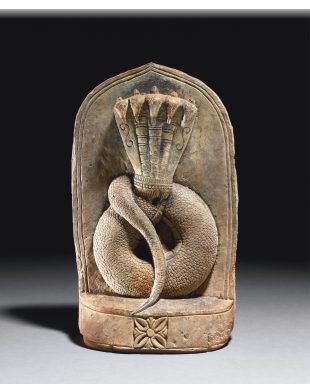 The power of nature: Seeking the origins of Hindu, Buddhist, and Jain devotional art Over the course of a few centuries, the devotional art of three major world religions underwent a profound change in India. To find out what happened, Matthew Symonds spoke to…
 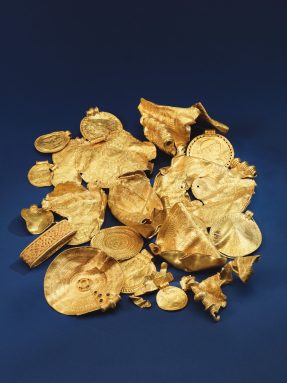 The golden fields of Denmark: Uncovering the power and prestige of the Vindelev Hoard A remarkable discovery in the fields near Vindelev revealed objects that are both beautiful and informative. Olympia Bobou, Ilaria Bucci, and Rubina Raja bring us up-to-date about a find shedding…
 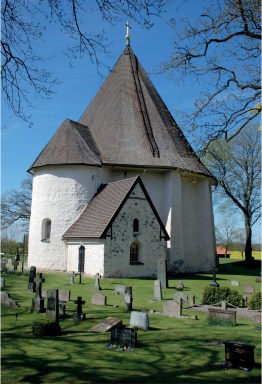 Polio in medieval Sweden: Three burials and a dangerous disease Burials found in three different cemeteries in Sweden defied explanation until a connection with polio was proposed. Caroline Arcini and Emma Karlsson weigh the evidence and look at how the…
 News
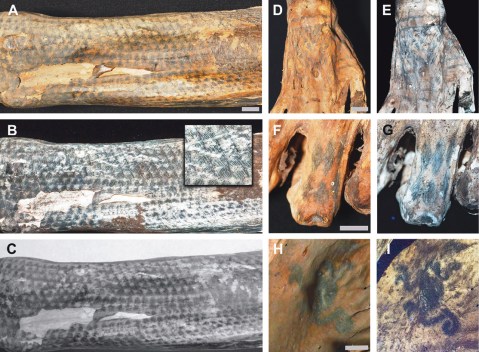
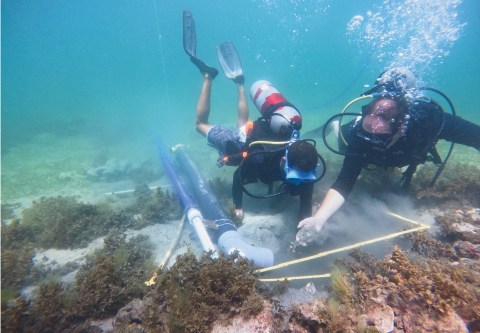 Secrets of the shipwrecks A community-led project in Costa Rica has identified two wrecks as lost 18th-century Danish slave ships.
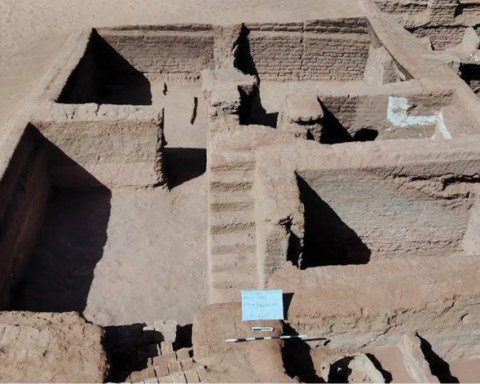
 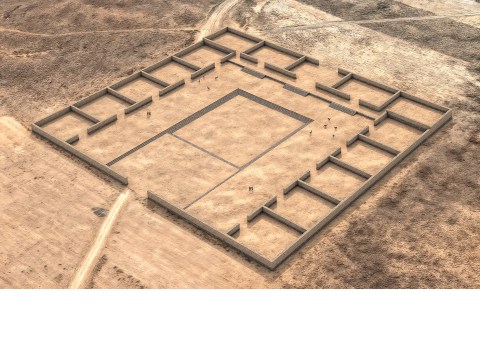 A Tiwanaku temple Research in the Bolivian Andes has identified a previously unknown Tiwanaku ceremonial complex. The Tiwanaku civilisation (c.AD 500-1000) was a pre-Inca culture centred around the southern shores of Lake Titicaca,…
  Herculaneum Scrolls: title revealed For the first time, non-invasive technology has been used to recover a title from the ancient papyri from Herculaneum carbonised in the AD 79 eruption of Mount Vesuvius. Earlier this…
  Tracing Mexica obsidian Obsidian was highly valued by many cultures across Pre-Columbian Mesoamerica, including the Mexica (Aztecs), for its natural lustre and sharpness, which made it a perfect material for both highly polished…
 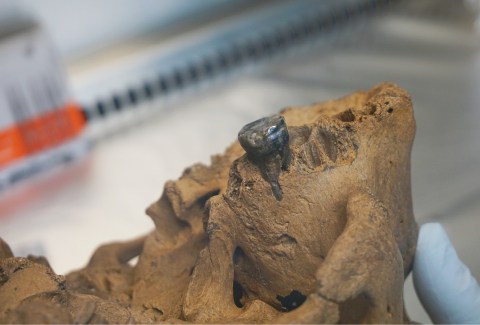 ‘Dragon Man’ is a Denisovan? New analysis of a hominin skull previously believed to represent a new species of ancient human suggests that it may in fact be a Denisovan. The Denisovans were first discovered…
 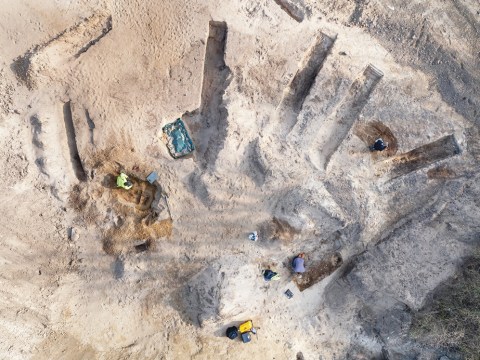 A Viking Age cemetery A Viking Age burial site has been uncovered at Lisbjerg, near Aarhus, in Denmark. Excavations carried out by archaeologists from Moesgaard Museum have revealed 30 burials, although it is possible…
 Views
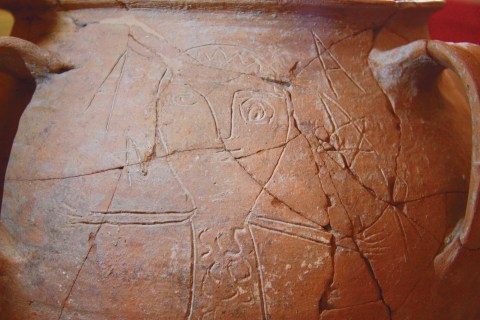 Cosmic psychopomps and apotropaic pentagrams: A pot with a difference Travel Archaeology essentially illuminates human entanglement with things, James Deetz pointed out 50 years ago in his classic book In Small Things Forgotten. ‘Don’t read what we have written; look at…
  CWA #132 crossword, and answers to crossword #131 Competitions Across 8 Mexican state, location of Mitla archaeological site (6)9 Early horse, now known as Hyracotherium (8)10 Phoenician city-state destroyed by Rome in 146 BC (8)11 Mycenaean settlement in southern…
  CWA 132 Letters Letters Smelly memories Please thank Chris Catling for his smelly article in CWA 129; smells and memories, it works both ways. I was reminded of a forgotten memory. Back in the…
  Sharing cultural heritage Comment In its annual ‘watchlist’ of threatened heritage sites, the World Monuments Fund (WMF) has cast its gaze beyond our own planet and declared that the surface of the Moon represents…
  Ratting out Comment If you want to know how liveable a city is, you can ask the rats. The cosmopolitan rodents will know exactly how resource-rich and wasteful in nutrients their human co-habitants…
  The flowers of Shanidar Comment A recent Netflix documentary, Secrets of the Neanderthals, has attracted a massive worldwide audience, and taken a major step forward in dealing with the widespread myth that Neanderthals were brutish…
  The Sanno shrine The Picture Desk August 2025 marks the 80th anniversary of the atomic bombing of the cities of Hiroshima and Nagasaki, which precipitated the unconditional surrender of Japan and the end of the Second…
 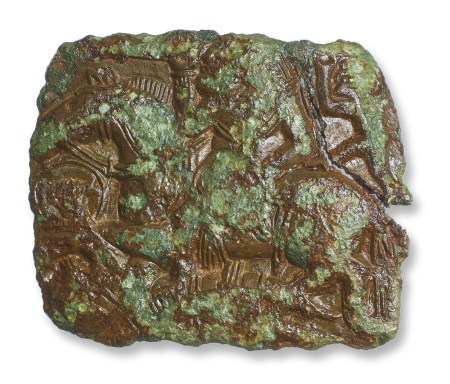 Metal stamping die Objects This design is… known from the Sutton Hoo and Valsgärde helmets. What is it? This rectangular copper-alloy object is 1-1.5mm thick and measures 4.5cm by 3.7cm. It dates to c.AD…
 Reviews
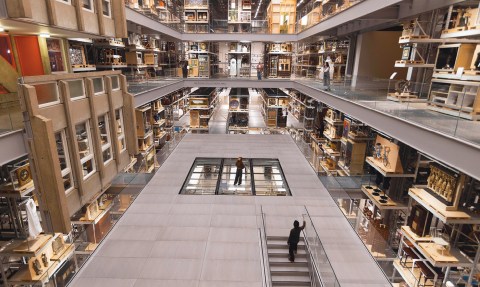
Cosmic psychopomps and apotropaic pentagrams: A pot with a difference Archaeology essentially illuminates human entanglement with things, James Deetz pointed out 50 years ago in his classic book In Small Things Forgotten. ‘Don’t read what we have written; look at…  Above ground level A new exhibition at the Rijksmuseum van Oudheden explores the highlights of the last 25 years of Dutch archaeology.
 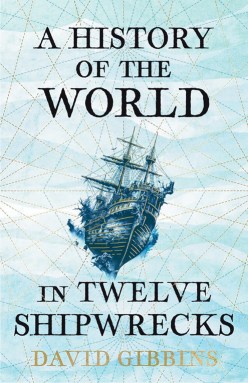 A History of the World in Twelve Shipwrecks REVIEW BY LISA BRIGGS It has been 15 years since A History of the World in 100 Objects by Neil MacGregor was first published and introduced readers to a novel…
  Birthing Romans REVIEW BY PAULINE RIPAT Roman legends stressed the importance of babies in the foundation of Rome and its destiny to dominate. The unlikely birth of the twins Romulus and Remus…
 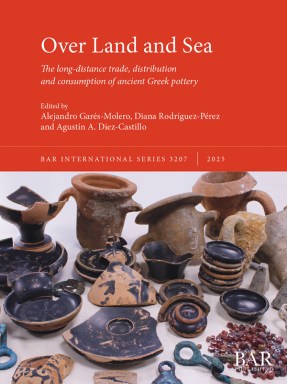 Over Land and Sea: the long-distance trade, distribution and consumption of ancient Greek pottery REVIEW BY ROBIN OSBORNE Trade in Greek pottery long attracted little interest. Finley’s massively influential The Ancient Economy (1973) discouraged both the idea that archaeological data might have anything to…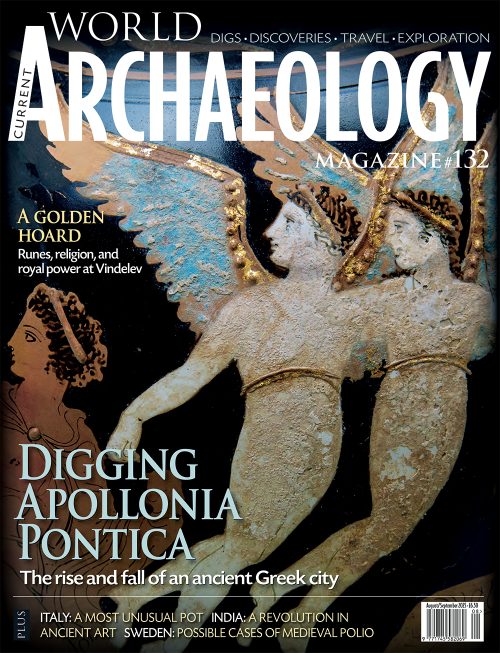
From the editor
Apollonia Pontica was once a welcome refuge for mariners navigating a notoriously treacherous stretch of the Black Sea coast. Tradition has it that this ancient city was founded by Greek settlers from Miletus in 610 BC, but excavations at the site are now pointing to an earlier foundation date. Archaeological work has also revealed the location of a major sanctuary, and is shedding fascinating new light on the ebb and flow of the city’s fortunes. We take a look at how archaeology is delivering a sea change in our knowledge of this key coastal settlement.
Revolution was also afoot in India during the period from 200 BC to AD 600, this time in the sphere of devotional artwork. It was during this era that sculptures associated with Buddhism, Hinduism, and Jainism first began to show gods and enlightened beings in human form. This broadening of the repertoire drew liberally on an existing tradition associated with popular and powerful deities in India: nature spirits. The result is a fascinating tale of adoption and adaptation.
In Sweden, the excavation of three individuals buried in different cemeteries has prompted questions about the incidence of polio during the medieval period. Could it be that those laid to rest in these graves had contracted this dangerous disease? Examining the impacts of polio presents poignant indications of cases stretching far back in time.
Exploring farmland near Vindelev revealed an extraordinary golden hoard. Its contents include a candidate for the earliest depiction of Odin, and cumulatively speak volumes about royal power and the cultural influences at work in the region during the twilight of the Western Roman Empire.
Finally, in our travel section, Richard Hodges takes a close look at a pot from the Benedictine monastery of San Vincenzo al Volturno, in Italy. This vessel bears both text and a curious assortment of images, raising questions about its role within the monastic community.