Subscribe now for full access and no adverts
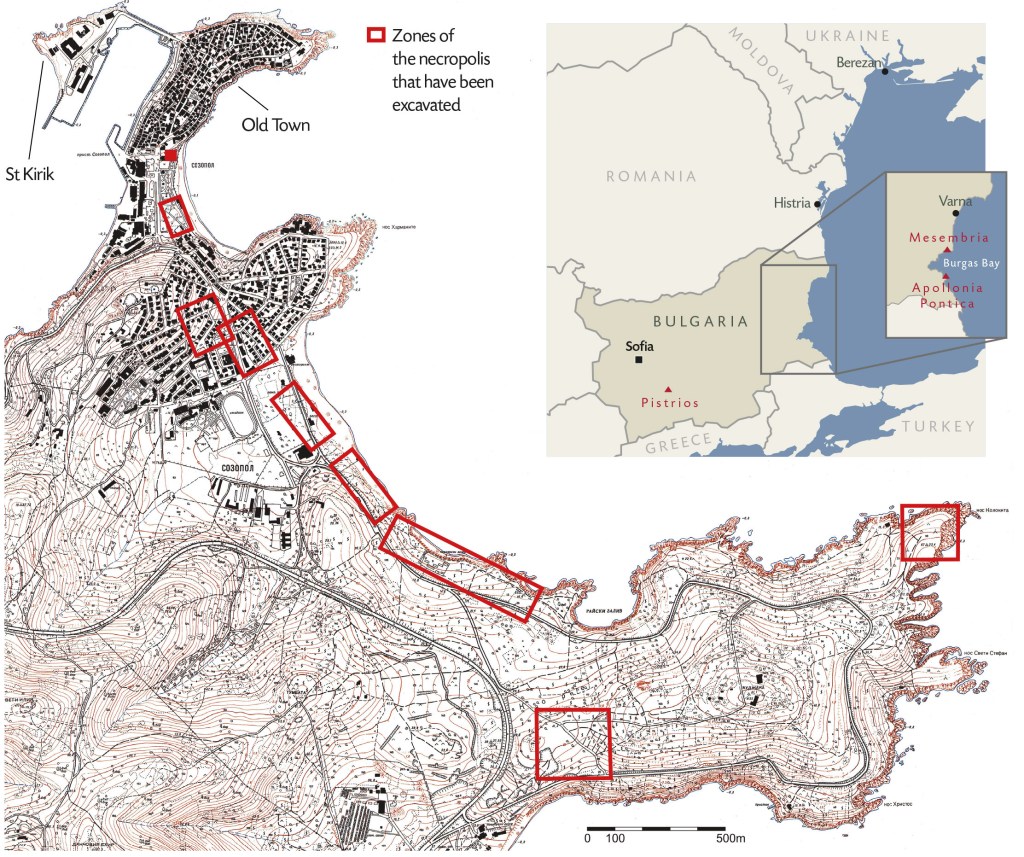
It was a treacherous stretch of coast. The ancient Greek historian Xenophon, writing in the 4th century BC, describes the perils of the Black Sea shore in the region around Salmydessos, a town in ancient Thrace and modern Turkey. Xenophon records that the hazardous shoals had wrecked many an unfortunate ship. For the crews, though, the ignominy of running aground was often only the beginning of their ordeal. The local Thracians were well aware of the dangers posed to shipping, and the rich pickings that could be placed within their grasp. The desire to plunder wrecked vessels was so widespread that we are told boundary stones were erected to mark out specific stretches of shore as the preserve of particular Thracian groups. For crews that successfully ran the gauntlet of this region as they headed up the west Black Sea coast, the first glimpse of Apollonia Pontica must have come as a welcome relief. This town offered a point of safety at the southern end of Burgas Bay.
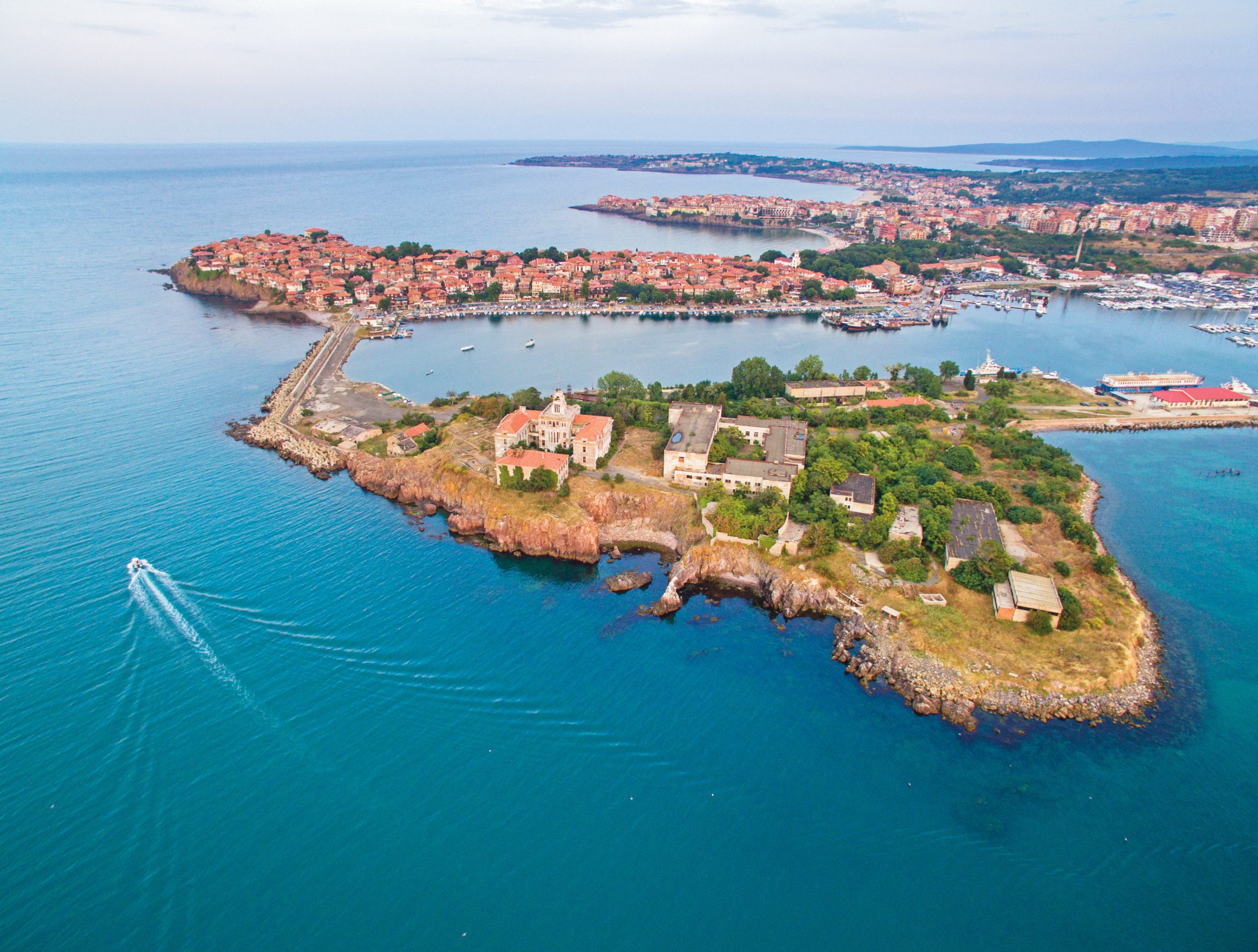
Tradition has it that Apollonia Pontica was founded by Greek colonists from Miletus in 610 BC. The settlement was situated on a fine, natural harbour, created by a rocky peninsula jutting into the Black Sea, and the small island – now known as St Kirik – that lay just offshore. The Greeks were not the first to appreciate its potential, as traces of occupation dating back to the Chalcolithic in the late 5th millennium BC have also been found at the site. Equally, there was more to Apollonia Pontica’s renown than its status as a maritime refuge. While this quality was emphasised on coins bearing an anchor that were minted in the city, it lay close to metal deposits in the Thracian hinterland, too. One expression of the wealth this created took the form of a colossal statue of Apollo Ietros (Apollo the Healer), which stood 13m high and dominated the main sanctuary at Apollonia Pontica. The discovery of temples associated with this complex is just one of the highlights from a wealth of activity undertaken by dozens of archaeologists over the last couple of decades at Apollonia Pontica. Cumulatively, the results force us to rethink some traditional views of the settlement, while also shedding compelling new light on the ebb and flow of the city’s fortunes.
Seeking the sanctuary
One crucial piece of information about Apollonia Pontica that was never lost is its location. Today, the modern town is known as Sozopol, and a Late Antique source notes the change of name from Apollonia Pontica – in honour of Apollo – to the Christian Sozopolis, or ‘city of salvation’. Thanks to this, people have been taking an interest in its antiquities since at least the 19th century. The first documented excavations were undertaken in 1904 by a French consul, Alexandre Degrand. He sought the famous sanctuary of Apollo, which the Roman-era geographer Strabo noted lay on an island. The strongest candidate for this was St Kirik, which at the time was a small, bare area of ground that was home to little more than the remains of a medieval chapel and some fishermen’s houses. Degrand duly opened a series of trenches, but any hopes he had of finding monumental architecture were dashed. Instead, he unearthed graves and material dating to the Archaic period, prompting him to conclude that the island was a necropolis and the famous sanctuary lay elsewhere.
If Degrand found the archaeology of St Kirik disappointing, the advantages that its position next to a natural harbour offered would soon come to the fore once more. In the 1920s, a maritime school was built, and, although an archaeologist was said to be monitoring the site, the results appear to have been singularly underwhelming. A brief published note reported little of interest, and illustrated just two fragments of pottery. The maritime school fared rather better, eventually growing into a naval academy, which in turn paved the way for the island to be transformed into a naval base. At that point, further archaeological excavations became impossible: when more buildings were added in the 1970s, it was under conditions of complete secrecy. The military only moved out in 2005, leaving the island empty once more. In 2009, rumours began to circulate of plans to develop it into a resort. This prompted the beginning of a new wave of excavations, spearheaded by Dr Krastina Panayotova from the National Archaeological Institute with Museum in Sofia.

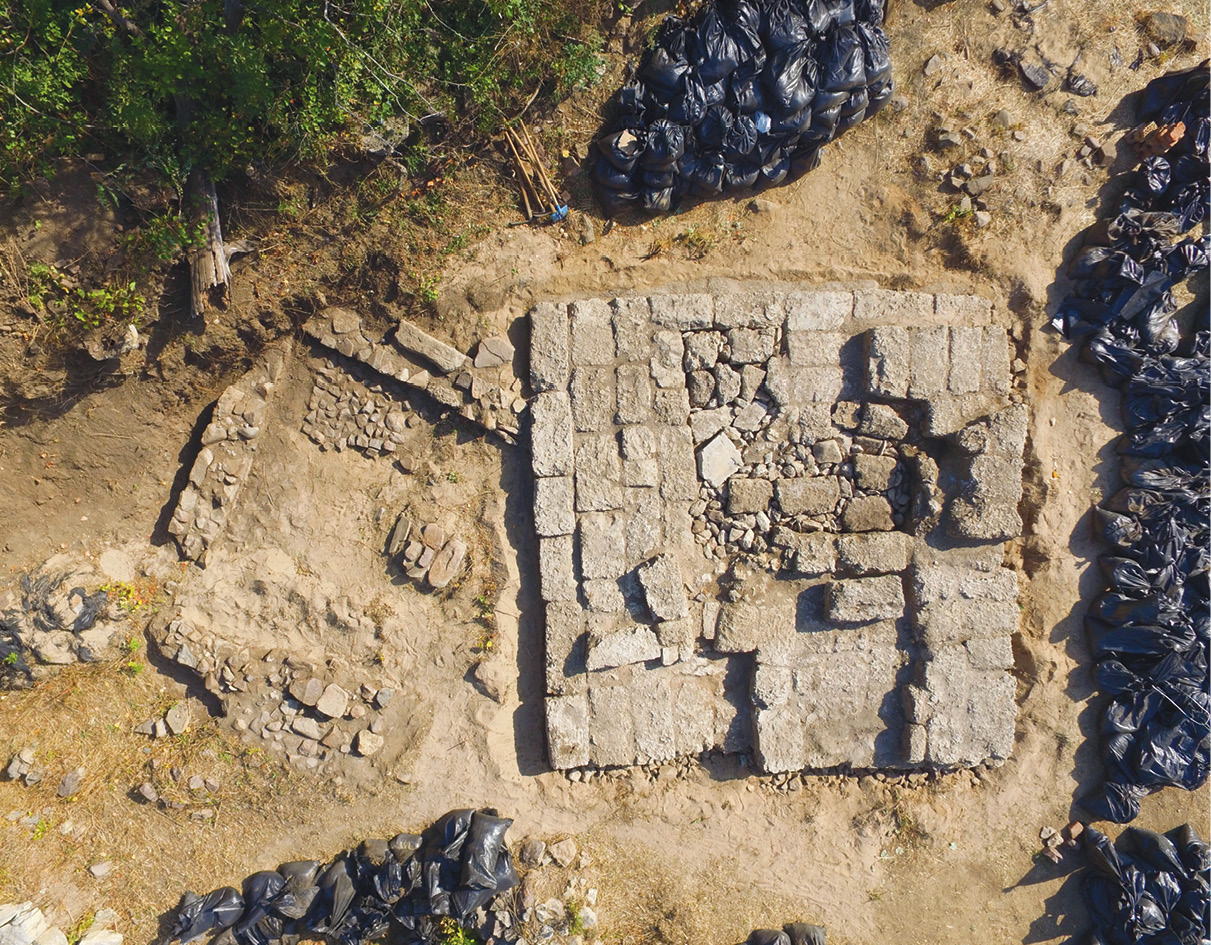
‘By the end of the 2009 season, it was completely clear that the site was an exceptional one’, says Margarit Damyanov, associate professor in the Department of Thracian Archaeology at the Institute, and deputy director of the investigations. ‘The excavations uncovered a large Late Antique basilica, dating to the 5th or 6th century AD. Right next to it were two much earlier temples from the Greek period. One belonged to the late Archaic period and dated to the late 6th century, around 500 BC. The other was slightly later, and had its origins in the first half of the 5th century BC. Jumping ahead to last year’s season, we nearly completed the excavation of a third temple, which lies right next to the other two and was also built in the first half of the 5th century BC. This is exactly the period when we are told that the Apollonians invited the noted Greek sculptor Calamis to erect the monumental statue of Apollo. So we have this apparently public space, with temples aligned in a row and the foundations of a stone altar in front of the earliest one.’
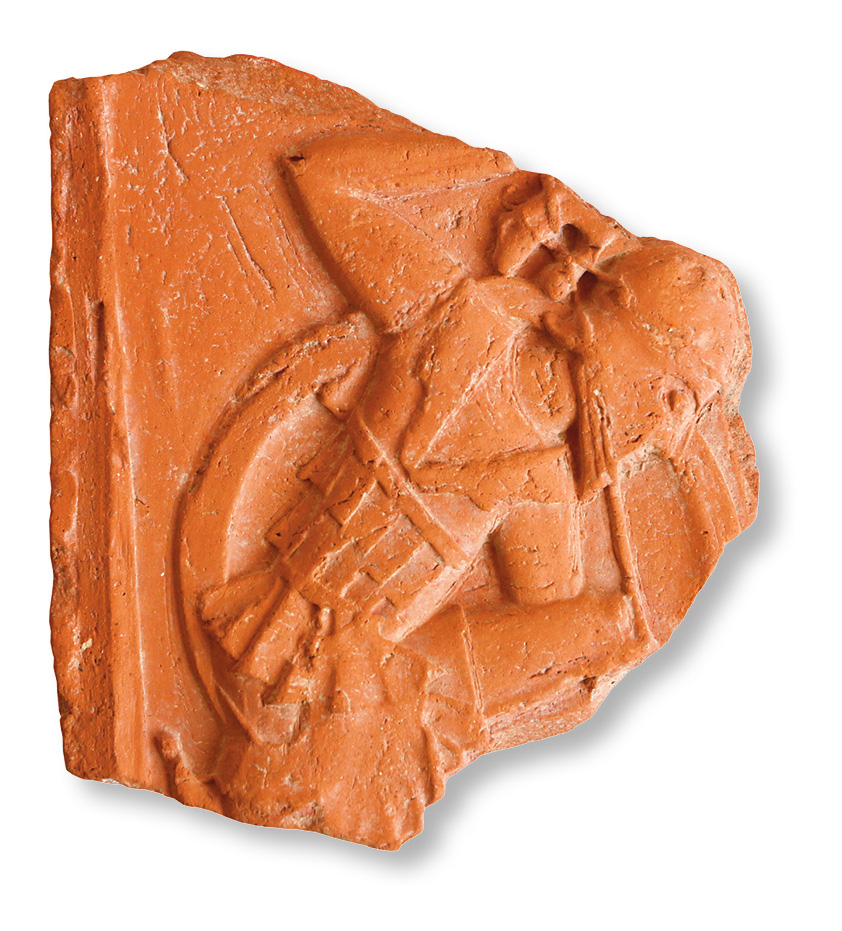
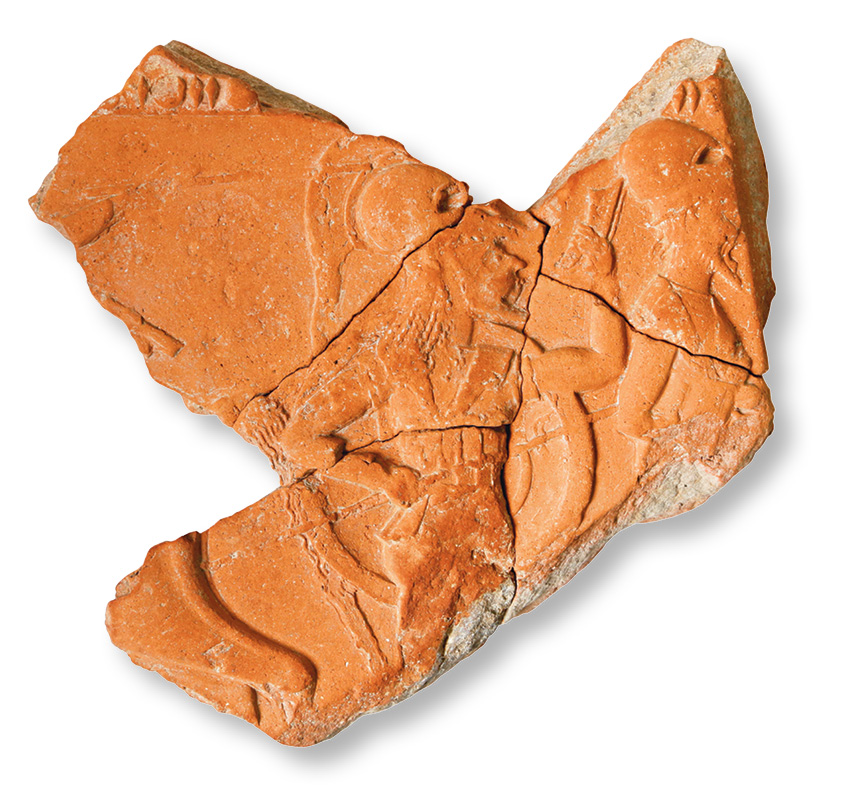
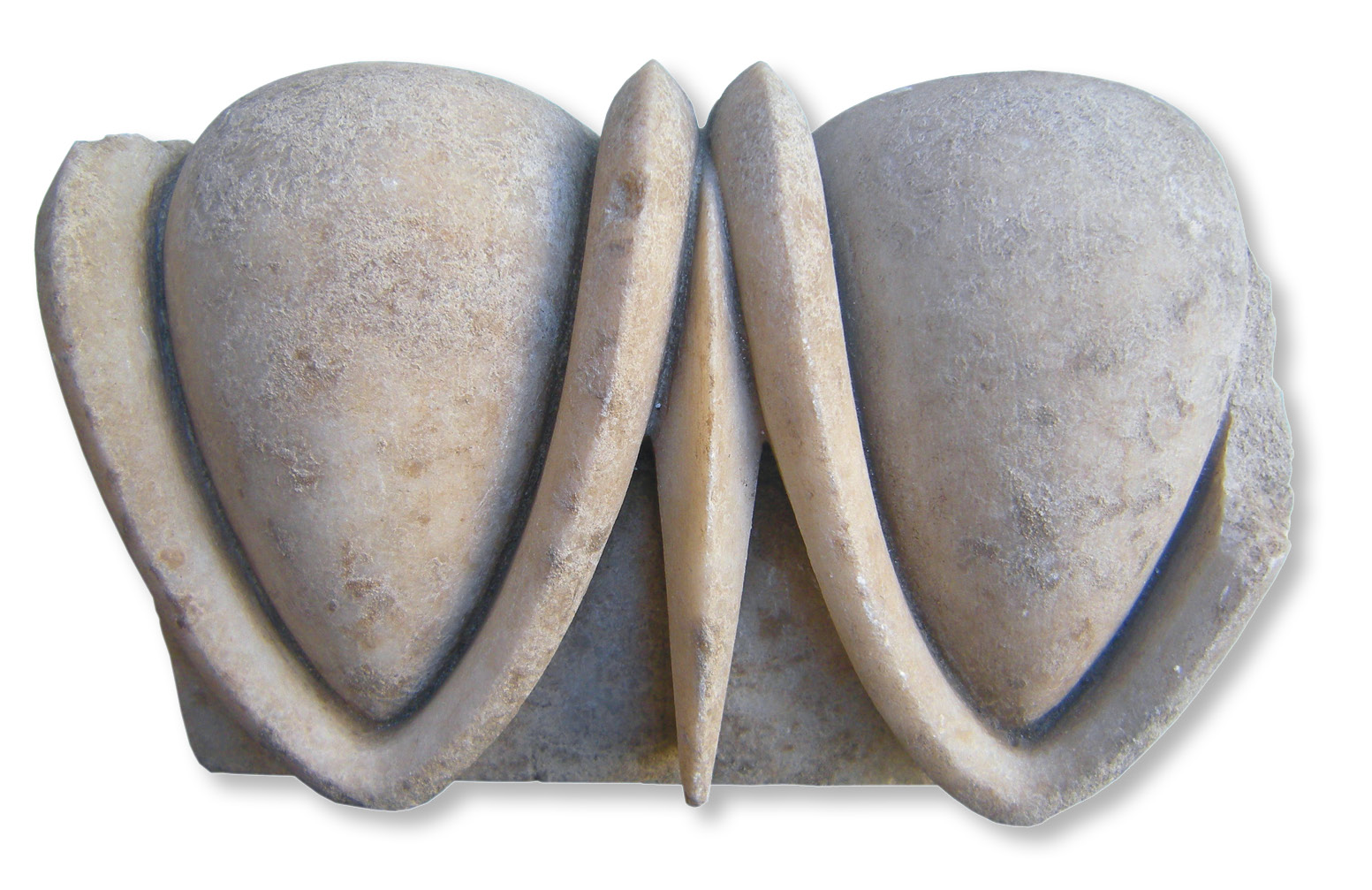
Top, above & below: Three fragments from the ceramic frieze depicting a battle between hoplites, one of whom is blowing a horn (top & above), and a more worn rendering of a mounted enemy armed with a spear and shield (below). Could this be a Thracian?
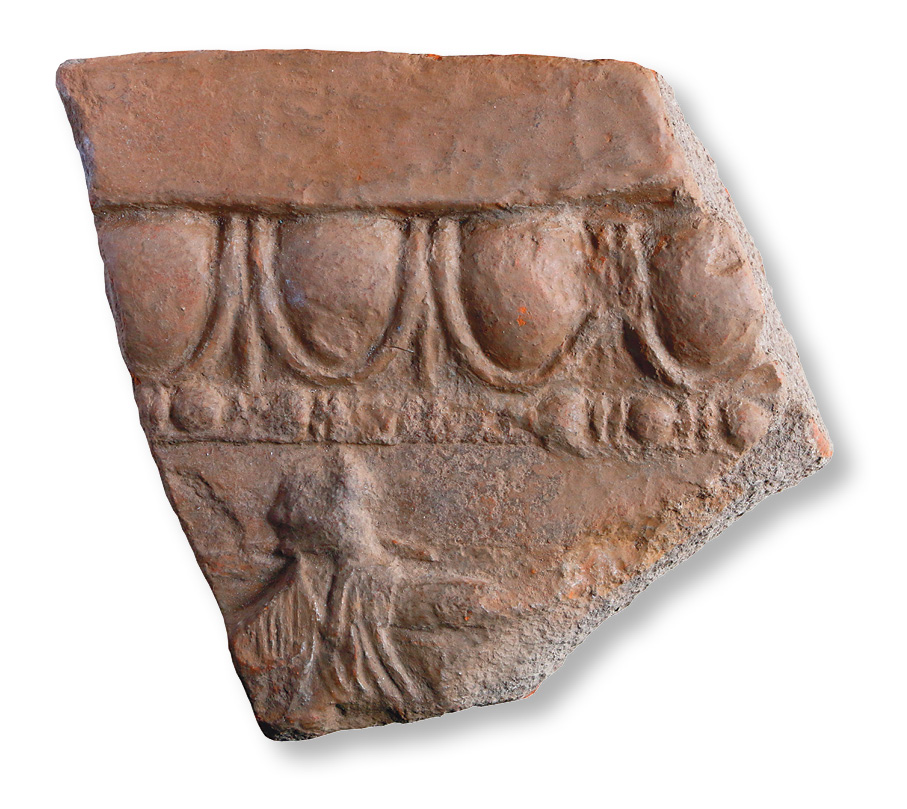
‘The temples were comparatively small buildings, only about 11-12m long, and probably with two columns at the front. For the most part, only their foundations survive. We can imagine that most of the marble superstructure ended up going into the lime kilns, probably to make mortar for the Late Antique basilica. A few nice fragments of architectural features do survive, though, and in 2023 we found one hand from a statue in a 6th-century layer. There are also parts of a very fine ceramic frieze depicting a battle between Greek hoplites and non-Greek cavalry. The first fragments were discovered by Degrand, and we have now found several more, resulting in about 23 pieces in total. Most display the same scene, meaning that we have several copies of the same mould-made plaque. It shows hoplites marching, with one blowing a horn, and behind them is a galloping horseman above a fallen hoplite, who is apparently dead. By style and composition, the frieze belongs to the late 6th century BC. The general inspiration probably came from monuments like the Siphnian Treasury in Delphi, which dates to 525 BC, and is the first instance of a frieze depicting a multifigure battle scene. One interesting question about our example is the identity of the non-Greek horseman. Sadly, the only surviving image of this rider is badly preserved, but he is brandishing a spear, and has a cloak and pelta. This type of shield is traditionally associated with Thracians, so it is tempting to consider the possibility that the frieze shows a clash between the Greeks and Thracians.’

‘We also have explicit evidence that this was the main sanctuary at Apollonia Pontica. A lot of graffiti has been found at the site, and this normally consists of two letters, the I and the H, which could represent the beginning of Ietros: the healer. But, in 2013, an almost complete Archaic-era cup from the first half of the 6th century BC was found in a votive pit. It bears an inscription that was dedicated to Apollo Ietros. Although the name of the dedicator is missing, it mentions that they were from the city of Knidos, which is some 1,000km away, on the Mediterranean coast of present-day Turkey. While the cup itself is quite ordinary in the wider context of Greek pottery, it is interesting because this particular type is rare in Apollonia. Indeed, until last year it was the only one known from the site. Because of this, it is quite plausible that the cup was not something that the dedicator simply bought at a market in Apollonia to dedicate to Apollo Ietros; instead, they may well have brought it from home to make the offering.’
The excavations are revealing important new information about the foundation of Apollonia Pontica, too. It forms part of a group of settlements on the Black Sea created by colonists from Miletus, with other sites including the island of Berezan, off the coast of Ukraine, and Histria, in Romania. According to the written sources, both of these cities were founded around the mid-600s BC, placing them a few decades before Apollonia Pontica. Both Berezan and Histria have been explored by archaeologists and produced plenty of Archaic material, with the pottery indicating occupation from roughly 630 BC. For the first time, the excavations on St Kirik have yielded a comparable corpus of Archaic material from Apollonia Pontica. Analysis of the pottery shows similar types and overall proportions of early vessels to those known from Berezan and Histria. This indicates that Apollonia Pontica was established at an earlier date than previously appreciated, and was roughly contemporary with the other two Milesian cities. Such a discovery makes perfect sense, given the status of Apollonia Pontica as a vital port of call for anyone sailing up the west coast of the Black Sea.
The results of the St Kirik excavations also provide a flavour of how this key area developed. A house dating to the first half of the 6th century was demolished to make way for the large altar set outside one of the temples, while layers dating back to the 7th century were found sealed under the temple foundations. This shows that it was only a century or so after the foundation of the city that the Apollonians had apparently amassed enough wealth to expand their sacred area and start monumentalising it.


A city rises
Because the early 20th-century work on St Kirik was branded disappointing, and the island was then placed beyond the reach of archaeologists for many decades, Apollonia Pontica has long been best known to scholars for another facet of its ancient heritage. By the late 19th century, scholars travelling to the Black Sea had noticed that there were tumuli in the vicinity of the ancient city. The French consul Degrand dug a couple of them, but this necropolis really rose to prominence in the years following the Second World War. From 1946 to 1949, large-scale excavations were partly driven by the desire of the National Archaeological Museum of Bulgaria to expand its collection of finds. Because of the size of the necropolis, though, this work only touched on a small portion of it. More opportunities to explore it came in the 1990s, as Black Sea tourism began to increase, resulting in major development work to meet the demand for hotels. This prompted campaigns of rescue excavations, which for a time were funded by the National History Museum. This responsibility was later taken on by private investors, as under Bulgarian law they must fund the investigations on their properties in order to be able to undertake construction. Dozens of properties were excavated under the direction of Krastina Panayotova and other archaeologists.
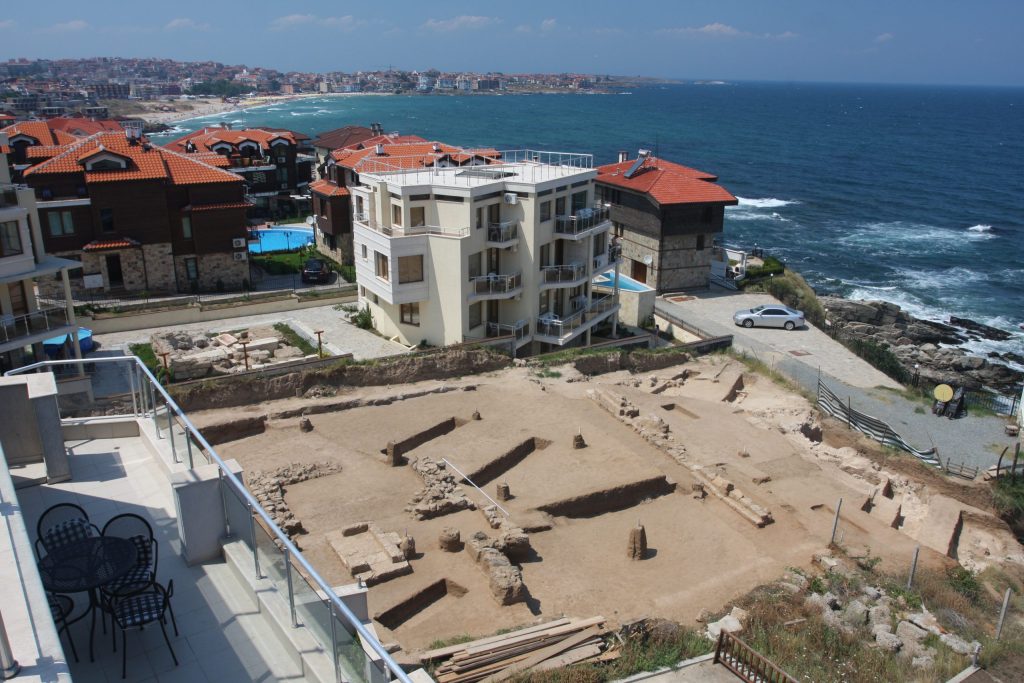
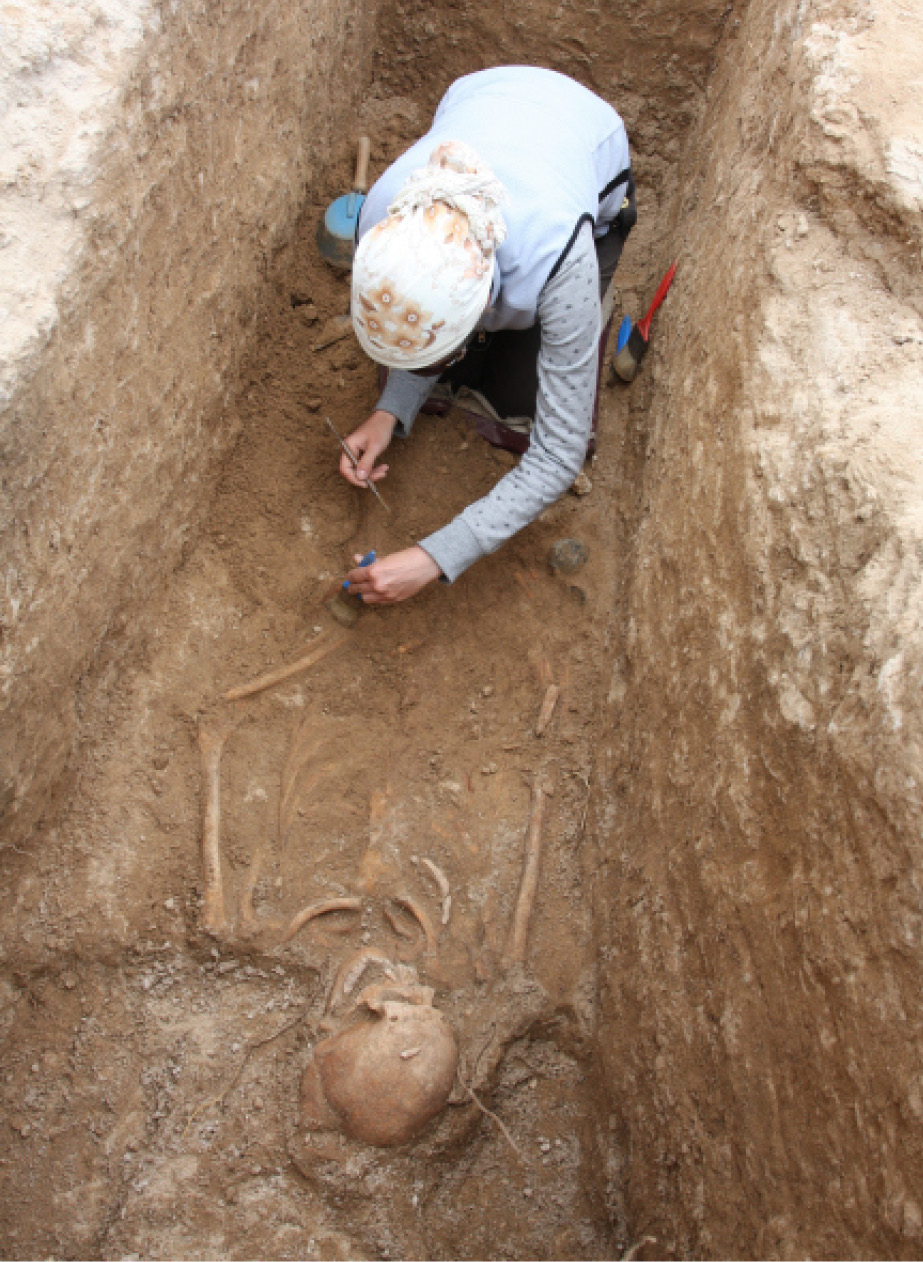
‘It was gradually realised that this sprawling necropolis followed a coastal road running south of the ancient town’, says Margarit. ‘Excavations uncovered a stretch of this road, with graves on both sides, and stone walls marking out the boundaries of family plots. The necropolis can now be traced for a kilometre and a half, while more than 3,000 graves have been investigated. Study of the finds reveals that this necropolis has a peculiar chronology. Something must have happened around 450 BC, which was when the community at Apollonia Pontica first decided to create this large burial ground. Afterwards, the necropolis remained in use until roughly 250 BC, when some form of crisis resulted in the cemetery being more or less abandoned. In the aftermath, the Apollonians buried their dead much closer to the town.’
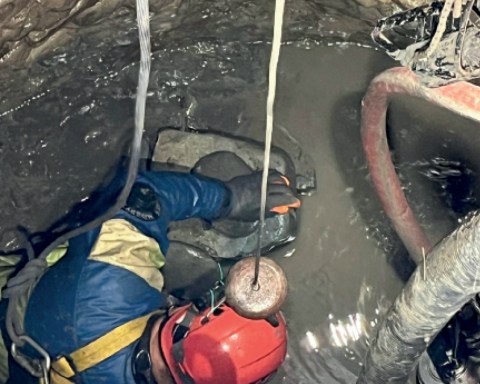
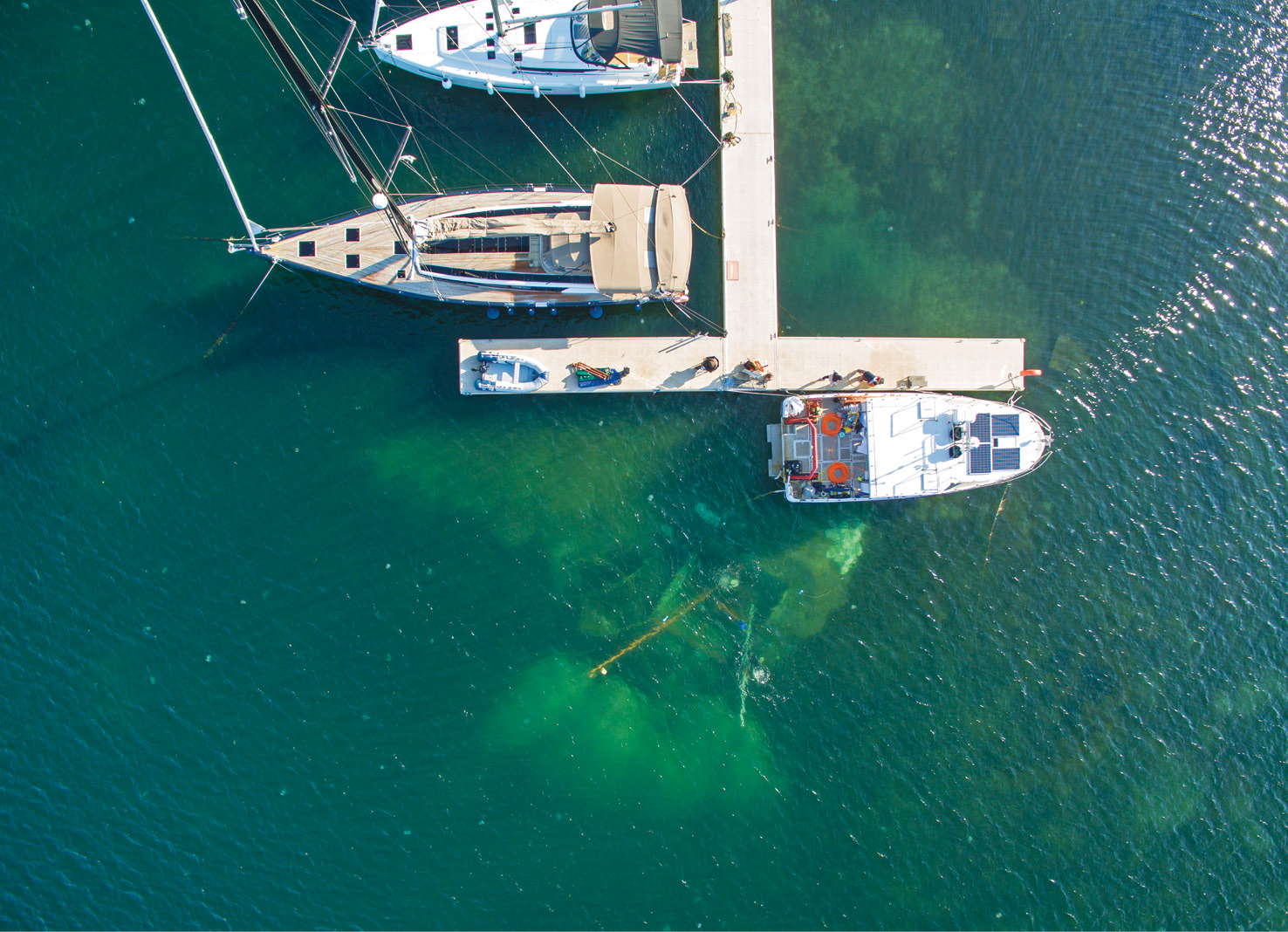
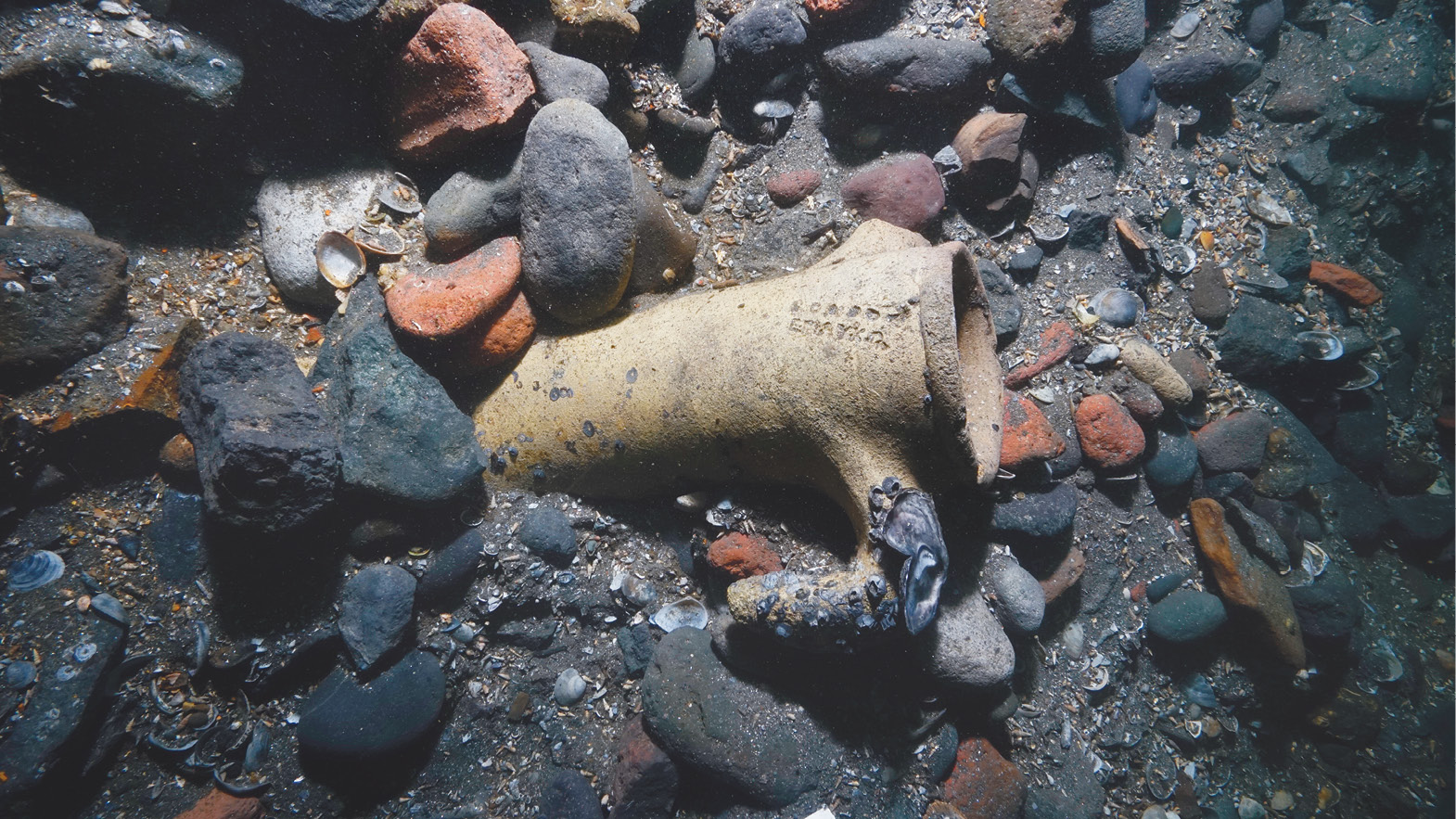
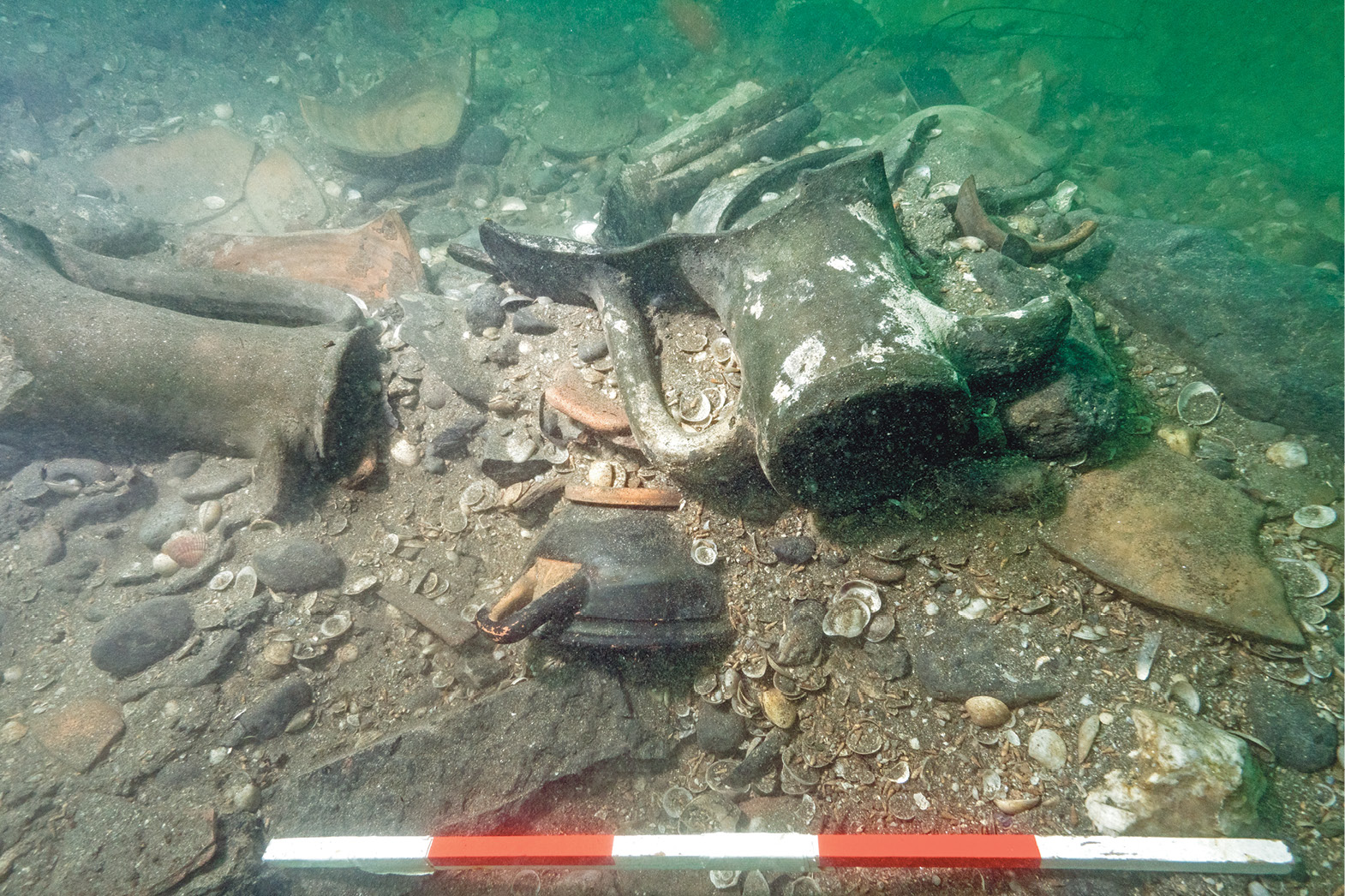
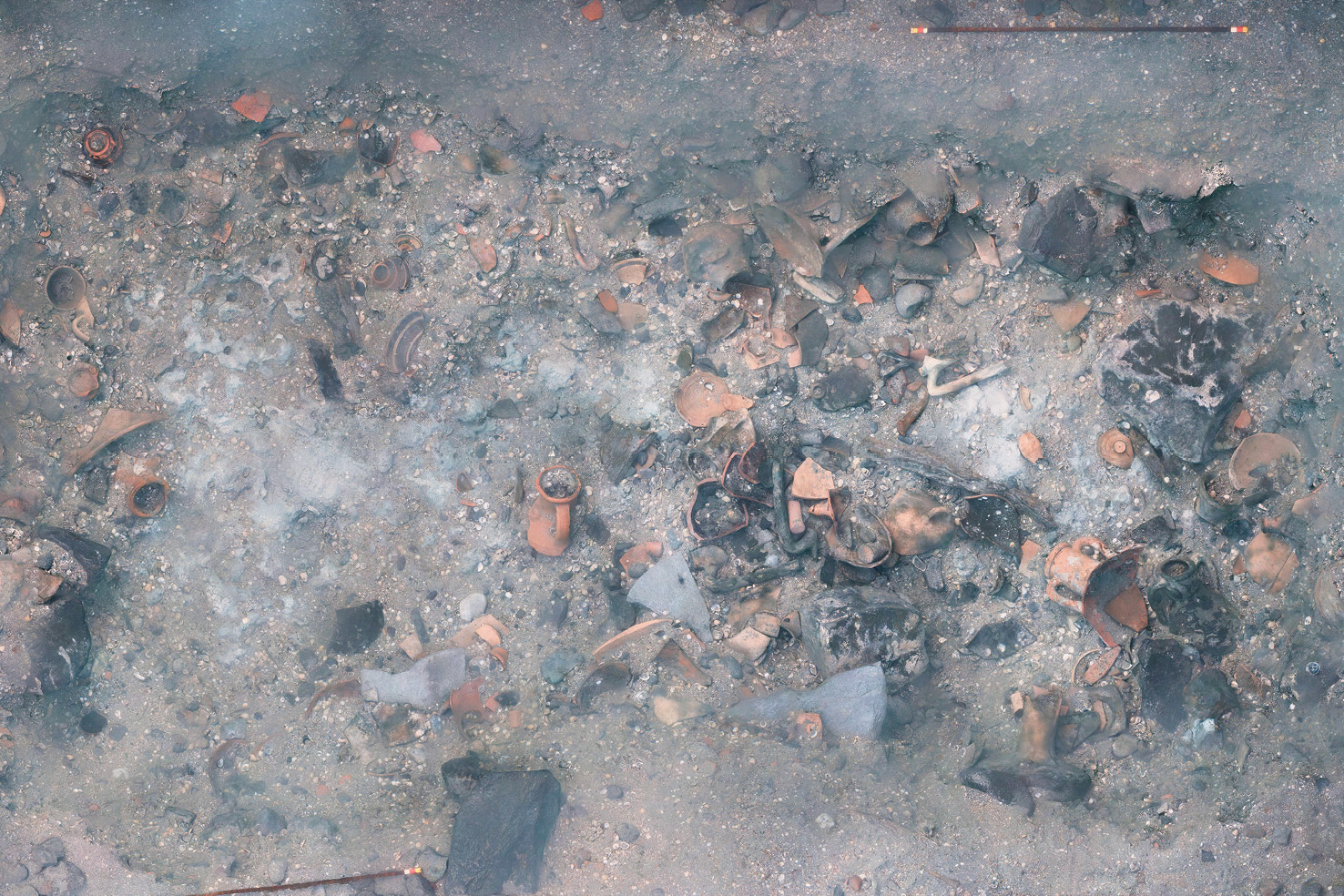
The evidence from the necropolis is bolstered by important work under way in the harbour. This was dredged and remodelled in 1927, a move that was assumed to have destroyed any layers associated with its ancient use. In 2020, though, the municipal authorities decided to install jetties with huge concrete bases in the harbour. In response, the Centre for Underwater Archaeology in Sozopol decided to take a look at what was there, under the direction of Dr Kalin Dimitrov. Remarkably, they discovered that part of the present-day harbour had not been dredged back in the 1920s. Instead, the archaeology survived and was well preserved. The first trench, which measured just 4m by 2m, produced between 300 and 400 ancient Greek vessels. Layers associated with the later Late Antique, medieval, and Ottoman periods were also present, while work both there and elsewhere in the harbour has brought to light the earliest evidence for settlement at Sozopol. This took the form of Chalcolithic and Bronze Age buildings on stilts, in what was then a lagoon, dating back to a period spanning from the late 5th to the 3rd millennia BC. This activity ended with a change in sea level, creating a gap in the archaeology that only picks up again with the arrival of the Milesian settlers.
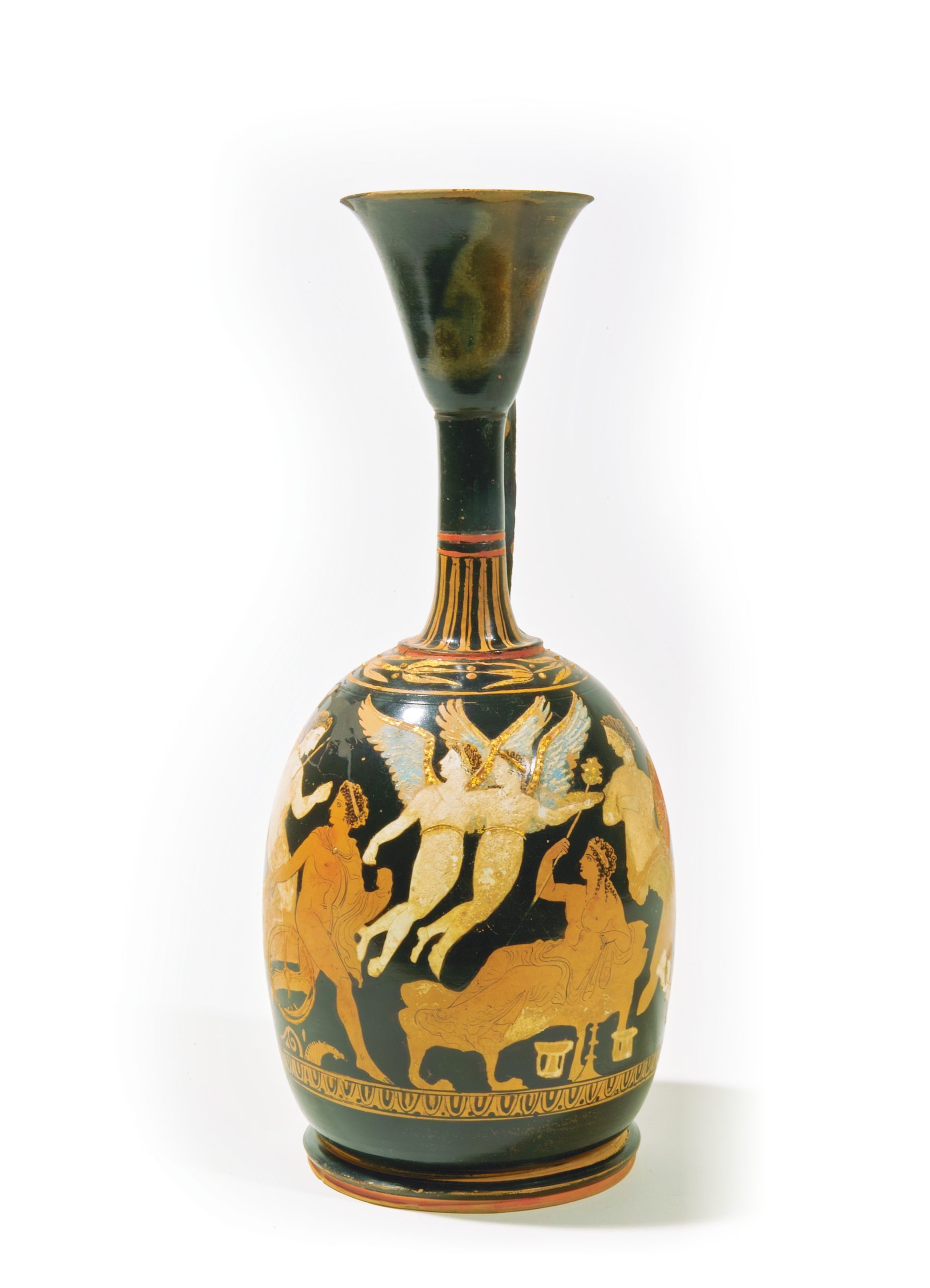
‘I was invited to study the ancient Greek pottery found during the under-water investigations’, says Margarit, ‘and I have been working on it ever since. It is what we call a “harbour accumulation”, which is formed when ships arrive, they anchor in the harbour, and they sort through their cargo and jettison damaged goods. There are also personal items from the crew, with pots that have previously been mended or carry graffiti. Altogether, these data provide important information about the historical development and economy of Apollonia Pontica. What we now know is that the city became quite successful in the first centuries after its foundation, as it gradually developed into the most important Greek settlement along the Bulgarian Black Sea coast. This was a status that it held until the Late Classical period, in the mid-4th century BC. We can see the results of this wealth in many ways: the huge necropolis, the sanctuary and 5th-century building programme, and the ambitious project to erect a colossal statue. So the city was clearly doing well.’
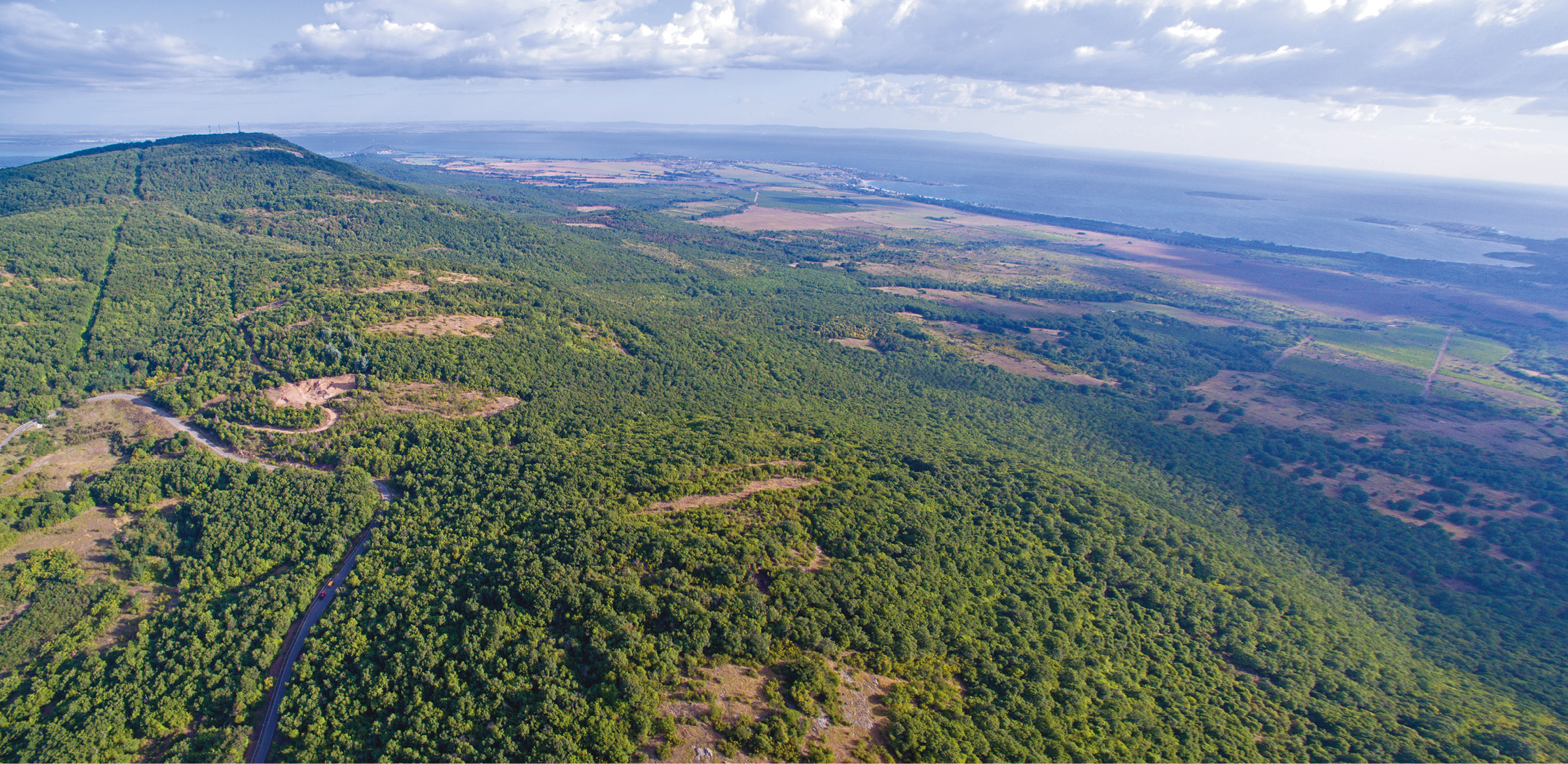
‘Recent work has provided a much clearer idea, too, of what the mainstay of the economy was during this period. Apollonia Pontica does not command a great fertile hinterland, but it does lie very close to a chain of hills, which are very rich in polymetallic deposits – they are named Medni Rid, which is the Bulgarian for “copper ridge”. Copper from the hills appears to have been worked since the Archaic period. The very earliest occupation layers excavated on the island of St Kirik, for example, contained large amounts of waste from processing copper ore. This was so plentiful that the house overbuilt by the altar had an insulation layer below the floor made from slag. Such traces can also be found throughout the old town of Sozopol, which lies opposite the island, while furnaces for smelting copper have been detected as well. Investigation of Archaic-period extraction sites in the hills – one such was investigated in 2018-2019 by Petar Leshtakov and Krassimir Nikov from the National Archaeological Institute with Museum – has shown that the ore was partially processed there, before being transported elsewhere. Given all of this evidence, we can be confident that Apollonia Pontica was exporting copper to other Greek cities in the Archaic and Classical periods.’
The city was also forging links with Thracian groups living far inland. This seems to be documented in the Pistrios inscription, which was found in central Bulgaria, and comprises a mid-4th-century BC treaty between an unknown Thracian ruler and Greeks from several cities, including Thassos, Maroneia, and one Apollonia. For a long time, scholars assumed that this Apollonia must refer to a different city of that name – probably one on the north Aegean coast – as Apollonia Pontica was simply too far away. What the current excavations are making clear, though, is that Apollonia Pontica was the only city in the region that could truly rival Thassos and Maroneia in size and importance. Perhaps, then, its fame and influence had spread far into the interior. But such renown can be a double-edged sword, and it was also at around this time in the mid-4th century BC that Apollonia Pontica’s fortunes shifted abruptly.
The conquest of Philip II
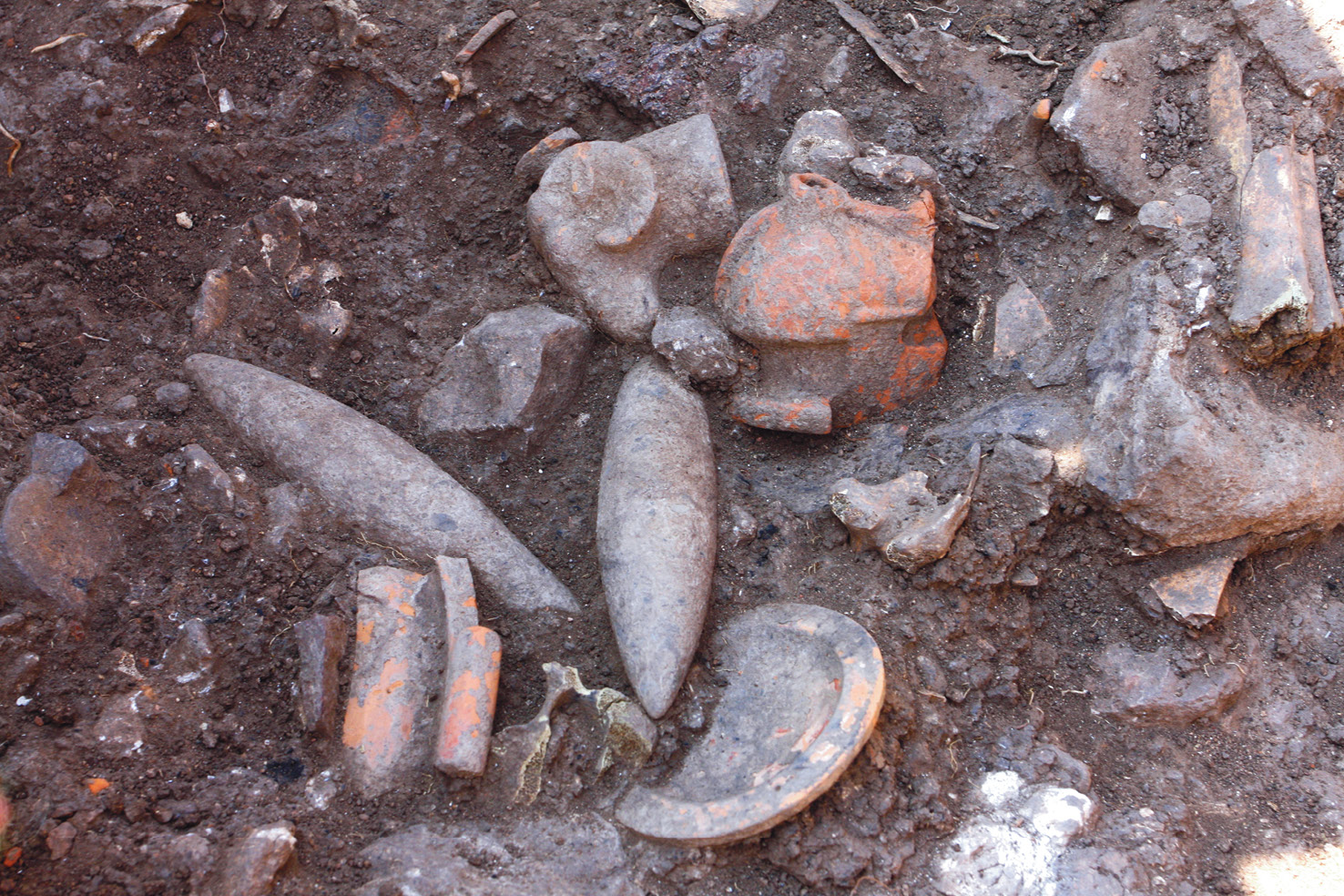
‘There are several independent indications of this’, says Margarit, ‘with the finds pointing to a major conflict between the Apollonians and the Macedonians, under Philip II. We know he conquered Thrace between 342 and 340 BC. In 339 BC, Philip II waged another campaign, and, although it is not mentioned in the ancient sources, we can be confident that this included fighting at Apollonia Pontica. The direct evidence takes the form of dozens of lead sling bullets found at several sites around Sozopol. They were thoroughly studied by my colleague Emil Nankov. Some of these projectiles are inscribed with names, several of which are already known from other sites that were attacked by Philip II.’
‘Some of my work on black-glazed pottery from the necropolis has also shed light on developments at this time. One of the interesting features of the cemetery are the so-called “ritual fireplaces” found associated with some burials. These deposits represent burnt areas containing broken vessels, animal bones, seeds, and nuts – the remains of food offerings for the dead. Because numerous pots were included in these assemblages, you can often compare vessel forms and get quite a narrow date range. This made it very apparent that, at some point after 350 BC, there was a sudden drop in the number of these deposits, which only reappear again in the late 4th century. So there was clearly some kind of interruption in the mid-4th century, at around the time of Phillip II’s campaigns.’
‘Even more dramatic testimony to this event may have been encountered during rescue excavations at Sozopol in the 1960s. These revealed a very interesting and unusual burial structure, which lay within the limits of the necropolis. It was technically not a tomb – because it doesn’t have an entrance – instead, it took the form of a very large stone cist, 3m long and 1.5m wide. What was found within it was even more extraordinary: a layer of charred human remains 30cm deep, as well as a bronze jar and a type of pot known as a red-figure krater. So we are looking at lots of cremated bodies, and the date once again seems to be the mid-4th century or just slightly later. The most reasonable explanation based on parallels from elsewhere in the Greek world is that these are the remains of people fallen in battle.’
‘All of this corresponds very well with the picture that we get from the harbour. There, we see plenty of material from the late 7th century, 6th century, 5th century, and first half of the 4th century BC. Then, there is a pronounced decrease in the amount of material visible. Although we’ve found some sherds belonging to the second half of the 4th century BC, a sustained recovery only becomes visible in the 3rd century BC. So we have a period of crisis in Apollonia that is clearly archaeologically attested. A similar story plays out at nearby sites, such as a Thracian emporium, where there are lots of stamped amphorae from the late 5th and the first half of the 4th century BC. The latest stamp fits perfectly with the apparent campaign of Philip II. So it seems that he arrived and totally dismantled the existing system. Afterwards, Apollonia went into decline, and never fully recovered. At the same time, another city – on the opposite side of Burgas Bay at Mesembria – began to grow in prosperity. Ultimately, these two cities fought a war, an event commemorated on an inscription dating to the early 2nd century BC. This was found at Histria in Romania, and is a copy of a decree issued by Apollonia Pontica to honour the admiral of a Histrian fleet that was sent to their aid.’
Fading grandeur
This clash with Mesembria was not the only expression of Apollonia Pontica’s woes. Instead, there seems to have been another crisis when the great necropolis was abandoned in around 250 BC, which is also a period when the agricultural territory associated with the city is known to have contracted. After all of these reverses, the Mithridatic wars marked another calamity for Apollonia Pontica. This conflict ran from 88 to 63 BC and pitted the Roman Republic against Mithridates VI, the King of Pontus. During the conflict, several cities surrendered to Rome, including Mesembria. It seems that Apollonia Pontica chose a different path, though, as the city was sacked in 72 BC. This presented the Roman proconsul of Macedonia with a fine trophy to send to Rome: the colossal statue of Apollo. In many ways, the loss of this extravagant expression of the city’s former wealth can be seen as an apt reflection of its straitened circumstances.
All images: Margarit Damyanov, unless otherwise stated