Subscribe now for full access and no adverts
Archaeological investigations by an international team of researchers have unearthed the earliest evidence for intentional human cremation in Africa.
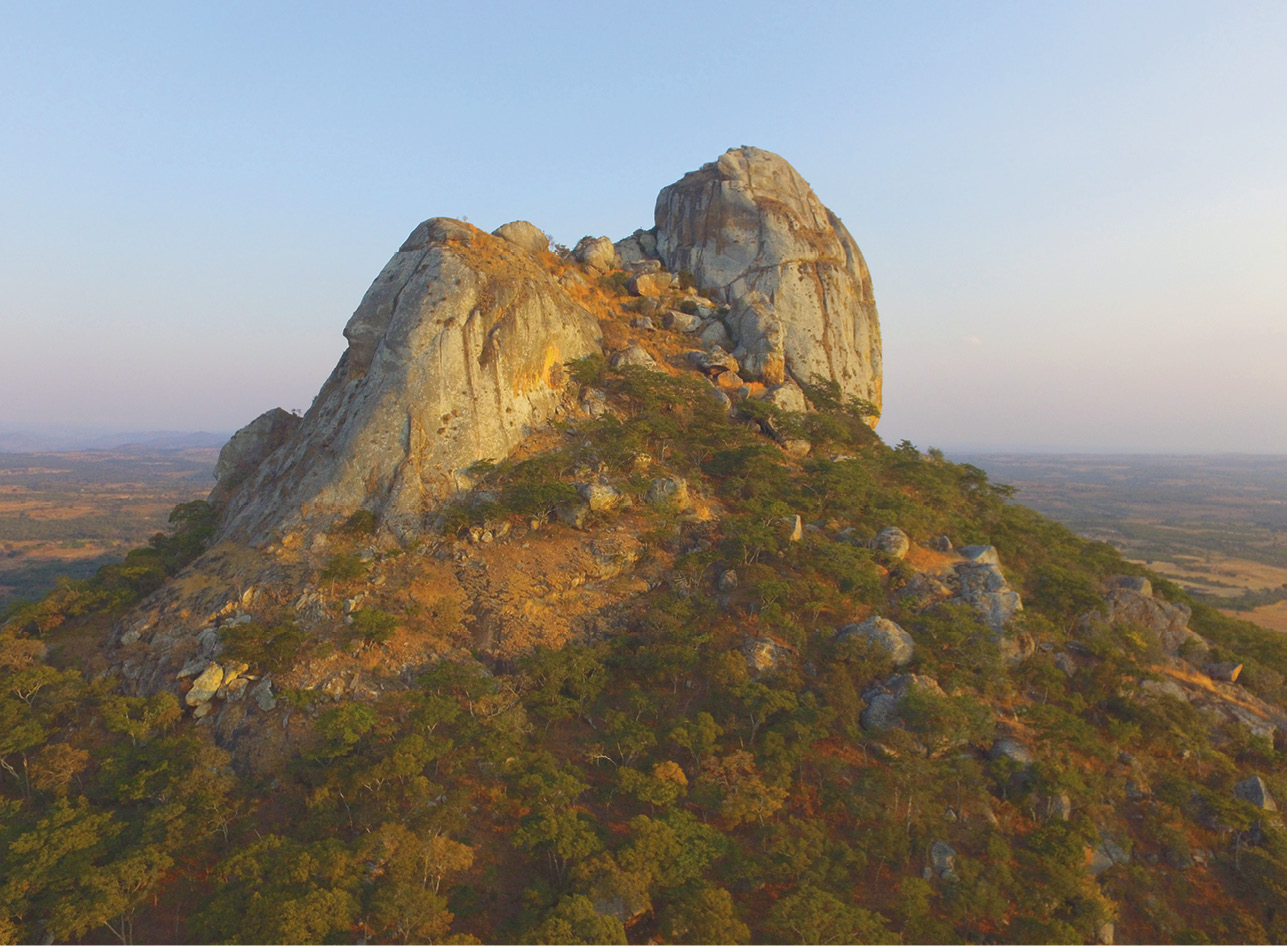
Around 9,500 years ago, a community of hunter-gatherers gathered more than 30kg of wood and grass to build a large funeral pyre in the shadow of Mount Hora, in northern Malawi. The individual cremated here appears to have been a small woman, 145-155cm tall, aged between 18 and 60 years old. Cut marks on the bones indicate that the body was subject to some degree of de-fleshing or disarticulation, and the absence of skull bones or teeth suggests that the head may have been removed prior to cremation. Stone tools associated with the body are believed to represent funerary objects placed in the pyre alongside the deceased or part of the knapping activity.
Analysis of the burned material reveals that the fire, which reached temperatures of more than 500°C, was refuelled and tended to during the cremation process. There are also signs that the body was moved around to assist with burning. It therefore appears that this was a communal event involving active attendance at the pyre.

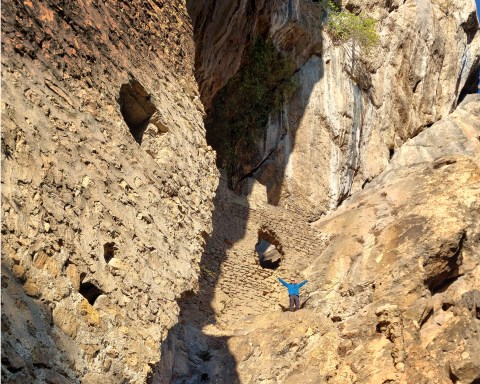
The cremation was discovered at a rock-shelter site known as Hora 1, which was first identified in the 1950s and has recently undergone further research. Activity at the site dates back to 21,000 years ago, and includes several other burials – none of them cremations – spread over a long period, the earliest dating to 18,000 and 16,000 years ago. Researchers have also uncovered signs that large campfires were being built in the same area from c.700 years before the construction of the pyre. There is evidence, too, that multiple large fires were lit directly on top of the pyre location within 500 years after the main event, although none were ever used for cremation. This suggests that the location remained a place of importance in local memory.
It is, however, unknown why this woman received such unique treatment. Cremation is exceptionally rare among hunter-gatherer societies; in Africa, the practice is not otherwise found until c.3,500 years ago, associated with pastoral Neolithic herders in Kenya. The oldest in situ funerary pyre known anywhere in the world dates to 11,500 years ago, from Xaasaa Na’ (Upward Sun River) site in Alaska, which contains the remains of a 3-year-old child. The discovery at Hora 1 is, therefore, not only the oldest known intentional cremation in Africa, but among the oldest found anywhere in the world, and the first example of an adult in a pyre.
This remarkable discovery highlights the complex mortuary practices and ritual activities of the hunter-gatherers behind the cremation, as well as the strong connections to the landscape that persisted among people in this region in the centuries that followed. The research has been published in Science Advances (https://doi.org/10.1126/sciadv.adz9554).
Text: Amy Brunskill / Images: Grace Veatch; Jacob Davis