Subscribe now for full access and no adverts
Smelly memories
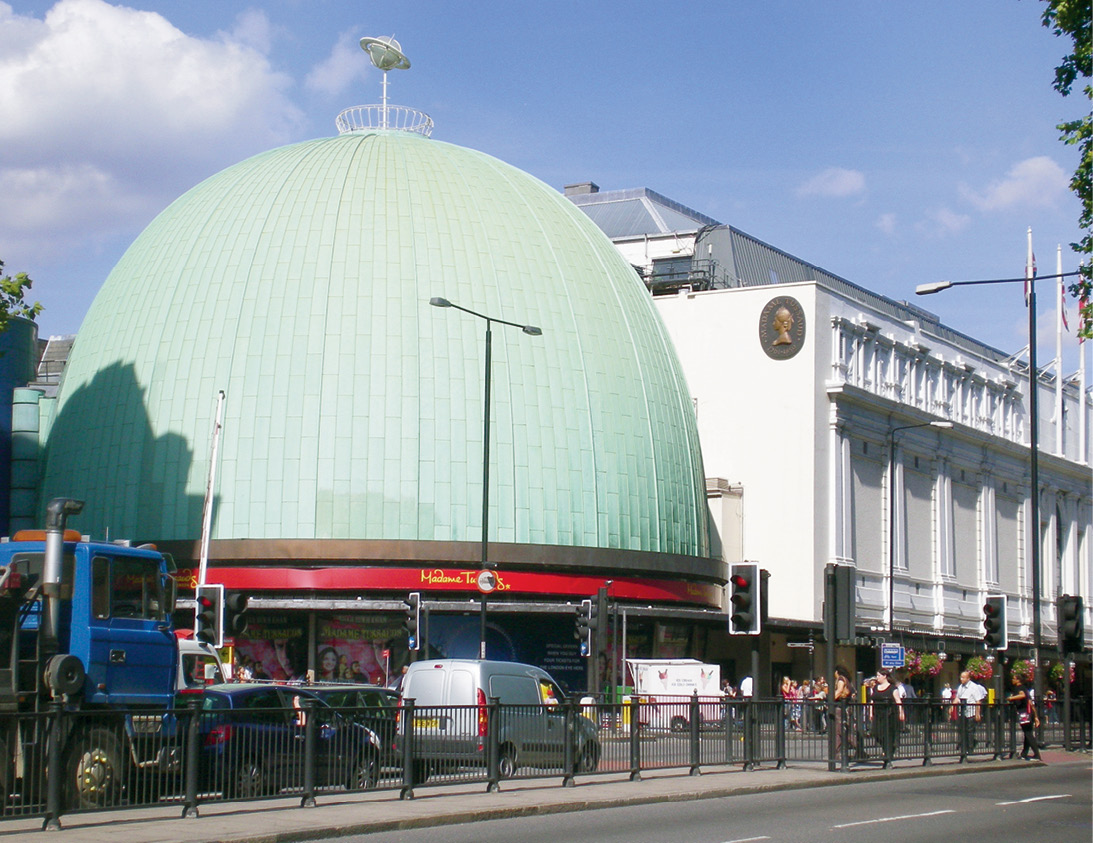
Please thank Chris Catling for his smelly article in CWA 129; smells and memories, it works both ways. I was reminded of a forgotten memory. Back in the late ’60s/ early ’70s, I visited Madame Tussauds (pictured): the memorable highlight, apart from Jack the Ripper and the torture dungeons (I was 10), was the lower gun deck of HMS Victory during the Battle of Trafalgar complete with soundtrack and smells, which seemed to be of the sweat, gunpowder, salt, and fear.
Pat McDonnell, Crosshaven, Cork, Ireland
Inter-regional conflict
Reading the ‘Special Report’ in CWA 128 on ‘Europe’s earliest inter regional conflict’, indicating that ‘the 13th century BC was a time when armed conflict may have been becoming more prevalent in general’, made me step back to look at the big picture of that time. I wonder if there was any relationship with this ‘increase in organised violence’ and ‘large-scale fighting’ to the population movement, possibly the result of climate change, that would be occurring throughout the eastern Mediterranean region, particularly in the Levant.
Certainly, around the turn of the 13th and 12th centuries BC we see large scale population movement, the end of some empires, and attacks by the ‘Sea Peoples’, among other changes resulting in the Late Bronze Age collapse. While the exact time-frame in the 13th century that this violence in Germany occurred is not mentioned in the article, could the type of conflict that was going on here and in other areas be the cause of the beginning of that tumultuous period?
Bill Di Paolo, Mancos, Colorado, USA
Unusual burial
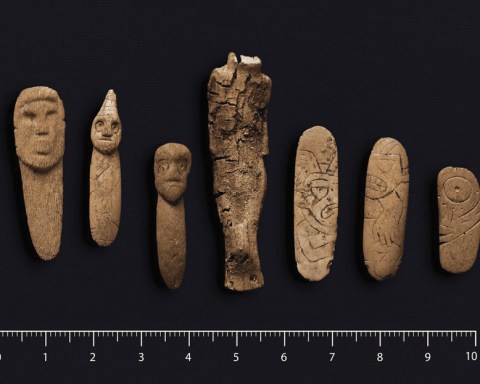
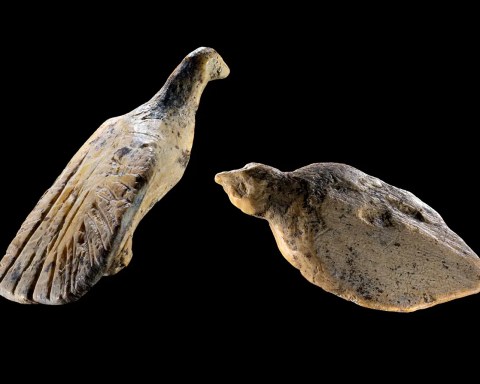
The remarkable burial of a young pregnant woman in Ecuador (CWA 130) raises more potential scenarios than the article articulates (I was so intrigued I read the source article in Latin American Antiquity, too). It would be really surprising if she was killed and dismembered by a political rival given the extraordinary value of her grave goods (pictured) – some of which pre-date her burial by 2,000 years – and the careful placing of these goods on her body. To posit she may have been a sacrifice also seems unsatisfactory, given the removal of her left leg and both of her hands.
Theoretical speculation needs to focus on why her hands and one leg were removed. What was so special about them? In life, did she use her hands for a special, critically important purpose? Was her leg removed to stop her leaving her grave? I suggest that this woman could have been a shaman or sorceress – whose magical prowess may have included creating magical artefacts – and as such that her body needed to be ‘put out of use’ just as material artefacts like swords and knives are frequently decommissioned by breaking and burying them. It is even possible that the blow to her head may have occurred just after she died as part of the decommissioning process. Of course, she may have been killed as well due to fear of her abilities. The fact that her grave was reopened several years after her death, with an offering placed within her body, suggests she had acquired mythological status.
Cathy Rozel Farnworth, Warleggan, Cornwall, UK

Your observations, your objections, and your opinions: send them to cwaletters@world-archaeology.com

Please note: letters may be edited; views expressed here are those of our readers, and do not necessarily reflect those of the magazine.