Cover Story
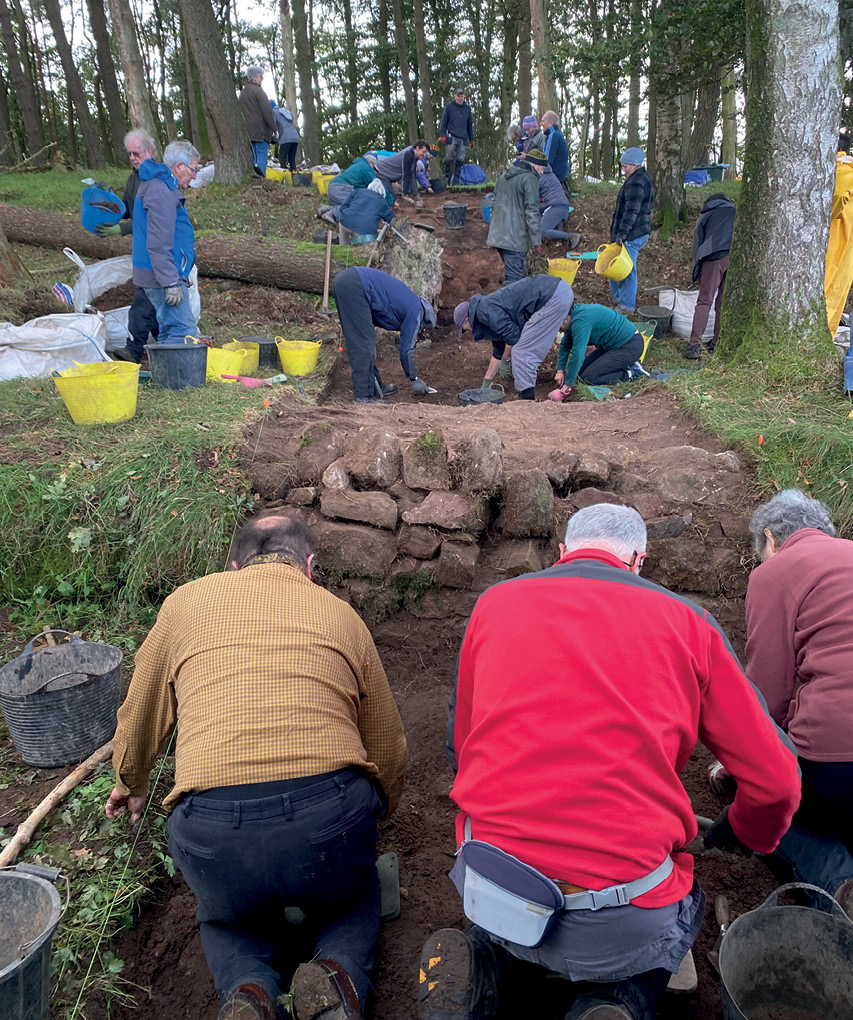
 The people of St Peter’s: Encountering a community from 19th-century Blackburn Recently published research from one of the largest cemetery excavations of its type outside London has shed vivid light on the experiences of almost 2,000 men, women, and children who lived and died in Lancashire around 200 years ago. Carly…
 Features
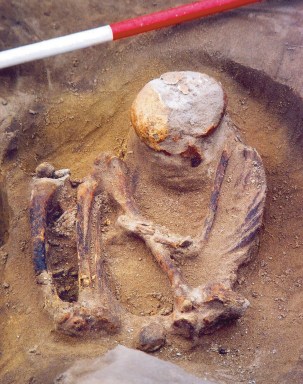 Cladh Hallan: Examining life and death in the Bronze Age and Early Iron Age What was life like in Britain 3,000 years ago? How did people live together, find their food and materials, and organise their domestic rituals and day-to-day activities? The Bronze Age…
 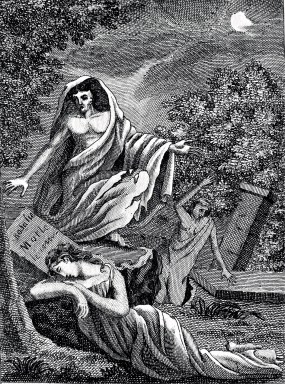 The dangerous dead: Exploring the cross-cultural continuity of deviant burials Vampires and zombies are not just the fictional creation of 19th-century novelists, nor modern film directors and creators of computer games – John Blair’s new book, Killing the Dead, shows…
 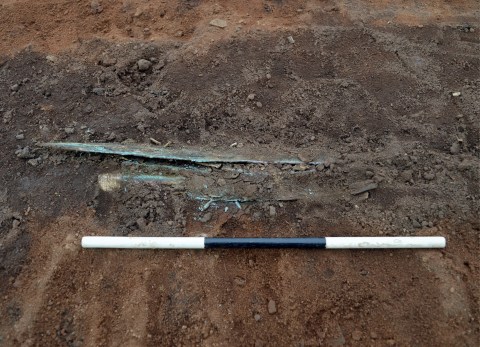 A tale of two hoards: Interpreting unusual Bronze Age collections from Carnoustie and Rosemarkie Bronze Age hoards tend to be found in watery locations – rivers, lochs, bogs – where they are routinely interpreted as ritual votive deposits. Two recently published examples, however, discovered…
 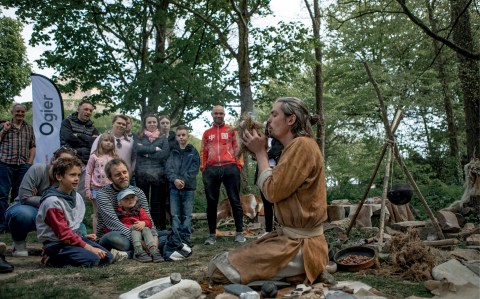 Testing times: Examining insights from experimental archaeology What have archaeological experiments revealed about how stone axes were sourced, made, and used thousands of years ago? James Dilley highlights some of the key findings.
 News
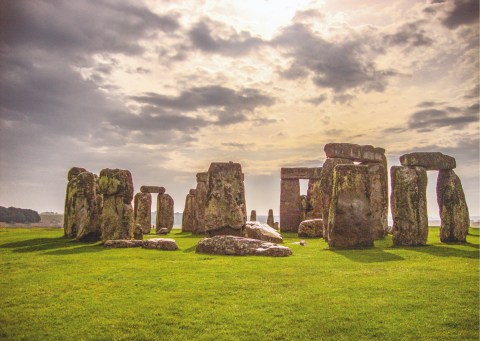 Science Notes: Legacies of lead in the Neolithic landscape Lead isotopes have frequently been used in archaeology to determine the provenance of metal objects. More recently, they have also been helping to assess mobility in humans and other animals.…
 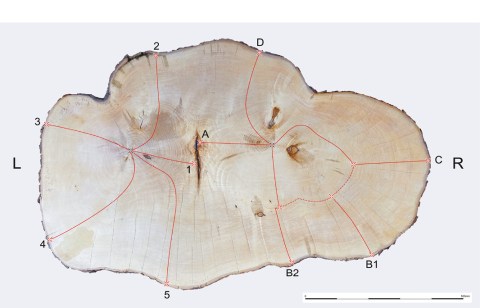 Dendrochronology provides date for Sycamore Gap tree New dendrochronological evidence has provided a minimum age for the tree that used to grow at Sycamore Gap on Hadrian’s Wall before it was illegally felled in September 2023. It…
 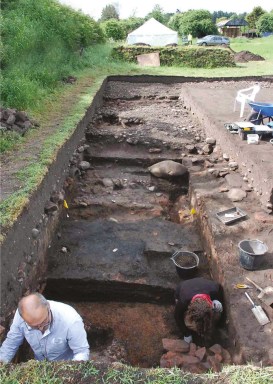 Ore mining continued in post-Roman Aldborough A new study, which was recently published in Antiquity, has examined a sediment core from a palaeochannel of the River Ure, near Aldborough in North Yorkshire, and combined it with…
 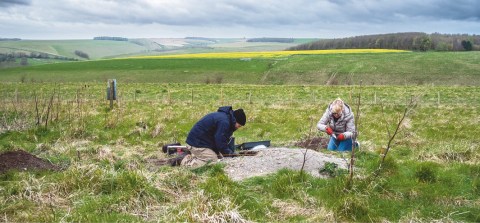 Middens reveal contrasting feasting practices in prehistoric Britain New research – using the largest multi-isotope dataset of animal remains yet generated in archaeology – has shown that communities in southern Britain had diverse ways of organising feasts during…
 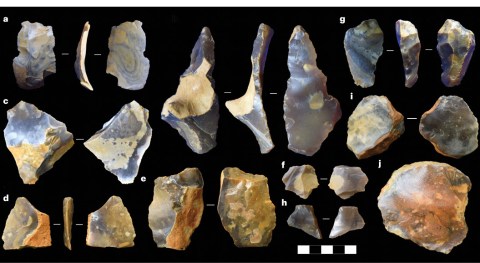 Early evidence of hominin activity found in Kent Excavations at Old Park, on the eastern outskirts of Canterbury in Kent, have revealed further evidence of occupation of the site by ancient hominin species. These new discoveries have dated…
  Millennia of activity discovered near the Eden Estuary Excavations in Guardbridge, along the Eden Estuary in Fife, have revealed a rich landscape of archaeological features spanning the late Upper Palaeolithic through to the modern day. Conducted between 2019…
  World news Large Iron Age settlement found in Czechia Archaeologists have discovered the remains of a large settlement dating to between the 3rd and 1st century BC in the Hradec Králové region…
 Views
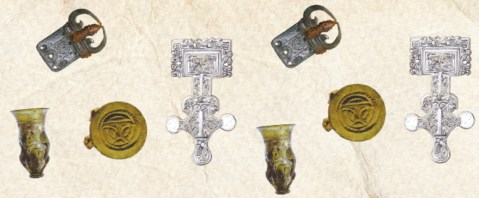 Current Archaeology’s October Listings: exhibitions, events, and heritage from home What's on There are lots of great ways to get involved with history and archaeology over the next few months, including exhibitions, lectures, and conferences exploring a wide range of subjects. If…
  Folklore to the rescue of eels Comment Folk memory, songs, place names, and oral histories are being deployed by the Somerset Eel Recovery Project (SERP) in its work to bring this critically endangered species back to the…
  Great prehistoric sites: Norfolk and Suffolk – Excavating the CA archive Comment In the previous few columns I have explored some of the great towns of Roman Britain – so, as a change of pace, here I will begin a new mini-series…
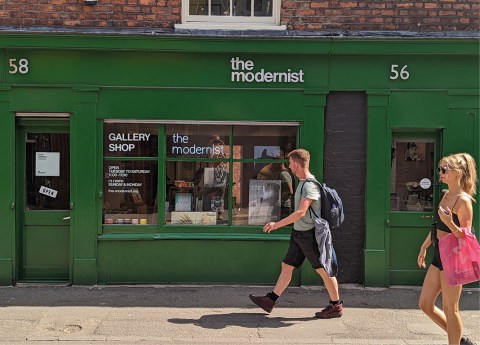 the modernist society Groups the modernist society (the lack of capitals is deliberate, in line with the modernist philosophy of embracing innovation and seeking freedom from traditional forms and established rules) is the meeting…
 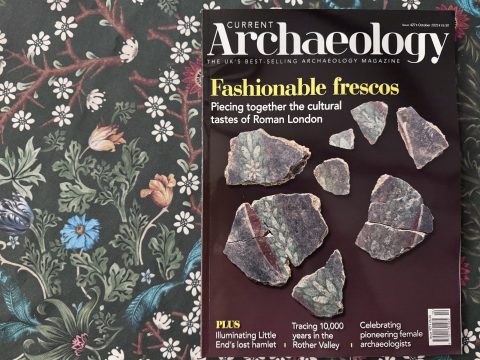 CA 428 Letters – October Letters Roman Morris Having just received the latest issue of Current Archaeology, I placed it on our recently purchased tablecloth, the pattern of which is based on the ‘Blackthorn’ design by…
  Curating the Mold Cape: Museum of Liverpool The Picture Desk This ornate artefact is known as the Mold Cape. Thought to date to c.1900 1600 BC, it is one of the finest examples of prehistoric sheet gold-working yet found in…
  Finds Tray: Birdlip brooch Objects This Birdlip brooch was found by a metal-detectorist near Catterton in North Yorkshire this past June, and is believed to date between the late Iron Age and early Roman period.…
 Reviews
Current Archaeology’s October Listings: exhibitions, events, and heritage from home There are lots of great ways to get involved with history and archaeology over the next few months, including exhibitions, lectures, and conferences exploring a wide range of subjects. If… 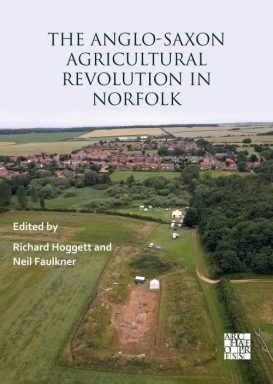 The Anglo-Saxon Agricultural Revolution in Norfolk REVIEW BY KK Encapsulated within this volume are the published proceedings of the conference held in 2020 to mark the 25th anniversary of the Sedgeford Historical and Archaeological Research Project…
 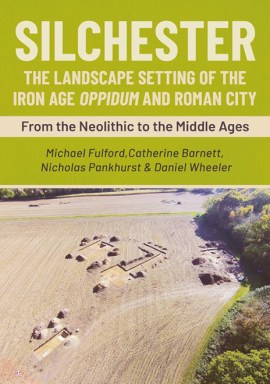 Silchester: the landscape setting of the Iron Age oppidum and Roman city REVIEW BY NEIL HOLBROOK It is always instructive to look at the areas surrounding famous archaeological sites, as they can provide valuable context for the well-known remains. So it is…
  The Vikings in the Hebrides REVIEW BY ALEXANDRA SANMARK This book is a welcome addition to our knowledge about Viking Age and Norse colonisation and settlement in the Hebrides, and provides the first overview of…
 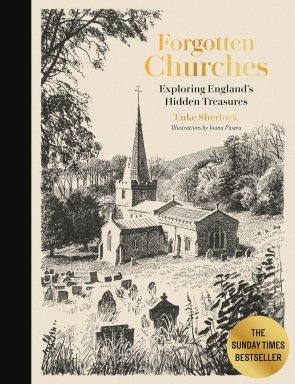 Forgotten Churches: exploring England’s hidden treasures REVIEW BY ADAM KLUPS Luke Sherlock’s Forgotten Churches is a visually rich and thoughtfully curated tribute to England’s sacred spaces. As a long-time follower of Sherlock’s Instagram account @englishpilgrim, I…
  Animalia: animal and human interaction in the early medieval English world REVIEW BY CARLY AMEEN This fifth volume in the ‘Daily Living in the Anglo-Saxon World’ series exemplifies contemporary interdisciplinary scholarship. The editors, Maren Clegg Hyer and Gale R Owen-Crocker, have…
 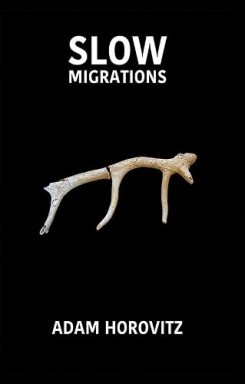 Slow Migrations REVIEW BY CH For this collection of 34 poems imagining western England’s prehistoric and Roman pasts, Slow Migrations is a fitting title. Many of the works within – inspired by…
From the editor
You might notice that our first three features all begin with a photograph of a burial. Spanning around 3,000 years and hundreds of miles, as a set they highlight the diverse ways in which past populations have interacted with the dead, exploring what these can tell us about the living.
This month’s cover feature takes us to Blackburn in Lancashire, where the largest cemetery excavation of its type undertaken outside London has recovered the remains of almost 2,000 men, women, and children who were laid to rest beside St Peter’s Church in the 19th century. Despite the scale of these investigations, subsequent analysis and historical research tell a strikingly intimate story, speaking of family relationships, community aspirations, and distinctive local burial traditions.
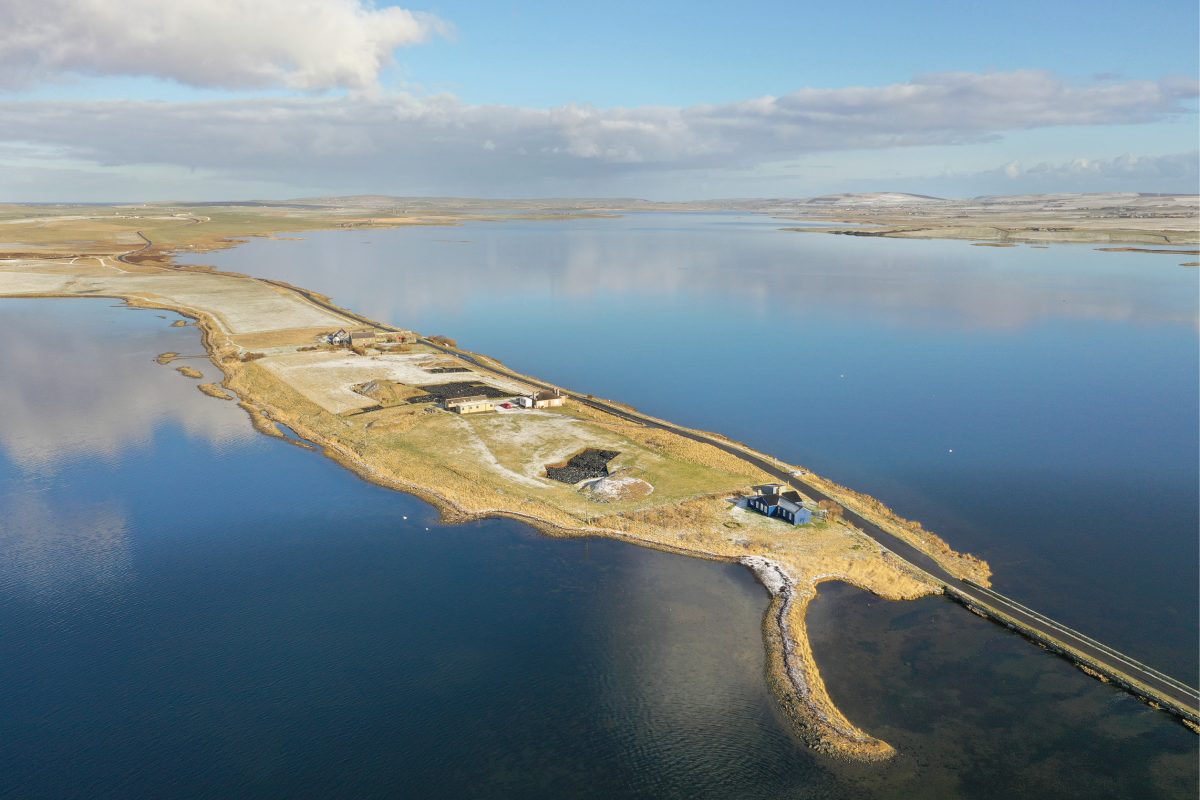
We also visit Cladh Hallan in the Outer Hebrides: an intriguing Bronze Age and Iron Age site where prehistoric farmland evolved into a cemetery and then a settlement. The dead, too, were transformed over time, with later generations revisiting and rearranging their remains before building roundhouses over their graves.
While the people of Cladh Hallan were clearly comfortable with living alongside the dead, however, the final feature in this funerary triptych tells a contrasting tale, examining historical efforts to keep the dead in their graves, from Roman ‘deviant’ burials to 18th-century ‘vampire killings’.
A rather different kind of burial forms the focus of our fourth feature, which teases apart the contents of two unusual Bronze Age hoards found 150 miles apart in Scotland.
Finally, the past and present collide in this month’s as we highlight ways in which experimental archaeology can help to bring even very distant worlds into sharper focus.
CARLY