
Subscribe now for full access and no adverts
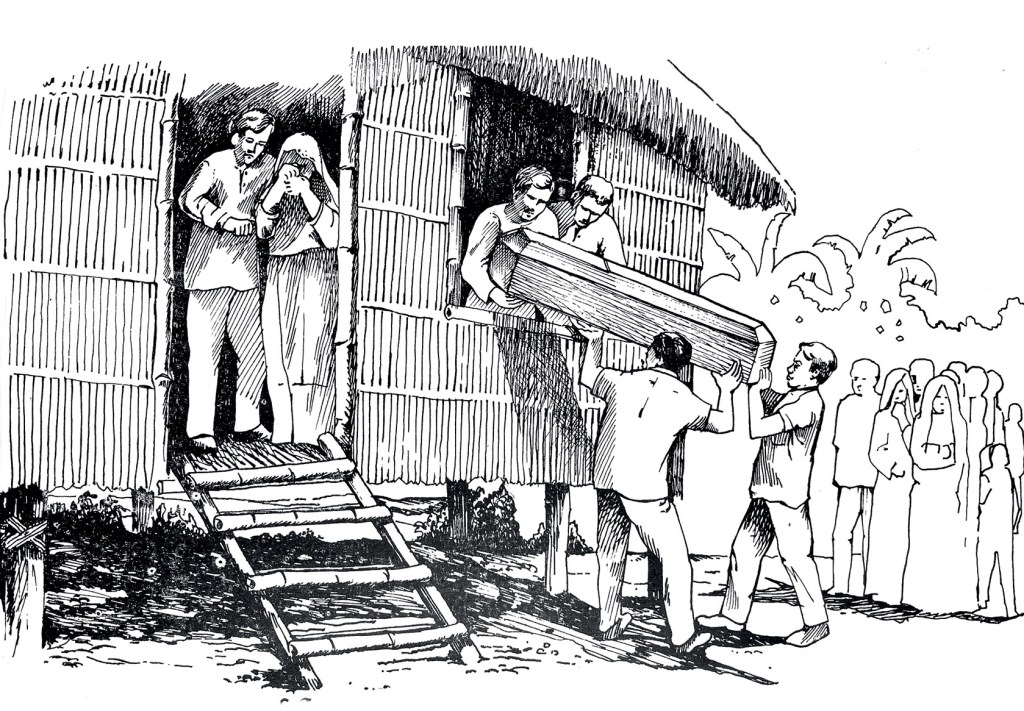
On 1 March 1755, the Empress Maria Theresia (1717-1780), ruler of the vast Austro-Hungarian Empire, issued a decree in which she said: ‘we have observed with displeasure… what recently happened in our margravate of Moravia: …various corpses were exhumed from a cemetery by clergy under pretext that they were afflicted with the so-called “posthumous magic”, and one of them was burned, even though investigation of the case revealed nothing unnatural. Since this often involves superstition and fraud, and we will in no way allow such sinful abuses in our territories, they will henceforth be subject to the most severe penalties.’
For the Empress to concern herself in this way suggests that she was describing more than an isolated incident, and one with serious political and religious implications. As John Blair explains in Killing the Dead (see ‘Further reading’ below), this period saw an epidemic of so-called ‘vampire-killing’ episodes, beginning in the 1710s, reaching peaks in the 1720s and 1740s, and climaxing in the 1750s; an average of 15 recorded instances of corpse ‘killings’ took place in the Austro-Hungarian Empire every decade over this 50-year period.
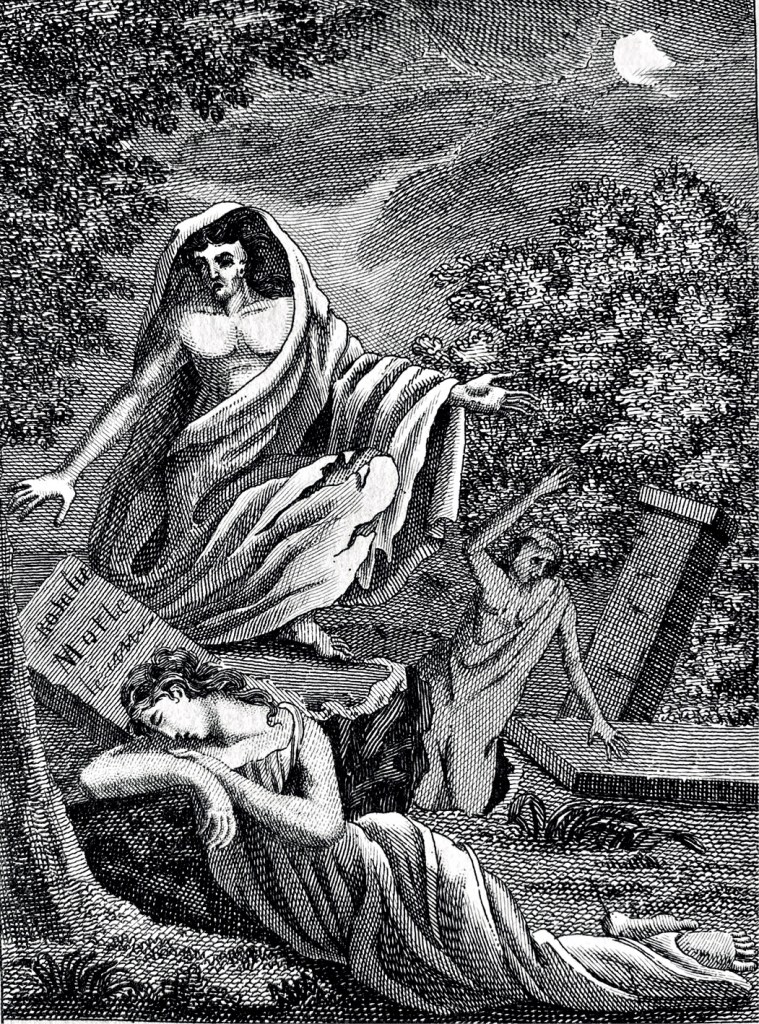
The response of the Habsburg bureaucracy was to despatch official investigators to the regions where most of these incidents were taking place – especially the militarised frontier zones of Serbia and northern Bosnia. They reported, in highly colourful detail, on what they found: multiple examples of recently dead people being dug up from their graves and ritually ‘killed’, either by having a stake driven through their hearts or by being burned. In each case, the bodies so exhumed were said to have remained uncorrupted, and were reportedly bloated with blood, or with red cheeks, red lips, or smiling expressions; blood found in their mouths was said to be that of their victims and cited as clear evidence of their post-mortem crimes.

For example, during 1725-1726, the corpse of an individual named Arnaut Pavle (‘Albanian Paul’) was exhumed and burned for causing a number of deaths. In life, he had himself complained about being plagued by a vampire; he had ‘cured’ himself by eating soil from the vampire’s grave and smearing himself with its blood. But he then fell and broke his neck. After burial, he became a vampire himself, according to local witnesses. It was asserted that the dead Pavle had killed a sheep and that those who fed on its meat subsequently died. One survivor of the sheep-poisoning incident claimed to have protected herself by smearing herself with vampire blood.

Because of the detail given in these reports, the events they describe have received much commentary from writers of every variety – including historians, psychologists, journalists, and novelists. The very word ‘vampire’ first appears in print at this time in a letter published on 3 February 1732 in a Nuremberg scholarly journal. In it, Dr Johann Friedrich Glaser wrote: Omnibus igitur his Vampyris (sic scilicet in iiis oris vocantur…), which translates as, ‘Therefore, from all these Vampires – for that is what they are called in these places…’. Academic interest in the topic was also stimulated to a degree unequalled before, or since, with no fewer than 12 books in Latin and German published by the end of that same year, 1732.
But, John Blair argues, it would be a mistake to regard this period as marking the ‘invention of the vampire’. The idea of the predatory corpse – one that is either reanimated by a demonic being or by the restless spirit of the dead person – is very ancient and is still alive to this day.
Preponderance of prone burials
John’s book is mainly concerned with the extraordinary range and longevity of vampiric beliefs as revealed through ethnography, folklore, church records, medical practice, and written sources generally, but he investigates the evidence from burial practices, too, identifying different forms of interment that have been labelled as ‘deviant’ in archaeological literature – meaning not conforming to normal expectations of the way the dead should be respectfully treated. John himself prefers the term ‘countermeasures’, in the sense that some of these practices could be interpreted as intending to prevent the dead from escaping the grave to inflict harm on the living.

The first category is disorderly burial, in which the dead are found lying in postures that suggest the struggle to escape of a still-living person, either accidentally or deliberately buried alive. In practice, it is very difficult to prove that such twisting and distortion is a reliable indicator of irregular burial, since the natural processes of decay can produce similar results. Equally, it is impossible to prove that a face-down burial with wildly spread limbs or one thrown roughly down on its front and weighted with stones was a living and struggling person at the time of burial.
Interment in the prone (face-down) position has been practised widely throughout human history, and it has been suggested that this indicates the burial of deviant or excluded members of society, especially in contexts of disruption, migration, and violent contact between different groups. On the one hand, narrative and folkloric data show that laying corpses face-down (or turning them over at a later stage) is one of the most widely practised forms of corpse-killing. Famously, however, the body of the Frankish king Pepin the Short (d. AD 768) was found prone when exhumed in 1137, a gesture interpreted as one of humility.

The rationale given in folklore for face-down burial is that any reanimated corpse that tries to escape the grave will find themselves digging downwards. The following conversation recorded by F T Elsworth, and published in an article called ‘How to Bury a Witch’ in the Transactions of the Devonshire Association 34 (1902), bears this out:
Farmer: S’pose you’ve a-yeard th’ old ’umman [name] is dead to last… Her was that wicked, her died awful. Her died cussin’ and dam’in [name] wi’ the words in her mouth.
Squire: Poor thing! I suppose she was mad… It’s a good thing for us she is not going to be buried here, for she’s sure to be troublesome wherever she lies.
Farmer: Oh, no, her ’ont, sir. You knows Joe, don’t ’ee, sir? Well, I seed Joe this morning, and he’s gwain to help car’ her; so I sez to Joe, say I, ‘For God’s sake, Joe, be sure and put her in up’m down’.
Squire: Do you mean that the coffin is to be turned upside down?
Farmer: Ay, sure, and no mistake! Her ’ont be troublesome then, ’cause if her do begin to diggy, her can on’y diggy downwards.
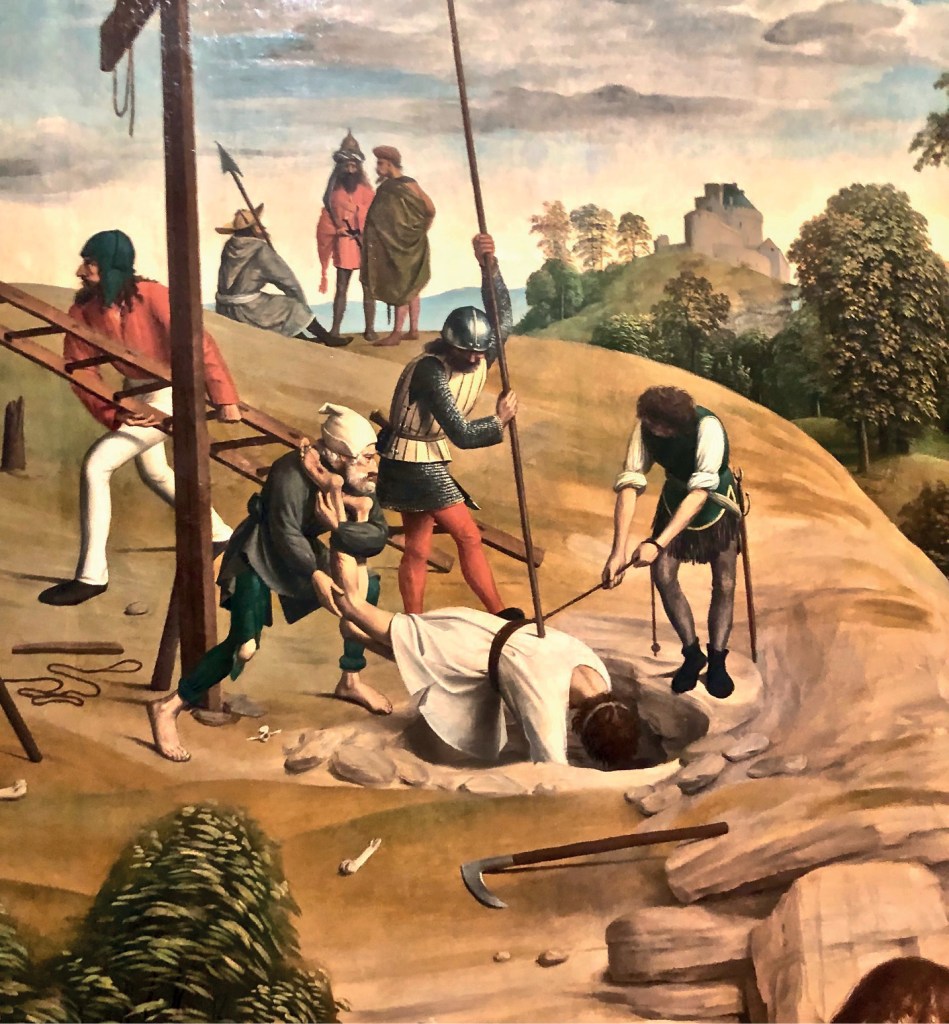
Symbolically, face-down burial inverts the normal order; to bury somebody like this is to subject them to public disgrace. The bad thief crucified with Christ is occasionally shown in Flemish art as having been buried in this way, so it was clearly understood in the late Middle Ages as a punishment suitable for executed criminals.

Archaeologists have tended to interpret prone burial as evidence of corpse-killing, especially when the face-down position is accompanied by other diagnostic features, such as loading down the body with stones. Large stones placed on top of a corpse are common finds, especially in prehistoric contexts, and could be seen as an act intended to keep the dead from rising from the grave. This interpretation is supported by folkloric reports of very large stones being used for this purpose, especially when aimed at the heads of suspected vampires.
Again, this cannot be taken as unequivocal evidence of corpse-killing, but it is a suggestive factor, as in the scene in Shakespeare’s Hamlet (Act 5, Scene 1, lines 225-233) in which the priest officiating at the burial of Ophelia expresses his concern that he has been commanded by the king to give her a Christian burial, despite the fact that she took her own life. ‘Her death was doubtful’, he says,
And, but that great command o’ersways the order,|
She should in ground unsanctified have lodged
Till the last trumpet. For charitable prayers
Shards, flints, and pebbles should be thrown on her.
Yet here she is allowed her virgin crants,
Her maiden strewments, and the bringing home
Of bell and burial.
In other words, instead of prayers, the priest believes she should have had rocks, sharp stones, and broken pottery thrown on her body – a symbolic form of pinning down a body that might become restless.
Allied to this is the practice of fooling a corpse suspected of being likely to cause trouble by scattering grain or seeds in the coffin or grave-earth. The use of mustard and poppy seeds against vampires is widely mentioned in folklore, and the usual explanation is that the dead person will feel obliged to count them and will never finish the task.
Desecrating the dead
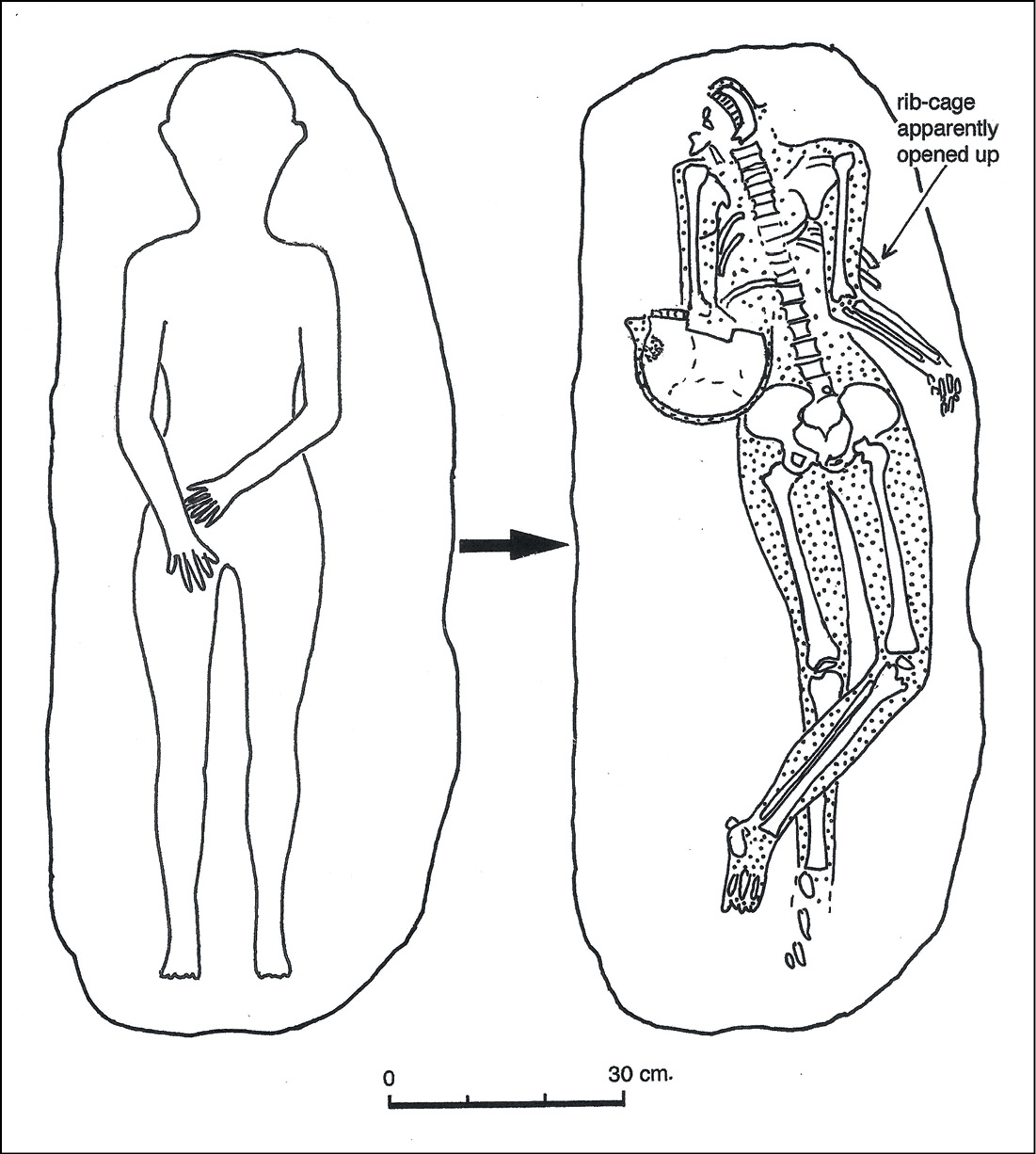
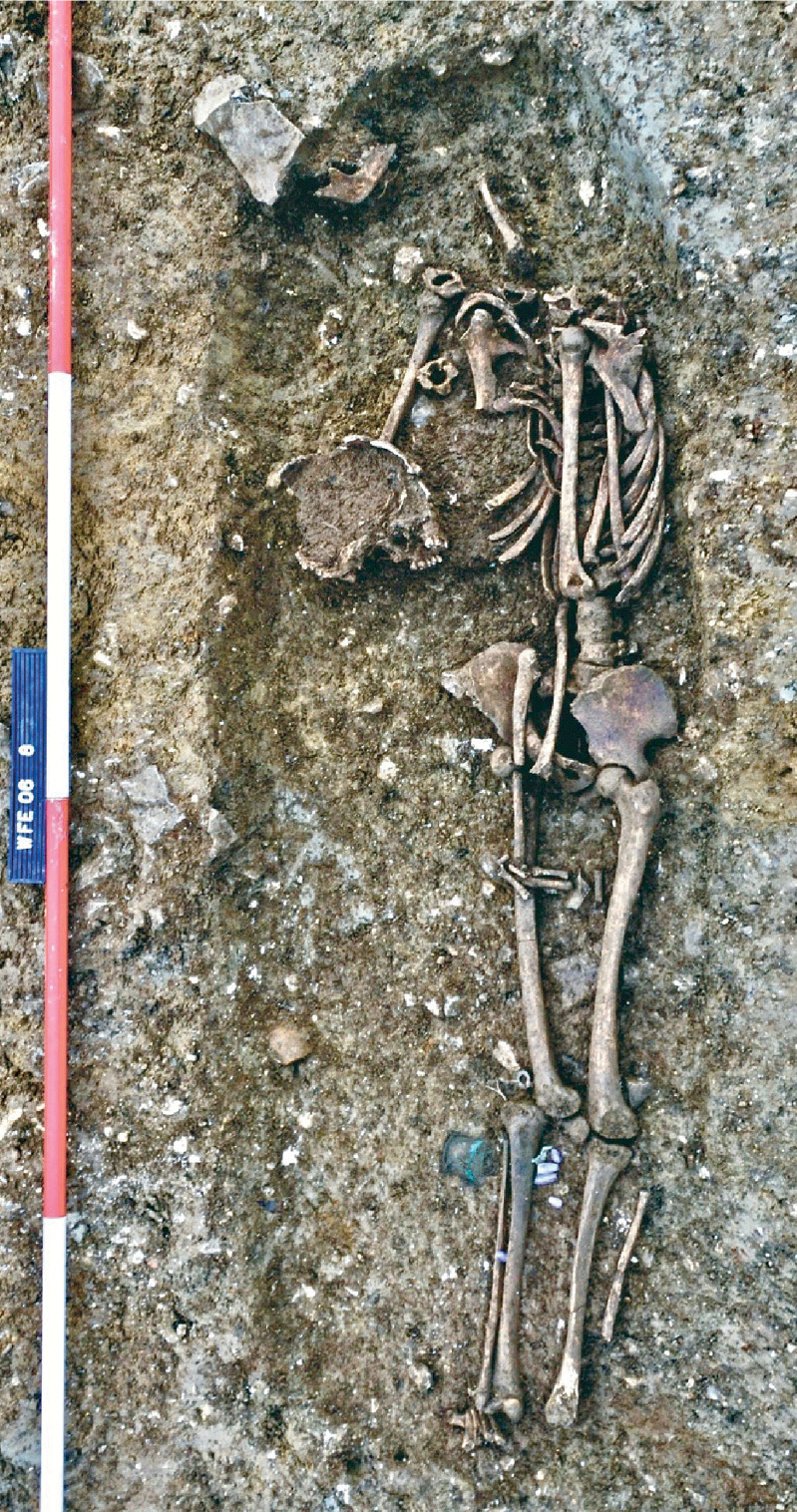
As for decapitated bodies, the favoured explanation is some form of execution. Cemeteries specifically for the executed tend to be easily recognised, whereas decapitated bodies in a normal cemetery might have a different explanation. The practice of detaching the head with a spade as the corpse lies in the grave is widely documented in medieval and early modern Europe, while the narrative and folklore evidence for posthumous beheading is so abundant that it must be considered as another measure against the restless dead.


A related practice is the regularly encountered detachment of the lower jaw from the cranium and its removal to a different part of the grave (which sets such cases apart from those that might be explained through natural decay). Similar to this is the binding of the jaw or the insertion of a stone into the corpse’s mouth or under the chin, all designed to frustrate a revenant’s ability to bite, suck, chew, or speak. One of the very earliest textual references to this practice – in the form of a cuneiform inscription in the tomb of Queen Yâba at Nimrud (now Iraq) in the 8th century BC – refers to blocking a dead person with cloths to prevent them from rising up and complaining.
Decapitated and face-down burials in Roman Britain have attracted much interest and comment, and both rites were used widely across Midland Britain, in both rural and urban contexts, and for both sexes. Decapitation, with the head being placed between the legs, seems to be a distinctively British peculiarity, and the practice increased markedly during the 3rd and 4th centuries AD, at a time when, under the influence of Christianity, cremation was being abandoned. This may well have resulted from heightened anxiety about the reanimation of the dead, though there are no clear patterns, and no clear evidence of an aim to keep the dead down. The decapitated and prone groups each comprise just under 4% of known Romano-British inhumations: that perhaps provides some measure of the proportion of people thought likely to cause trouble after death.
Bodies found with bones that have been bent into sometimes unnatural positions that would only stay in place when tied (in contrast to normal wrapping in a shroud) indicate an intention to restrain, consistent with binding a prisoner before execution or a purposeful attempt to prevent a corpse from becoming active after death. The same could be said of the removal or maiming of feet and limbs, which Aristotle declared was an ignominious mode of burial meted out by Athenians to those who had taken their own lives. Other sources from ancient Greece record the removal of the feet, hands, and other extremities of dead enemies and placing them under their armpits – a shaming ritual, designed to disable and disempower the potentially vengeful subject. It is the symbolic opposite of the Roman practice of burying the dead with shoes to enable them to walk to the next world.
A late medieval parallel is found in a Breton story about a troublesome revenant who was in the habit of wandering at night and throwing stones at the people he encountered, often wading through mud in the process. Sure enough, when his body was dug up, the corpse was found to be muddy up to the knees and thighs, so his former neighbours ‘decided to pull him out of the grave and break his thighs’, after which he was not seen again.
Driving a wooden stake through the body is the classic folkloric recipe against vampires, and is mentioned by the early 11th-century Bishop Burchard of Worms, whose long list of superstitious errors includes the practice of ‘certain women, inspired by the devil’, of driving a stake through the body of infants who die unbaptised, ‘saying that if they do not do this, the little child would rise up and would be able to injure many’. Similarly, if a woman dies in childbirth, ‘they transfix both mother and infant with a stake driven into the earth in the same grave’.
Wooden stakes rarely, if ever, survive in archaeological contexts, but there is plenty of evidence for the practice of driving nails into or next to the joints of selected bodies – a common rite in the late Roman Mediterranean. In a cemetery at Godalming, Surrey, which was in use from AD 850-1120, some 4% of the burials, mostly male, have iron nails driven into their shoulders, necks, and knees. In one case, a large iron spike had been driven into the hips of the deceased. Again, that figure of 4% implies a belief persisting over many generations that about one corpse in 20 might be threatening to the point of needing some form of restraint.
The difficulty of making an absolute interpretation based on the use of spears or knives to pierce the body of the deceased is illustrated by the example of an Iron Age warrior from a cemetery in East Yorkshire, where multiple spears were driven down into the grave of a possibly high-status individual – leaving archaeologists unable to decide whether this was a mark of honour or a gesture of fear. Perhaps less ambiguous is the burial of a young adult male on the edge of a 6th-century cemetery at Harwell, Berkshire, who was pierced directly through the heart with an iron spearhead.
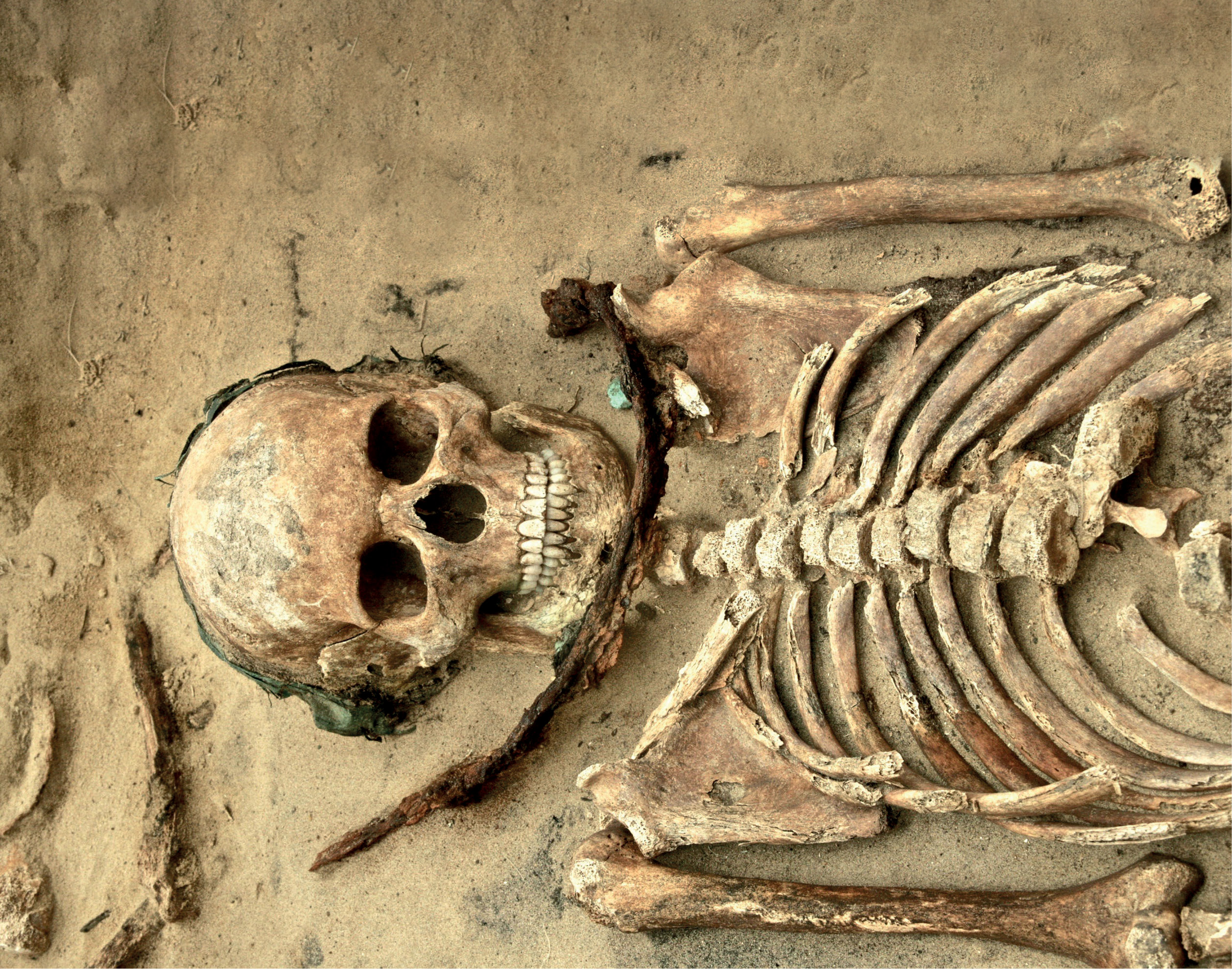
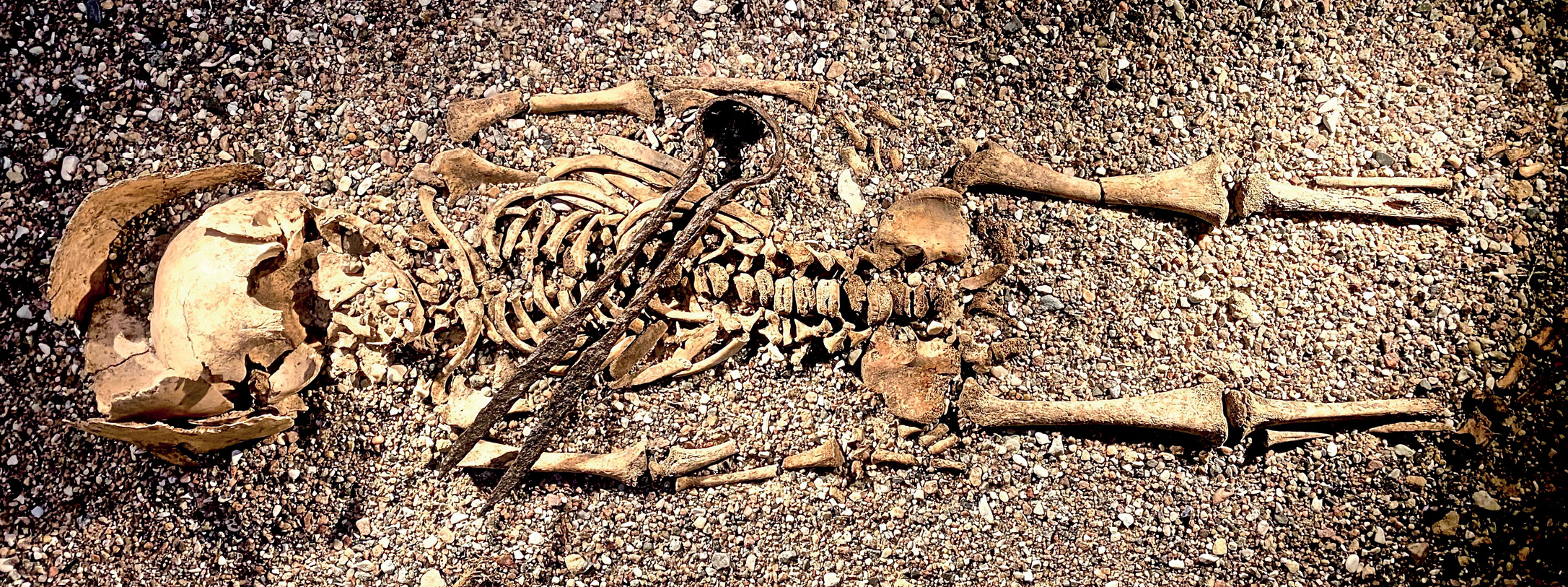
Puncturing or cutting out the heart is one of the most frequently described countermeasures found in folkloric accounts, as is the placing of sharp objects to keep the corpse down. Sickles have been used as grave-goods, with a range of symbolism that does not necessarily indicate fear of the dead, but a group of 17th-century female burials in northern Poland with sickles hooked around their throats seem to be unambiguous cases of corpse-killing.
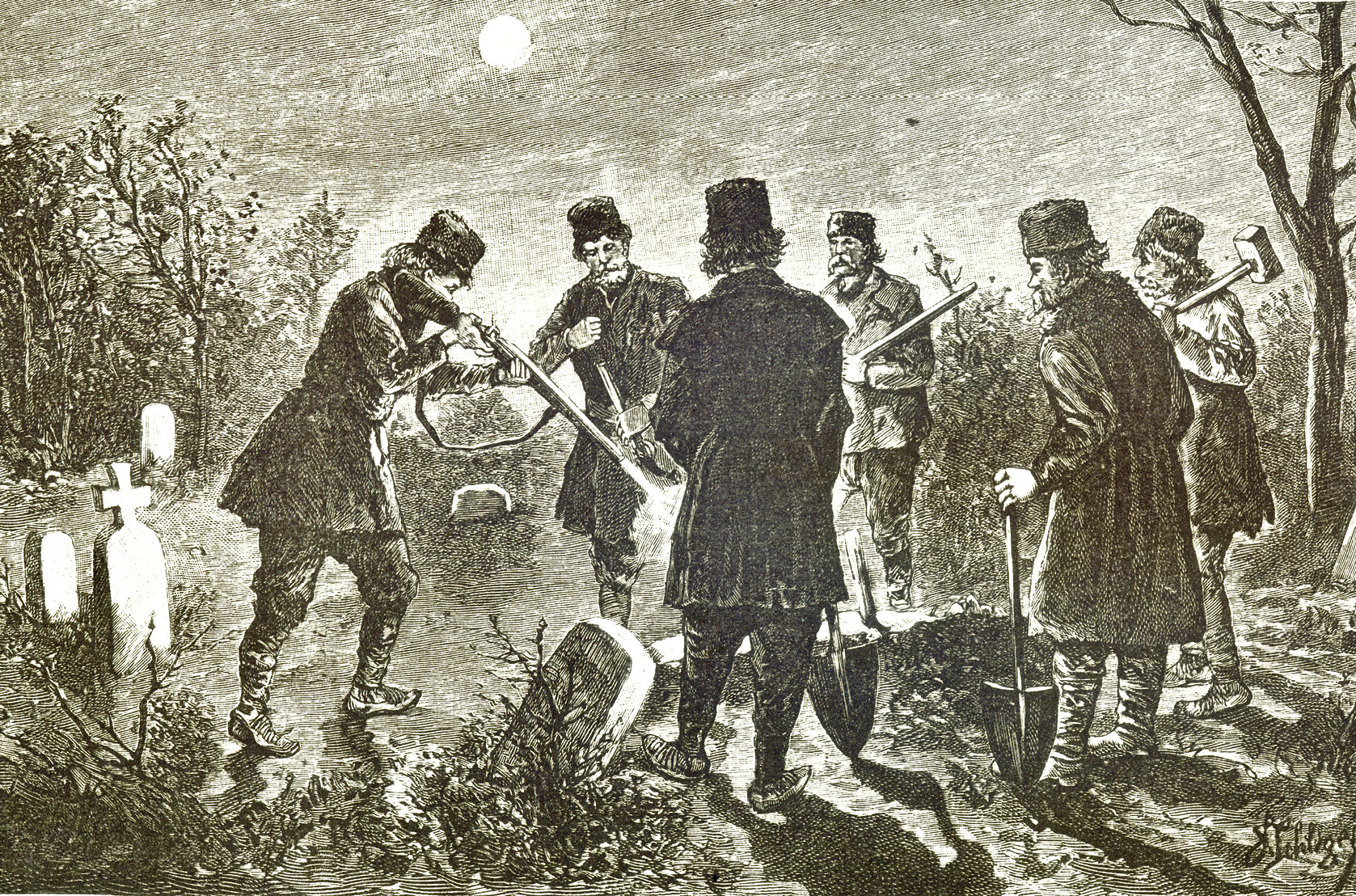
All the practices described so far took place at the time of burial, but the kind of corpse-killing that the Empress Maria Theresia so deplored involved exhumation followed by the burning of the corpse or deliberate mutilation. Archaeological evidence for grave disturbance has traditionally been labelled as grave-robbing, but such episodes could also be interpreted as aggressive attacks on the dead individuals, such as the events recorded at the two great Norwegian ship-burials at Oseberg (two women buried in AD 834) and Gokstad (a man buried c.900). Between about 950 and 980 (in other words during early Christianisation), intruders tunnelled into the chambers on both ships, dragged out the (now skeletal) corpses, and mutilated them with extraordinary violence; in particular, the skulls were smashed into small fragments. The scale of the operations shows that these were not secret robberies, but public attacks on the dead, who must have been viewed as noxious and dangerous forces inside their barrows, requiring neutralisation, long after their burial.
Cross-cultural connections
Overall, the archaeological data that John Blair describes in detail in his book add up to an abundance of evidence to support the ethnographic, literary, and folkloric testimony that he also cites to show that corpse-killing has been a frequent and widespread practice throughout human history.
In normal circumstances, the spirits of the dead are seen as a force for good. Their burial places constitute a form of title deed, a statement by the community of long-standing ancestral land-ownership. In many societies to this day, ancestors are seen as able to exercise benign influence over the living if treated well, either through direct intervention or by intercession – asking an ancestor or a saint to represent your interests to the supreme deity.
Intruders tunnelled into the chambers on both ships, dragged out the (now skeletal) corpses, and mutilated them with extraordinary violence.
It is logical to suggest that, if the dead can help in benign ways if placated or treated with respect and honour (for example, in Chinese communities, students might make offerings to an ancestor renowned for wisdom to ask for help in a forthcoming exam), they can also turn nasty, especially if they were regarded as having lived or died badly (again, in Chinese communities, offerings are made in the autumn to ‘hungry ghosts’ – those whose deaths have been violent or unhappy or who have been neglected by their descendants).
John Blair argues that the restless dead are most likely to be attacked at times of societal stress, marked by events that upset the customs and belief-systems that underpin stable life. Catastrophic events and periods of acute violence and disease are easily blamed on the malign influence of the dead, who are only separated from the living by the thinnest of veils in many forms of religious belief and cultural practice.

Corpse-killing represents the persistent human need for a scapegoat, a propensity so strong that it motivates people to perform what are, in fact, deeply unpleasant rituals. That people can bring themselves to commit such acts suggests that protecting the living from further harm is a much stronger motivation than the natural horror at the idea of handling and abusing decayed bodies.
Tragically, vengeful hatred has often been directed irrationally against neighbours and those identified as ‘different’ by their peers. The ‘vampire epidemics’ discussed in this book mainly occurred at traumatic junctures of the kind that breed fear and paranoia, leading communities to attack marginalised individuals. On the other hand, John concludes, killing the dead is relatively innocuous compared with the alternative: killing the living.
Further reading:
John Blair (2025) Killing the Dead: vampire epidemics from Mesopotamia to the New World (Princeton University Press, ISBN 978-0691224794, £30).