Subscribe now for full access and no adverts
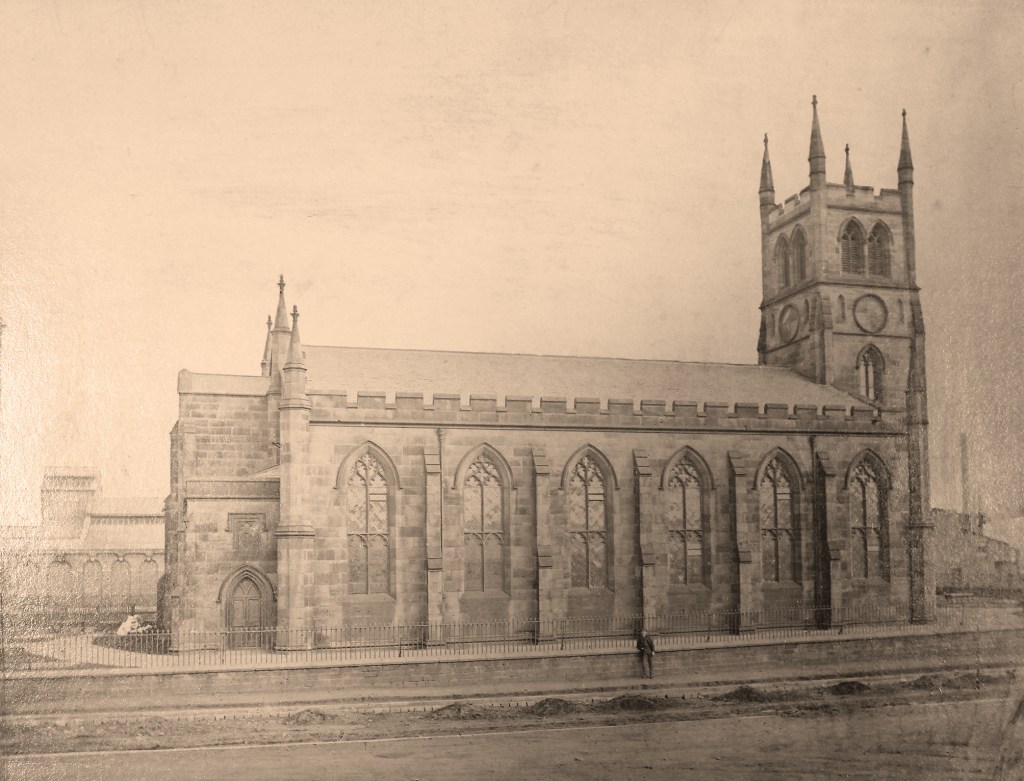
On 30 September 1820, the cornerstone for a new Anglican church was laid in Blackburn town centre. Consecrated the following year, St Peter’s had been built to help accommodate the Lancashire town’s rapidly growing population – a demographic boom largely driven by the flourishing local textile industry. As well as supporting the spiritual needs of its living congregation, the church had a cemetery that was in regular use, receiving over 6,000 burials until 1858 when a new municipal cemetery was built on the outskirts of the increasingly crowded urban area. The church itself continued as a busy place of worship for almost another century, but in 1974 a partial roof collapse prompted its permanent closure and, two years later, demolition. The site was transformed into an open green space, and there St Peter’s and its burial ground maintained a ghostly presence, with the outline of its foundations periodically reappearing as parch marks during particularly dry weather, while a number of recumbent memorial stones remained visible as a reminder of the park’s former life.
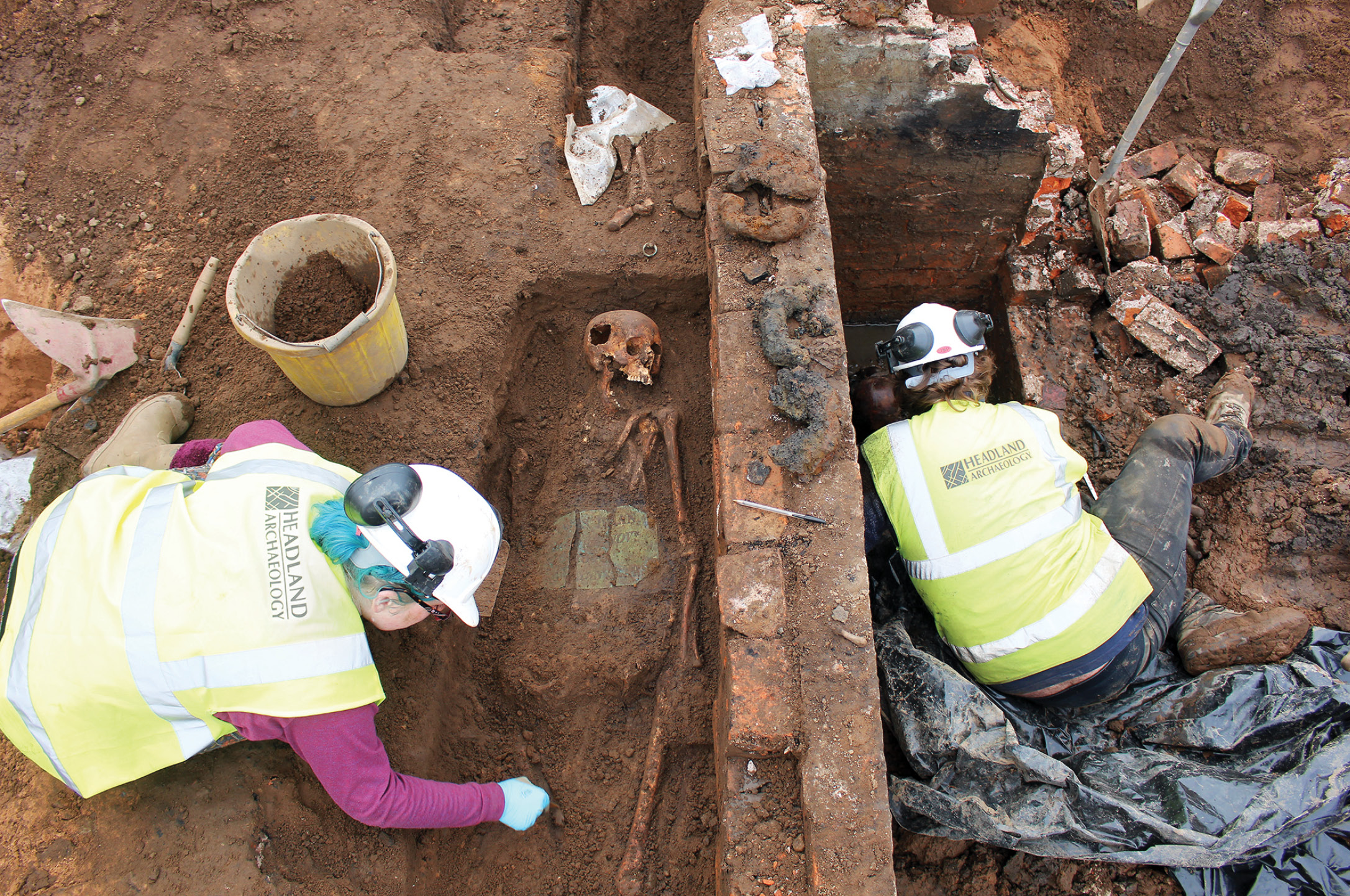
Around this peaceful spot, Blackburn’s urban environment continued to evolve and, in the 2010s, the site was set to be redeveloped as part of the construction of a new link road. The entire footprint of St Peter’s Church and around a third of its burial ground lay within the new route’s path and, following trial-trenching by Oxford Archaeology North, in 2015 Headland Archaeology carried out a full-scale excavation of the affected area. During these investigations (commissioned by Capita on behalf of Blackburn with Darwen Borough Council), Headland Archaeology uncovered and recorded the church’s surviving masonry ahead of its removal (see ‘Excavating St Peter’s Church’ below); documented 176 memorial stones; and recovered the remains of 1,959 men, women, and children in one of the largest excavations of a 19th-century cemetery undertaken outside London.

The project was operating in a tight time-frame, with construction schedules and contractual obligations requiring all exhumed individuals to be reburied less than a year after the excavations ended (they were reinterred in 2016, in a reserved area of the church grounds to the north-east of the new road, with a memorial service led by the Bishop of Blackburn). Despite this narrow window, detailed scientific analysis and historical research has revealed an impressive sweep of information about the individuals who had been buried at St Peter’s almost 200 years earlier – including putting names to 64 of them, thanks to surviving coffin plates and burial registers. Recently published in a comprehensive new monograph (see ‘Further reading’ below), the results of these investigations offer illuminating, surprising, and sometimes poignant insights into the experiences and aspirations of the community to which the people of St Peter’s belonged.

Social patterns
This is not a story of rich and poor, but of middling and less well-off people. Contemporary burial records attest that the people interred at St Peter’s included tailors and teachers, shopkeepers and shoemakers, publicans and clergymen; they were neither the very humblest in society, nor Blackburn’s great and good (who had their family vaults at the more prestigious churches of St Mary and St John). Even so, social stratification – and late Georgian/early Victorian social attitudes – could still be seen in the way that the cemetery was laid out. Three portions of the burial ground (comprising about a third of the total area) fell within the scope of the road scheme and were excavated by Headland Archaeology: two large zones to the north and south of the church, and a smaller piece to the north-east. It was immediately apparent that the first two areas were much more densely packed with graves, containing an average of 1.37 and 1.39 burials per m3 respectively compared to the north-eastern part’s relatively spacious 0.79 per m3. This difference, the monograph’s authors suggest, may be because the eastern and western areas of the cemetery held greater social status – lying as they did along the main paths to the church doors, where memorials could be seen and admired by passers-by – and were therefore limited to people who could afford these more desirable plots.
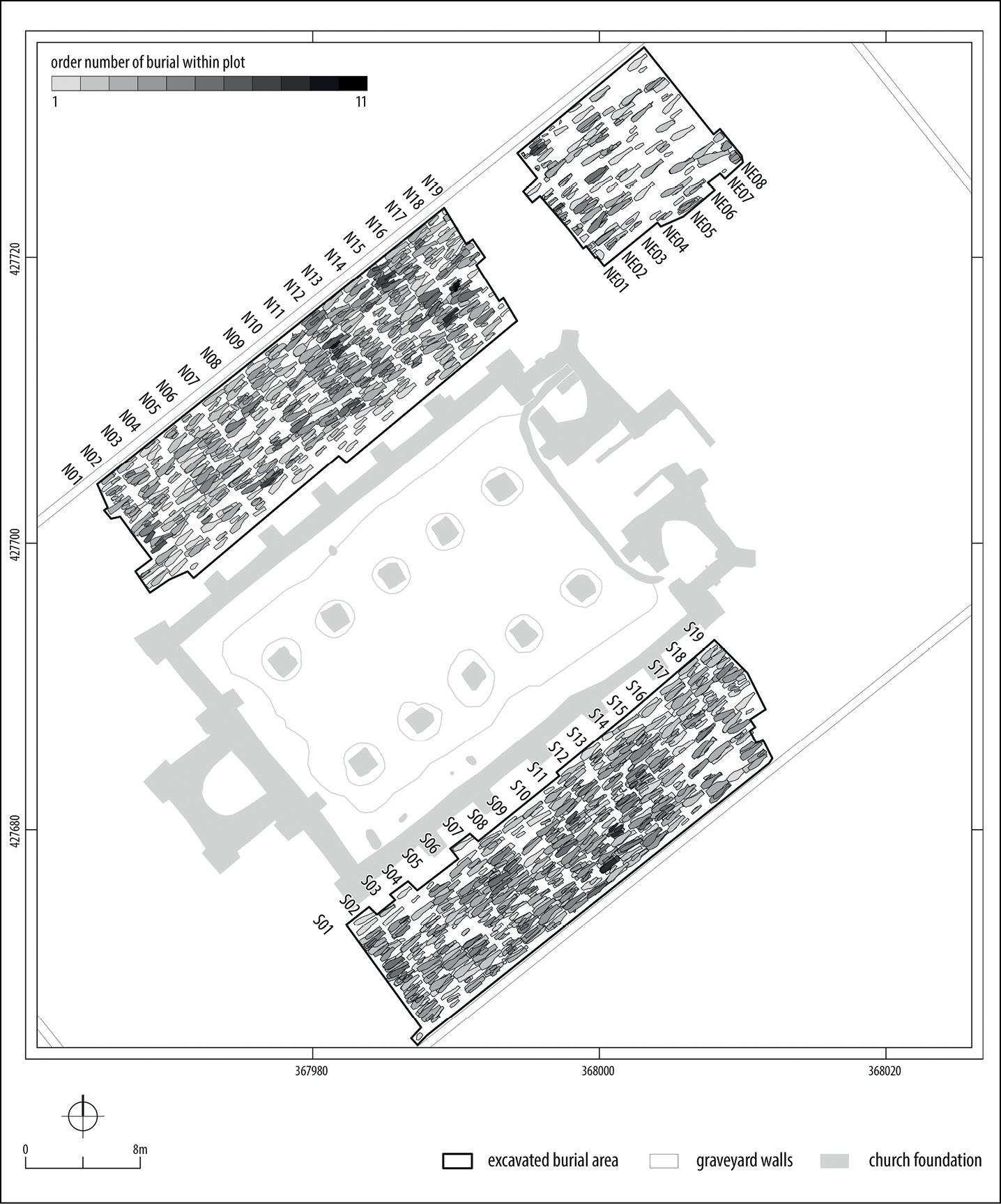
Something that also became apparent as the project progressed was that children represented a huge proportion of the cemetery population. Infant mortality (defined as a baby born alive but dying before their first birthday) was a persistent scourge in the 19th century, affecting an average of 150 in every 1,000 children in England and Wales, and records attest that Blackburn was struggling with a rate well above the average at 187 per 1,000. At St Peter’s, one might therefore expect infants to make up around 19% of the cemetery population, but in fact they comprised 23.7% of all the excavated individuals whose age could be determined, and 28.1% of those recorded in contemporary burial registers. Nor were those who reached their 12-month milestone out of danger: children aged 1-5 made up another 34.7% of the examined skeletons, and in total 70.3% of the remains recovered from the site represented those under 18 years old. Most of these came from less prestigious parts of the burial ground, and comparison with contemporary records suggests that this was not selection bias owing to these areas being more widely excavated: it appears that children were much more likely to be interred in these zones than to the east and west.
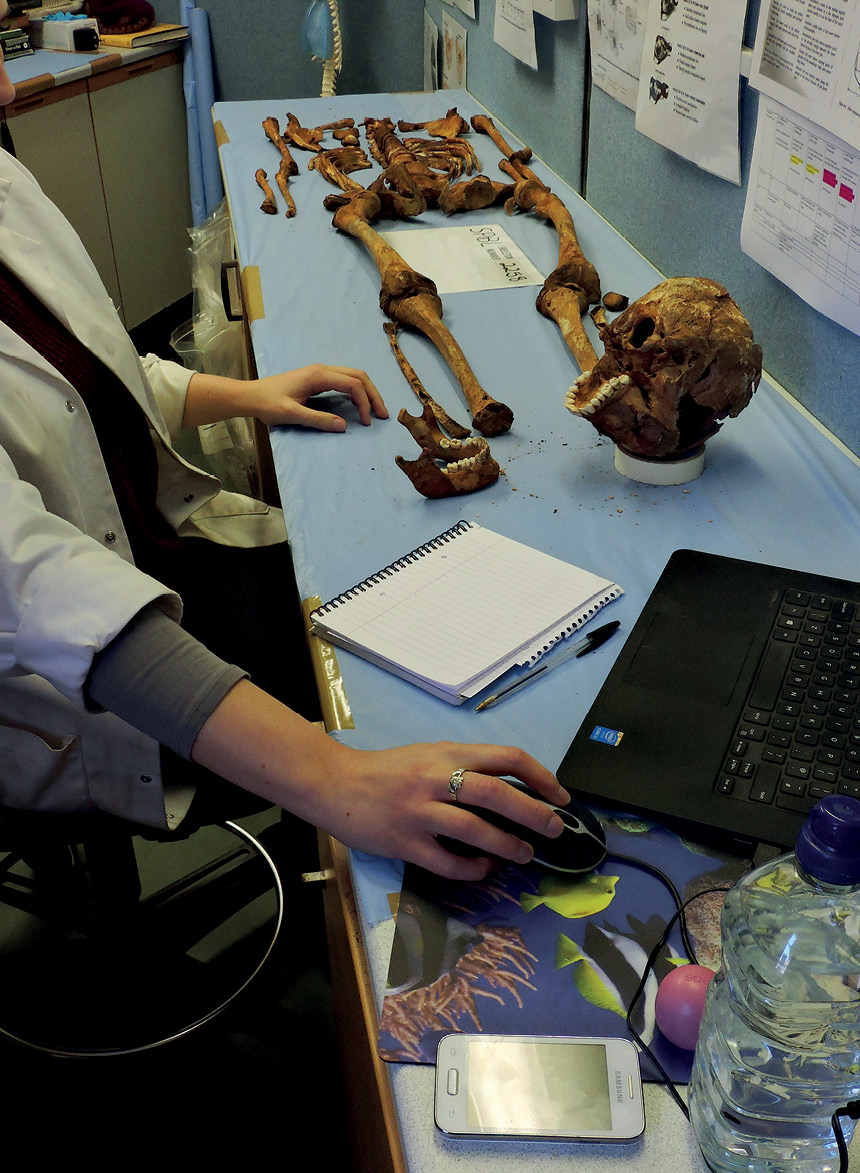
By contrast, written and excavated evidence tell very different stories about the balance of males and females within the cemetery. Within the recovered remains the ratio was dramatically skewed, with women outnumbering men at a ratio of 307:199. Burial records attest, however, that roughly equal numbers of each sex were laid to rest at St Peter’s. The difference is where they were buried, with a larger proportion of women apparently being interred within the less prestigious areas, and the missing men presumably still resting within the more-valued but less-excavated eastern and western portions.
Excavating St Peter’s Church
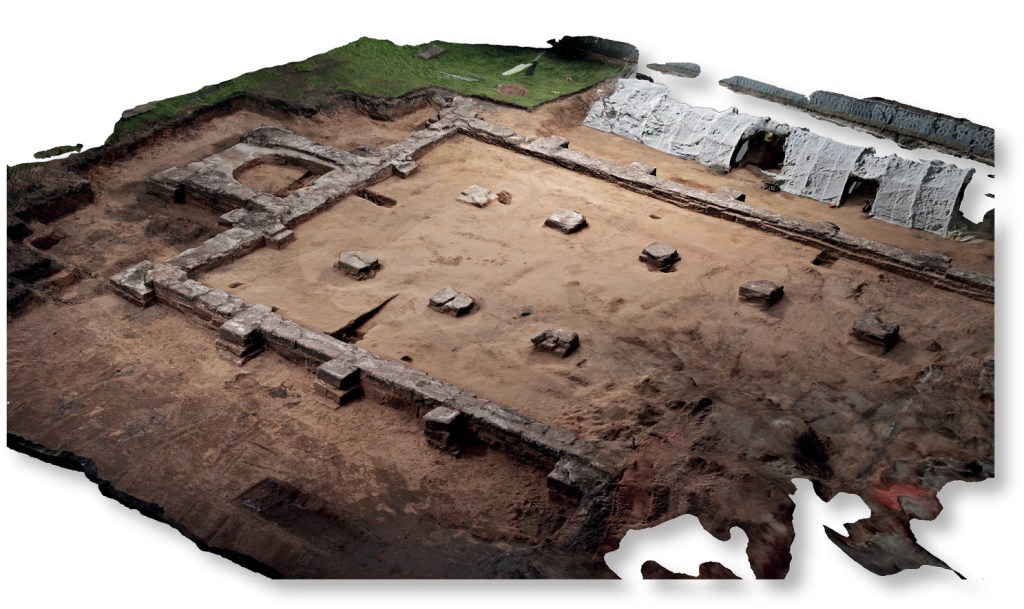
Although reduced to their foundations, the remains of the church had survived in good condition beneath the ground, and excavation soon revealed the outline of the nave and its aisles (demarcated by a double row of column bases). At the building’s eastern end was a short chancel with two vestries, while the more substantial footings of the tower could be seen to the west. The team also found fragmentary traces of more decorative details, including shards of colourless window glass and a few pieces of encaustic floor and wall tile.

The cornerstone whose installation had been so proudly overseen by the Reverend Thomas Whitaker back in 1820 had survived, too, together with its lead dedication plaque – and beneath this a small, oval, lead cup nestled within a carefully carved recess. It appears to have been intended as a kind of time capsule, as it contained 16 coins representing one of every denomination circulating at the time of the church’s foundation, from a gold guinea to a copper-alloy farthing (above). They had clearly been carefully chosen, and their total value, £3 6s 3¼d, was not an insignificant sum to part with. Two of the coins also hinted at an additional symbolic meaning: the half-guinea was bent, and the farthing had been drilled through, both gestures associated with good luck in local folklore. When the people from the cemetery were reinterred in 2016, Headland Archaeology buried a time capsule of their own on the site, enclosing one of each modern coin-type and, where possible, choosing examples bearing the year of the excavation.
Local traditions
If these patterns speak of 19th-century views of the relative status of men, women, and children, the graveyard of St Peter’s also offered intriguing insights into rather more local trends, revealing a number of distinctive burial traditions. Exploring these practices should come with the caveat that there have been relatively few excavations of cemeteries of this period in north-west England – but, as we will discuss in more detail below, strikingly similar activities have been identified at the Redearth Methodist Chapel at Darwen, whose nearly exactly contemporary (if much smaller) burial ground was excavated in 2008. Lying just four miles from St Peter’s, this site offers tantalising hints of regionally specific phenomena that were not limited to just one religious denomination.
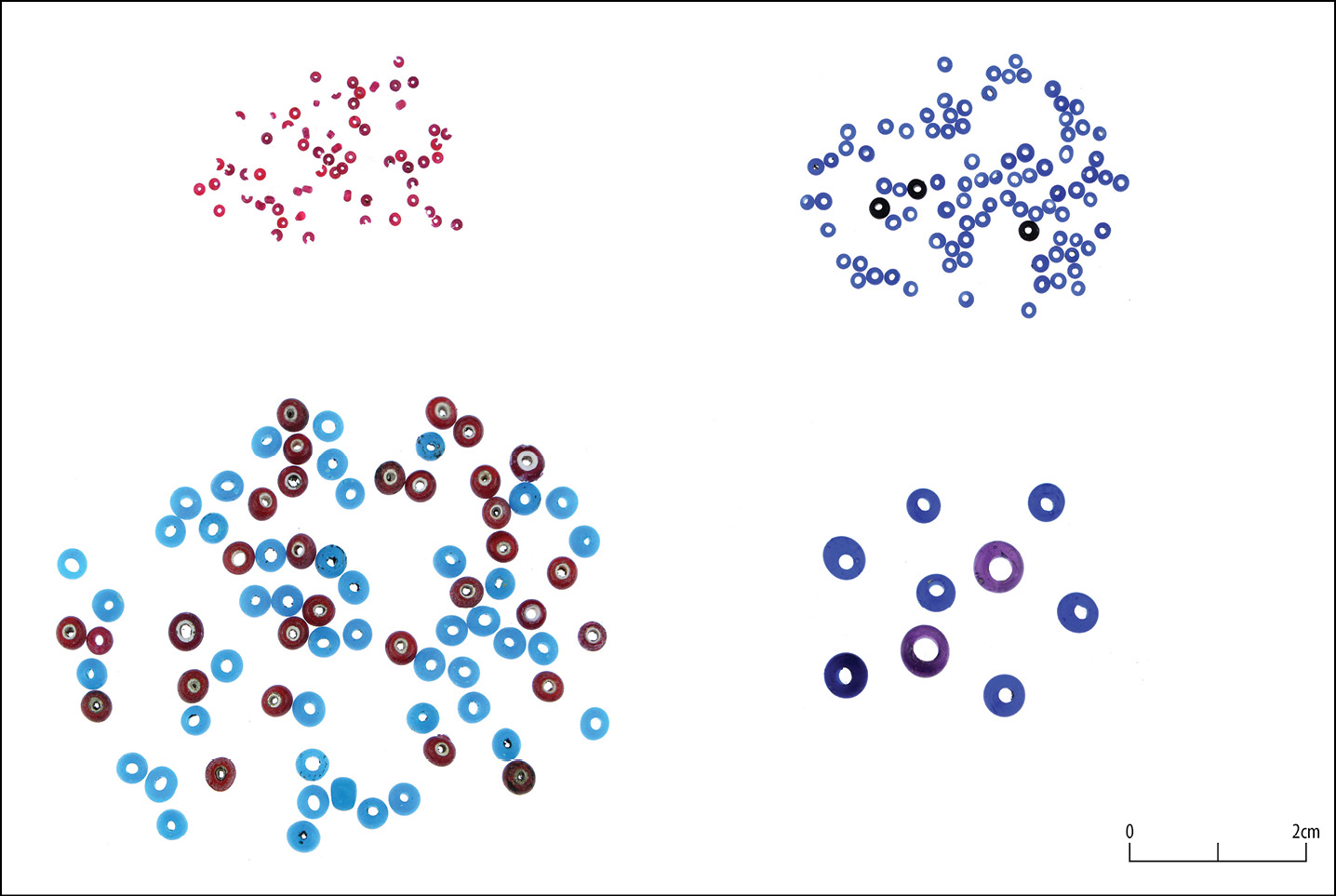
One of these involved a clear preference for the use of rope rings instead of (or, less commonly, in combination with) more conventional handles (grips) on their coffins. Named after their function rather than their material (most of the examples at St Peter’s were made of iron, or else copper-alloy), these rings were threaded with ropes when a coffin was lowered into the grave, and they were typically fixed at the head and foot ends of a coffin, rather than along the sides. At St Peter’s, 650 of the surviving coffins were designed in this way, compared to 237 with grips, while another 113 rope-ring burials were found at the Redearth Methodist Chapel. The prevalence of rope rings at both sites is not particularly surprising, as caskets furnished in this way are known as ‘Lancashire coffins’ due to their popularity in this region – but a possibly even more localised tradition might be represented by the presence of thousands of small glass beads within the graves of very young children. Almost 20,000 of these colourful items – mainly forming necklaces and perhaps also used to embellish clothing – were recovered in total, predominantly from the burials of those aged two and under. They had been generously distributed: half of all the burials with beads contained more than 60, 17 had more than 200, and the largest single group numbered 652. Given the wide variety of styles, colours, and combinations of beads used, the team wonder if they may have been bought loose and then strung together at home.

Similar glass beads are known from cemetery sites across the Midlands and northern England, the monograph’s authors note, though not in such great numbers, typically accounting for around 2% of burials in any excavation (the 232 graves containing multiple beads at St Peter’s represent 11.8%). Further to the south, moreover, this practice appears to have been much less popular: despite the tens of thousands of burials of this period that have been excavated in London, glass beads are very rarely found there. It is only much closer to home, at Redearth Methodist Chapel, that these beads are as common as at St Peter’s, with 2,330 recovered from 19 graves. It will be interesting to see, if more north-western cemeteries of this period are excavated in the future, whether this trend was more widespread, or if it really did only flourish in a very specific area around Blackburn.
It was not only small children whose burials were given more personal touches. Some of the adult women had been laid to rest with metal pins and tortoiseshell combs in their hair, while others wore jewellery made from large beads of black glass. Nicknamed ‘French jet’, this material was a popular (and more affordable) substitute to use in fashionable mourning jewellery. Surviving traces of clothing, jewellery, and even hair styles suggest that some were buried dressed as they would have been in life, preserving their individuality. Particularly distinctive, however, were the plain copper-alloy rings that were found in dozens of female graves. These appear to represent another northern phenomenon, the team note, as they are seldom seen in London cemeteries, but there is hardly an excavated burial site in the Midlands or northern England (including at the Redearth chapel) without at least one example.

Usually found near an individual’s left hand, these simple bands have been interpreted as cheaply made wedding rings. The copper-alloy would have shone like gold when polished, though it would have tarnished quickly – but this would not have been an issue if they were only intended to be seen briefly. Rather than jewellery that was worn in life, these may have been tokens substituted for originals that the deceased’s family either could not bear to, or could not afford to, part with. Strengthening this suggestion is the fact that all of these rings have a break in their circuit, which would presumably have been turned to the back. This gap would have pinched the skin if worn during everyday activities, but not if the ring was simply an undertaker’s prop – indeed, it would have been very useful, allowing mass-produced rings to be expanded to fit any finger. Like the beads, these inexpensive items represent much more than an interesting local quirk: they represent family pride and affection – the desire to show, even with limited funds, that their loved one was a respectable person, and someone who was cherished and would be missed.
Ritual, religion, and regalia
Five of the individuals at St Peter’s were accompanied by coins (either placed in their hands or, in one case where five had corroded together with textile traces, perhaps in a long-decayed purse), and a number of these had been perforated like the ‘lucky’ farthing in the time capsule (see ‘Excavating St Peter’s Church’ above). Folkloric beliefs might also explain the presence of a complete dinner plate that had been placed at the feet of one woman. Bearing a blue transfer pattern depicting two women collecting water in a rural setting, the plate represents one of the more expensive types of decorated earthernware on the market at the time, and this example appears to have been brand new, with no sign of chips or wear. Perhaps it had been specifically bought for burial, or selected from a set of ‘best’ china that was rarely used. It is possible that the plate had originally been filled with salt, a substance that, thanks to its preservative qualities, was symbolically associated with eternal life and protection. The inclusion of dishes of salt in graves was not uncommon in 19th-century Britain and Ireland, the team note, though they were more commonly placed on the deceased’s chest.


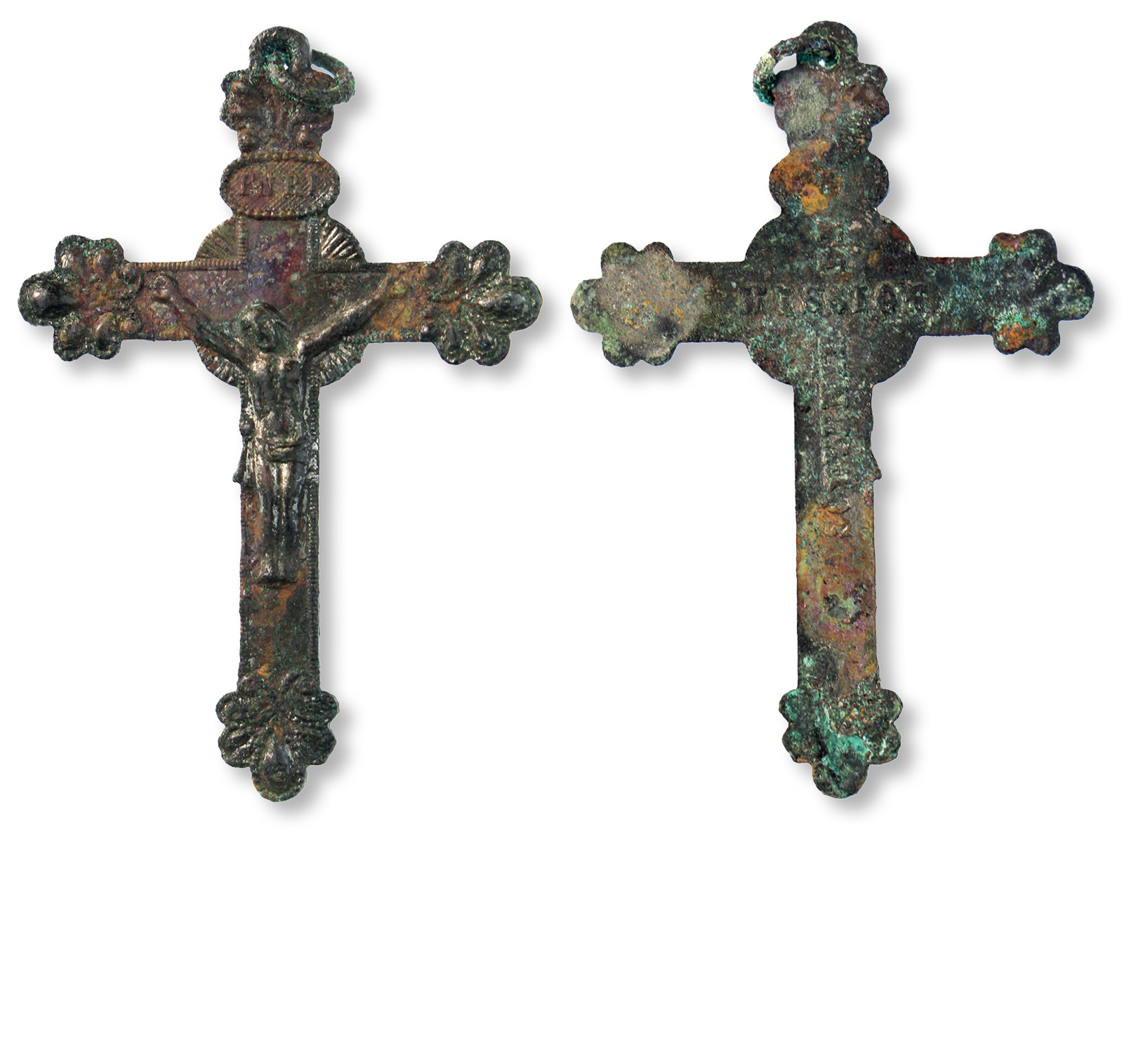
Another indication of personal beliefs came in the form of an ornately moulded copper-alloy crucifix that had been placed on the chest of a 3- to 5- year-old girl. Embossed with the words ‘SOUVENIR DE MISSION’, it may have been purchased at a pilgrimage site in France. The presence of a practising Catholic in an Anglican cemetery might seem surprising, but burial registers attest that around a dozen representatives of this denomination were interred at St Peter’s, mostly in its earliest years before St Alban’s Roman Catholic Church opened nearby in 1824 (burial records start there in 1827). Only one person in this list matches the little girl’s age: three-year-old Margaret Hughes, who died in 1823.
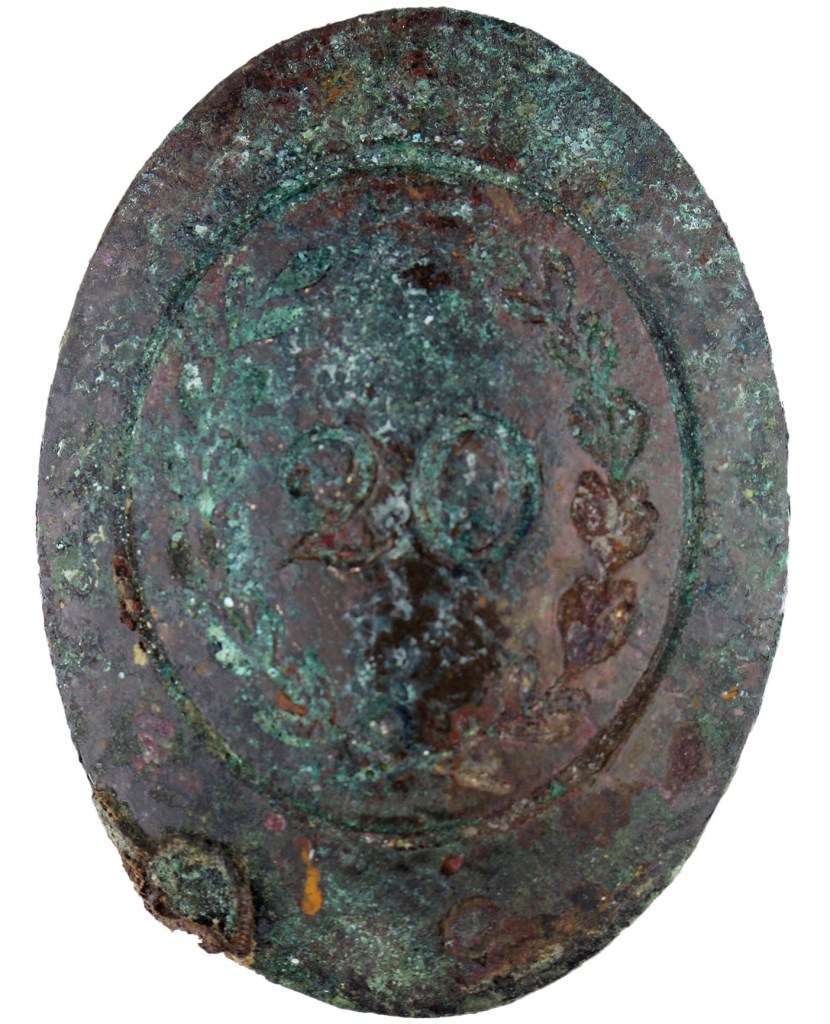
Other distinctive objects that had accompanied their owners to the grave include a walking stick with a bone handle shaped like a bird’s head, and a copper-alloy plate from a soldier’s shoulder belt. Engraved with the number 20, this latter item would have been worn by a member of the 20th East Devonshire Regiment of Foot – which, despite the south-western origins suggested by its name, carried out major recruitment drives in northern England and, after 1881, became the Lancashire Fusiliers. The man with whom it was found had not been buried in uniform, but was clasping the small, domed oval in his hand, suggesting that the plate had held great sentimental value for him. Perhaps it had been worn by a son who died in battle or, given the probably early date of the object (based on its style) and the man’s age (at least 60), it seems more likely that this individual was himself a veteran of the Napoleonic Wars.
Another unusual metal find came from the grave of a middle-aged man: a set of four identical buckles which (based on illustrations of similarly small, rectangular items in advertisements of the time) have been interpreted as possible corset fastenings. Male use of corsetry grew in popularity during the ‘dandy’ movement of the later 18th century, and continued into the 19th century as fashionable male clothing became increasingly tight-fitting. They were also used to help support those with back issues, though in this case there was no osteological evidence to suggest that the man had suffered in this way (and, in any case, a bad back would have not troubled him in death). Instead, the team wonder if he had been laid to rest in his best suit which, perhaps bought years earlier and worn only infrequently, had proven to be just too small at the moment of need.
Medical matters
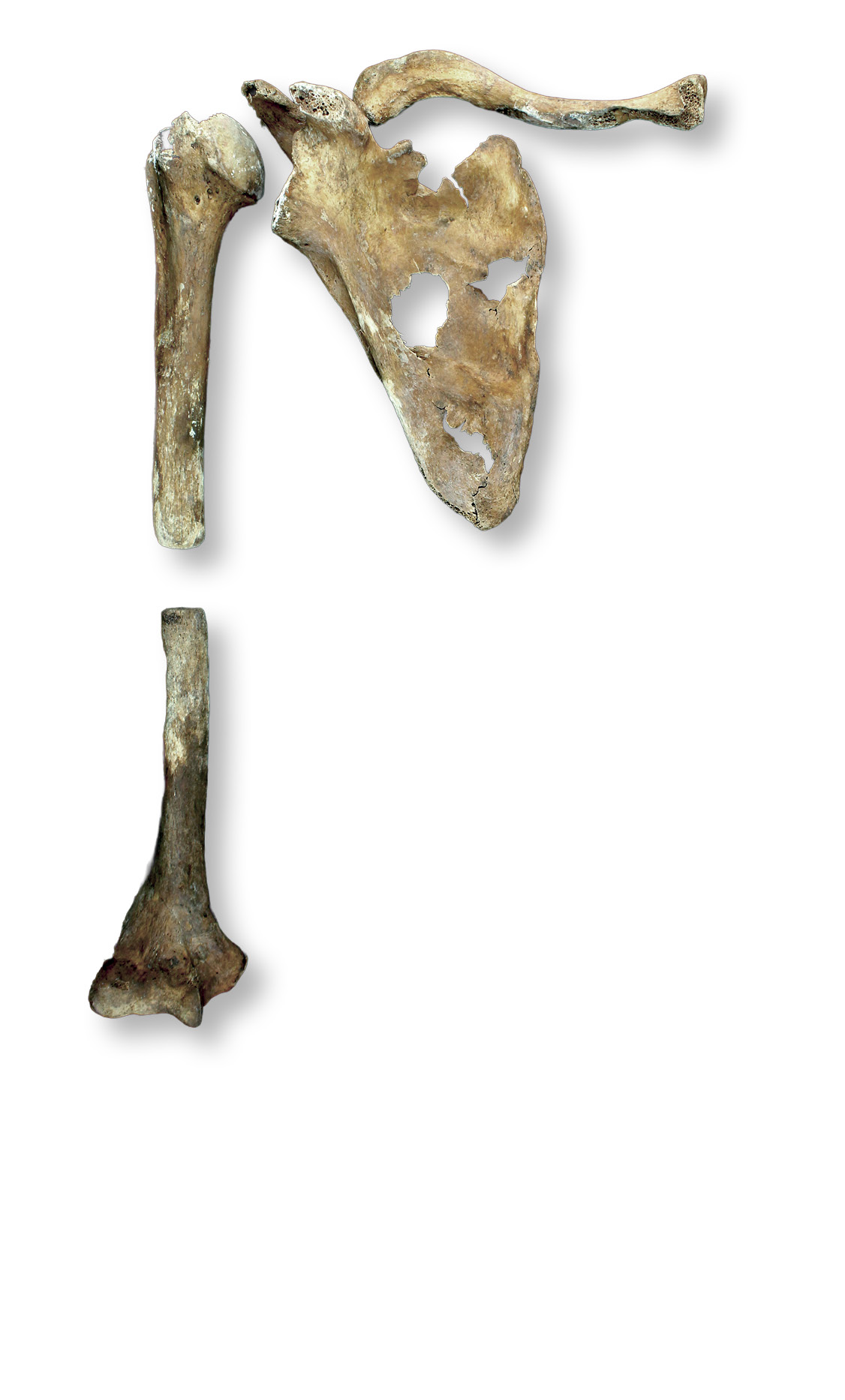
Perhaps one of the most personal ‘items’ associated with a man’s burial, though, was his own arm, which had been amputated above the elbow and was interred in its own little coffin. The severed arm, wrist, and hand were badly mangled, with multiple compound fractures of the bones, perhaps suggesting a mill worker who had been injured by machinery. The man, who was aged 35-45, had clearly survived the initial operation, as the remaining portion of his humerus showed signs of healing, but he had died a short time afterwards, possibly from infection or from the tuberculosis that was revealed by analysis of his DNA. As several months had passed between the arm’s burial and his death, another person had been interred in the same plot in the interim – but the man or his family had clearly made sure that limb and owner were ultimately reunited.
It may be telling that, out of the several doctors listed as working in Blackburn in contemporary directories, only one had the letters M.D. after his name.
The amputation had been neatly done, but the same could not be said for a craniotomy that had been carried out on the skull of another adult male, presumably to examine his brain post-mortem. The cut had been clumsily executed, with at least five different angles of sawing reflecting multiple attempts. It is possible that this was a training exercise (though there were no medical schools in Blackburn at the time), or perhaps this was a botched job by an inexperienced or underqualified practitioner – it may be telling that, out of the several doctors listed as working in Blackburn in contemporary directories, only one had the letters M.D. after his name.

Dental care appears to have been similarly sporadic. Unsurprisingly, given that in the 19th century sugar was becoming more affordable, but toothbrushes were not in common use, and toothpastes and -powders contained damagingly abrasive ingredients, the people of St Peter’s had terrible teeth. Many individuals had caries, dental abscesses, and teeth lost in life – and, uniquely within this group, one man had received a copper-alloy filling. He has been identified as the Reverend Henry Boardman, who, as the son of a successful local business owner, was from a background that was comfortable but not so wealthy as to suggest privileged access to medical intervention. What is more unusual among the cemetery population is that he was university-educated, having spent several years at Cambridge, and the team suggest that he may have received his filling during that period, with more advanced options available in the city. It is notable, however, that while many of Henry’s other teeth were also in a poor state, he had not had any more filled. Perhaps, after returning to Blackburn, similar treatment was no longer available – or perhaps the experience of 19th-century dentistry had proven so traumatic that he had decided not to repeat it.
One more medically themed find within the cemetery was not related to a grave at all. In a shallow pit against the inside of the churchyard wall, Headland Archaeology found a curious collection of human and animal bones, including parts from a c.9-year-old child and an adult man and woman, as well as cattle, birds, and a tortoise. Some of the remains show evidence of dissection, and others were varnished as if intended for display. It may be that this was part of a reference or teaching collection, or the human bones could have been used in demonstrations to patients. With no medical school or hospital operating locally, the team’s best guess currently links the eclectic assemblage to a clinic that treated thousands of Blackburn’s poor for around a decade at 58 King’s Street, less than 100m from St Peter’s. When the clinic closed in 1838, might its staff have wanted to ‘do the right thing’ by the bones, clandestinely interring them in consecrated ground? This informal burial offers one more insight into individual beliefs and choices that, with the other discoveries from St Peter’s, form an intricate picture of human experiences, local traditions and wider connections, and the community that this diverse group called home.
Further reading:
Julie Franklin, Matthew Ginnever, and Kimberley Gaunt (2025) Living and Dying in a Lancashire Cotton Town: excavation at St Peter’s Church and burial ground, Blackburn, Lancashire, (BAR Publishing, ISBN 978-1407356495, £70).
Source: Julie Franklin is finds manager and a post-excavation project manager with Headland Archaeology.
All images: Headland Archaeology, unless otherwise stated