Subscribe now for full access and no adverts
Large Iron Age settlement found in Czechia
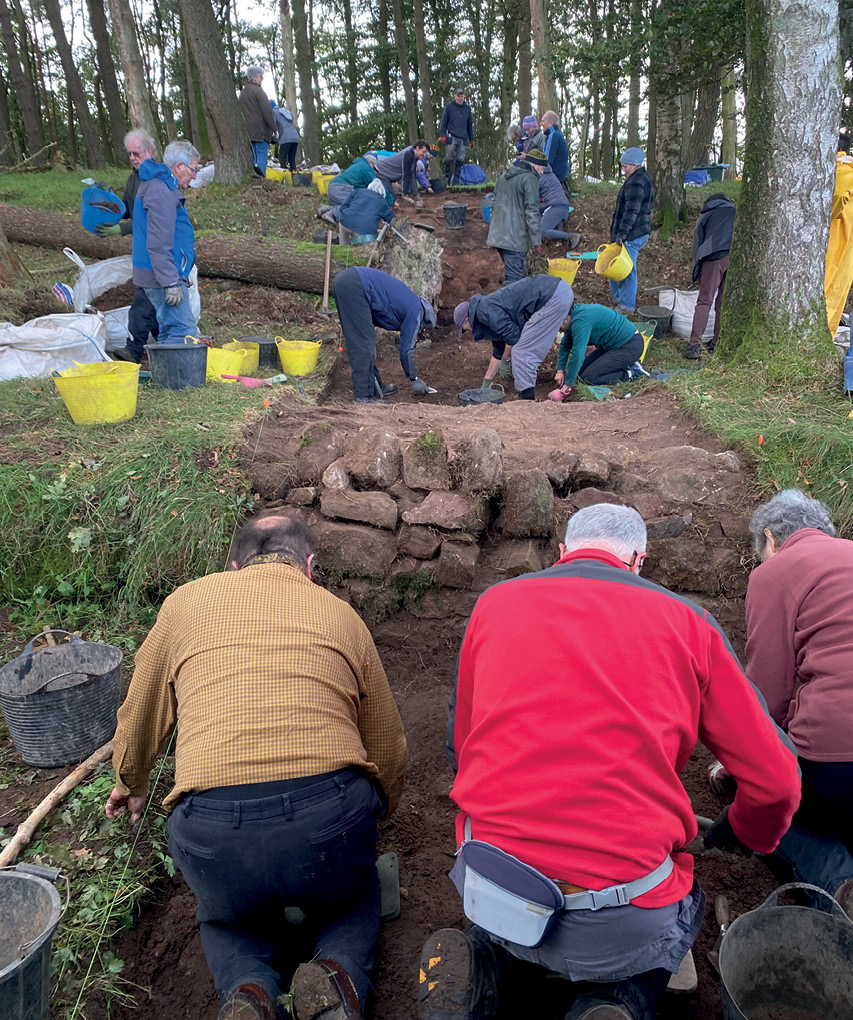
Archaeologists have discovered the remains of a large settlement dating to between the 3rd and 1st century BC in the Hradec Králové region of north-east Bohemia, Czechia.
First discovered in 2023 during investigations for the planning of a new motorway, subsequent excavations revealed that the settlement covered an area of at least 25ha (62 acres), an unusually large community for this period, with most other Iron Age sites in this area only extending for one or two hectares (2.5 or 4.9 acres). The preservation of the site was also remarkable, with little to no disturbance. Archaeologists uncovered the remains of a number of houses, one or two probable shrines, as well as evidence of industrial production, such as pottery kilns and a possible amber-processing works. Thousands of artefacts were recovered, including hundreds of gold and silver Celtic coins and coin dies: hints of minting on the site. Based on the size of the site, and the structures and artefacts found within it, the researchers suggested that this was not simply an extensive residential area but an example of a ‘central agglomeration’, or important regional centre.
Undisturbed Etruscan tomb uncovered in Lazio
A completely untouched Etruscan chamber tomb, dating to the 7th century BC, has been revealed in the San Giuliano necropolis in Lazio, central Italy. The discovery is notable as it was the only tomb out of more than 600 excavated at the site that had not been looted which, archaeologists from the San Giuliano Archaeological Research Project believe, is due to its slightly unusual position and lack of surface indicators.
The remains of four individuals were found in the tomb along with more than 100 well-preserved grave goods, including iron weapons, bronze ornaments, and silver hair spools. The majority of the artefacts, however, were ceramic vessels, among which were drinking and serving wares, storage containers, incense burners, and various types of plate, bowl, and chalice. This large array of banqueting implements suggests that feasting may have been an important ritual in both life and death.
Face to face with medieval Poles
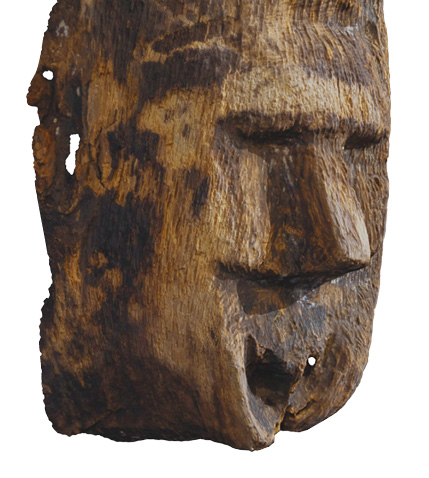
A wooden beam carved with a lifelike human face has been discovered in Lake Lednica, Poland. It is believed to belong to a fortified medieval settlement on Ostrów Lednicki, the lake’s largest island.
The beam was found during systematic underwater archaeological research, which has been taking place since the 1980s, among the remains of wooden structures believed to be part of a defensive rampart built in the late 10th century by Mieszko I, a member of the powerful Piast dynasty and the first Christian ruler of Poland; it collapsed shortly after construction. Dendrochronology dated the beam to AD 967. The face would have faced outwards to the water, suggesting it had some kind of apotropaic function and perhaps represents a deity, spirit, or hero meant to protect the settlement.
Text: Kathryn Krakowka / Image: Mateusz Popek