Cover Story
 Spitfire at 90 The maiden flight of the world’s most famous fighter took place 90 years ago this spring. Stephen Roberts reveals how it helped to win the war.
 Features
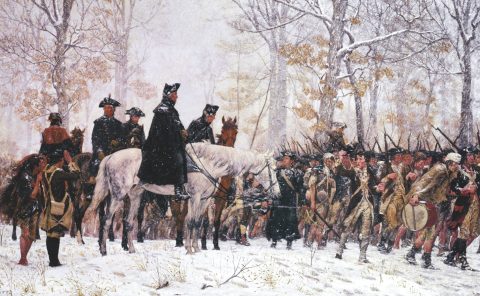 The empire strikes back: The American Revolution – Part 3: changing fortunes In the third part of his series marking the 250th anniversary of the US Declaration of Independence, Fred Chiaventone examines the crucial events of 1777-1780.
 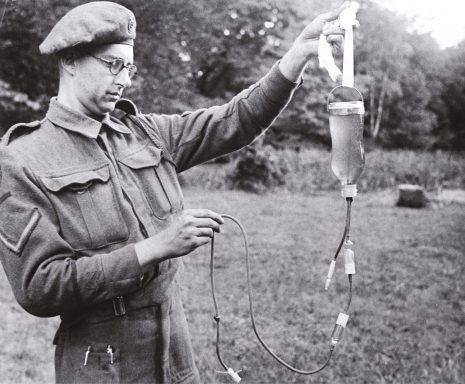 Life blood: Britain’s war-winning medical innovation. One of the greatest contributions to Britain’s WWII success was made not by frontline troops, but by the transfusion pioneers who supported them on the battlefield. John Beales reports.
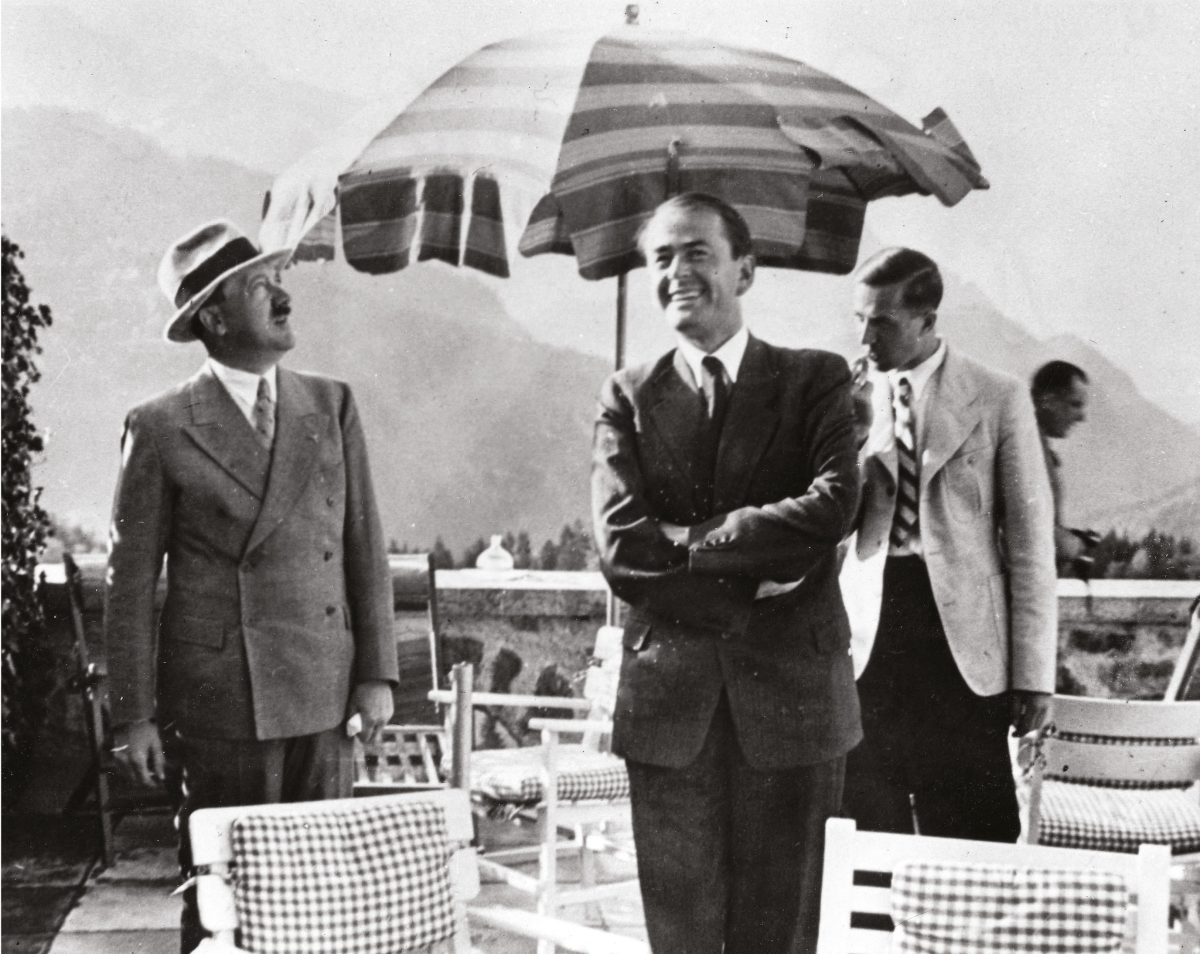
 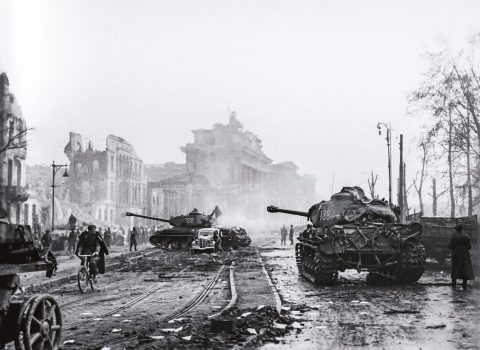 Berlin, year zero : The Iron Curtain falls – Part 4: a divided city In the latest part of our series on the coming of the Cold War, Taylor Downing reveals how tensions mounted in Germany’s ruined capital.
 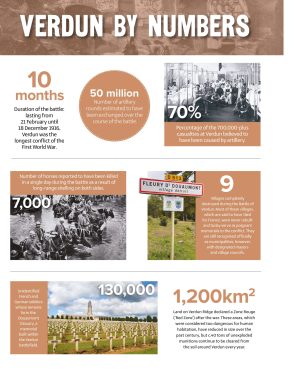 Verdun by numbers 10 months. Duration of the battle: lasting from 21st February until 18 December 1916. Verdun was the longest conflict of the First World War.
 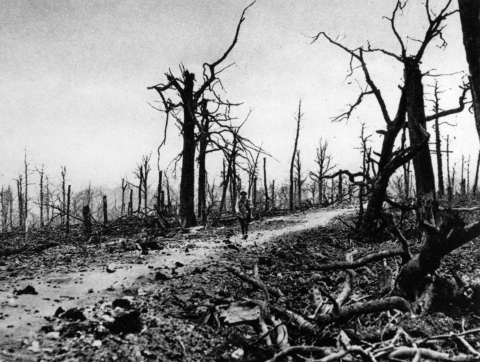 Verdun: the longest battle In our special feature for this issue, Graham Goodlad traces first the military career of Philippe Pétain, the French marshal later disgraced for his collaboration with Nazi Germany, and then…
 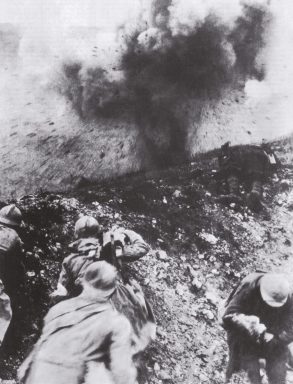 The Mill on the Meuse In the second part of our special feature, Graham Goodlad examines the epic French defence of the fortress of Verdun in the longest battle of World War I.
 News
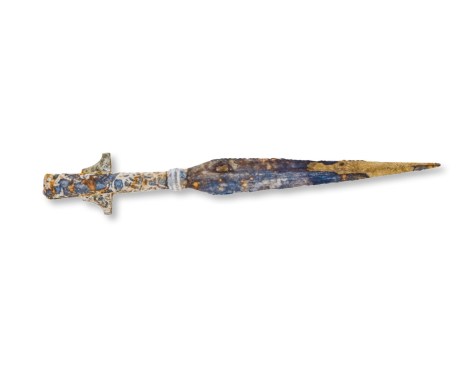 Medieval spears recovered from Lake Lednica Four well-preserved spears have been discovered during underwater investigations in Lake Lednica, west-central Poland. These discoveries are the latest additions to what may be the largest collection of European early…
 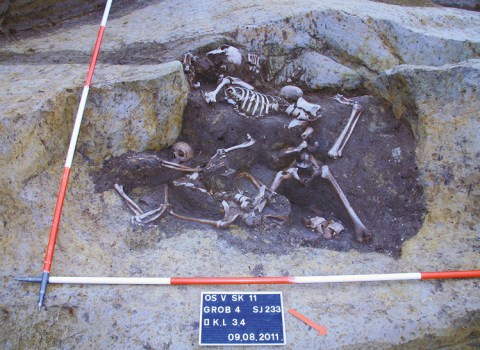 Roman soldiers found in mass grave in Croatia In 2011, excavations at the site of the Roman-period city of Mursa (modern-day Osijek) in Croatia came across an ancient water well containing the complete skeletons of seven individuals. The…
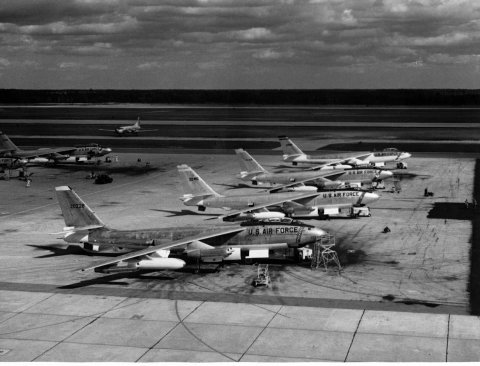
 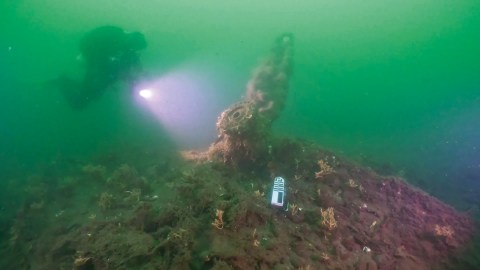 B-17 bomber found in the Baltic Sea A B-17 Flying Fortress bomber that crashed into the Baltic Sea in 1943 has been located by marine archaeologists more than 80 years after it was lost. The project was…
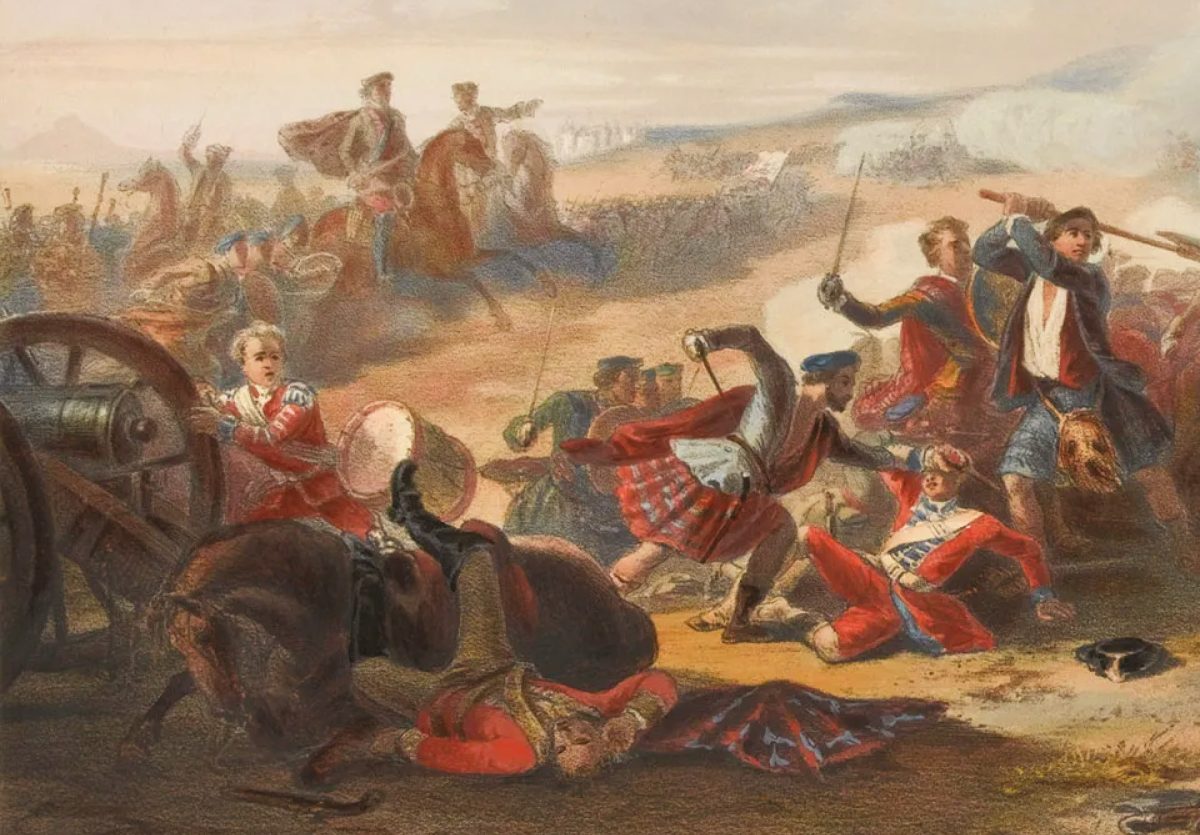
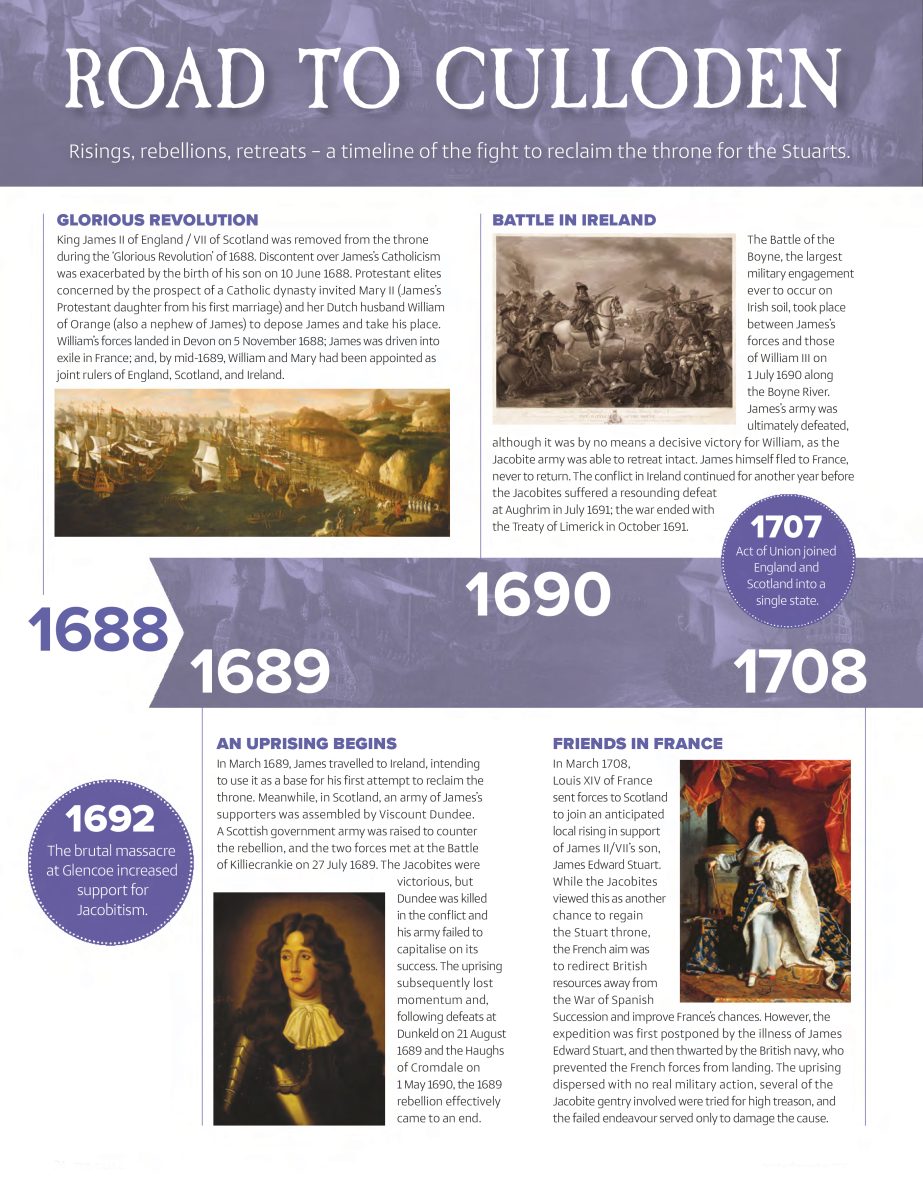
 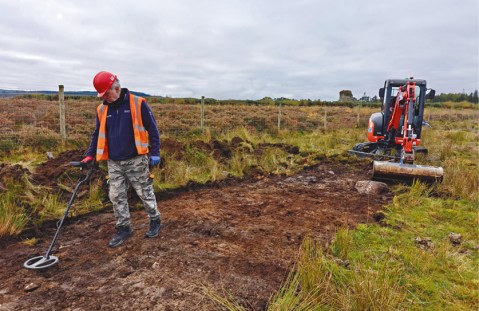 New findings from Culloden battlefield Archaeological research at the site of the Battle of Culloden, near Inverness, has uncovered new material from the conflict. The discoveries were made by a team led by Derek Alexander…
 Views
 MHM 150 Competition Competitions Put your military history knowledge to the test with our competition.
  Clare Mulley People The MHM award-winning author, historian, and broadcaster on overlooked stories and person-sized doorways to the past.
  Dachau Concentration Camp Memorial Site Museum, What's on Reviewing the best military history exhibitions, with Ben Goodlad.
 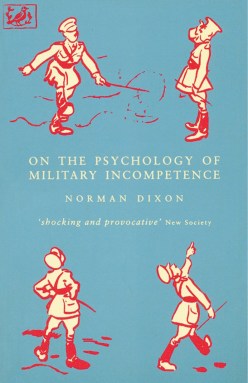 War Classics – On the Psychology of Military Incompetence Comment Nick Spenceley reconsiders On the Psychology of Military Incompetence by Norman Dixon.
 Reviews

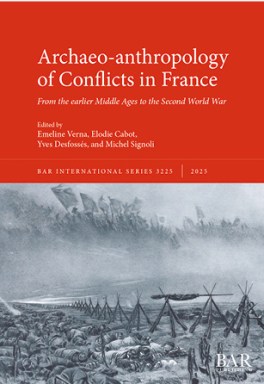 Archaeo-anthropology of Conflicts in France: from the earlier Middle Ages to the Second World War REVIEW BY NICHOLAS SAUNDERS The past 25 years have seen a revolution in our understanding of war (especially modern war), due partly to the shift from a solely military-history approach…
  Those Who Are About to Die: a day in the life of a Roman gladiator REVIEW BY MARC DeSANTIS Romans were hypocritical about gladiators. Typically slaves, criminals, or prisoners of war, they were seen by the upper crust as sitting squarely among the dregs of…
  The White Lady: the story of two key British secret service networks behind German lines REVIEW BY TAYLOR DOWNING Helen Fry has specialised in fascinating and revealing histories of wartime intelligence and espionage, especially of the role of women in these activities. Women in Intelligence,…
 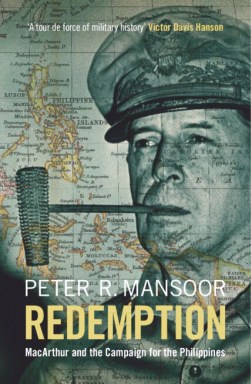 Redemption: MacArthur and the campaign for the Philippines REVIEW BY GRAHAM GOODLAD General Douglas MacArthur is arguably the most controversial military leader in US history. His command career was bookended by two divisive episodes. As Army Chief of… Dachau Concentration Camp Memorial Site Reviewing the best military history exhibitions, with Ben Goodlad.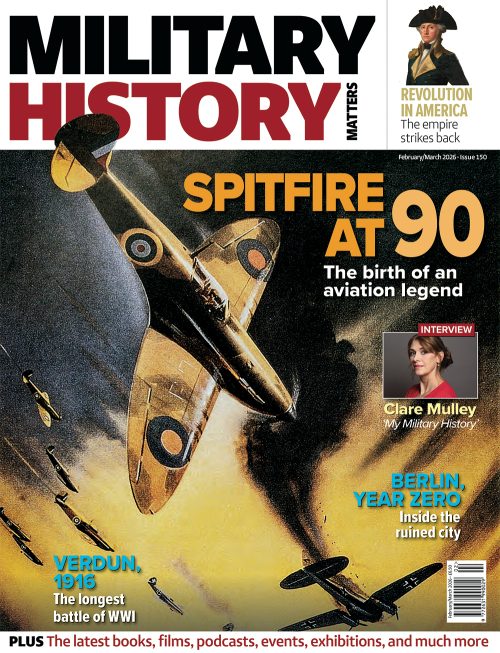
From the editor
This issue, we celebrate the 90th birthday of arguably history’s most famous fighter aircraft by marking the moment on 5 March 1936 when the Supermarine Spitfire prototype K5054 took to the skies above Southampton on its maiden flight.
That brief test flight was to change the world – for it offered the first glimpse of a new short-range fighter that would soon (along with the Hawker Hurricane) play a decisive role in the Battle of Britain, when the country stood alone against Nazi Germany.
In our cover story, Stephen Roberts examines the birth of this aviation legend, telling the story of its creator, Reginald (R J) Mitchell, the design genius who sadly would not live to see his masterpiece’s own ‘finest hour’.
Elsewhere, in our two-part special feature, Graham Goodlad reconsiders the epic struggle for Verdun, the longest battle of the First World War, which holds a similar place in France’s national psyche to that occupied in the British imagination by the Somme.
Also in this issue: Fred Chiaventone reveals how Washington transformed his Continental Army into an effective fighting force over the freezing winter of 1777 1778; Taylor Downing uncovers the mounting tensions as the Cold War took hold in post-war Berlin; and John Beales highlights the role of blood transfusion, the medical innovation that was among Britain’s most effective secret weapons in World War II.
Finally, to mark this, our 150th issue, we wanted also to thank you, MHM’s loyal band of readers, for all your support over the past 15 years. Any magazine is only as good as its audience – and, in your eloquent feedback and the general encouragement we receive, it is MHM’s wonderful subscribers who keep us on our toes, as we continue in our mission to bridge the gap between the general reader and the world of professional soldiers and military historians.
We certainly couldn’t do it without you – and, as always, we hope you enjoy the issue!
LAURENCE EARLE