Subscribe now for full access and no adverts
Troubling times
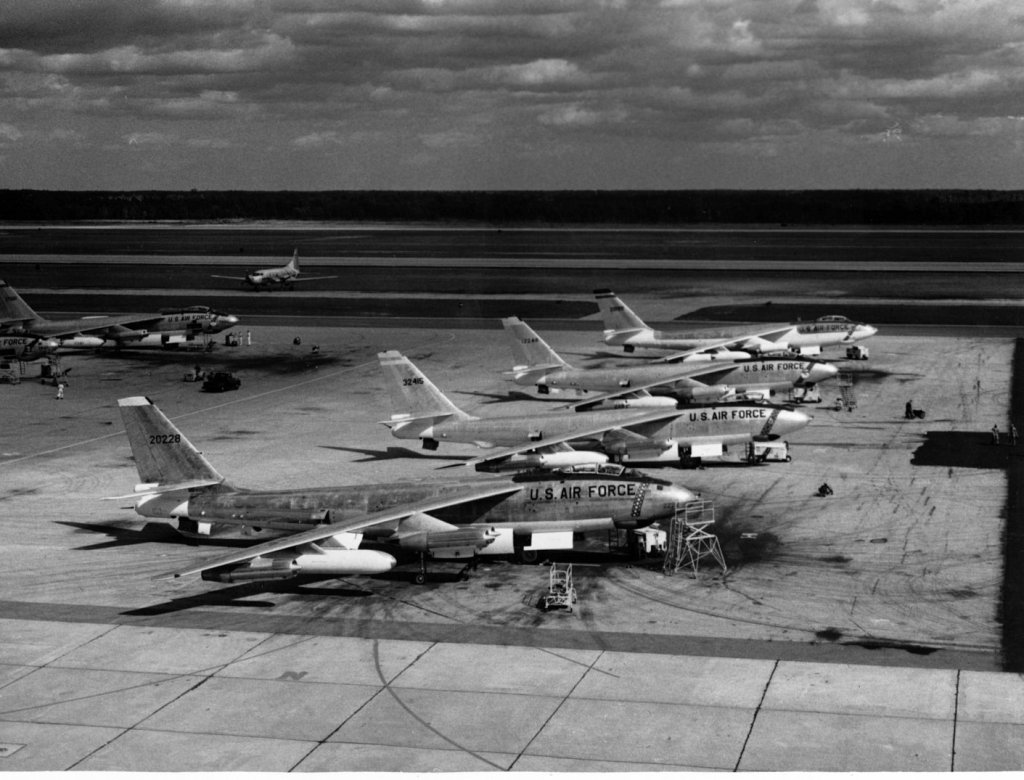
Taylor Downing’s detailed and insightful analysis of the Cold War (Part 1, MHM October/November 2025) brought back many memories of those troubling times. Readers of a ‘certain age’ will doubtless recall where they were in October 1962 during the Cuban Missile Crisis. As a schoolboy in Oxfordshire at the time, I recall the palpable tension during one lunchbreak when an entire squadron of USAF B-47s – undoubtedly fully laden with nuclear bombs – took off from nearby RAF Upper Heyford and thundered low overhead on their way to attack the Soviet Union – so we assumed. Later, in the mid-1960s onwards, as a young lieutenant and later major in the British Army of the Rhine, I recall many exercises in the vicinity of the Weser Valley and North German Plain. In late 1983, at the end of the Brezhnev/Andropov era, when the world once again faced nuclear war, we were told to ensure that we had made our wills and were directed to recce our actual war deployment locations in Germany. Troubling times indeed; sadly the world is once again facing another Russian threat!
Roger Laing, Iver, Buckinghamshire
Wellington’s new hat
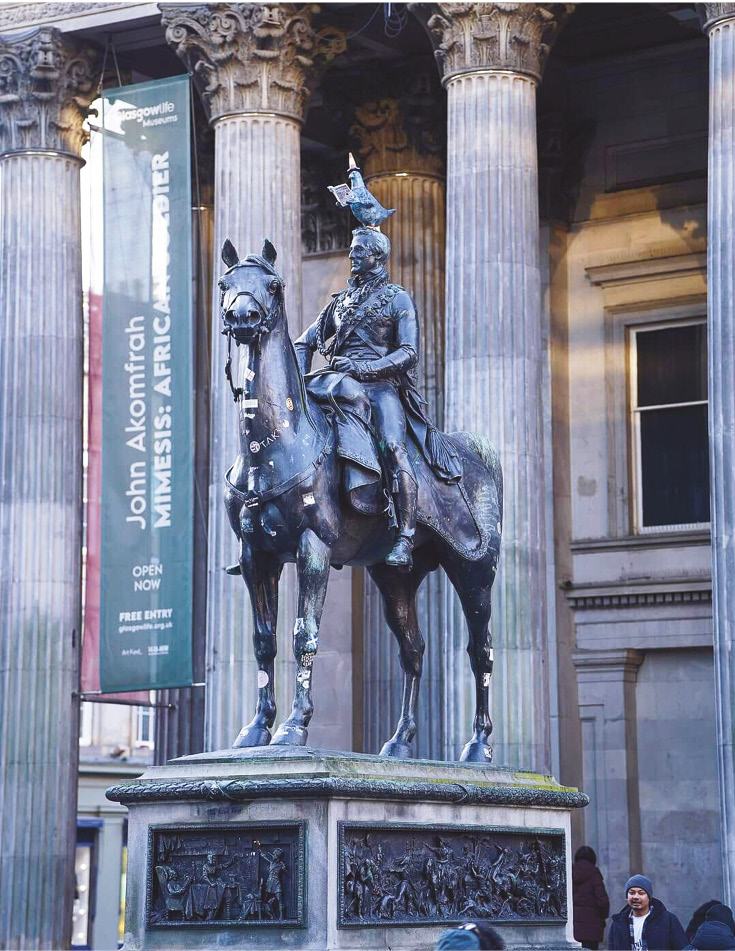
In the article ‘Lest We Forget’ by Tessa Dunlop in the latest edition of Military History Matters, it was mentioned that the Duke of Wellington statue in Glasgow has traditionally had a traffic cone placed on his head. However, there was a recent article in The Daily Telegraph with a photograph showing that the cone has lately been replaced by a sculpture of a pigeon holding a magazine, complete with a miniature cone!
Michael Cooke, via email
Military magic
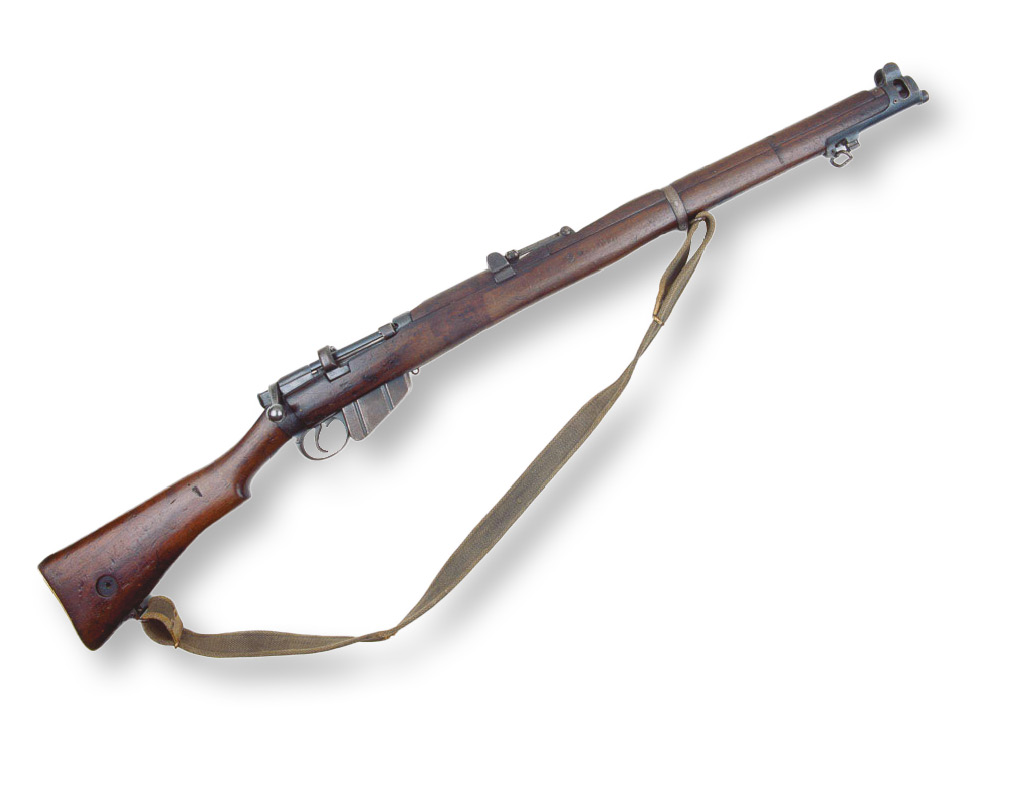
As a person who is interested in military history, I am always amazed at the reoccurring themes and events that punctuate Britain’s wars and battles down the ages. They say in times of war, the British always seem to have the right man or woman to deal with the crisis – for example, Admiral Nelson, Winston Churchill, or Maggie Thatcher. There is also the remarkable fact that the British forces have at the same time been armed with the appropriate weapon system, which in the right hands has enabled the soldiers to defeat a much larger force arrayed against them. For instance, the longbow used at Agincourt; or the Lee-Enfield rifle (pictured below), used to great effect against the Germans at the Battle of Mons in the First World War. Fast-forwarding to World War II, the Spitfire and Hurricane fighter planes of the RAF helped give the ‘few’ their glorious victory, and saved Britain. Even the Harrier jump jet, untested in battle, came to the fore and helped win the Falklands War in 1982.
In more recent times, the British-manufactured NLAW anti-tank rocket helped the Ukrainian forces to repel the Russian armoured spearheads hellbent on invading Ukraine in three days, giving the Ukrainians a lifeline of survival up to the present day.
Perhaps this special British military magic has rubbed off on to the brave Ukrainian people.
John R Douglas, Felling, Tyne and Wear
Images: The rebel bear; NAM