
Subscribe now for full access and no adverts
Archaeological research at the site of the Battle of Culloden, near Inverness, has uncovered new material from the conflict.
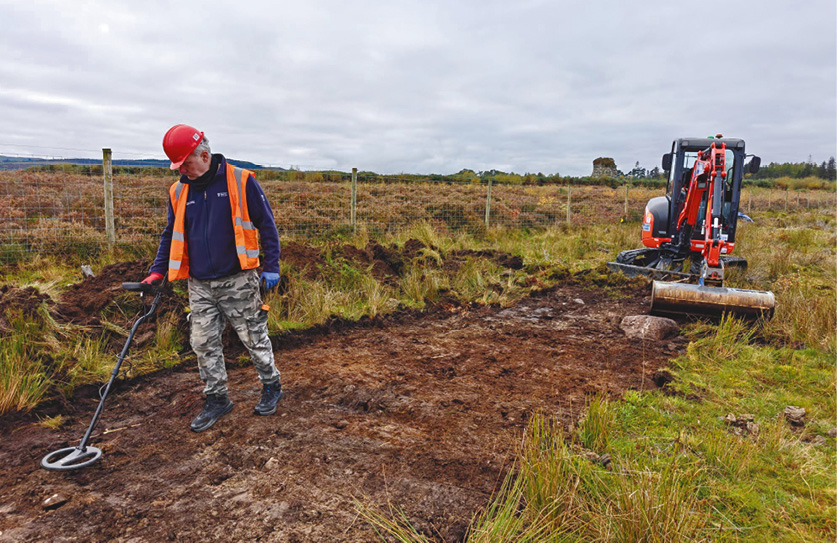
The discoveries were made by a team led by Derek Alexander from the National Trust for Scotland (NTS) and Professor Tony Pollard from the University of Glasgow. The researchers carried out metal-detector surveys, trial trenching, and test pitting in an area that sat between government and Jacobite lines in the climactic battle of 16 April 1746.
This part of the battlefield has not previously yielded any archaeological discoveries, but the recent work identified more than 100 projectiles, including lead musket balls fired by Jacobite and government troops, and what is thought to be a 3lb (1.4kg) cannon ball fired by Jacobite artillery.
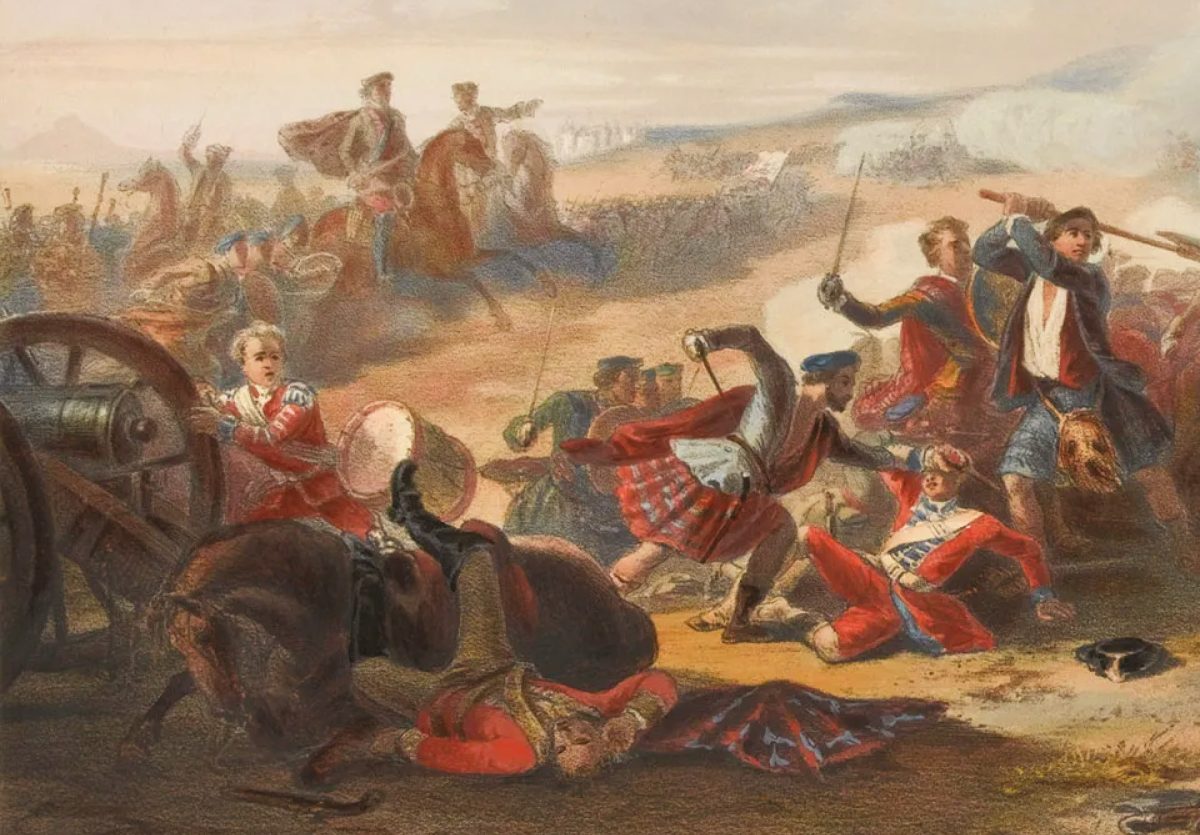
These discoveries demonstrate that material from the battle does indeed survive in this area, and may also provide evidence for one of its most dramatic episodes. The researchers suggest that the projectiles probably relate to one of the last actions at Culloden. As the Jacobites were retreating, a battalion of Irish troops in French service fighting with the Jacobites made a brave stand against the mounted men advancing from the right of the Duke of Cumberland’s line. The Irish picquets blocked the advance, but were eventually forced to surrender.
According to Professor Pollard, ‘this valiant action helped thousands of Jacobites get away from the field, but it only gets brief mentions in most of the history books’.
More detailed analysis of the artefacts and their distribution pattern is required to confirm this interpretation, but already the research is helping to put together a clearer picture of where various actions in the battle took place.
Derek Alexander stresses that this will assist the NTS with both the interpretation and the long-term management of the battlefield.
Image: National Trust for Scotland