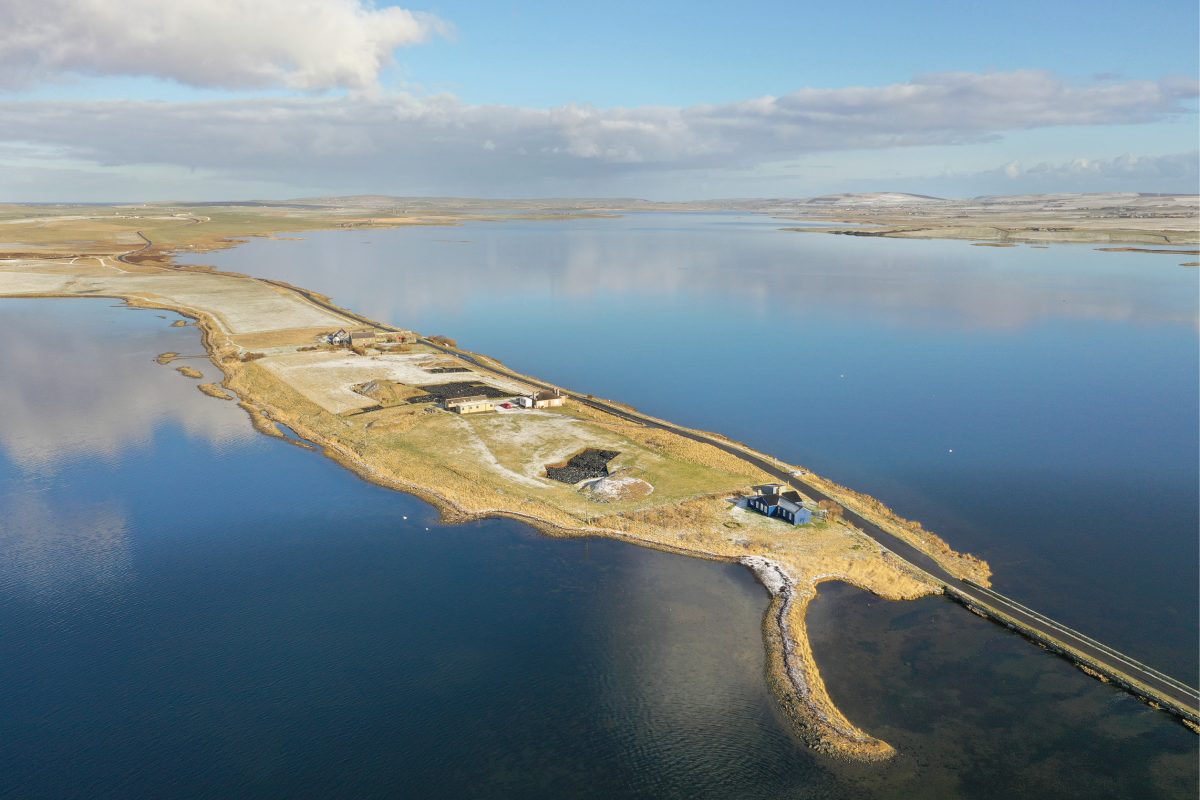
Cover Story
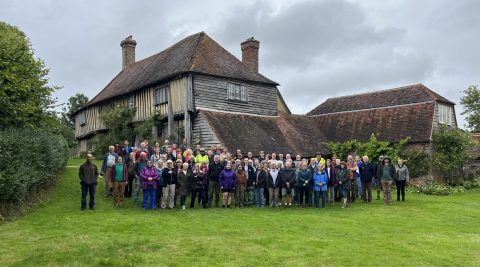 Smallhythe Place: Romans, royal ships, and a rural retreat Smallhythe Place, a National Trust property in Kent, is home to a picturesque timber-framed house with enigmatic origins, while the surrounding landscape preserves unique traces of a medieval shipbuilding centre that served several kings. Over the last three years, a…
 Features
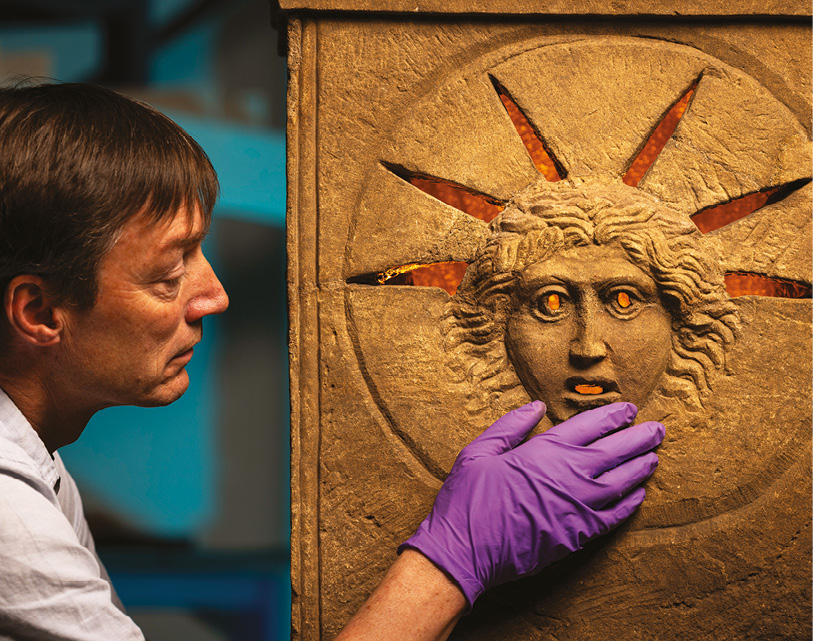
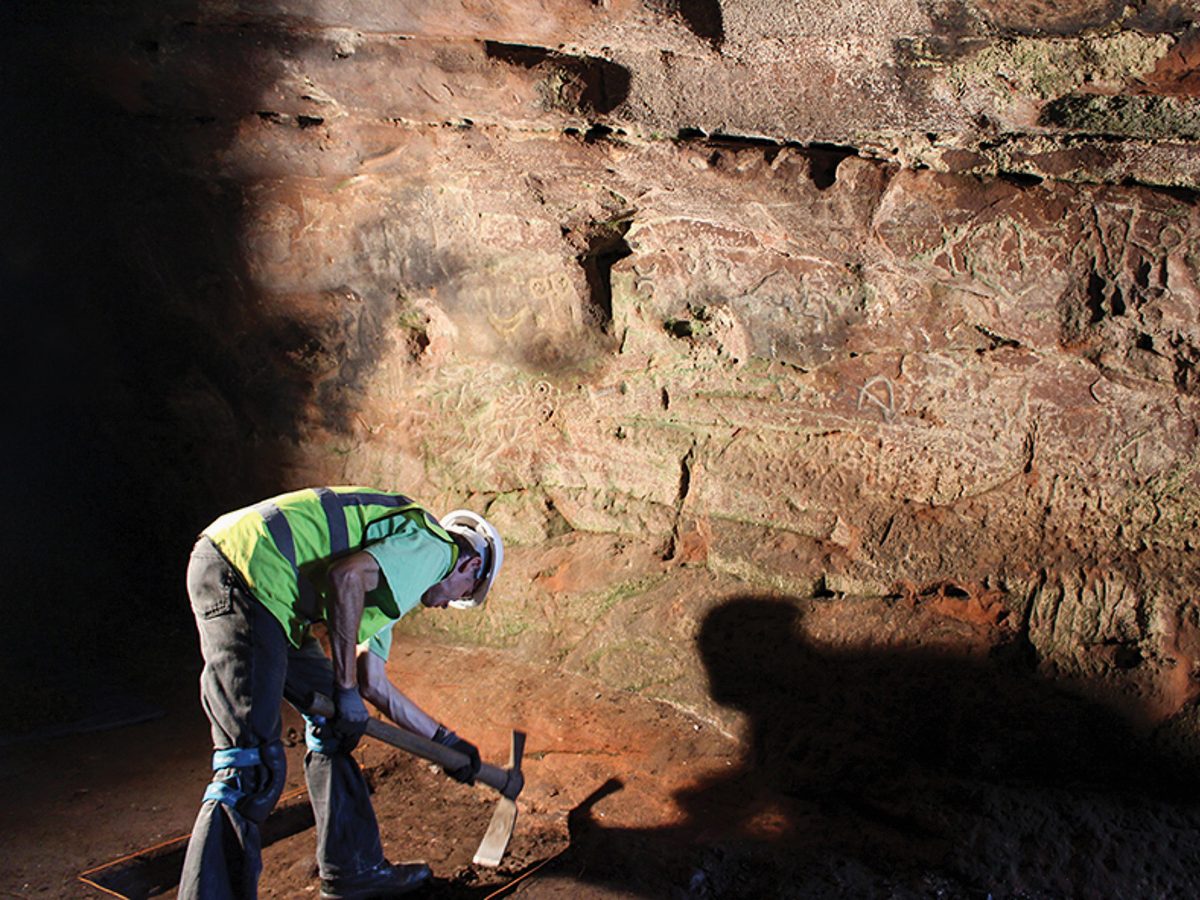
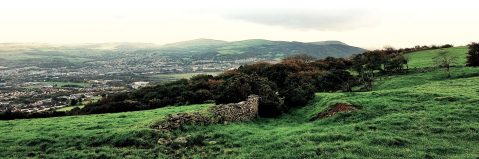 Documenting a sacred landscape: Rock art and monuments of the South Wales uplands Over the last three decades, archaeologists and amateur enthusiasts alike have been greatly expanding our understanding of how the upland areas of Glamorgan were used in the late Neolithic and…
  Between the salt water and the sea strand: Excavating the Hornsea Project One Cable Route in Lincolnshire A 40km trench dug to accommodate cables linking an offshore windfarm to the National Grid sparked eight years of archaeological excavations along its route. With the results of Wessex Archaeology’s…
 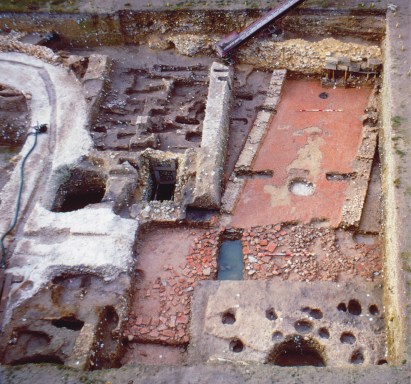 Visualising Venta Belgarum: Touring prehistoric, Roman, and post-Roman Winchester Pioneering excavations in Winchester in the 1960s and 1970s made a major contribution to the development of modern archaeological practice and trained many of those who subsequently became the leading…
  A tale of three giants? New evidence for the evolution of Cerne Abbas’ chalk colossus The 55m-tall hill-figure that towers above the village of Cerne Abbas in Dorset has long been the subject of debate, in terms of both its date and whom it represents.…
 News
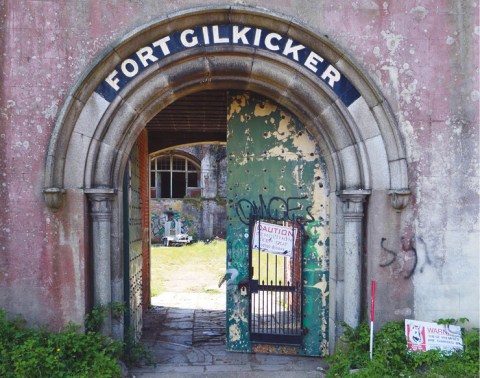 Preserving a Palmerston Fort The Historic Buildings Team from Cotswold Archaeology has recently carried out a detailed recording of Fort Gilkicker in Gosport. This fort is part of the Victorian defences around the town’s…
  World news: From ritual practices in Poland to Rapa Nui’s writing system Ritual practices in prehistoric Poland A considerable number of large Bronze Age and early Iron Age artefacts have been unearthed by archaeologists in a dried-up lakebed at the site of…
  Confirming a 5th-century mosaic at Chedworth Roman Villa The traditional portrayal of post-Roman Britain as a landscape in decline, devoid of the cultural richness that had been infused into it by the presence of the Empire, was turned…
  Excavation reveals Larkhall’s prehistoric past Recently published research has revealed that the location of a new housing development in Larkhall in South Lanarkshire was already popular in prehistory. The discoveries were made during archaeological excavations…
 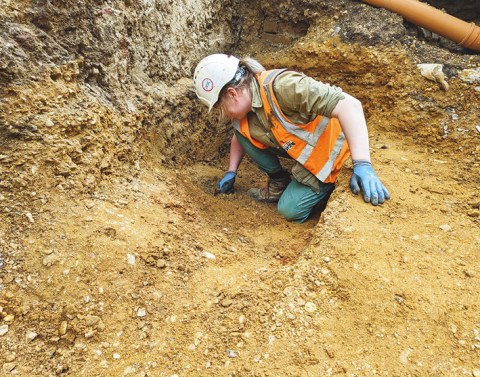 National Gallery excavations uncover more of Anglo-Saxon London Archaeologists from Archaeology South-East, part of the UCL Institute of Archaeology, have uncovered remains from early medieval London during excavations in advance of the National Gallery’s redevelopment project. The investigations…
 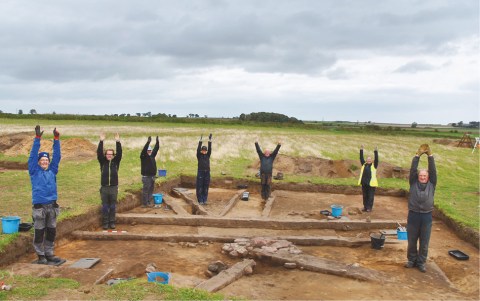 More exciting clues uncovered at early medieval site in the Coquet Valley In 2021 and 2022, archaeological work along a headland near Felton in the Coquet Valley of Northumberland revealed evidence of early medieval activity, including a late 6th-/early 7th-century sunken-featured building…
 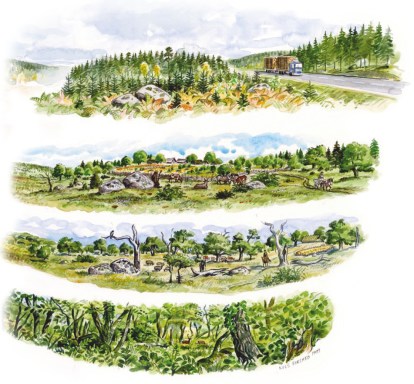 Science Notes – Hunting for hazelnuts: how these nuts can be used to help recreate past environments Being able to determine changes in the environment, and how humans may have adapted to those changes, is an increasingly important aspect of archaeological study. In this month’s ‘Science Notes’,…
  Analysis of Aylesbury’s Roman egg reveals possible contents The first intact bird egg ever recovered from a Romano-British context has recently revealed its possible contents, cementing it as a unique archaeological discovery in Britain, and perhaps in the…
 Views
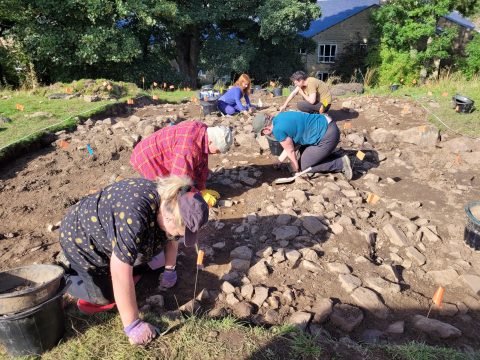 Go digging! Digging, What's on Following on from CA 410, this selection of summer digging opportunities includes projects in North Yorkshire, Nottinghamshire, Dorset, and Aberdeenshire.
  Current Archaeology Live! 2024 What's on This year’s CA Live! conference was our biggest yet, with more than 500 people coming together at UCL’s Institute of Education in London to share the latest news about the…
 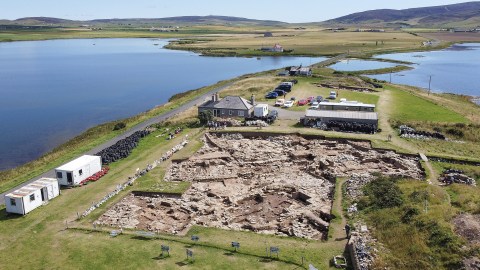 Current Archaeology’s April Listings: exhibitions, events, and heritage from home What's on There are many great archaeological events coming up over the next few months, from conferences and lectures to exhibitions and festivals. If you would prefer to enjoy history and heritage…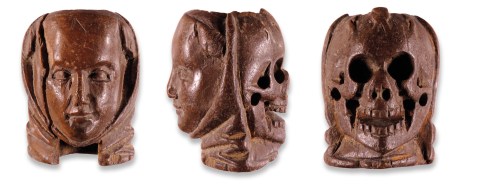
 Secret Tunnels Comment Secret tunnels are a trope of local folklore – many a town in the UK has its story about long-lost underground passages, doubtless providing the inhabitants of a monastery or…
  Excavating Wiltshire Comment I have now examined the archaeology of every county in Britain bar one – Wiltshire. This was no accident, for I have a confession to make: Wiltshire’s archaeology terrifies me.
 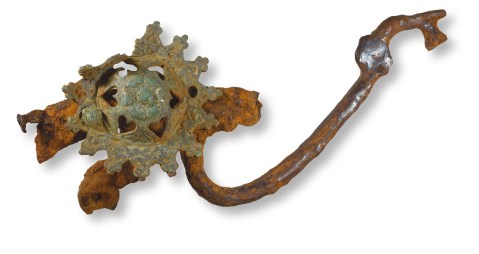 Finds Tray – Bridle boss Objects This is a bridle boss made of copper-alloy and dating to c.1620-1680. It was recently found by a metal-detectorist near Ringmer in Lewes, East Sussex. While heavily corroded, it is…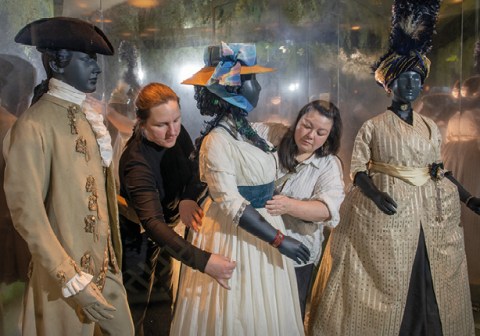
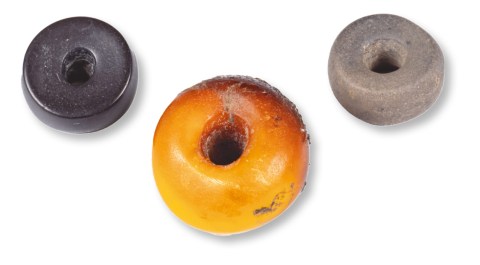 Introducing Must Farm, a Bronze Age Settlement at Peterborough Museum & Art Gallery Museum, What's on A new exhibition set to open later this month, and two newly published monographs, tell the story of Must Farm, an extraordinary Bronze Age site in Cambridgeshire that has shed…
  Go digging! What's on With the summer digging season rapidly approaching, we are planning a series of spreads highlighting archaeological opportunities across Britain and Ireland. This month features projects ranging across East Anglia and…
 Reviews
Go digging! Following on from CA 410, this selection of summer digging opportunities includes projects in North Yorkshire, Nottinghamshire, Dorset, and Aberdeenshire. Current Archaeology Live! 2024 This year’s CA Live! conference was our biggest yet, with more than 500 people coming together at UCL’s Institute of Education in London to share the latest news about the… Current Archaeology’s April Listings: exhibitions, events, and heritage from home There are many great archaeological events coming up over the next few months, from conferences and lectures to exhibitions and festivals. If you would prefer to enjoy history and heritage… Introducing Must Farm, a Bronze Age Settlement at Peterborough Museum & Art Gallery A new exhibition set to open later this month, and two newly published monographs, tell the story of Must Farm, an extraordinary Bronze Age site in Cambridgeshire that has shed… Go digging! With the summer digging season rapidly approaching, we are planning a series of spreads highlighting archaeological opportunities across Britain and Ireland. This month features projects ranging across East Anglia and…  Excavations at Redhouse, Adwick Le Street, Doncaster: Bronze Age, Iron Age, and Roman occupation REVIEW BY PATRICK DANIEL This book summarises 17 years of work by MOLA Northampton/Northamptonshire Archaeology at a 70ha development by the Roman road north of Doncaster. The earliest remains comprised…
 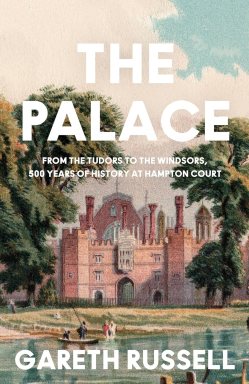 The Palace: From the Tudors to the Windsors, 500 years of history at Hampton Court REVIEW BY DANIEL JACKSON Hampton Court Palace, nestled within a bend of the Thames 13 miles from the centre of London, has a fascinating history, during which it grew from…
  The Archaeology of Worcester in 20 Digs REVIEW BY AB The archaeological exploration of Worcester began with antiquarian works several hundred years ago, but the bulk of the research has been carried out since the mid-20th century.…
  Derrycarhoon: A later Bronze Age copper mine in south-west Ireland REVIEW BY ROB IXER Over the decades, O’Brien has recorded, in intense detail, the earliest prehistoric copper mining in south-west Ireland, namely Beaker People’s Chalcolithic to early Bronze Age exploitation…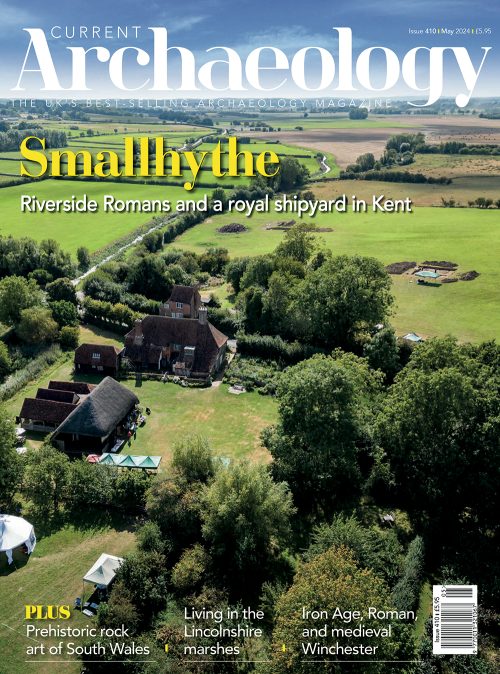
From the editor
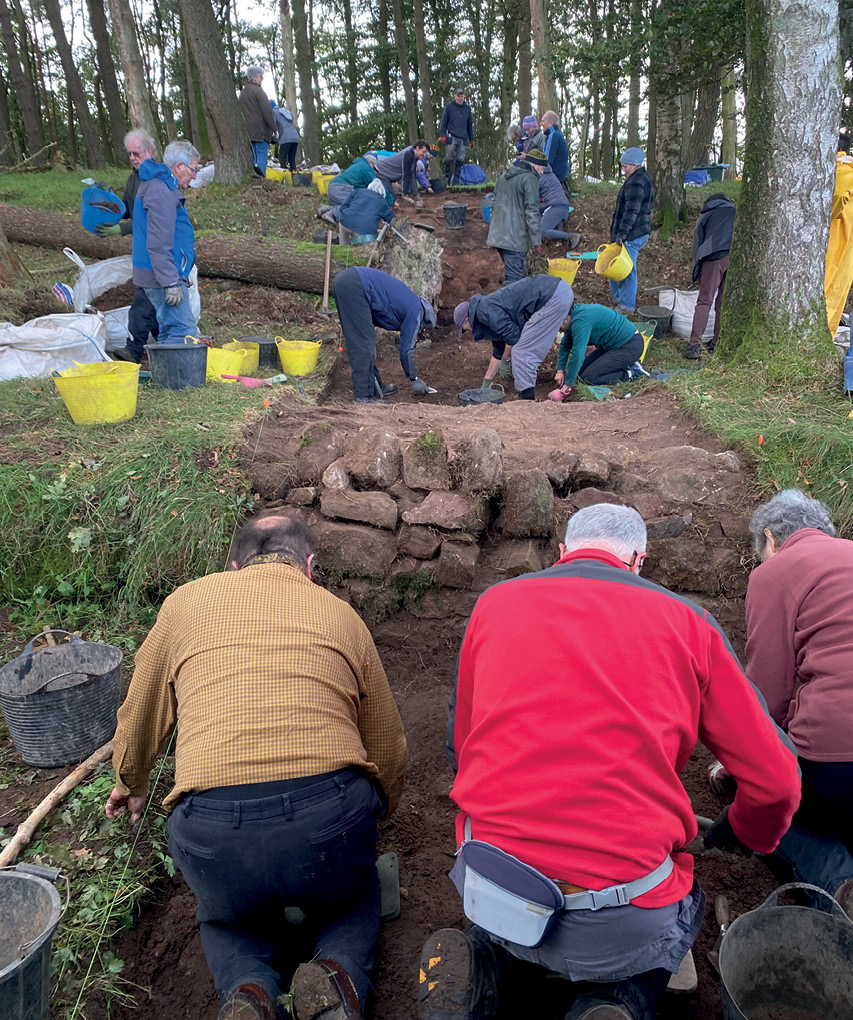
Today, Smallhythe Place in Kent is best known as a bohemian rural retreat once owned by the Victorian actress Ellen Terry and her daughter Edy Craig. As this month’s cover feature reveals, however, the surrounding fields preserve evidence of much earlier activity, including a medieval royal shipyard and a previously unknown Roman settlement.
Our next feature comes from the heavy clays of the Humber Estuary, where excavations sparked by the construction of an offshore windfarm have opened a 40km transect through northern Lincolnshire, with illuminating results.
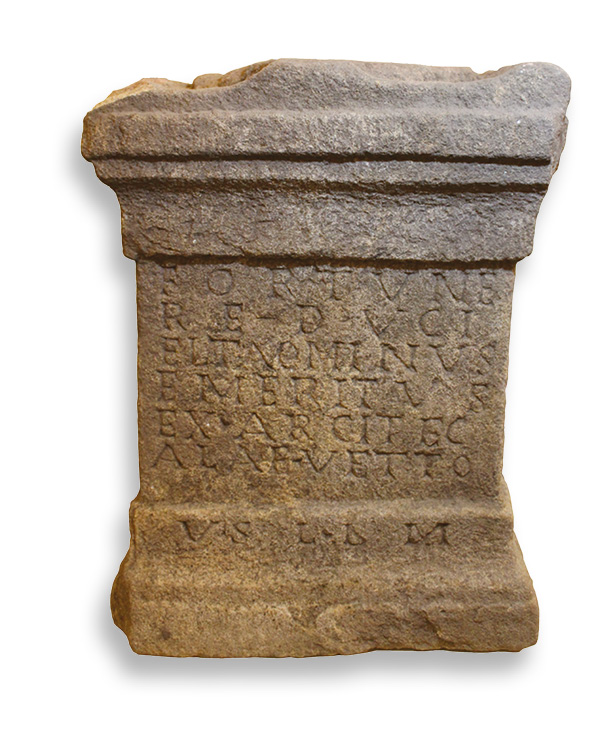
We then take a tour of Iron Age, Roman, and medieval Winchester, tracing its evolution into a regional capital and later a royal power centre.
Leaving urban surroundings behind, we next head out into the uplands of south Wales, searching for late Bronze Age and Neolithic rock art. What can recent discoveries tell us about how this landscape was used more than 4,000 years ago?
Our closing feature turns the spotlight on the Cerne Abbas Giant, an imposing outline cut into a Dorset hillside. What have the last few years of fieldwork revealed about the hill-figure’s date and the development of its design?
Finally, the summer digging season is rapidly approaching, and we are taking a slightly different approach with our ‘Digs Guide’ for 2024. We will be running several spreads across successive issues, with the first of them here; if you have a project you would like to include in the next one, please email cp@currentpublishing.com.