
Subscribe now for full access and no adverts
On 24 February, Current Archaeology Live! returned to the Institute of Education, near Russell Square in London, for an archaeology-packed day organised in partnership with the UCL Institute of Archaeology. Talks spanned the Palaeolithic to the present day, and encompassed archaeological projects undertaken at home, abroad, and on screen. We also heard the results of this year’s CA Awards (see below), which saw a record number of votes cast in all categories.
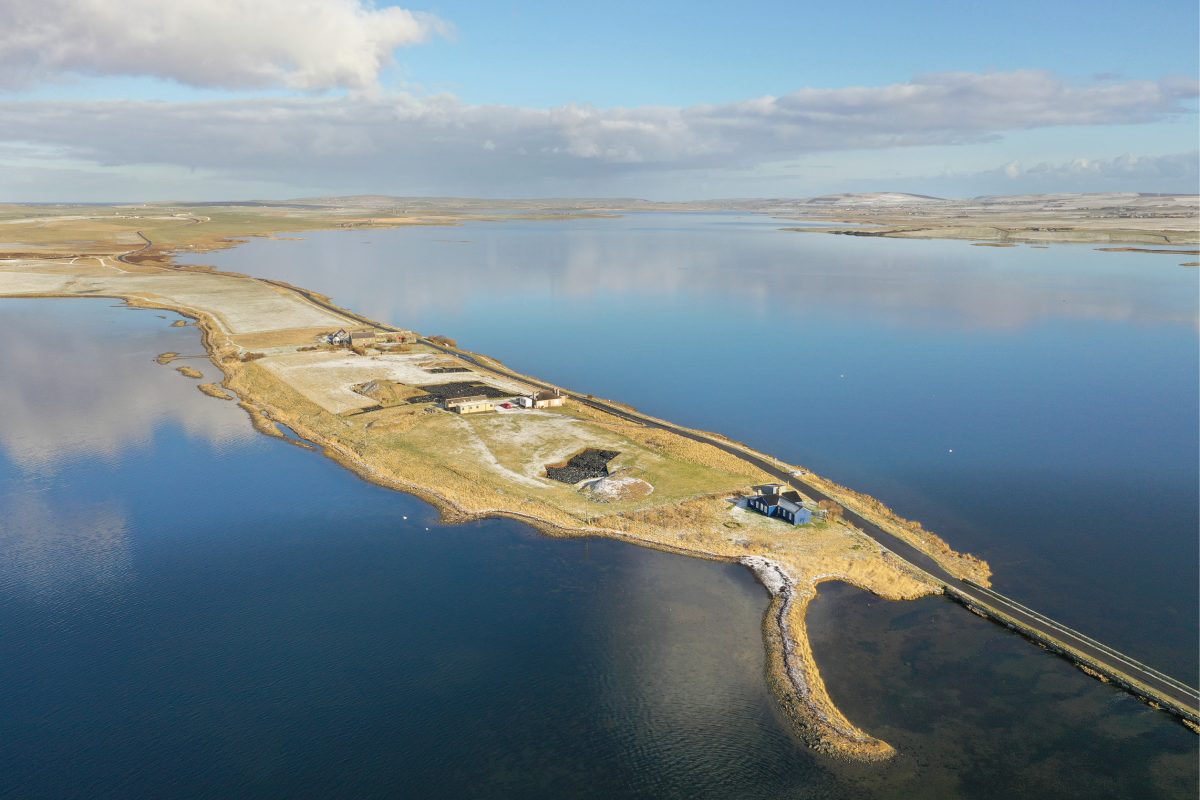
This year’s conference began with Dr Matt Pope (UCL Institute of Archaeology), who spoke about new thinking on the Neanderthals at La Cotte de St Brelade in Jersey. We continued on the theme of ‘lost people and places’ with an account by Ali Cameron and Alice Jaspars (Cameron Archaeology/University of Southampton) of excavations that are helping to illuminate the ‘missing monastery’ at Deer. Session 1 concluded with a talk from Nathalie Cohen (National Trust), who shared some of the latest findings from Smallhythe in Kent – click here to find out more about this site.
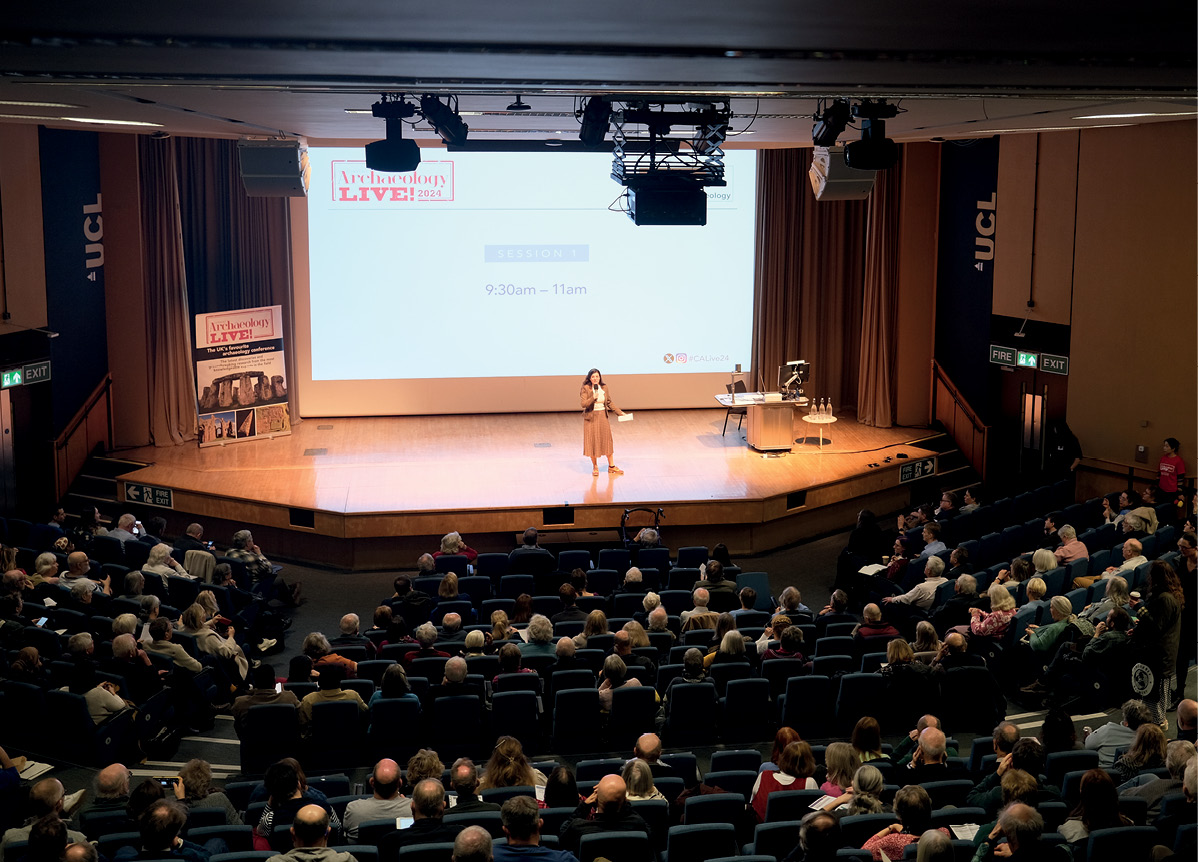
Session 2 examined different ways of exploring the past, with talks featuring rescue archaeology, international research excavations, and how archaeology is presented on the small screen. Ashley Tuck (Wessex Archaeology) kicked things off by describing some of the diverse findings uncovered during the Hornsea Project One Cable Route initiative in Lincolnshire, after which Professor Kevin MacDonald (UCL Institute of Archaeology) took us on a tour of the tumuli of Mali and Senegal. Our third speaker was intended to be Natasha Billson (Behind the Trowel), but a last-minute change to the programme saw archaeologist and educator Julian Richards share some of his experiences across 50 years of fieldwork and television archaeology instead. Big thanks to Julian for his contribution on the day, and we hope to hear more about Natasha’s research at next year’s conference.
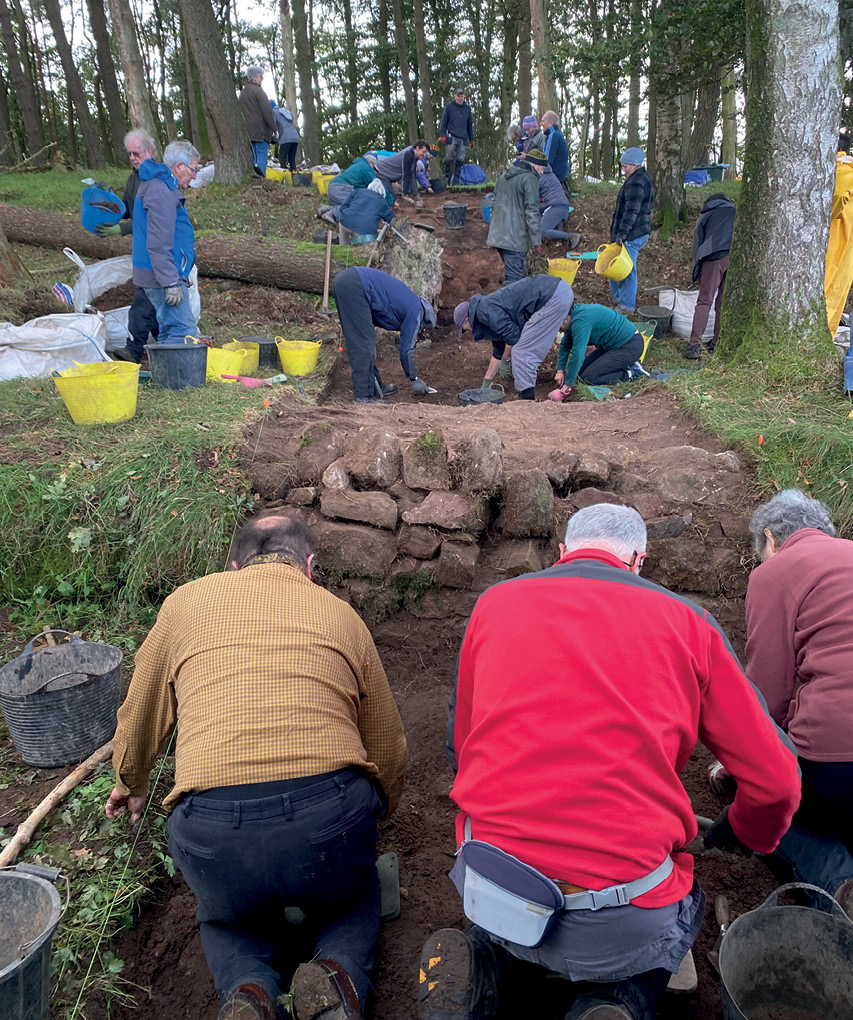
After lunch, the afternoon session explored how perceptions of archaeological practices and individual sites are changing. Professor Julian Thomas (University of Manchester) went first, talking about recent excavations at Arthur’s Stone – an intriguing Neolithic monument in Herefordshire whose design seems to have evolved over centuries (see CA 404). Next Maiya Pina-Dacier (DigVentures) spoke to us about thought-provoking new processes using AI and human volunteers to record archaeological features. Finally, Rachel Frame (Vindolanda Trust) offered insights from the first modern excavations to take place at Milecastle 46 on Hadrian’s Wall.
Finally, this year’s keynote lecture was given by Dr John Gater (Time Team/SUMO GeoSurveys), who took us behind the scenes of Time Team and shared anecdotes from ‘30 years in the media limelight’.
Grateful thanks to our partner, the UCL Institute of Archaeology; to UCL’s Institute of Education for hosting us; to Butser Ancient Farm, Oxbow Books, Wessex Insurance Brokers Ltd, and the Department of Archaeology, University of Cambridge, for sponsoring this year’s CA Awards; to Hidden History Travel for sponsoring the CWA Photo Competition; to all of our hugely deserving award nominees; to our excellent speakers; to our ever-helpful volunteers; and to everyone who took part in the archaeology fair. Thanks, too, to all of you who came along, or who joined in virtually via our live tweets (which you can find on X by searching for #CALive24). We are still finalising the dates for next year’s conference, so watch this space for an update in the very near future.

Current Archaeology Awards 2024
The winners of the annual CA Awards, which recognise the people, projects, and publications that have made an outstanding contribution to archaeology, were announced by Julian Richards at the end of the conference. There was also a separate award judged and presented by Adam Stanford for Current World Archaeology’s Photo of the Year. Thank you to everyone who voted.