
Subscribe now for full access and no adverts
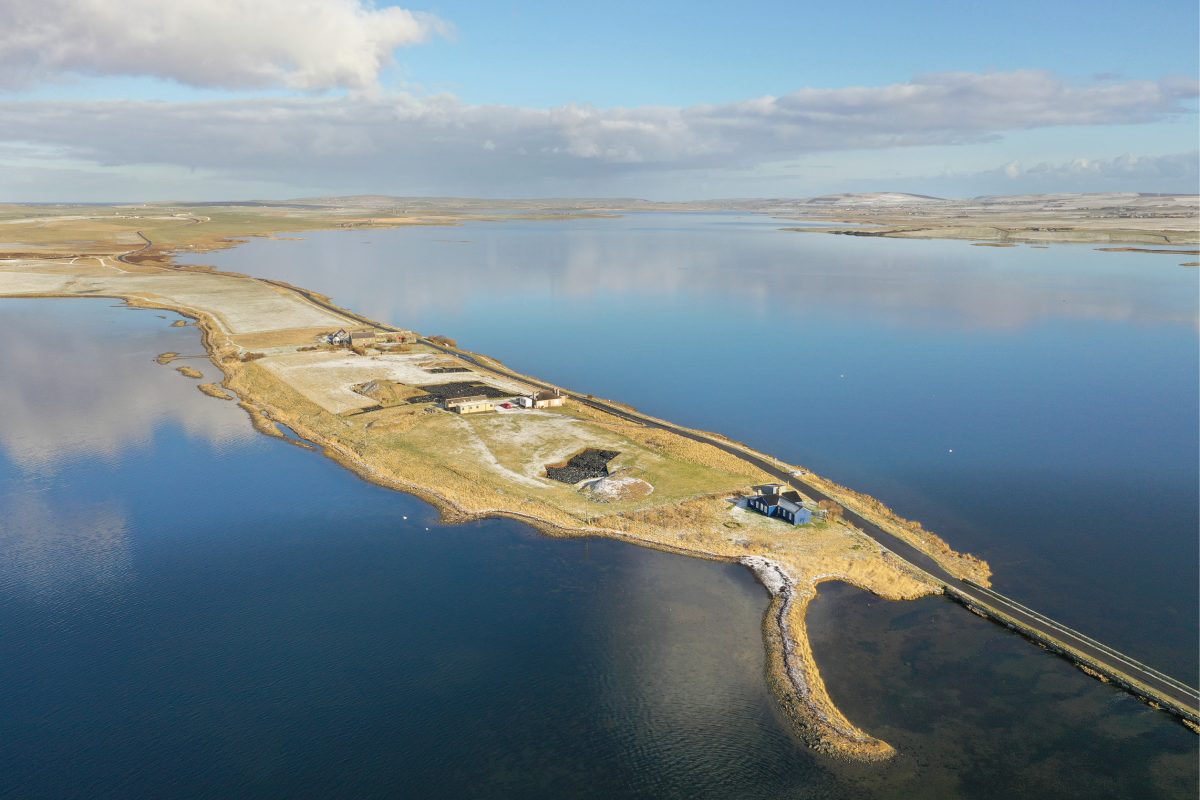
When the Cambridge Archaeological Unit carried out rescue excavations on the site of a brick quarry at Must Farm, near Whittlesey in Cambridgeshire, their discoveries were so significant that the site was dubbed ‘Britain’s Pompeii’. The investigations (funded by Historic England and landowner Forterra) uncovered the well-preserved remains of a Bronze Age settlement, where roundhouses had once stood on stilts above the watery fenland before they were destroyed by fire. As their inhabitants fled, they abandoned an illuminating array of objects, from personal possessions and practical tools to bowls still containing traces of their final meal. As the buildings burned and their floors collapsed, these items fell into the shallow, slow-moving river below, where they remained until their rediscovery 3,000 years later (see CA 312 and CA 319).
The excavations produced the largest collection of everyday Bronze Age artefacts ever discovered in the UK – and now members of the public will be able to see some of these finds, in a new exhibition set to open at Peterborough Museum and Art Gallery on 27 April.
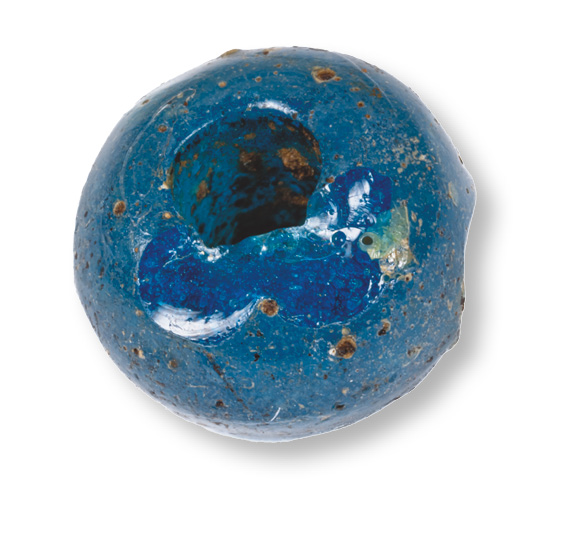
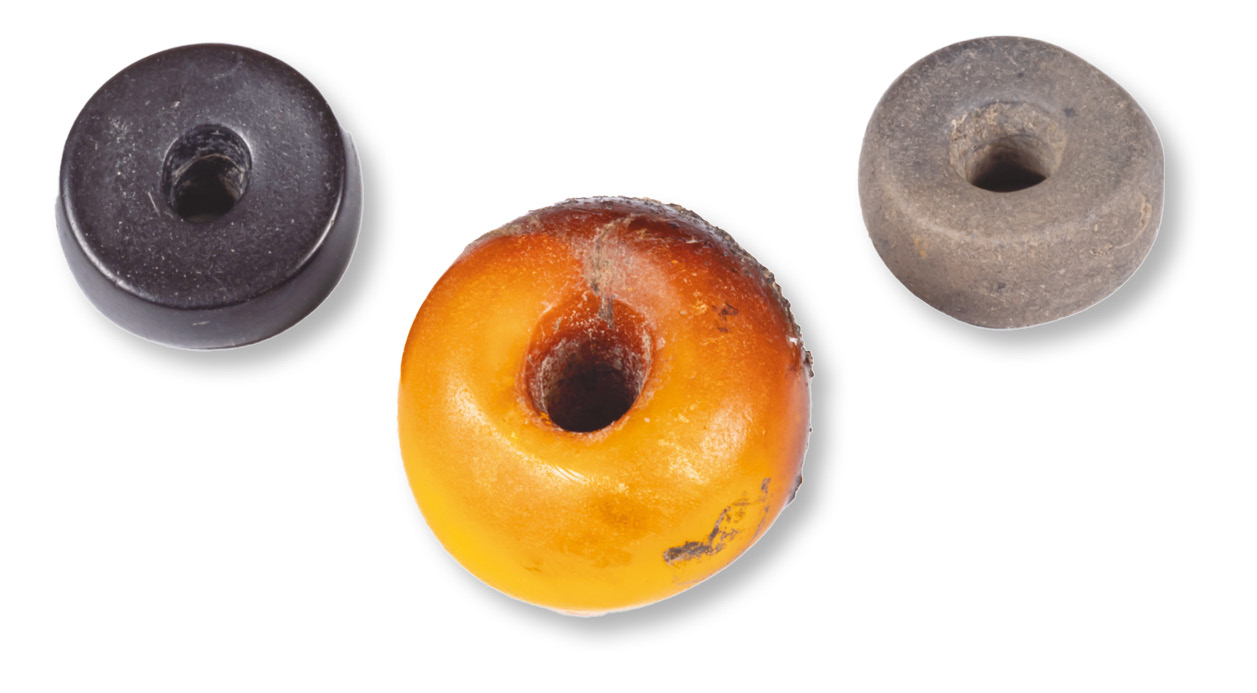
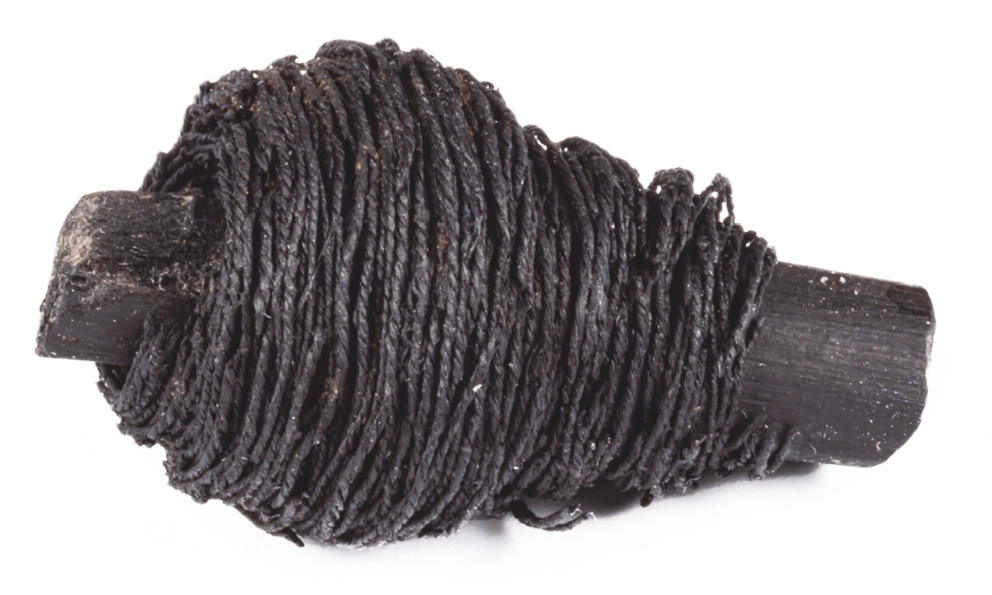
Among the items on display in Introducing Must Farm, a Bronze Age Settlement, are colourful glass beads, as well examples made from siltstone, amber, and shale (pictured above), materials with diverse origins that are thought to have been brought together in a single necklace. Emphasising the remarkable preservation conditions of the waterlogged site, other highlights include bobbins with intact thread still wound around them (below), pieces of woven fabric created using a technique called twining, and balls of spun flax thread, demonstrating that textile production was an important activity at Must Farm. Meanwhile, domestic insights come from items like a wooden platter thought to have been used to serve food.
Two new open-access publications covering the excavations and subsequent analysis have also been published by the McDonald Institute for Archaeological Research, supported by Historic England: Must Farm Pile-dwelling Settlement – Volumes 1 and 2. Volume 1 (a general synthesis) is freely available online at https://doi.org/10.17863/CAM.106697 and also in book form from Pen and Sword Books (via Casemate UK, priced at £45), while Volume 2 (the specialist reports) is only available open-access in digital format.
Watch out for a feature sharing the latest thinking on this remarkable site in CA 412.
Further information: Must Farm, a Bronze Age Settlement runs at Peterborough Museum & Art Gallery from 27 April until 28 September, though please note that the museum is only open Tue-Sat. Entry is free. See www.peterboroughmuseum.org.uk/plan-your-visit for more details.