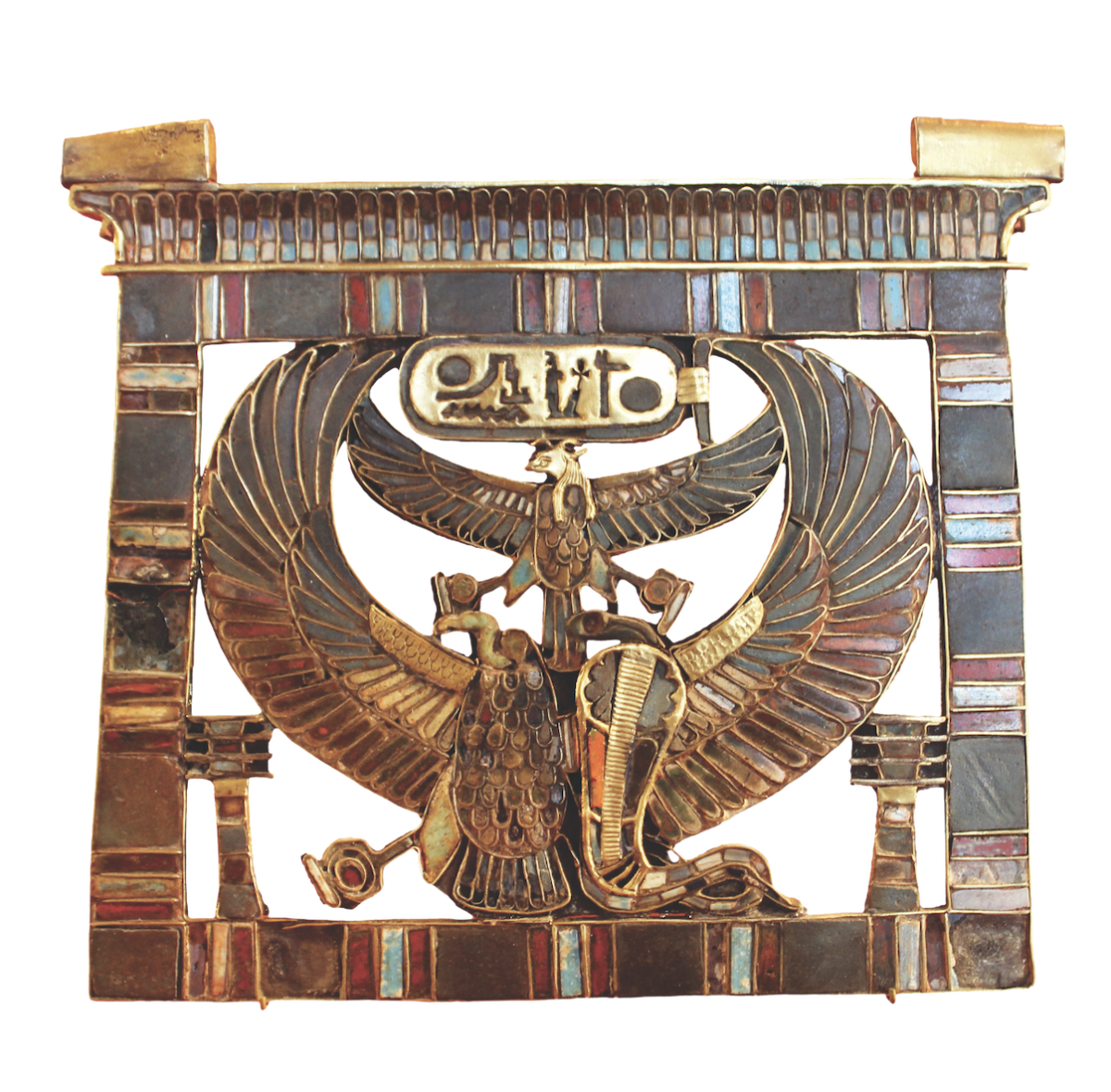
Cover Story
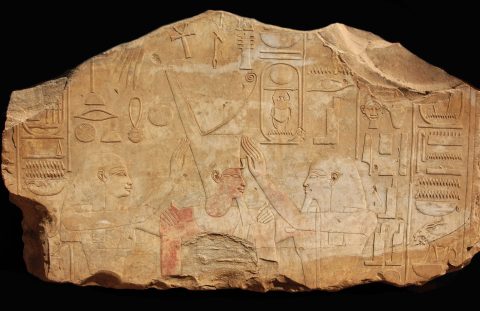 The surprise discovery of the tomb of Thutmose II Judith Bunbury of the New Kingdom Research Foundation (NKRF) describes how ten years of work led to the discovery of one – possibly two – new royal tombs for the same king.
 Features
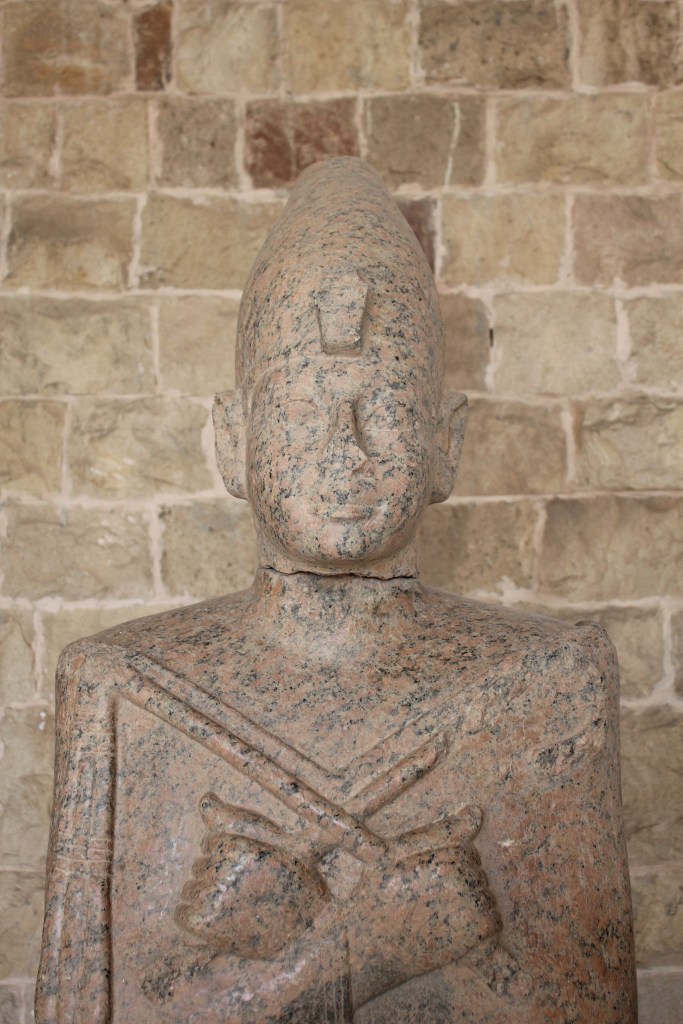
 Who Was Thutmose II? Aidan Dodson explores the family history of this short-lived king, and how the discovery of his tomb sheds light on the burials of the early New Kingdom pharaohs.
 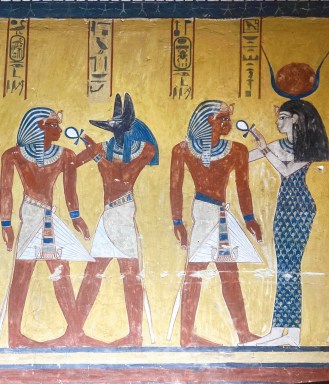 Colourful Costumes: Clothing of goddesses, gods, kings, and queens Textiles specialist Nancy Arthur Hoskins recreates royal and divine clothing from New Kingdom tomb paintings.
 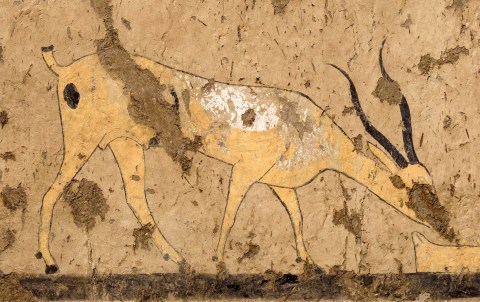 Hilary Wilson on… Horned beasts: 2 In the second part of an article on the symbolism attached by the ancient Egyptians to beasts with horns, Hilary looks at goats, sheep, and wild animals.
 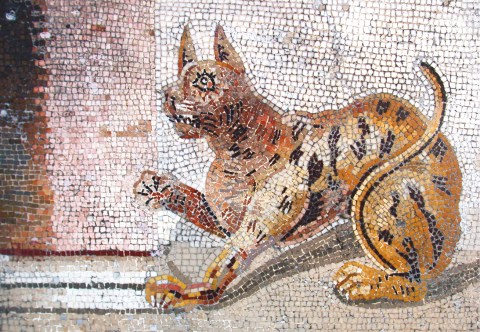 Egyptian ginger cats: Honorary Soldiers of Rome W Benson Harer Jr says we should thank the Roman legionaries for our ginger feline friends.
 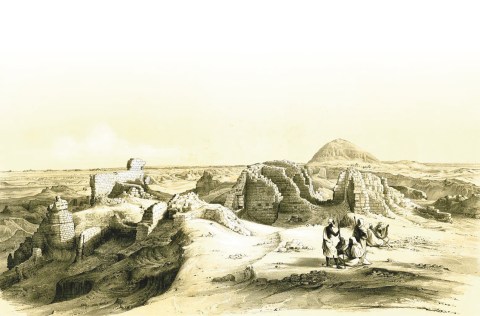 The lost Egyptian labyrinth Sean Rigby investigates the mysterious monument that impressed Classical writers more than the Great Pyramid.
  What can ancient skulls tell us? Rachel Cotton investigates why some early Egyptologists collected skulls, and shows how the analysis of one particular skull can reveal much about the deceased person’s life.
 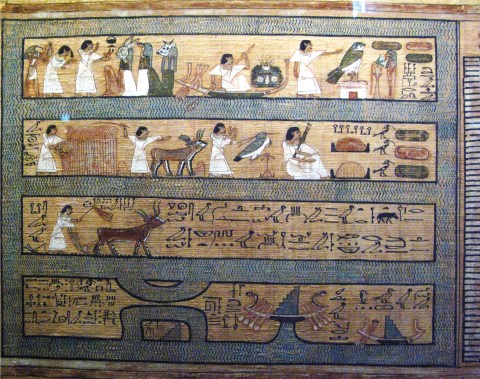 Ani’s life after death – 4: in the field of reeds Ani reaches the end of his journey through the underworld in the fourth of Andrew Fulton’s series exploring this famous Book of the Dead.
 News
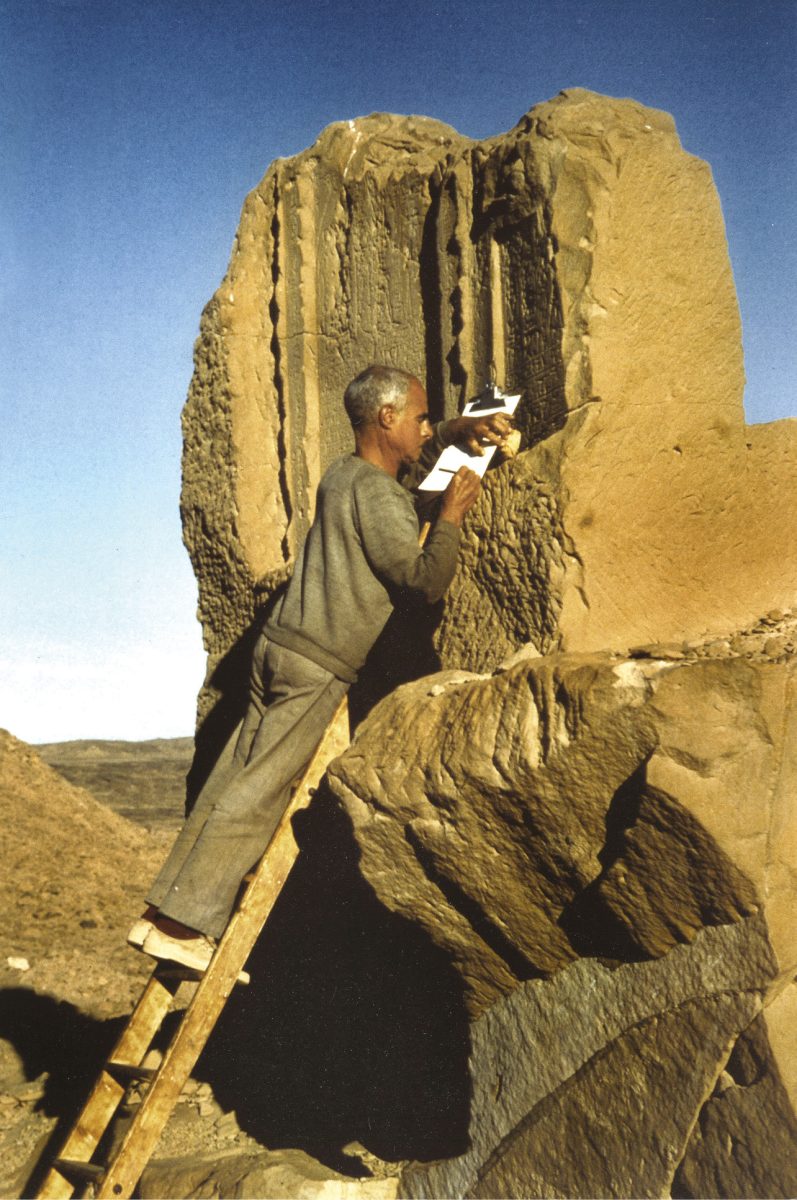
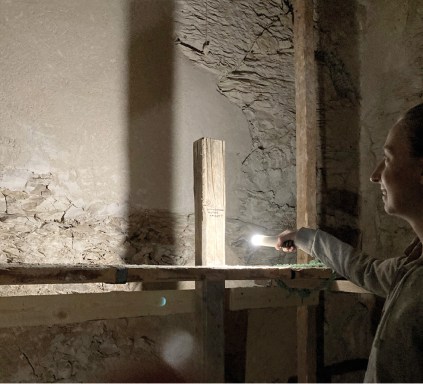 The tombs of Thutmose II The discovery of a new Egyptian royal tomb in Western Valley C (adjacent to the Valley of the Kings) has been confirmed by a joint mission between the Ministry of…
 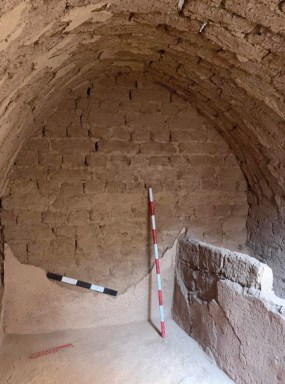 New Abydos pharaoh Following the discovery of the Tomb of Senebkay at Abydos in 2014 (see ‘News’ in AE 82 and AE 89), a new mystery pharaoh has been found at the site,…
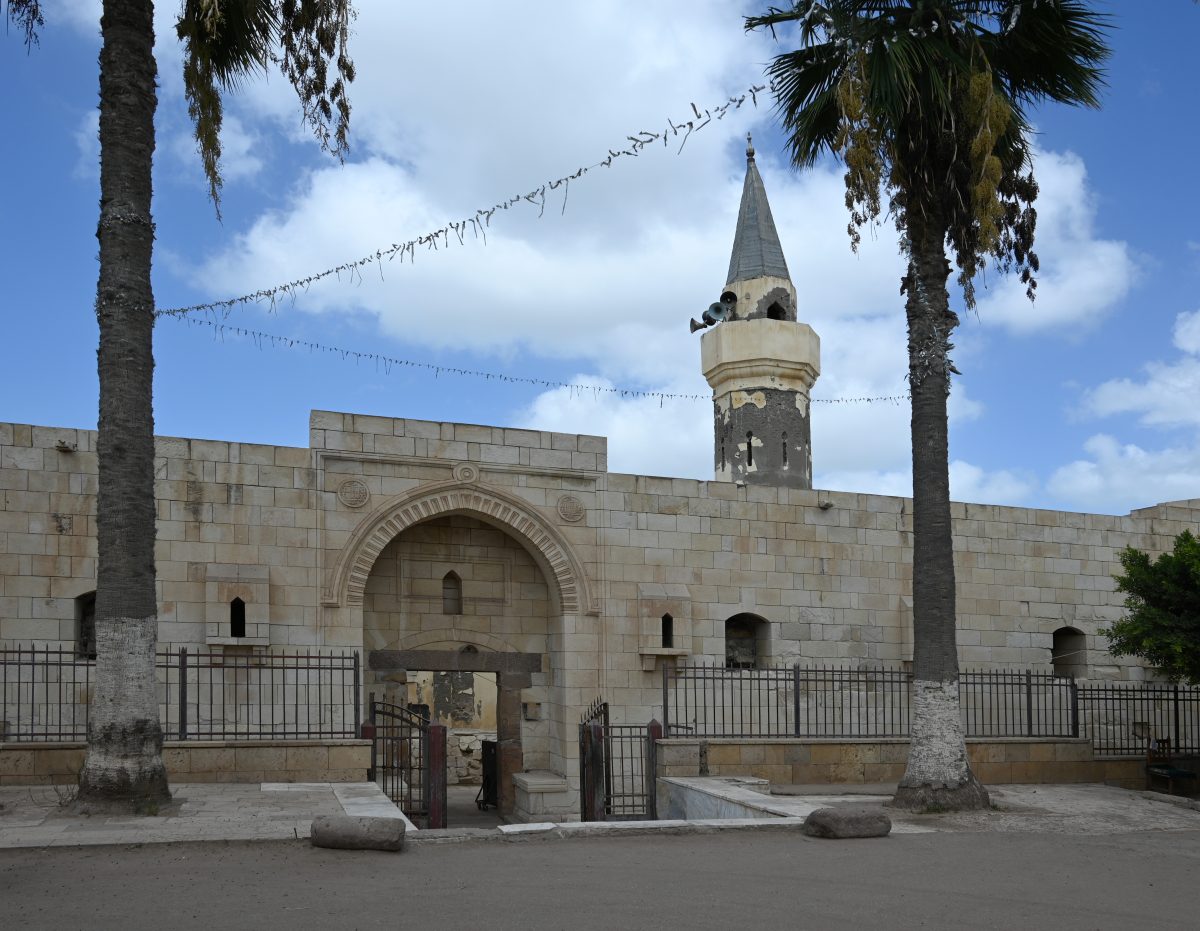
 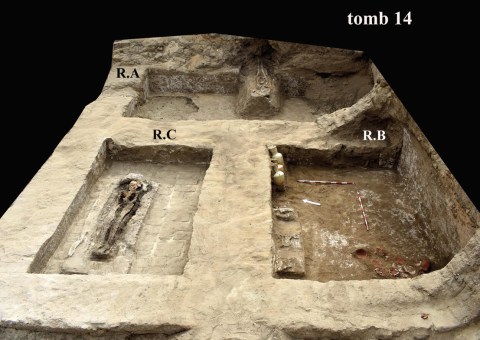 Military commander’s tomb? An Egyptian mission has discovered a new mud-brick tomb at the site of Tell el-Maskhuta, in the eastern Nile Delta (about 16km west of Ismailia). The tomb, consisting of a…
 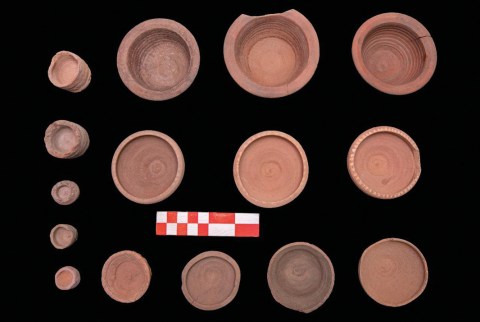 Sohag pottery workshop A complete Byzantine-era pottery workshop has been found in the village of Banawit, 24km north of Sohag, by an Egyptian mission. The complex, one of the largest pottery- and glass-manufacturing…
  Karnak pot of gold The team from the French-Egyptian Centre for the Study of the Temples of Karnak (CFEETK) has uncovered a large collection of gold jewellery and amulets, which was in a broken…
 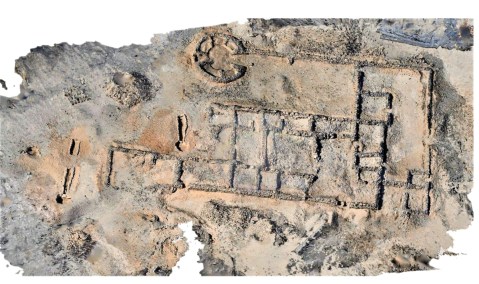 Gebel Sukari gold mine An Egyptian team has completed a two-year project to excavate a 3,000 year-old gold-processing centre found on the site of the modern Sukari gold mine, near Marsa Alam on the…
 Views
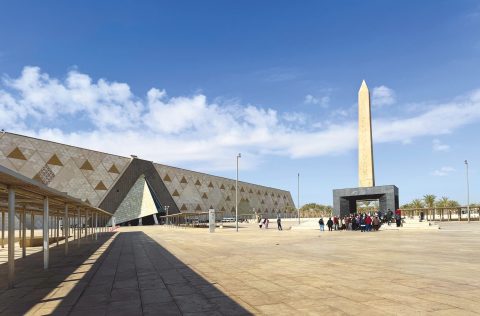 The Grand Egyptian Museum: Visiting the Main galleries Travel Geoffrey Lenox-Smith pays a second visit to the new Grand Egyptian Museum.
  Win a copy of The Fall of Egypt and the Rise of Rome by Guy de la Bédoyère, published by Yale University Press Competitions Where is this? If you know, email the Editor peter@ancientegyptmagazine.com before 30 June with your answer, giving your full name, address, and a contact phone number. One lucky reader will…
 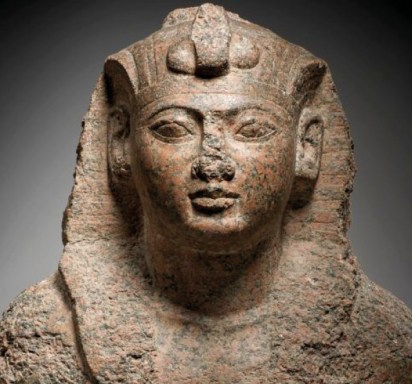 Ancient Egypt April listings What's on TIMELESS GAZES: FROM PHARAOHS TO THE PRESENT DAY Timeless Gazes is a new exhibition celebrating ancient Egypt and contemporary art in relation to the African continent, featuring 130 paintings, photographs,…
 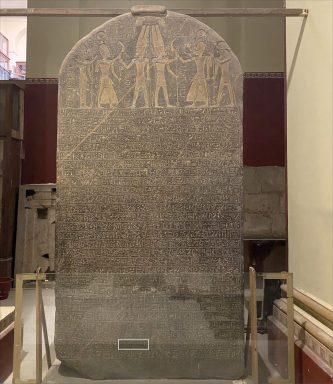 The ‘Israel Stela’ of Merenptah The Picture Desk The only reference to Israel ever found in Egypt, inscribed on a stela discovered in 1896 by Flinders Petrie.
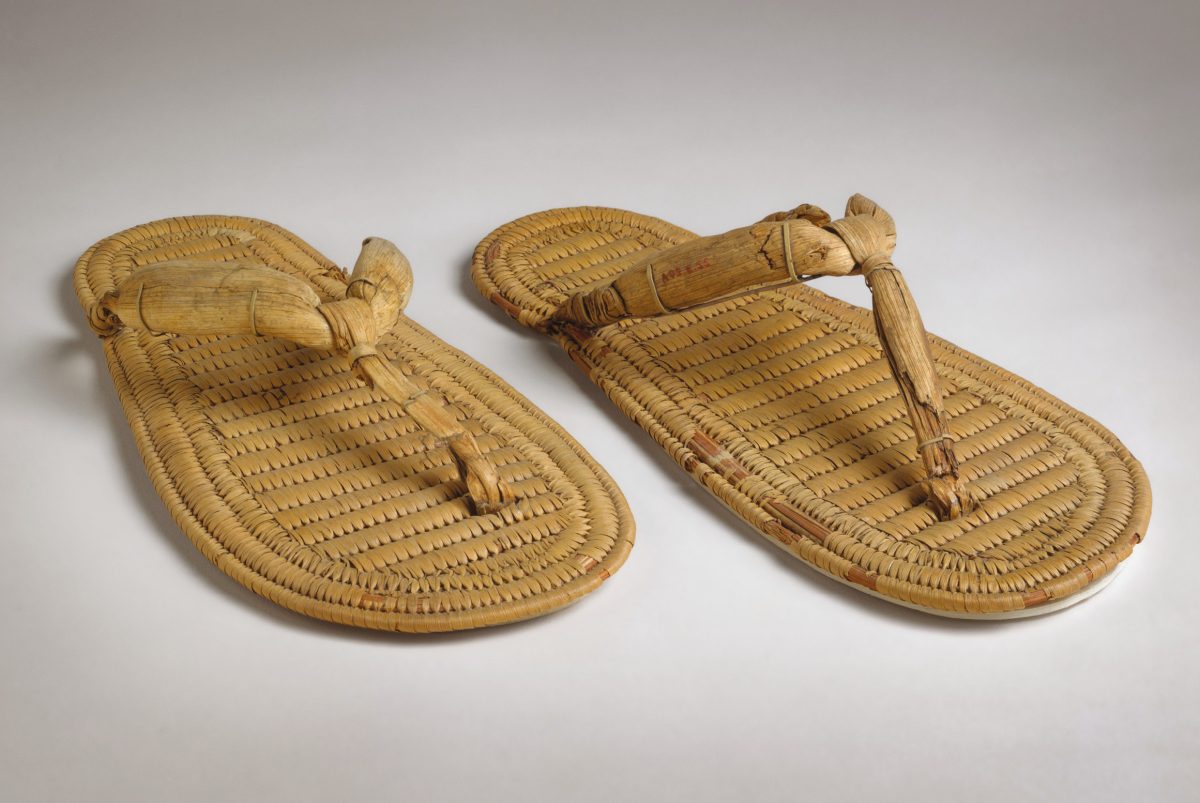
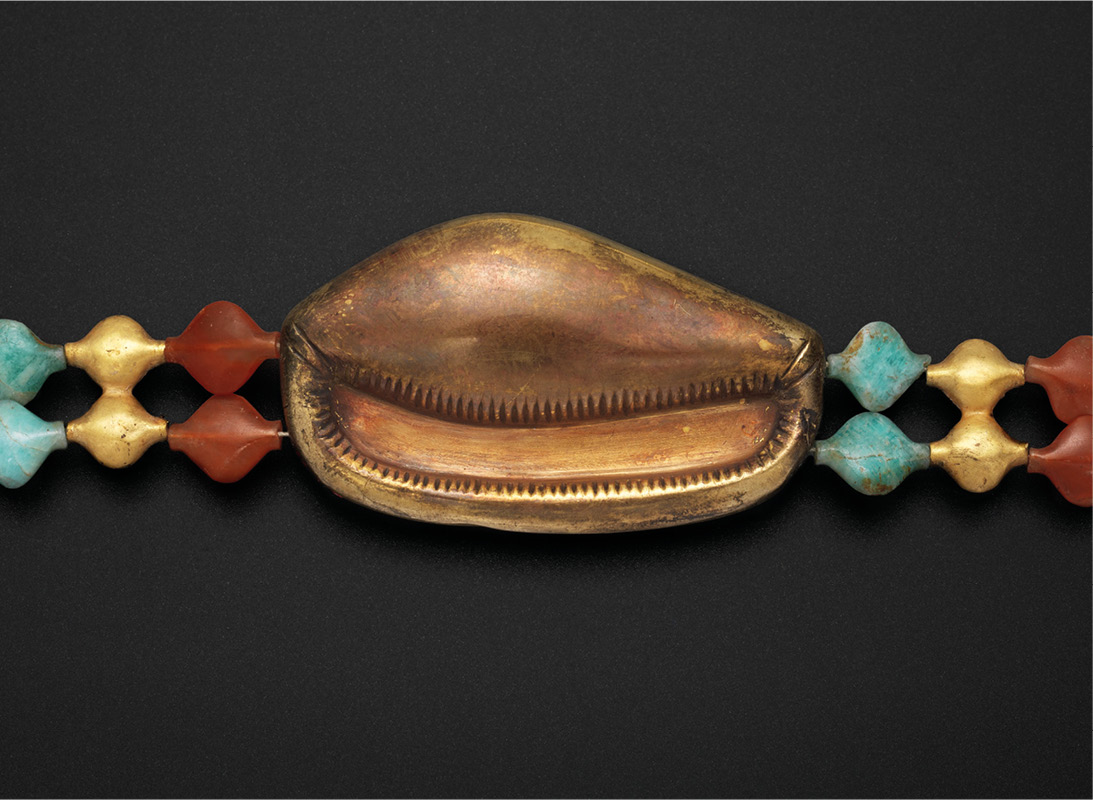
 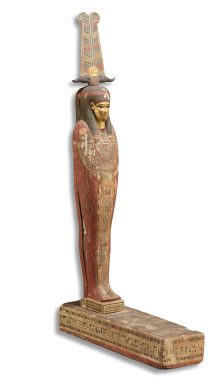 Ptah-Sokar-Osiris figurine Objects Campbell Price describes a statuette in the Metropolitan Museum of Art, and considers what it meant to its owner.
 Reviews
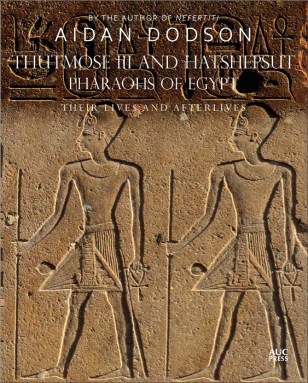 Thutmose III and Hatshepsut, Pharaohs of Egypt: Their lives and afterlives REVIEW BY JPP This is a beautifully presented book, amply illustrated with full-colour photographs throughout. The author uses the ancient Egyptian dating system of regnal years, seasons, months, and days… The Grand Egyptian Museum: Visiting the Main galleries Geoffrey Lenox-Smith pays a second visit to the new Grand Egyptian Museum.
 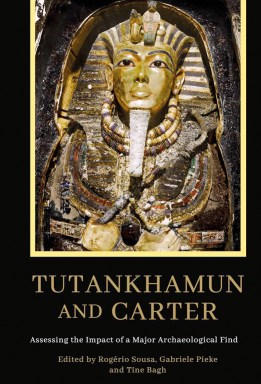 Tutankhamun and Carter: Assessing the Impact of a Major Archaeological Find REVIEW BY CAMPBELL PRICE It is a frequent complaint that, despite the great fame of the discovery of Tutankhamun’s tomb (KV62) in 1922, the rate at which material from the…
 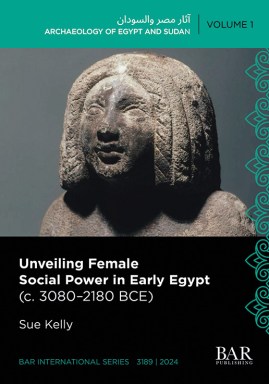 Unveiling Female Social Power in Early Egypt (c.3080-2180 BCE) REVIEW BY ANNA GARNETT This volume is the first to be published from BAR International’s exciting new specialist sub-series focused solely on the archaeology of Egypt and Sudan. Sue Kelly…
 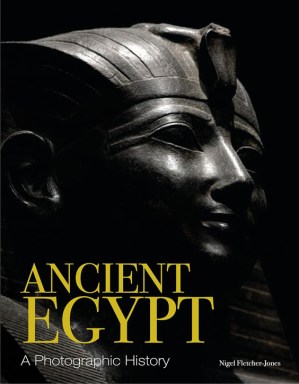 Ancient Egypt: A Photographic History REVIEW BY ROGER FORSHAW Nigel Fletcher-Jones’ Ancient Egypt: a photographic history offers a visual overview of more than 3,000 years of Egyptian civilisation. With 200 well-presented photographs, the book provides…
 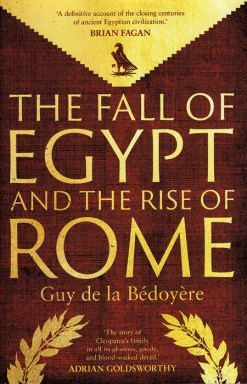 The Fall of Egypt and the Rise of Rome REVIEW BY SARAH GRIFFITHS Students of Egyptian history have been denied books on the Ptolemaic rulers as, according to Guy de la Bédoyère, ‘some Egyptologists visibly wince when pressed by… Ancient Egypt April listings TIMELESS GAZES: FROM PHARAOHS TO THE PRESENT DAY Timeless Gazes is a new exhibition celebrating ancient Egypt and contemporary art in relation to the African continent, featuring 130 paintings, photographs,…
From the editor
There has been a flurry of excitement in the national press recently about the discovery of another royal tomb in the Valley of the Kings. In reality, this is only partially true: the tomb (C4) is not in the Valley that is a prime tourist attraction, but lies some distance to the west, in the Wadi Gabbanet el-Qurud, which was used as a royal burial place before any tombs were created in the eastern Valley of the Kings. The tomb was originally found in 2022, but it has now been identified as the original Tomb of Thutmose II. What is more, the excavation team has just announced that they believe they have also discovered where the king might have been finally laid to rest. Find out more in two articles on Thutmose II and his tombs in this issue.
After preparing the last issue (AE 147), we received the sad news of the death of one of the most significant Egyptologists of our time: Professor Kenneth Kitchen, who passed away on 6 February 2025 at the age of 92. Ken was a student at the University of Liverpool, and spent the whole of his illustrious career there as a lecturer, and ultimately as Brunner Professor of Egyptology. He was a world authority on the kings of the Ramesside Period and on ancient Egyptian chronology, and was able to translate texts written in all the languages of the ancient Middle East. His loss is deeply felt by all who knew him.
As usual, this issue contains articles on a very wide range of topics: the Israel Stela and the ‘Labyrinth’ of Hawara; the highlights of the new Grand Egyptian Museum; why we should thank the Romans for ginger cats; and the (disturbing) reason that museum collections contain so many ancient Egyptian human skulls. Hilary Wilson tells us more about types of ‘horned beasts’ familiar to the ancient Egyptians, and Nancy Arthur Hoskins recreates some of the colourful fabrics depicted in the ancient New Kingdom tomb scenes.
Finally, Sarah Griffiths and I are delighted to announce that Professor Aidan Dodson has joined our editorial team as Consultant Editor, alongside Rosalie David. Aidan is well known to our readers as a prolific author and lecturer, and he has contributed many articles to the magazine, as well as being an invaluable source of information (and photographs) that have greatly assisted us in our roles as Editors.
J Peter Phillips, Editor