Subscribe now for full access and no adverts
Ricardo Augusto Caminos was born in Buenos Aires, Argentina, on 11 July 1915 to Carlos Norberto Caminos and Maria Etelvina Caminos (née Crottogini). His mother’s family originated in the Dolomites of northern Italy, a place traversed (in 1872) by Amelia B Edwards, founder of the Egypt Exploration Society (EES). Ricardo grew up surrounded by literature and the arts, a lifelong love of which was instilled in him by his parents. His education focused on history at the University of Buenos Aires, where he achieved an MA in 1938. It is around this time that he began collecting books, amassing a small library of literary works which long remained in storage. While engrossed in his studies, Ricardo enjoyed the wider cultural scene of the vibrant city, and became ‘an exponent of the tango’, as chronicled after his death in 1992 by his friend and biographer T G H James.
In 1941, Ricardo received a scholarship from the Institute of International Education in New York and relocated to the Oriental Institute, now the Institute for the Study of Ancient Cultures (ISAC), at the University of Chicago. There, he devoted himself to scholarship with a single-minded focus that may have given his later life a somewhat ‘monkish’ character. His studies concentrated on the texts of the Bubastite Gate at Karnak – though he remained somewhat self-taught in the field of Egyptology. He achieved his PhD in 1947, after a year of studies at the University of Oxford, which was made possible thanks to support from a Rockefeller Foundation Scholarship in 1945-1946.
It was in post-war Oxford that Ricardo met Battiscombe Gunn and Alan Gardiner, who were both impressed by the young scholar’s devotion to literature and Egyptology. This formative year left a lasting impression on Ricardo and, no doubt, led to his incorporation into British Egyptological circles for the rest of his life.
Archaeological Survey of Egypt
Back in Chicago, Ricardo continued his training on the Epigraphic Survey in Luxor, where he learned skills based on the methods developed at Chicago House, which remains an important centre for epigraphic recording in Egypt today. His relationship with Alan Gardiner maintained his connections to British Egyptology, and, in 1955, he became Director of a new epigraphic survey of Gebel el-Silsila for the EES Archaeological Survey of Egypt.
The Archaeological Survey of Egypt had been founded in 1889 at the Annual General Meeting of the Egypt Exploration Fund (now Society) by Francis Llewellyn Griffith. He proposed:
With the countenance and support of the Egyptian Government, we might in a few years sweep the whole surface of the country, and gather in the harvest which hastens to ruin with every day that passes. But what would be most useful and most practicable? Egypt has already been industriously searched by travellers and scientific expeditions. What is needed is a sifting of information, an index to the monuments, a description from a new point of view, taking each city, its tombs and temples, as a whole, and not merely extracting scenes, inscriptions, and architectural features. An unpretentious, but very effective, way of making a survey would be, simply to secure the services of one or two persons who should, as a preliminary, make themselves acquainted with the whole literature of Egyptian exploration, should possess a knowledge of Arabic, and be capable of taking photographs.
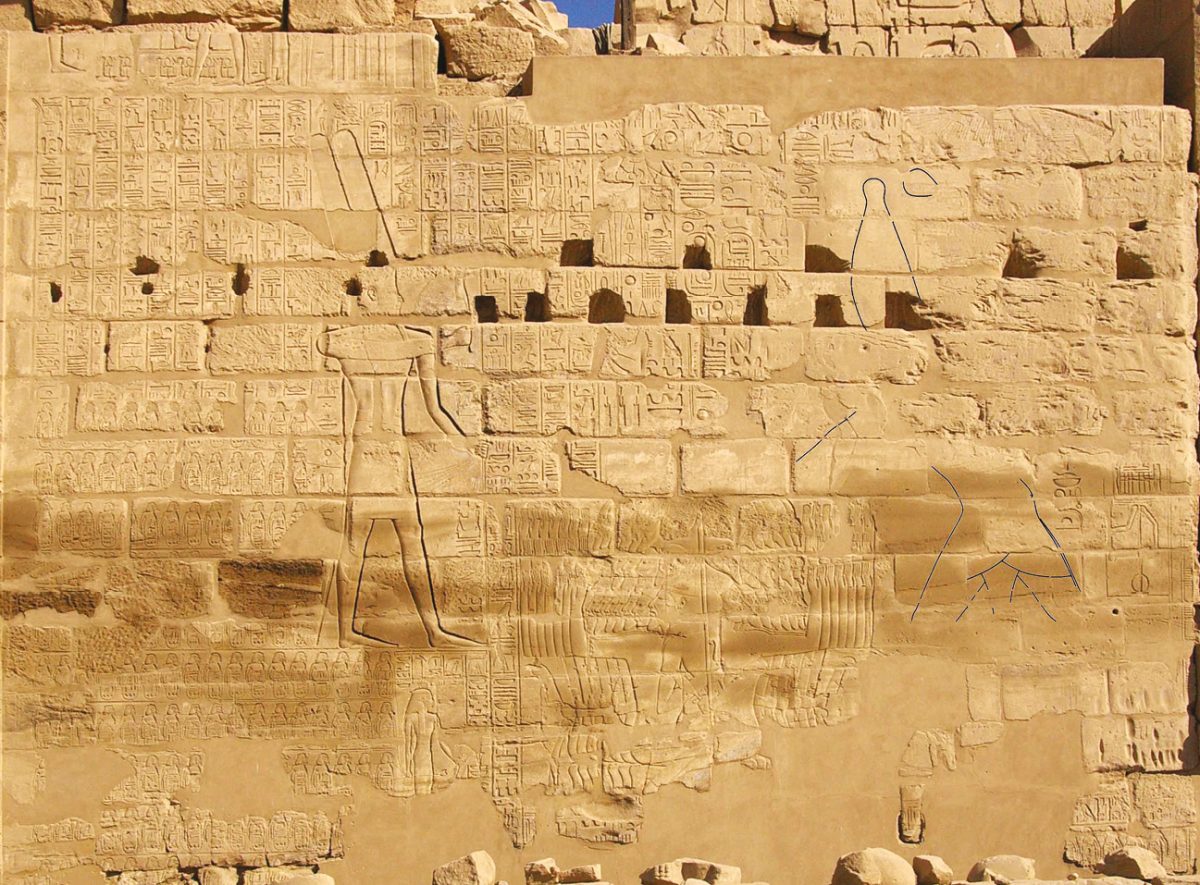
While the plans were ambitious, the Archaeological Survey of Egypt was able to record several important monuments across the Nile valley, including the tombs of Beni Hasan and Deir el-Bersha, and the Temple of Sety I at Abydos. As well as working at important sites, the Survey would employ some of the most significant names in epigraphic recording: Percy Newberry, Howard Carter, Aylward Blackman, Norman and Nina de Garis Davies, Amice Calverley, and Myrtle Broome. Ricardo would soon take his place among these, as one of the most important characters to contribute to its story.
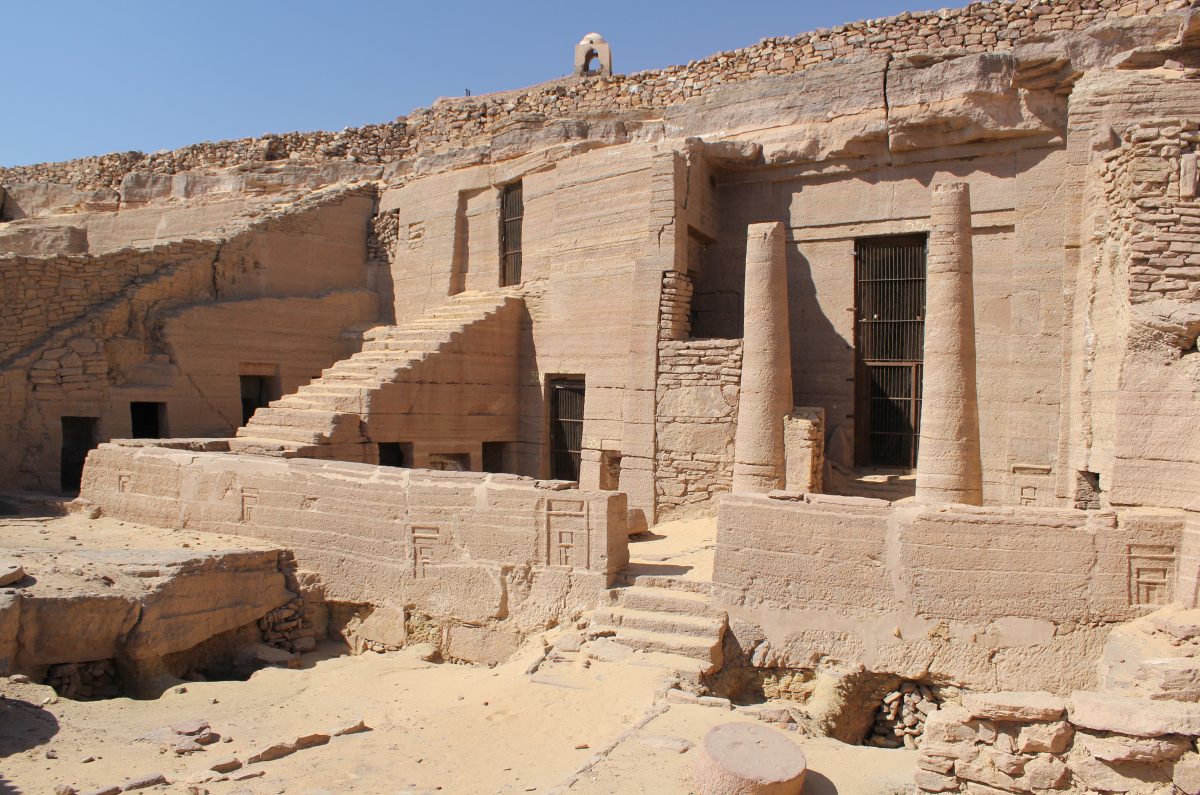
Gebel el-Silsila
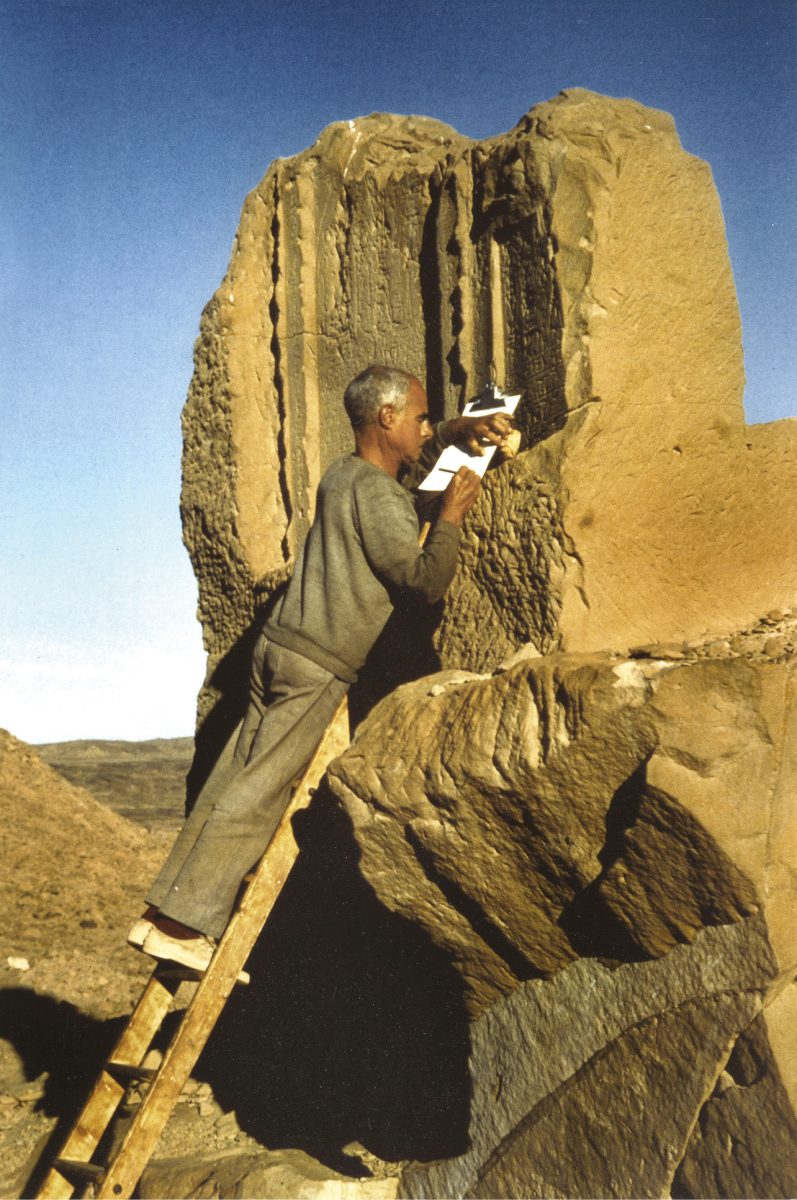
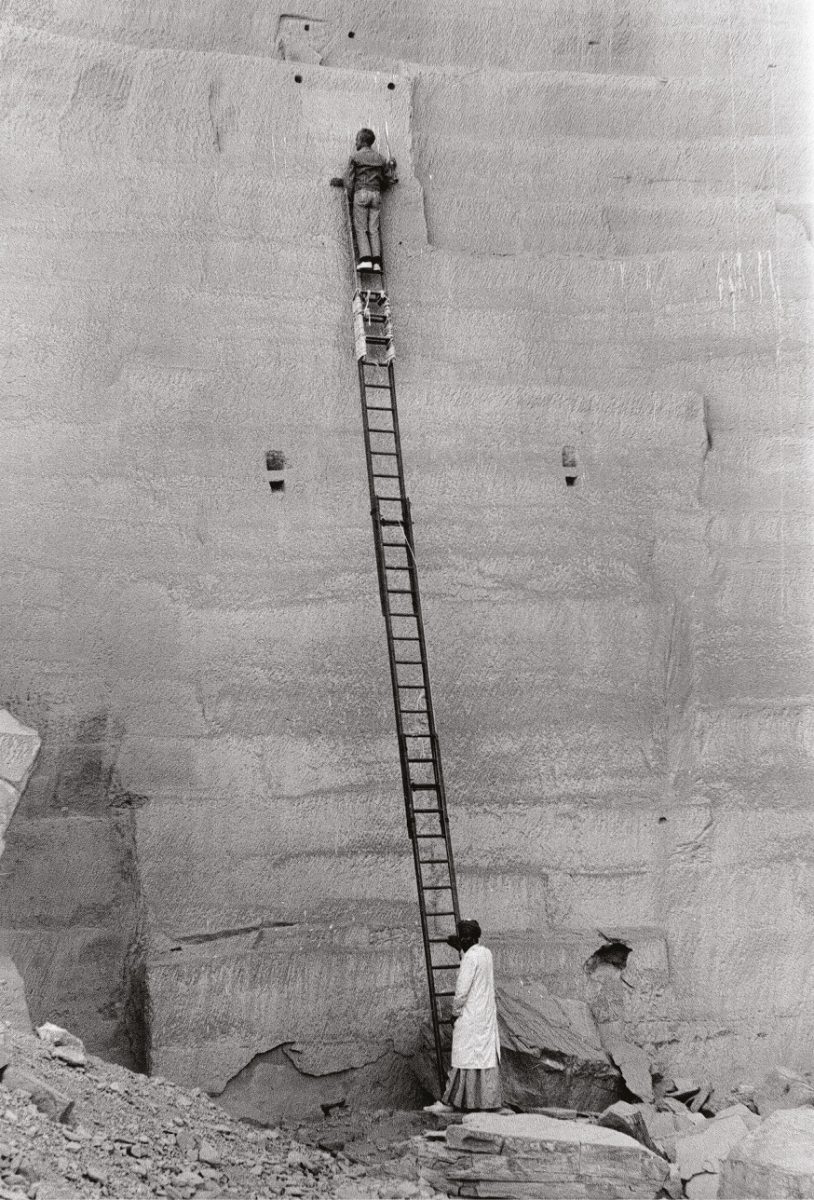
From 1952, Ricardo had been based at Brown University in the United States, but they were happy for him to continue his work for the EES recording scenes in the quarries of Gebel el-Silsila. To reach these inscriptions, Ricardo, with the support of a team of Egyptian workers, spent much of his time scaling ladders that were precariously strung together to reach the necessary heights.
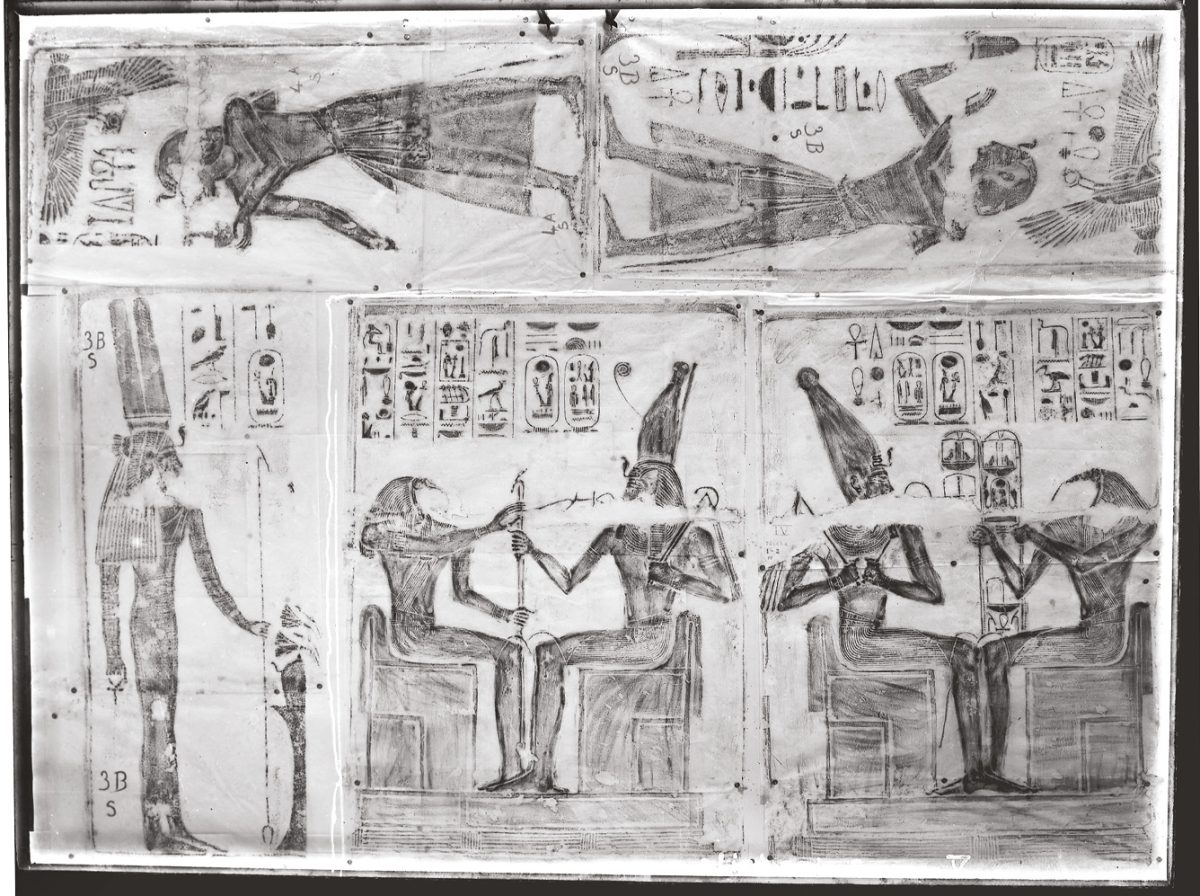
Ricardo found that the epigraphical methods taught to him at Chicago House were not viable at Gebel el-Silsila. Instead, he used a method of creating rubbings of the scenes and inscriptions, which he then traced, before inking for publication. This method had been developed by the Archaeological Survey, possibly by Amice Calverley and her team at Abydos, and proved to be an efficient way of recording features and allowing further checking prior to inking.
Ricardo documented his methods in 1976:
He makes his drawing upon the background image, which he pencils over much as if he were filling a mould, in front of the original and with constant reference to it. To ensure accuracy, the drawing is meticulously gone over and compared with the wall. The checking or collation is exhaustive and repeated many times under different light conditions by day and, specially, at night with a movable light, and always at the closest range. All through this process (as in any other mode of copying, for that matter), careful consideration is given to all relevant work done in the past; for that purpose a compilation of previous published and unpublished copies and studies, if any, will have been prepared in advance; taken to the field, the dossier will enable the epigraphist to check the work of his predecessors in the site; the drawing is thus made with full knowledge of what previous copyists saw, or thought they saw, or failed to see, upon the wall.
It is generally agreed that a facsimile drawing is a highly satisfactory mode of recording… such a facsimile should adequately meet the normal requirements of scholarship.
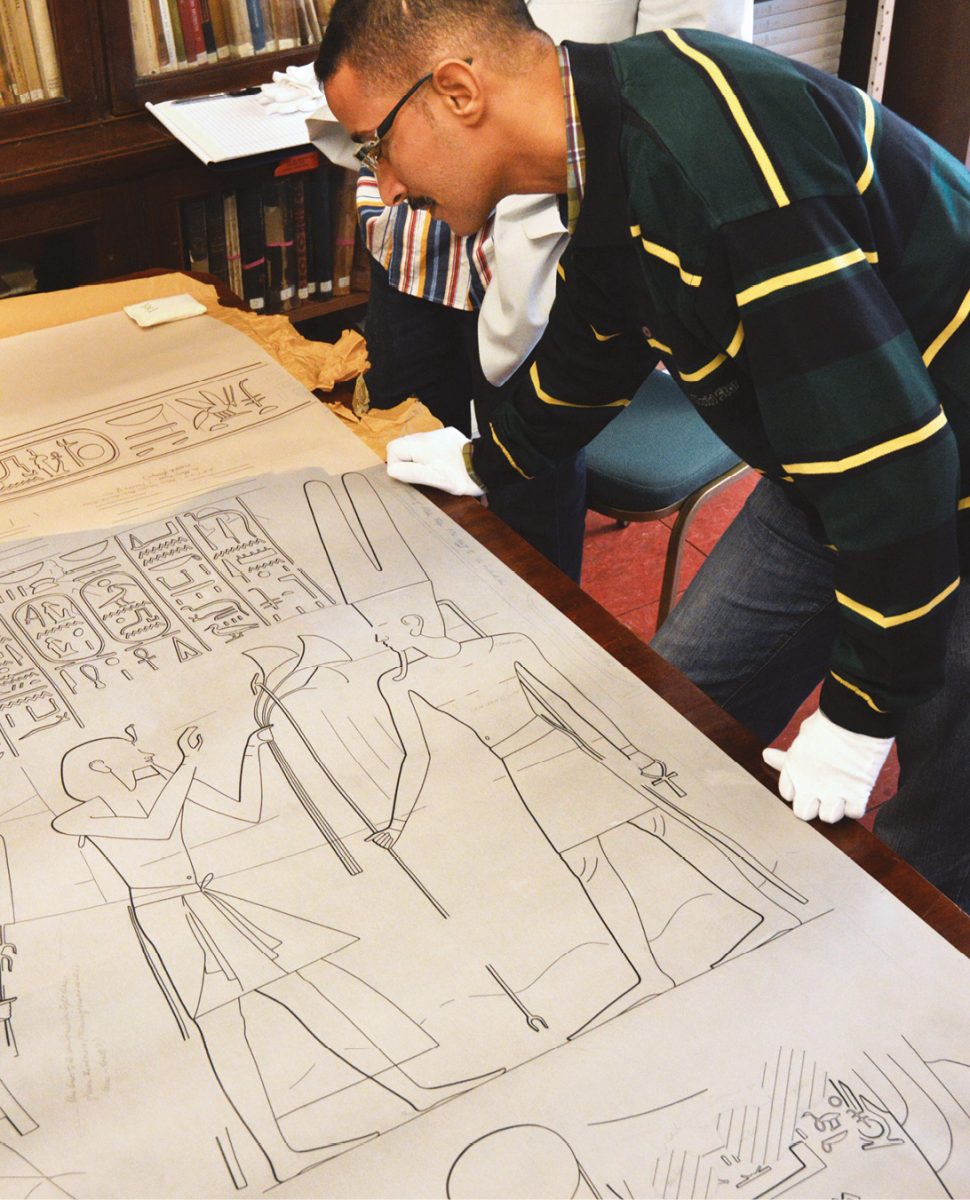
The rubbings would be made on enormous rolls of paper which were then copied on to epigraphic tracing paper at a scale of 1:1. Many of the original rolls remain in the archives of the EES and can stretch for several metres in length. Once inked, they could be backlit and photographed ready for publication (at a much smaller scale!).
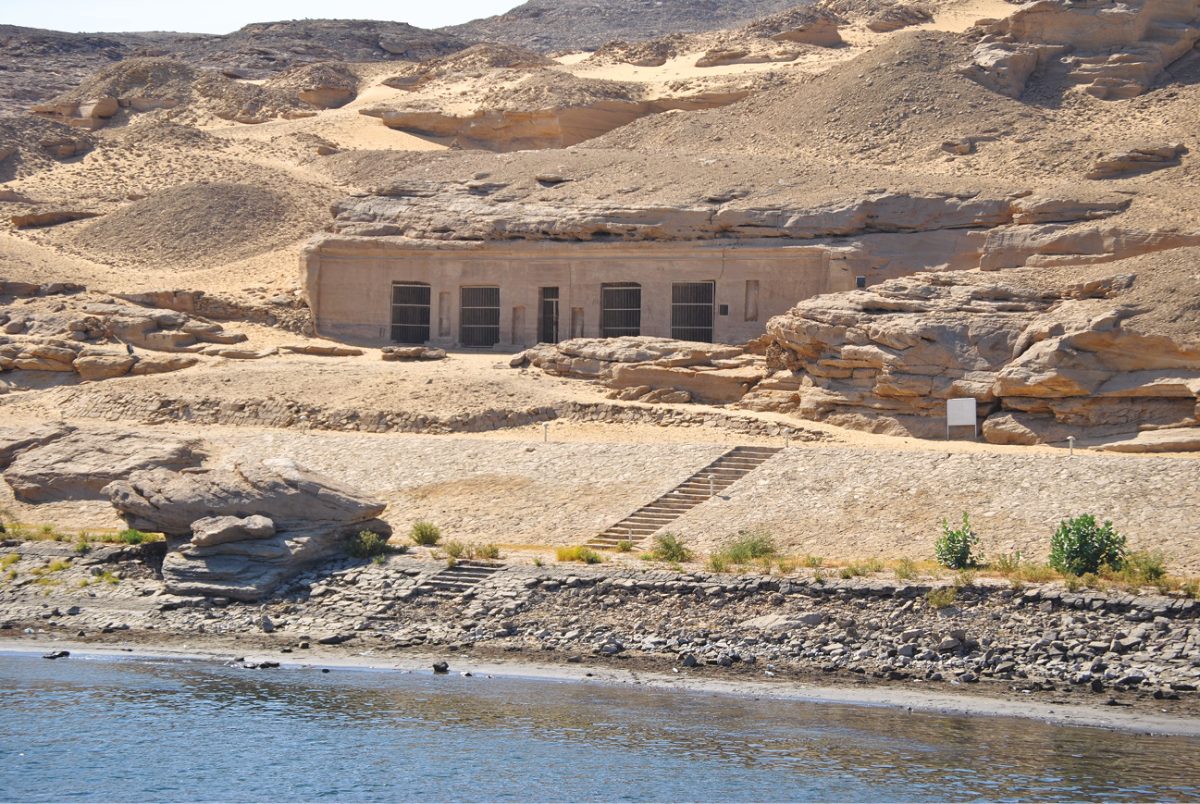
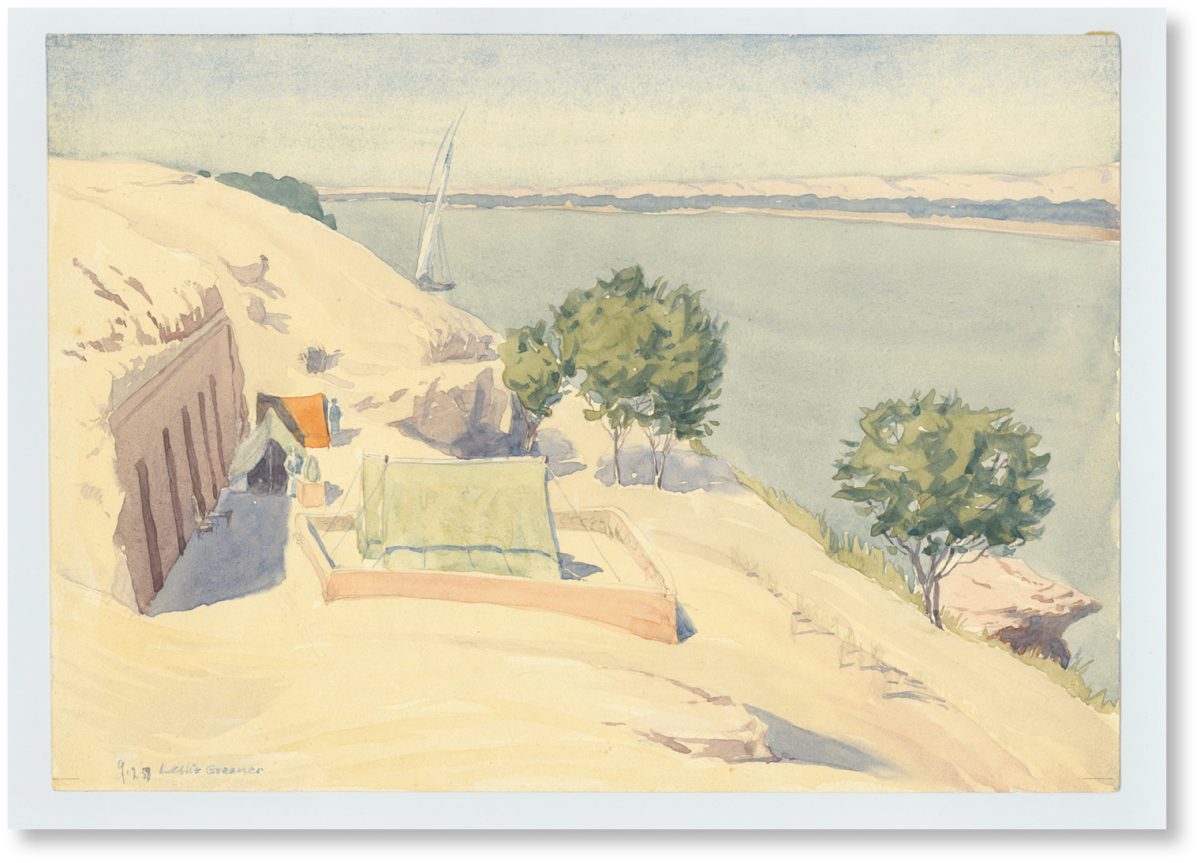
Though Ricardo did work with others in the field (notably T G H James, Jürgen Osing, Mark Smith, and Peter Lacovara), he maintained his solitude wherever possible. Gebel el-Silsila’s relatively remote location probably suited him, and a watercolour in the collections of the EES shows his stark camp perched on the riverbank before the Speos of Horemheb at Gebel el-Silsila. Even today, the site is only reachable by smaller boats.
Nubia
In 1960, this solitude was disrupted when the EES commissioned Ricardo to record scenes in Nubia during the UNESCO Salvage Campaign. At the time, the EES was coordinating British projects across Nubia from their long-running archaeological project at Buhen. Here, Ricardo recorded all the scenes in the Eighteenth Dynasty Temple of Hatshepsut and Thutmose III prior to its relocation to the National Museum of Sudan in Khartoum. Ricardo maintained his usual work ethic: ‘I worked steadily from 16 November 1960 to 23 March 1961, with no other interruptions than a day off to explore the epigraphic possibilities of Semna-Kumma, and then half a day to partake of the Christmas fantaziya.’
Ricardo did go on to record the scenes at the temples at Semna and Kumma too, as well as various shrines and rock inscriptions from the fortress of Qasr Ibrim, all on behalf of the EES. Despite retaining his ability to work in isolated locations, Ricardo was able to maintain a steady stream of supplies to stock ‘the best wine cellar in Lower Nubia, and a very generous hermit ready to dispense suitable hospitality.’
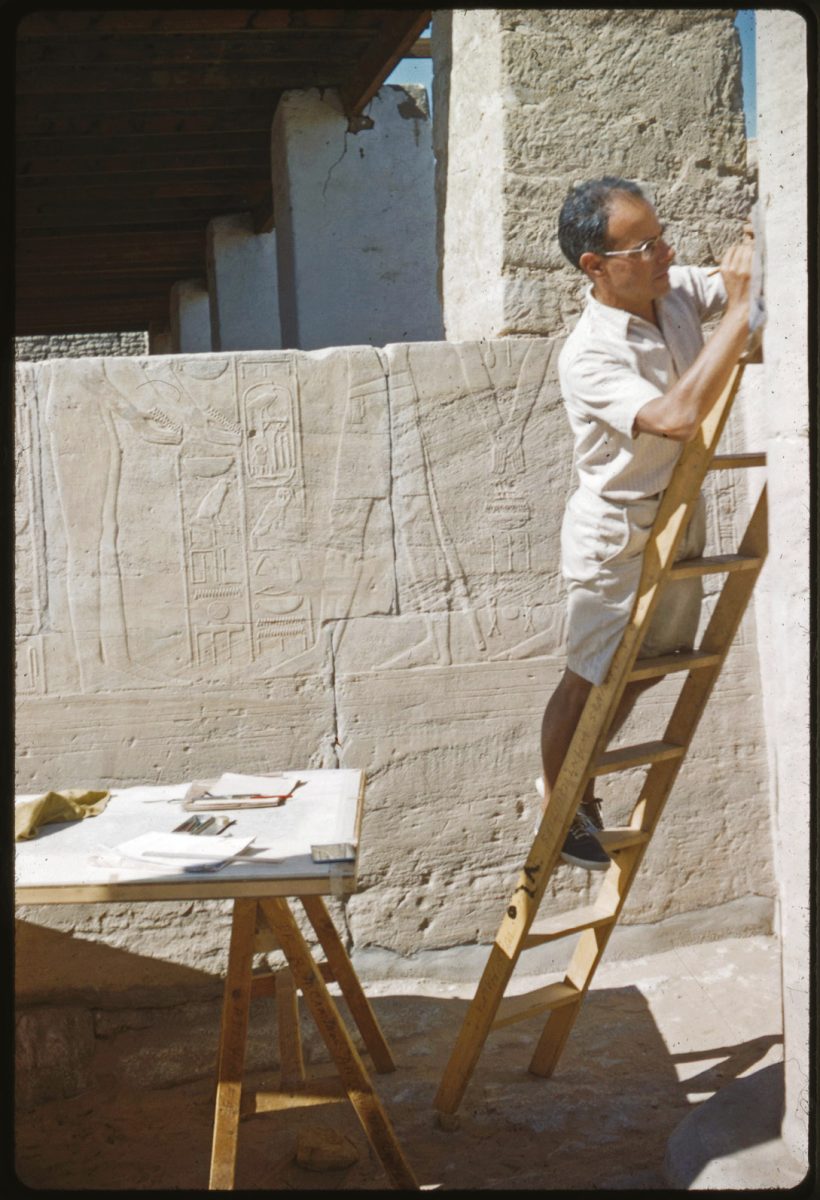
Ricardo not only developed accurate methods for epigraphic recording, but also understood the pressure and responsibility of publishing the results of this scholarly work. His recording of sites in Nubia appeared with remarkable speed, from 1968 and continuing until his death. As T G H James noted in Ricardo’s obituary: ‘Ricardo Caminos’s publications for the Egypt Exploration Society will in all represent the most impressive individual epigraphic achievement of the Archaeological Survey, in terms of textual accuracy, excellence of presentation, and richness of commentary.’
Ricardo could not return to his work at Gebel el-Silsila until 1975, but he would continue working there on both East and West Banks until 1983, when he undertook one season to record inscriptions in the Wadi Shatt el-Rigal.
London
In 1972, Ricardo was promoted to Wilbour Professor of Egyptology at Brown University, though teaching students had not been his passion and he preferred the seclusion of research and publication. He held the professorship until his retirement in 1980, when he relocated from the United States to London, to 4 Doughty Mews, next door to the EES, which had been based at 2-3 Doughty Mews since 1968.

Now a neighbour to one of his former employers, Ricardo had the opportunity to create the library he had always wanted. At no.4, Ricardo was able to transform the dilapidated building completely into a haven for his scholarly and literary pursuits. Harry Smith recalled in 1992 that the house was ‘an inspiring and unforgettable monument to single-hearted devotion to scientific learning.’ The EES gave him keyholder access to use their small library, while his own library was filled with works of literature and arts. His entire home was fitted out with shelves both downstairs and upstairs. A modest amount of space was given over to a kitchen, a bedroom, and a bathroom. Guests were not encouraged, but he was a regular attendee of EES events, and many members recall him serving drinks at the Society.
Following Ricardo’s death on 26 May 1992 (from a heart attack while sunbathing on the roof of the EES), his home was purchased by the Society, and the library was relocated from the ground floor of 2 Doughty Mews on to his now largely empty shelves. The Society continued to hold archival materials from work undertaken on behalf of the EES, and gained two swivel chairs and Ricado’s large ‘billiard-size’ desk. As T G H James remembered: ‘Only once did I see the function of that big table: spread out was a large roll of cartridge paper, on which his immaculate full-size drawing of an inscription was drawn.’
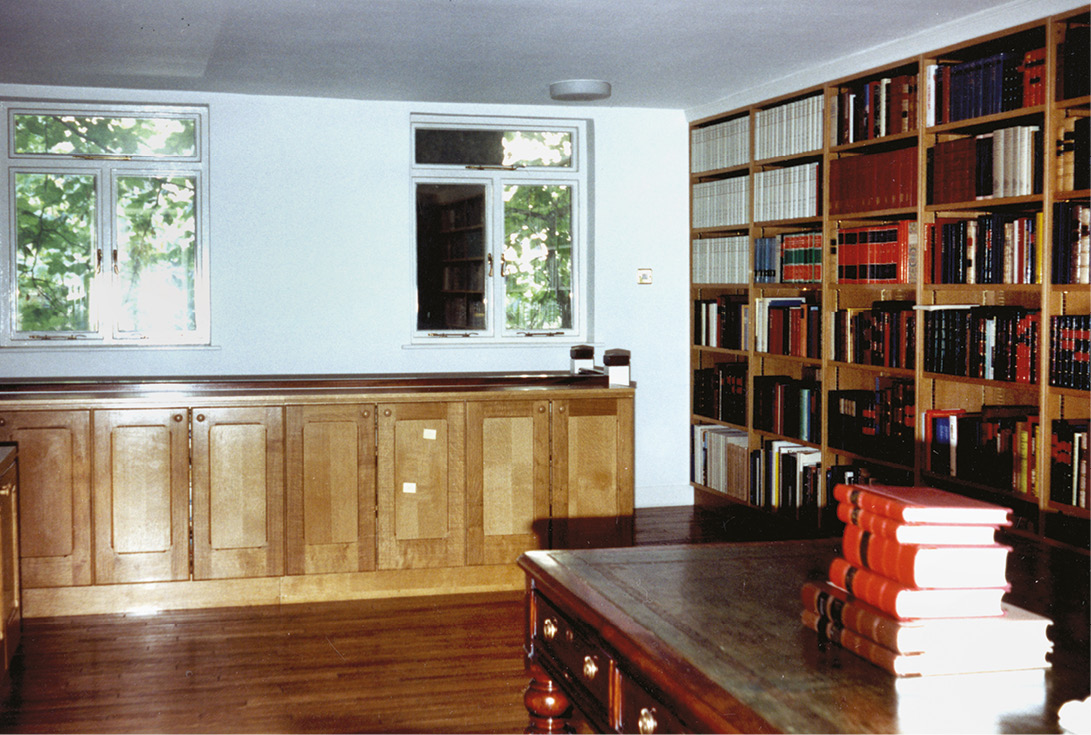
Since acquiring 4 Doughty Mews, the EES has subsequently converted Ricardo’s kitchen, bedroom, and bathroom into archival storage facilities and spaces for volunteers to digitise items ready for sharing online. Unfortunately, it was also the purchase of 4 Doughty Mews that exposed significant structural damage caused by two trees in a neighbour’s garden. Following a lengthy battle, these trees were removed by the neighbours in 2025, and the Society now has ambitious plans to redevelop 2-4 Doughty Mews into an accessible, innovative, and sustainable centre for the study of and engagement with Egyptian cultural heritage. Supported by a major grant from the National Lottery Heritage Fund, this redevelopment will secure the Society’s charitable work, as well as its future in the historic home of one of its greatest epigraphers.
While Ricardo A Caminos may not be a name known in the popular press, his work remains among the crucial building blocks of Egyptological study. This article and the ongoing efforts of the EES hope to bring his name to the fore and remember the man who spent much of his time up ladders recording some of the most important inscriptions in Egypt and Sudan. As Mark Smith remembered in 1992: ‘In the realm of Egyptian epigraphy, Caminos had no peer. His knowledge of epigraphic techniques was encyclopaedic.’

Dr Carl Graves is Director of the Egypt Exploration Society. He gained his PhD from the University of Birmingham in 2017, specialising in cultural landscapes in Middle Egypt, and is the author of Howard Carter: from tracer to Tutankhamun and Amelia B Edwards: the ‘Queen of Egyptology’, both published by the EES.
Read the obituary of Ricardo A Caminos by T G H James in volume 79 of The Journal of Egyptian Archaeology.
All images: courtesy of the Egypt Exploration Society, unless otherwise stated