
Trio of tombs at Bahariya Oasis

An Egyptian team working in the Bahariya Oasis have discovered three tombs from different periods at the site of Sheikh Sobi, the necropolis for the priests and governors of the oasis from

An Egyptian team working in the Bahariya Oasis have discovered three tombs from different periods at the site of Sheikh Sobi, the necropolis for the priests and governors of the oasis from
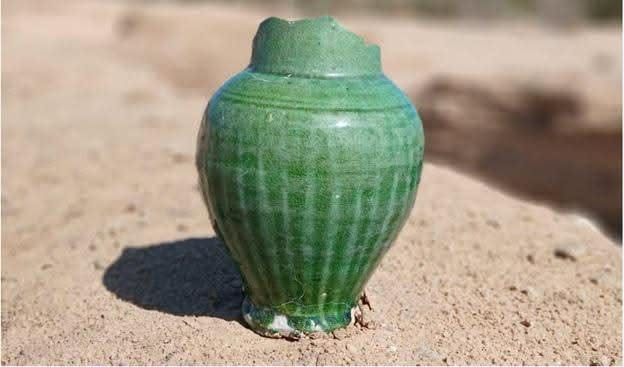
Egyptian excavations at the site of another lost city – ‘Asila’ – in northern Sinai have revealed the remains of an Islamic structure thought to be a caravanserai (roadside inn), on the
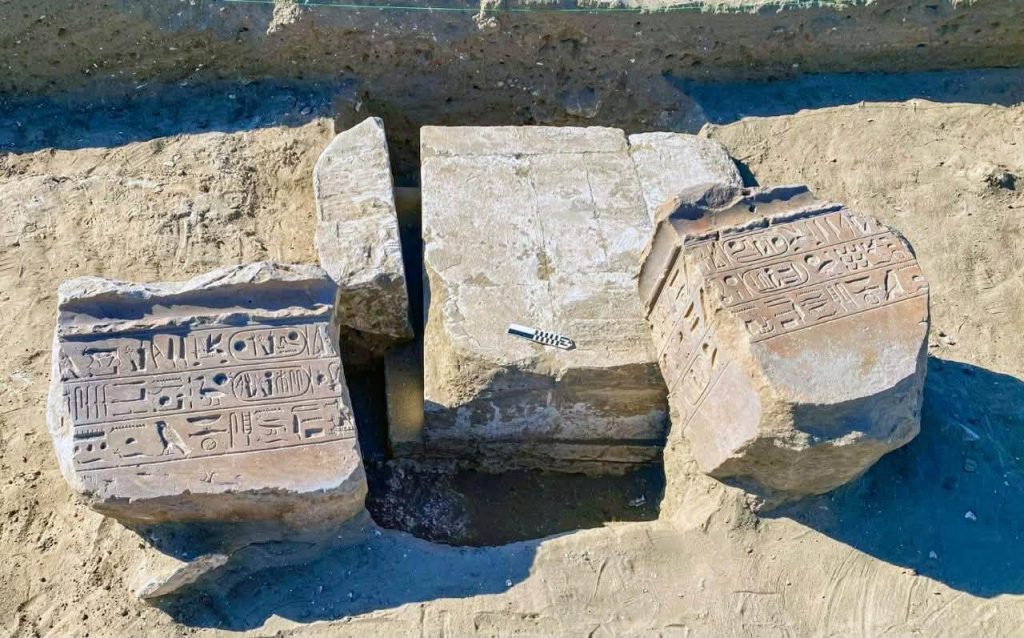
The archaeological site of Tell Abu Seifi in Qantara East (Ismailia Governorate) – a key site on the military ‘Horus Road’ – could be the location of the lost city of ‘Mesn’
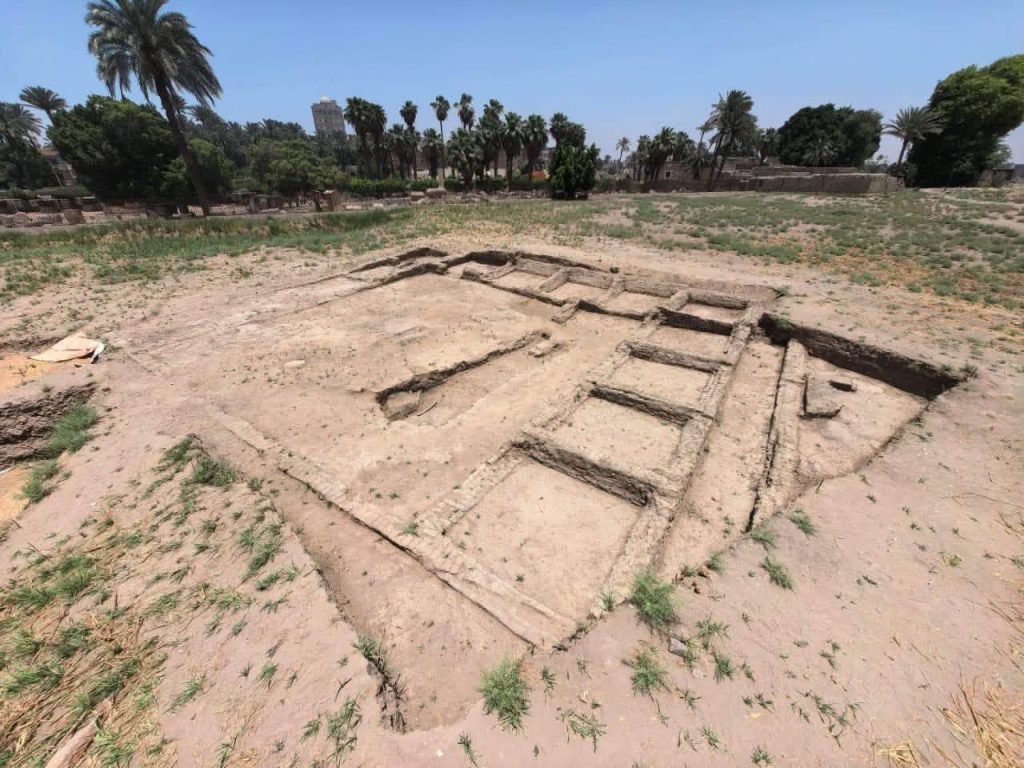
A joint Egyptian-Chinese mission documenting the Temple of Sekhmet at Mit Rahina (ancient Memphis) has uncovered the remains of a mud-brick residential complex in the area surrounding the temple. The team also
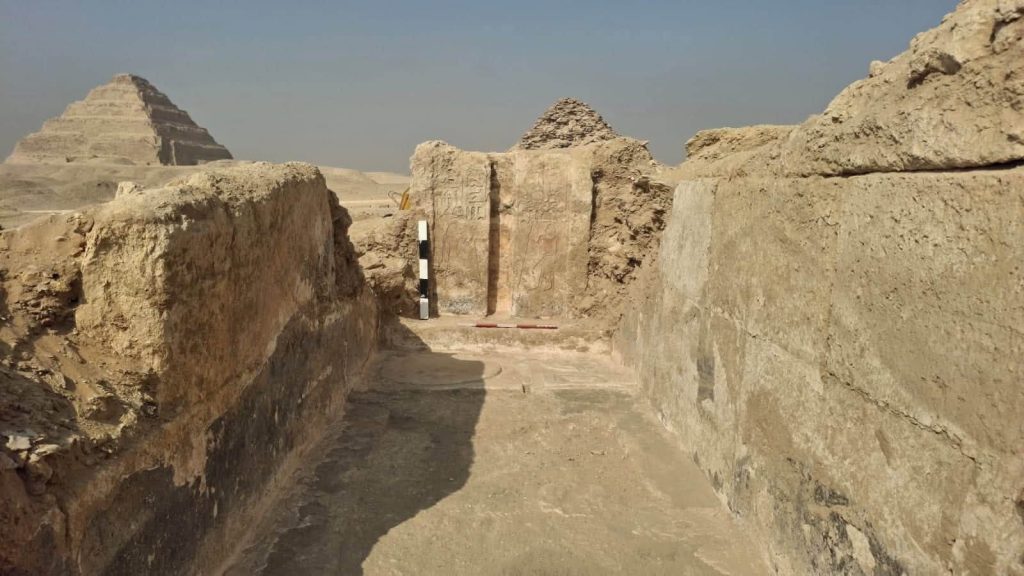
Two Old Kingdom tombs have recently been discovered at Saqqara by an Egyptian team working at the Bubasteion necropolis, and a Spanish Egyptian team excavating at the ‘Mariette Necropolis’ to the north.
A Roman Period bath complex has been discovered by an Egyptian team working at Tell Nasser in Port Said – the first such structure to be found in the area. The discovery was

An Egyptian mission has uncovered a number of rock-cut tombs at the Tell el-Yahudiya site in Qalyubia Governorate – a rare find in the Eastern Delta, which has predominantly clay soil not

The intact burial of a male horse dating to the New Kingdom has been uncovered by an Egyptian team at Tell el-Abqain in Beheira, within a military fortress on Egypt’s western borders.

An Egyptian mission excavating at Kom el-Khilgan in Dakahlia Governorate has uncovered an ancient necropolis with evidence of use from the Predynastic Period through to the Graeco-Roman era. The earliest burials appear
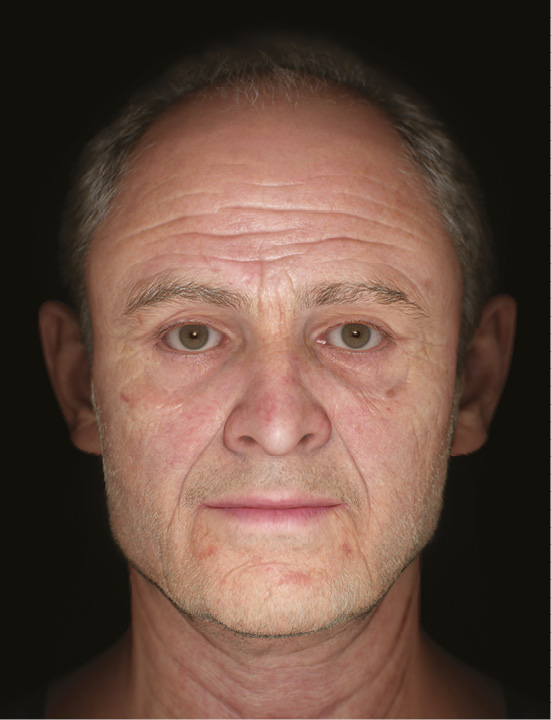

New research into a man buried at St Peter’s in Barton-upon-Humber almost 1,000 years ago has shed new light on the complexity of society in Britain during the Norman Conquest. The unusual
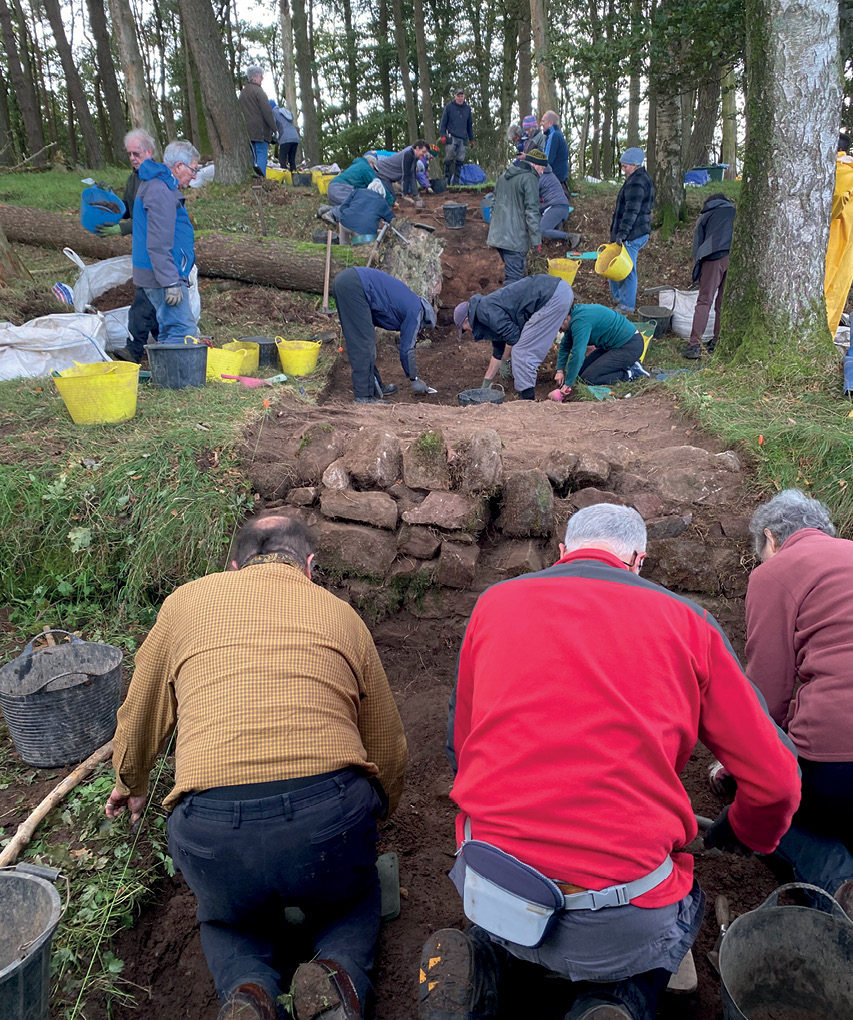
The Community Archaeology Radiocarbon Dating (CARD) Fund, which helps volunteer and community groups to date their finds, has opened applications for its 2026 funding cycle. Kimberley Teale discusses key findings from some of the projects supported by the CARD Fund in 2025 – and how to apply this year.
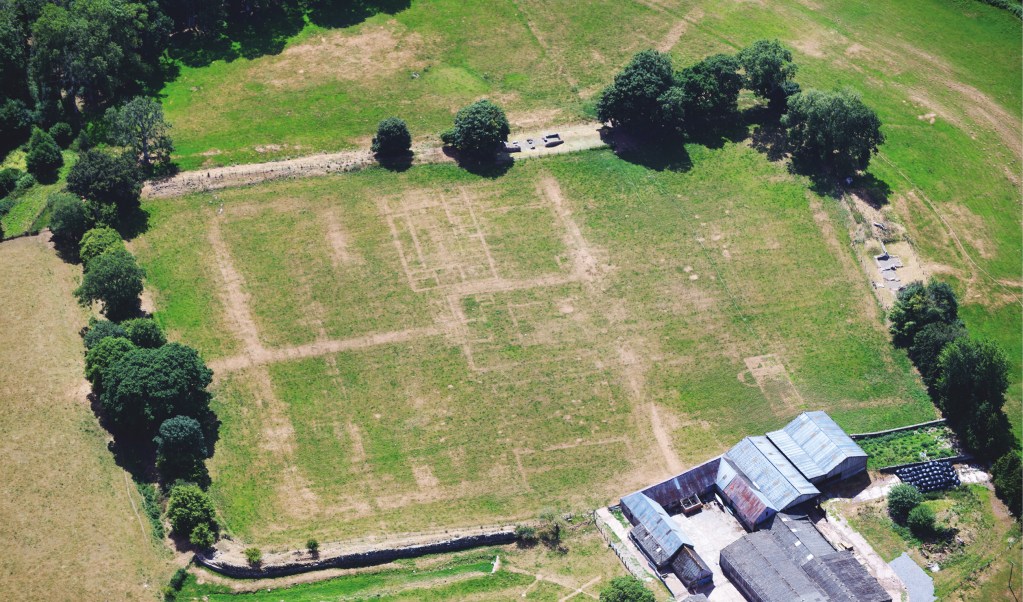
Last month we shared images from Blenheim Palace, Oxfordshire, highlighting how recent drought conditions have revealed the outlines of long-buried archaeological remains. Features both familiar and newly identified have also been emerging across Wales this summer, and have been documented by Dr Toby Driver, the Senior Investigator for Aerial Survey at the Royal Commission.

A second excavation season at Buckler’s Hard, a private ship- building hub on the River Beaulieu, 12 miles (20km) south of Southampton in the New Forest, has fully revealed the wooden slipway
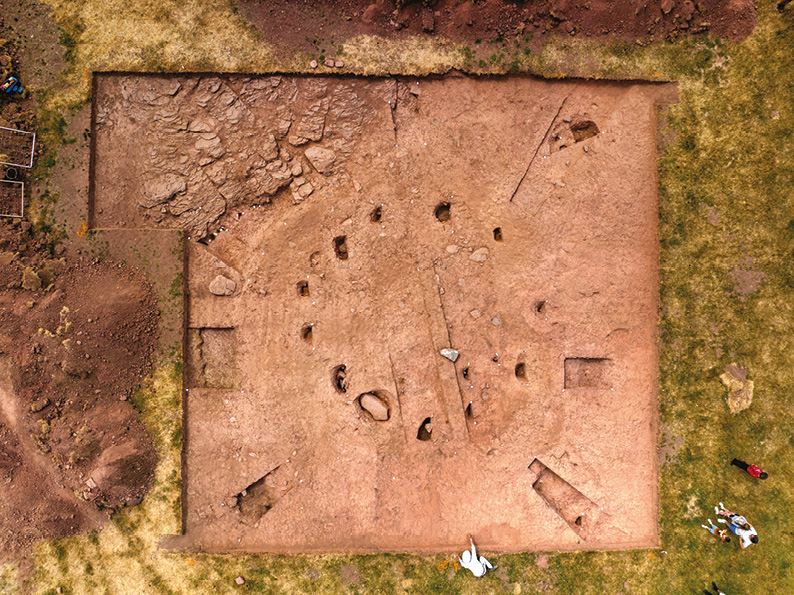
When we last reported from Arthur’s Stone in 2023 (CA 404), it was thought of as an isolated Neolithic monumental site overlooking the Golden Valley in Herefordshire. Now, the Universities of Manchester
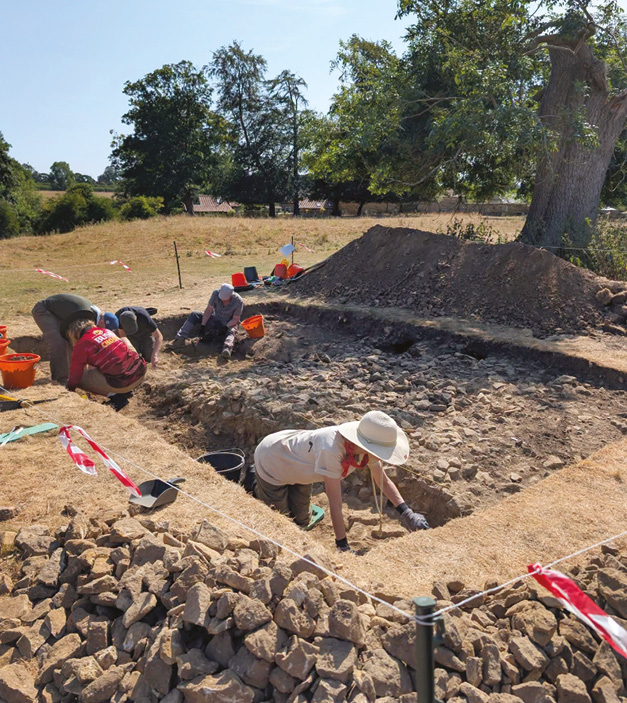
This season’s excavation at Huttons Ambo in North Yorkshire has uncovered new details about the small village’s medieval past, including potentially one of the most high-status buildings yet found on the site.

Restoration work at the Priory House in Dunstable – a Grade II-listed building that was originally part of the grounds of Dunstable Priory, founded by Henry I in 1132 – is carefully

A once-thriving Bronze Age settlement has been revealed during excavations in Erksine, Renfrewshire. The discovery was made by a team from GUARD Archaeology, who excavated two large fields in Northbar, on the
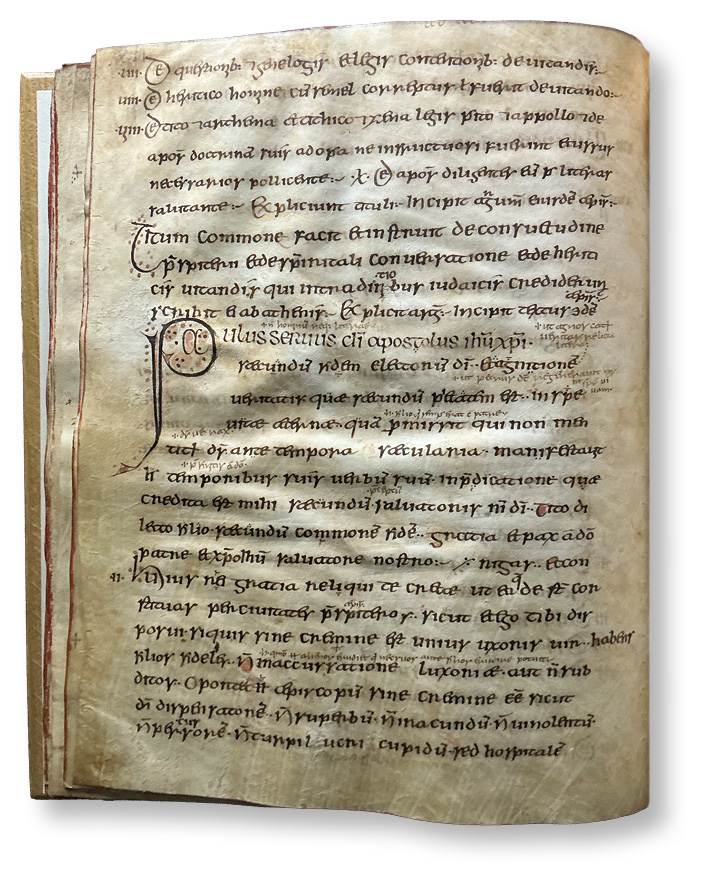
The sheep-pox virus (SPPV; Capripoxvirus sheeppox) is in the same family as the variola virus, which causes smallpox in humans. It is a highly contagious disease among sheep, causing the animal to
Community-created field systems in Colombia? In the wetlands of La Mojana in northern Colombia is a vast (more than 500,000ha or 1,900 square miles) field system of canals and ridges, used to
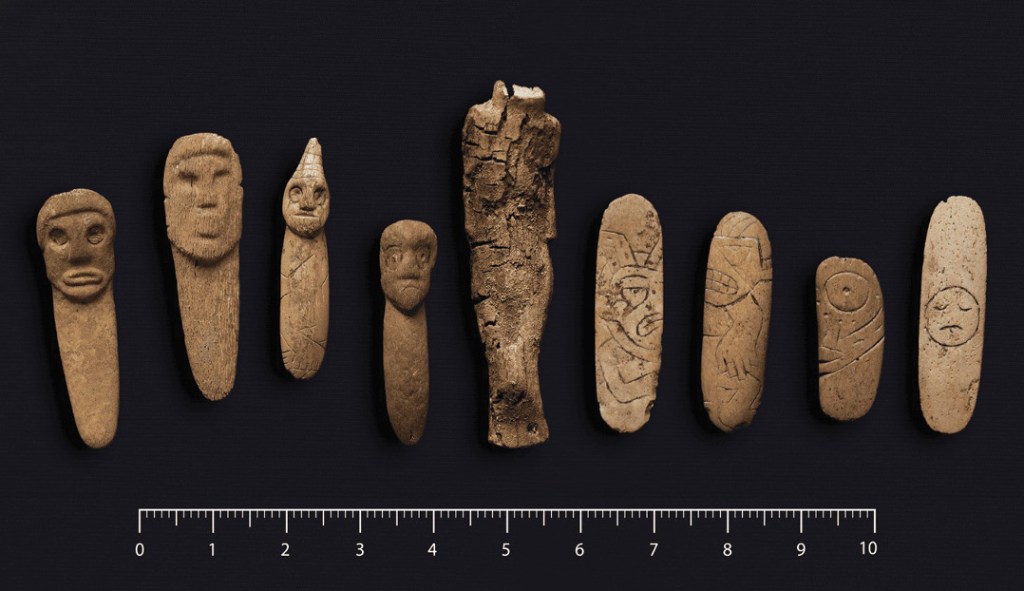

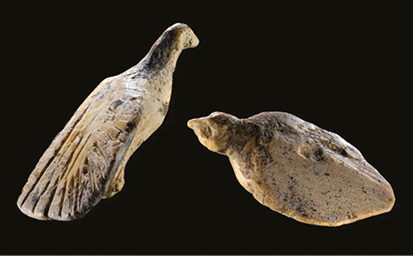
An assemblage of objects discovered at Peñico on the north-central coast of Peru, dating to 3,800 years ago, provides new evidence for the continuity of the Caral culture. Caral is considered the
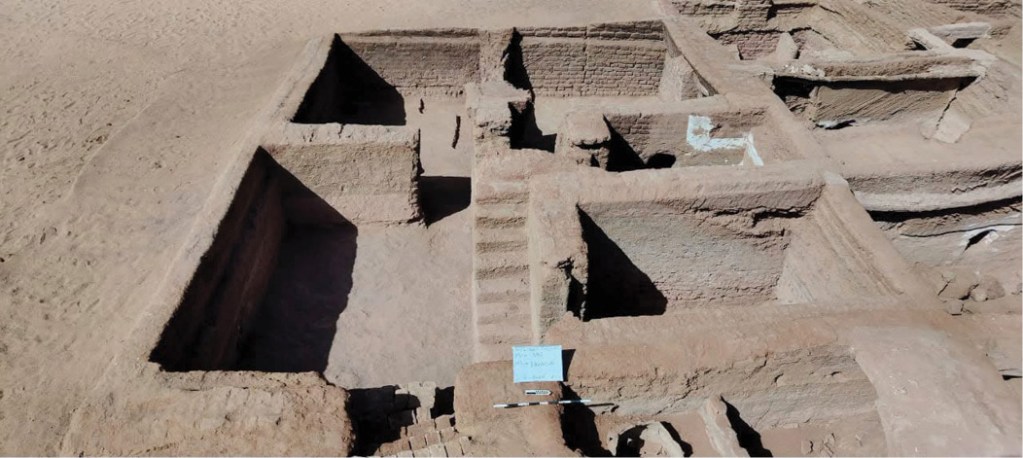
Archaeologists from Egypt’s Supreme Council of Antiquities have uncovered the remains of a residential city dating to the 4th and 5th centuries AD at the Ain Al-Sabil archaeological site in the Dakhla
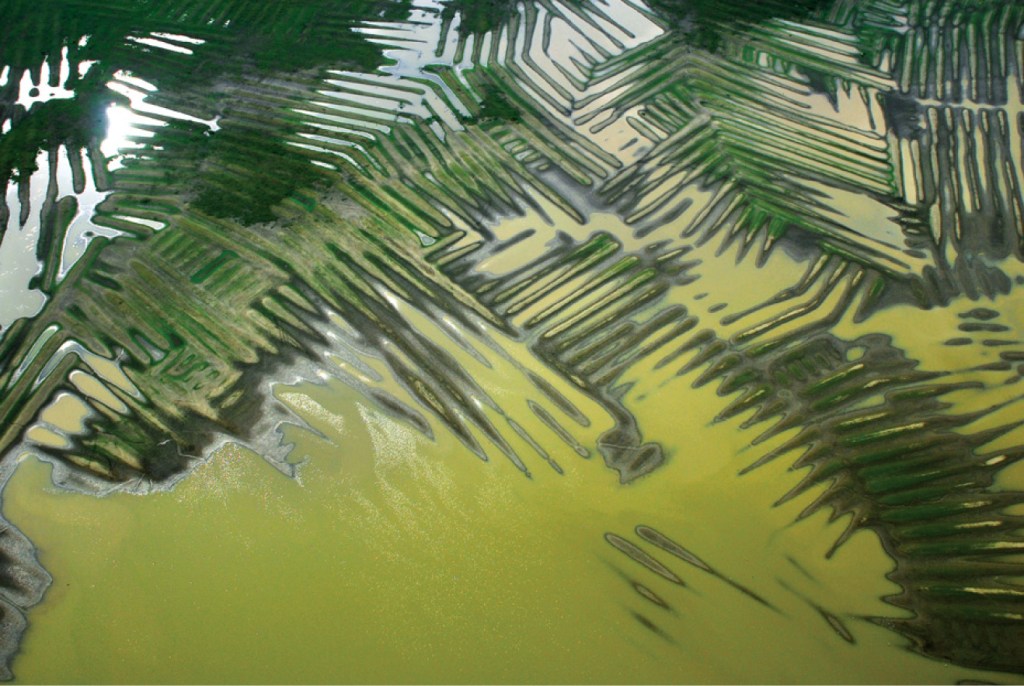
The wetlands of La Mojana in northern Colombia are home to an ancient raised field system made up of canals and ridges (camellones) covering a vast area of c.500,000ha. Often called the
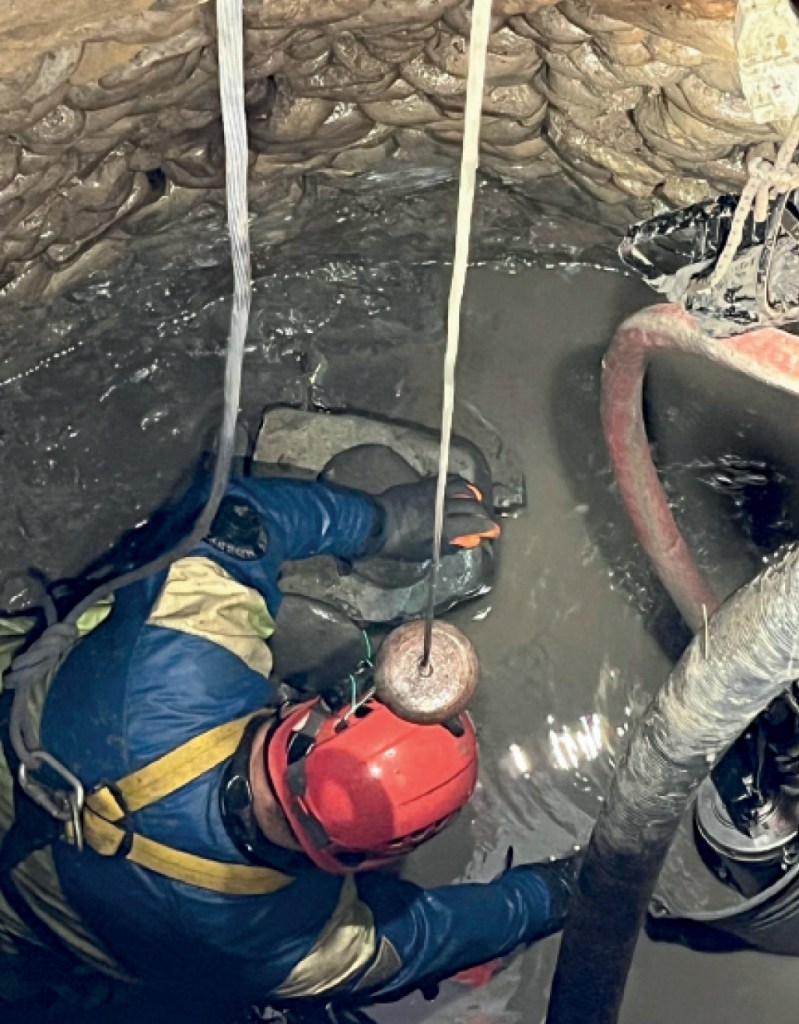
An ancient votive well has been discovered at the Etruscan city of Kainua in northern Italy. Kainua, located on the outskirts of modern-day Bologna, was founded in the late 6th century BC.