Subscribe now for full access and no adverts
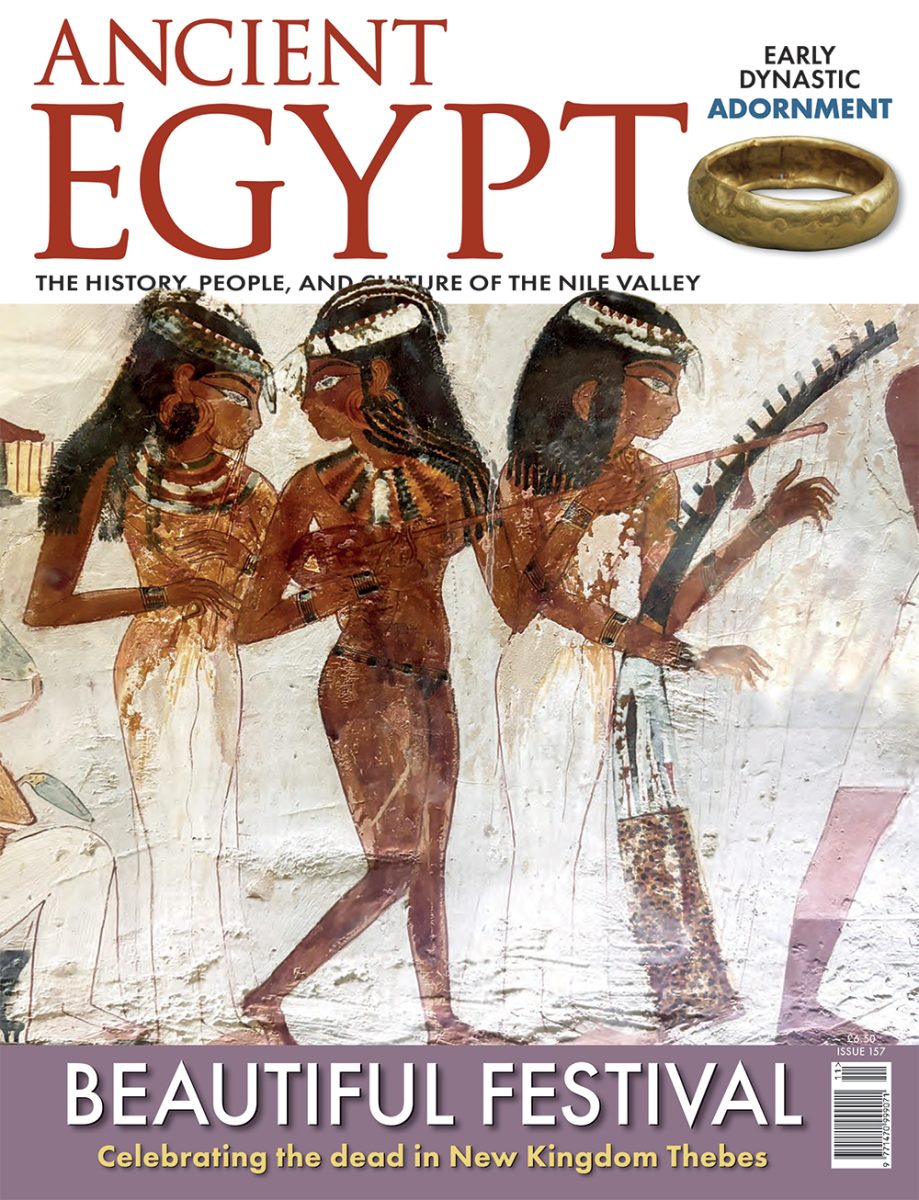
The ‘Beautiful Festival of the Western Valley’ was one of the most important celebrations in the Theban religious calendar, celebrated annually in the second month of the harvest season of Shemu. This two-day festival was first attested in the Middle Kingdom, but it became more important during the New Kingdom with the rise to prominence of the god Amun. It was originally a festival of remembrance for the dead, but evolved into a celebration of deceased royalty and a private ancestor cult, as the sacred statue of Amun crossed the river from Karnak to visit the temples and necropolis of Western Thebes.
Processional route
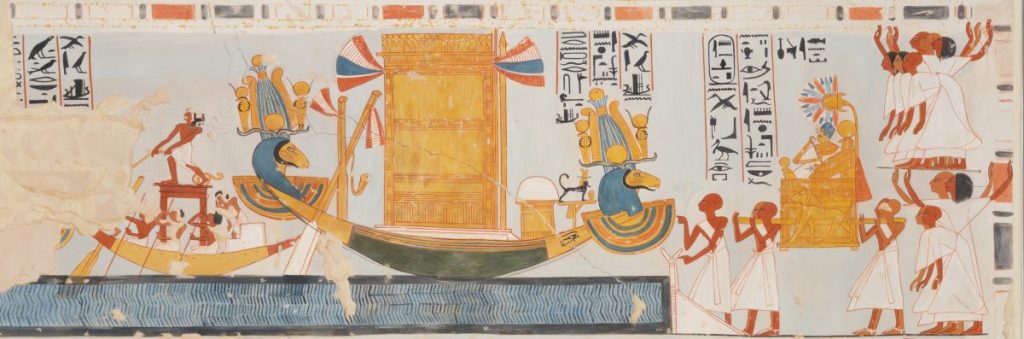
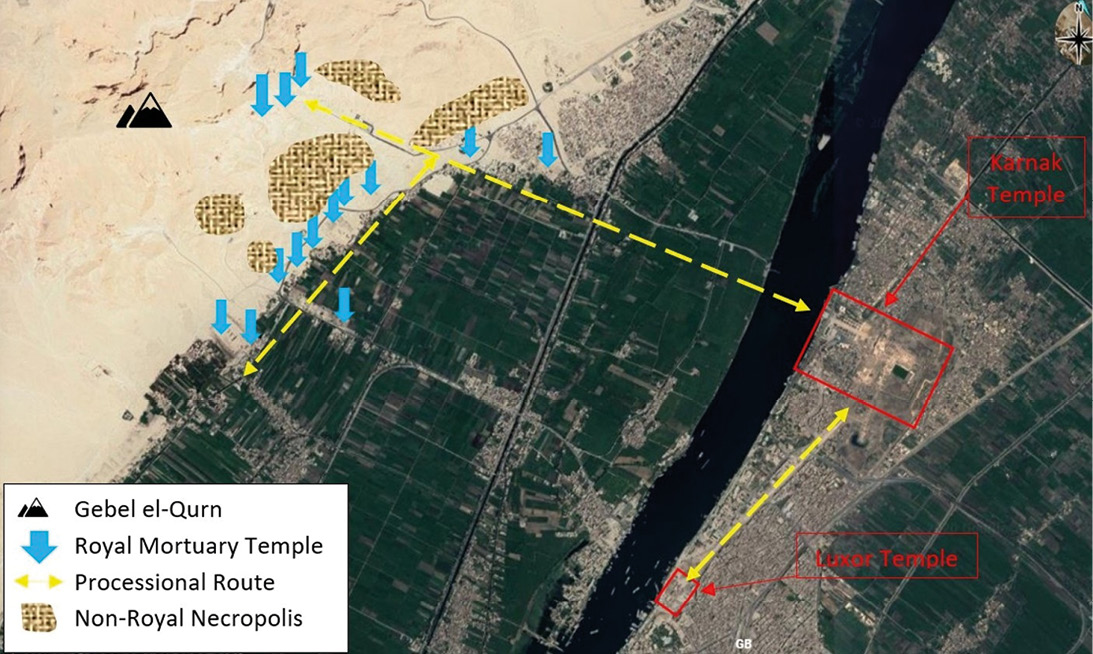
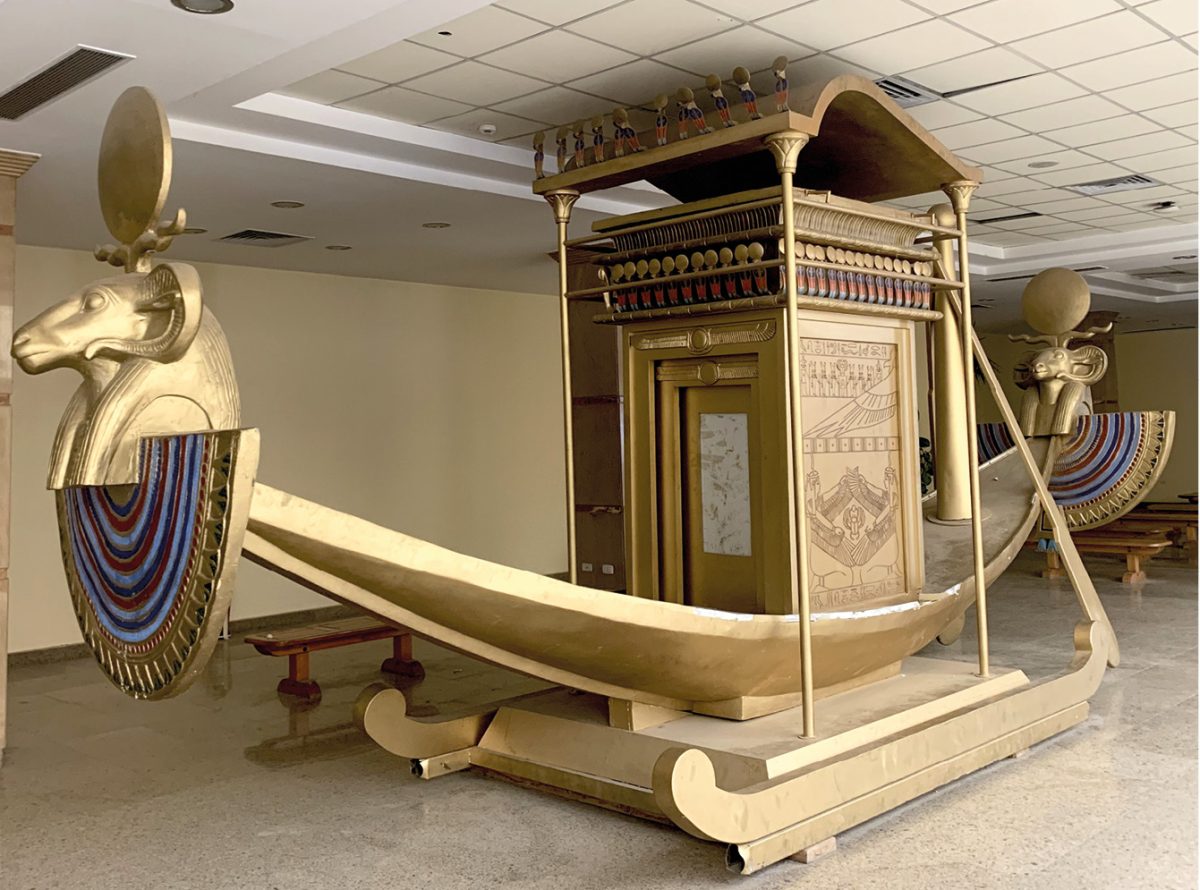
The festivities began at Karnak Temple, when the statue of the god Amun was removed from his sanctuary, and carried by priests within a sacred barque shrine towards the riverbank. From the Nineteenth Dynasty onwards, Amun was accompanied by his consort Mut and his son Khonsu, each within their individual barques. The procession travelled along the east–west axis of the temple to the river, where the shrine was loaded on to a barge, and towed across the Nile to the Theban necropolis on the West Bank, followed by a flotilla of smaller boats. At intervals along the designated route, the procession paused to perform rituals at the designated way-stations (the Red Chapel of Hatshepsut, once the principal barque-shrine of the Karnak temple, was in many ways a larger version of these way-stations). The divine barque disembarked in the vicinity of the Nineteenth Dynasty Temple of Sety I at Qurna. On arrival on the West Bank, the procession would be greeted by great rejoicing and celebration, as it travelled from the landing stage to visit the active royal mortuary temples or ‘Temples of Millions of Years’. A system of land-routes and waterways was used to move the divine barque to its various stopping places, as attested in textual and pictorial references to the festival from tombs and temples, in conjunction with the archaeological record.

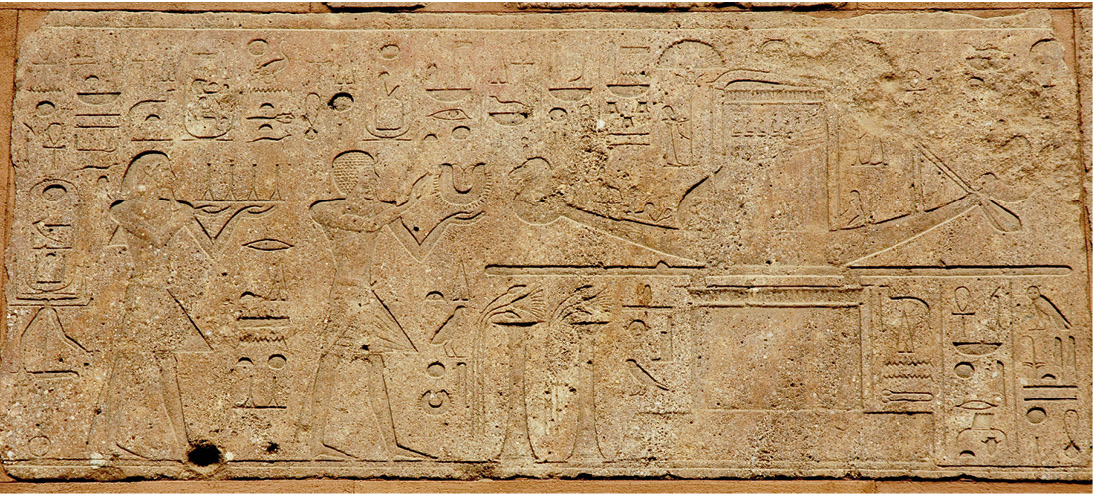
The route evolved throughout the New Kingdom. New kings built their ‘Temples of Millions of Years’ in Western Thebes, wishing to be included within the procession, while other temples fell out of use. The procession visited every royal mortuary temple whose cult was still maintained, many of which lasted for generations. It is likely that every royal structure along the route between Deir el-Bahri and Medinet Habu was at one time a stopping point for the festival procession. Scenes from Hatshepsut’s Deir el-Bahri temple depict the procession, led by the reigning king, accompanied by cult statues of royal ancestors. The king made offerings to the divine statue and those of his predecessors within the temples, before proceeding to Deir el-Bahri, where the barque would spend the night. The following morning, Amun and his entourage would process back down the causeway to the landing stage, and then travel back across the river to Karnak.
Deir el-Bahri
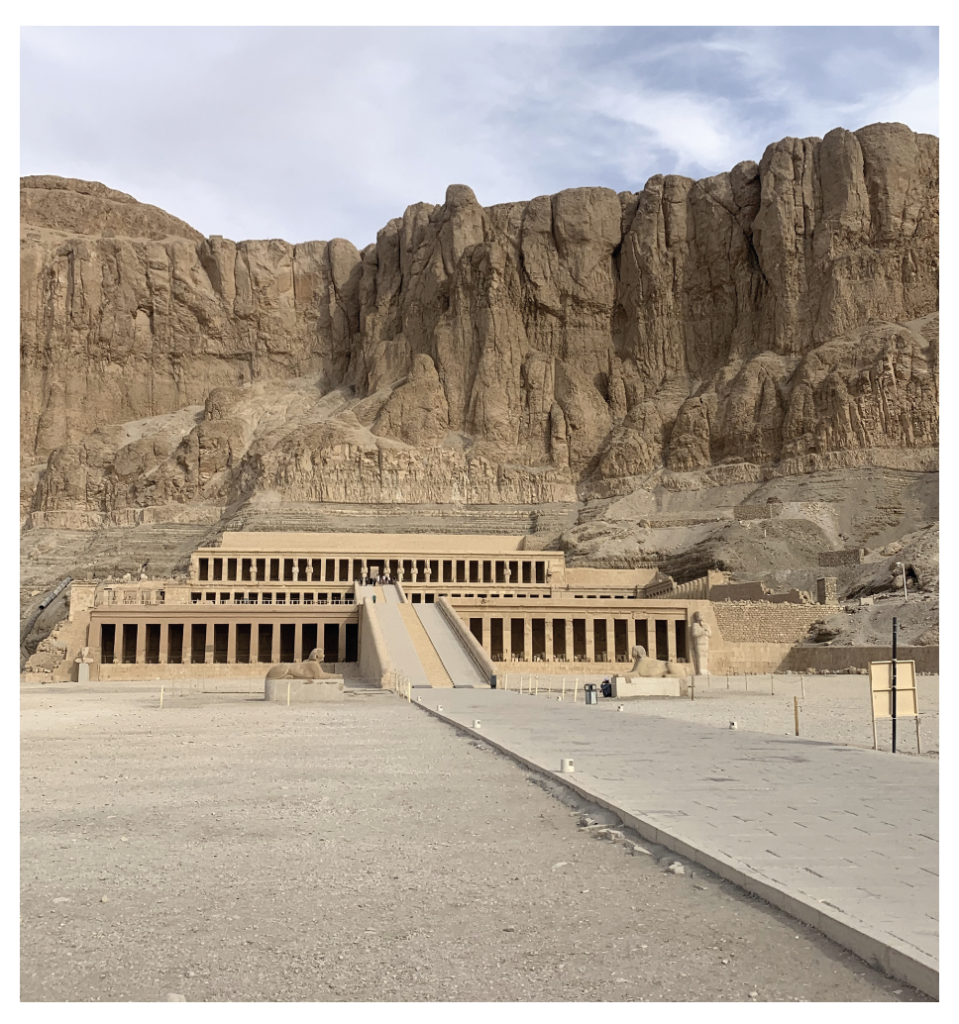
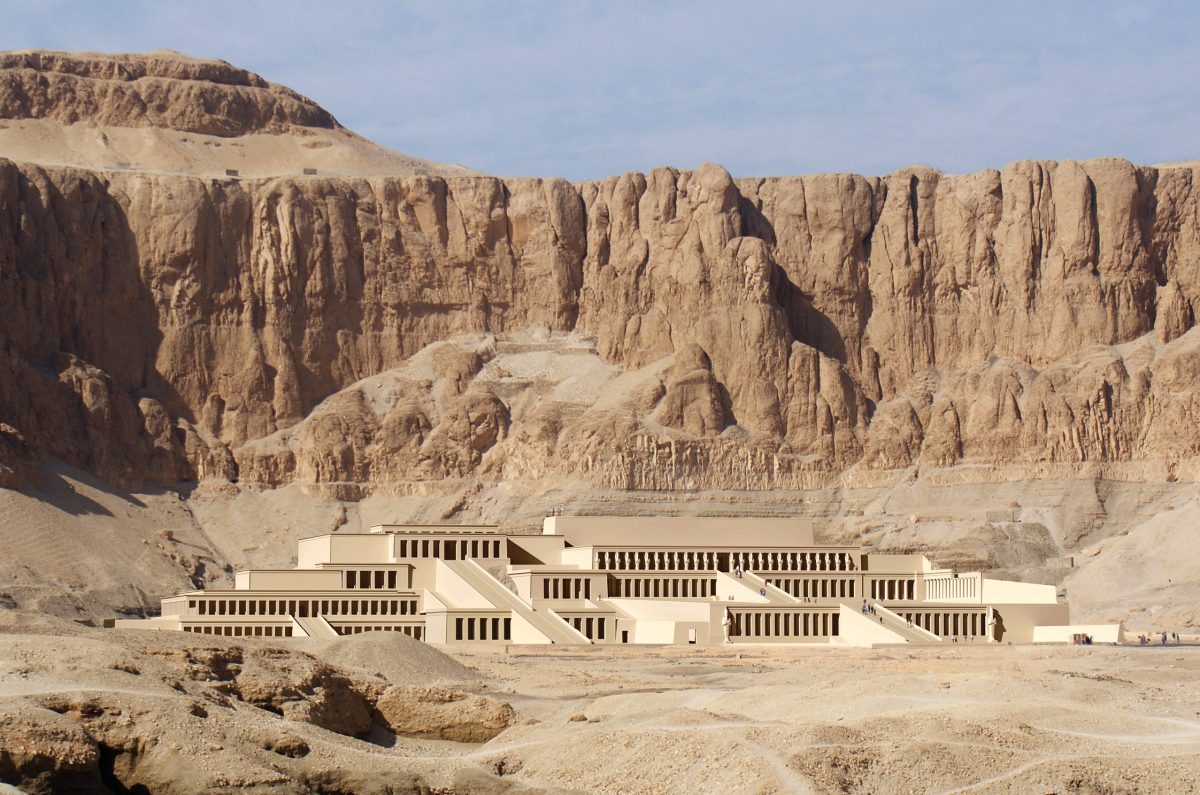
The destination of the procession was Deir el-Bahri. This enclosed bay, set back into the desert cliffs, was orientated towards Karnak Temple on the opposite side of the river, establishing a direct visual connection between the two sites. The area was also connected with the goddess Hathor, personified by the Western Mountain. The route from the landing stage to Deir el-Bahri was marked by a monumental processional way, and the area remained the focus of the procession until the late New Kingdom.
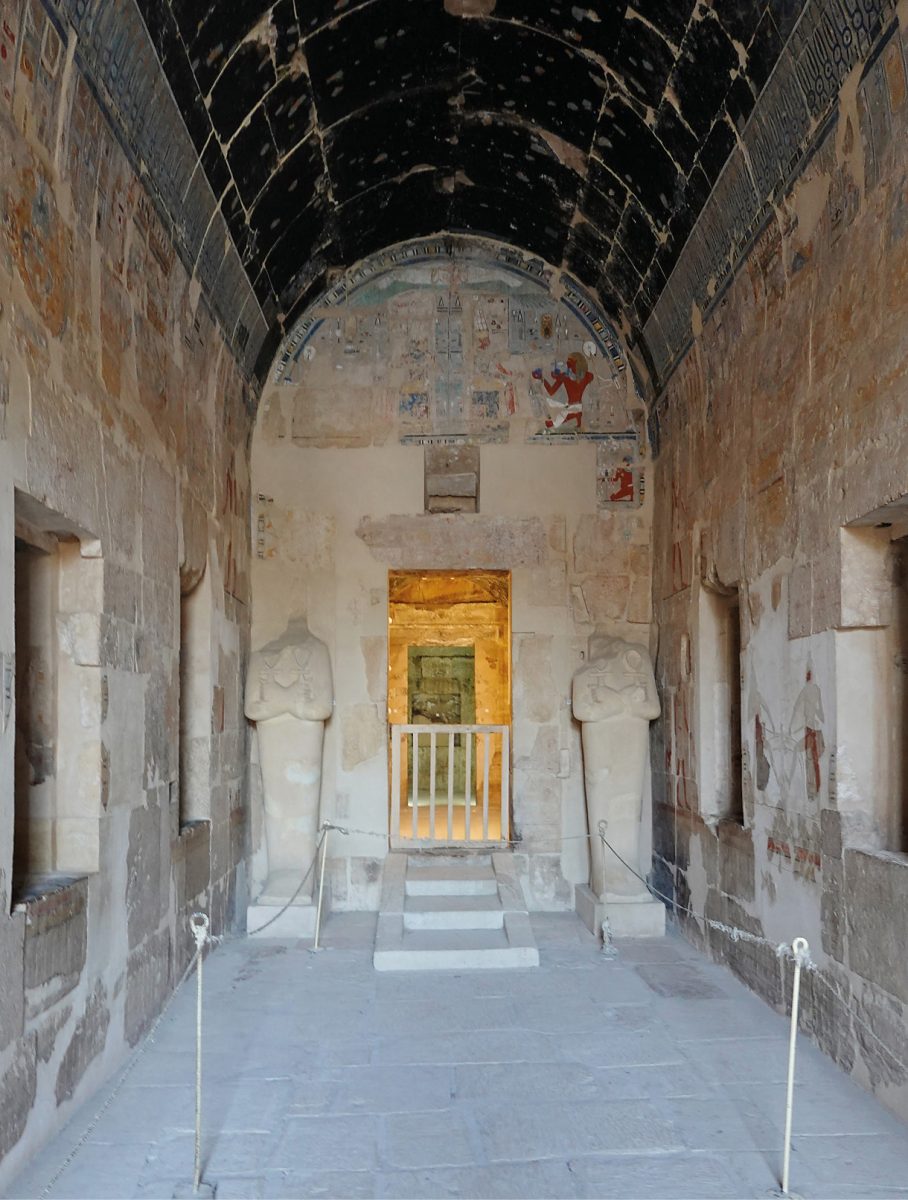
The final stopping point of the procession was originally the Eleventh Dynasty Temple of Nebhepetra Mentuhotep II, but this was superseded in the mid-Eighteenth Dynasty by a new ‘Temple of Millions of Years’ built by Hatshepsut, called Djeser-Djeseru Amun (‘Sacred is the Sacredness of Amun’). A monumental causeway, lined with red granite sphinxes, ran parallel to the earlier processional way, its eastern end marked with a valley temple (destroyed in antiquity) where the divine barque would have been received. The focus of this complex was the Sanctuary of Amun, in whose outer hall the sacred barque spent the night.
Thutmose III began his ‘Temple of Millions of Years’ (Henket-Ankh or ‘Offering Life’) during his co-regency with Hatshepsut, in the area of Qurna, accessed by canal from the river. Only functioning as a way-station during Hatshepsut’s reign, this is the western temple of this king best attested in private tomb inscriptions, showing that the temple functioned as a key stop for the divine barque until the Nineteenth Dynasty.
After Hatshepsut’s death, Thutmose III built a second temple at Deir el-Bahri (Djeser-Akhet Amun or ‘Sacred is the Horizon of Amun’) between those of Mentuhotep II and Hatshepsut. This temple was dedicated to Amun and designed to replace Djeser-Djeseru Amun as the god’s resting place during the festival, as evidenced by scenes of both river and overland processions within its hypostyle hall, and contemporary private tomb inscriptions. During the Ramesside Period, the destination of the procession changed again, with the god resting overnight within the mortuary temple of the reigning king, rather than at Deir el-Bahri.
Private tomb orientation
In the same way that Amun was connected to deceased kings through his visits to their mortuary temples, he was associated with deceased members of the elite through his proximity to their necropolis. Scenes at Deir el-Bahri show statues of the deceased being carried in procession, allowing their participation in the festival. Spectators – both living and deceased – would line the route itself, and also watch the festival from tomb entrances, participating in the festival banquets, and enjoying the associated rituals.
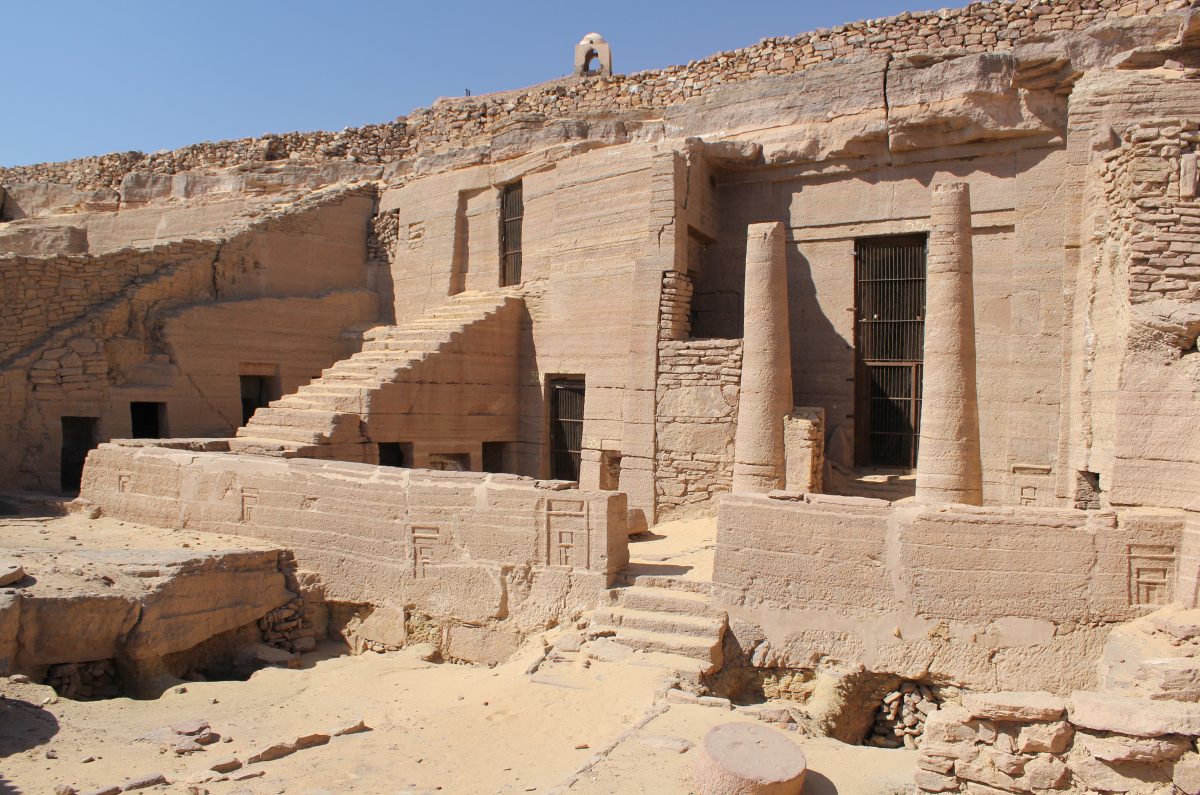
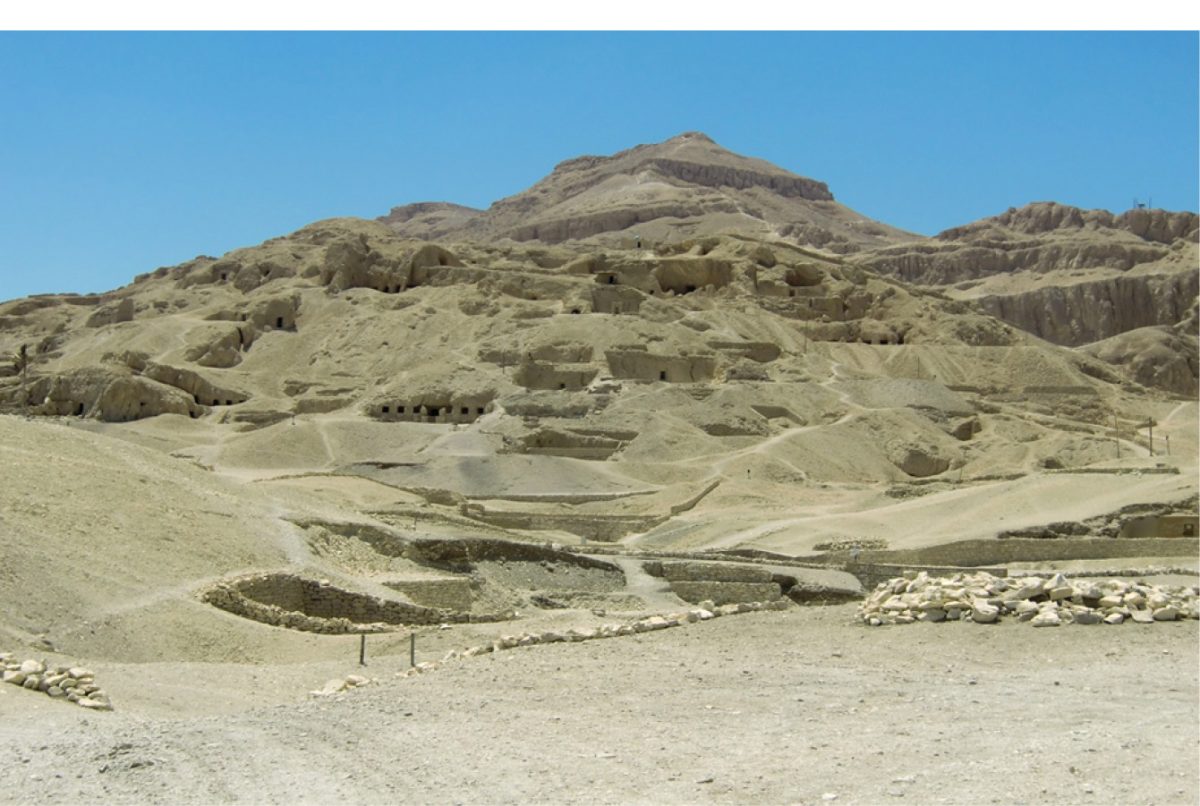
The most influential Eighteenth Dynasty officials sited their tombs on the upper slopes, orientated towards the processional route. This location allowed them to create an imposing presence over the cultivated land and the city where they lived and worked, but also provided them with great views overlooking the royal mortuary temples of the kings they served, and of course the processional route of the Valley Festival. The ideal tomb orientation during this period was east to west, symbolising the journey of the deceased from the world of the living into the afterlife, as reflected in the decorative scheme. This focused on daily life, featuring scenes of agriculture and official duties, but prominent scenes of the whole family participating at festival banquets, too. Not all tombs faced in the same direction. In reality, local topography would determine the actual orientation, and some tombs were built to face Amun’s home at Karnak Temple on the East Bank, or the mortuary temples and their associated festival processional routes. Many tombs were orientated towards Deir el-Bahri, possibly with the intention of allowing the deceased to face in the direction of the god as he rested in the sanctuary, as mentioned in textual references to the festival. This may have been particularly important for the second day of the festival, as several inscriptions express the tomb-owner’s wish to ‘see Amun as he rises’.
Festival banquets
On the night that Amun spent on the West Bank, families honoured and celebrated their dead relatives and ancestors by performing various rituals for them, and making offerings. Participants would bring flowers, food, and drink to the tomb chapels of their loved ones for a banquet. In the courtyard and the transverse hall of the tomb, they ate heartily and drank a great deal of wine, until they entered what was believed to be an altered state (including intoxication) that made them feel closer to their departed loved ones. They would be entertained by passing troupes of musicians and dancers, while the divine barque travelled to Deir el-Bahri, where the festivities culminated at dawn.
The deceased and guests would partake in the reversion of the offerings from the mortuary temples during the banquet, while floral ‘Bouquets of Amun’ which had previously been offered to the god were now offered to the deceased, along with burnt offerings. The tomb courtyard, usually rectangular with a walled façade, was a particularly common feature at this time, possibly because of its function during the Valley Festival. The long, low platforms frequently found inside were presumably for ritual usage (such as during the Opening of the Mouth ceremony), but may also have been connected to festival rituals.

Private tomb scenes
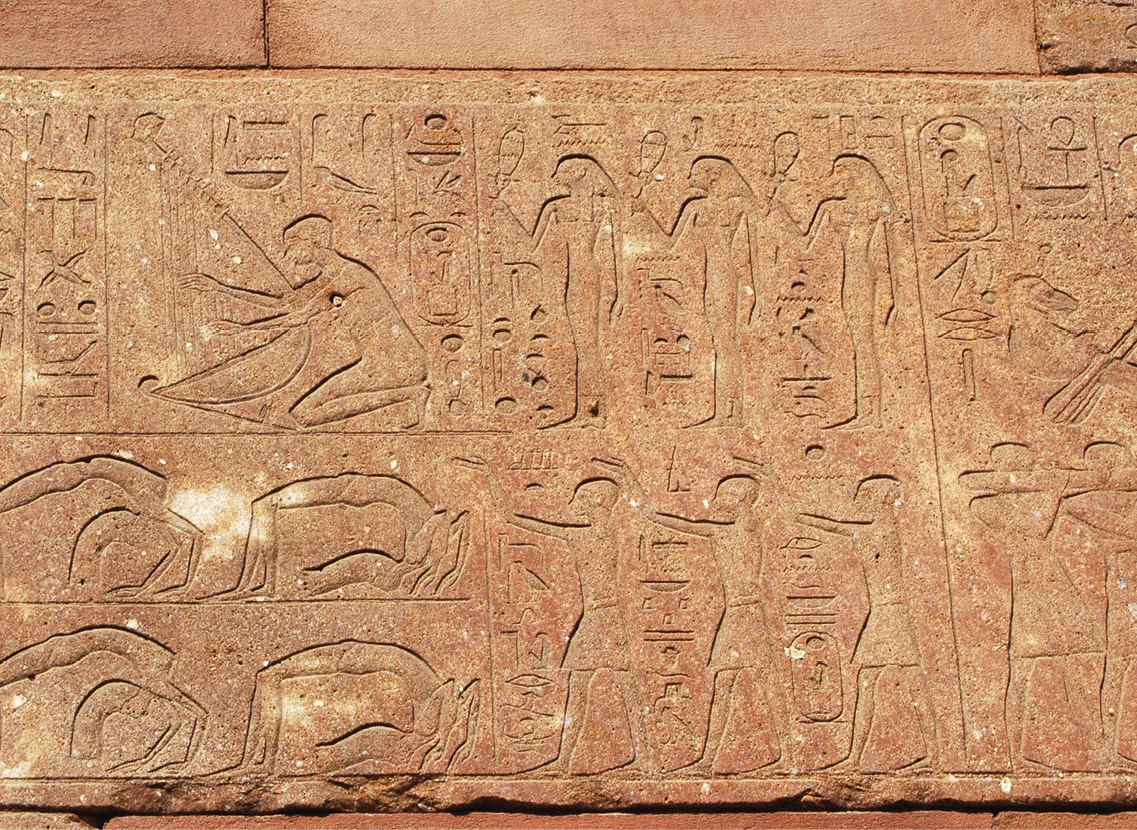
Scenes and inscriptions from Eighteenth Dynasty private Theban tombs are the most important source of evidence for the Valley Festival, together with evidence from royal mortuary temples and way-stations. The festival is often explicitly named, after a reference to Amun, as ‘His Beautiful Festival of the Western Valley’, which can also be abbreviated to the ‘Beautiful Festival’ or the ‘Festival of the Valley’. These references are often used as captions, labelling specific scenes of festival rituals which would magically guarantee the continued participation of the deceased in the festival. They would have been read by literate banquet guests, who may have read them aloud to those unable to read. Several examples name specific mortuary temples, providing information about the route the procession would have taken during different reigns. These captions also allow us to identify scenes that are unequivocally associated with the Valley Festival, and a number of common themes become apparent.
They would be entertained by passing troupes of musicians and dancers…
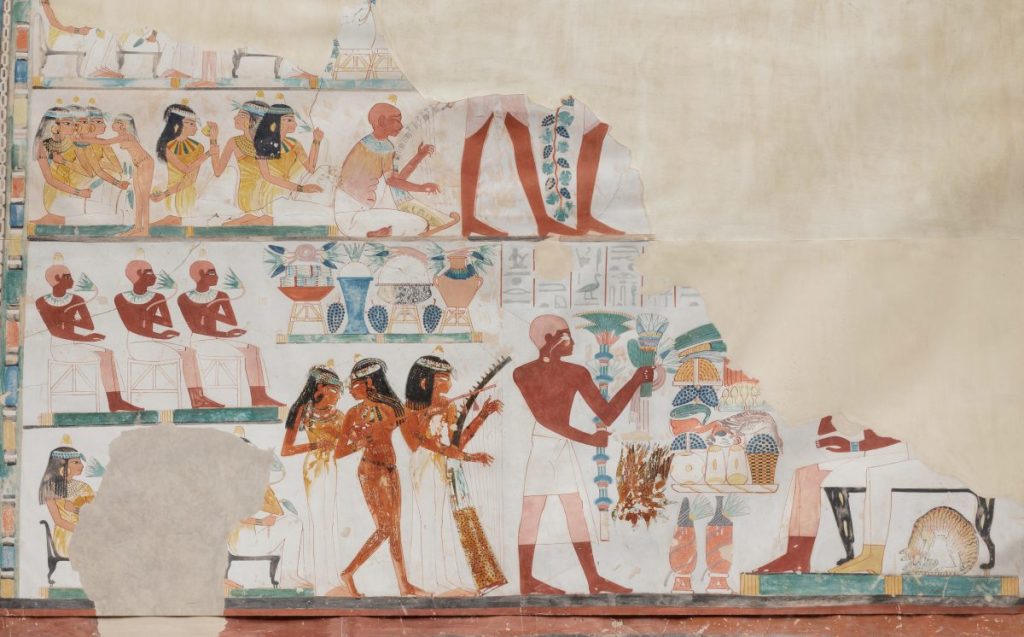
The first is the festival banquet scene. Banquet scenes are common in Eighteenth Dynasty Theban tombs, but distinguishing between different types of banquet is problematic. Several banquet scenes are explicitly labelled as depicting the ‘Beautiful Festival of the Valley’, so by comparing the iconography of these scenes with unlabelled scenes it is possible to identify other likely depictions. Some general trends can be identified, such as the position of these scenes within the tomb, often close to other festival scenes, with the figures usually facing towards the tomb entrance. The festival developed its own range of iconography, so these features can be used in combination with textual references and context to differentiate between Valley Festival banquets and other funerary meals.
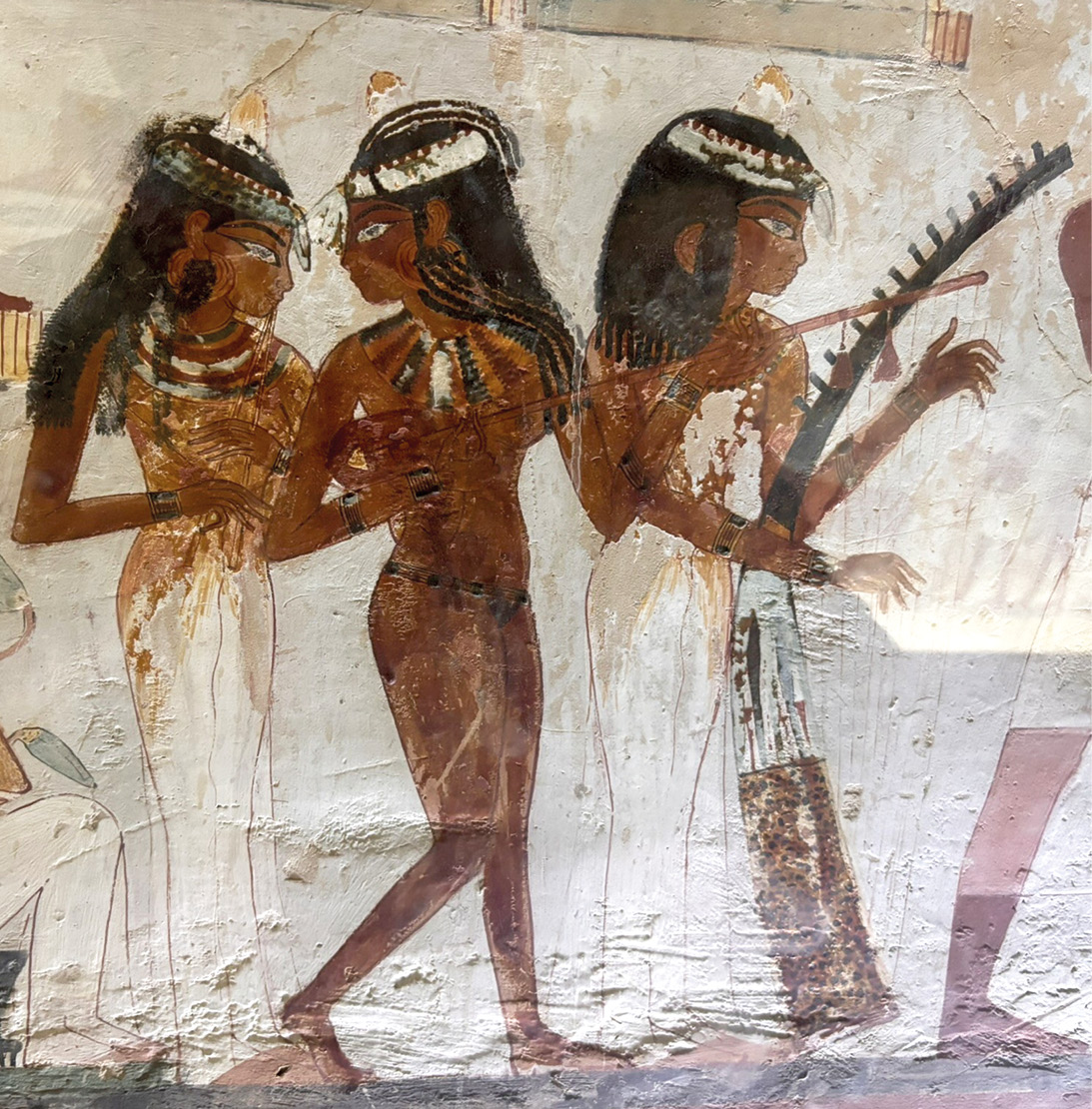
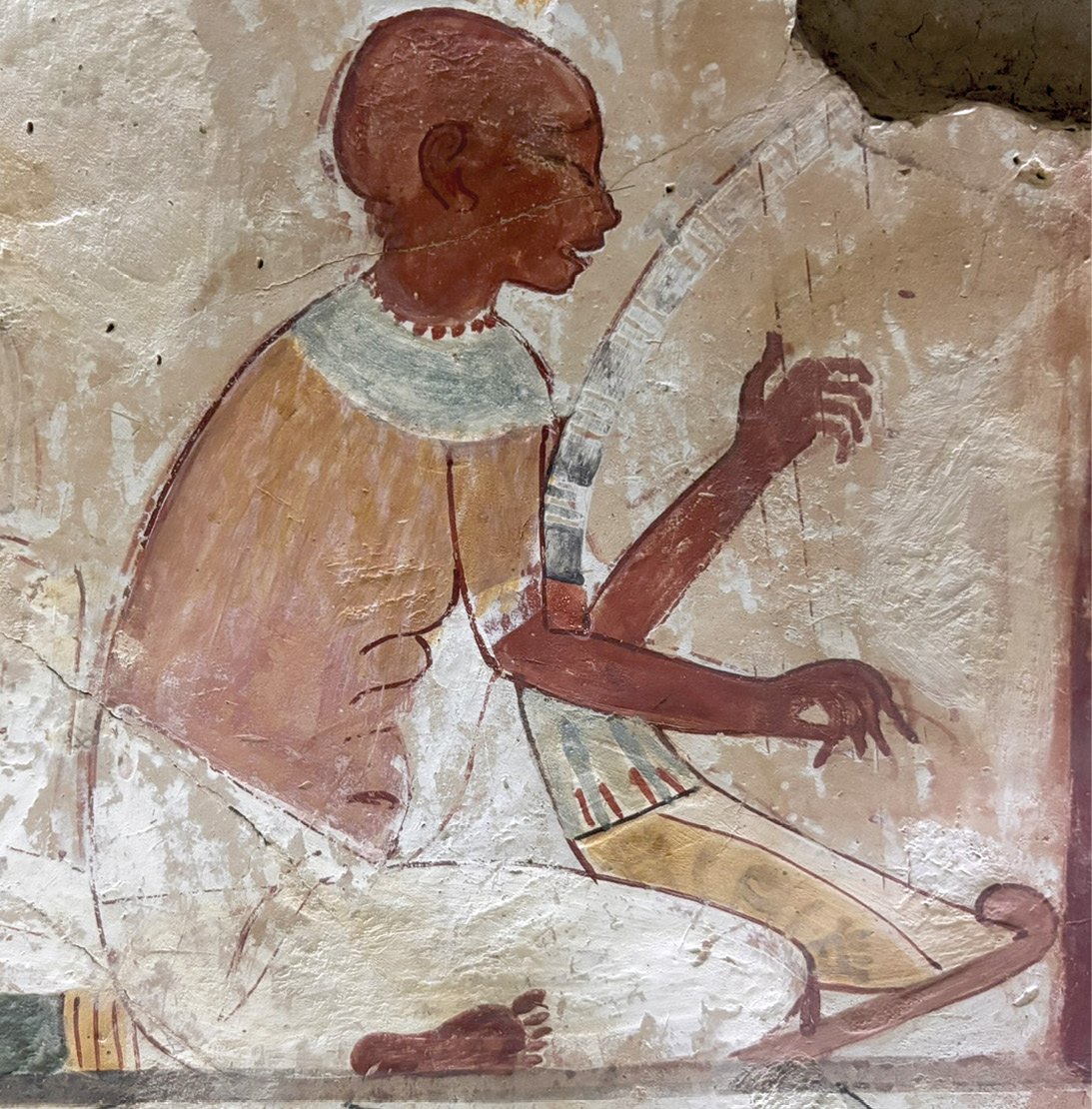
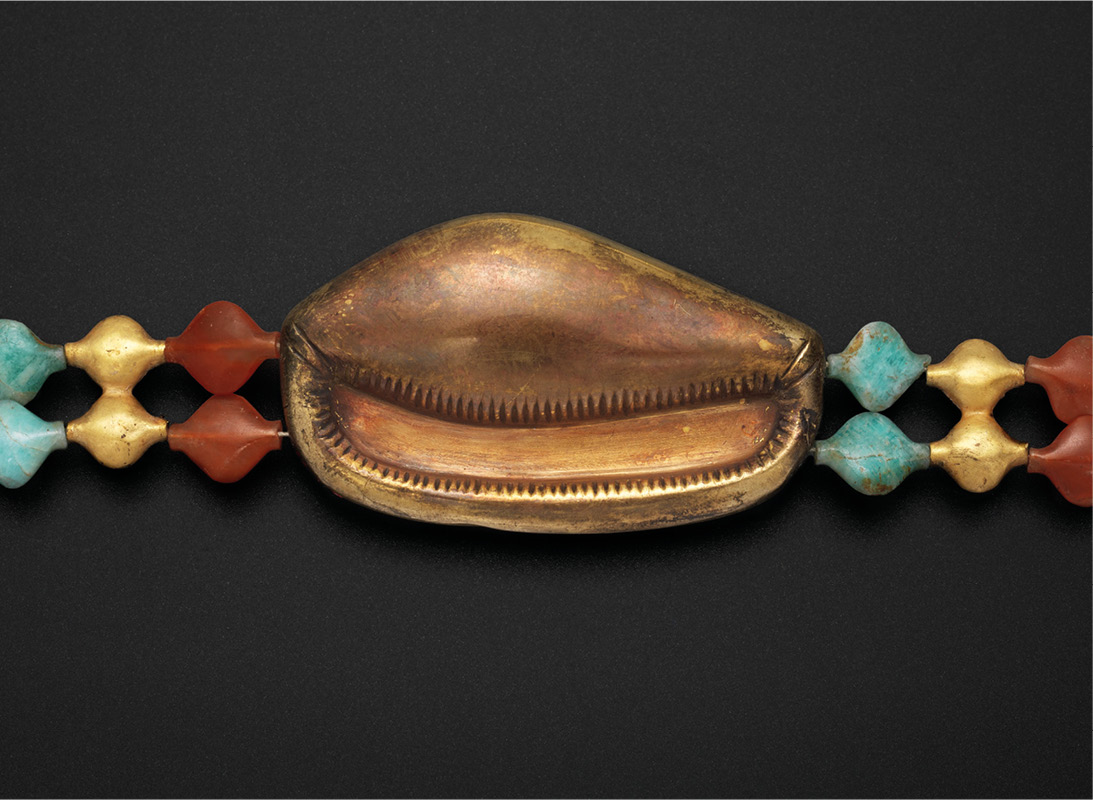
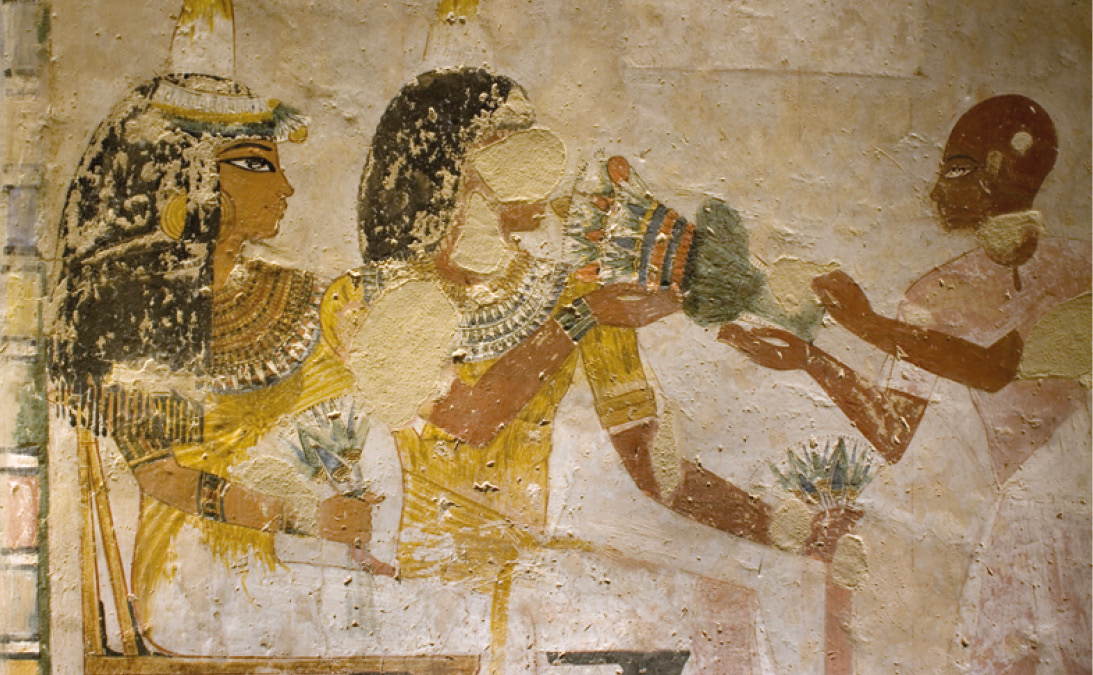
In Valley Festival banquet scenes, the tomb owner and his wife are shown seated before their relatives and friends, being presented with divine offerings from the mortuary temples. The deceased’s son often presents food and a bouquet, while the daughter usually offers a drink. Other offerings include floral wah collars, worn by guests to symbolise rebirth and regeneration, and Hathoric menat necklaces and sistra – symbolising life and protection. All guests wear their finest clothes and jewellery, while perfume cones are particularly prominent. Men and women are shown in separate registers, or seated in couples, and include both living and deceased family members. Other participants include attendants offering drink and sometimes unguents and necklaces to guests. A range of musicians, dancers, clappers, and singers provide the entertainment, while there is often a depiction of a blind male harpist, singing the ‘Song of the Harpist’. Overindulgence is sometimes portrayed, as guests became intoxicated in an attempt to transcend boundaries between worlds in order to communicate with the dead. They are seen consuming alcoholic drinks, and sniffing ‘lotus’ (lily) flowers and mandrakes, which may have had hallucinogenic properties. These elements, combined with Hathoric symbolism, music, and dancing, and diaphanous clothing, elaborate wigs, jewellery, and perfumed cones, are connected to the over-riding theme of rebirth.
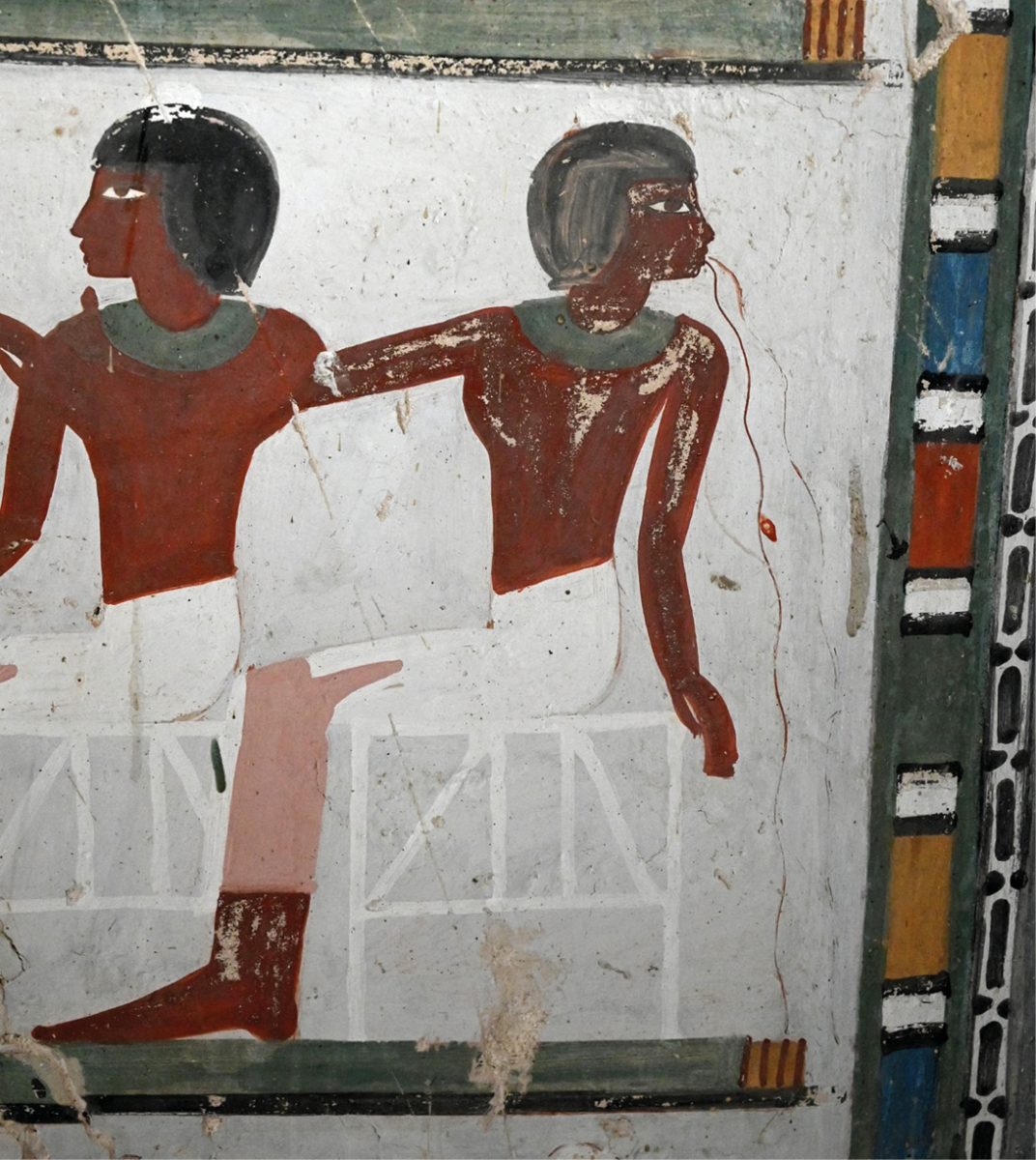

Another type of scene associated with the Valley Festival is the deceased (and often his wife) making burnt offerings, or lifting braziers containing food, to a deity who is not shown but sometimes named in the accompanying text. This scene often appears in conjunction with the deceased pouring scented oil or ointment over the offering, so the sweet-smelling smoke would rise to the sky, establishing a link between earth and heaven.
The third type of scene features the ‘Bouquet of Amun’ being presented to – or by – the deceased, during the banquet or in a separate scene. These bouquets would have originally been offered to Amun, placed around the god’s barque shrine as it spent the night in the temple. Imbued with divine blessings and regenerative power for the deceased, the bouquets were then distributed by the priests in the necropolis.
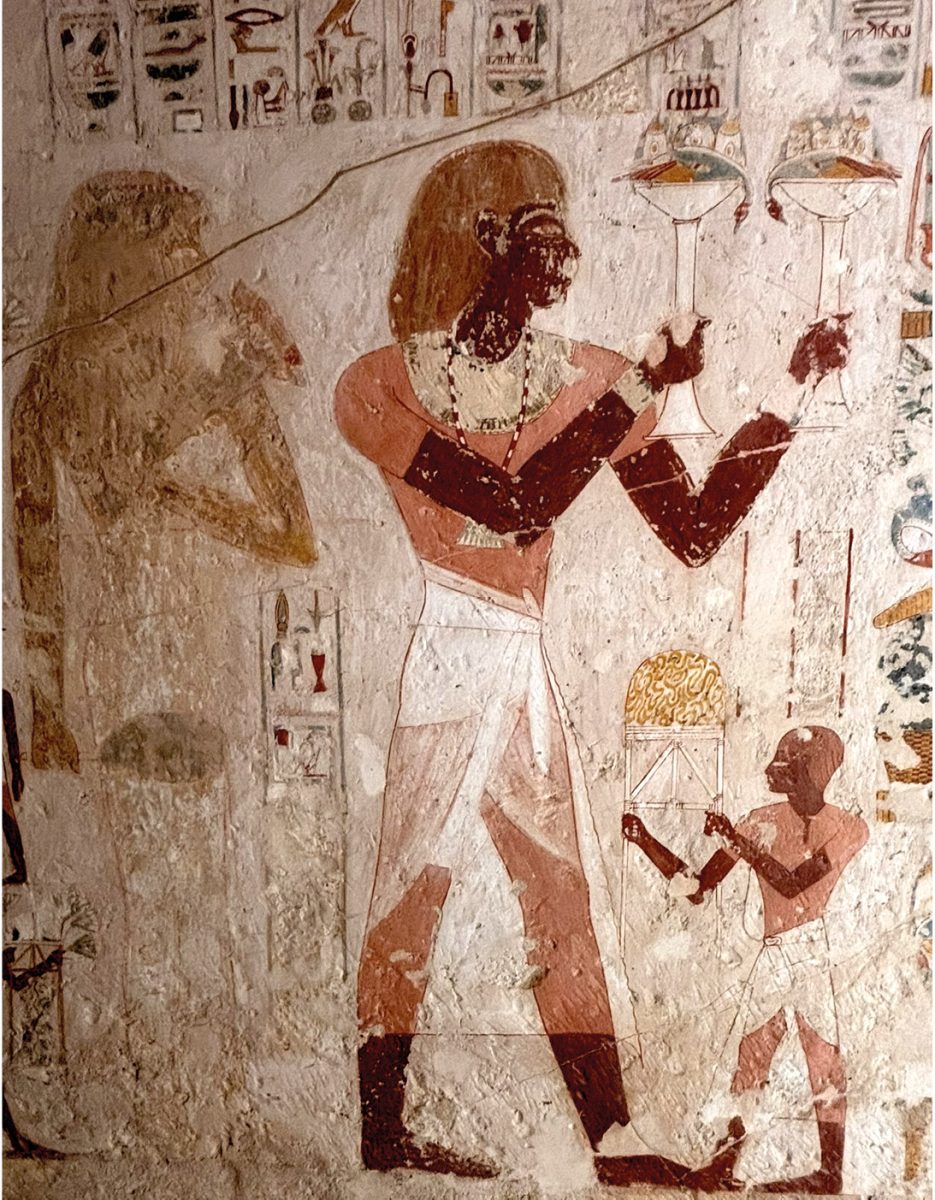
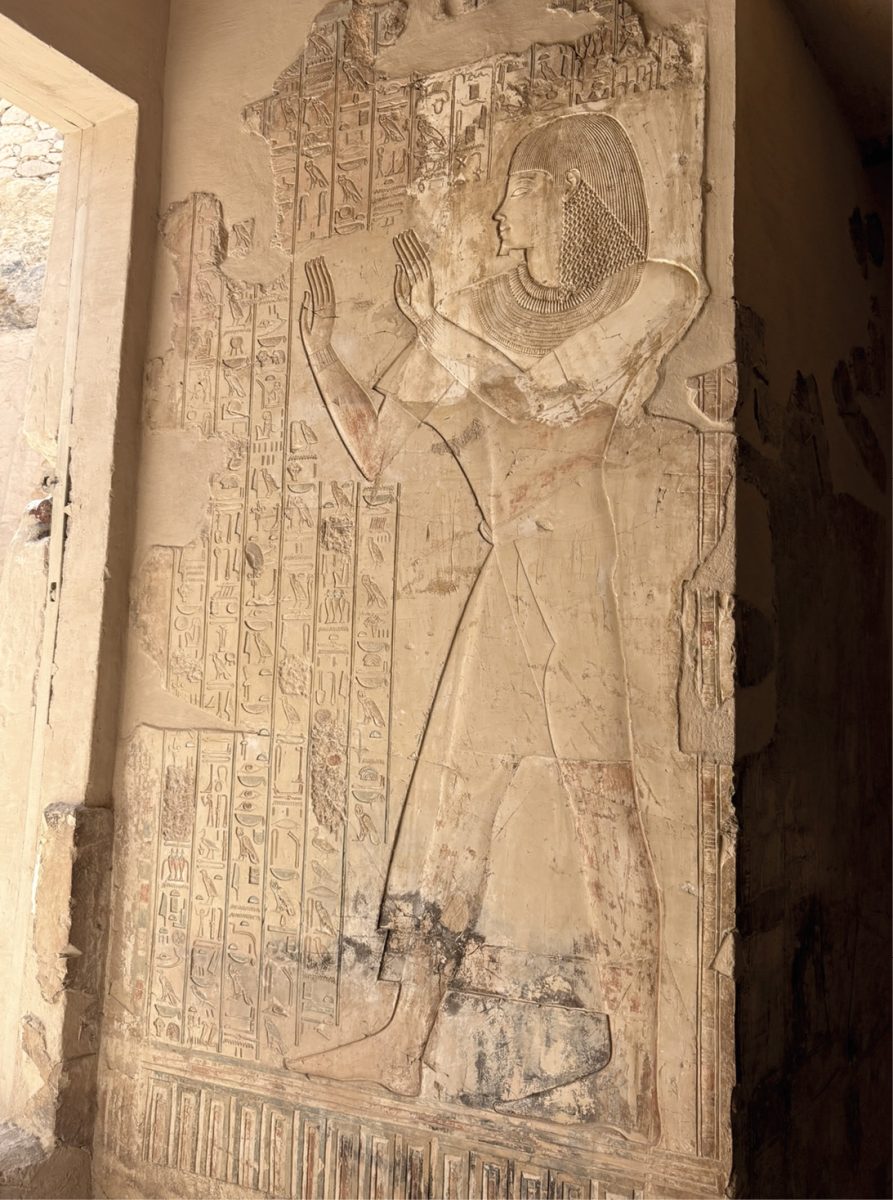
The final scene associated with the festival is the deceased (often accompanied by his wife) leaving and re-entering the tomb. He is usually depicted holding a staff, ‘coming forth’ from the tomb on the left of the doorway and returning to the tomb on the right. These scenes typically occur on either side of the inner doorway leading into the long hall, which represents the entrance to the afterlife. Surviving inscriptions label this scene as taking place on the second day of the festival, as the deceased is leaving the tomb in order to ‘see Amun when he rises’ and then returning. Hymns to the god accompanied by images of the deceased adoring the gods were also located on both sides of the tomb entrance, symbolically facing east. This location ensured the hymn greeted the rising sun, and the hymns appear to have been read during the dawn rituals when the festival culminated on its second day.
Dr Katherine Slinger is a Lecturer in Egyptian Archaeology at the University of Manchester, where she is the programme director for the online Certificate and Diploma in Egyptology. She also teaches on the Egyptology MA and delivers the Short Courses in Egyptology. Her book Tomb Families: private tomb distribution in the New Kingdom Theban necropolis was published as a monograph by Archaeopress in 2022 and is reviewed in AE 136.
All images: the author, unless otherwise stated