

Subscribe now for full access and no adverts
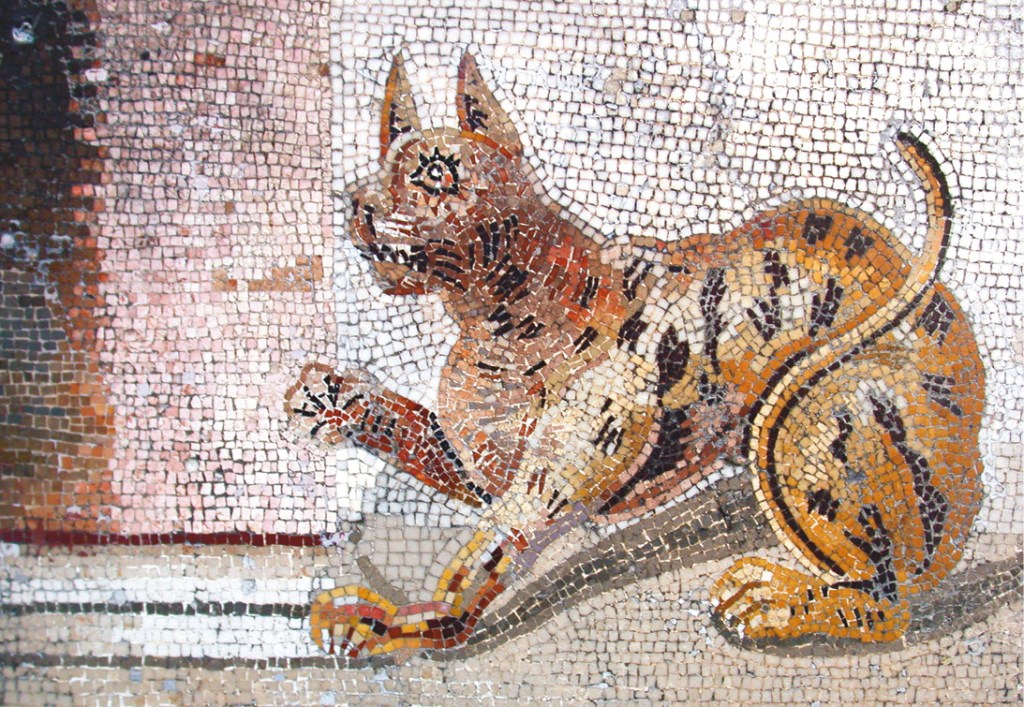
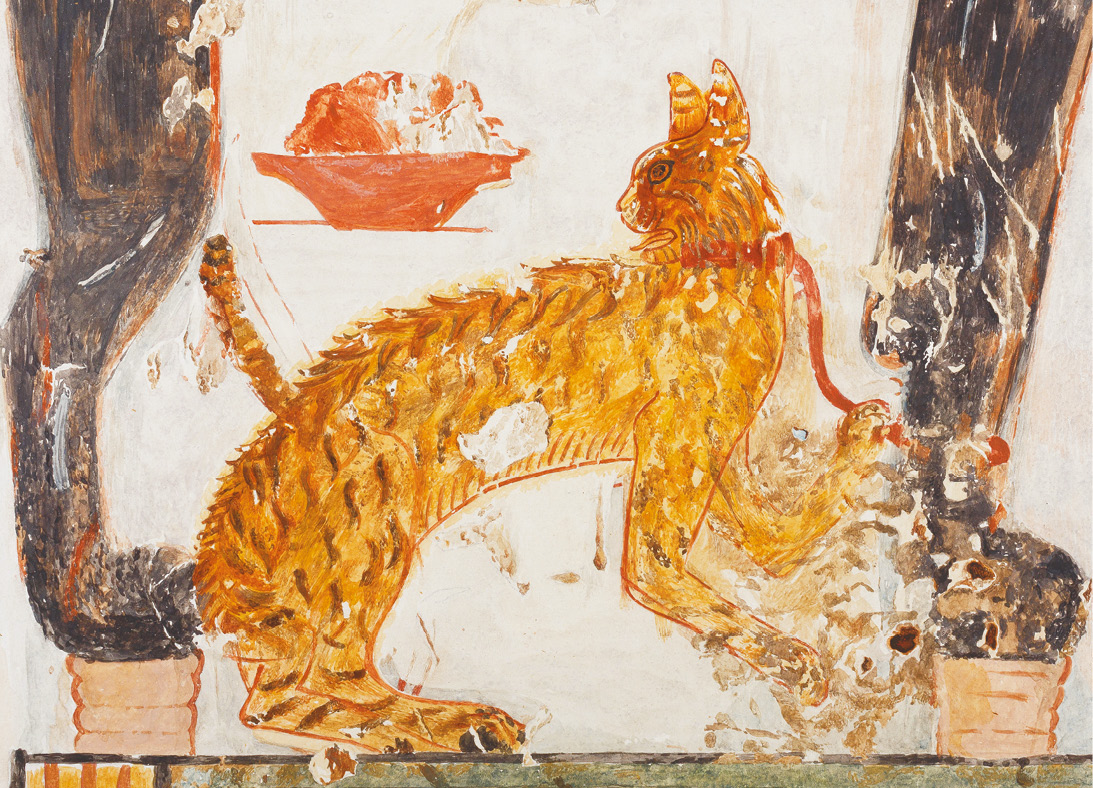
When the Roman army conquered Egypt (in 30 BC), the soldiers were in awe of the monuments they saw – just like every previous visitor or conqueror. But there was another aspect of ancient Egyptian civilisation that captivated the legionaries: the Egyptian ginger cat. The Romans had never before seen such animals. Ginger cats were at that time only found in Egypt, with the exception of a few that were taken to Persia following the earlier Achaemenid conquest of Egypt (525 BC). A few went to nearby countries with whom the Egyptians traded.
Ancient armies welcomed cats because they killed the rats that would otherwise consume the grain and flour from which the soldier’s bread was made. Accordingly, the soldiers added these special cats to their ranks, taking the animals with them on leaving Egypt.

The cat in Egypt
Cats had been pets and guardians of the granaries in Egypt for over 2,000 years before the Romans arrived on the scene. They are among the earliest known animals to be domesticated, with tame cats known from the early Old Kingdom, when the two lands were first united. When brought into a home as kittens, they readily bond with the family and become affectionate pets, and, as they are inherently fastidious, they are quickly house-broken. This is a significant advantage over having dogs as pets. Feral cats, however, are notoriously difficult to domesticate, but, if undisturbed, they will instinctively protect the storage areas simply because these are good hunting grounds for them.
The cat became an early goddess in the Old Kingdom as Bast or Bastet. Her centre was in the Delta at Bubastis, where drunken festivals were held in her honour. The Greek historian Herodotus witnessed one such festival on his travels and provided a vivid description of debauchery.
The genetics of cat colouration
All cats, like humans, have two types of sex chromosome: the X chromosome found in male and female cats, and passed on by females to their offspring; and the Y chromosome, which is only found in male animals. An animal with two X chromosomes (XX) will be female, while an XY animal will be male. The names come from the shape of the structures, with the Y having a missing ‘leg’ compared to the X. The gene that determines colour for cats is located only on the X chromosome – there is no comparable gene on the Y chromosome.
Female cats can have either the ginger gene or a black gene in that location.
• If a female has both chromosomes with the same colour gene, then the cat will be that colour: two ginger genes XX for ginger; two black genes XX for black.
• If she has ginger on one of her X chromosomes and black on the other (XX), she will be a ‘calico cat’ – white with blocks of black and ginger. Only females can be calico cats.
• Since the male has only one X chromosome, which it inherits from its mother, he will be either ginger or black depending on which gene is passed on to him.