

Subscribe now for full access and no adverts
In the ancient world, countries and empires strove to maintain lines of communication over land and across bodies of waters such as rivers and seas. Egypt depended predominantly on the Nile, but, like other kingdoms, also built reliable roads. Vital for trading caravans and troop movements, these roads allowed the fast dissemination of information as well. In times of threat, these nations needed to improvise fast and reliable routes so they could transmit messages to all areas under their control. This was the beginning of the ancient postal system. As time went on, the systems expanded to allow lines of communication with neighbouring countries for commerce, diplomacy, and war.
In the early postal network, a scribe was needed to write messages in a language that the recipient would understand. Sometimes, multilingual scribes were needed for communications in different languages. From such messages that survive, written on papyrus and clay tablets, we can gain a great deal of information about the prices of goods, marriage customs, regional demographics, and sometimes diplomacy and historical events.
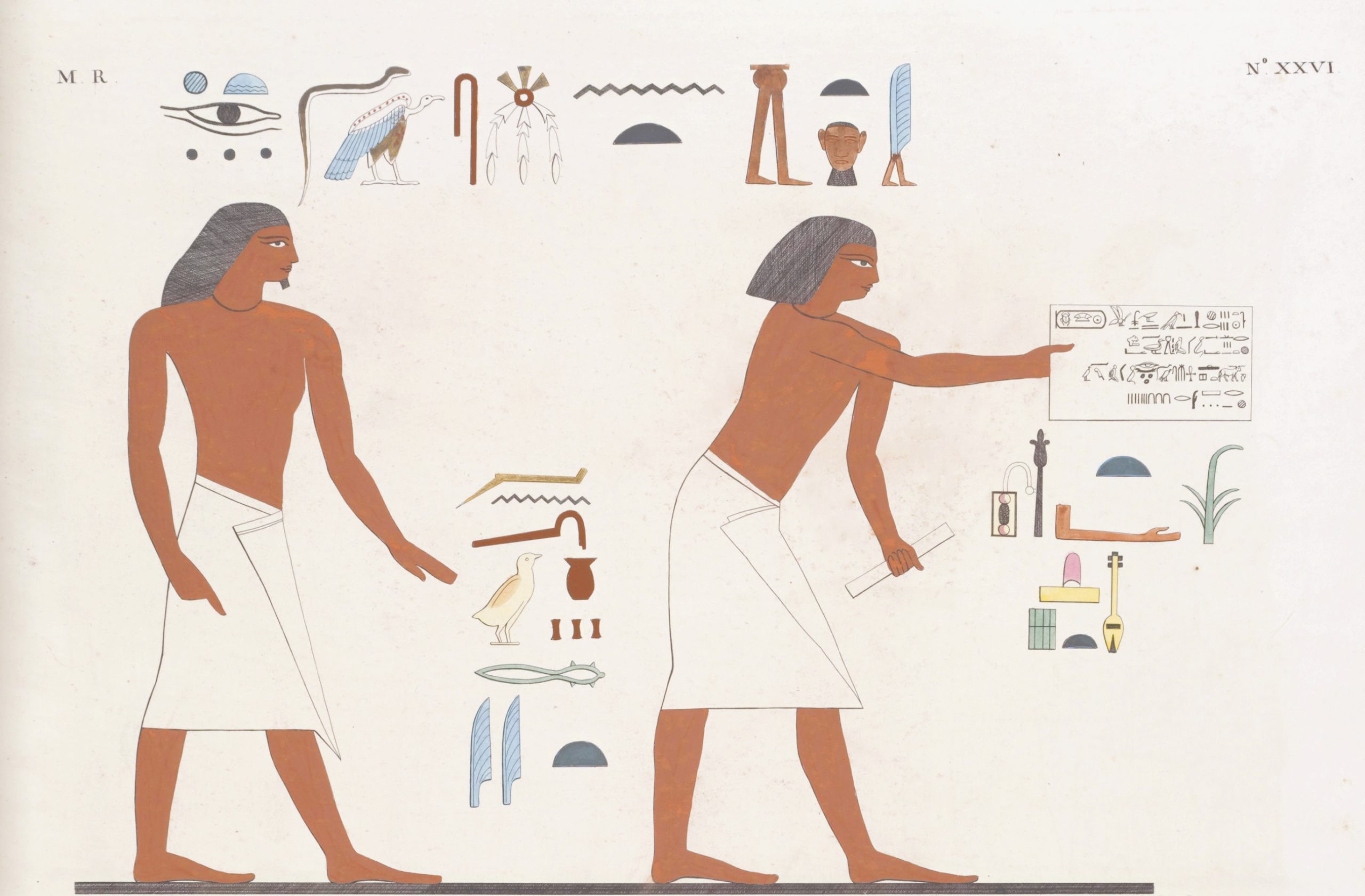
Usually, the early postal services were state-run bureaucracies set up for high-ranking governmental officials. In time, temples, large mercantile traders, and other wealthy people were also able to use these mailing exchange arrangements. Temples usually had a fairly large number of scribes present, and amassed vast riches through trade. For those with fewer resources, messages could be sent by means of servants or slaves, or by trusted travellers journeying in the right direction. Sometimes, governmental report-carriers could deliver these messages to earn an extra fee.
As in most eras, these early postal routes were fraught with danger, with couriers running into brigands, bandits, or even soldiers. Even if they arrived safely at their destination, these intrepid mailmen were still under threat. Many ancient rulers were afraid of spies, and mail-carriers and their protective soldiers could be detained for prolonged periods of time. Some were kidnapped, or even killed.

Papyrus and clay tablets
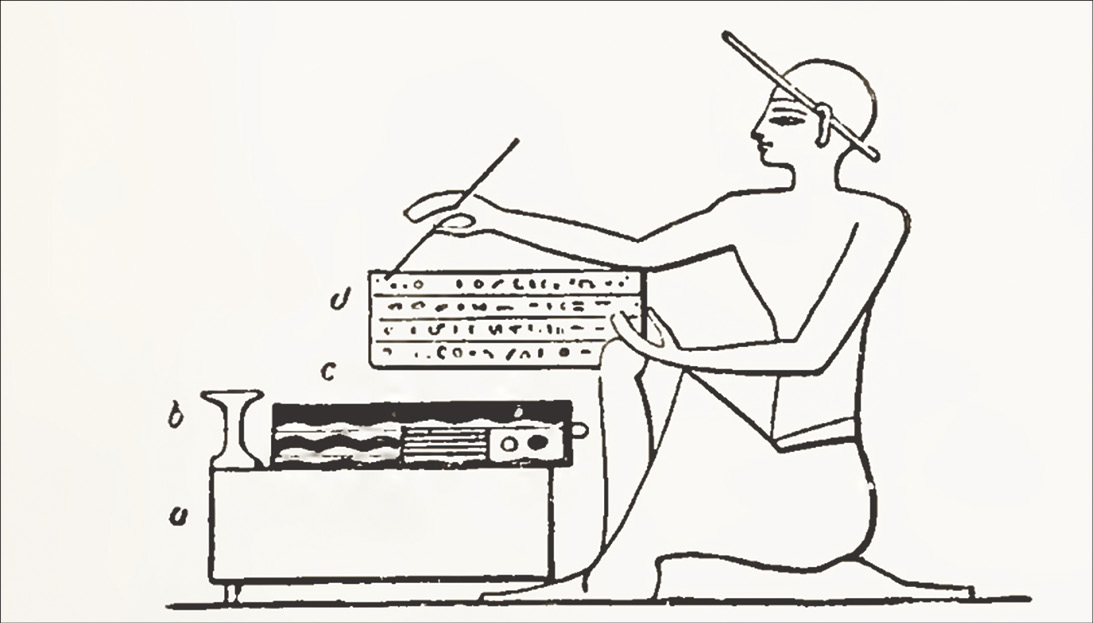
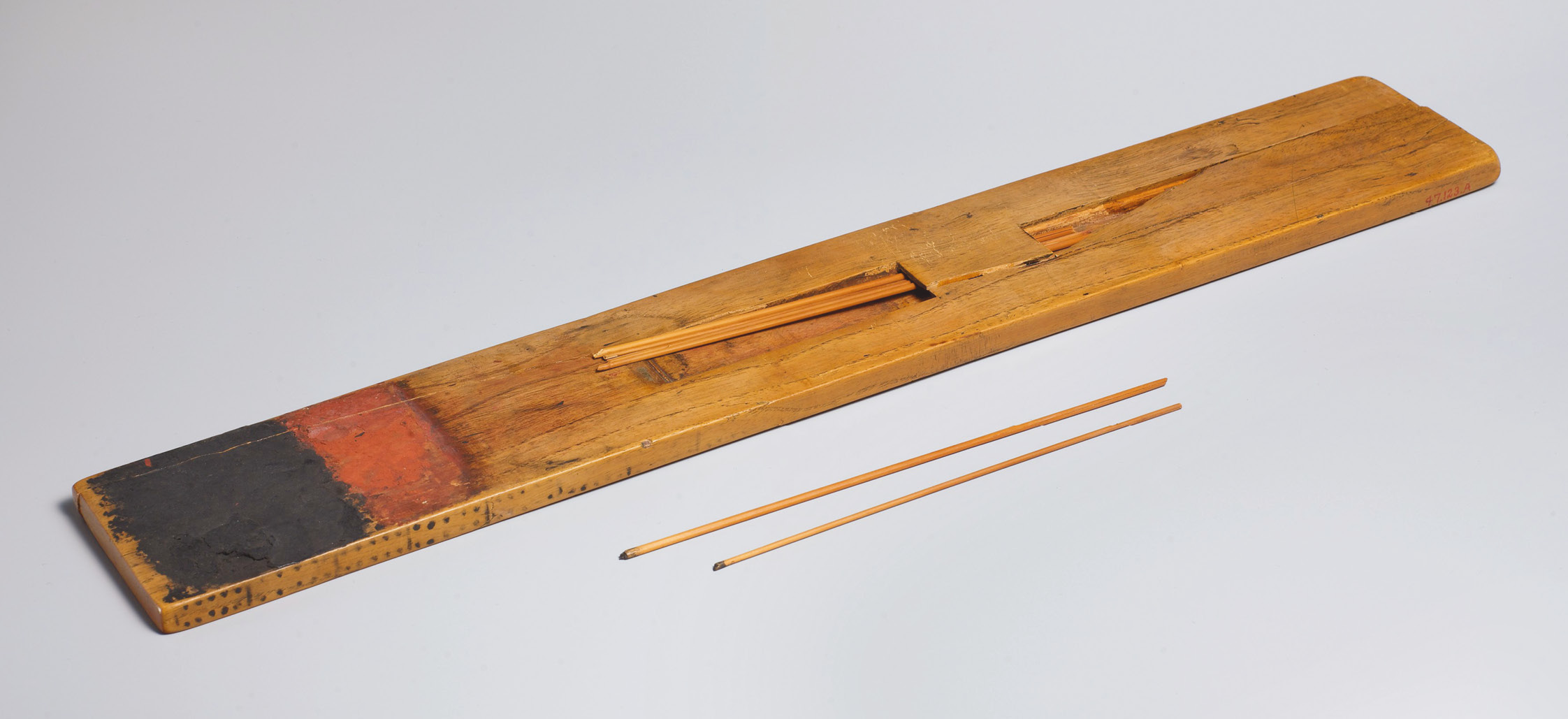
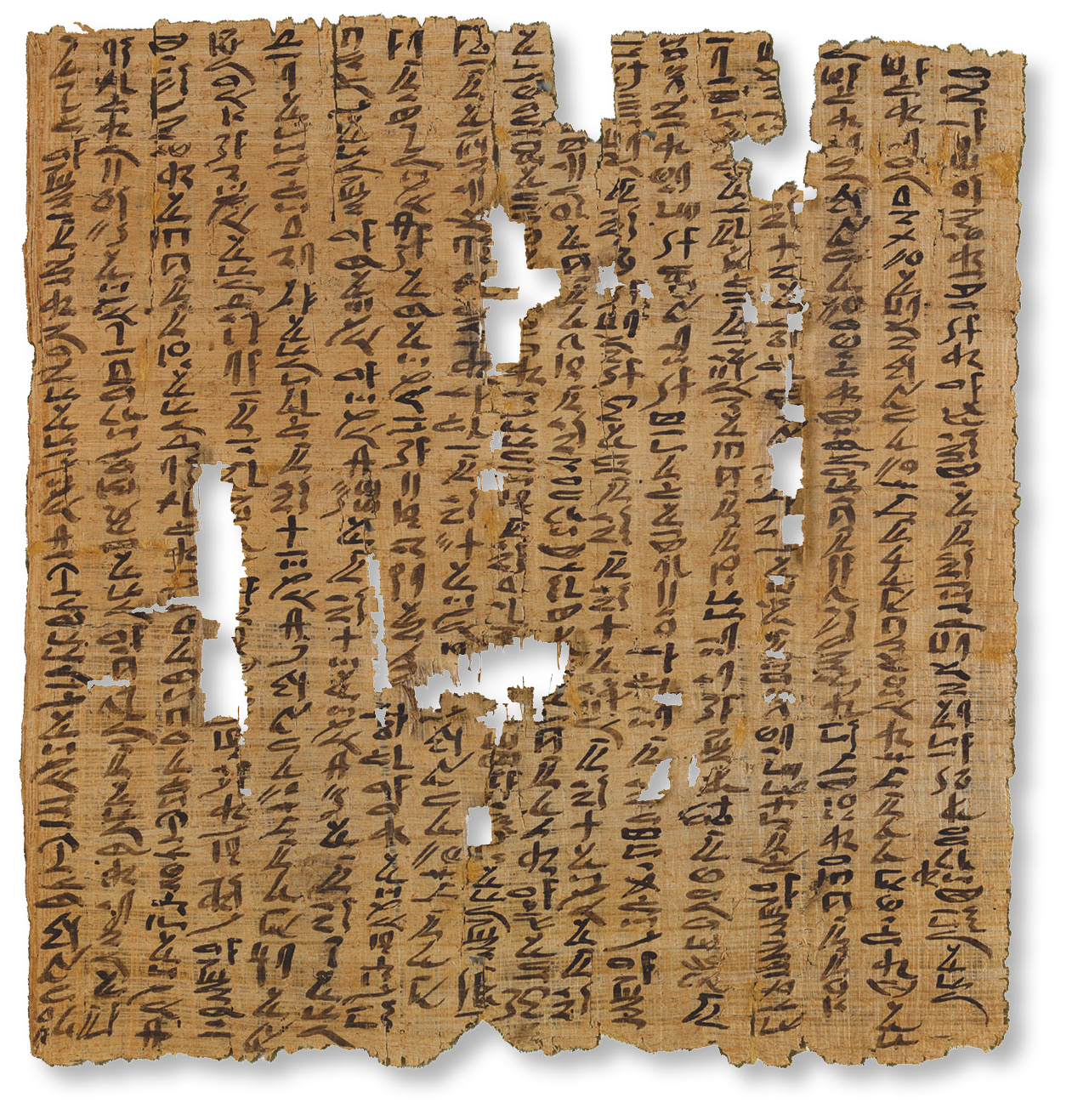
Messages and documents in ancient Egypt were usually written on sturdy papyrus sheets which were rolled up to form a scroll, or were folded into a thin rectangle. These dossiers were tied by string, and a clay lump was placed over the knot and impressed with a seal from the scribe, witness, or sender. The name of the sender and receiver could be placed on the outside portion of the papyrus document near the location of the seal. Sometimes, more than one seal was placed on the papyrus record. In the Middle and New Kingdom eras, Egyptian scribes used a thin pen made from Juncus maritimus (a type of reed). The tip was cut in a slanted direction using a bronze knife and chewed by the scribe to form a brush that was used to paint the hieroglyphic symbols on to these papyrus documents.
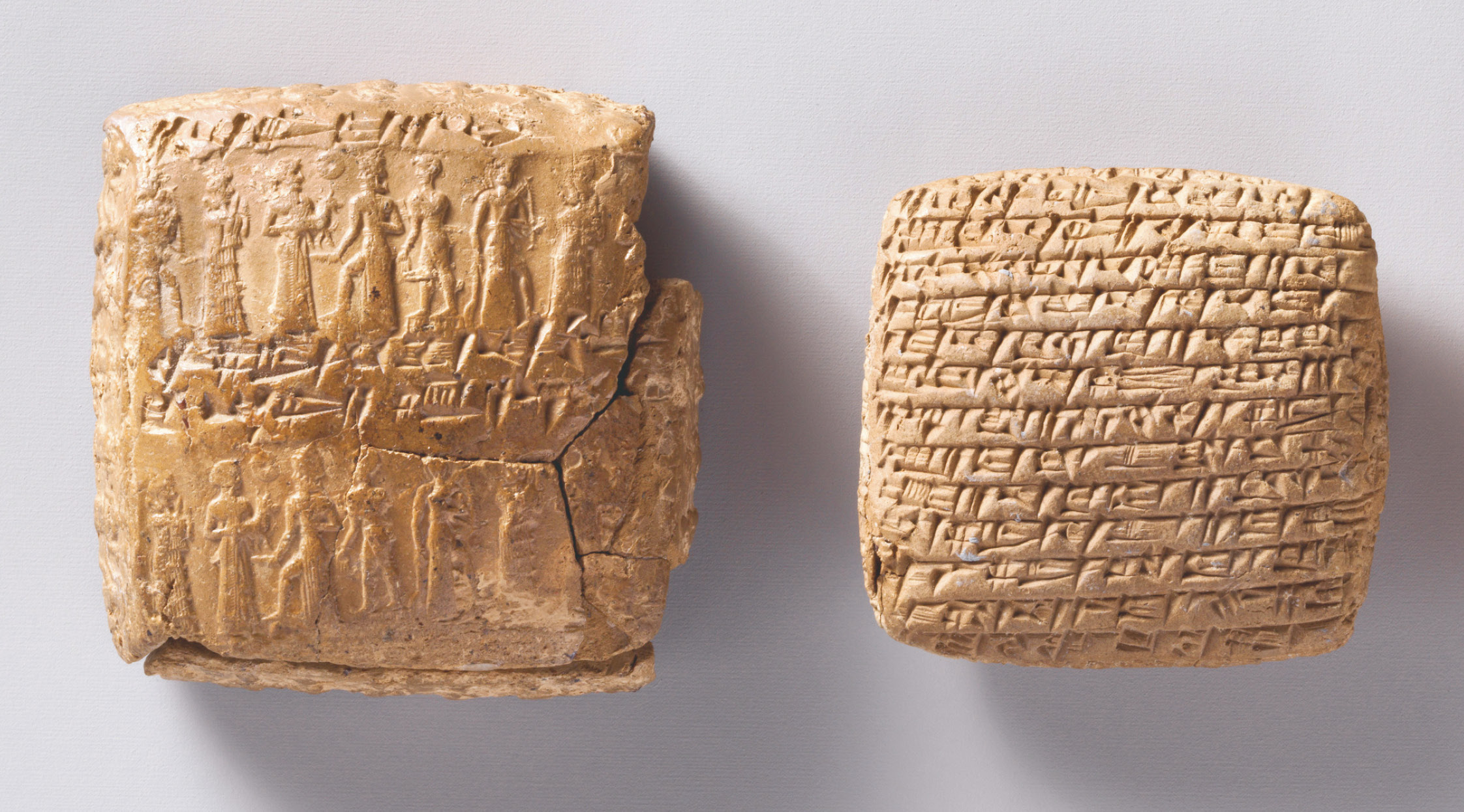
In Mesopotamia, mail was in the form of tablets made of wet clay sheets, which were rolled into small hand-sized wet slabs. The cuneiform text of wedge-shaped figures was then pressed into the wet clay. The pen used was often made from the stem of the reed-like grass Arundo donax, with different shapes cut into the tip: a thin wedge, half circle, triangle, thin rectangle, or even a square. At least one side of this pen possessed a waterproof skin to prevent it sticking to the wet clay. The clay was then air-dried to make it hard enough to survive normal handling and storage. These unfired slabs could be used again by soaking them in water, while more important documents were fired to make them permanent.
For security purposes, these tablets were placed in a protective clay envelope on which a scribe placed the names of the sender and recipient, with a seal to verify the sender’s identity. The recipient broke into the clay envelope to read the dried clay tablet inside.
Ancient Egyptian postal service
The Fifth Dynasty pharaoh Djedkara Isesi (c.2414-2375 BC) is thought to have established the first Egyptian postal service by expanding the courier system throughout Egypt and into foreign lands. He used couriers to carry messages throughout Egypt, primarily by boat on the Nile, but sometimes by runners using known land routes. In Egypt, messages were conveyed either by memory or by sealed papyrus rolls, and multiple letters were placed in a sealed box. Overseas, the Egyptian runners travelled on the main caravan trade routes, or paths used by foreign armies. Egyptian documents were sent as sealed papyrus scrolls, while letters abroad were written on clay tablets in Babylonian Akkadian using cuneiform script. For important documents, a duplicate record was kept by the sender.
The first traces of surviving Egyptian mail messages can be dated to about 2000 BC. One of these letters was sent by a scribe who wanted to impress on his son the importance of learning to write to obtain privileged future working conditions as a scribe in the government. Also, in the Eleventh Dynasty, a farmer-priest called Heqanakht wrote to his family to instruct them on how to survive in times of famine on the food he obtained for them. Sometimes, model generalised letters were used by less-experienced scribes. At the end of the Old Kingdom and during the Middle Kingdom, letters were delivered in bulk by couriers using donkeys. In the New Kingdom, dispatches in bulk were sent by horse-driven chariot, or possibly on horseback, for speed of transport and efficiency. By this time, horse relay stations were conveniently placed on longer routes. The familiar postal slogan: ‘Neither snow nor rain nor heat nor gloom of night stays these couriers from the swift completion of their appointed rounds’ was coined by Herodotus in about 440 BC.
Post in Mesopotamia
The Egyptians corresponded with the Mesopotamians and the Hittites during the New Kingdom. King Sargon the Great of Akkad (c.2334-2279 BC) established the first postal service in Mesopotamia. More than 300 cuneiform clay tablets have been excavated containing information on legal, real estate, economic, and personal issues. Sargon’s military and commercial expertise led him to establish trade routes throughout his empire, which included the Indus River cities in India, Crete, Oman, Lebanon, Syria, and Crete. His daughter Enheduana (considered to be the world’s first named author) was an extremely educated high priestess of Ur, and regularly traded dispatches with Sargon.
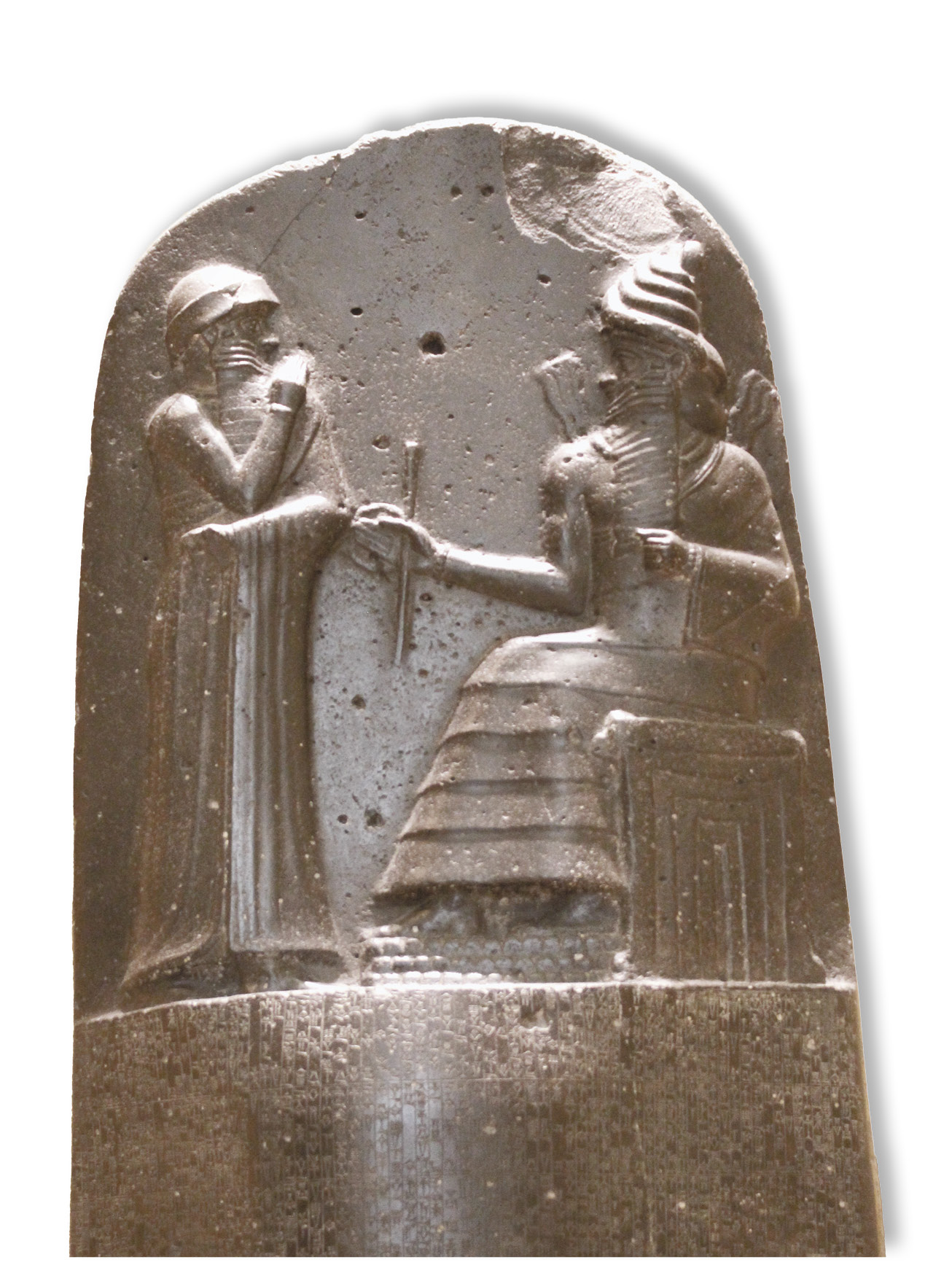
Hammurabi, the great king of Babylonia (c.1792- 1750 BC), continued this message exchange system in his Babylonian empire. His service used roads and postal relay stations along major routes. Messages were carried by couriers from royalty to government officials, from temples to various recipients, and between rich merchants and educated people. In the city of Mari, Zimri-Lim (a contemporary of Hammurabi) exchanged letters through Mari’s postal system to Sibtu, his well-educated wife, and to at least three of his knowledgeable daughters. He probably communicated with Hammurabi through dispatches, before Hammurabi conquered Mari c.1760 BC. At around the same time, the priestess Amat-Mamu, a scribe of the city of Sippar, conducted business activities in Sippar and also corresponded with the kings of Babylon for more than 40 years. From the archives of queen Iltani of Karana, about 200 cuneiform letters were discovered covering her administrative agenda for commerce in textile, food, and metals.
The Amarna and Hittite letters
Cuneiform tablets written in Babylonian Akkadian (the language of diplomacy) form two valuable troves of ancient Egyptian correspondence: the ‘Amarna letters’ between Egypt and various Near Eastern countries during the reigns of Amenhotep III, Akhenaten, and Tutankhamun (c.1390-1327 BC); and the correspondence between Ramesses II and the Hittites in the Nineteenth Dynasty.

During the Amarna Period, Egypt’s kings corresponded through their efficient postal systems with Babylon, Hatti, Assyria, Mitanni, Alashiya (Cyprus), Arzawa (western Turkey), Syria, Phoenicia, and Canaan. Most of the letters were written by the rulers of these countries to the Egyptian pharaoh. There are just over 350 surviving tablets recording letters to the Egyptian king; the Egyptian response would have been written in hieroglyphs and copies kept as part of a separate archive that has not yet been discovered.
In one letter (EA 4), Kadashman-Enlil I, King of Babylon, complained to Amenhotep III because the Egyptian king would not send him a daughter to marry in return for the Babylonian princess sent to Egypt. Tushratta, King of the Mitanni, also sent a daughter to the Egyptian king, and wrote demanding a high bridal price in gold which he said was ‘plentiful as dirt’ in Egypt (EA 19). Labayu, King of Shechem, was more worried about the threat to his kingdom after being told by Akhenaten not to repel the attacks by the Habiru (EA 252). Abdi-Heba, the local chieftain of Jerusalem, was under attack from these brigands too, and made frequent pleas for help from Egypt (EA 285-6).


EA 288: Abdi-Heba, under attack from brigands, pleads for help from Egypt (in the Vorderasiatisches Museum, Berlin). Image: Einsamer Schütze, CC BY 3.0via Wikicommons
At least four of these tablets were sent by or received by princesses and queens. Tushratta of Mitanni wrote directly to Queen Tiye after the death of Amenhotep III to complain that the solid gold statue he was expecting was only gold plate (EA 26). Another famous letter was written to the Hittite king Šuppiluliuma I by an as-yet unidentified Egyptian queen (possibly Ankhesenamun), asking for a son to be sent to Egypt to become her husband and rule as pharaoh. Following this correspondence (recorded in the Hittite document, Deeds of Šuppiluliuma I), the prince Zannanza set off for Egypt, but was murdered en route.
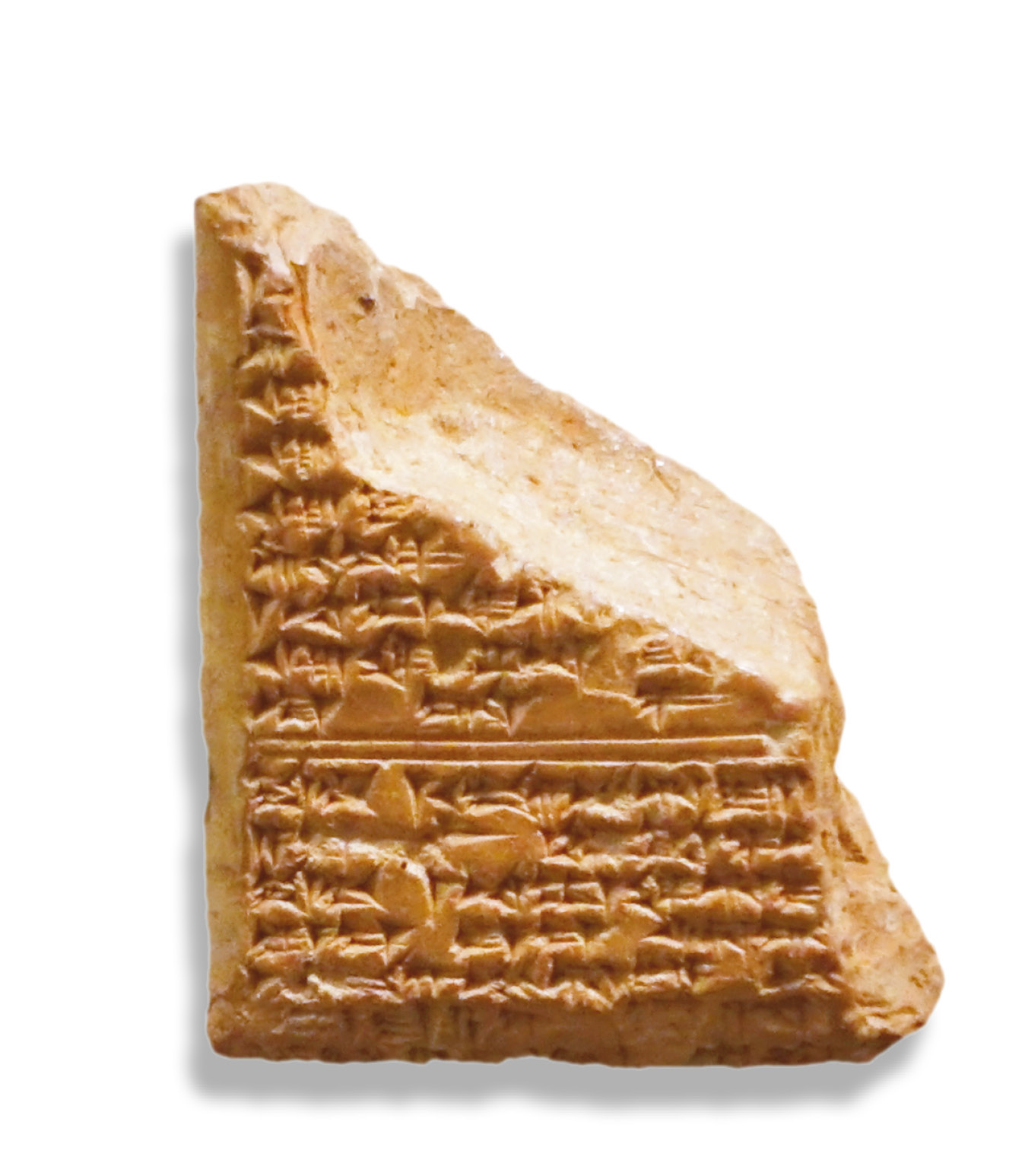
In the early Ramesside Period, relations between Egypt and Hatti were strained. Following the stalemate between Ramesses II and Muwatalli II at the Battle of Kadesh in c.1275 BC, many written memoranda were exchanged by the Hittites and Egyptians. About ten years later, a special relationship was built by correspondence between Ramesses’ Great Royal Wife Nefertari and Puduhepa, the wife of the Hittite king Hattušili III. This led to a peace treaty between the two states in 1259 BC, and the marriage in 1246 BC of Ramesses to a Hittite princess, who was given the Egyptian name Maathorneferu (for more on this special correspondence, see AE 119).
Postal development
The main purpose of any postal service is to deliver messages, and, as such, the ancient transmission methods and modern-day procedures are basically the same. But such lines of communication can only operate under a strong government: any instability can completely disrupt postal systems. Towards the end of the Ramesside Period, around 1100 BC, Egypt’s postal network was greatly diminished as weak kings attempted to deal with invasions and a poor economy. It remained in decline for several centuries until restored in the era of the Assyrian, Babylonian, and Saite rulers of Egypt, in the period from 750 BC to 540 BC. In later years, under the Persians, Ptolemies, and Romans (525 BC to about AD 400), Egypt’s postal system became more efficient and streamlined.

Dr Joseph L Thimes is a retired professional in diverse fields and has a particular interest in forensics, DNA, and human anatomy. He is a regular contributor to AE magazine, having writtern articles on Tutankhamun’s family DNA (AE 133) and the meaning of Joseph’s Egyptian name (AE 142).