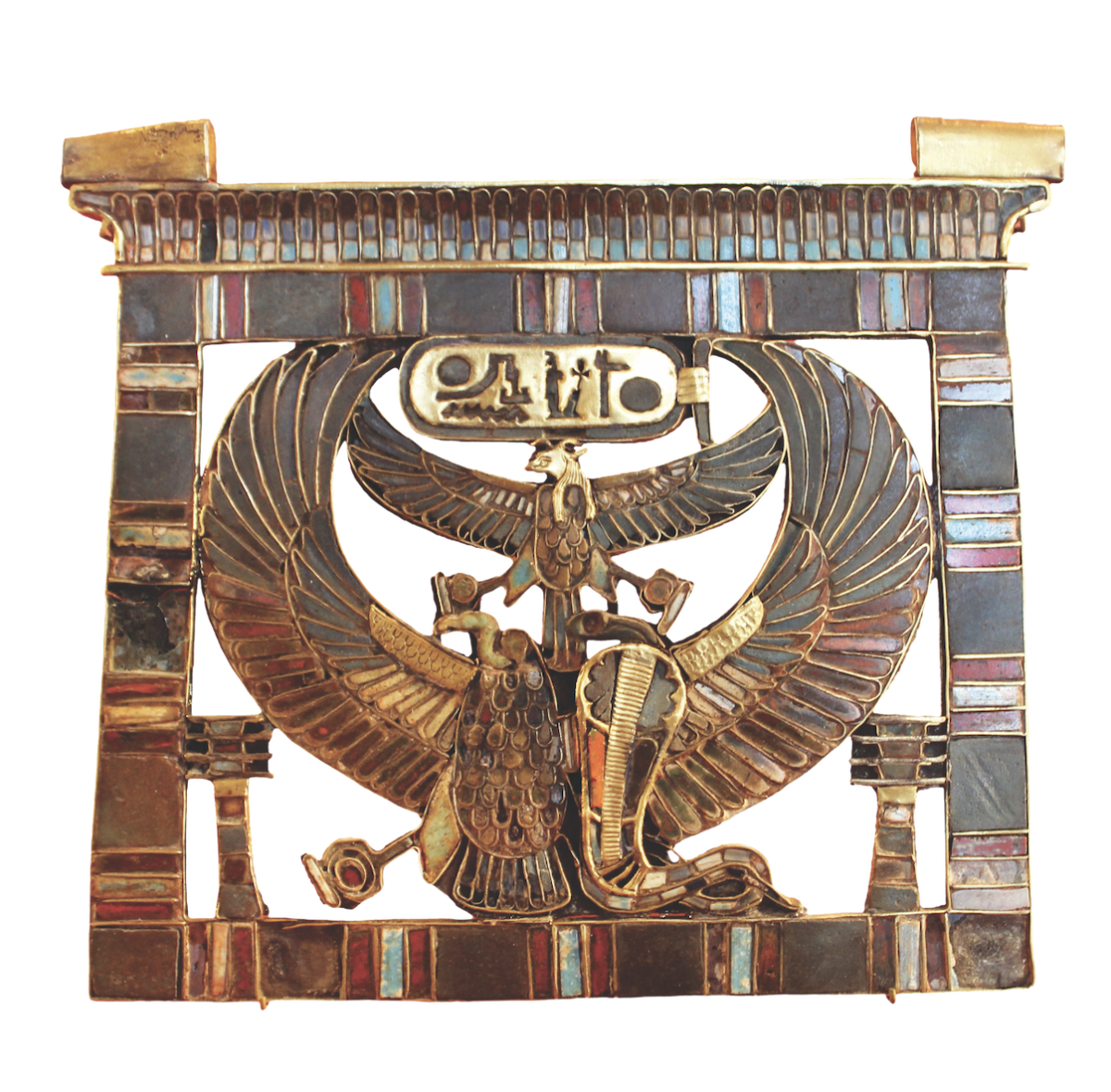
Cover Story
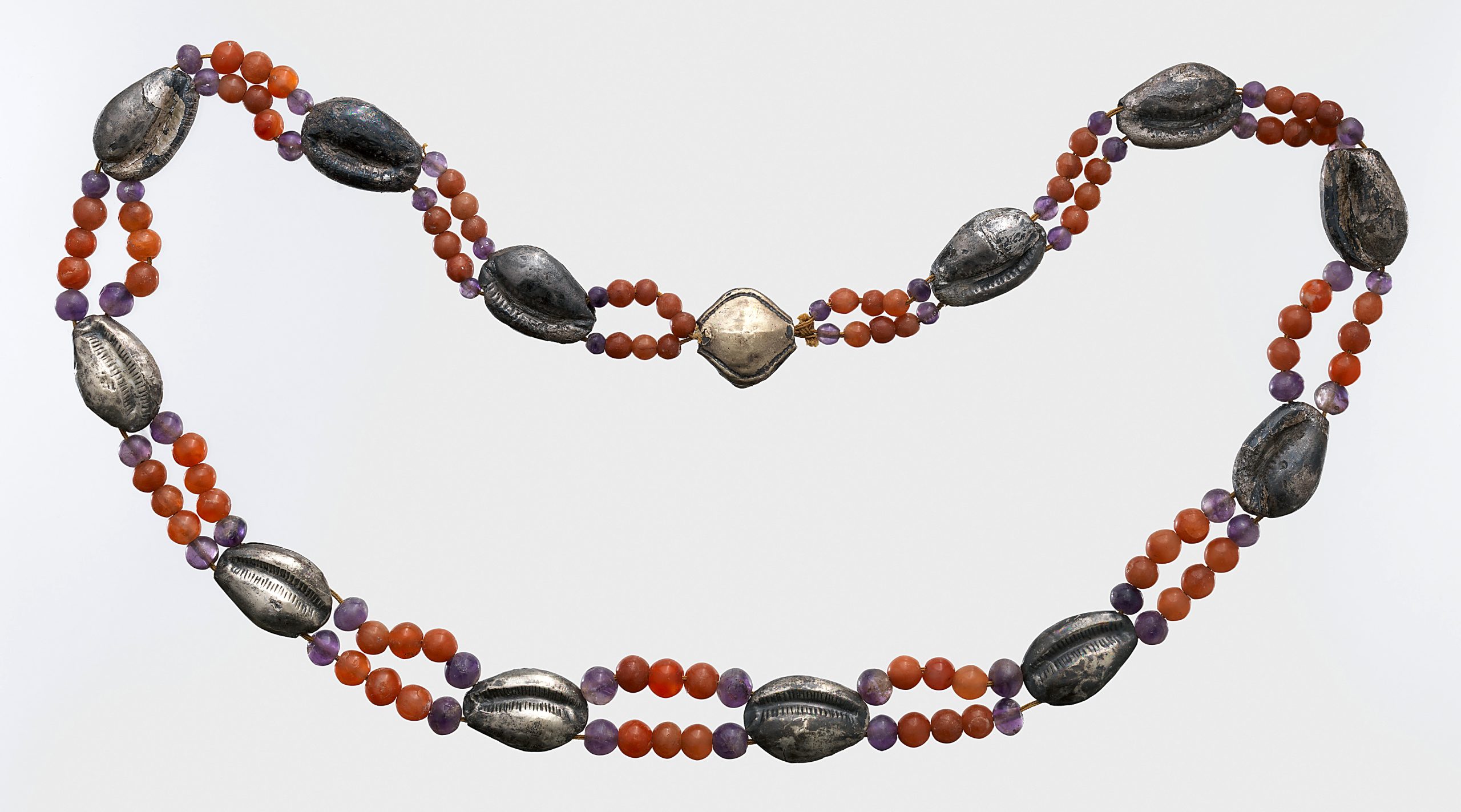
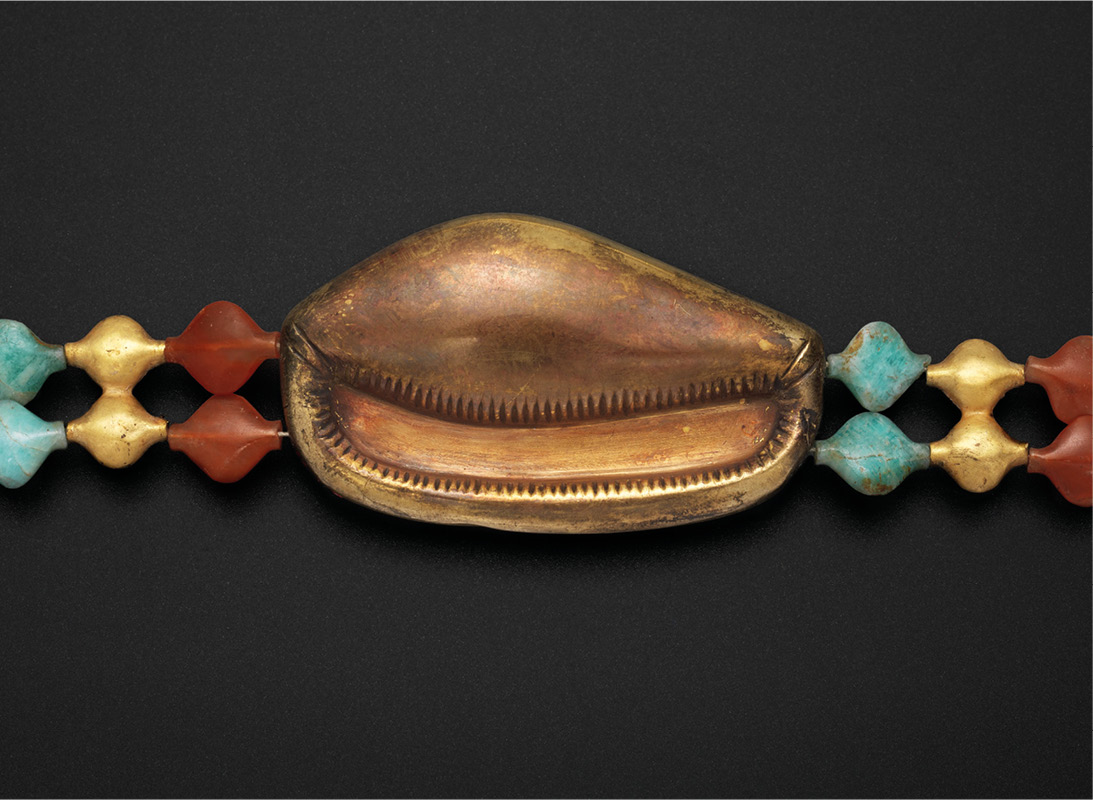
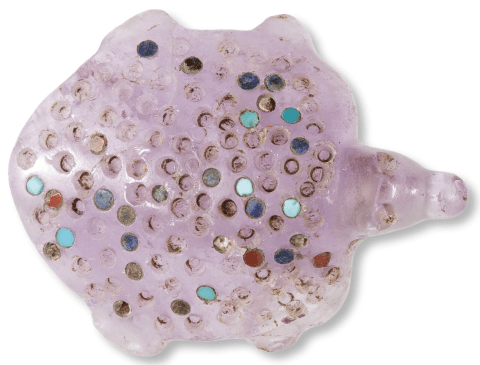 Purple: A middle kingdom fad? James A Harrell investigates the peculiar popularity of purple during the Middle Kingdom.
 Features
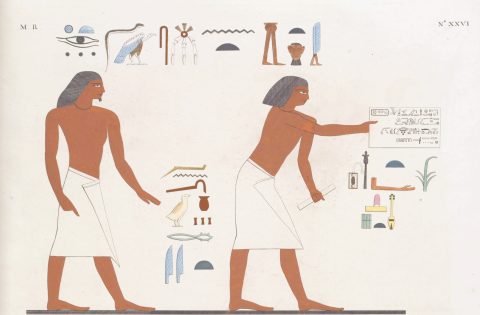 Ancient Post Dr Joseph L Thimes traces the development of the postal system in ancient Egypt and Mesopotamia.
 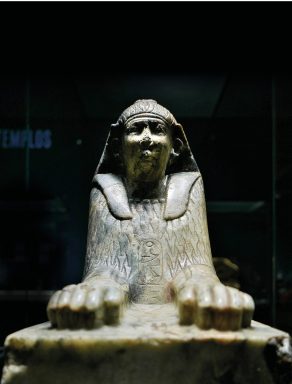 Amenemhat IV and Sobeknefru In the last of his series of articles on the Twelfth Dynasty, Wolfram Grajetzki investigates the reigns of Amenemhat IV, and Sobeknefru, Egypt’s first female king.
  Cancer in ancient Egypt: A disease beyond time Gerrit zur Hausen explains the difficulties of studying cancer in ancient populations, and how such research may help in our fight against the disease today.
 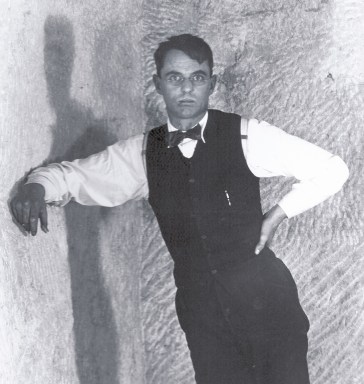 Dows Dunham and the tomb of Queen Hetepheres Peter Lacovara celebrates the achievements of one of the most important, yet under-appreciated, figures in Egyptian archaeology: Dows Dunham.
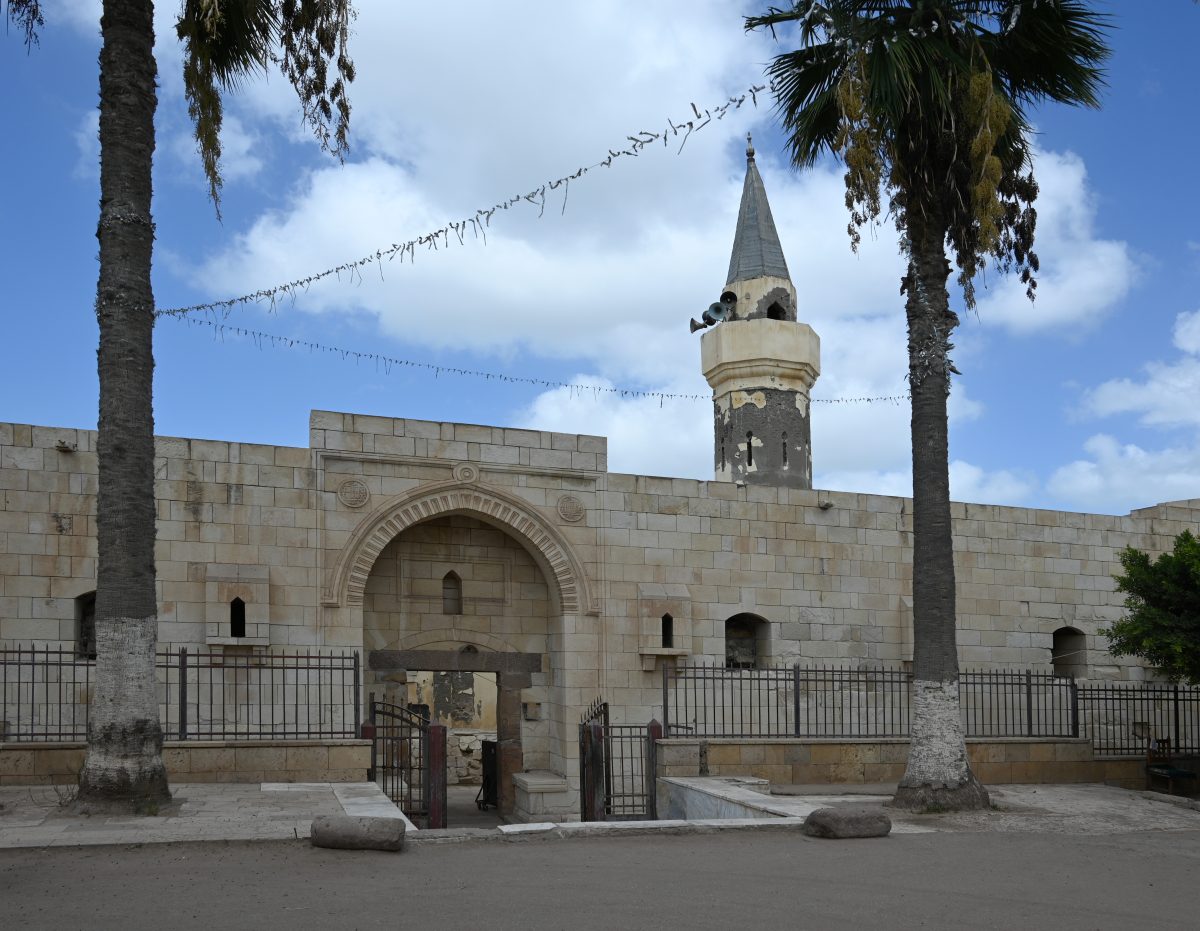
 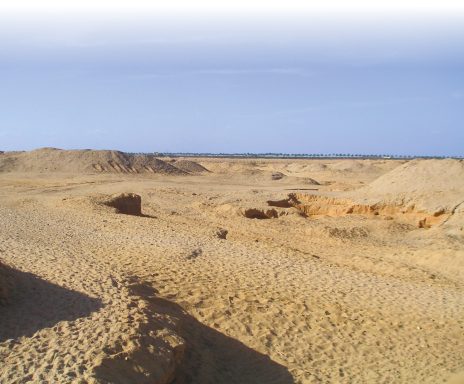 Terenouthis: a Roman town in Egypt Maiken Mosleth King explores life in Terenouthis, an important mining and trade centre that rose to prominence in the Graeco-Roman era.
  Hilary Wilson on… Axes Hilary Wilson looks at the development of axes, from Palaeolithic flint to ceremonial gold in the Eighteenth Dynasty.
 News
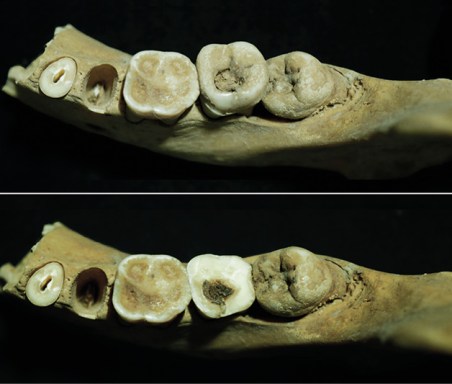 Ancient dental practice New research published in the British Dental Journal (240, January 2026: 45-50) reveals that, although limited, ancient Egyptian and Graeco-Roman dentistry was surprisingly inventive. Prescriptions recorded in the medical papyri…
 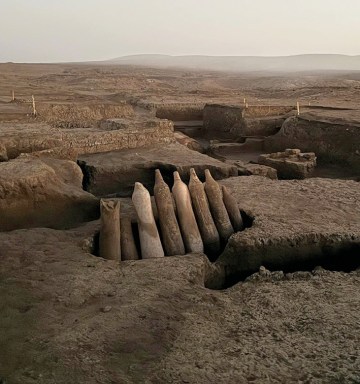 Western Delta discoveries Workshops from the Late Period and early Ptolemaic era have been discovered by an Egyptian-Italian (University of Padua) team working at the interconnected Kom al-Ahmar and Kom Wasit sites in…
 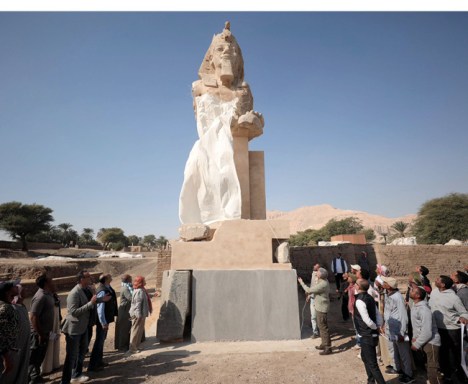 Amenhotep III restored Dr Hourig Sourouzian, Director of the Colossi of Memnon and Amenhotep III Temple Conservation Project in Luxor, was recently honoured by Sherif Fathy, the Minister of Tourism, for her outstanding…
  Byzantine monastery in Sohag The remains of a complete Byzantine monastic residential complex have been discovered by an Egyptian mission working at the al-Qarya archaeological site, in the Tima district of Sohag. The team…
  Ancient pleasure boat An ancient Egyptian pleasure barge (thalamagos in Greek) has been discovered by Franck Goddio and his team from the European Institute for Underwater Archaeology (IEASM). The 35m-long boat was found…
  Sheshonq shabtis The Twenty-second Dynasty Libyan king Sheshonq III (c.825-773 BC) may have been buried in the tomb of a predecessor, Osorkon II, according to a new discovery at San al-Hagar (Tanis).…
 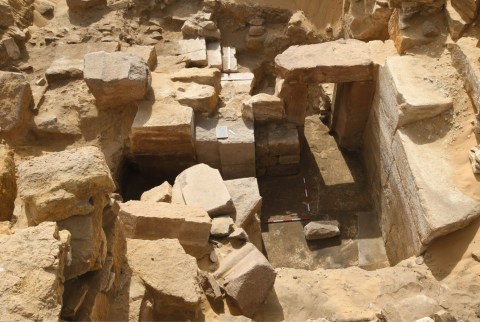 Nyuserra Sun Temple The remains of the Valley Temple from the Sun Temple complex of the Fifth Dynasty king Nyuserra (c.2445-2421 BC) have been uncovered at Abu Ghurab, in the Abusir necropolis. The…
 Views
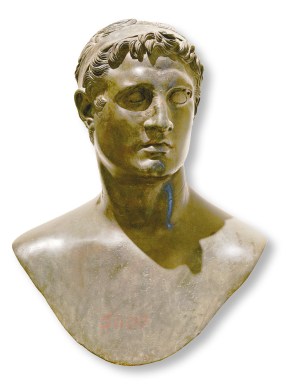
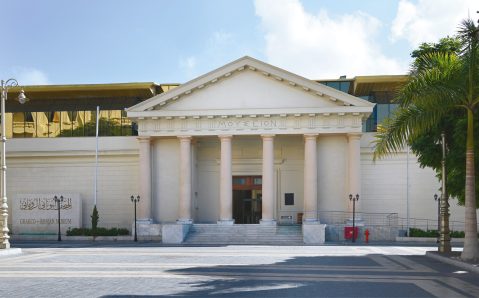 The Graeco-Roman museum in Alexandria Travel Geoffrey Lenox-Smith visits the archaeological museum in Alexandria, now reopened after a long period of renovation.
  Ancient Egypt February listings What's on CHILDHOOD AND ADOLESCENCE IN ANCIENT EGYPT The exhibition traces the daily lives of young ancient Egyptians, with a display of more than 190 pieces from national and international collections in…
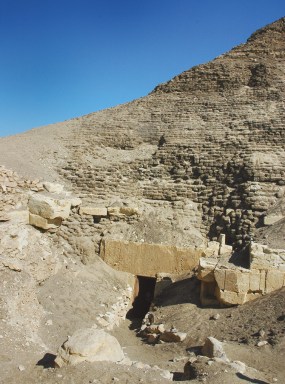
 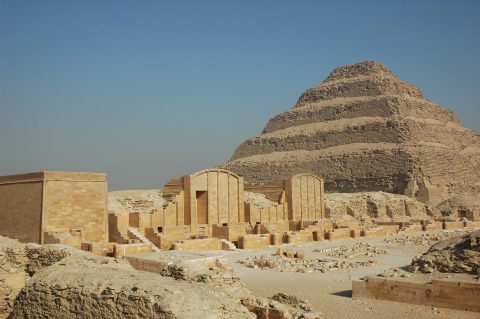 Monumental Legacy: The Heb Sed court in the mortuary complex of Djoser at Saqqara The Picture Desk Djoser (c.2667-2648 BC), the second ruler of the Third Dynasty, was the pharaoh whose chief minister Imhotep is credited with the idea of creating the first pyramid by layering a…
  Ancient Egypt Letters 153 Letters Your opportunity to comment on articles in the magazine or on any Egyptological subject that interests you. Email the Editor peter@ancientegyptmagazine.com with your thoughts.
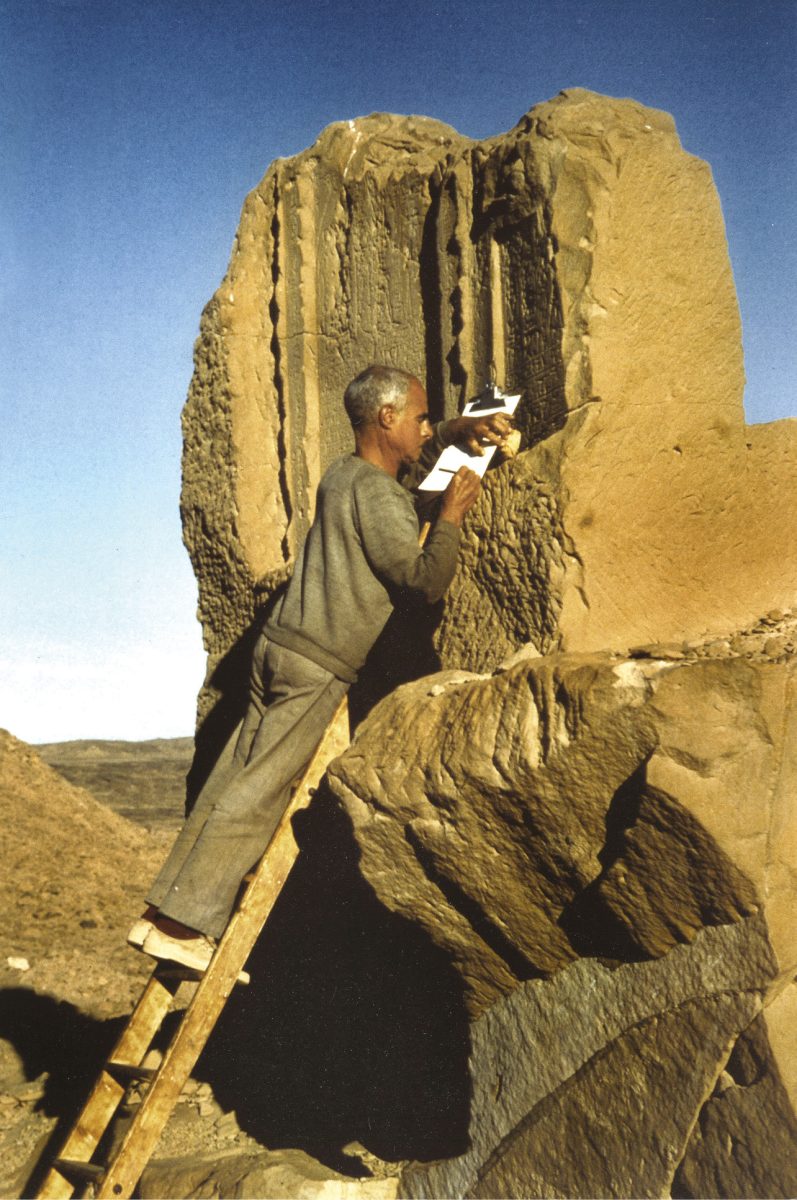
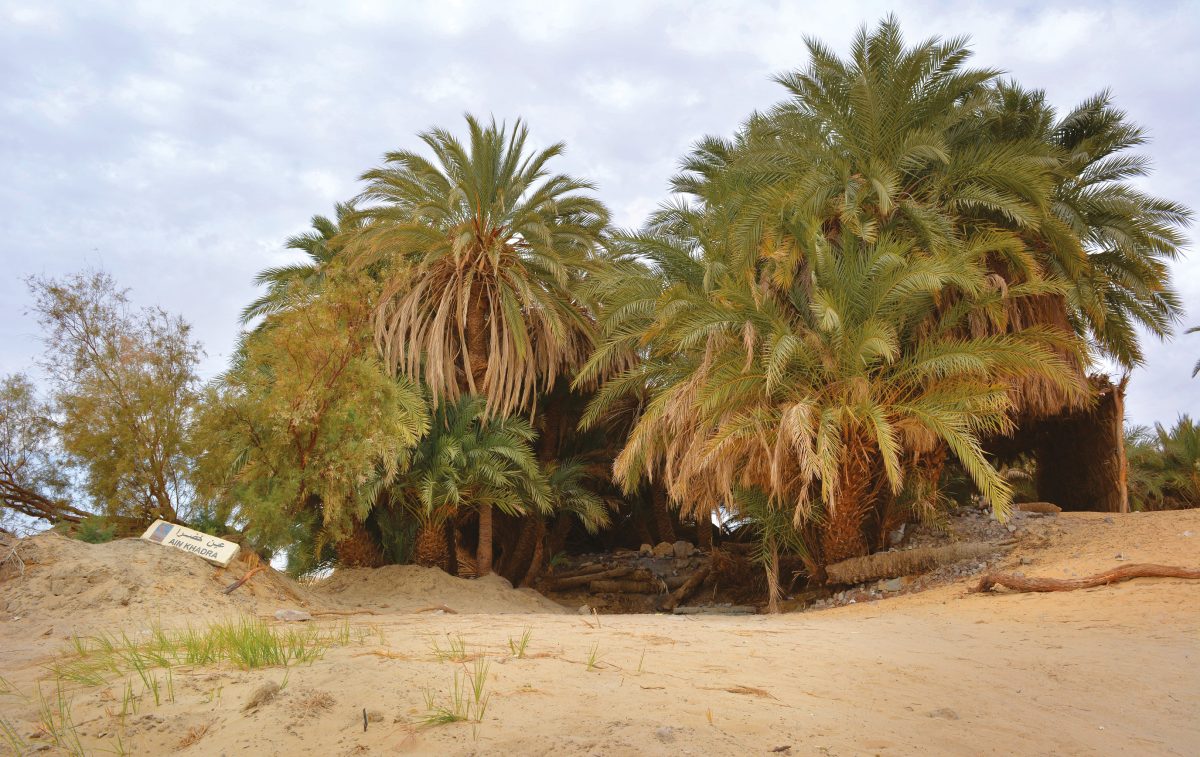
  Win a copy of The Libyan Pharaohs of Egypt: their lives and afterlives by Aidan Dodson Competitions Where is this? If you know, email the Editor peter@ancientegyptmagazine.com before 30 April with your answer, giving your full name, address, and a contact phone number. One lucky reader’s name…
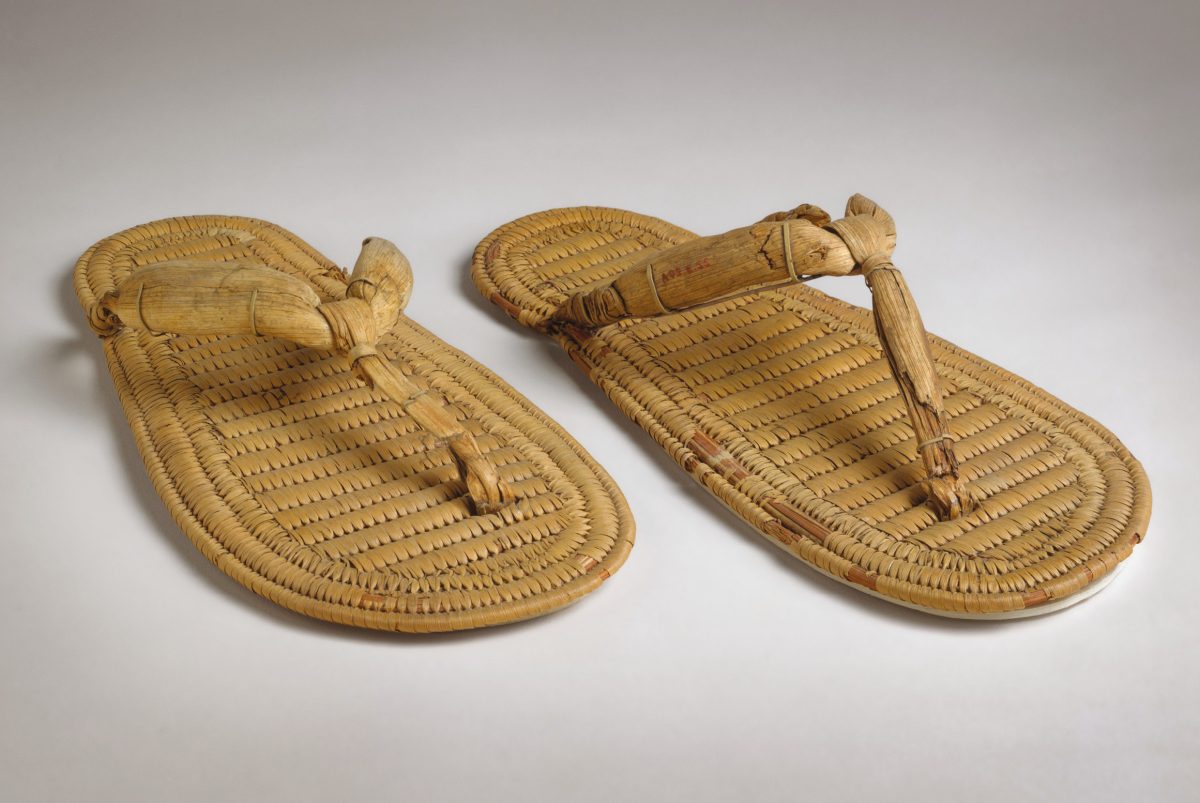
 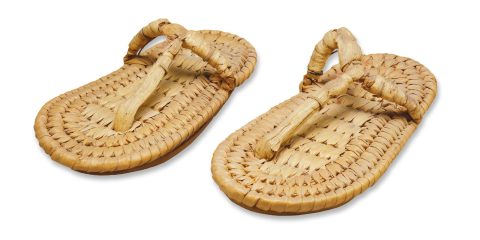 Sandals for a child Objects Campbell Price describes some beautifully preserved ancient Egyptian footwear.
 Reviews
The Graeco-Roman museum in Alexandria Geoffrey Lenox-Smith visits the archaeological museum in Alexandria, now reopened after a long period of renovation. Ancient Egypt February listings CHILDHOOD AND ADOLESCENCE IN ANCIENT EGYPT The exhibition traces the daily lives of young ancient Egyptians, with a display of more than 190 pieces from national and international collections in…  The Libyan Pharaohs of Egypt: Their Lives and Afterlives Aidan Dodson’s The Libyan Pharaohs of Egypt is a detailed reappraisal of one of the most complex periods of ancient Egyptian history. Drawing on his long-standing expertise in Egyptian royal…
  Clever Minds and Expert Hands: Egyptian Art and Artists in the New Kingdom This new publication brings a welcome focus to the creative individuals behind the artistic achievements of the New Kingdom. Building on a 2022 conference in Madrid, the collection’s 12 papers…
  Ancient Nubian art: a history The Nubian empire at its height was one of the largest in the ancient world – a land rich in gold and other resources, with thriving trade. Highly skilled artisans…
 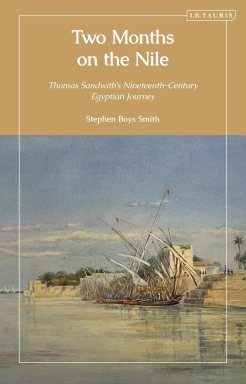 Two months on the Nile: Thomas Sandwith’s Nineteenth-Century Egyptian Journey Thomas Sandwith was a British diplomat who served as consul in the Levant from 1855 to 1891. This is the second volume in a biography written by historian and former…
 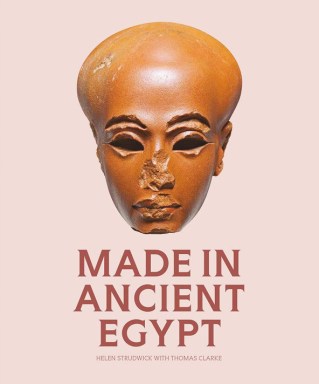 Made In Ancient Egypt This is the companion to an exhibition at the Fitzwilliam Museum in Cambridge, which includes objects gathered from many international collections, curated by Helen Strudwick. But it is more than…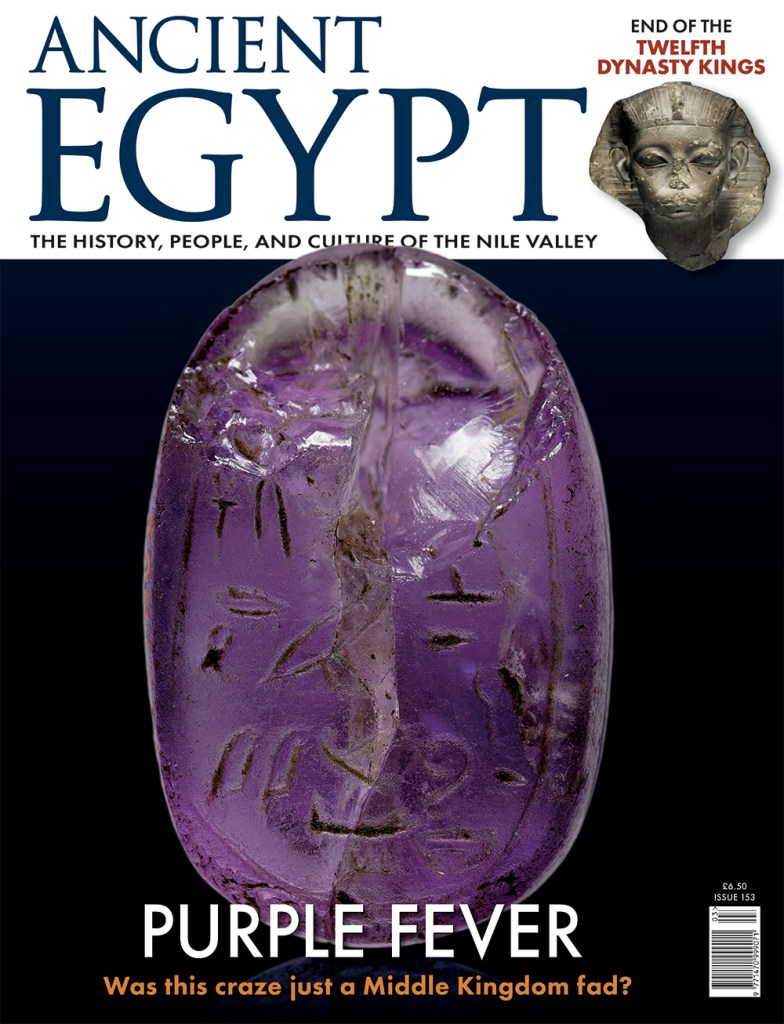
From the editor
Readers may be as surprised as I was to realise that the colour purple was almost unknown in ancient Egypt until the Middle Kingdom when, as James Harrell tells us in his article, the discovery of sources of amethyst and garnet, and of a purple-tinged sandstone, made the colour suddenly fashionable. The Middle Kingdom is also represented in this issue by the final instalment of Wolfram Grajetzki’s series on the Twelfth Dynasty, where he describes the life and times of Amenemhat IV and Queen Sobeknefru.
To shift focus to the Old Kingdom, Peter Lacovara tells us about the brilliant work done by Dows Dunham in reconstructing the contents of the Tomb of Hetepheres, when all the wood had turned to dust and only the surface gilding remained. It is sad to hear that Dunham’s contribution to Egyptology was not initially recognised by his boss, George Reisner.
Maiken Mosleth King describes life in a typical town in the Roman Period through the medium of the tombstones of its inhabitants. And the artefacts on display in the Alexandria museum visited by Geoffrey Lenox Smith also date mostly from the Graeco-Roman Period, when the city became the country’s capital.
The development of the humble axe as a tool, and later into a weapon, from the Predynastic to the New Kingdom, is the subject of Hilary Wilson’s column; and the surprisingly widespread use of an international postal service between Egypt’s rulers and those of its neighbours is discussed by Joseph L Thimes.
The relevance of the study of Egyptology to the modern world is made clear in an article by Gerrit zur Hausen on cancer in ancient Egypt. By examining how frequently – and in what forms – cancer occurred in the past, we gain a valuable reference point for understanding the disease.
Over the last 20 issues, we have highlighted many key developments in the study of ancient Egypt in our regular ‘Milestones in Egyptology’ feature. In this issue, we begin a new series focusing on Egypt’s ‘Monumental Legacy’, which supplements Campbell Price’s series describing museum artefacts. We hope you will approve.
J Peter Phillips, Editor