Subscribe now for full access and no adverts
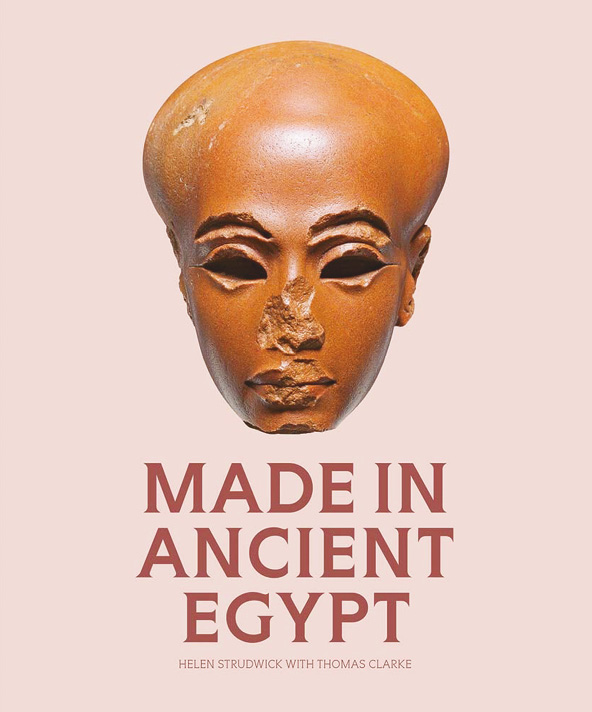
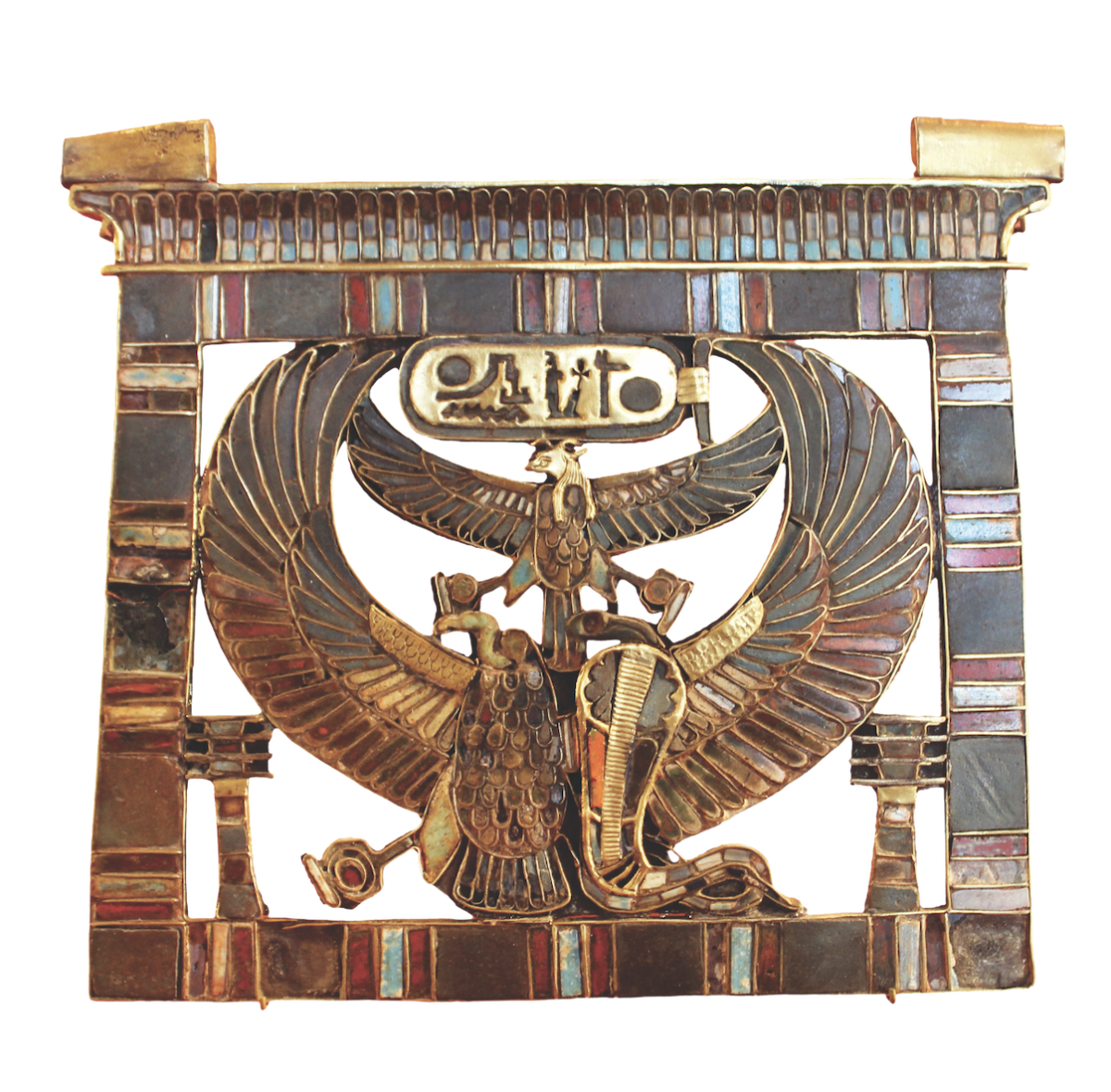
This is the companion to an exhibition at the Fitzwilliam Museum in Cambridge, which includes objects gathered from many international collections, curated by Helen Strudwick. But it is more than a catalogue of the artefacts in the exhibition. Although not all items illustrated in the book are on display, a fact not immediately obvious, their images enhance the commentary highlighting the lives, identities, and skills of the craftsmen who created them. By including contributions from specialists in many disciplines, from ceramics and metalworking to coffin-painting and textiles, Strudwick shows that understanding how museum objects were created can enhance our appreciation of ancient crafts and their practitioners.
Modern conservation practices, combined with new scientific and analytical techniques, have vastly improved our understanding of the materials and methods used by ancient Egyptian artisans. The sharing of information gained from workshop collaborations between museum professionals and modern craftworkers, and from practical experimentation using replica tools and materials, demonstrated in useful case studies, provides greater insight into the skills and purpose of ancient artists.
The author distinguishes between ‘overseers of works’, the designers known from their own monuments (who visualised and drew up original plans), and the largely anonymous artisans who executed the designs for all sorts of artworks, from colossal statuary to delicate inlaid jewellery. Though a superficial reading of texts such as the Satire of the Trades might suggest that Egyptian artists were of low social standing, a closer analysis of the vocabulary used reveals fundamental differences in the ancient and modern definition of an ‘artist’, and the very concept of ‘art’. Strudwick proposes that, in ancient Egyptian terms, the work of an artist had to combine the skills of architect, scribe, artisan, and priest. For example, she explains that an Egyptian statue was not seen as a simple ‘likeness’, but rather served a very different purpose from the ‘portrait’ of Western artistic tradition. The significance of relative scale and pose, the use of colour and inscriptions, and the physical location of a statue helped define the identity and status of the person depicted, but no ‘portrait’ would have been considered ‘real’ unless the appropriate ritual, the Opening of the Mouth, had been performed.
The inclusion of memorial stelae made by artists for themselves to ensure their afterlife status reinforces the role of the artist as creator or maker – an Egyptian sculptor was a ‘maker of life’.
The exhibition Made in Egypt continues until 12 April 2026.
REVIEW BY HILARY WILSON
Made In Ancient Egypt
by Helen Strudwick with Thomas Clarke
Yale University Press, 2025
ISBN 978-1-9136-4592-2
Paperback, £30