Subscribe now for full access and no adverts
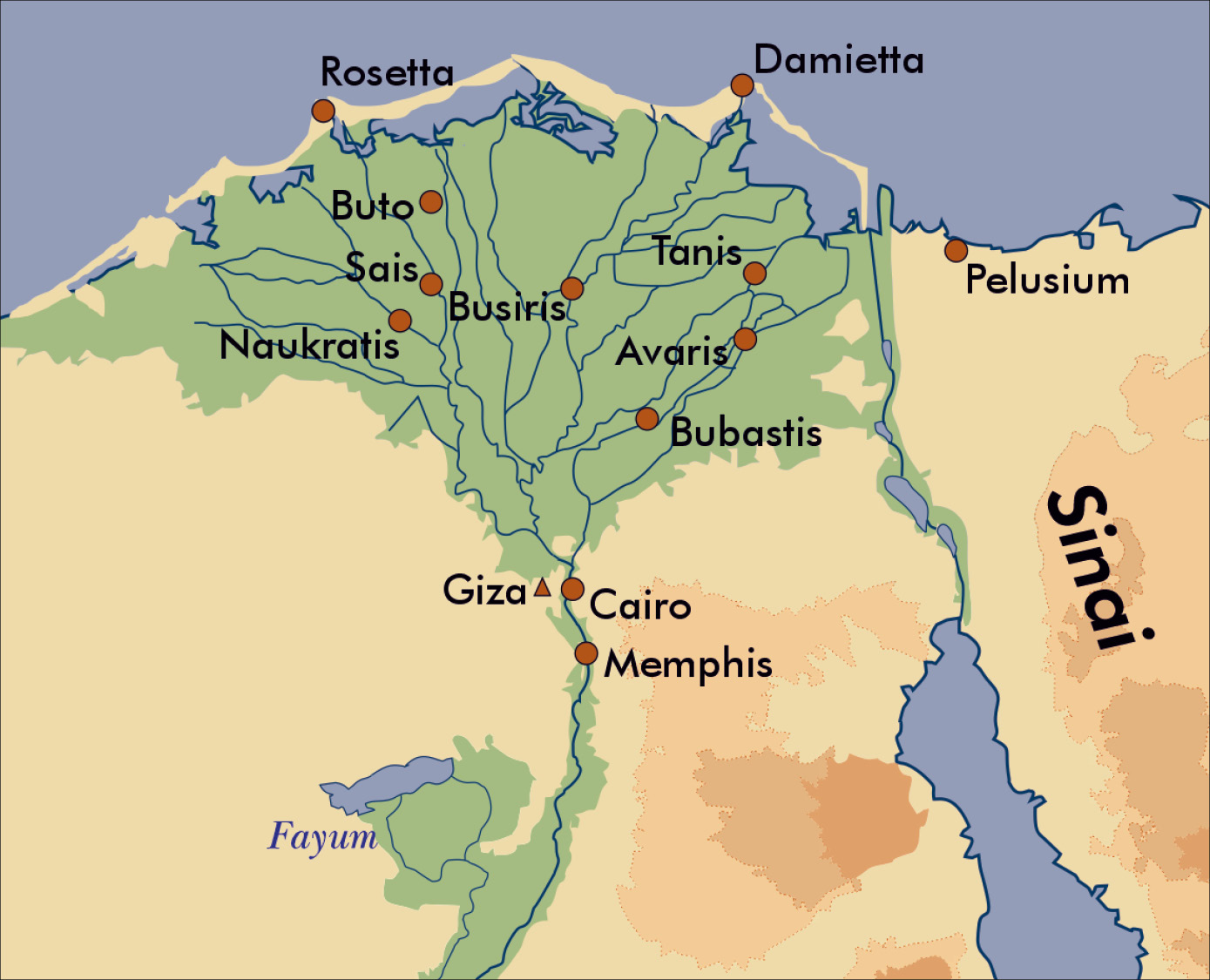
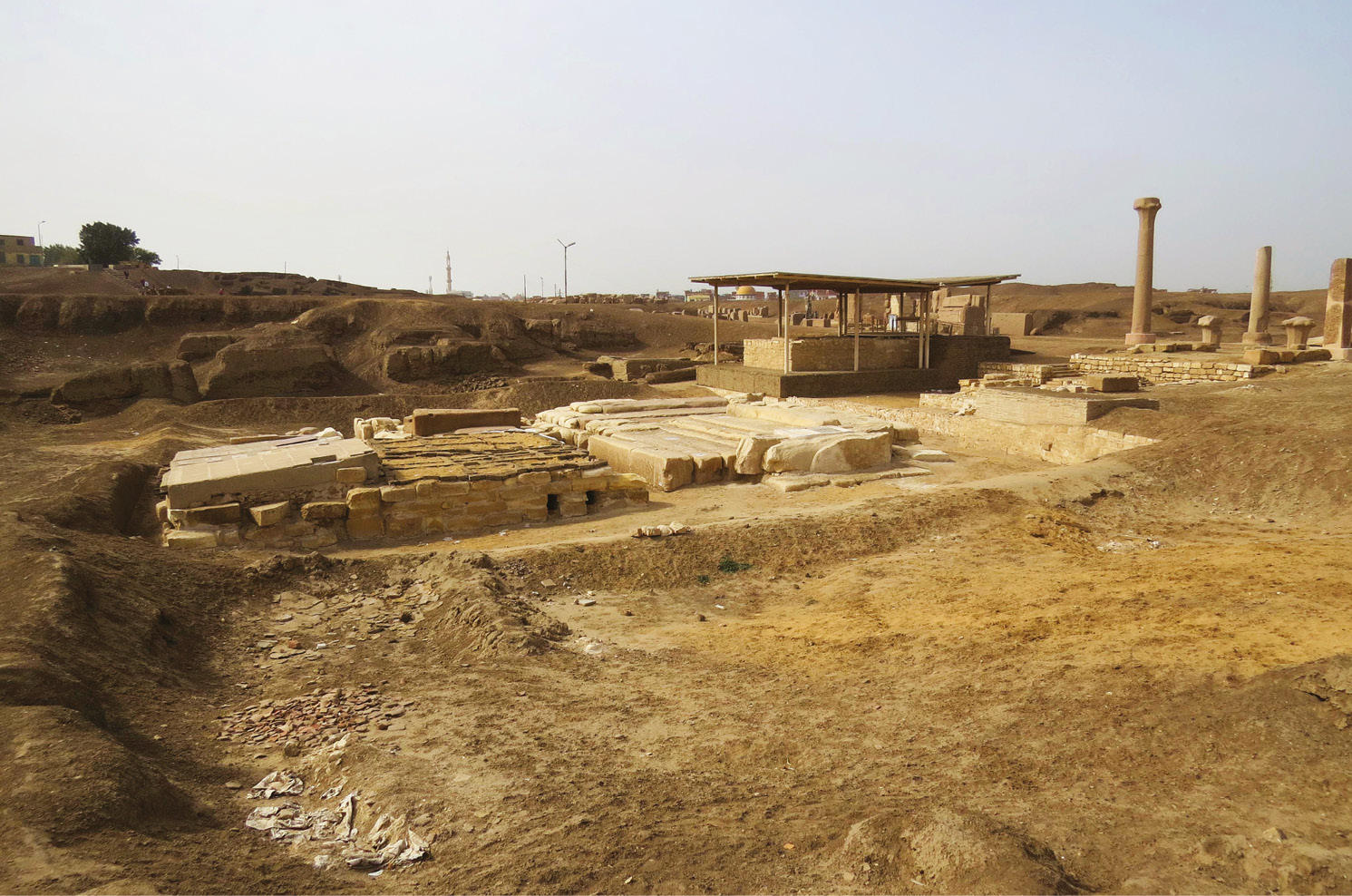
For centuries, the ruins of Tanis in the eastern Nile Delta concealed the long-lost burial place of the pharaohs of the Third Intermediate Period. Although the site itself had been known since the 18th century, the royal necropolis remained hidden within the precinct of the Great Temple of Amun. It was not until the late 1930s that excavations led by the French Egyptologist Pierre Montet revealed a remarkable series of royal tombs, reshaping scholarly understanding of this period of Egyptian history.
Montet’s excavations
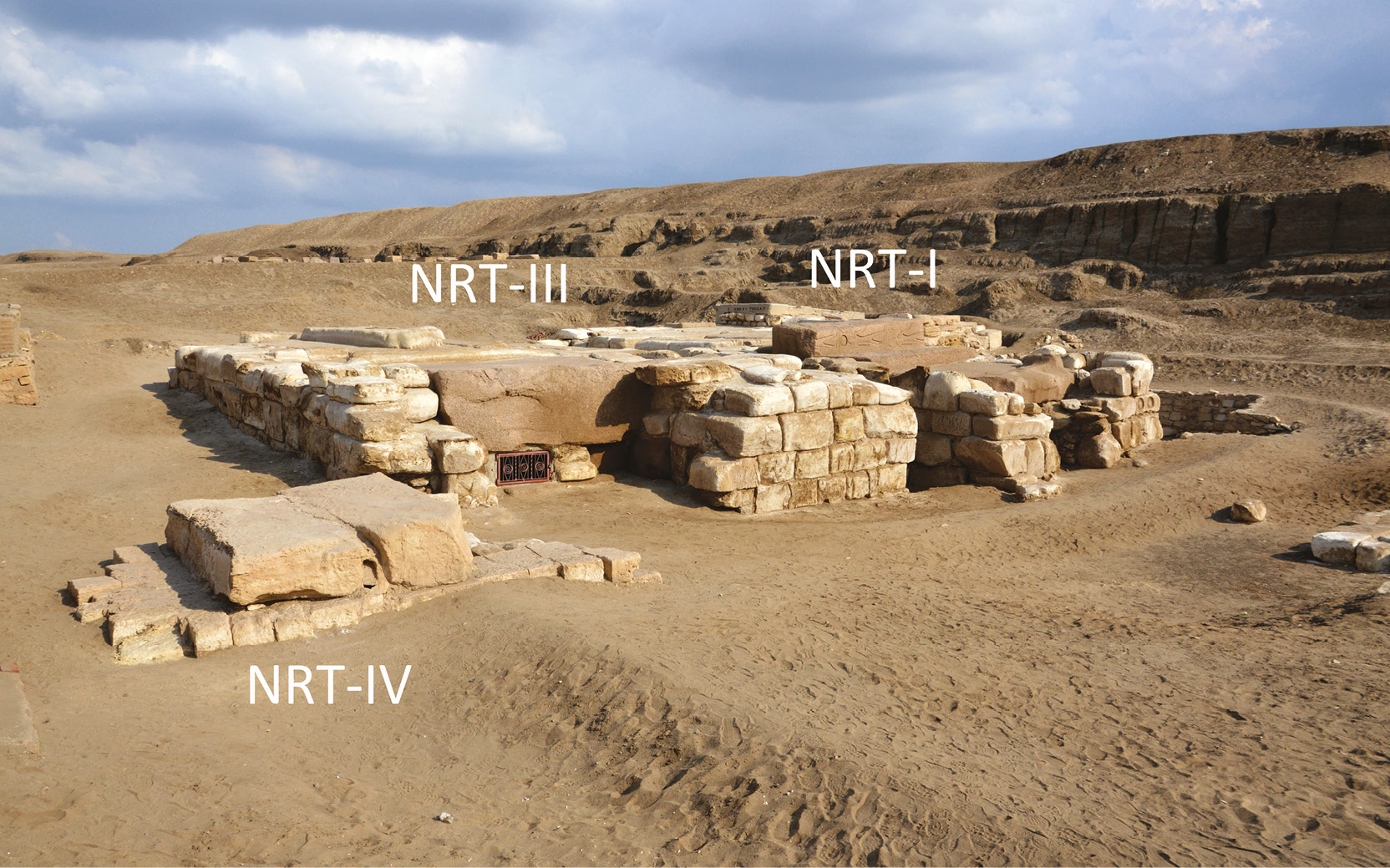
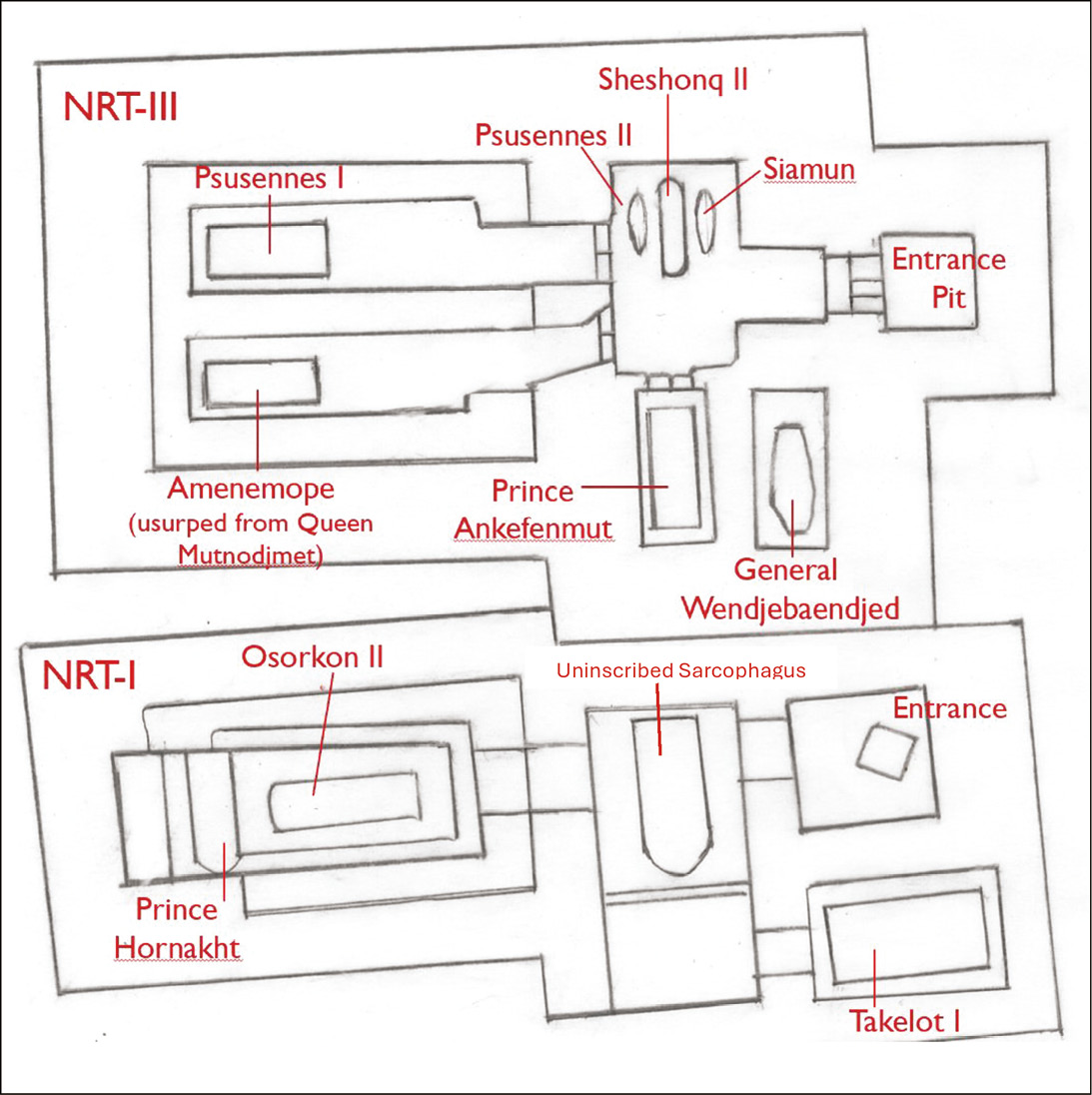
Montet began systematic excavations at Tanis (San al-Hagar) in 1929, and spent the next decade clearing parts of the temple precinct before making his breakthrough in 1939. While working in the south-western corner of the Temple of Amun, beneath the remains of later structures, he uncovered the entrance to a previously unknown royal tomb, designated NRT-I (Nécropole Royale de Tanis). Although this tomb had been robbed in antiquity, it still contained important burials associated with the Twenty-second Dynasty, including those of Osorkon II and his son Prince Hornakht.
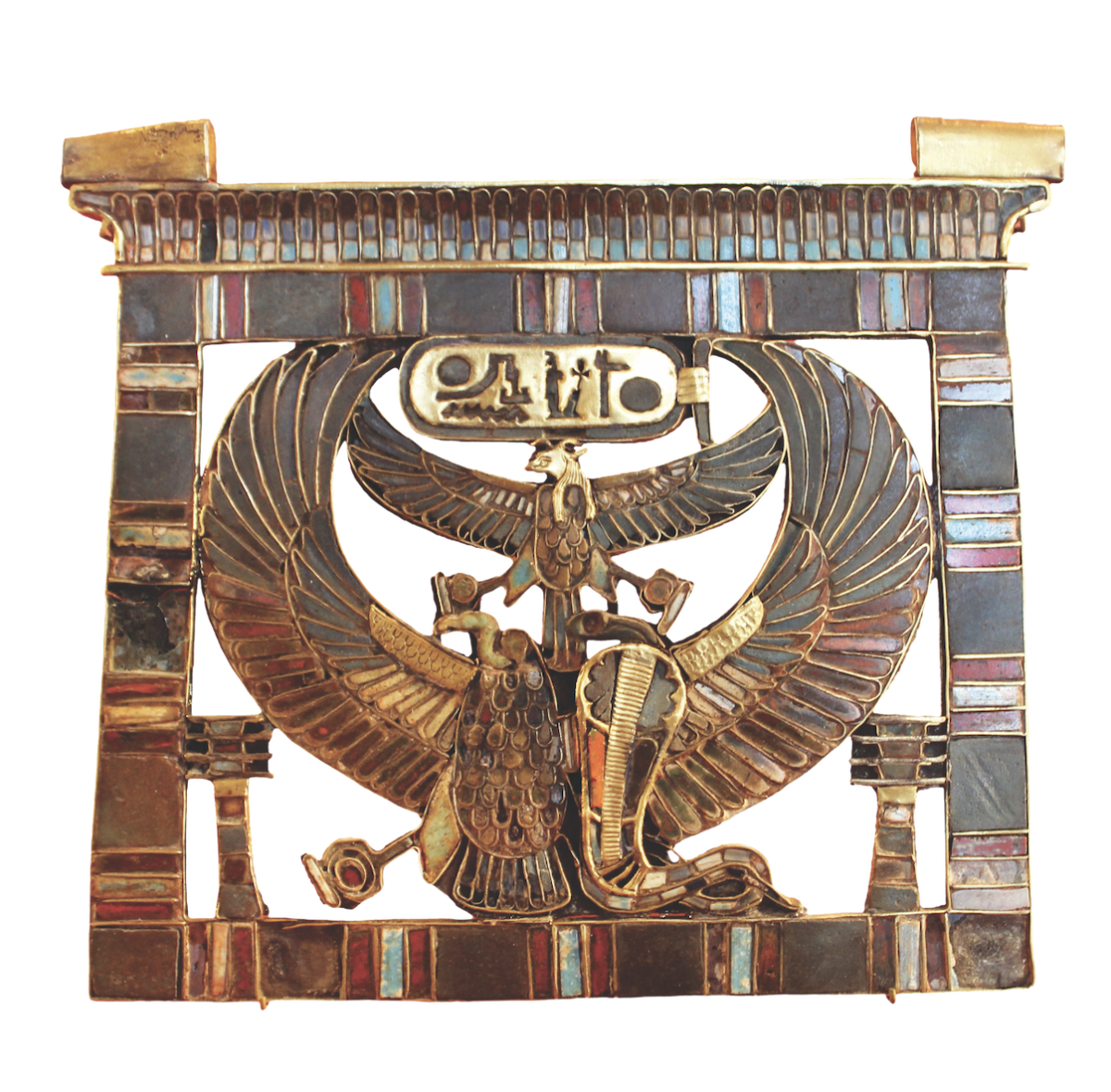
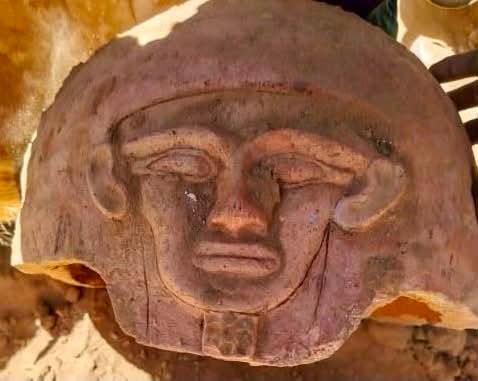
Montet soon uncovered another burial complex, NRT-III, which proved even more remarkable. Among its finds was the falcon-headed silver coffin of the enigmatic king Shoshenq IIa, together with a gold funerary mask and an array of precious jewellery. Nearby lay the remains of earlier Tanite rulers, including Siamun and Psusennes II, indicating that the necropolis had been reused over several generations.
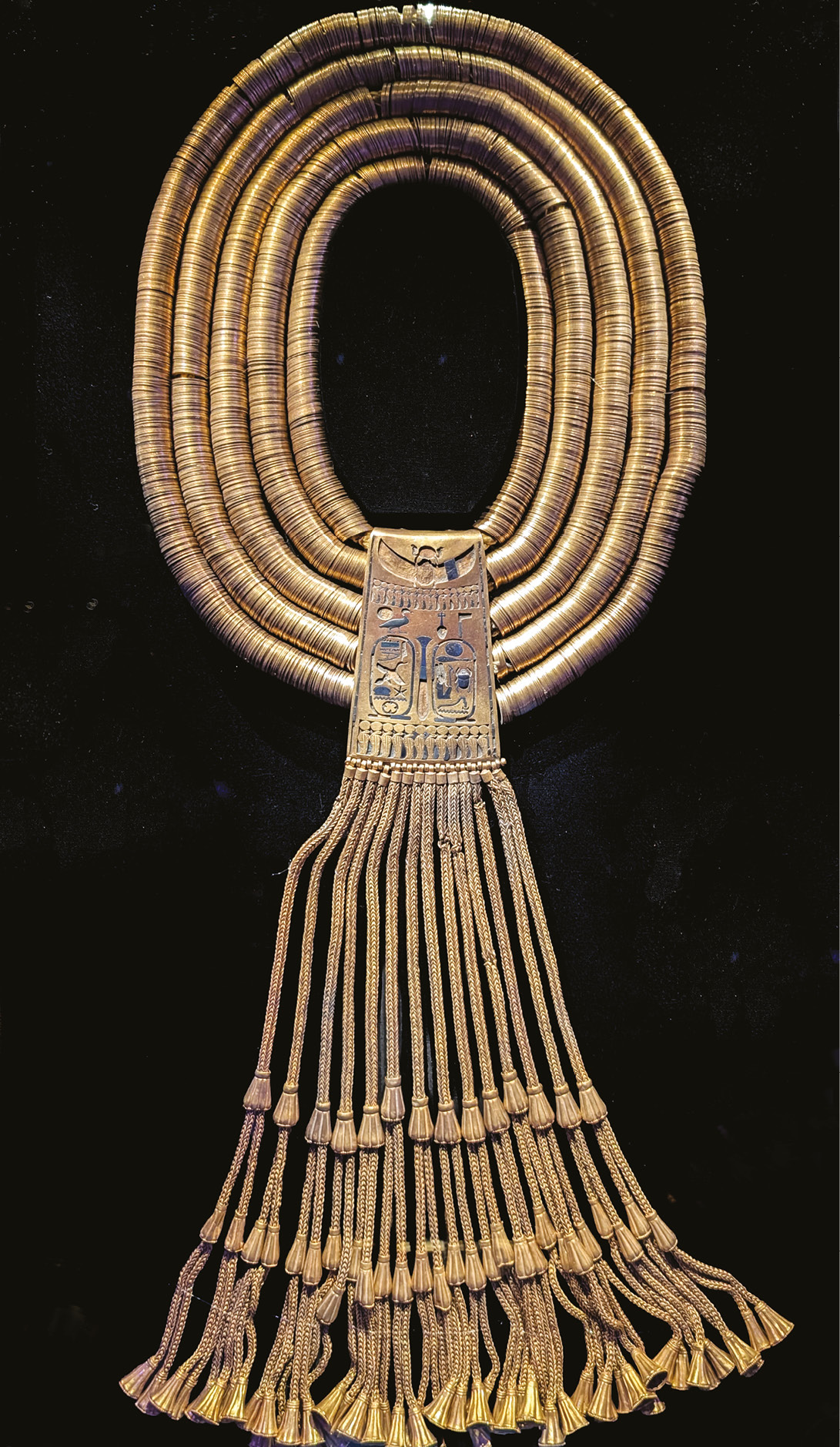
Montet’s most spectacular discovery soon followed. Concealed behind a massive granite block in the western wall of NRT-III lay the undisturbed burial chamber of the Twenty-first Dynasty ruler Psusennes I (c.1039-991 BC), one of the most remarkable discoveries of the excavations. At its centre stood a large pink granite sarcophagus, which contained a silver anthropoid coffin enclosing the king’s mummy, still adorned with a magnificent gold funerary mask and a rich assortment of jewellery.
In total, Montet identified seven royal tombs at Tanis, three of them undisturbed. Yet the importance of these discoveries was not immediately recognised. Made at the outbreak of the Second World War and in the months that followed, the finds coincided with a period when international attention was increasingly focused on events in Europe. Unlike the discovery of Tutankhamun’s tomb nearly two decades earlier, which attracted worldwide interest, Montet’s finds at Tanis received comparatively little public attention at the time. Detailed reports of the excavations and their treasures were only published in French in the years following the war.
Nevertheless, Montet’s excavations established Tanis as the royal necropolis of the kings of the Third Intermediate Period and transformed scholarly understanding of this era of Egyptian history (see ‘Milestones’, AE 142). Yet many aspects of the site’s later history have remained uncertain. Now, more than 80 years after Montet’s work, new archaeological investigations at Tanis are beginning to reveal more about the complex use and reuse of the royal cemetery.
New discoveries in the royal necropolis
Recent work at the site by the Egyptian–French archaeological mission led by Frédéric Payraudeau has revealed an important new discovery within the royal necropolis at Tanis: a large assemblage of funerary figurines linked to one of the later rulers of the Twenty-second Dynasty (as reported in ‘News’, AE 153). The objects were recovered from a chamber within the tomb complex of the earlier king Osorkon II (NRT-I), and may help shed light on the burial of one of his successors.

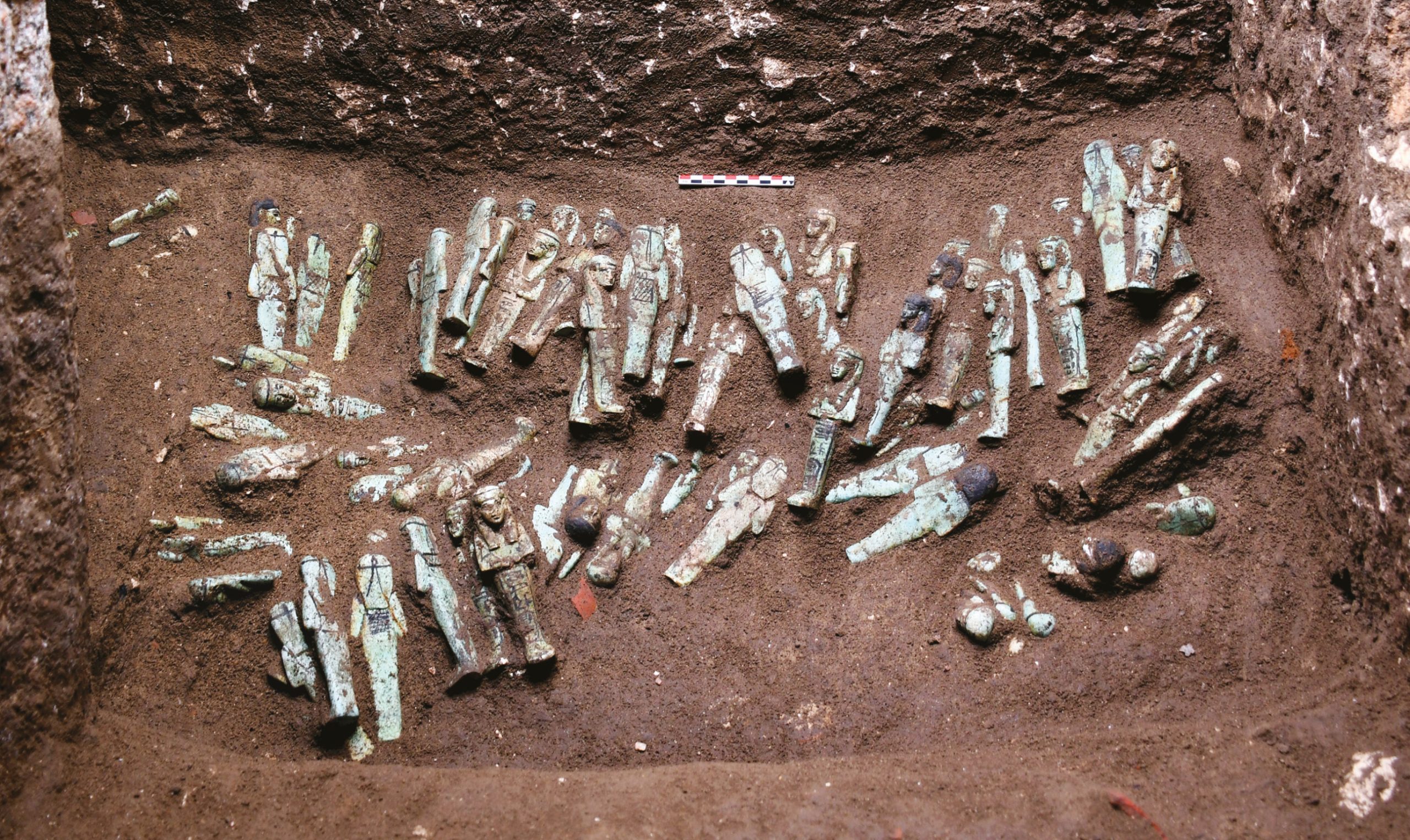
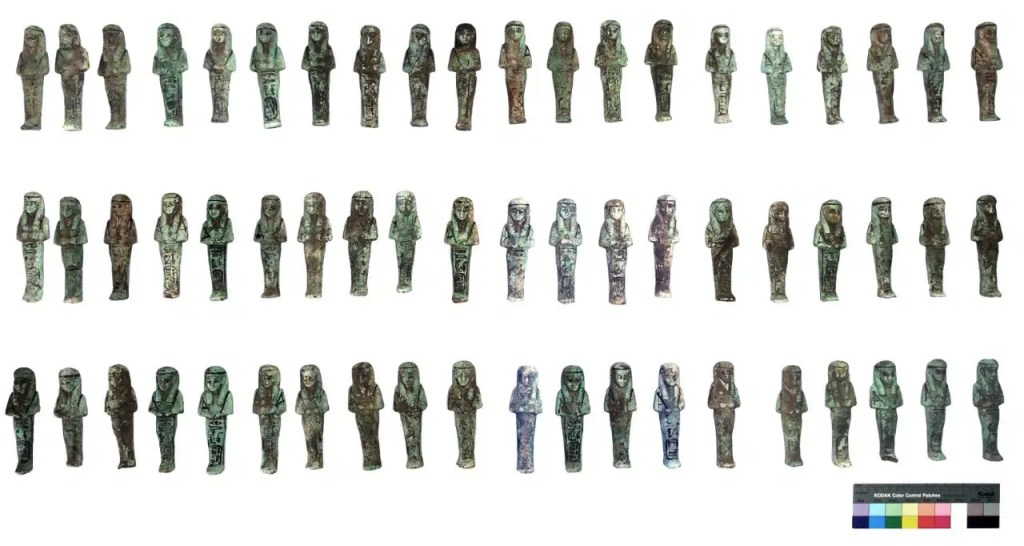
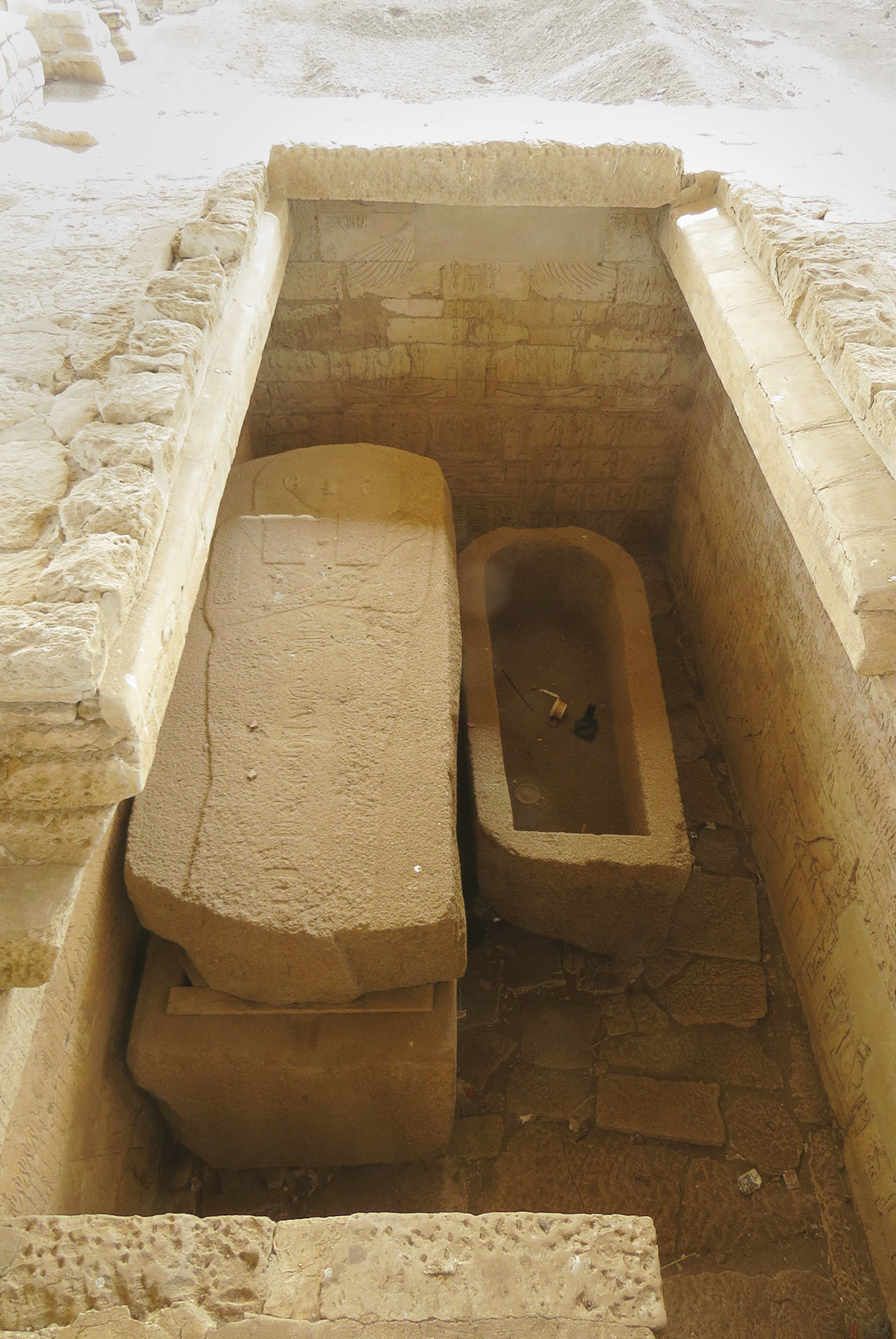
The assemblage comprises 225 funerary figurines, many of which were preserved in excellent condition, having been found buried within compact layers of silt. They were recovered from a pit to the east of an uninscribed granite sarcophagus whose ownership had puzzled Egyptologists since its discovery during Montet’s excavations in the late 1930s. Hieroglyphic inscriptions on the figurines include the royal name ‘Shoshenq, beloved of Amun, son of Bastet’, and, together with further analysis of the assemblage, suggest that the burial may be attributed to King Shoshenq III (c.825-773 BC).
In earlier periods, these figurines were known as shabtis and served as magical substitutes for the deceased in the afterlife. By the Third Intermediate Period, however, their function had evolved: rather than standing in place of the deceased, they were increasingly conceived as servants who would undertake work on behalf of the tomb owner when called on in the next world. Reflecting this change in role, the figures came to be known as ushabtis, a term derived from the idea that they would ‘answer’ when summoned to carry out tasks. This function is reflected in the large numbers often included in royal and elite burials of the period, sometimes arranged to represent an entire workforce. The inscriptions on the Tanis examples, therefore, not only confirm their royal association but also provide further insight into the funerary practices of the Tanite kings.
An unusual group of female figurines
More than half of the ushabtis are female, something Payraudeau described as ‘quite exceptional’ for a royal burial. Ushabtis are often represented as male workers, reflecting the tasks they were expected to perform on behalf of the deceased in the afterlife. The predominance of female figures in the Tanis assemblage therefore raises interesting questions about how this symbolic workforce was conceived.
Female ushabtis are known from other contexts, particularly during the Third Intermediate Period, and may represent members of the wider household, or attendants associated with the royal court. Some scholars have also suggested that such figures could symbolise workers engaged in activities traditionally associated with women, such as textile production. Alternatively, their presence may reflect a broader attempt to represent the full household entourage that would continue to serve the king in the afterlife.
The arrangement of the figures
In addition to the unexpected predominance of female figures, the manner in which they were arranged within the chamber is noteworthy. In many Egyptian burials, the original placement of funerary equipment has been disturbed over time, whether through ancient tomb robbery, later reuse of burial chambers, or environmental factors such as groundwater and shifting deposits, making it difficult to reconstruct how such objects were originally placed.
At Tanis, however, the figurines appear to have remained largely in their original positions. The excavators reported that they were carefully laid out in rows around a trapezoidal pit located beside the sarcophagus. The pattern they create forms a distinctive star-like arrangement along the sides of the chamber. Such an organised placement suggests that the ushabtis were deliberately arranged as part of the funerary programme, rather than simply stored within the tomb.
The Tanis discovery therefore provides rare evidence for how such objects may originally have been organised within a royal burial. Together with the inscriptions naming Shoshenq, the assemblage offers valuable new evidence for the complex history of the Tanite necropolis, where royal tombs were frequently reused or adapted by later rulers during the Third Intermediate Period.

Where was the burial place of Shoshenq III?
The presence of these figurines is particularly significant because the location of Shoshenq III’s burial has long been uncertain. When Pierre Montet excavated the necropolis at Tanis, he identified a number of tombs belonging to rulers of the Twenty-first and Twenty-second Dynasties. Some kings, such as Psusennes I and Amenemope, were found in clearly identifiable burials, while others were represented only by fragmentary remains or reused funerary equipment. In the case of Shoshenq III, however, no tomb could be securely attributed to him, although NRT-V was for some time considered to belong to him.
This absence was surprising given the importance of his reign. Shoshenq III ruled for nearly five decades and was a dominant figure during the particularly turbulent later years of the Twenty-second Dynasty. It therefore seemed highly likely that his burial lay somewhere within the Tanis necropolis, yet its location had remained uncertain.
The newly discovered figurines may now help to resolve this long-standing question. Th

However, a slight uncertainty remains as to whether the king was actually interred in this chamber, or whether elements of his funerary equipment were transferred there at a later date for safekeeping, possibly in response to the threat of tomb robbery. Further research and analysis of inscriptions discovered in the same chamber may help explain how the tomb complex was used and adapted over time.

Conservation and protection of the tomb
The figurines were discovered during work associated with efforts to protect and preserve the royal tomb complex at Tanis. The conservation programme seeks to stabilise vulnerable structures and improve environmental conditions within the burial chambers, so that both the architecture and the artefacts can be safely studied. In Delta sites such as Tanis, high groundwater levels and fluctuating humidity often lead to the accumulation of salts within stone and mud-brick, which can gradually damage architectural surfaces – a problem already encountered by Pierre Montet during his excavations in the 1930s.
Proposed measures include the installation of a protective roof over the tomb, the reduction of damaging salt deposits, and the careful cleaning of the interior chambers and surrounding architectural elements. In the longer term, this conservation programme forms part of wider plans to improve the presentation of the archaeological remains at Tanis as the site continues to be developed for visitors as an open-air museum.
Within this broader programme, particular attention is being given to the tomb complex of Osorkon II, where the assemblage was discovered. According to Payraudeau, the next stage of work will involve the detailed study of newly revealed inscriptions, together with further cleaning operations in the northern chamber of the tomb. Such work will help establish the archaeological context of the finds, while ensuring that the fragile remains of the monument are properly preserved for future research.
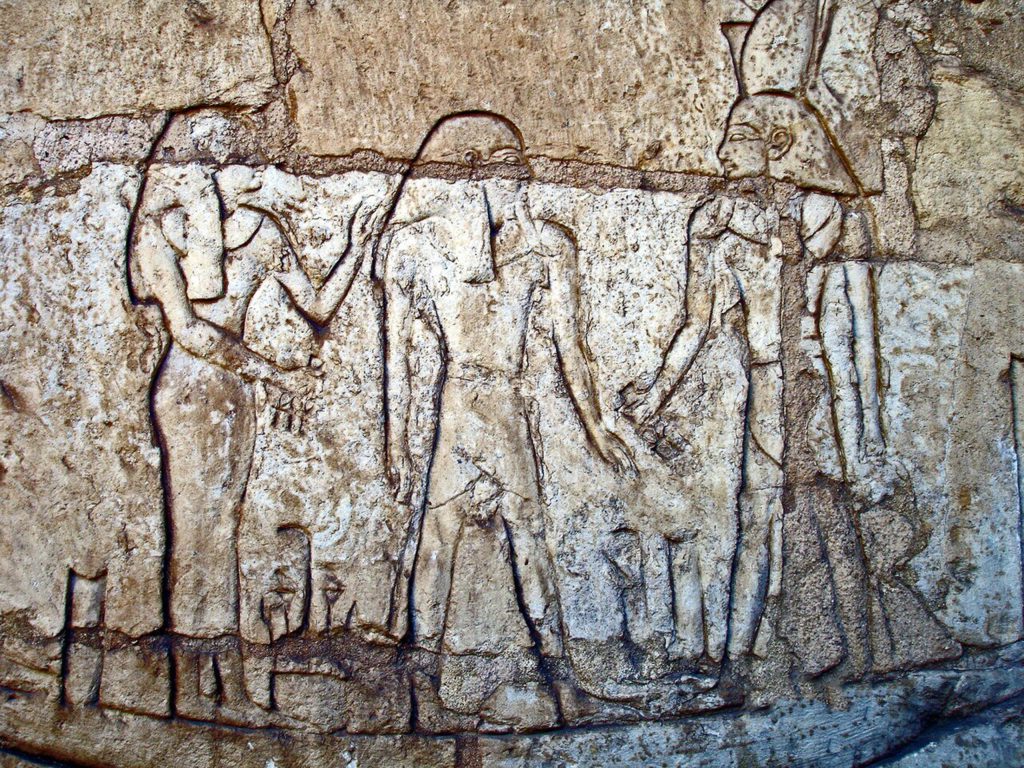
Burial traditions revealed
More than eight decades after Pierre Montet first revealed the royal necropolis at Tanis, the site continues to yield important information about the rulers of the Third Intermediate Period. Montet’s excavations demonstrated the wealth and craftsmanship of the Tanite court, showing that the kings who ruled Egypt from the Delta maintained burial traditions that rivalled those of earlier dynasties. Yet many aspects of the history of the necropolis have remained uncertain.
The discovery of the inscribed ushabtis attributed to Shoshenq III represents an important contribution towards resolving some of these uncertainties, particularly in relation to the organisation of the royal cemetery and the treatment of funerary equipment. The careful arrangement of the figurines also preserves rare evidence for the original layout of burial assemblages within the tombs. Despite more than a century of archaeological investigation, Tanis continues to reveal new insights into the kings, officials, and craftsmen who once formed the court of Egypt’s Delta capital.
Roger Forshaw, a former dental surgeon, is an Honorary Lecturer in Biomedical Egyptology at the University of Manchester. His research focuses on the Saite Period, the role of the lector in ancient Egyptian society, and medical and dental care in ancient Egypt. He has published widely on Egyptian medicine and healthcare, and is co-author, with Rosalie David, of Medicine and Healing Practices in Ancient Egypt.
• A Dodson (2025) The Libyan Pharaohs of Egypt: their lives and afterlives (American University in Cairo Press).
• R Forshaw (2025) ‘The Silver Pharaohs: the treasures of Tanis’, Ancient Egypt 146: 12-19.
• C Naunton (2018) Searching for the Lost Tombs of Egypt (London: Thames & Hudson), pp.165-176.