Subscribe now for full access and no adverts
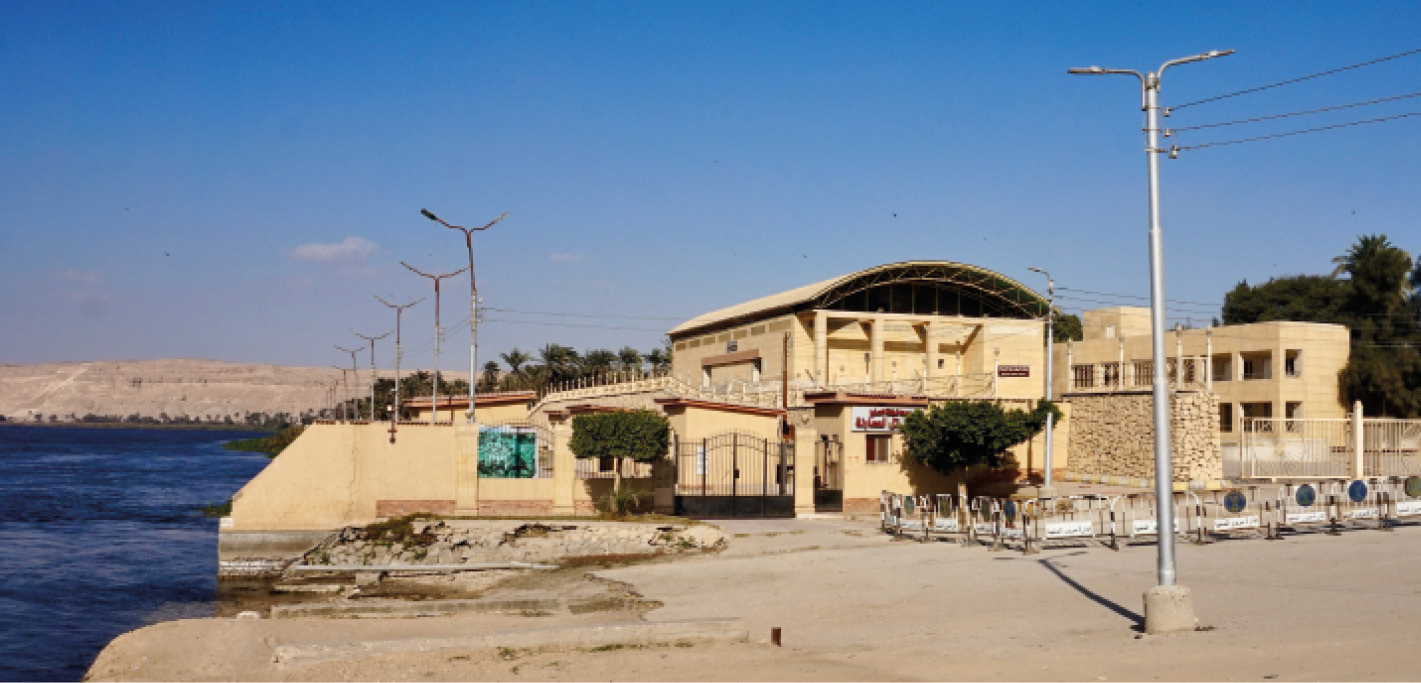
Returning to Amarna for the second of a two-day visit felt like seeing an old friend. I had spent the first day exploring the northern half of the site (see AE 154) with nothing more than a copy of Anna Stevens’ recently published Amarna: a guide to the ancient city of Akhetaten and my Egyptian driver George at the wheel of his car. Among other things, I had visited the sites of two royal palaces, entered half a dozen non-royal elite tombs, seen a Boundary Stela, spent time in the Royal Tomb of Akhenaten, and all without encountering another visitor. Although Amarna can be visited in a single day, when planning this trip I decided to take things slowly and explore the site at a relaxed pace, giving me the opportunity to seek out the more obscure tomb scenes that the guidebook describes so well. It would give me time, too, to spend an hour in the small archaeological museum at nearby Mallawi, plus another hour in the Amarna Visitor Centre, located in the northern half of the site. Both are well worth adding to your itinerary.
Central City
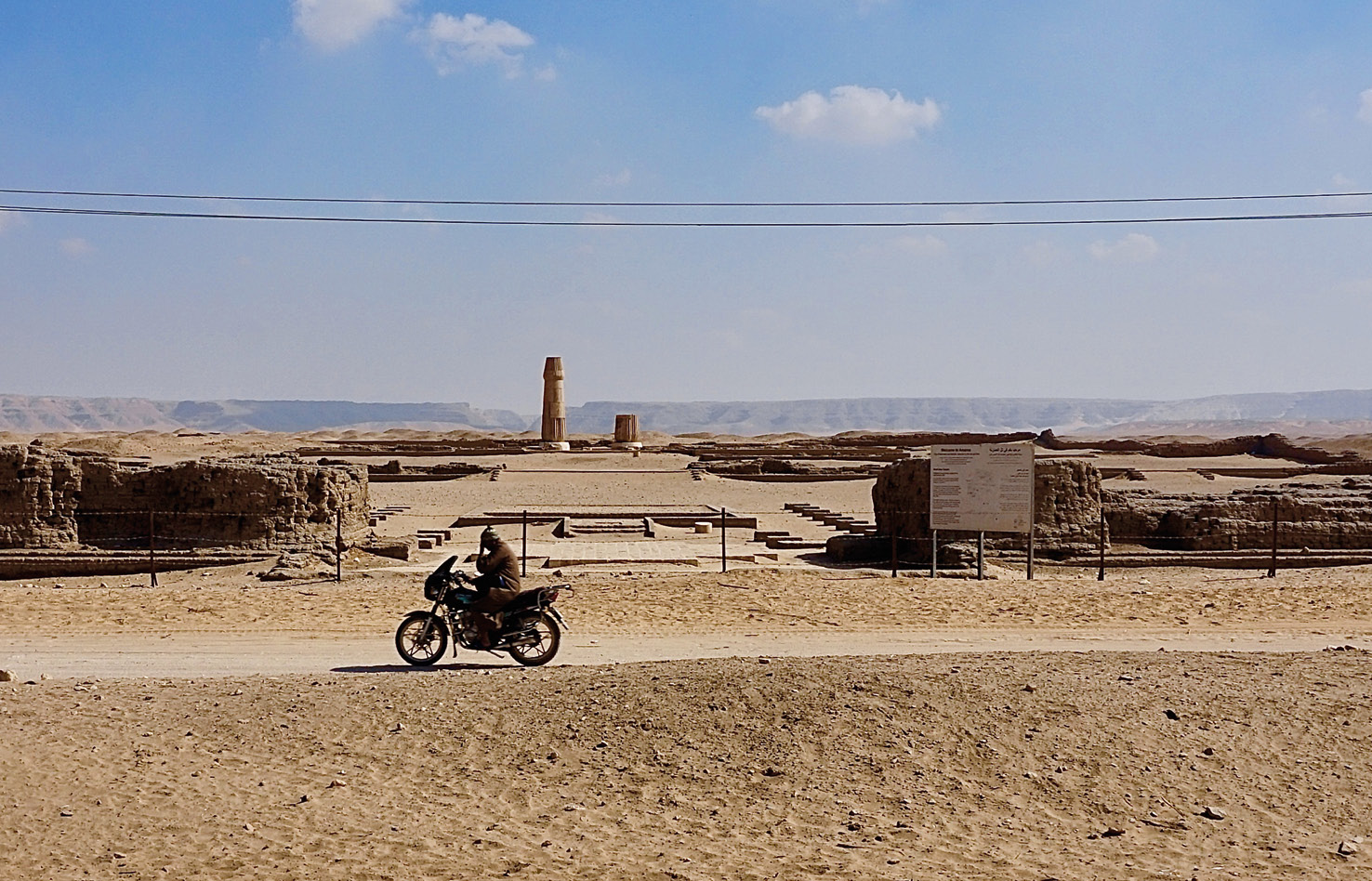
Once I had purchased my admission ticket (LE200), George drove us directly to the Central City – the hub of ancient Akhetaten. This once-bustling urban centre lies south of the modern-day town of el-Till, and it was from here that Akhenaten and his court ruled Egypt during the Amarna Period. In the Central City were royal residences and palaces used for ceremonial events and celebrations, administrative buildings for negotiating international trade and diplomacy, and enormous places of worship to maintain the new monotheistic religion which largely defines the era: the cult of the Aten. Very little now remains of this part of Akhetaten, as the majority of the stone was removed and reused when the country returned to the old religion under new rulers. However, there are enough outcrops of ancient mud-brick dotted among the modern stone blocks of an informative reconstruction programme to give the visitor a strong sense of what was once there. Seeing the stylised scenes and maps of palaces and temples in some of the Amarna elite tombs, and the recent addition of some very good information panels across the whole of the site, further add to the understanding of life in the ancient city of Akhenaten and Nefertiti.

House of the Rising Sun
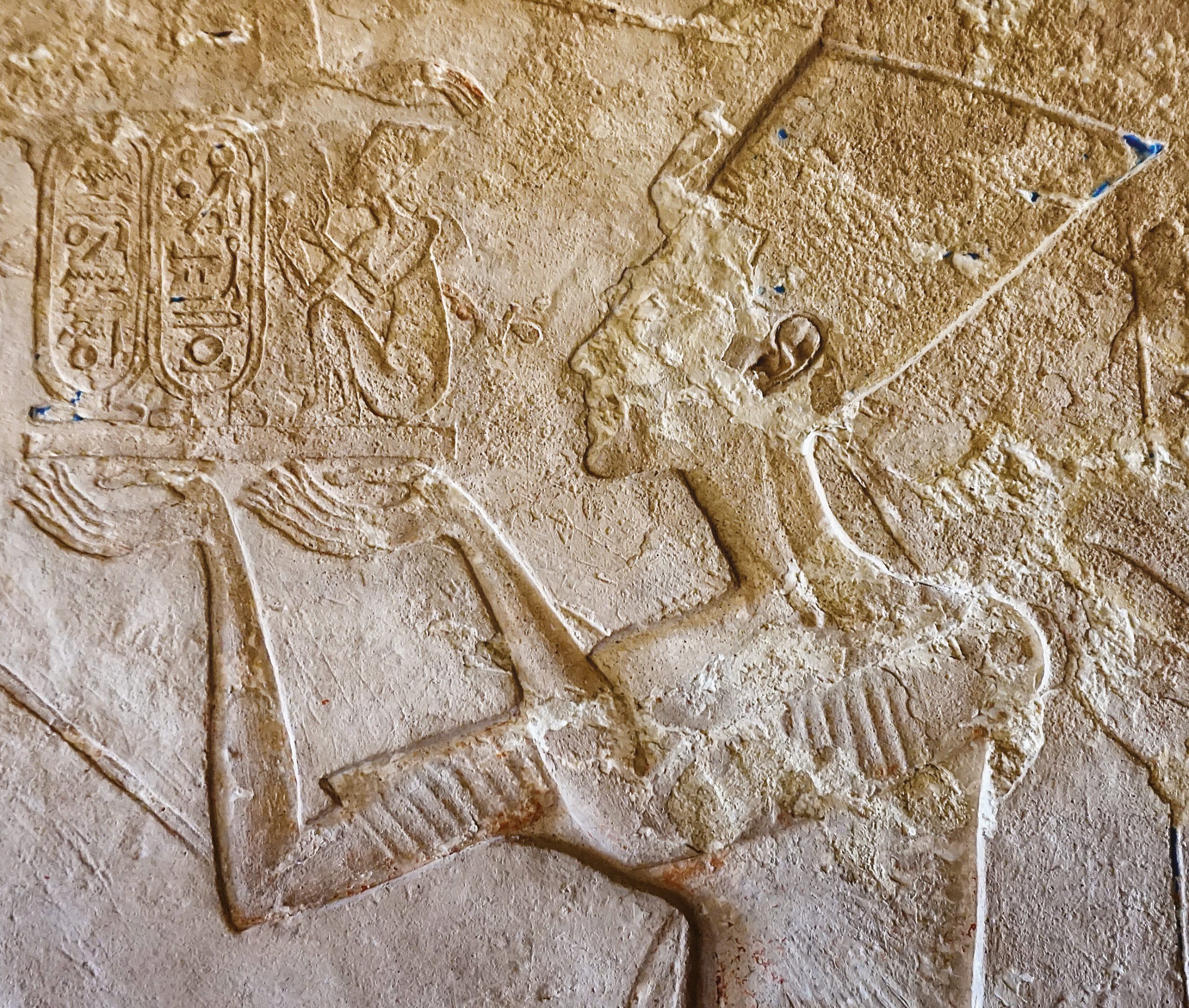
Approaching from the north, the first thing you encounter in the Central City is the monumental Great Aten Temple, the ritual centrepiece of the city known in ancient times as the ‘House of the Aten’, and mentioned on the Boundary Stela as the very first building that Akhenaten would build in his new city. In general, the temples at Amarna were similar in design to those seen in Thebes and elsewhere, with a series of pylons and courts leading to an inner sanctuary. They differed, however, by not having much in the way of roofing, so that the altars and offering tables could be exposed daily to the sun god. Additionally, statues of the old gods were replaced by statues of the Amarna royal family, often depicted holding portable offering tables or small 3D representations of the Aten cartouches.


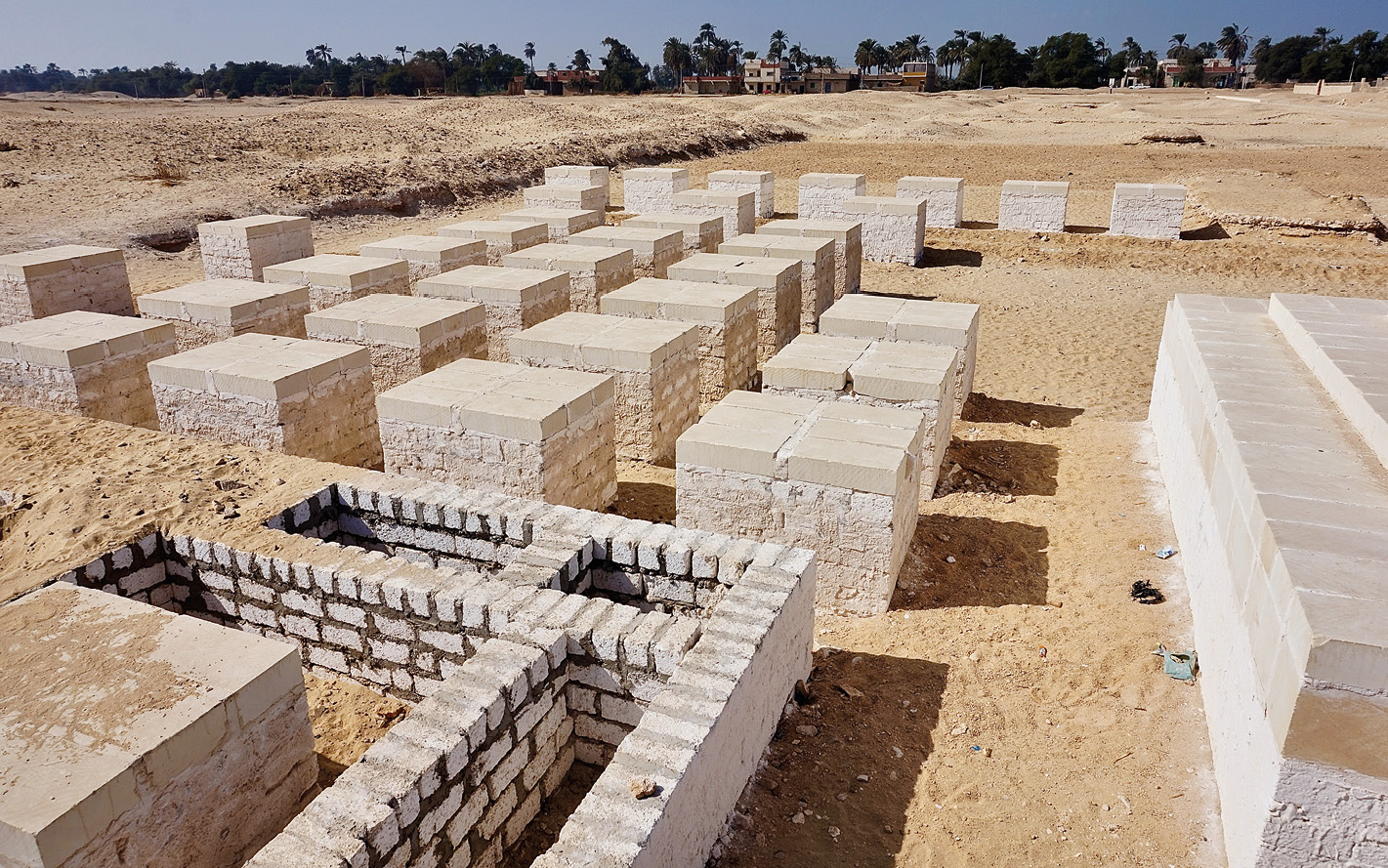
Rather than being a dark, enclosed room adorned with polytheistic scenes, the Sanctuary of the Great Aten Temple (some 800 metres from its front pylon) was an open-air sacred space where the king could communicate directly with the sun god during a special ritual at sunrise. Food offerings were an important part of the cult of the Aten, and there was a vast field of almost 1,000 offering tables in the temple – possibly for the general population of Akhetaten to make their own individual offerings to the Aten. In ancient times, the Great Aten Temple would have been colourfully painted and filled with the smell of Pistacia resin incense. This resin was imported from the southern coastal towns of the Levant, and was used to cense the temple offerings to please the sun god and, in domestic settings, burnt in small pottery bowls to perfume the air.
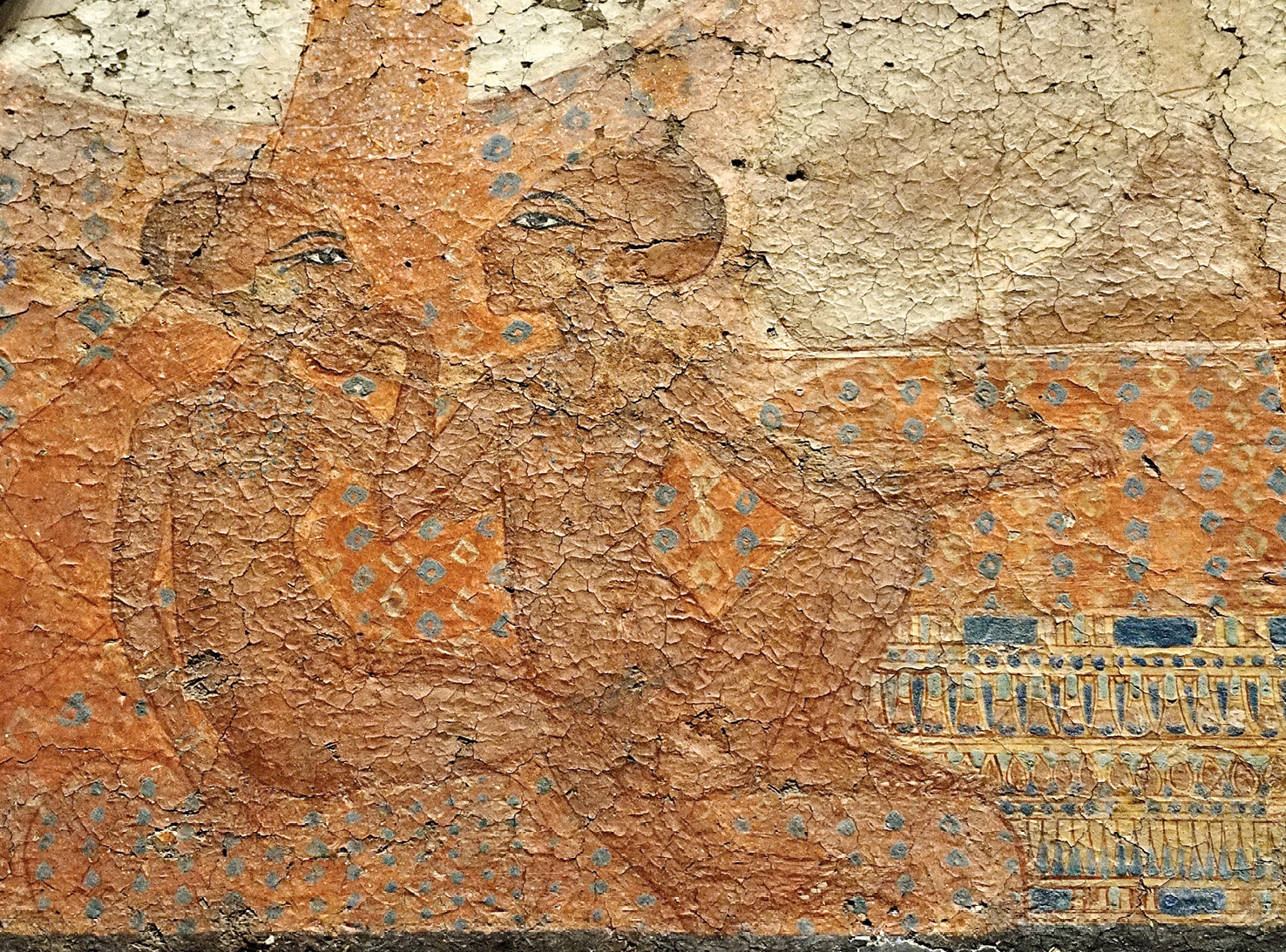
At this point, the ceremonial Royal Road – which originally went from the north to the south of the city – merges with the route of the tarmac road that the present-day visitor takes and, for a few hundred metres, you travel on the same sandy path along which Akhenaten ceremoniously rode his golden chariot over 3,350 years ago. There is no evidence that this Royal Road was ever paved, although there are two ancient mud-brick structures which indicate that a footbridge once spanned it.
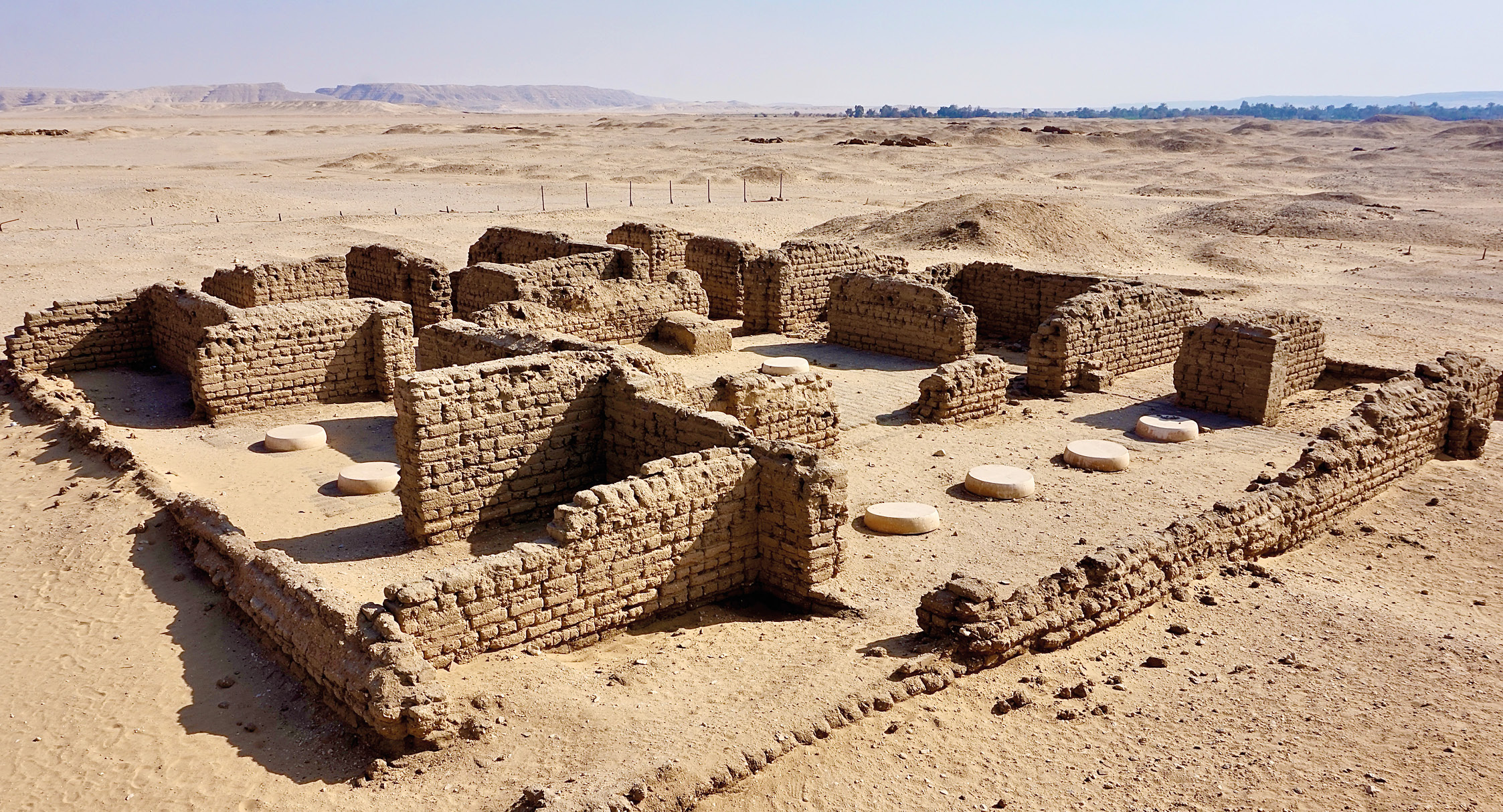
On one side of the bridge was the Great Palace, an enormous building largely used for ceremonial purposes. The Great Palace had colourful painted plaster floors, and an open-air courtyard of colossal Osirid statues of Akhenaten, which stood on circular limestone plinths. Some of the plinths are still in situ, and many fragments of the Great Palace floors can be seen today in museums around the world, most notably in Cairo. The remains of the mud-brick walls of a large ceremonial hall – the only known monument of the Amarna ruler Smenkhkara – are just visible to the south of the palace.
The Amarna Letters
In the area ‘behind’ (to the east of) the King’s House was a cluster of mud-brick buildings where clerks, scribes, and military men worked. Now referred to as the Administrative Quarters, one of the buildings was the ‘Office of Correspondence of Pharaoh’ – the Records Office. Here, scribes translated and archived diplomatic letters originally written on to small clay tablets in the lingua franca of Akkadian, in a wedge-shaped cuneiform script. These letters were first discovered in the late 19th century by some of the local population. Several hundred of these letters exist and many are on display in museums around the world.
Mansion of the Aten
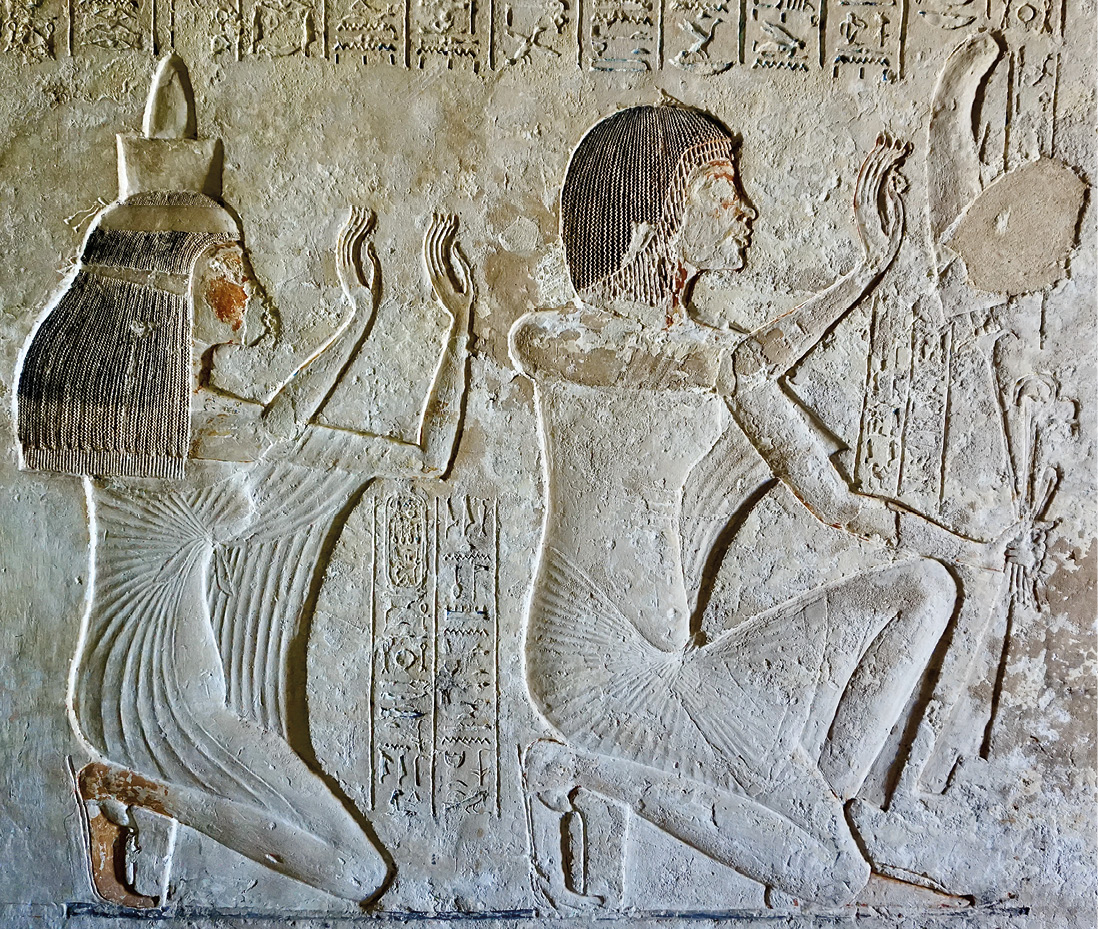
Not much is known about how the Small Aten Temple was used. The second largest in Akhetaten, the temple in ancient times was known as the Hwt-Aten (Mansion of the Aten), and was one-tenth of the size of the Great Aten Temple. Given its size, it might have been used solely by the royal family to worship the Aten in private. Interestingly, it also aligns perfectly with the Royal Wadi – the location of the royal tombs – suggesting that it might have been intended as some sort of memorial or cult temple to Akhenaten and his family. The two reconstructed papyrus columns seen today at the front of the Sanctuary – made from cement, and incorporating fragments of the original columns – were raised in 1994. They have become iconic symbols of modern- day Amarna, and the subject of many tourist photographs.
Main City
South of the Small Aten Temple lies an area known as the Main City, where a combination of residential housing and artisan workshops were located. Over successive seasons, teams of archaeologists excavated and recorded many of these buildings, which were then backfilled with clean sand for future generations to study. One or two are preserved and presented for permanent viewing, including the large, partially reconstructed villa of an official. The owner is unknown, although there is evidence to suggest that the family were prosperous. Their homestead included a granary for storing barley and emmer wheat, a chamber for keeping cattle, and a private well. In the garden, they had a chapel dedicated to the Amarna royal family. The Main City is the location of sculptor Thutmose’s workshop, too, where the famous painted head of Nefertiti was found in 1912.
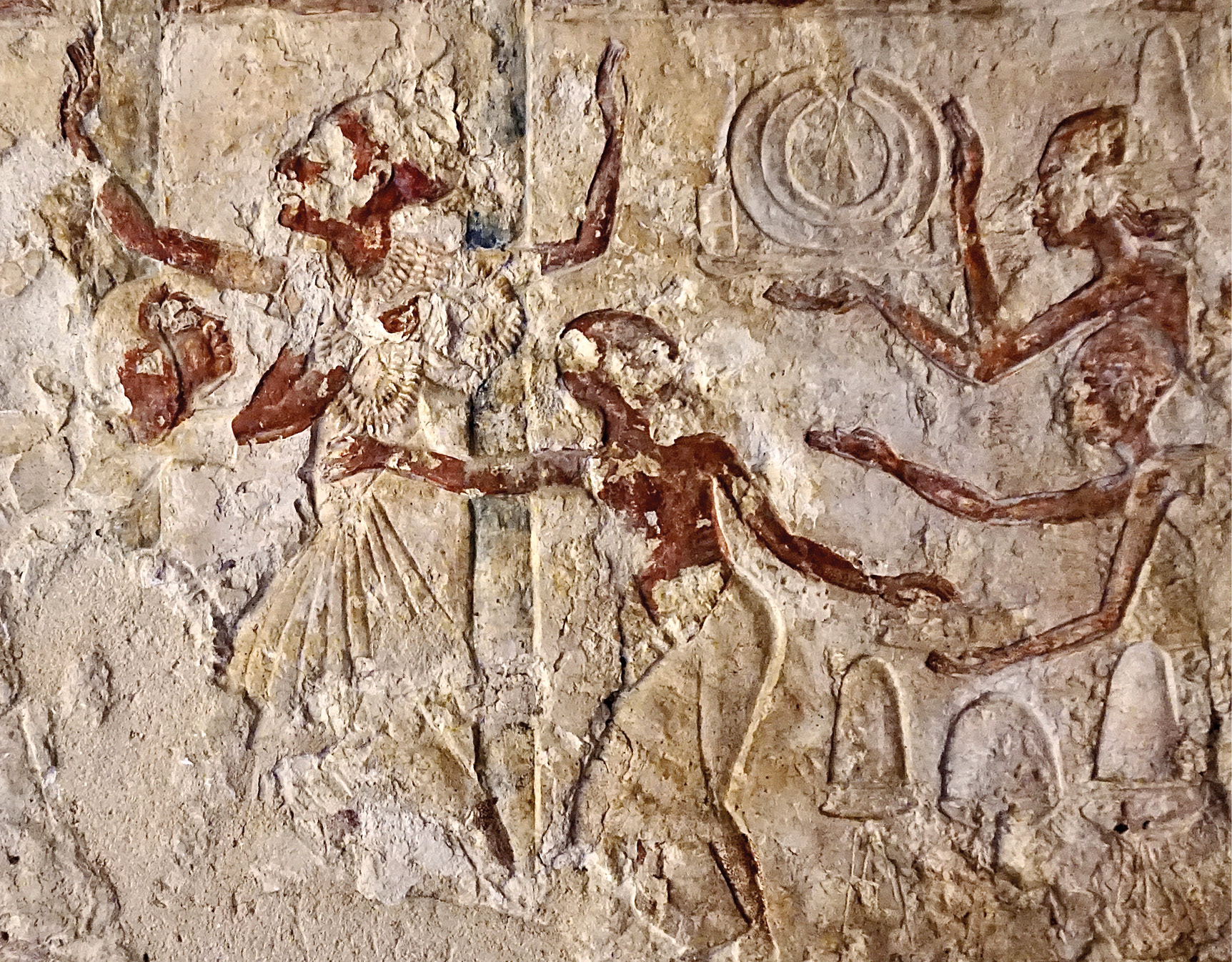
Heading south-east from the Main City, on the way to the South Tombs, the visitor passes a stretch of land where one of the ‘Sunshades of Ra’ was once located. These were sun-temple complexes built to worship the sun god in conjunction with a female member of the royal family, since the traditional pantheon of female gods (Isis, Hathor, and so on) was not recognised during the Amarna Period. There may have been seven or more of these temples in Akhetaten, but only the scant remains of one has survived the encroachment of modern farming.

South Tombs
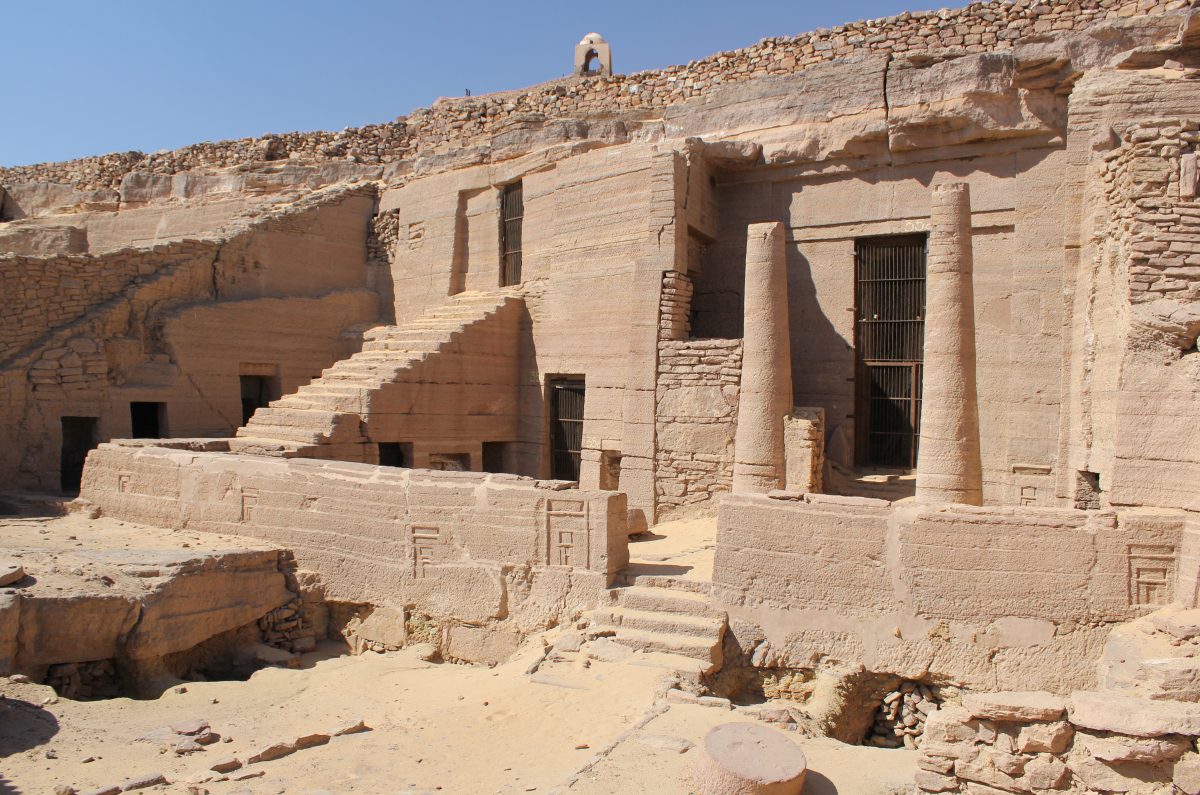
Of the excavated South Tombs there are 19 in total to visit, although several are no more than an area of rubble in a dip in the landscape. With a few exceptions, the tomb owners mostly held lower positions than those who had planned their tombs in the northern end of the city, although they were still elite members of society. Archaeological evidence suggests that, like the North Tombs, most of them had been abandoned before any burial took place. They are in three approximate clusters, and are easy to access with very few steps or slopes to navigate – unlike the North Tombs. In general, they are less decorated than the North Tombs, but they do offer some of the finest examples of Amarna wall art to be seen in situ, especially depictions of the royal family, and I would encourage any visitor to make time to enter a selection of them.
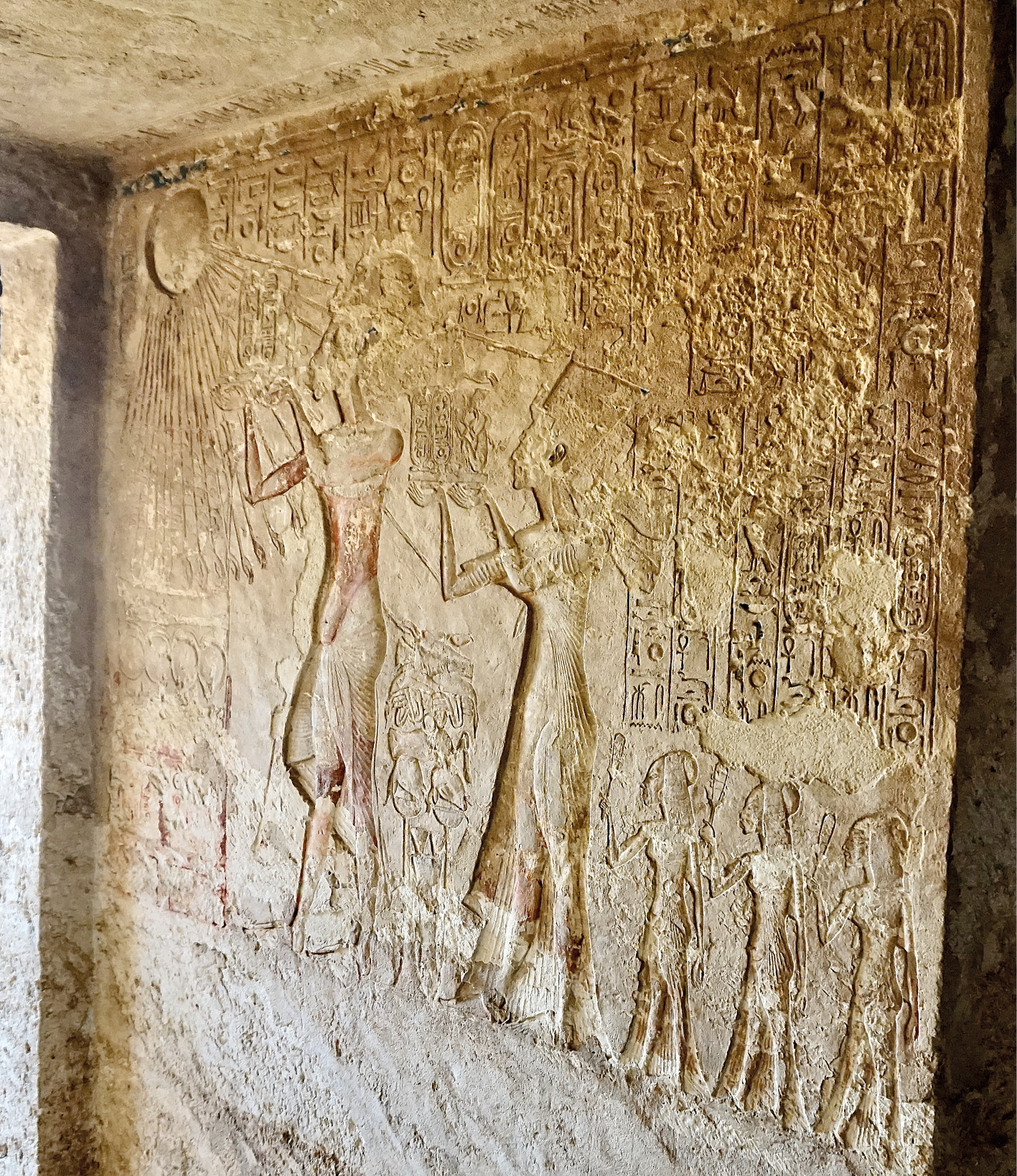
I chose to explore six on this trip: ST7 Parennefer; ST8 Tutu; ST9 Mahu; ST10 Ipy; ST11 Ramose; and ST25 Ay, which I visited first. This is the same Ay who became king after the death of Tutankhamun, and who may, or may not, have been a brother of Queen Tiye and the father of Queen Nefertiti. What we do know is that he was a senior official in the court of Akhenaten, and during his time in Amarna his titles included ‘God’s Father’, ‘Fan-bearer on the Right Hand of the King’, and ‘Overseer of Horses of His Majesty’. Although unfinished, his tomb includes several important scenes of the royal family, and the most complete version of the longer Hymn to the Aten on one side of the entrance hall corridor.
Parennefer (ST7) was a ‘royal craftsman’ and ‘Washer of Hands of His Majesty’, and his simple tomb has a decorated façade with the royal family seen worshiping the Aten.
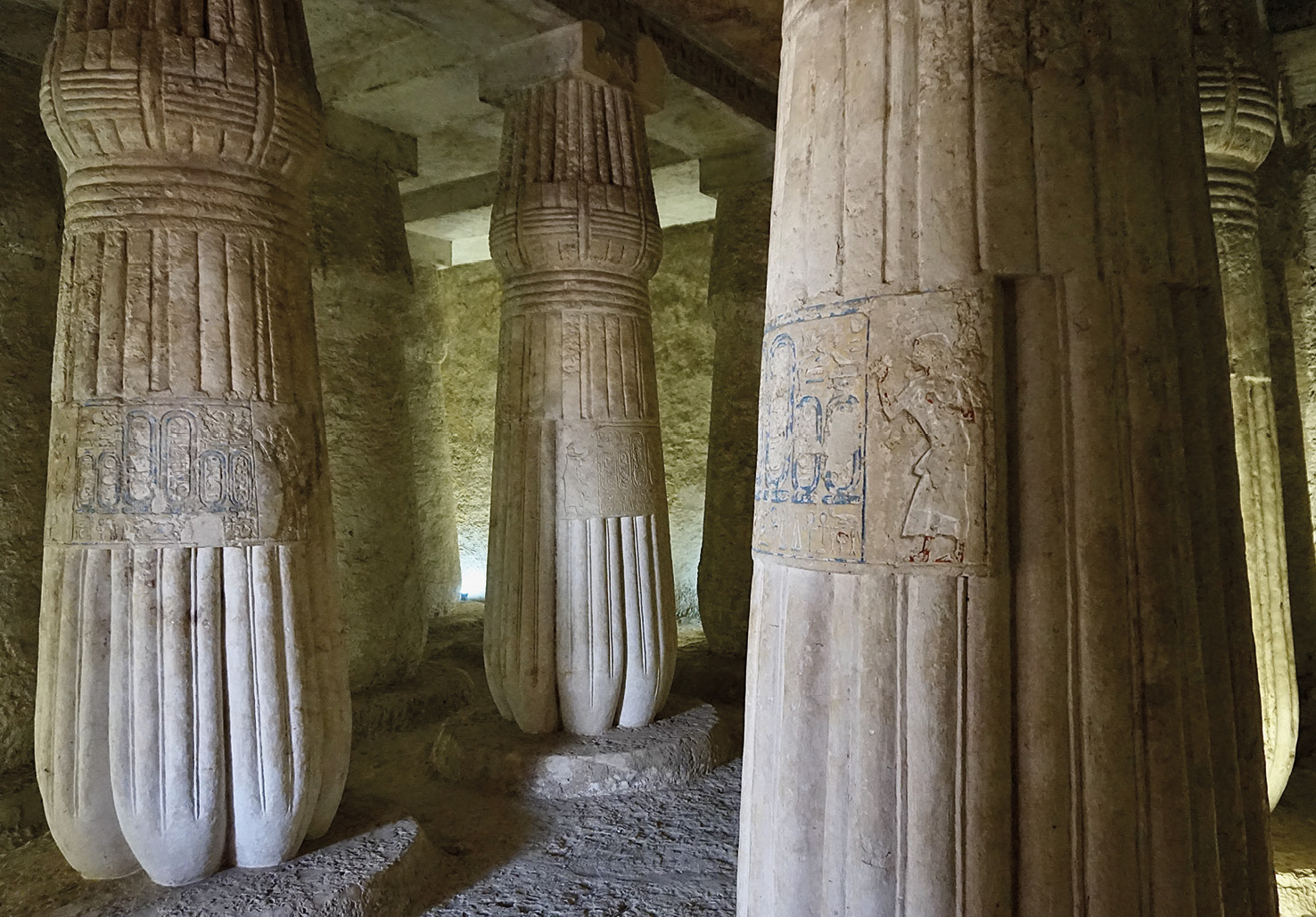
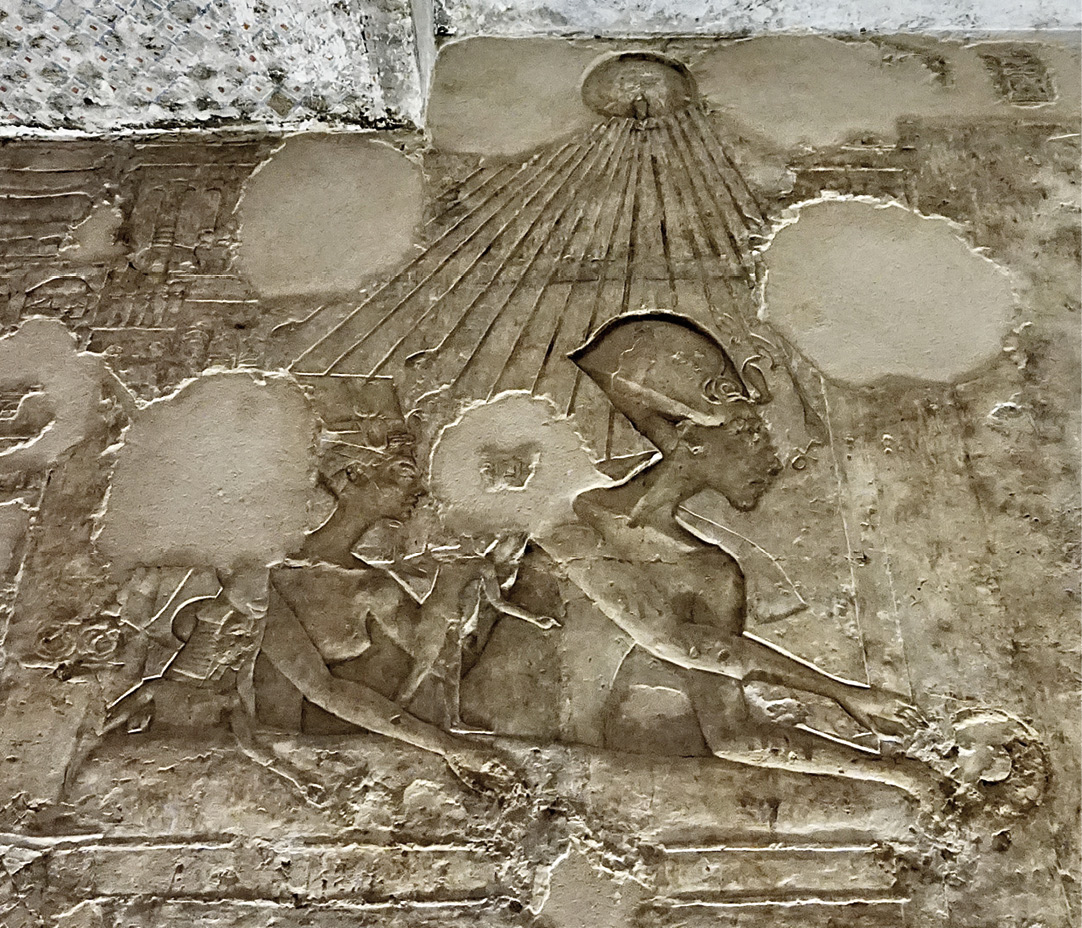
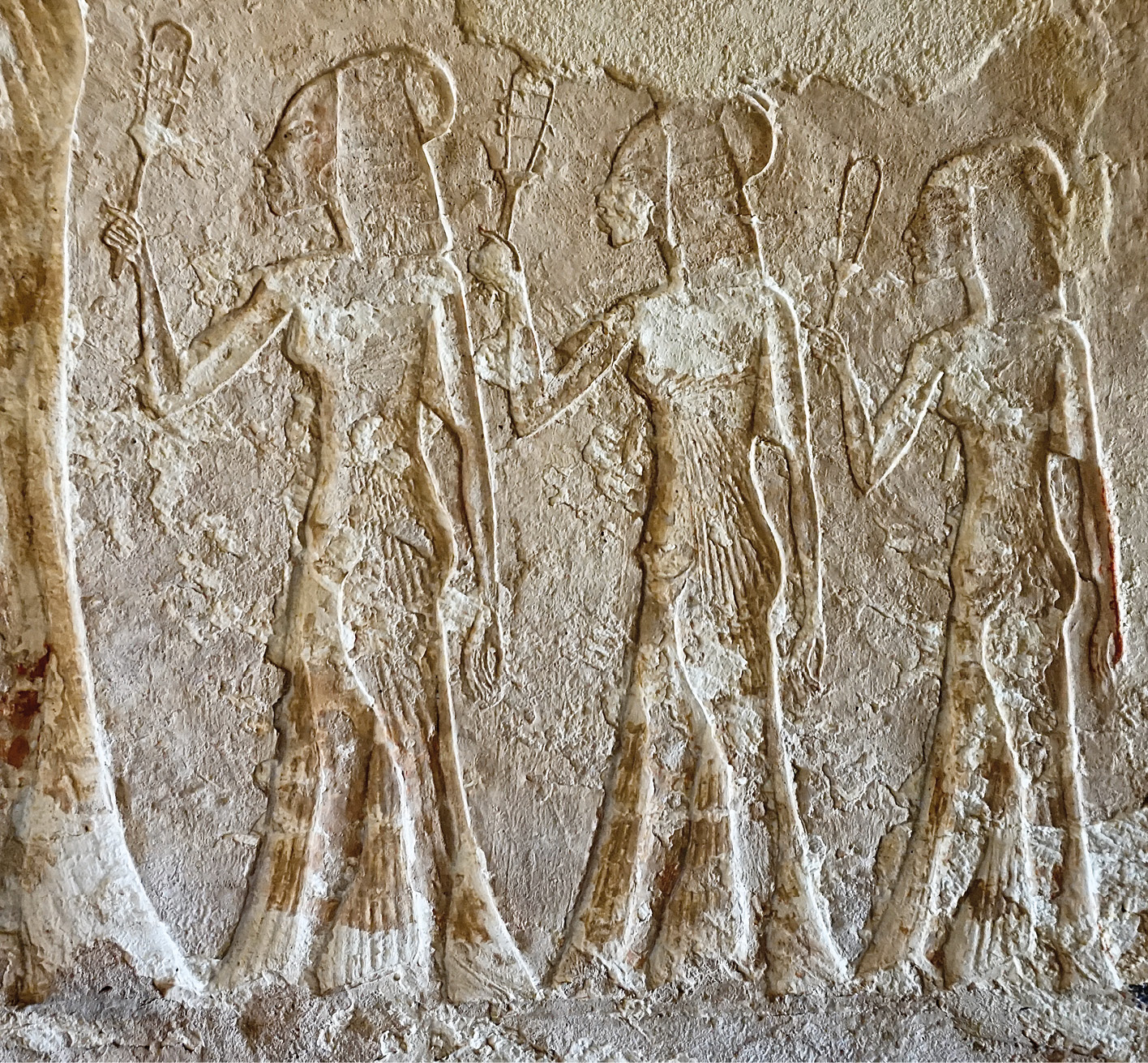
The Tomb of Tutu (ST8) has an architectural detail otherwise unknown in the Amarna tombs: a low screen wall linking together two rows of columns, while there are some fascinating insights into law and order in ST9 – the Tomb of Mahu the ‘Chief of Police of Akhetaten’. My favourite scene from any of the Amarna tombs is a single-panel depiction of the royal family worshipping the Aten in ST10, the tomb of the ‘royal scribe’ Ipy. Along with highly detailed depictions of Akenaten and Nefertiti, there is a charming carving of the three eldest Amarna princesses, each shaking a sistrum.
A Stevens (ed.) (2021) Amarna: a guide to the ancient city of Akhetaten (American University of Cairo Press).
All images: the author