Subscribe now for full access and no adverts
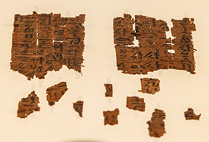
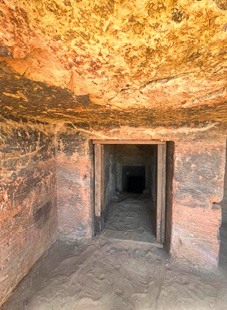
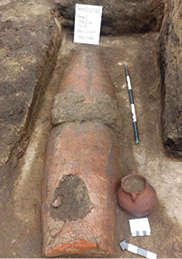
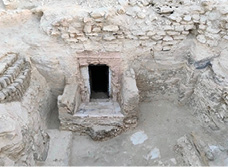
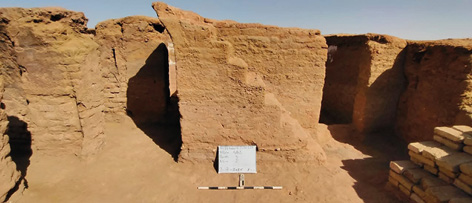
The remains of a Coptic monastery have been discovered by an Egyptian mission at Wadi el-Natrun, in Beheira Governorate. The structure, which dates from the 4th to the 6th centuries AD, sheds light on the architectural planning of the first monasteries. The mud-brick building, which covers an area of about 2,000 square metres, had vaulted and domed roofing. Its white-plastered walls were decorated with murals featuring crosses, palm trees, and various floral and geometric motifs. A main open courtyard was surrounded by smaller courtyards that opened on to a number of monks’ cells of different shapes and sizes. A series of annexes in the western part of the building acted as a service area, and included kitchens, ovens, and storage areas. A number of Coptic inscriptions were found, too, including the names of monks who resided at the monastery, along with religious texts invoking mercy and forgiveness. Human remains discovered in several burial chambers within the building suggest that the resident monks were buried at the site.

Text: Sarah Griffiths / Image: Ministry of Tourism and Antiquities, unless otherwise stated