Subscribe now for full access and no adverts
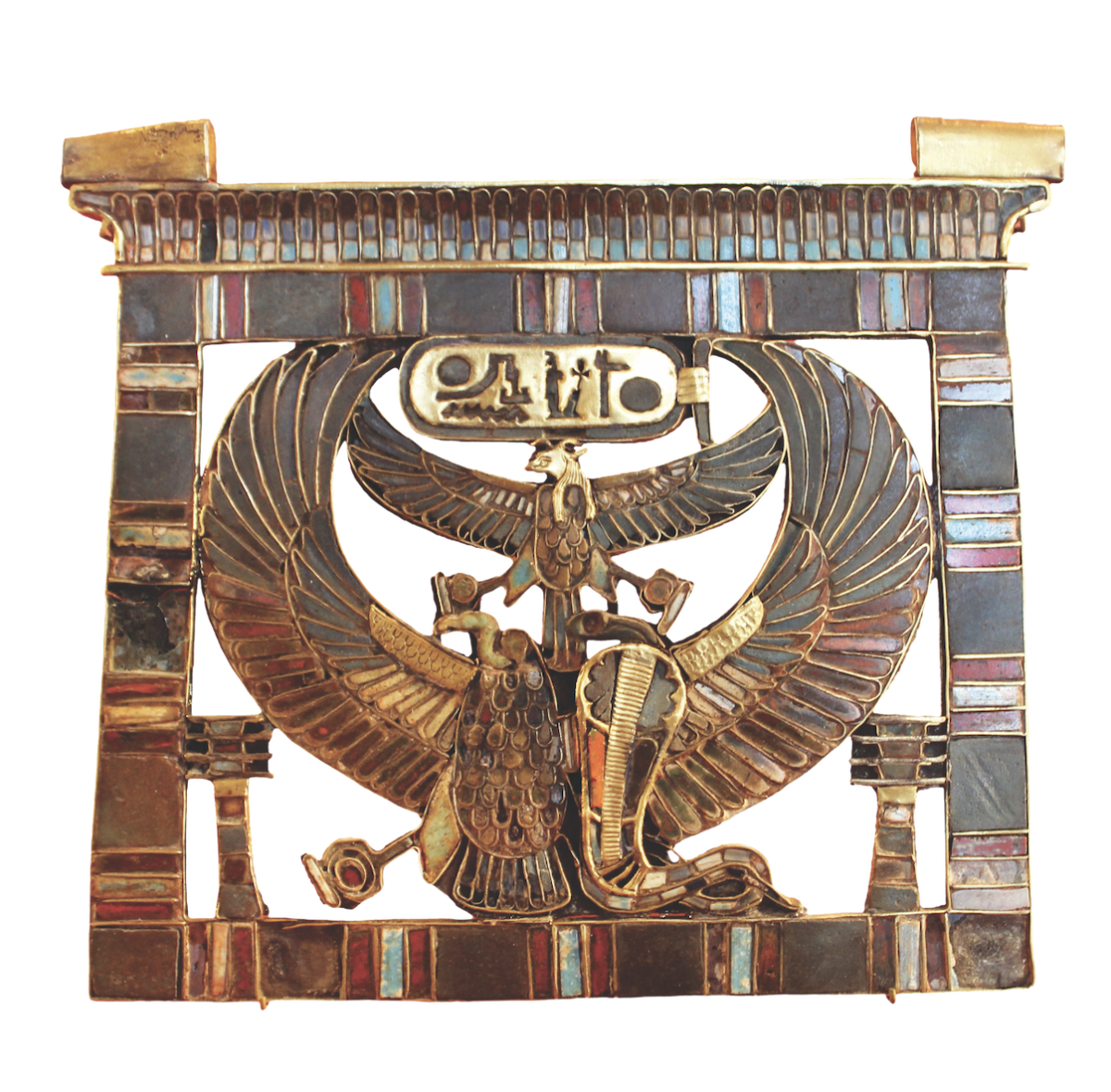
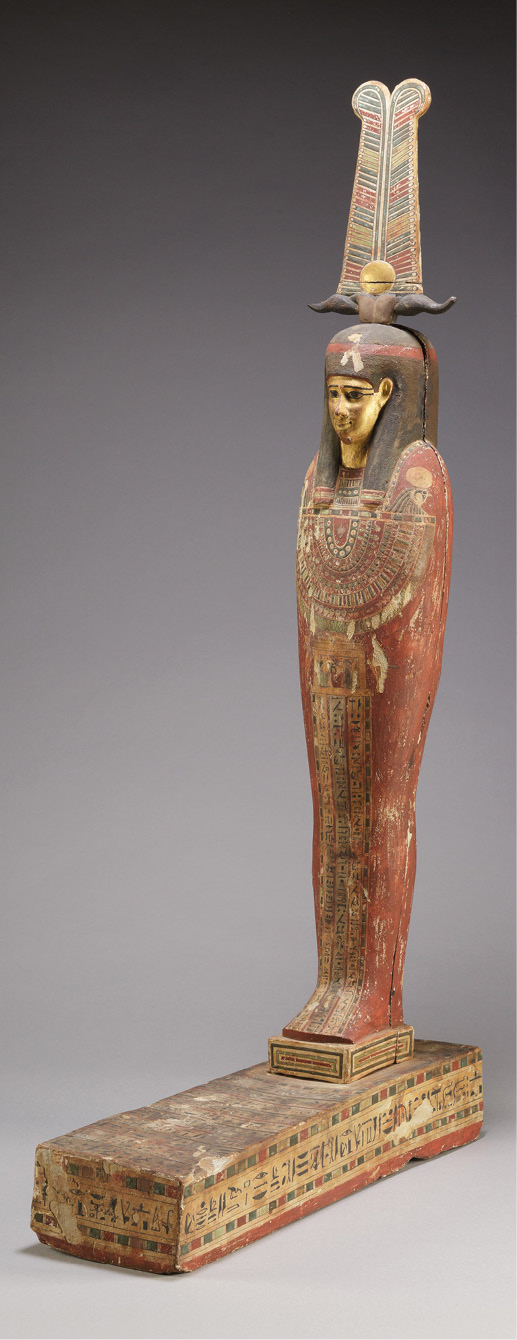
In pharaonic religious thinking, the identities of gods could merge into new combinations because divinity was viewed as malleable. An illustrative example is the god Ptah-Sokar-Osiris, who emerges in the later New Kingdom as a mixture of three distinct deities, collectively representing chthonic (relating to the underworld) and regenerative powers. The iconography of such statuettes features the wrapped, undifferentiated form of a deity with a divine wig and tall feathered crown, set on a base that is often richly embellished.

A series of figurines depicting Ptah-Sokar-Osiris have been found in elite burials from the later Ramesside Period until Ptolemaic times. Their decoration often relates to that on contemporary anthropoid coffins – thus reinforcing the identification of the deceased and a divinity. However, where they are inscribed, the texts on such figurines tend to state explicitly that their purpose is the protection of the deceased. This example belongs to the temple musician Ihyt, and closely resembles coffins of the early Ptolemaic Period from the site of Akhmim.
Many such objects are hollow or feature an empty section to accommodate an object or substance added after manufacture. The interpretation made by Egyptologists – influenced by their own avaricious tendencies – has tended to assume that these compartments were intended to ‘hide’ papyri. But to hide them from whom? What would tomb robbers want with a Book of the Dead? In fact, the papyri inscribed with powerful religious texts enhance the power of the figure and the effectiveness of the protection. The same may be true of other ‘mummified’ material that has been found associated with the figurines. This challenges our modern categories of ‘mummy’, ‘coffin’, and ‘figurine’, which were thought to function in different ways in the past.
Images: Metropolitan Museum of Art, New York