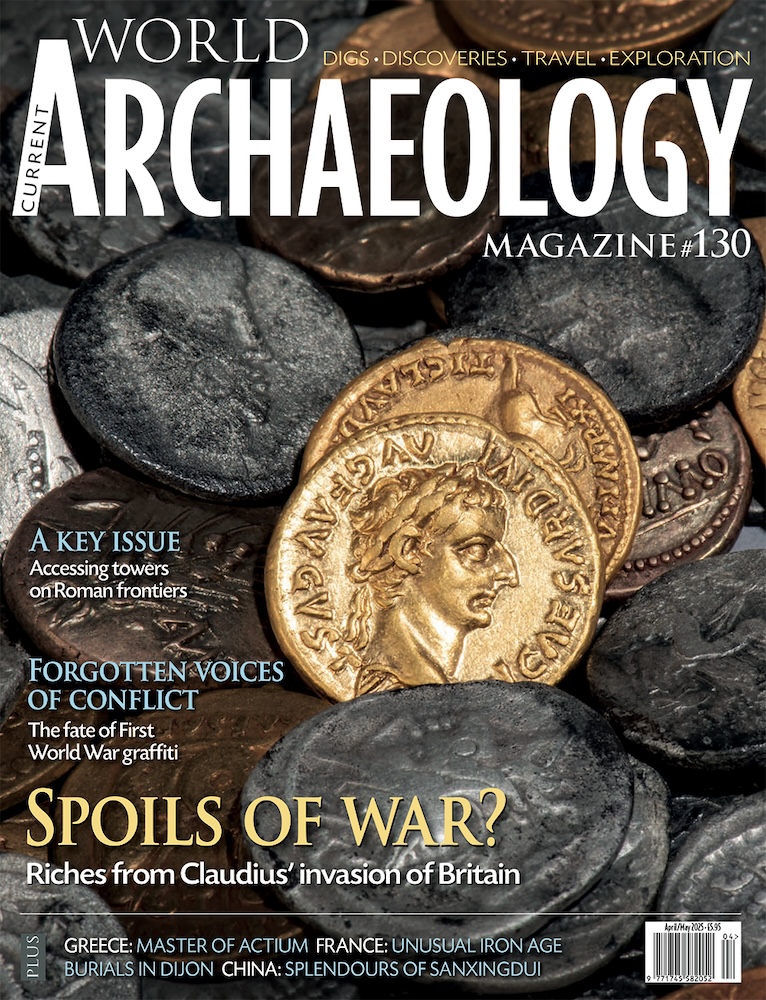
Current World Archaeology 130

Description

Highlights:

From the Editor:
A hoard discovered in the Netherlands presents an extraordinary first for continental Europe. The contents of this cache combine coins minted by Rome and a powerful ruler in Britain: Cunobelin. This eye-catching mixture is just one of the clues that the hoard was amassed by a person or people with first-hand experience of Britain, most likely participants in the Roman invasion. Do these coins of Cunobelin, then, represent the spoils of war? In our cover feature, we explore what this hoard reveals about a major historical moment.

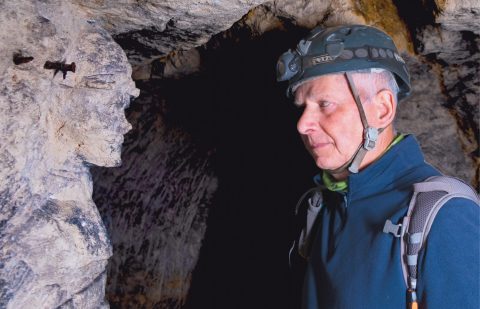
Relics of conflict are also apparent deep underground in France. There, former quarries were repurposed for military use during the First World War, with their rock faces providing a canvas for graffiti. Today, these marks range from pencilled names and national icons to expressions of hell, creating a corpus of forgotten voices from the conflict.

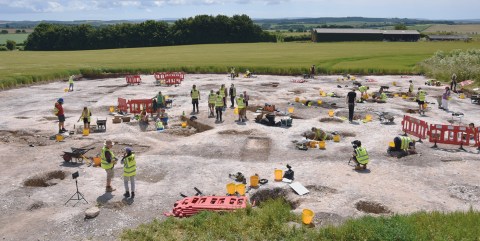
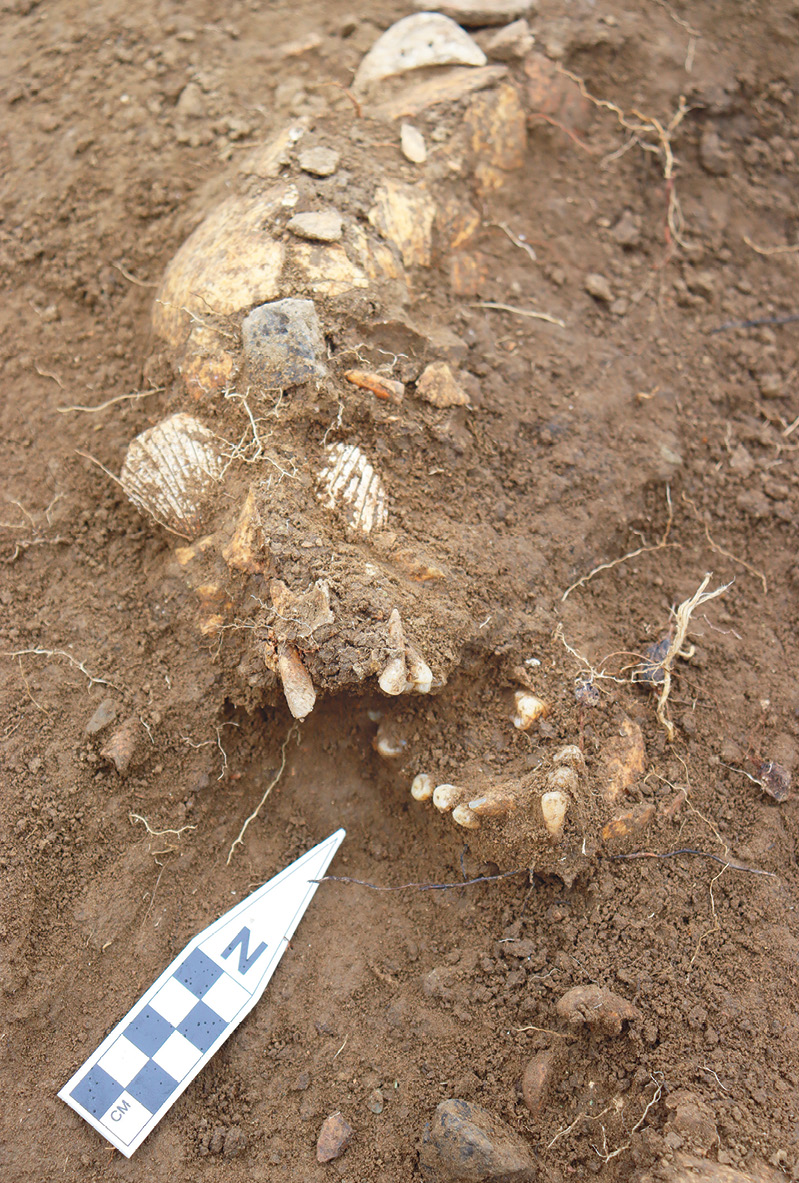
In Dijon, it is Iron Age bodies being carefully seated in pits that seem to make a statement. Excavations have revealed 13 examples of these burials, which can be added to the 50 or so known from the era. None of them have been found in formal cemeteries, while their enigmatic arrangement evokes a posture found in contemporary sculpture that seems to represent important figures.

On the Roman frontiers, it is the design of towers that has been attracting scrutiny. In particular, the placement of doorways poses questions about how easy the structures were to access, and what this implies about the wider role of these barrier systems.

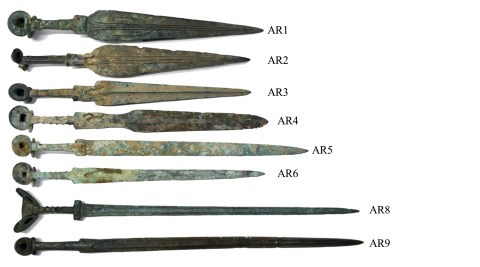
Meanwhile, artefacts that have been recovered after illicitly crossing modern borders have occasioned a study into what trafficked goods can tell us. A set of Iranian swords reveals the extent to which ancient objects can be cynically modified to make them more appealing to modern audiences.

Finally, in our travel section Richard Hodges introduces us to the site of Nicopolis, in Greece, and talks to it s eminent excavator Kostas Zachos.


Cover Date: Apr / May 2025, Volume 11 Issue 10

Cover Story

Spoils of war? An extraordinary Roman hoard from Utrecht A cache of Roman and British coins found in the Netherlands seems to be associated with the emperor Claudius’ invasion of Britain in AD 43. Study of the hoard is…

Features

A key issue: Access to towers on Roman frontiers Roman frontiers are often viewed as measures to increase security, but did this concern extend to soldiers locking the doors…
Forgotten voices of conflict: Examining the fate of First World War graffiti Traces of the First World War are often seen in terms of trenches, battlefields, and cemeteries, but the soldiers caught…
What can we learn from trafficked finds? Revealing the results of neutron tomography of Iranian swords Recovering an assemblage of trafficked prehistoric swords from Iran presented an opportunity to undertake scientific analysis of these weapons. The…
Unusual Gallic burials: Excavating bodies seated in pits A line of pits unearthed during excavations in Dijon contained rare examples of Iron Age individuals buried in a seated…

Comment

Mobility in mortuary contexts Tacitus, in his book on the life and character of his father-in-law Julius Agricola, the Roman Governor of Britain from…
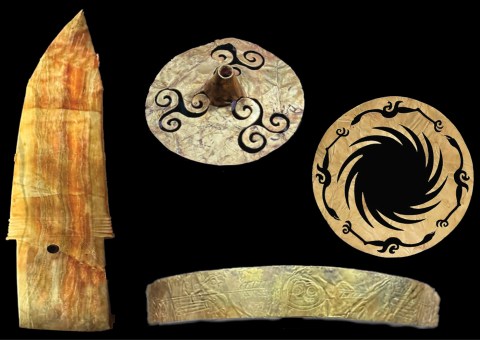
Splendours of Sanxingdui I have already described here the new discoveries at Sanxingdui, the great city that commanded the Sichuan Plain in China…
The exultation of discovery ‘The unknown town now had a name… All that day “Naukratis” rang in my mind, and I sprang over the…

News

Views

Master of Actium Richard Hodges introduces the Emperor Augustus’ city of victory at Actium and interviews its renowned excavator, Kostas Zachos.
CWA #130 crossword, and answers to crossword #129 Across 7 Portico or vestibule at the western entrance of an early Christian church (7)8 Green semi-precious mineral (7)10 US…
Ancient theatre of Aptera This theatre is part of the archaeological site of Aptera, near present-day Chania, in western Crete. The ancient coastal city-state…
The Viking Sorceress A major exhibition at the National Museum of Denmark is exploring the mysterious Viking Age Völva.
A Byzantine coin-balance At first glance, it looks like an ornate coffee spoon… What is it? This curious object, which looks at first…

Reviews

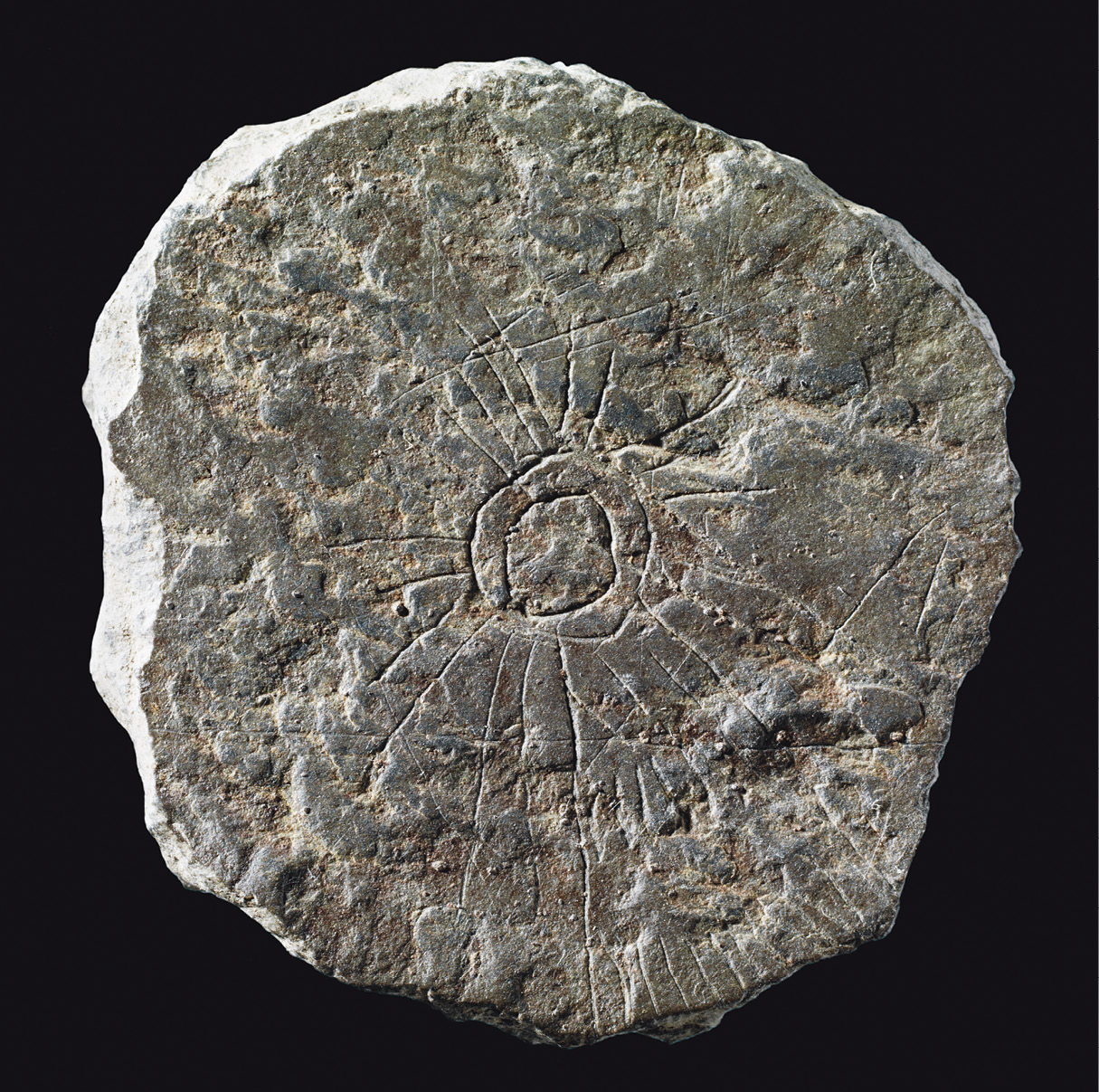
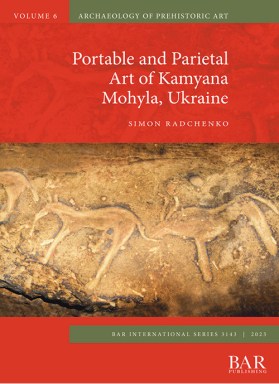
Portable and Parietal Art of Kamyana Mohyla, Ukraine REVIEW BY GEORGE NASH Given the severity of the ongoing war in Ukraine, it is no surprise that the rich…
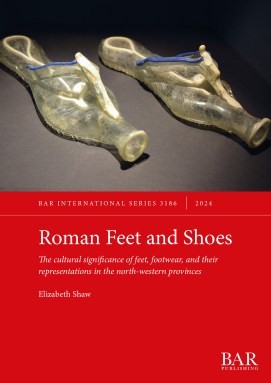
Roman Feet and Shoes: The cultural significance of feet, footwear, and their representations in the north-western provinces REVIEW BY QUITA MOULD In this volume, the author describes a range of Roman shoe- and foot-shaped artefacts and considers…
Hunting and Fishing in the Neolithic and Eneolithic REVIEW BY KATHERINE V BOYLE This book looks at an often-overlooked aspect of European prehistory, more specifically the Neolithic/Eneolithic, but…

By Country

Popular
UKItalyGreeceEgyptTurkeyFrance

Africa
BotswanaEgyptEthiopiaGhanaKenyaLibyaMadagascarMaliMoroccoNamibiaSomaliaSouth AfricaSudanTanzaniaTunisiaZimbabwe

Asia
IranIraqIsraelJapanJavaJordanKazakhstanKodiak IslandKoreaKyrgyzstan
LaosLebanonMalaysiaMongoliaOmanPakistanQatarRussiaPapua New GuineaSaudi ArabiaSingaporeSouth KoreaSumatraSyriaThailandTurkmenistanUAEUzbekistanVanuatuVietnamYemen

Australasia
AustraliaFijiMicronesiaPolynesiaTasmania

Europe
AlbaniaAndorraAustriaBulgariaCroatiaCyprusCzech RepublicDenmarkEnglandEstoniaFinlandFranceGermanyGibraltarGreeceHollandHungaryIcelandIrelandItalyMaltaNorwayPolandPortugalRomaniaScotlandSerbiaSlovakiaSloveniaSpainSwedenSwitzerlandTurkeySicilyUK

South America
ArgentinaBelizeBrazilChileColombiaEaster IslandMexicoPeru

North America
CanadaCaribbeanCarriacouDominican RepublicGreenlandGuatemalaHondurasUSA