

Subscribe now for full access and no adverts
Towers are ubiquitous military structures that were erected by the soldiers of the Roman army along the borders of their empire. Hundreds of them are known or suspected – 900 are estimated to be on the frontier in Germany alone. But these posts are far from standardised. Towers could be constructed of different materials, and be of different sizes, shapes, and heights; sometimes they were attached to linear barriers and sometimes not; sometimes doors were placed at ground level and elsewhere higher; often towers could be surrounded by a ditch; and, of course, they were built across a lengthy timespan. But were these towers ever locked, and, if not, what does that mean? Investigating the evidence from the Roman frontiers in Europe raises some intriguing implications.
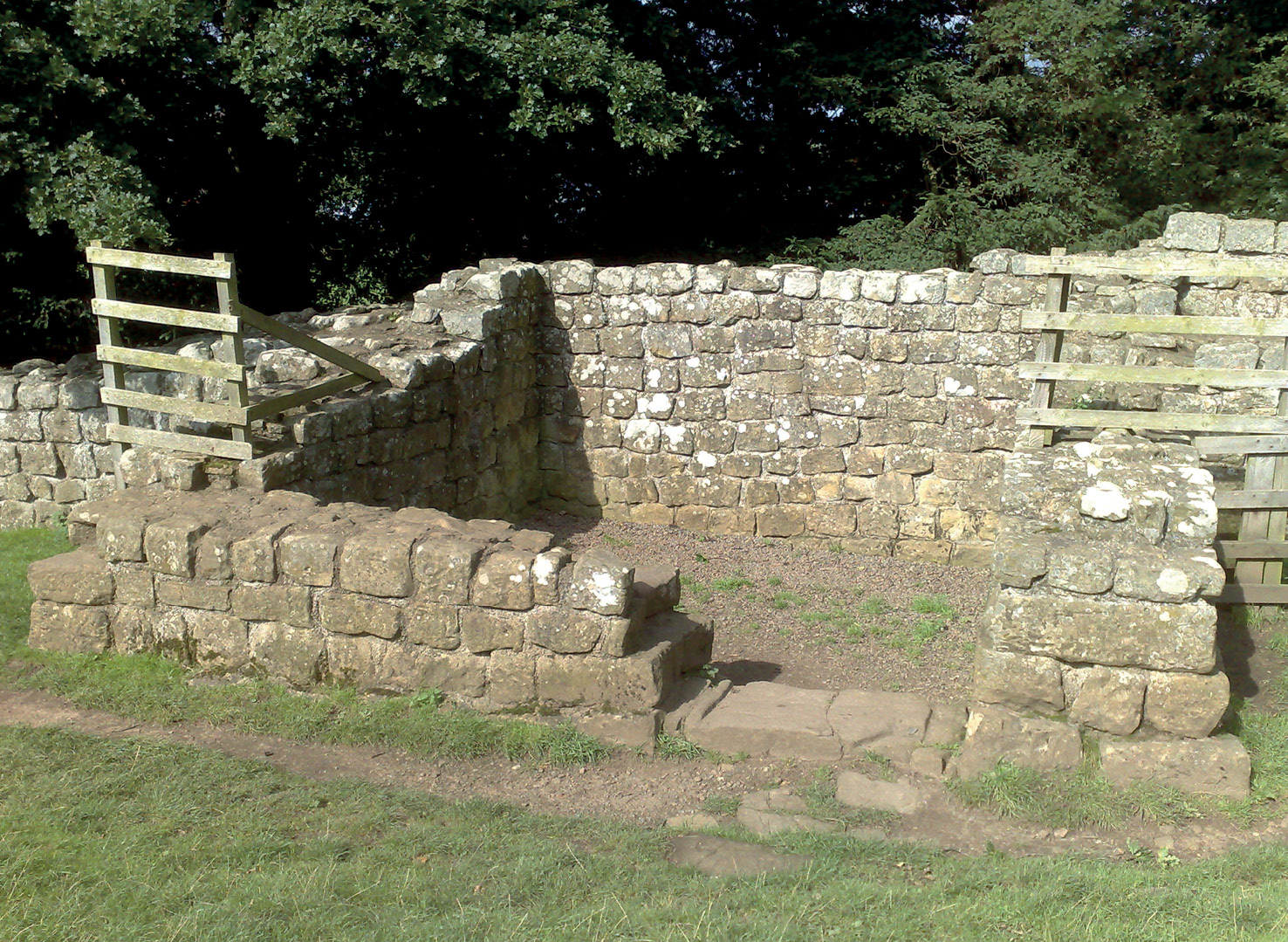
When preparing the new edition of the Handbook to the Roman Wall – that is, Hadrian’s Wall – some years ago, David Breeze noted that at two of the turrets along this frontier, hearths had been placed in the entranceway, making it impossible to close the doors. In one instance, turret 10a (Throckley East), the excavator suggested that the hearths may have been created by squatters, but the investigator of the other turret, 18b (Wallhouses West), assigned the hearth to the earliest phase of occupation, which renders that explanation unlikely. If so, it suggests that the soldiers stationed there did not regard security as an issue.

This observation led on to a wider question: have any keys been found at turrets on Hadrian’s Wall? The answer is a definite ‘no’. Metal keys are common enough finds from Roman Britain and are usually easily recognisable. Examples have been found at several forts along Hadrian’s Wall, including Birdoswald, Housesteads, South Shields, Vindolanda, and Wallsend, though not all of them were used to secure doors. A set of smaller posts along the Wall known as milecastles are also lacking in keys, but part of ‘an L-shaped slide key’ was recovered from the Second World War excavations at a similar post, known to specialists as milefortlet 5 (Cardurnock), on the Cumbrian coast to the west of the Wall.

Forts, milecastles, and towers were, however, different types of sites. Soldiers living in a fort occupied by a regiment of about 500 or more men might like to keep their barrack-room door locked to prevent thieving by their comrades – though, as infantry soldiers were accommodated in groups of eight, it raises the question of who would hold the key. Most milecastles, by contrast, only contained a single small building and probably had no more than eight men in residence, so such security might not have been considered necessary. Milecastles were also protected by ramparts, thereby discouraging casual thieving by non-soldiers, but the same cannot be said for the turrets. The lack of keys from turrets may suggest these buildings were always occupied or, if they were left vacant at times, that any valuables within them had been removed.
In any case, there were other ways of securing a door. At turret 44b (Mucklebank), excavated in 1892, bolt-holes were recorded on each side of the doorway. Examination of turret 7b (Denton) revealed a socket in a stone in the sixth course to one side of the doorway that may have been intended to hold a bar. At turret 10a (Wallhouses West) there are two sockets, one on each side of the doorway, but cut into the second course from the ground. Here it was suggested that they might relate to the door frame rather than a bar; at other turrets, slots for jambs have been recorded in the doorway threshold, as well as a socket for the door pivot. Our evidence can be confusing!

Turrets on Hadrian’s Wall are unique because they were embedded in the very fabric of the linear barrier from the beginning. By contrast, the towers forming part of the sequence of posts running westwards beyond Hadrian’s Wall along the Cumbrian coast were free-standing structures, but no keys have been found in them, either. Isolated towers were often protected by one or both of two measures: a ditch enclosing the post, and a doorway that was raised above ground level, making it harder to access. Presumably in such cases a ladder of some form was required to gain entry. Although these provisions do not seem to occur among the Cumbrian coast towers, two posts close to Hadrian’s Wall do incorporate such features. On Gillalees Beacon, to the north of both Birdoswald fort and the Wall curtain, a lone tower, known locally as Robin Hood’s Butt, was investigated 120 years ago. It was surrounded by a ditch. Within that, the walls on one side stood ten courses – nearly 2m – high, yet no evidence for a door was found. A similar tower, in this case probably preceding the building of Hadrian’s Wall, stood at Mains Rigg, south of Birdoswald. This was similar in size – that is, 6m square externally – with no doorway visible, while the post was also provided with a ditch broken by a causeway. Presumably these refinements were intended to boost security at two particularly remote sites.

Towers varied across the Roman empire, and so did frontiers. Hadrian’s Wall was a massive wall of stone and turf, with fortlets (milecastles) and towers (turrets) attached to it. The initial artificial frontier barrier in modern Germany took the form of a sturdy palisade fence with the towers, often surrounded by a ditch, standing to one side: the Roman side, of course. Across central and eastern Europe there were towers in many sectors, but no linear barrier. Instead, manned posts were erected beside rivers and along the mountain ridges forming the boundary of the empire. Recent research in the Rhine delta in the modern Netherlands is producing evidence for timber towers dating to the earliest years of Roman frontier construction there.
The Lower German frontier
A tower excavated in 2002 at Utrecht revealed interesting security features. In the first phase – that is, the AD 40s, in the initial stages of the Roman military presence on the Old Rhine – the tower was associated with a substantial ditch containing a sophisticated arrangement of pointed stakes at the bottom. This device was twice renewed. A stout fence further protected the resulting mini-enclosure. Within this, the walls of the timber tower ran around all four sides continuously with no sign of a break for a door at ground-floor level. In the second phase – dated by dendrochronology to AD 62 – the two ditches were much shallower. Once again, no evidence of a doorway remained, either positive or negative, but a new fence was constructed.
Further upriver along the Rhine, a 2nd-century stone tower discovered at Xanten-Lüttingen apparently lacked a doorway at ground level.
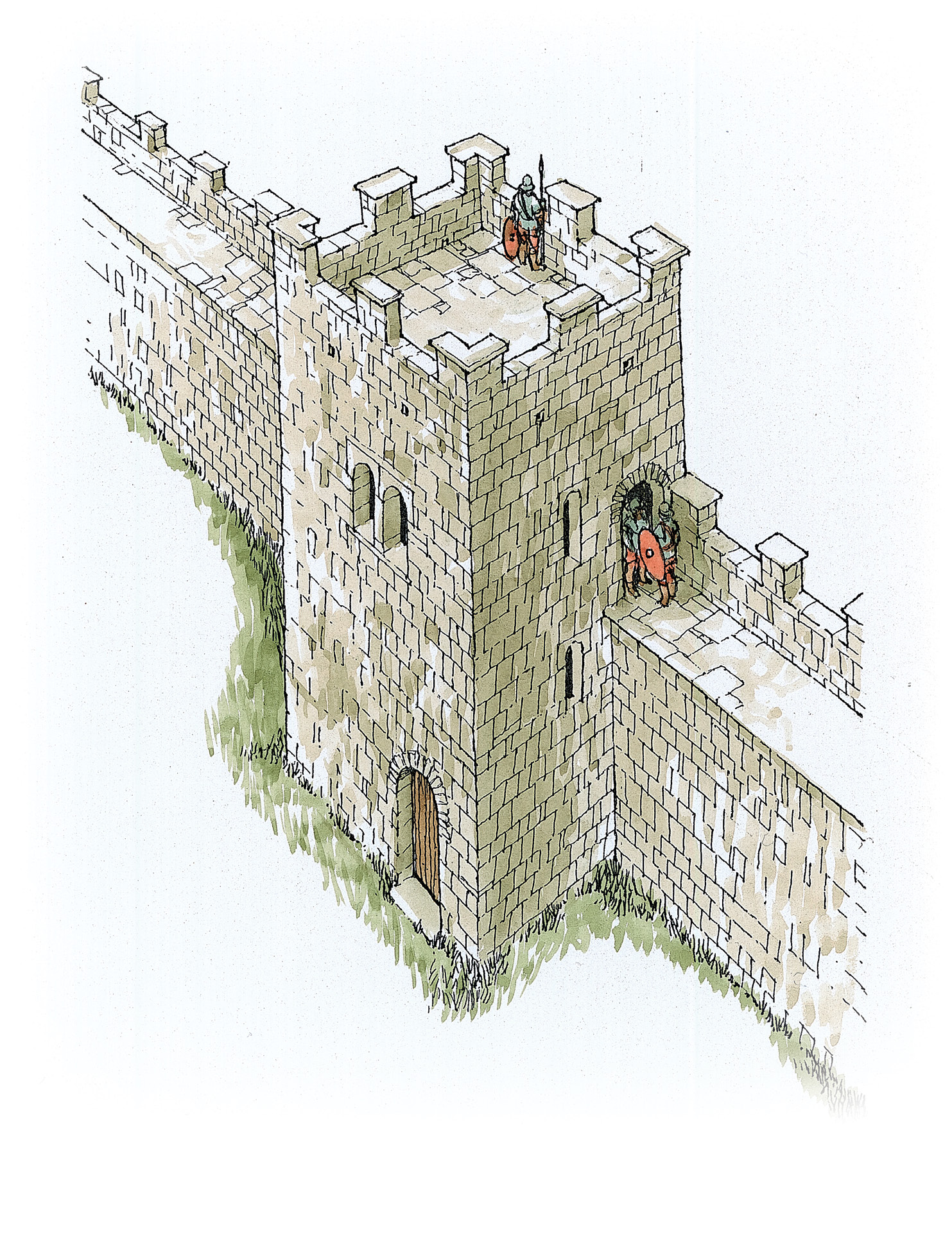
One possible reconstruction of a turret on Hadrian’s Wall. Note the presence of a doorway at ground level, while the turret itself is embedded in the curtain of Hadrian’s Wall. Image: Michael J Moore
The Upper German–Raetian frontier
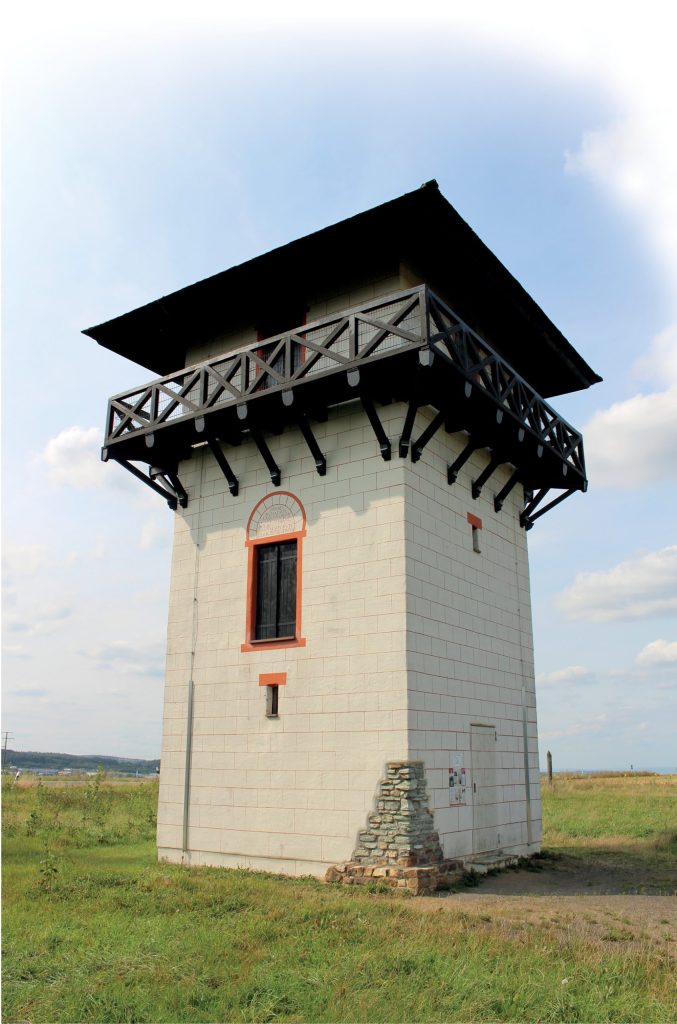
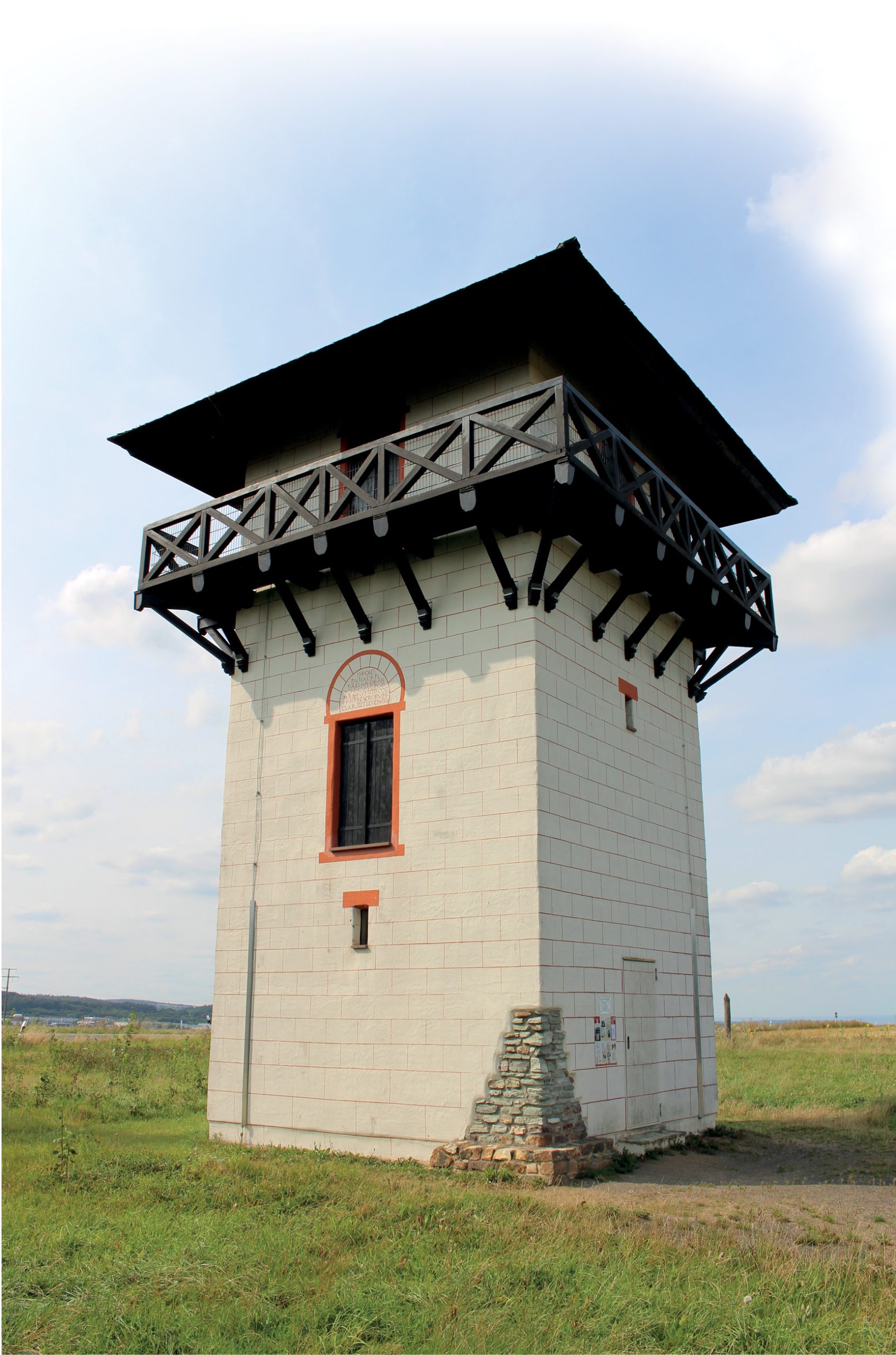
As has been noted, it is estimated that there were about 900 towers along the land frontier in modern Germany, with about half that number known to exist. This frontier fell within the Roman provinces of Upper Germany and Raetia, and ran for roughly 550km in its developed form. Many of these towers were rebuilt once or even more frequently, as their fabric degraded. Not surprisingly, given the length of the frontier and its convoluted chronological development, the situation is complicated. There are both timber and stone towers, square and hexagonal towers; many were protected by a ditch. Unlike on Hadrian’s Wall, the towers are not attached to the frontier barrier. Numerous examples of these posts were examined under the auspices of the Reichs-Limeskommission from 1892 to 1937. While it would be fair to observe that towers have received rather less archaeological excavation in the decades since, several modern replicas have been built.

A section revealing elements of the AD 40s tower at Utrecht. From left to right it shows the V shaped ditch (with an inset image of the reconstructed stakes), the position of the palisade, the drip gully for the tower eaves, the tower’s palisade wall, and a floor with kitchen waste. The timber wrapped in plastic is a corner post from a later tower dating to AD 62. Image: courtesy of Erik Graafstal
Three basic types of tower can be recognised: those with walls that have a solid stone base, which may have continued to the full height of the tower; hybrids with a base formed of both timber and stone; and structures that were entirely timber. It seems as though doors were normally raised above the ground, although some tower entrances were provided at ground level. One key has been recovered from a tower in the northern sector of the frontier, known as Watch Post (WP) 3/62. Keys have also been found at several fortlets, including one on the Outer Limes in Upper Germany, a sector of the frontier that started to be built in the last years of the emperor Antoninus Pius (reigned AD 138-161).
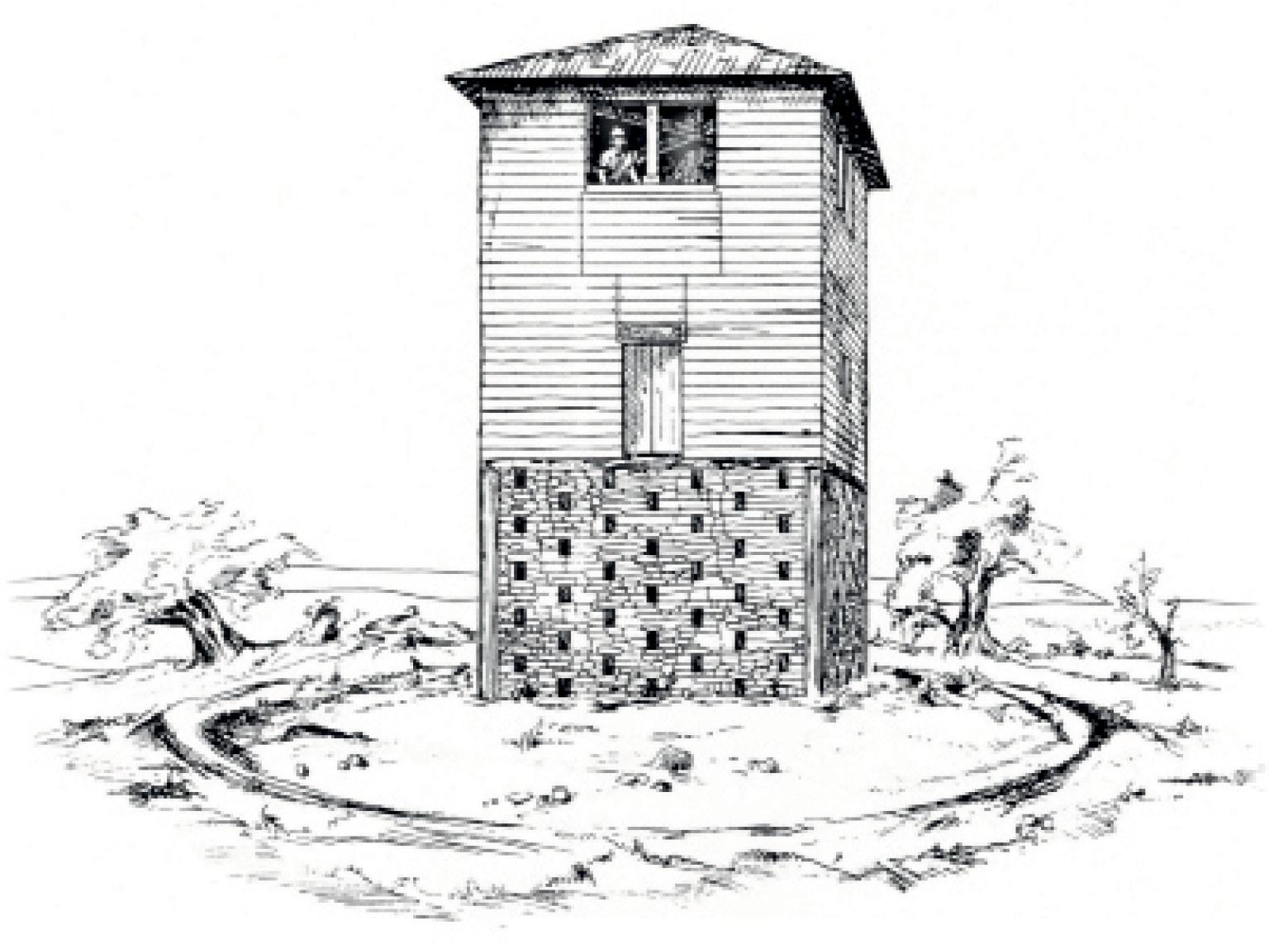
At several towers in the Odenwald sector of the Upper German Limes, fragments of threshold slabs have been recovered bearing sockets for wooden doors, which appear to have been set at an unknown distance above ground level. At WP 10/36, on the same sector, a fragment of a moulded slab was found, which presumably formed the lintel, complete with a rebate for the wooden frame and a socket for the hinge. Elsewhere in the Odenwald stretch, a door hinge was found at WP 1/7.
In the first phase of the frontier in Raetia, wooden towers surrounded by a ditch were built. Later on, these were superseded by stone towers that lacked a ditch, possibly because by this stage a linear barrier was in existence. This might perhaps raise the question of whether the ditches in the wooden towers really served a security purpose or whether they had a different function such as drainage – but, if so, why was this no longer necessary in the stone towers?

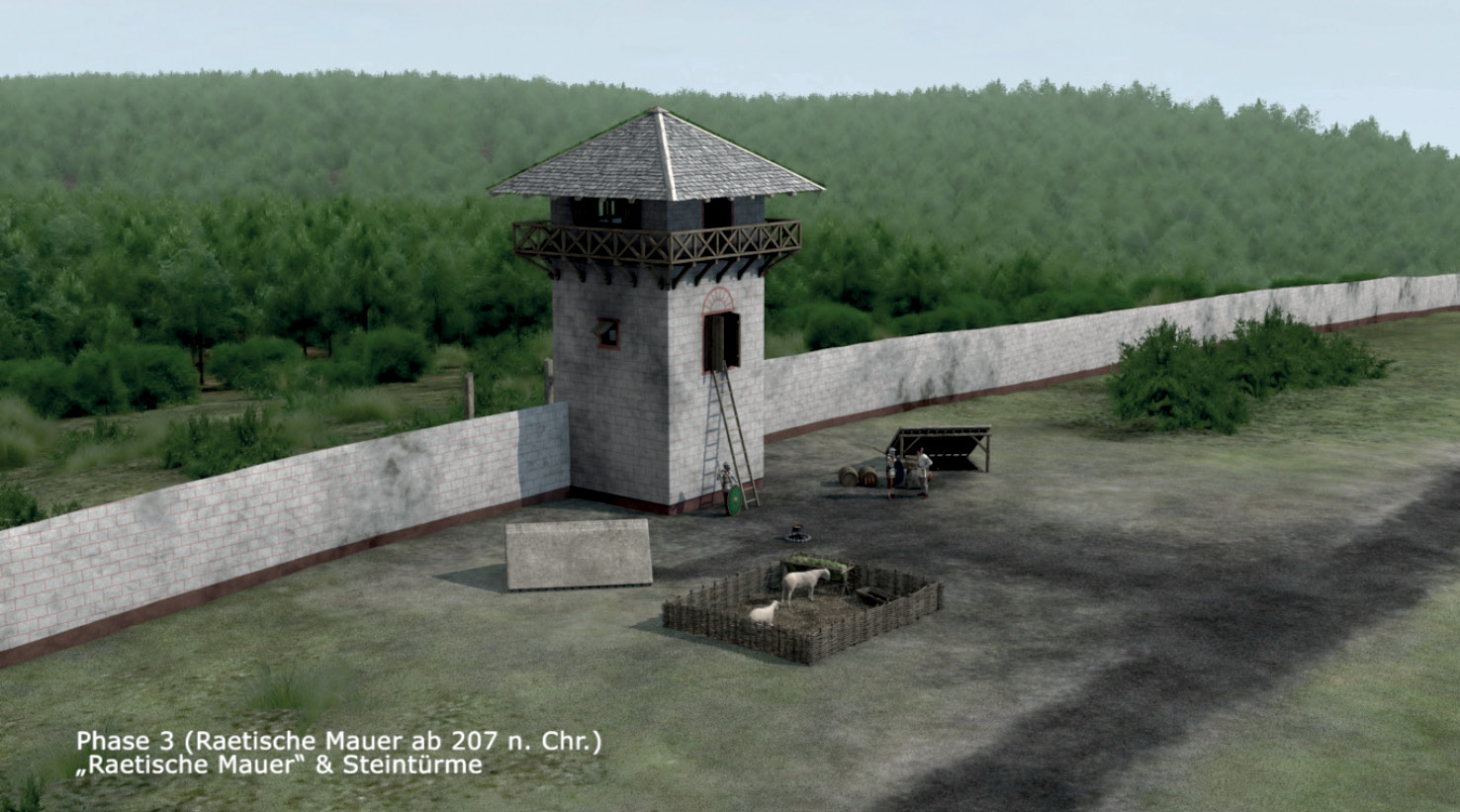
Of these Raetian stone towers that were incorporated into the eventual stone wall (‘Teufelsmauer’), about 20 are known to have had doors at ground level, like on Hadrian’s Wall, while far more had entrances at an upper level. In no case is it possible to determine the exact location of an upper door, as no tower on any of the German frontiers survives high enough to preserve the necessary evidence. It might be thought unnecessary to lock doors that were raised above ground level, but keys have been found at three towers in Raetia (WP 14/15 and 15/35, with two keys from WP 13/50) as well as lock bolts at two (WP 13/50 and 14/12). Most of these finds are from old excavations, and several were badly corroded, so it is not clear what they locked.
Hungary
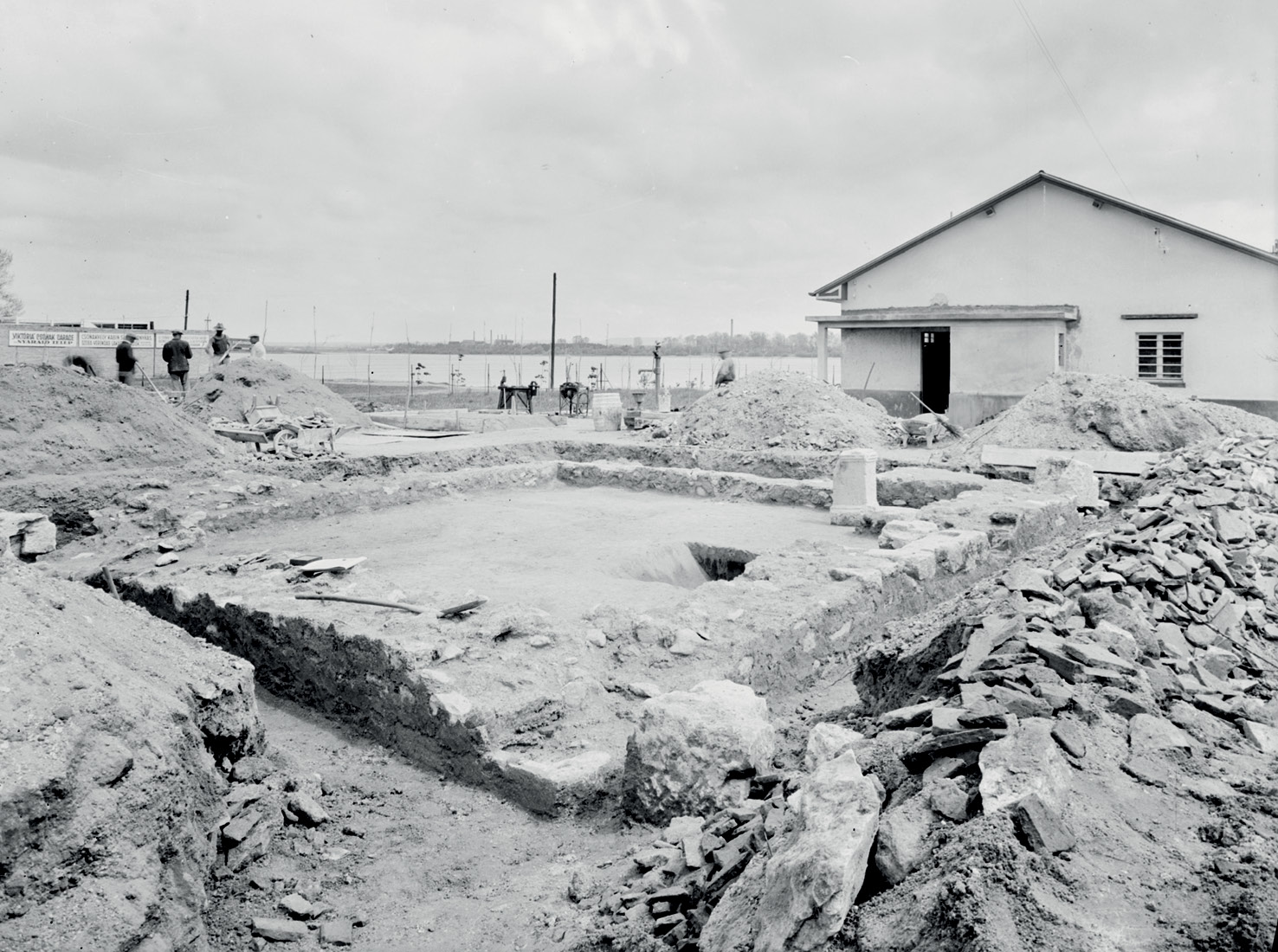
The march of towers – mainly datable to the reign of Valentinian I (AD 364-375), who was an enthusiastic builder of such installations across the empire – continued eastwards down the River Danube, forming a significant element of the late frontier arrangements. Many of these installations were protected by double ditches. Near Budapest, in the Aquincum stretch of this frontier, only one tower (known as the Ulcisia 5 watchtower) has yielded a key, in this case carved from antler. The post was first excavated in 1934 by Lajos Nagy and is said to date much earlier than Valentinian I, specifically to the reign of Commodus (AD 176-192), on the strength of brick stamps found at the site. If correct, this would be the only 2nd-century tower known in the Aquincum sector. In this context, it is worth observing that a rescue excavation conducted just a couple of metres away and also partially inside the tower by Alexandra Nagy in 2016-2017 managed to identify several construction phases based on the finds deposited within different ditches. Notably, though, all of these finds are datable to earlier (end of the 1st century) or later (first half of the 3rd century) than the last decades of the 2nd century. The key itself can be linked to this earlier phase of activity.

Dacia
Many towers were built within the Carpathian Mountains surrounding the province of Dacia in modern Romania. These can be square, rectangular, and round in plan, while some have tiled roofs. Generally, they were not surrounded by ditches, although exceptions to this rule are known. Excavations have revealed several towers with walls standing to between 1m and 1.5m high, with no visible doorways. At Poieni 1, a levelling layer of bricks resembling a threshold was discovered at ground level, but any associated doorway was later blocked up. Although occupation levels, including hearths, have been found in the towers, such spaces must have been accessed from within the tower via an upper floor. Archaeological investigations have only produced a sole key from a tower on the eastern frontier of Dacia.
An open-doors policy?
Our survey has revealed a general lack of keys in towers across the northern frontier of the Roman empire from Hadrian’s Wall to the Black Sea. Only ten keys or parts of bolts have been recovered from over a thousand towers. It is hard to avoid the conclusion that the doors of towers on the Roman frontier in Europe were not routinely locked. A word of caution, however, is necessary. Despite the large number of Roman towers that are known, only a handful have been excavated using modern methods, while keys were generally small items that can – as many of us will know – be hard to find. That risk is all the greater when they may have been corroded over the centuries, making them tricky to recognise. Yet keys have been found at forts and fortlets on frontiers in Britain and Germany, which does suggest that their absence from most towers is meaningful. At the same time, while no keys have been recorded at the towers on Hadrian’s Wall, some sockets for bars appear to have been provided, which would have been more resistant to external pressure than a lock.
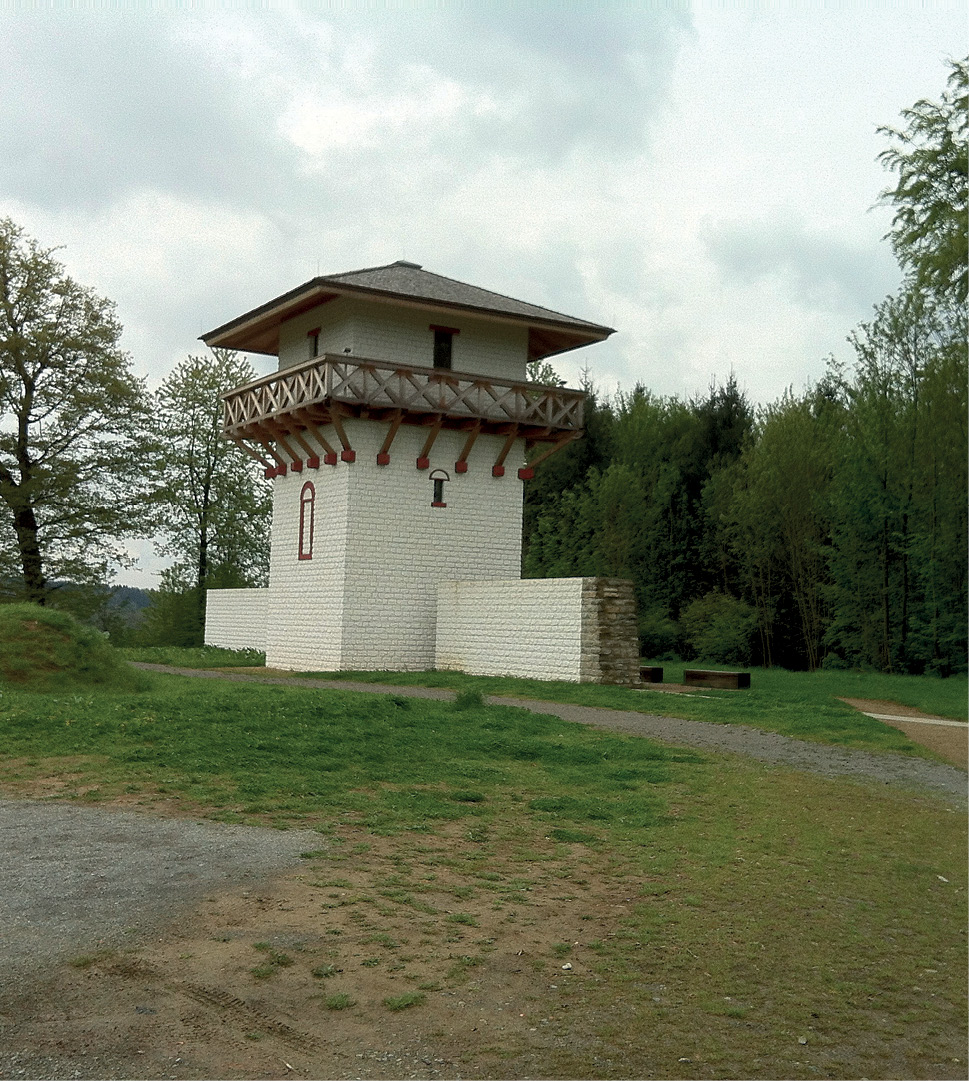
Our investigations have also identified a wide range of tower types. Entrance arrangements vary, with doorways either at ground level or an unknown higher level. The mixture of towers on the frontier in the provinces of Upper Germany and Raetia, some with doors at ground level and others at an upper level, appears particularly puzzling. If it was thought advantageous to have raised doorways, why was this not the case at all towers? Why is there no consistency? Do the differences relate to the perceived threat, or to the building of towers by different construction teams? We can certainly recognise variation in the plans of turrets on Hadrian’s Wall that have traditionally been attributed to the handiwork of building gangs from different legions. Of course, it is difficult to date many towers precisely. The replacement of towers and the various phases of expansion of the frontier may have played a role in the variety of tower types. Even ten years could result in different instructions being issued, different executors carrying them out, and numerous other factors that can hardly ever be proven archaeologically. An alternative possibility is that the nature of the associated linear barrier was a factor. After all, with the exception of towers on frontiers with protective stone barrier walls, the majority of cases point to raised doorways.
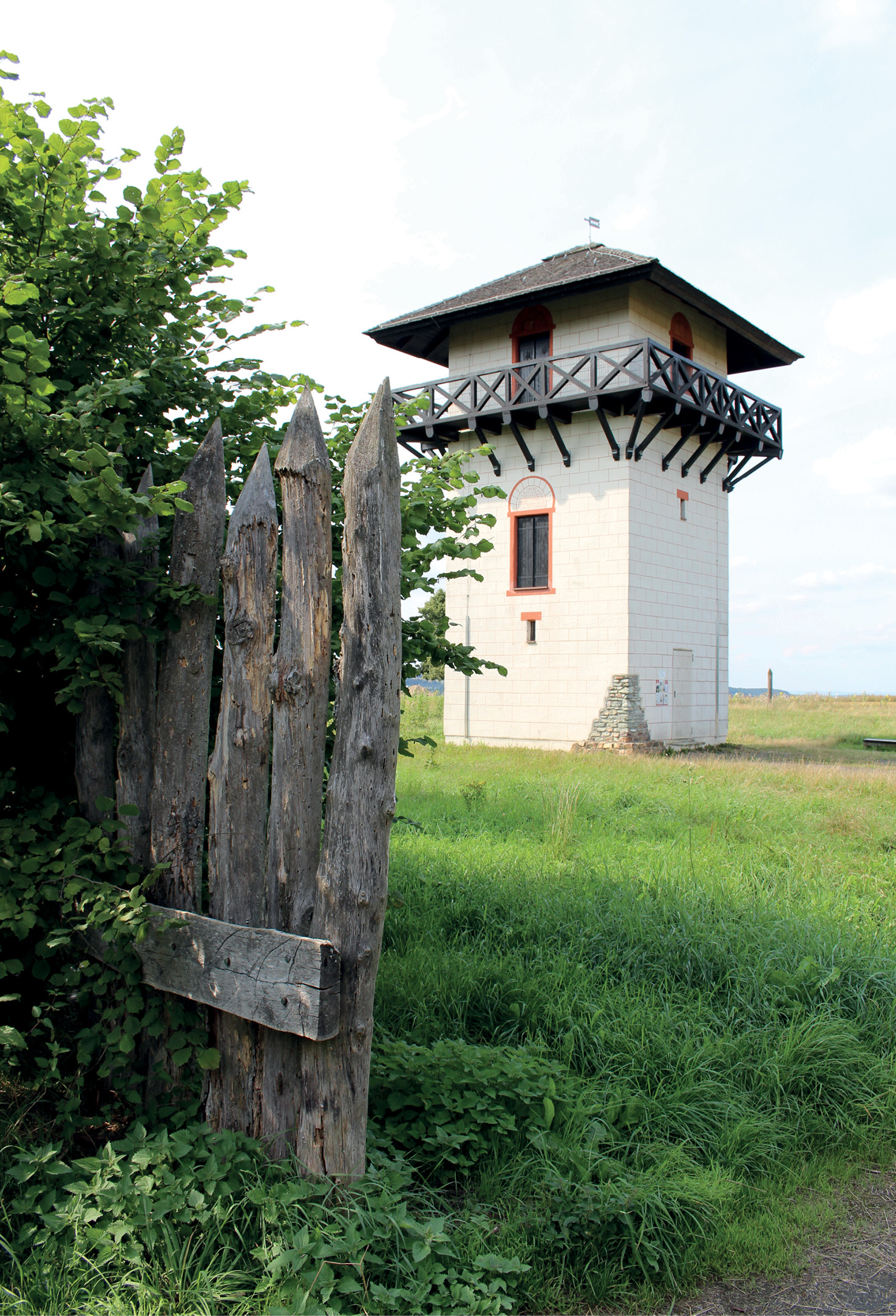
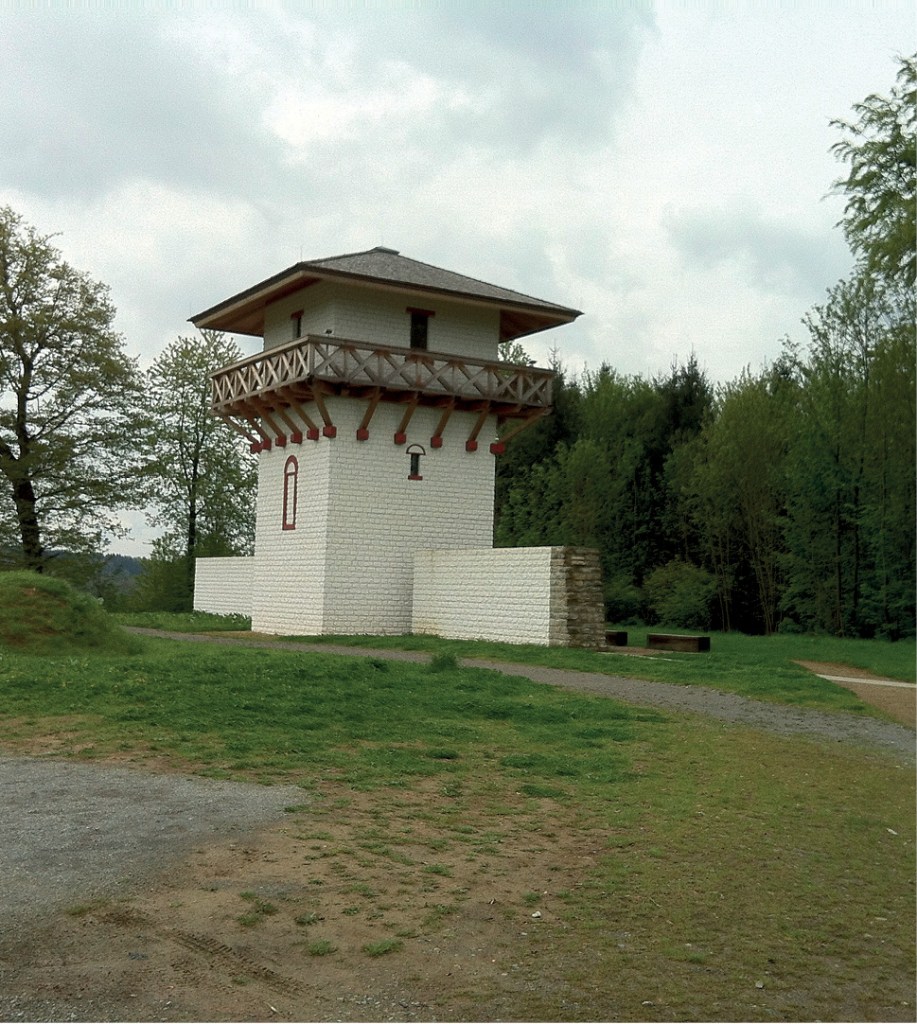
The presumed need for a ladder to access towers with doors above ground level raises various questions. A soldier in the tower could pull up the ladder and store it indoors, but if there were periods when all of the occupants left and the structure became vacant, what happened to the ladder? Was it left propped against the tower wall, leaving the structure vulnerable to would-be thieves, unless the door was locked? Would there have been anything worth stealing? The work of Lindsay Allason-Jones has revealed a lack of evidence for furniture and boxes in the Hadrian’s Wall turrets, suggesting occupants kept most of their possessions elsewhere. This would fit with the garrisons being regularly rotated from larger posts and only manning the turrets for relatively short spells of duty. Some variety to this picture is, though, created by a tower in Dacia that has yielded several items associated with furniture. Even so, would a thief have known the paucity of his or her potential swag?
One solution to the lack of keys would be to presume that, even if the tower occupants were regularly rotated, this was managed so as to ensure that there was always a soldier(s) on duty in each tower and therefore little need to lock or bar the door. Of course, here we are making an assumption that the towers were continually occupied throughout the year; it is possible that they were only held on a seasonal basis, with less need for garrisons in the winter months, perhaps. If so, it is unlikely that anything useful remained in a tower while it was empty, and the occupants would presumably have also locked the door when they left, if the option existed.

This reconstruction shows one of the towers forming part of the Gask sequence in Scotland during the 1st century AD. As well as the tower itself, these posts could incorporate ditches and turf outworks. Image: Michael J Moore
It is also important to acknowledge that there will have been changes dependent not only on whether an individual post formed part of a chain or stood in comparative isolation, but also on how the frontiers developed over time, potentially bringing changes to the role of the towers along them. The frontier in Raetia provides an example of just how significant developments over time could be. In its first phase, the timber towers were built as a cordon that existed without an associated linear barrier; the towers were duly surrounded by a ditch. By the time their stone successors were installed, a linear barrier was in place, and it was not felt necessary to equip the new masonry posts with ditches. Equally, towers erected in freshly conquered territory or in potentially hostile terrain may have been provided with additional protection, as indicated by the example at Utrecht in the Netherlands.
The lack of keys at towers on the frontier could, then, suggest a lack of concern for security, but needs to be balanced against other measures designed to boost safety. Several towers were founded in isolated settings well in advance of the frontier line. So far as we can see, extra protection was not available, beyond the raised doorways and ditches that could be found elsewhere. What was the attitude of the Roman army to these outposted men? Did they assume that they were unlikely to be attacked? Or did the army not mind if they lost a few soldiers? One surviving document dating to the reign of Hadrian from the Eastern Desert of Egypt is instructive. After an attack on the Roman fortlet at Patkoua that played out over the course of two days, a report was circulated among the commanders of other stations in this frontier zone alerting them to be vigilant. This certainly points to an attitude of care.
The ditches surrounding so many towers, the provision of sockets for bars, and the placing of doors are all aspects of security provided for the soldiers guarding Rome’s frontiers. It seems unlikely that keys were routinely provided so that they could lock their doors, but, in reality, the jury is still out.

Further Reading:
• David J Breeze (2011) The Frontiers of Imperial Rome (Pen & Sword).
• A series of 18 multi-language books (with a further two in Arabic) in the Frontiers of the Roman Empire series, all written by specialists on their frontiers, has been published by Archaeopress: http://www.archaeopress.com.
• D Baatz (1993) Der Römische Limes: Archäologische Ausflüge zwischen Rhein und Donau (Berlin).
• C Matesic and S Sommer (eds) (2015) At the Edge of the Roman Empire: tours along the limes in southern Germany (Deutsche Limeskommission).
• Z Visy (ed.) (2003) The Roman Army in Pannonia: an archaeological guide of the Ripa Pannonica (Pécs).
All images: courtesy of David J Breeze, unless otherwise stated