Cover Story
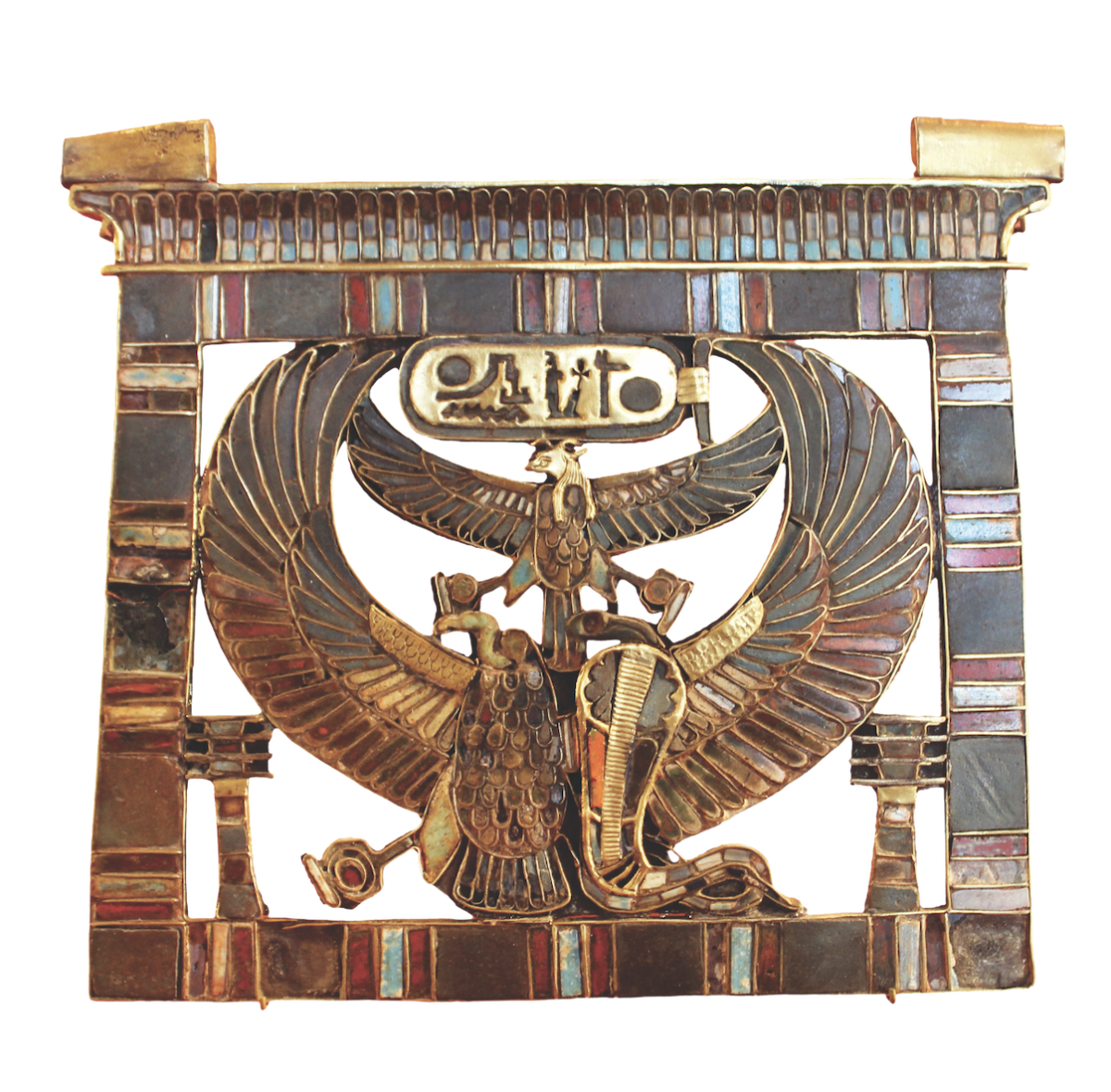
 The silver pharaohs: The treasures of Tanis Roger Forshaw describes the discovery of the first intact royal tombs in Egypt and explains the importance of the treasures discovered there by French Egyptologist Pierre Montet.
 Features
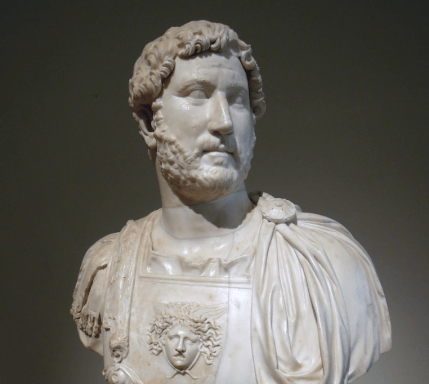 Antinoöpolis: Why did Emperor Hadrian build a city in Egypt? Barbara Gai explores Hadrian’s obsession with a young Greek boy and the events that led to the founding of Antinoöpolis in Middle Egypt.
 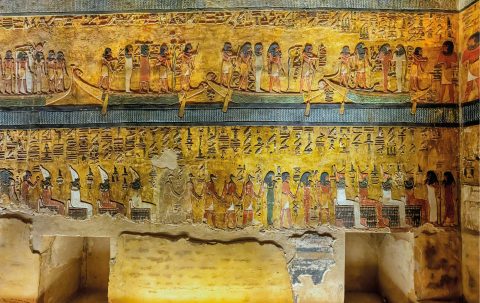 The development and construction of watercraft Gordon Longworth traces the evolution of ancient Egyptian watercraft over the millennia and uses his skills as a model-maker to illustrate how they were built.
  Ani’s life after death – 2: Mummification and Burial Andrew Fulton continues his series exploring specific vignettes from Ani’s Book of the Dead.
  The First Egyptologists Alan Lloyd considers the motives of certain individuals from antiquity for studying ancient Egypt. Were they Egyptologists?
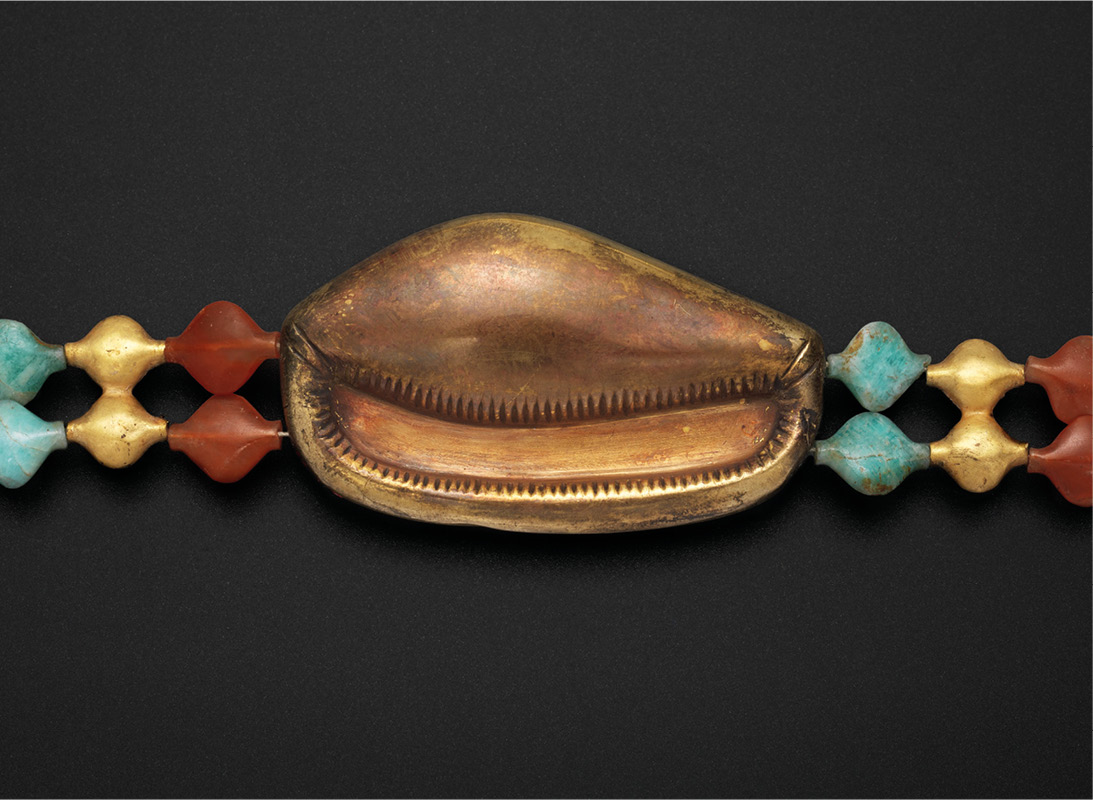
  Hilary Wilson on… Earrings For this issue, Hilary turns her attention to one form of jewellery worn by both women and men in ancient Egypt.
 News
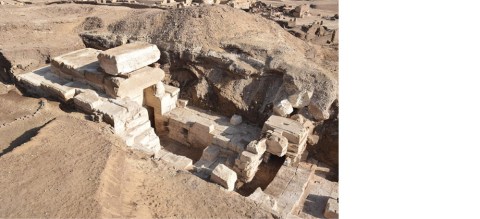 Athribis pylon A joint German–Egyptian team excavating the western side of the Great Temple of Athribis (Sohag) has uncovered the remains of a temple pylon. Measuring 51 metres in length, the pylon…
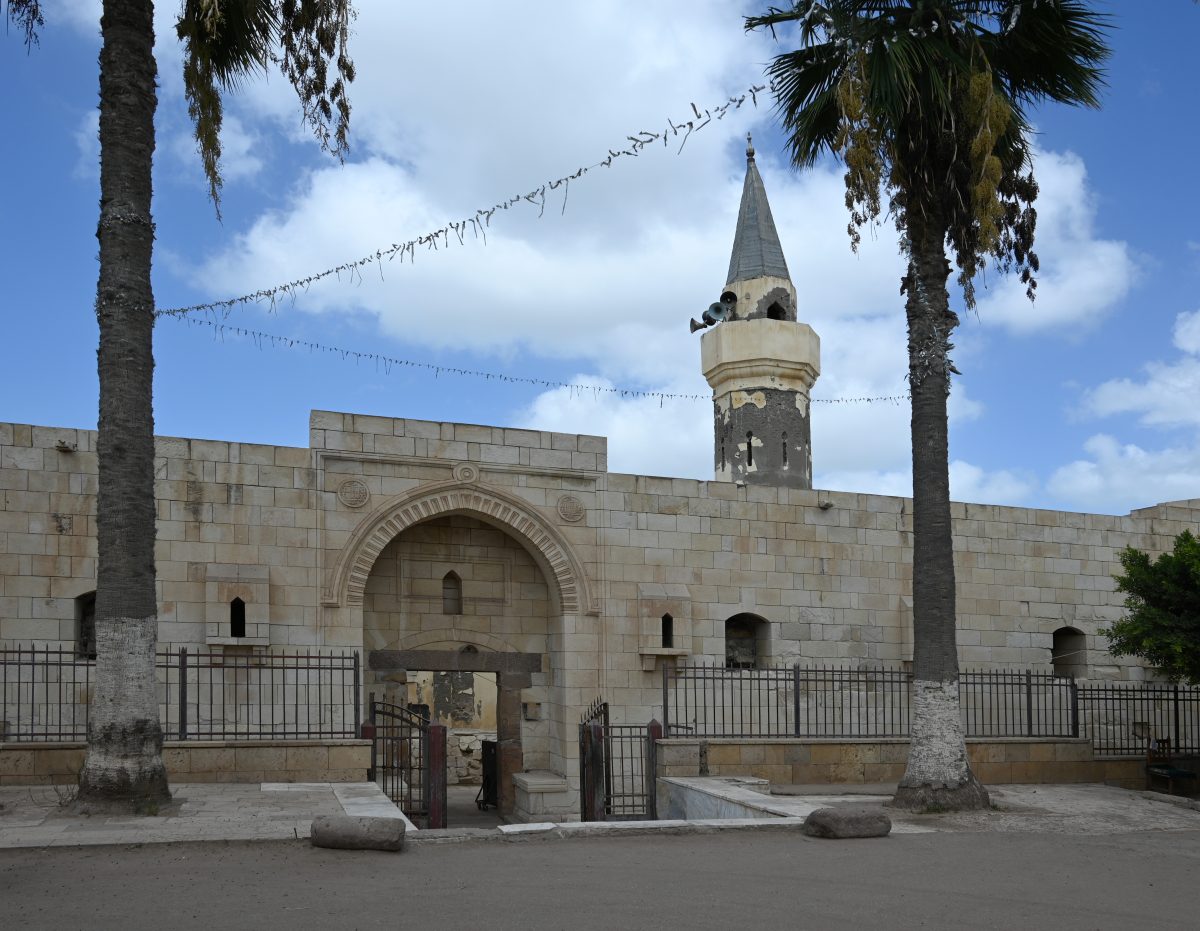
 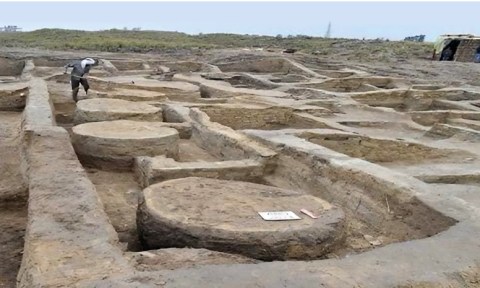 Berenike discoveries An Egyptian mission has discovered a military fort at Tell el-Abqain (Beheira Governorate), in the north-west Delta. The fort was a key military outpost on the western military road, an…
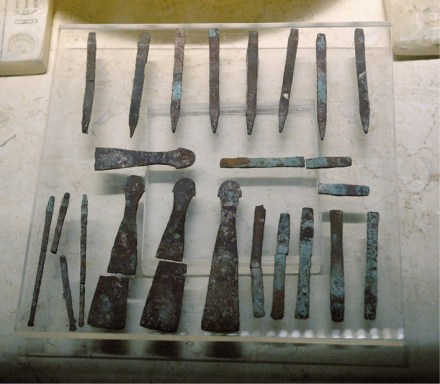
  Ancient mirrors New research from the University of Liverpool (Journal of Archaeological Science: Reports, October 2024) has given insights into how ancient Egyptian mirrors were manufactured. Metallurgical analysis on 19 Egyptian mirrors…
  Ancient metal contamination Evidence for the world’s first case of metal contamination has been discovered in the sediments of an ancient harbour at Giza. The harbour, close to the Great Pyramid of Khufu,…
 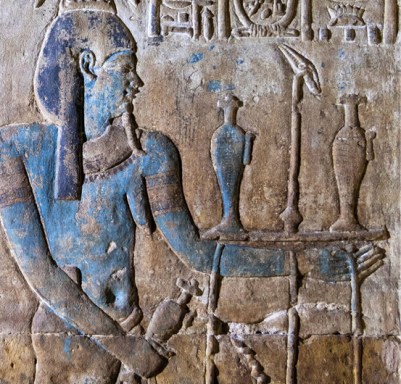 Restoration at Edfu and Esna The original colours of scenes inside the Temple of Edfu are now visible following cleaning and restoration work by a team from the University of Würzburg and the Supreme Council…
 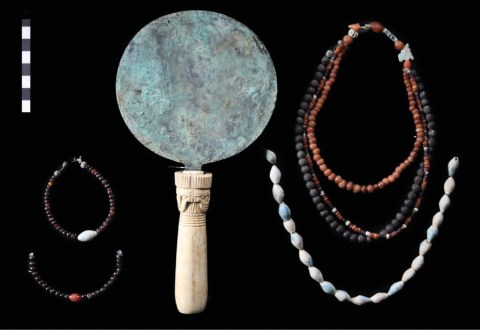 Middle Kingdom finds Intact burials containing a collection of beautiful jewellery have been discovered by the joint Egyptian-American South Asasif Conservation Project in a tomb located near the Twenty-fifth Dynasty Tomb of Karabasken…
 Views
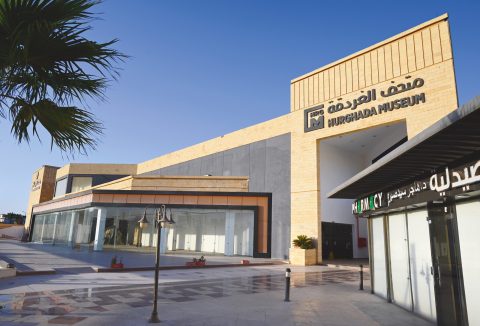 The Hurghada Museum Travel Geoffrey Lenox-Smith visits the antiquities museum in Hurghada and comes face to face with the ‘White Queen’.
 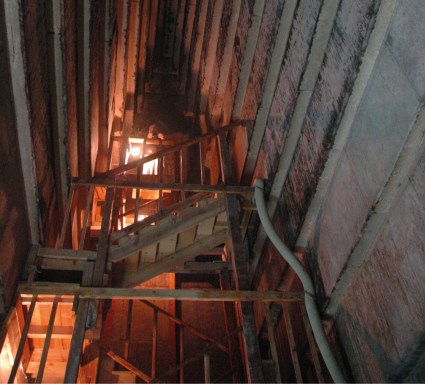 Win a copy of Riddle of the Sphinx: An Ancient Egyptian Puzzle Book by Trevor Naylor Competitions Where is this? If you know, email the Editor peter@ancientegyptmagazine.com before 28 February with your answer, giving your full name, address, and a contact phone number. One lucky reader will…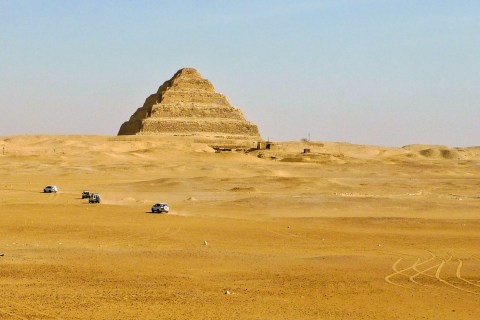
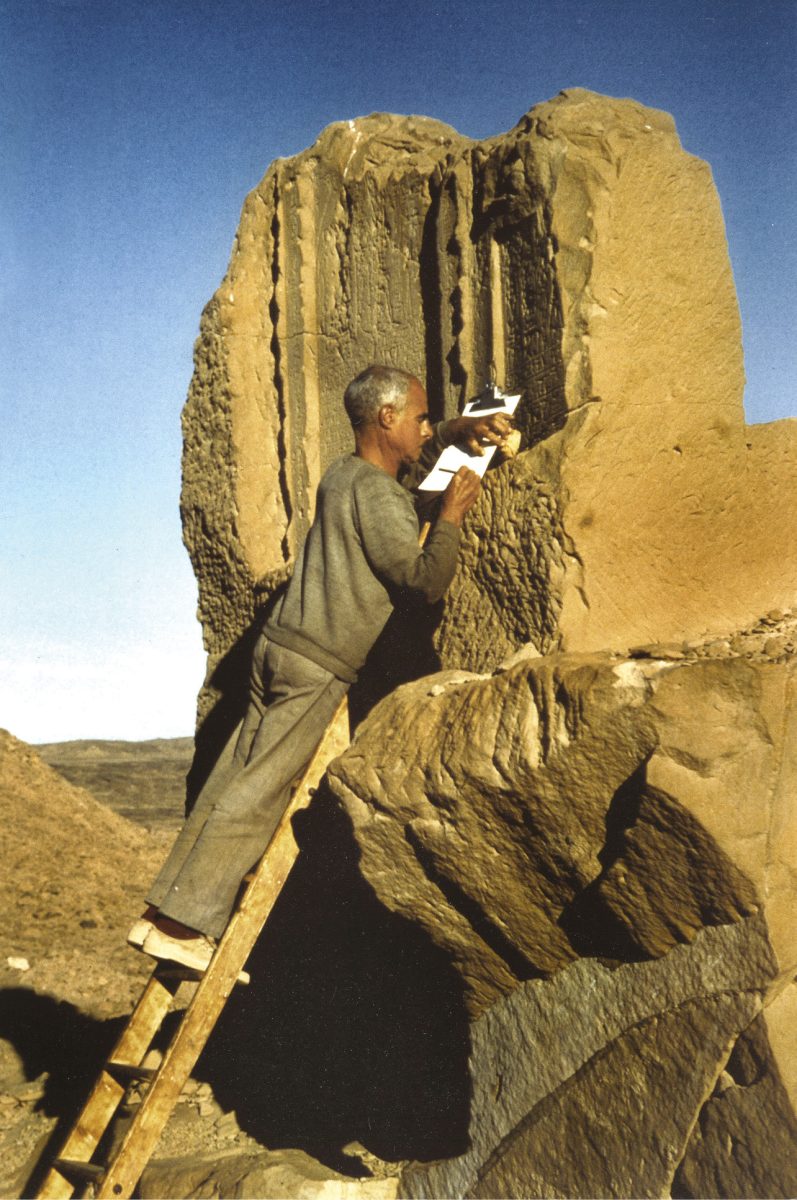
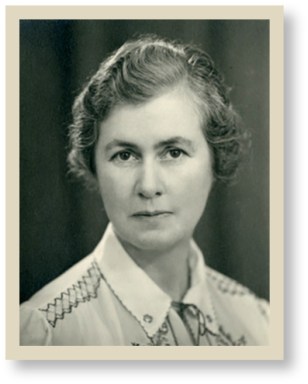 Gertrude Caton-Thompson at Hemamieh The Picture Desk Celebrating the work of the British pioneer of Egyptian prehistory.
 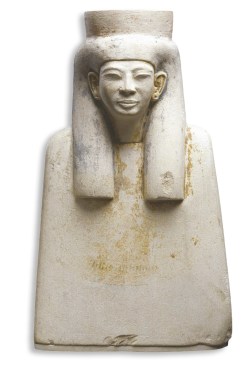 Ancestral bust of a woman Objects Dr Campbell Price describes an unusual statue bust from the Brooklyn Museum of Art.
  Ancient Egypt December listings What's on BETWEEN PRAGUE AND CAIRO: 100 YEARS OF CZECH EGYPTOLOGY A century of Czech archaeology in Egypt and Sudan is celebrated in a new exhibition presenting the work of the Czech…
 Reviews
The Hurghada Museum Geoffrey Lenox-Smith visits the antiquities museum in Hurghada and comes face to face with the ‘White Queen’. Ancient Egypt December listings BETWEEN PRAGUE AND CAIRO: 100 YEARS OF CZECH EGYPTOLOGY A century of Czech archaeology in Egypt and Sudan is celebrated in a new exhibition presenting the work of the Czech…  Current Research in Egyptology 2022: Proceedings of the Twenty-Second Annual Symposium, Université Paul-Valéry Montpellier 3, 26-30 September 2022 REVIEW BY ROGER FORSHAW The 22nd Current Research in Egyptology (CRE) conference in Montpellier hosted around 250 attendees in person and online from different institutions around the world, and covered…
  The Last Dynasty: Ancient Egypt from Alexander the Great to Cleopatra REVIEW BY SARAH GRIFFITHS This latest narrative by Toby Wilkinson is written in his usual engaging style, drawing on the usual Greek and Roman sources, but also some 50 archives…
  Tourism in Egypt through the ages: A historical guide REVIEW BY CATHIE BRYAN Tourism in Egypt currently supports a profitable industry that was consolidated in the 19th century, when package tours were first introduced. The author’s objective is to…
  Addressing Diversity: Inclusive Histories of Egyptology REVIEW BY ANNA GARNETT Egyptology is constantly being redefined and reinterpreted to recognise more inclusive histories, helping to recentre traditional narratives. This fascinating volume brings together a range of international…
  Motherhood and Early Childhood in Ancient Egypt: Culture, Religion and Medicine REVIEW BY HILARY WILSON Amandine Marshall’s book, originally published in French in 2015, is a companion to her Childhood in Ancient Egypt (AUC, 2022). In the foreword to this English-language…
From the editor
To modern eyes, the use of silver for the coffins of the pharaohs buried at Tanis, as described by Roger Forshaw, seems strange. We might expect to see something like Tutankhamun’s solid gold coffin, especially in the undisturbed tombs. Was this an indication that the pharaohs of the Twenty-first Dynasty were impoverished compared with those of the Twentieth Dynasty? Not so, because, for most of Egypt’s history, silver was valued more highly than gold. Whereas gold could be obtained relatively easily from Nubia in the south, silver had to be imported from much further afield. We associate silver with tarnishing caused by sulphur compounds polluting the atmosphere, but this must have been much less of a problem in ancient Egypt before the advent of the Industrial Revolution.
On the other hand, the Tanite pharaohs did find it necessary to reuse all manner of objects and materials from previous dynasties, from granite obelisks to gold jewellery. These must all have been transported to Tanis on the universal highway that was essential to the creation and maintenance of the ancient civilisation – the River Nile. Gordon Longworth has made a study of the details of the construction of the vessels that plied the river, and has even made detailed models of them.
Alan Lloyd has chosen four individuals from the ancient society who were evidently interested enough in the past to study it, and asks what their motives for doing so might have been. Could they be classed as Egyptologists?
Tourists visiting Hurghada on the Red Sea coast do so mainly to enjoy the Egyptian weather, the sands, and the water sports. But perhaps a few may visit the museum there in which, as Geoffrey Lenox-Smith discovered, they could have a crowd-free opportunity to examine some of the objects from Tutankhamun’s tomb that visitors queued to see in London.
There is little to see now of the city of Antinoöpolis, founded by the Roman emperor Hadrian in commemoration of his lover, but Barbara Gai reveals the importance and grandeur that it once enjoyed. I wonder if Antinous wore earrings? As Hilary Wilson points out, ear jewellery was fashionable for both men and women in ancient Egypt.
J Peter Phillips, Editor