
Subscribe now for full access and no adverts
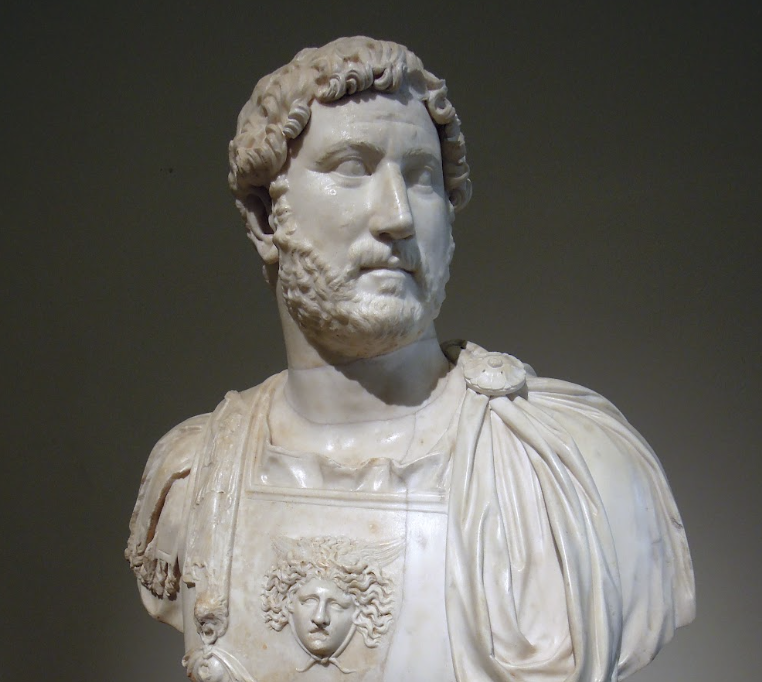
Publius Aelius Trajan Hadrianus (Hadrian) was born in AD 76 in Italica, a settlement close to modern-day Seville in Andalucia, Spain. Originally from the town of Hadria (eastern Italy), his family had emigrated to Spain some 250 years earlier, and over time had become important members of Italica’s aristocracy. With the help of Emperor Trajan, to whom he was related by marriage, the young Hadrian took up a senatorial career in Rome and, as Quaestor, supported Trajan in the Dacian War (AD 101-106). He was later entrusted with the government of Syria, and made responsible for dealing with the revolt of the Jews of Mesopotamia and Cyrenaica. According to some sources, Trajan adopted Hadrian as his successor on his deathbed, but other sources suggest it was Trajan’s wife Plotina who arranged the succession, keeping the Emperor’s death a secret for a few days to ensure the act of adoption could be completed. Trajan died in Cilicia on the way back to Rome in AD 117, and Hadrian was proclaimed Emperor by the army, and later officially recognised by the Senate.

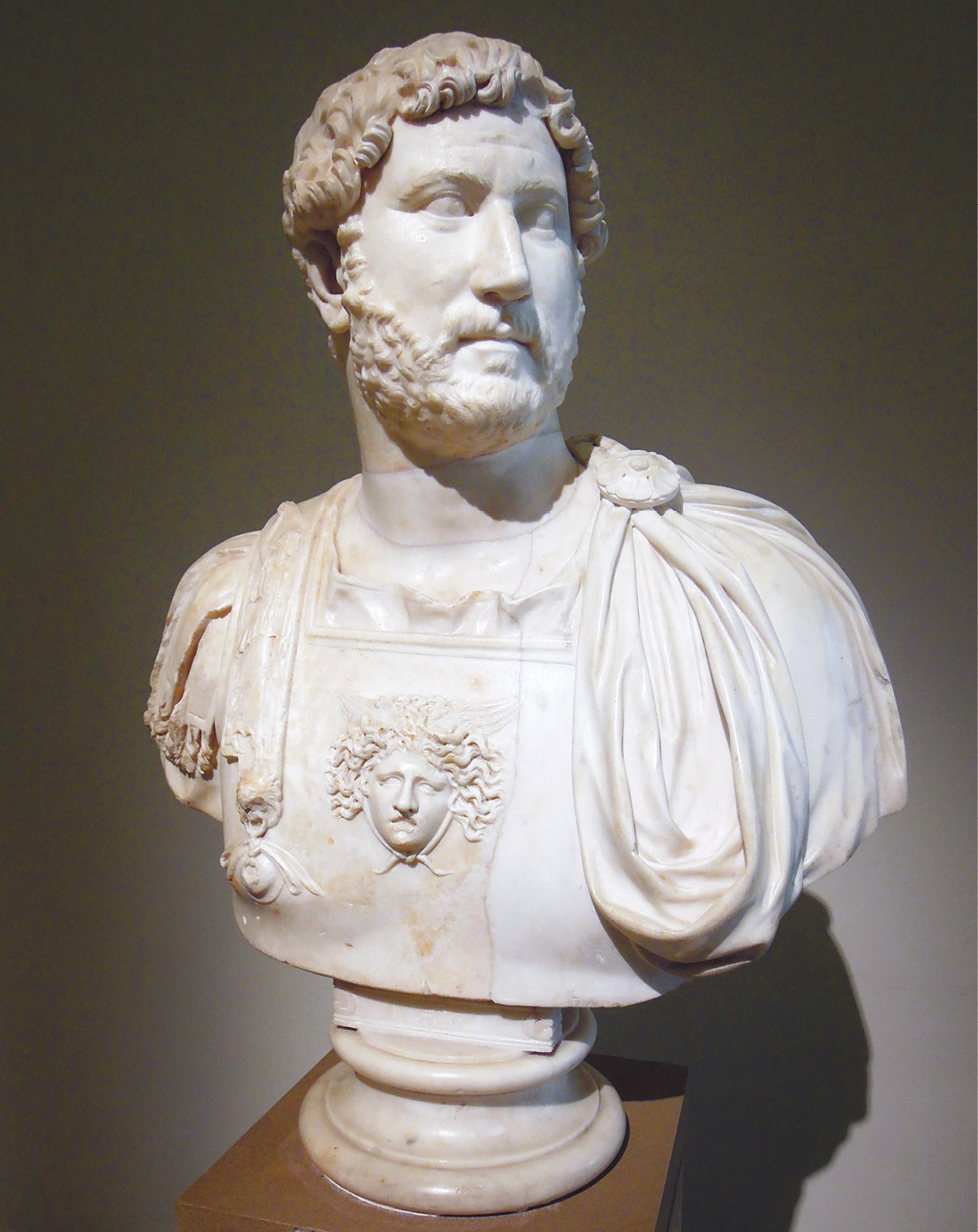
The Emperor Hadrian
Hadrian was considered by almost all sources to be a good emperor. In the period in which he held the government of Rome (AD 117-138), the city grew in economic wealth and cultural splendour, and new cities were founded in other parts of the empire. A valiant soldier, Hadrian had a keen interest in Egyptian mysticism and magic, as well as literature, music, painting, sculpture, architecture, and philosophy. He wrote prose and poetry in both Latin and Greek, and his love of Hellenistic culture in particular was so well known that in Rome he was called ‘Graeculus’ – ‘the little Greek’ – a derogatory term referring to an effeminate man. In short, Hadrian was an emperor who was born Roman but lived as a Greek.
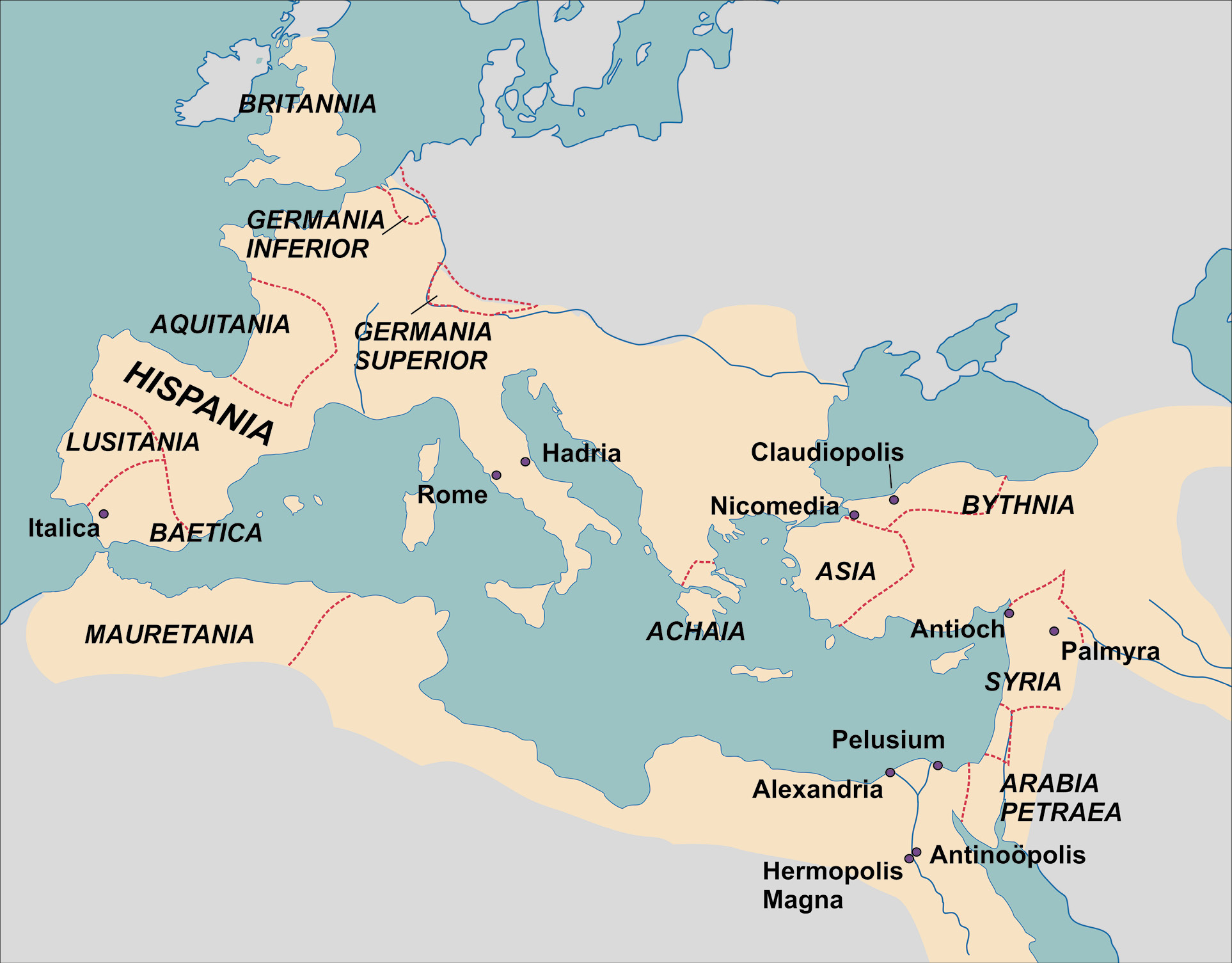
Unusually for the time, Hadrian had a passion for travel, and he explored every inch of the vast empire, including Germania (the Rhine and Danube area), Aquitania (Gaul), Hispania (Spain), Mauretania, Asia (Anatolia), Achaea (Greece), and eastern provinces such as Egypt (in AD 129-134).
Antinous
In AD 123, following a visit to Britain, Hadrian travelled to the Roman province of Bithynia in Asia Minor (modern-day Turkey). He was there to supervise the reconstruction work he had financed in the city of Nicomedia after the city had been hit by an earthquake. It was in Nicomedia (or possibly in nearby Claudiopolis) that Hadrian first saw the young Greek boy Antinous.
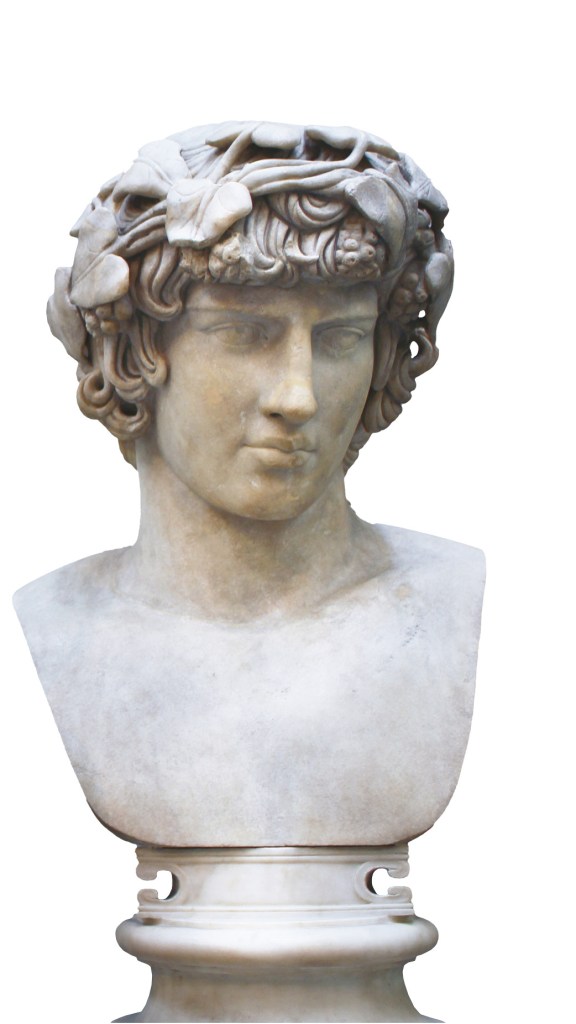
Antinous was born in Claudiopolis around AD 110, but everything we know about his life is limited to his relationship with Hadrian. The Emperor was smitten by the boy’s beauty and intelligence. Antinous soon became Hadrian’s lover and favourite, and the couple developed a close bond of mutual affection, appreciation, and respect. Hadrian took the boy with him to Rome, where he was placed in one of the most prestigious schools and taught rhetoric, philosophy, and other Classical disciplines. This education prepared him for life in the sophisticated and often dangerous imperial court. Hadrian loved hunting, and Antinous, who shared this passion, accompanied the Emperor as he hunted wild boar and lions. From AD 125, Antinous lived with Hadrian in his villa at Tivoli, about 28 km from Rome, and from AD 128 he followed the Emperor on his travels to the provinces. Except for these few details, we know very little about the life of Antinous until he met his tragic end in Egypt.
In AD 130, after a long stay in Greece, Hadrian and his court arrived in Syria (Antiochia, Palmyra), then moved to Arabia, finally reaching Judaea (Jerusalem, Gaza). From there, he travelled to Egypt, first to Pelusium and, on 28 August of that same year, to Alexandria, arriving on the eve of the Feast of Osiris celebrations. After ordering the renovation of the Serapeum of Alexandria, and offering a funeral sacrifice to Pompey the Great (who had been murdered in Egypt in 48 BC), Hadrian and his followers began a journey up the Nile to admire the wonders of Egypt.
At the end of October, the party was sailing close to the city of Besa, near Hermopolis Magna (modern el-Ashmunein), when Antinous fell into the waters of the Nile and drowned. The real circumstances of his death remain shrouded in mystery. Hadrian himself claimed in his autobiography (a lost work written under the pseudonym ‘Flegone’) that Antinous had fallen accidentally, but he was certainly surrounded by people who may have been willing to murder the Emperor’s favourite.
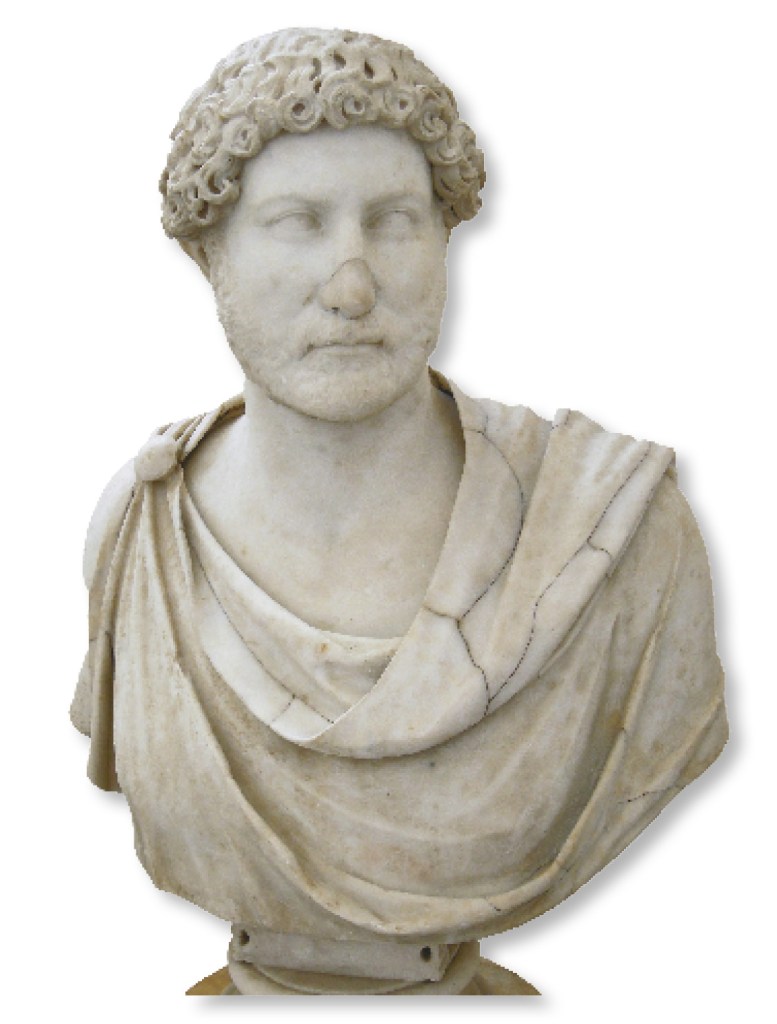
Above & below: Emperor Hadrian and his wife Vibia Sabina.
Images: SG (above); Dalv89 CC BY 4.0 via Wikicommons (below)
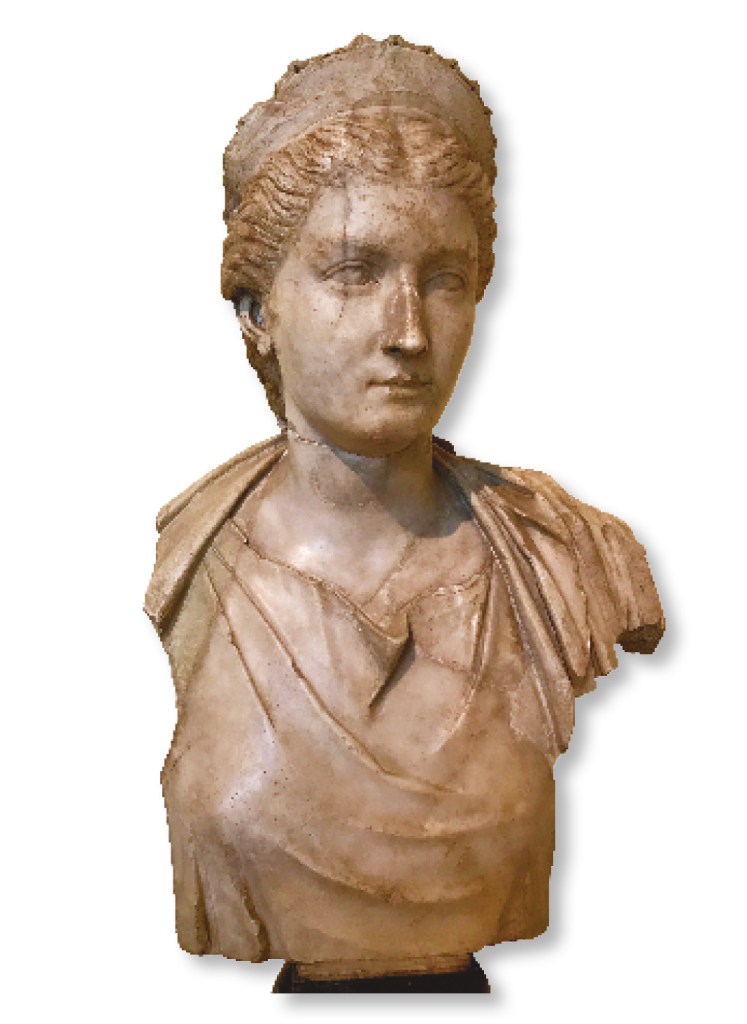
Antinous had made numerous enemies who were envious of his influence over Hadrian. As Hadrian’s wife Vibia Sabina had failed to give him a son and heir, some feared the Emperor might adopt Antinous as his successor. Vibia Sabina had accompanied her husband on his many journeys but, while she held many titles and honours, she could not compete with Antinous for the Emperor’s affections.
So was Antinous’ death an accident or murder? Or could it have been suicide? Some ancient sources suggest that Hadrian, known to be very superstitious and easily influenced by the magic arts, had needed someone to sacrifice themselves to ensure he could enjoy a long life. Antinous may have been the only volunteer and had willingly thrown himself into the Nile.
Antinous the God
The truth about the death of Antinous is lost forever, but what is clear is that Hadrian was devastated at the loss of his lover, to the point that his despair caused a sensation. The death of Antinous haunted Hadrian to the end of his days, and he became obsessed with memorialising his lost friend. He declared 27 November – Antinous’ birthday – a public holiday, and many coins were made bearing the image of the young man. In an unprecedented act, Hadrian had his young lover deified without seeking the approval of the Senate. This act caused outrage, as divinisation was an honour granted only to members of the imperial family. At this time, the birth of a new star was observed, which Hadrian soon identified as being the soul of Antinous, who had ascended to heaven.
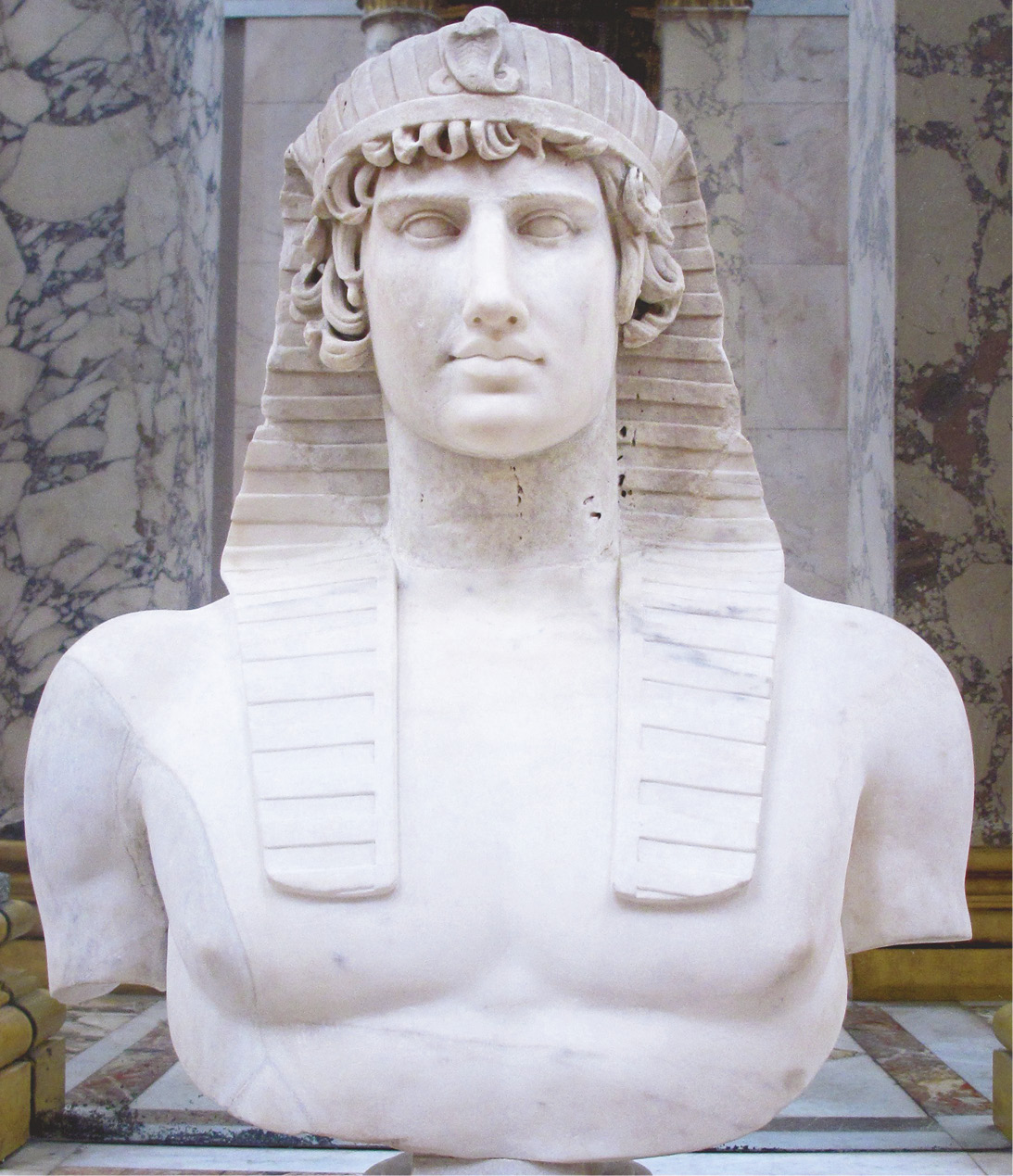
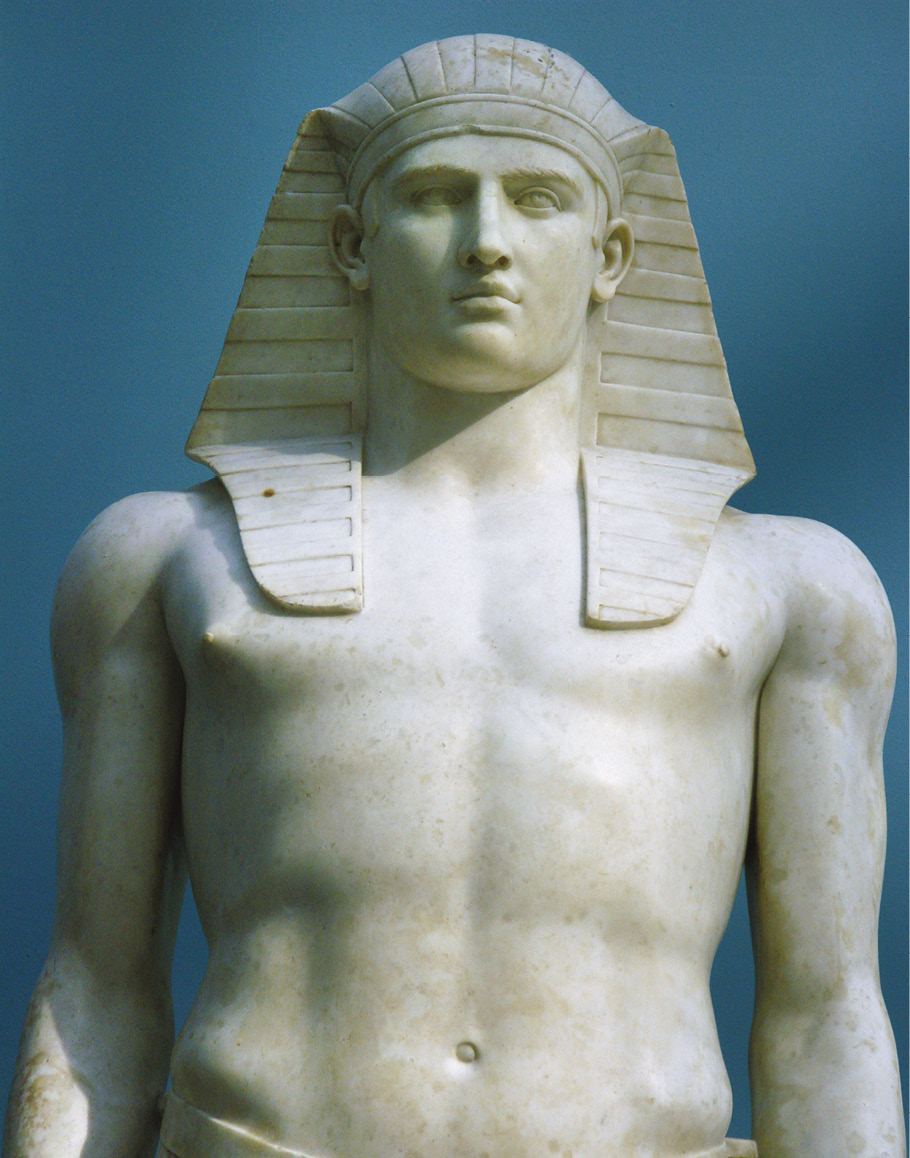
Statues of Antinous the God were erected in temples and sanctuaries across the empire. Hundreds of portraits of exquisite workmanship were created, reproducing the boy’s sensuality and beautiful features: the pronounced lips, and the curly, thick hair framing a melancholy face. He was also depicted with the attributes of divinities such as Hermes, Osiris, Dionysus, Apollo, and others. One of the most famous statues of Antinous shows him as Osiris, wearing a royal nemes headdress: it was found in 1740 near Hadrian’s Villa at Tivoli. This is one of 115 surviving statues, but it has been estimated that more than 2,000 were sculpted. The cult of Antinous spread throughout the empire to the extent that it threatened the popularity of the cult of Isis and greatly scandalised the Christians, who did everything they could to destroy his statues.
Antinoöpolis
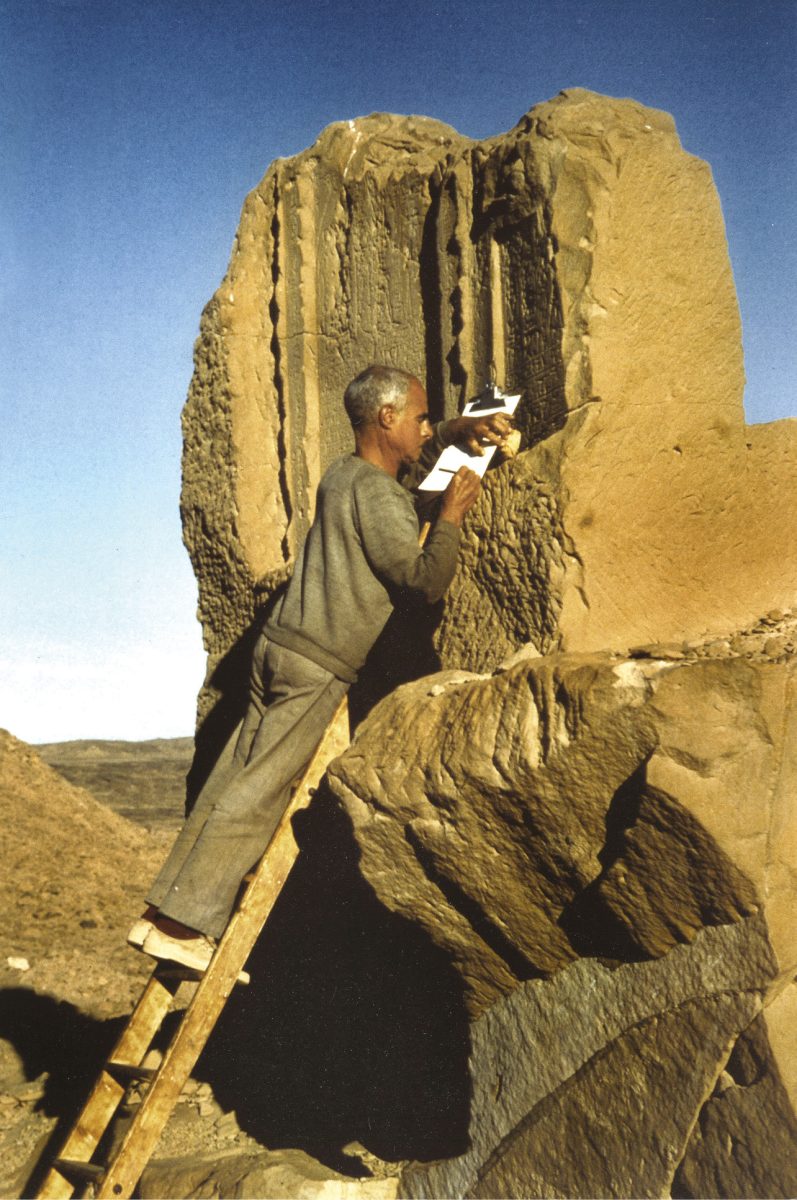
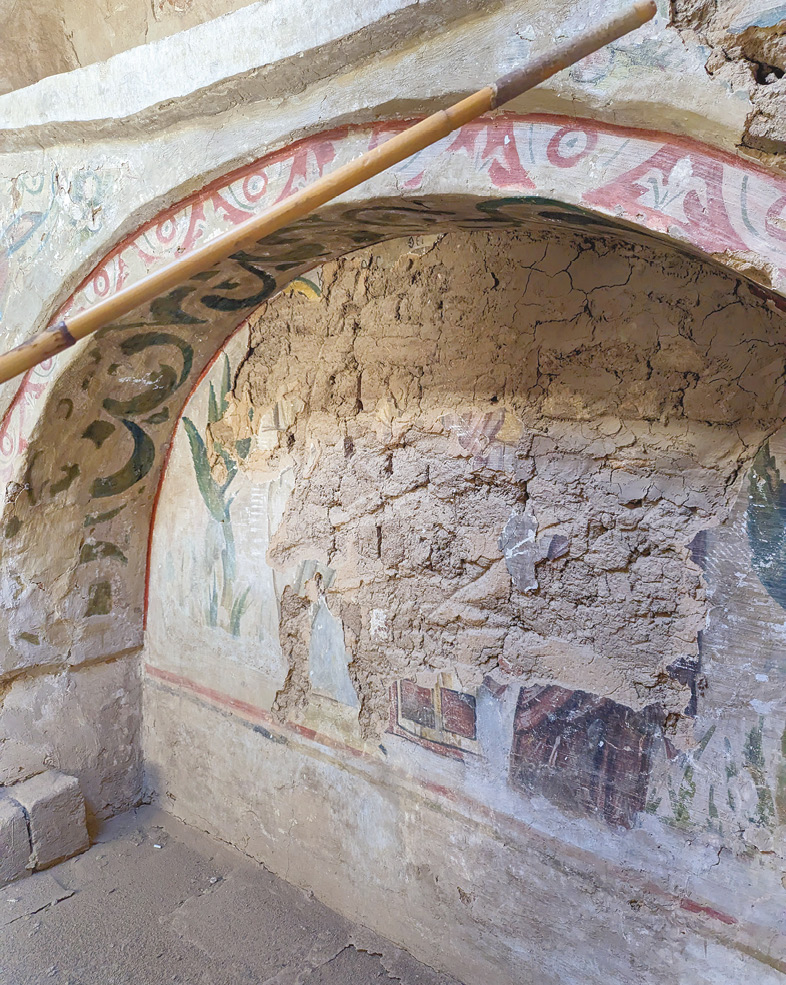
Following the tragic death of Antinous, Hadrian ordered the construction of a magnificent city in memory of his beloved. This would also be the first Greek city in Middle Egypt – a bastion of Hellenic culture similar to the cities of Naukratis in the north and Ptolemais in the south. Antinoöpolis was built on the eastern bank of the Nile in front of Hermopolis, not far from the place where the boy had drowned. The area contained settlements dating back to the Predynastic Period, although a Ramesses II temple to Hathor is now the only surviving structure from the Pharaonic period.
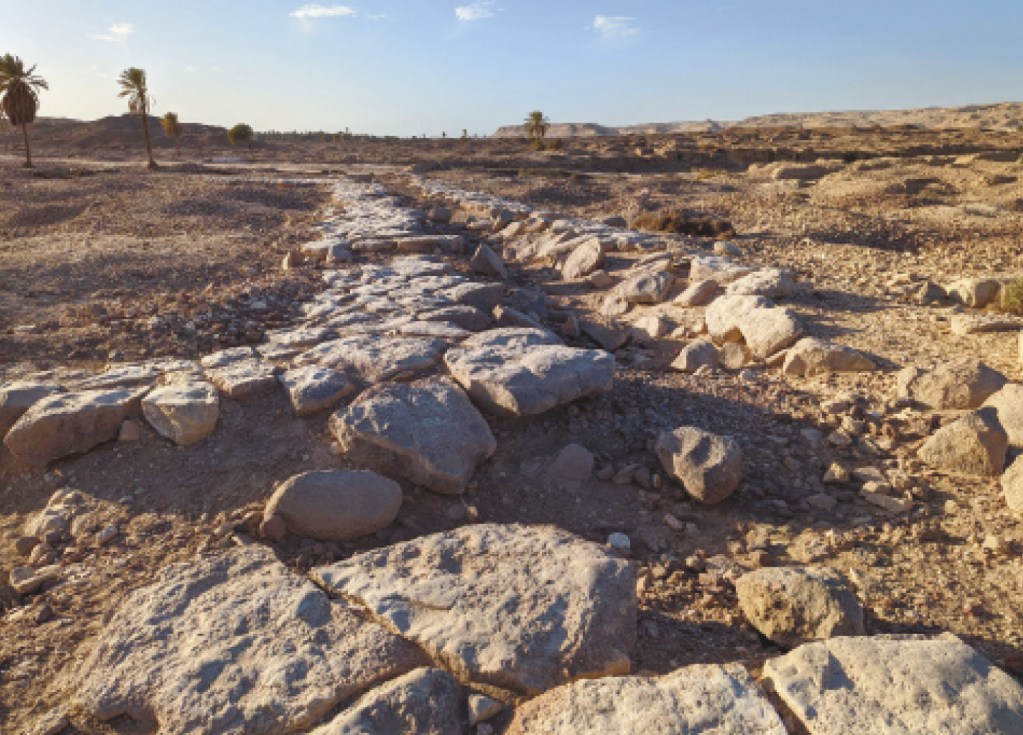
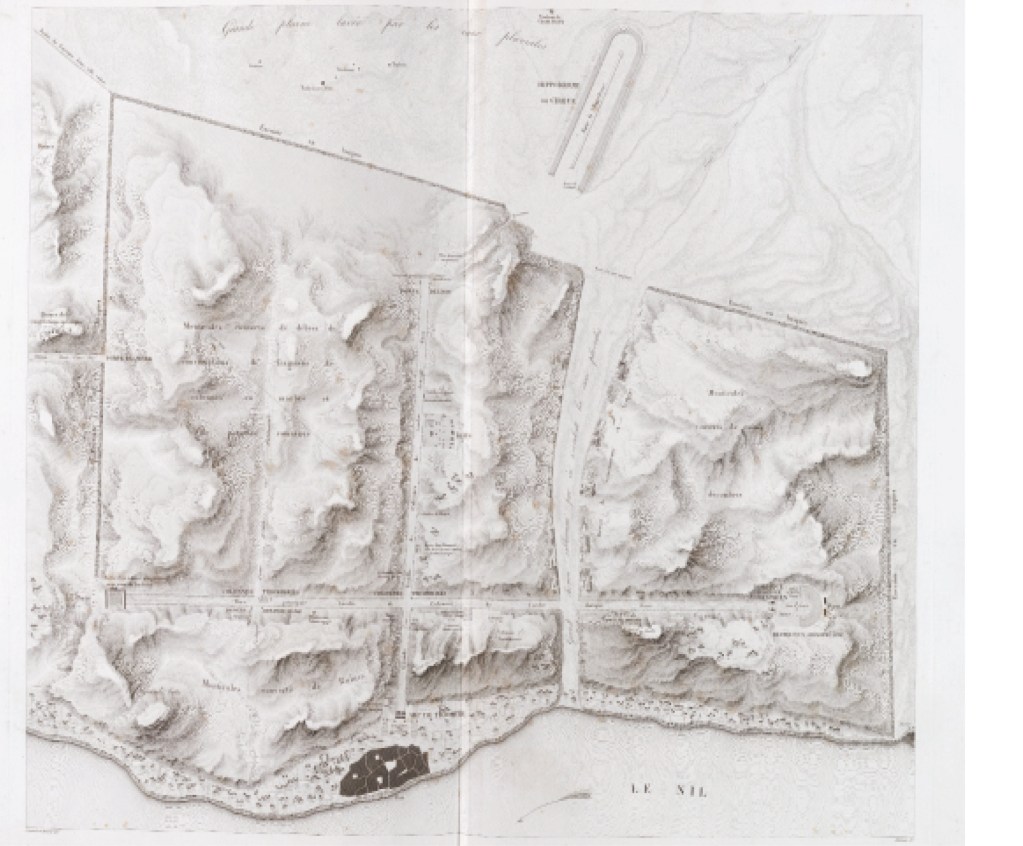
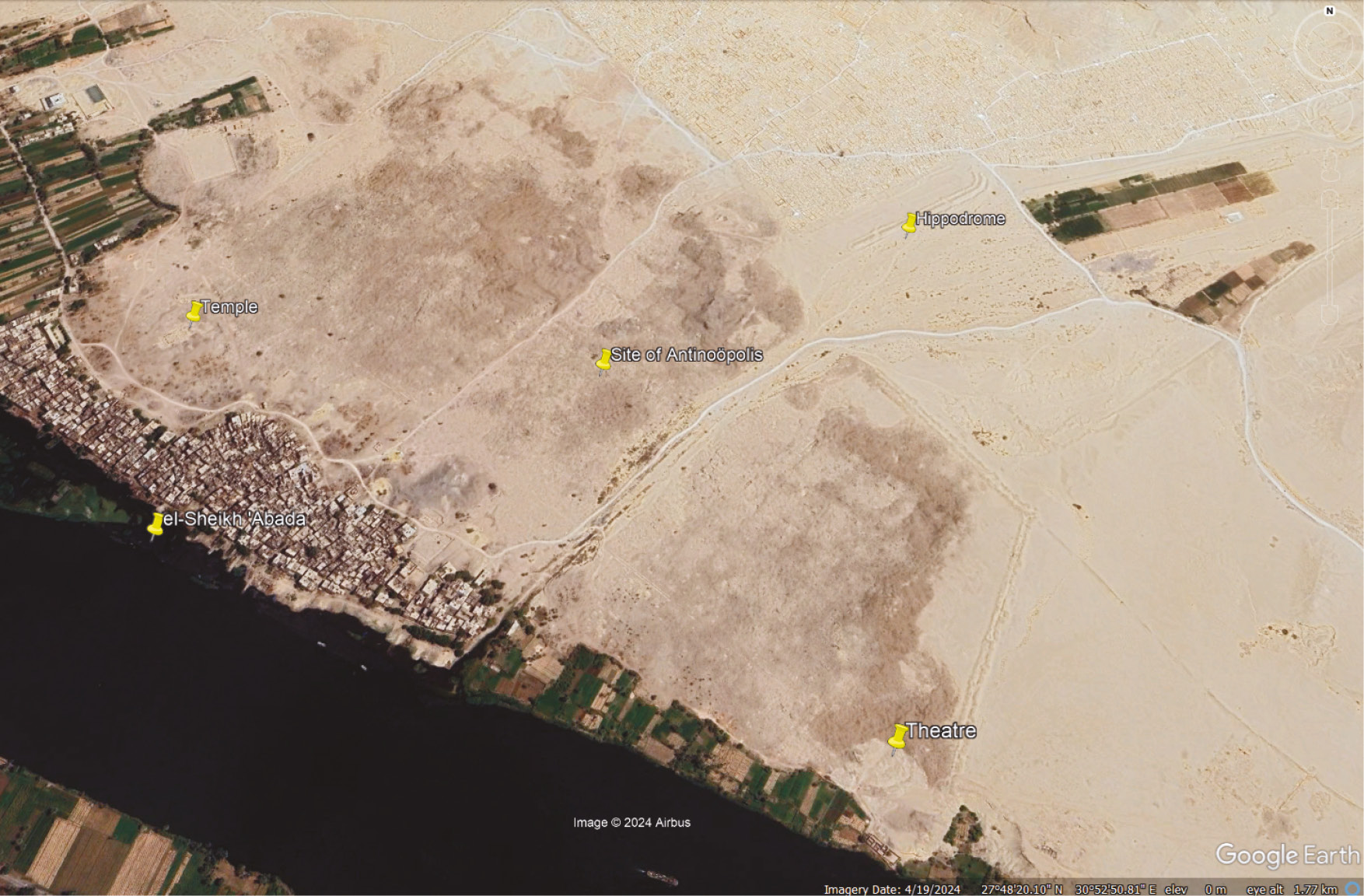
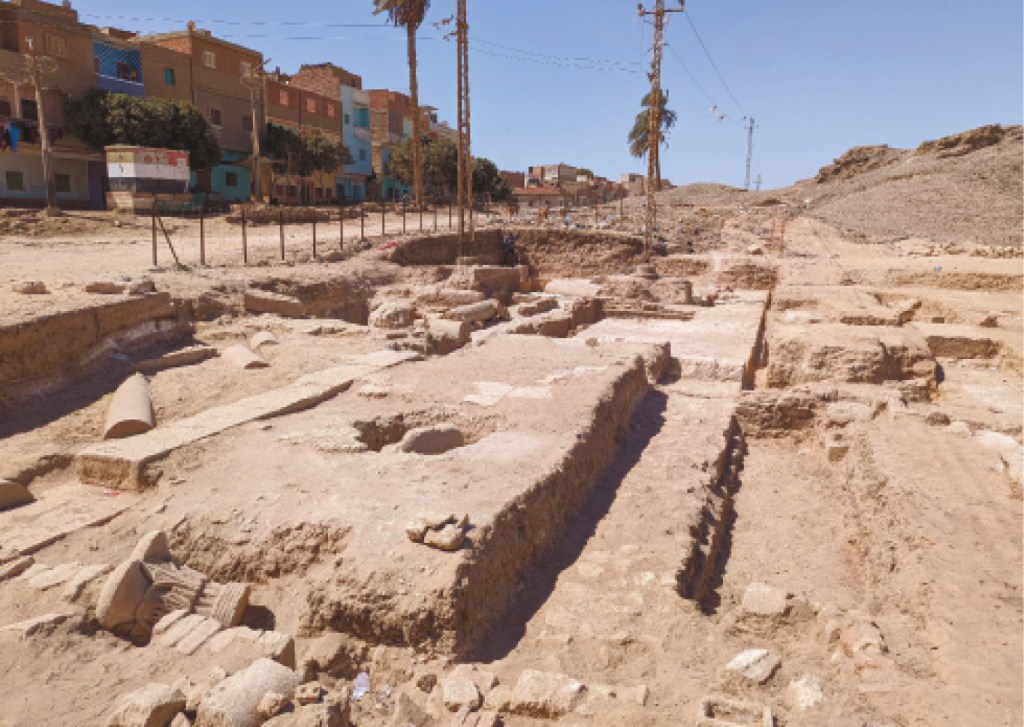
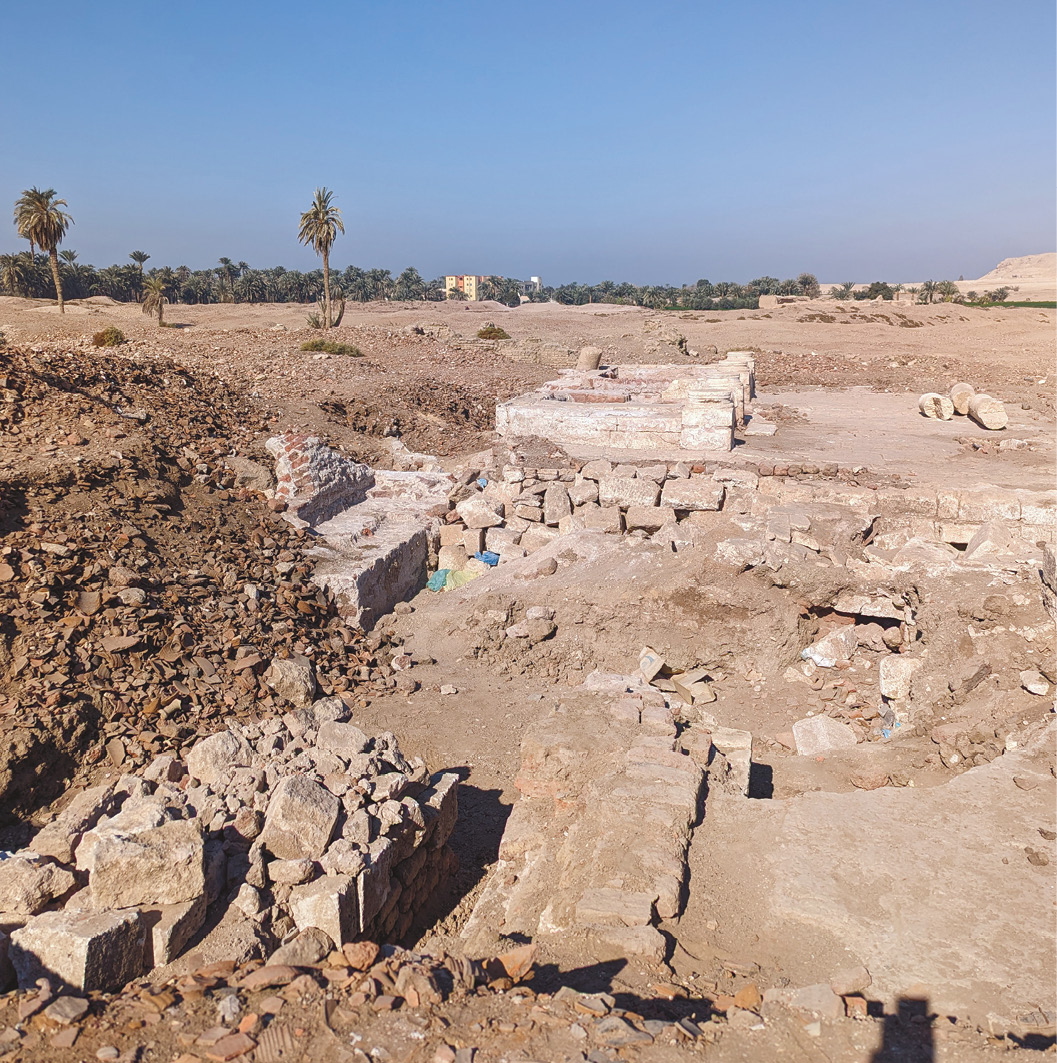
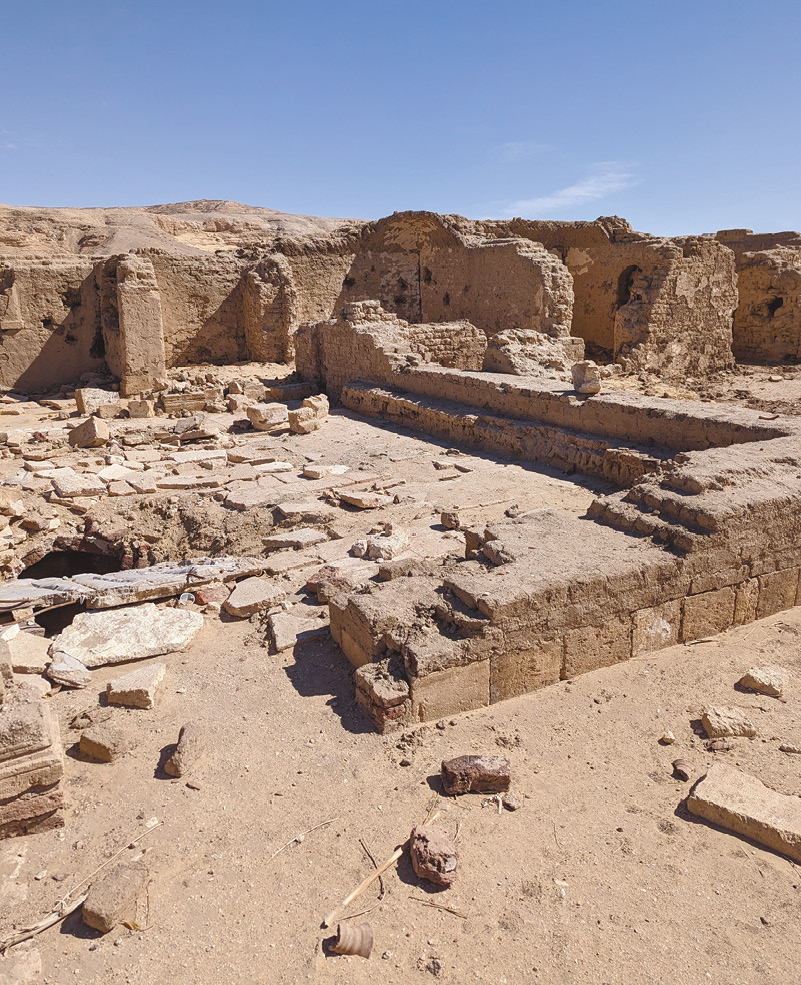
The area chosen was mostly flat, with a slight slope to the north and south-east, divided by a wadi (now called Wadi el ‘Abada or Wadi Sil). Surveys carried out along the banks of the wadi highlight how they had been carefully reinforced along the stretch where it crossed the city, but it is still not possible to establish whether these artificial margins had been made along a more ancient natural course of the wadi, or if their construction had altered the course of its channel. In the northernmost area of the wadi’s urban section, two pillars of a bridge have been found, each consisting of a row of six blocks of hard limestone that would have formed a horizontal platform oriented along the course of the wadi. Some 130 metres along the wadi, traces of a second bridge have been detected, of which only the pillar of the northern shore remains. Scholars believe there should be a third and more important bridge to cross the wadi valley, corresponding to the main axis road of the city leading to the portico of the theatre. This is thought to have been the only paved road.

.
The exact extent of the area on which Antinoöpolis was built has not yet been determined. On the western side of the site, the presence of the modern village (el-Sheikh ‘Abada) on the Nile bank makes it difficult to assess the relationship between the ancient city and the river, although it is likely that, at the time of the city’s foundation, there was a certain margin to allow seasonal floods. However, it is safe to assume that the theatre marked the southernmost extension, while the eastern edge was marked by the hippodrome.
Economic centre
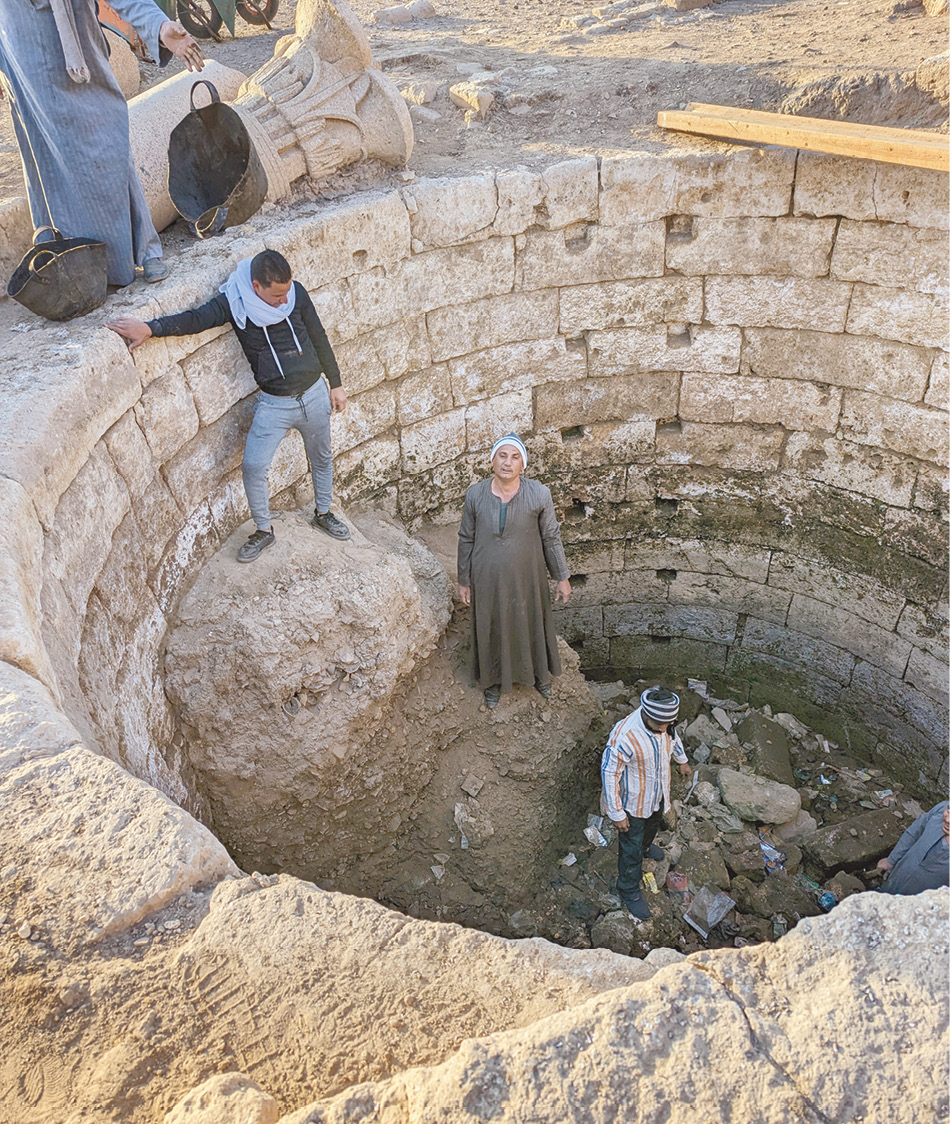
Antinoöpolis was laid out in a grid of three longitudinal axes oriented in an east–west direction, intersected by north–south perpendicular axes, forming elongated blocks where buildings were constructed. The dominant feature was the 1,300-metre main road, which was paved with heavy stone slabs and flanked on both sides by Doric-style porticos. Papyrus documents and records made by the Napoleonic scientists show that the city had numerous building complexes including baths, temples, a hippodrome, a theatre, a triumphal arch, and a river port. Some of these structures have not yet been identified, while others have been irretrievably lost.
Antinoöpolis played an important economic role in antiquity, and for this reason it was described from time to time in ancient documentation as ‘illustrious’, ‘most illustrious’, and ‘beautiful city’, and was linked to Berenike on the Red Sea by a new road, the Via Adriana. Greek papyri found in the city have revealed that the legislative system was based on the one in force in Naukratis; in fact, Antinoöpolis was inhabited by many Greeks who came from other cities of Egypt, especially the Fayum. The administrative division and political organisation of Antinoöpolis followed Greek custom in every way: the city had its own senate, whose members were chosen from among the most illustrious resident families, at the head of which was a president. Following the reorganisation carried out by Emperor Diocletian (AD 284-305), Antinoöpolis became the capital of the lower Thebaid. In the Christian era, the city was one of the most important Egyptian episcopal seats, and numerous monasteries were built in its surroundings.
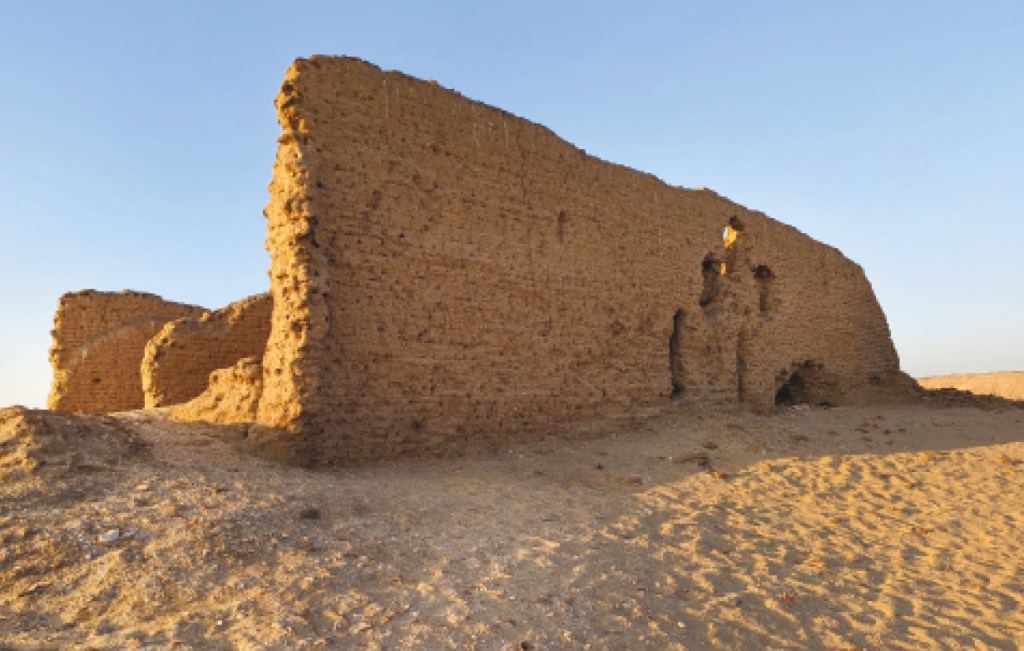
Under the reign of the Eastern Emperor Valens (AD 364- 378), it became the seat of two bishops, one Orthodox and the other Monophysite. In 641, the year of the Arab occupation of Egypt, Antinoöpolis was the residence of the Emir of Upper Egypt, and mosques replaced churches.
The city survived at least until the 18th century, and represents a major source for the study of Roman urban planning, both because it is one of the few urban foundations of Hadrian’s era, and because it is the only new imperial city founded in Egypt.
Barbara Gai is a regular contributor to Ancient Egypt magazine, with articles on the pomegranate (AE 132), Tutankhamun’s embalming cache (AE 133), and cooking (AE 143). She graduated from the Faculty of Literature and Philosophy at the University of Firenze (Italy), specialising in Egyptology.
Further reading:
• R Lambert (1984) Beloved and God: The Story of Hadrian and Antinous (New York: Viking).
• A R Birley (1997) Hadrian the Restless Emperor (London: Routledge).
• C Riggs (2012) The Oxford Handbook of Roman Egypt (Oxford: Oxford University Press).
• R S Bagnall (ed.) (2021) Roman Egypt – A History (Cambridge: Cambridge University Press).
Images: all photographs of the site of Antinoöpolis are by Dr Alberto Siliotti, courtesy of Professor Rosario Pintaudi, Professor of Papyrology at the University of Messina (Italy), and former director of the Italian archaeological mission in el-Sheikh 'Abada in Mallawi (el-Minya Governorate)