Description
Highlights:
- The people of St Peter’s: Encountering a community from 19th-century Blackburn
- Cladh Hallan: Examining life and death in the Bronze Age and Early Iron Age
- The dangerous dead: Exploring the cross-cultural continuity of deviant burials
- A tale of two hoards: Interpreting unusual Bronze Age collections from Carnoustie and Rosemarkie
- Testing times: Examining insights from experimental archaeology
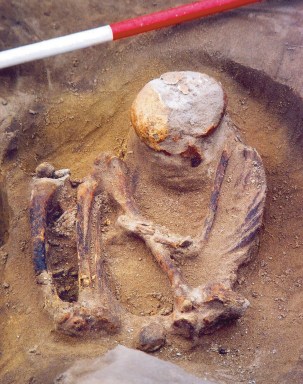
You might notice that our first three features all begin with a photograph of a burial. Spanning around 3,000 years and hundreds of miles, as a set they highlight the diverse ways in which past populations have interacted with the dead, exploring what these can tell us about the living.
This month’s cover feature takes us to Blackburn in Lancashire, where the largest cemetery excavation of its type undertaken outside London has recovered the remains of almost 2,000 men, women, and children who were laid to rest beside St Peter’s Church in the 19th century. Despite the scale of these investigations, subsequent analysis and historical research tell a strikingly intimate story, speaking of family relationships, community aspirations, and distinctive local burial traditions.
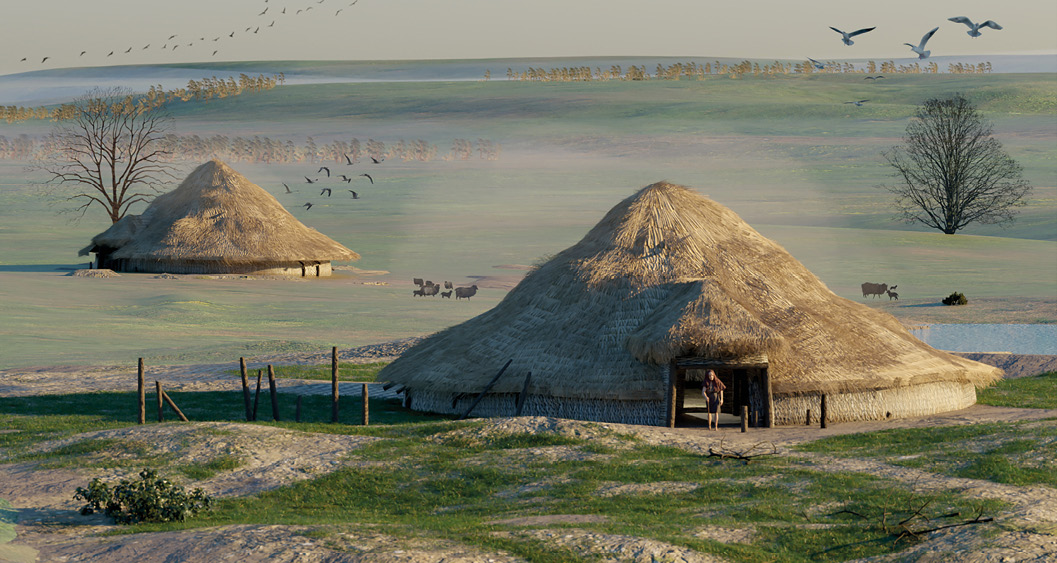
We also visit Cladh Hallan in the Outer Hebrides: an intriguing Bronze Age and Iron Age site where prehistoric farmland evolved into a cemetery and then a settlement. The dead, too, were transformed over time, with later generations revisiting and rearranging their remains before building roundhouses over their graves.
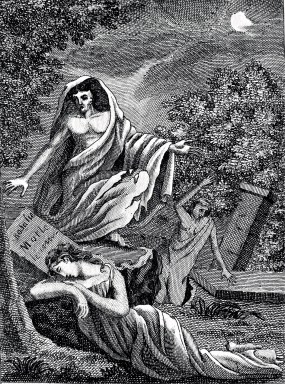
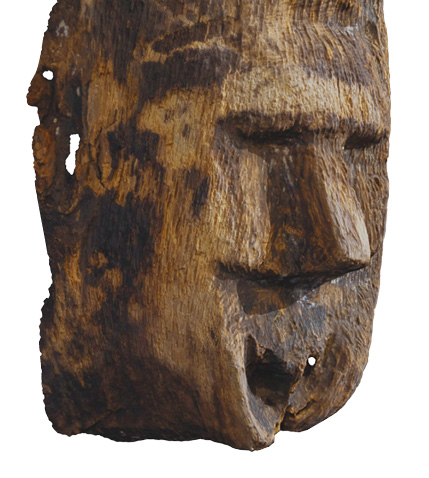
While the people of Cladh Hallan were clearly comfortable with living alongside the dead, however, the final feature in this funerary triptych tells a contrasting tale, examining historical efforts to keep the dead in their graves, from Roman ‘deviant’ burials to 18th-century ‘vampire killings’.
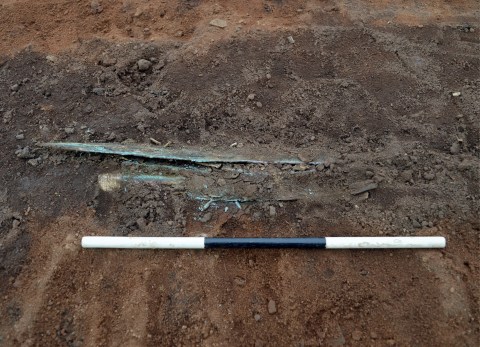
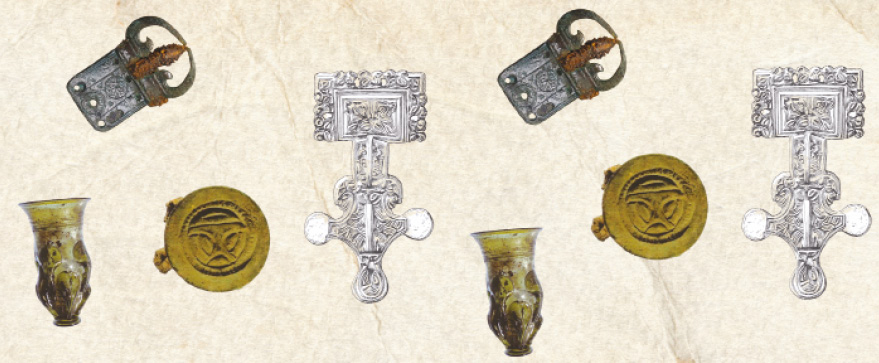
A rather different kind of burial forms the focus of our fourth feature, which teases apart the contents of two unusual Bronze Age hoards found 150 miles apart in Scotland.
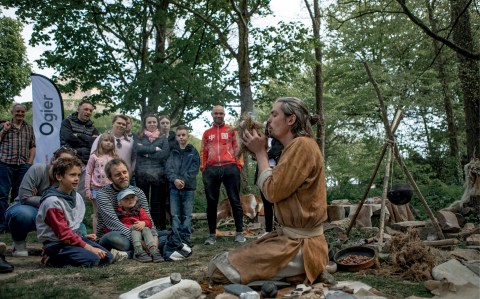
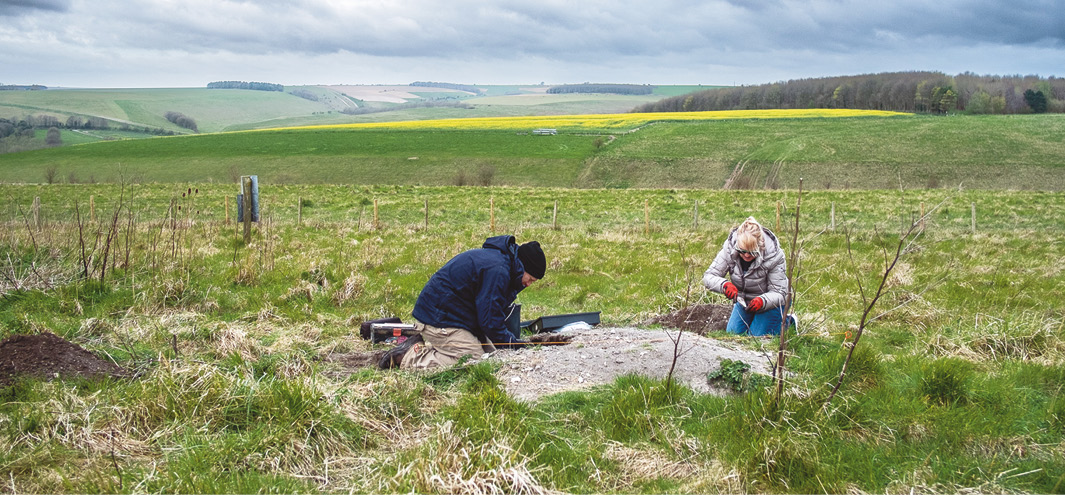
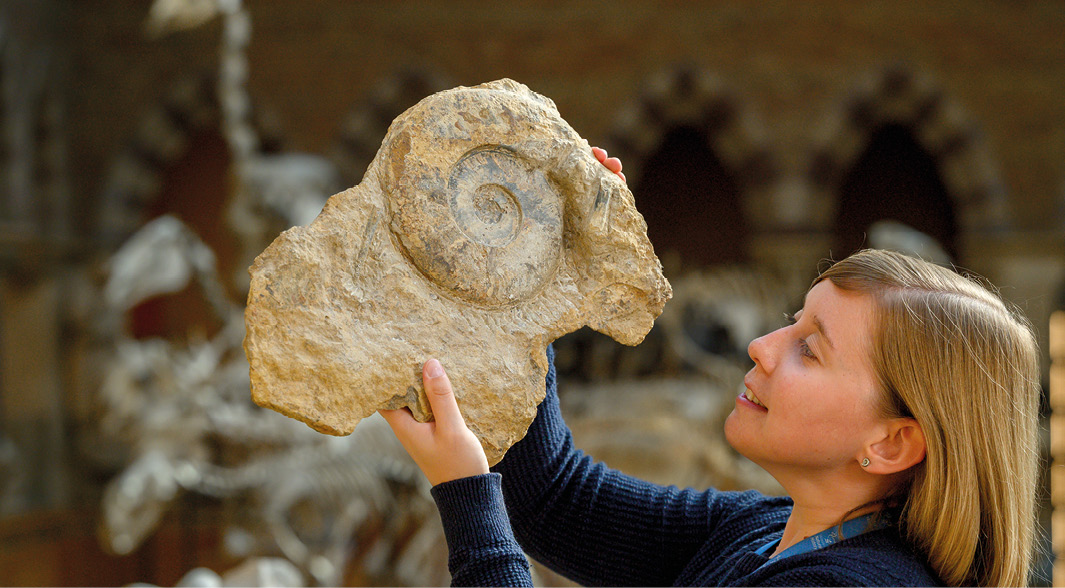
Finally, the past and present collide in this month’s as we highlight ways in which experimental archaeology can help to bring even very distant worlds into sharper focus.
Cover Date: Nov-2025, Volume 36 Issue 8