Ancient Egypt 140

Description

Highlights:

From the Editor:
Egyptology, like all the sciences, is constantly evolving as new discoveries are made and old theories are disproved. But it is also influenced by the prevailing mood and fashions of the time, and by the motives of those making the discoveries. Several of the articles in this issue illustrate this point.

The theory proposed by Charles Piazzi Smyth, as outlined in John Taylor’s article, that all the dimensions of Khufu’s Great Pyramid were multiples of a ‘pyramid inch’ were accepted by many at the time. Smyth, despite his sound scientific training as an astronomer, also believed that the inch was a Godgiven measurement, handed down through the centuries from the time of Noah’s son Shem, and that the pyramid itself could only have been built by the Hebrews, with divine help.

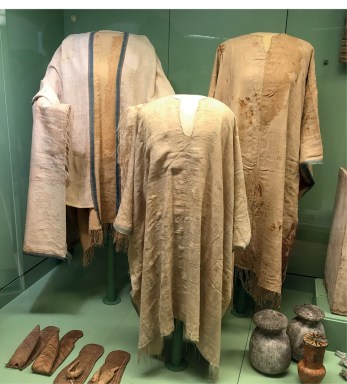
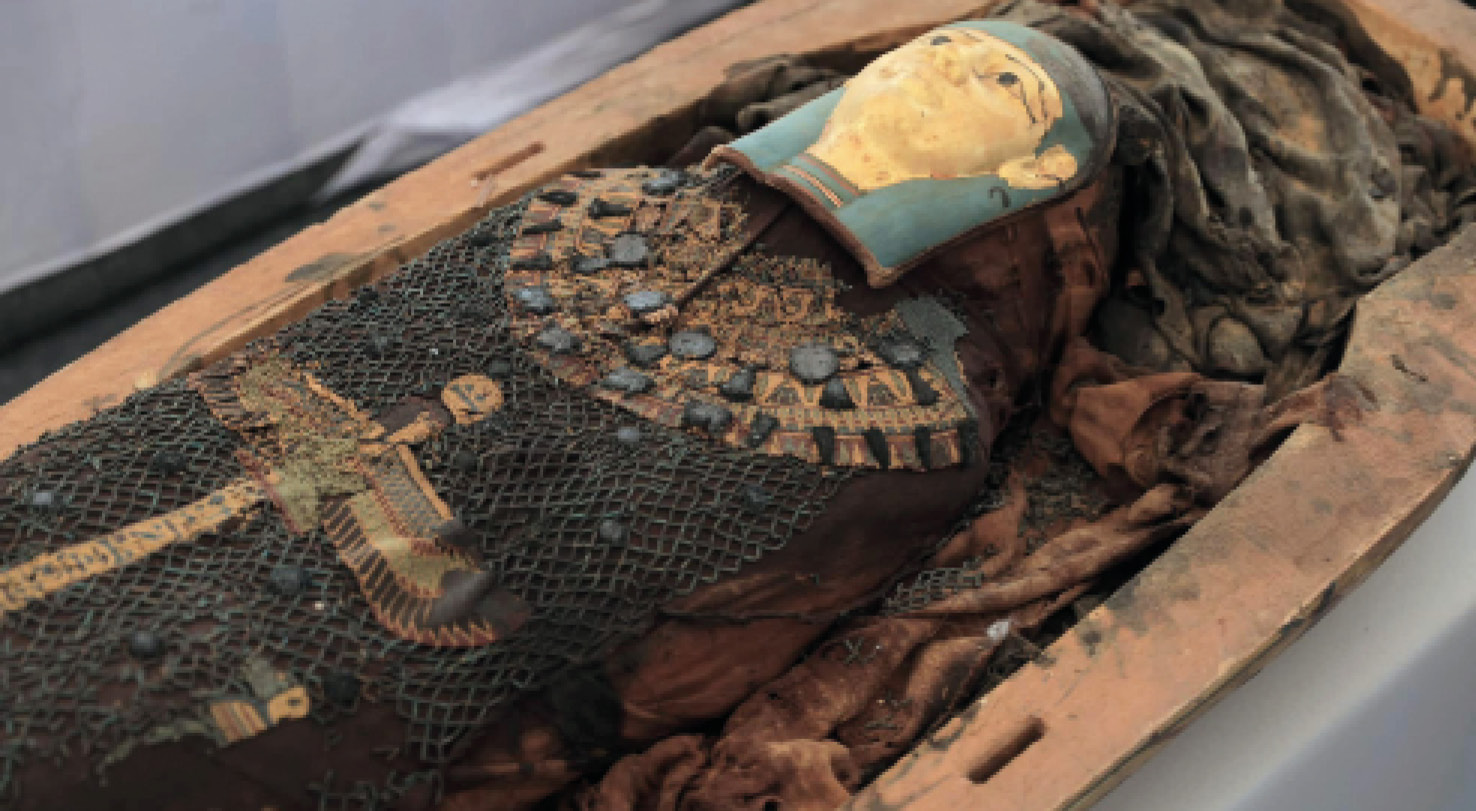
When in 1909 Howard Carter discovered a mummy wrapped in a bag-tunic, he discarded the body but kept the garment. Nowadays, the body would have been subject to extensive forensic examination, but at least the tunic was saved, as Rachel Cotton tells us. Previous generations of excavators, interested only in precious metals and beautiful artefacts, would have destroyed both the body and the tunic.

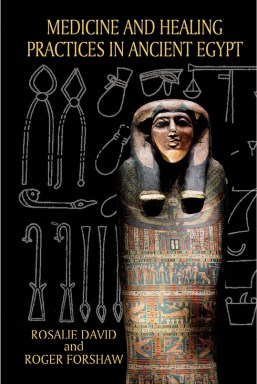
By founding the KNH Centre for Biomedical Egyptology at the University of Manchester, Rosalie David OBE established an entirely new branch of the subject, and in this issue she and Roger Forshaw summarise one aspect of their research: surgery in ancient Egypt.

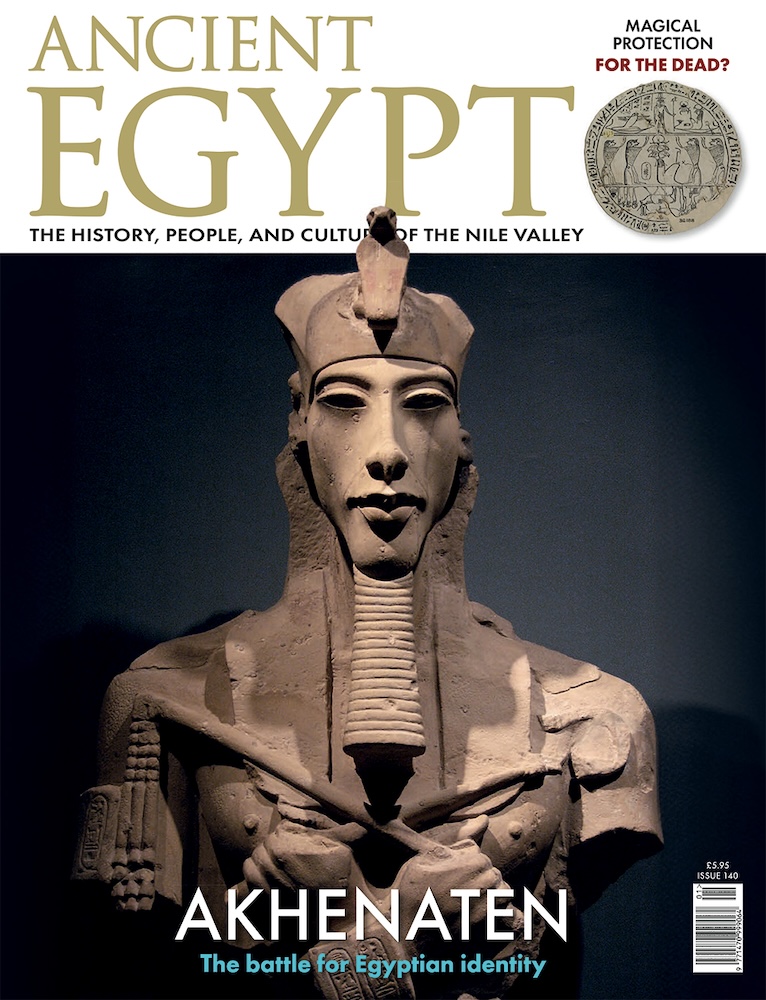
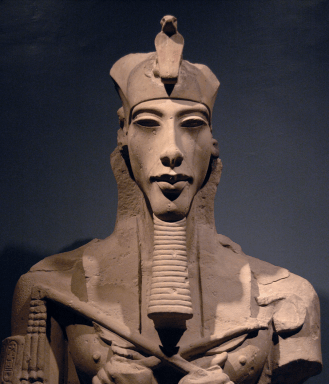
Of course, there are some pharaohs who will always attract attention, and one is Akhenaten. Jason S Whitmarsh analyses the ways in which the ‘heretic pharaoh’ undermined the entire belief system of his country, and the impact this had on his people.


Cover Date: Jan / Feb 2024, Volume 24 Issue 2
Cover Story

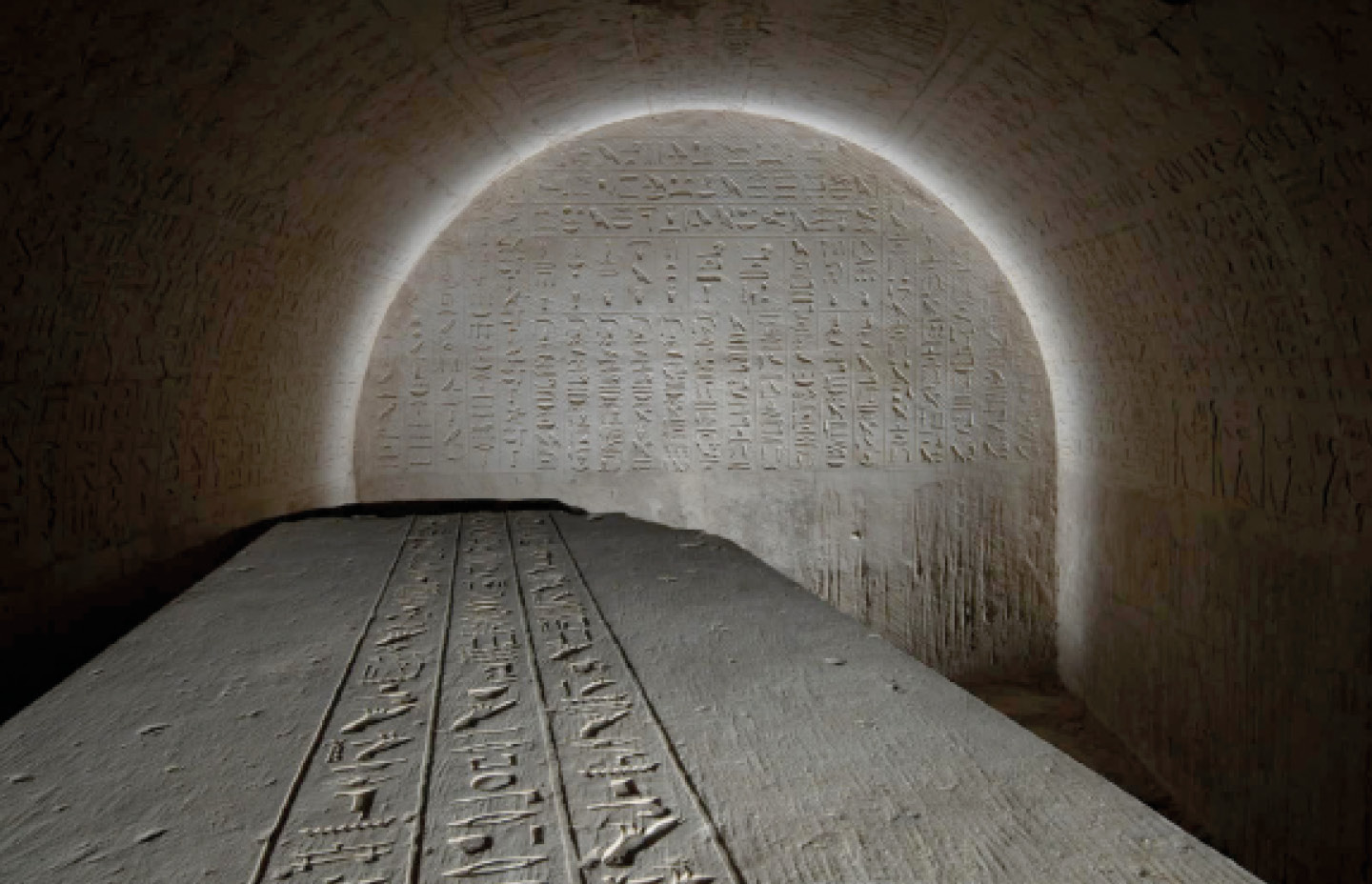
Breaking Ma’at: Akhenaten and the battle for Egyptian tradition and identity Jason S Whitmarsh explores the revolutionary impact of Egypt’s so called ‘heretic king’.

Features

Carter’s linen tunic Rachel Cotton investigates an extremely rare item: a linen ‘bag-tunic’ discovered by Howard Carter and Lord Carnarvon in 1909.
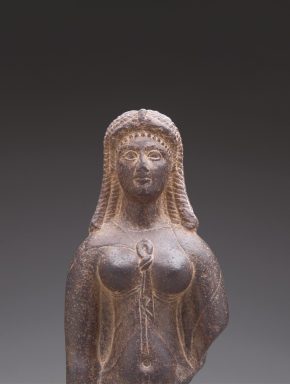
The Cleopatras – Part 3: Cleopatra III, the female king Lloyd Llewellyn-Jones continues his series on the later Ptolemaic queens with the ambitious Cleopatra III and her murderous family rivalries.
Ancient Egyptian Surgery Rosalie David and Roger Forshaw consider the contribution made by ancient Egyptians to the development of surgery, and the extent…
Pyramid man: Charles Piazzi Smyth Dr John Taylor describes Smyth’s scientific achievements and his less successful inroads into the world of Egyptology.
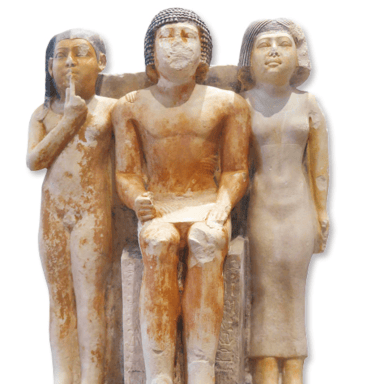
Hilary Wilson on… The sidelock of youth When was this curious hairstyle used and what was its significance?

Comment

News

Views

Ancient Egypt Letters 140 Your thoughts on issues raised by the magazine.
The Royal Road to Meroë Karl Harris continues his journey through Sudan, retracing one of the overland routes taken by the Meroitic rulers of Kush.
Ancient Egypt December listings HORIZON OF KHUFU: JOURNEY TO ANCIENT EGYPT An immersive expedition to explore the Great Pyramid of Giza, including spaces previously…
The rescue of Abu Simbel: A history of restoration, exploration, and resurrection Abu Simbel actually presents us with several milestones. Probably completed by Year 24 in the reign of Ramesses II, the…
Hypocephalus What was the purpose of this small disc of cartonnage, now in the British Museum? Dr Campbell Price explains.

Reviews

Egypt and the Eastern Mediterranean World: From Constantinople to Baghdad, 500-1000 CE REVIEW BY MICHAEL TUNNICLIFFE This series of 15 essays covers the final years of Byzantine control of Egypt, and the…
Ancient Egyptian Society: Challenging Assumptions, Exploring Approaches REVIEW BY CAMPBELL PRICE One of the major issues in Egyptology is how prone we are to repeat assertions that…
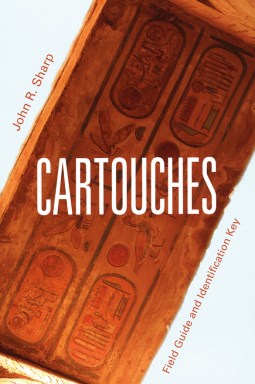
Cartouches: Field Guide and Identification Key REVIEW BY SG Being able to identify the kings by name can unlock the mysteries of monumental inscriptions and scenes.…
Ramesses The Great: Egypt’s Kings of Kings REVIEW BY CATHIE BRYAN Ramesses II is notorious for his self-promotion and propaganda, rather than being famous for his many…
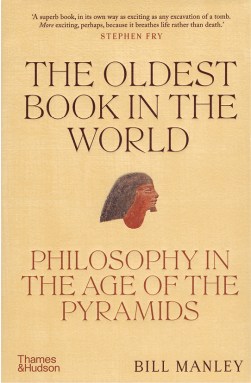
The oldest book in the world: Philosophy in the age of the pyramids REVIEW BY SG In the 1800s, a papyrus scroll was discovered in Luxor. The text, a complete version of The…
Medicine and healing practices in Ancient Egypt REVIEW BY J PETER PHILLIPS In contrast with previous works on this subject, which have focused exclusively on the remedies…

By Country

Popular
UK • Italy • Greece • Egypt • Turkey • France

Africa
Botswana • Egypt • Ethiopia • Ghana • Kenya • Libya • Madagascar • Mali • Morocco • Namibia • Somalia • South Africa • Sudan • Tanzania • Tunisia • Zimbabwe

Asia
Iran • Iraq • Israel • Japan • Java • Jordan • Kazakhstan • Kodiak Island • Korea • Kyrgyzstan •
Laos • Lebanon • Malaysia • Mongolia • Oman • Pakistan • Qatar • Russia • Papua New Guinea • Saudi Arabia • Singapore • South Korea • Sumatra • Syria • Thailand • Turkmenistan • UAE • Uzbekistan • Vanuatu • Vietnam • Yemen

Australasia
Australia • Fiji • Micronesia • Polynesia • Tasmania

Europe
Albania • Andorra • Austria • Bulgaria • Croatia • Cyprus • Czech Republic • Denmark • England • Estonia • Finland • France • Germany • Gibraltar • Greece • Holland • Hungary • Iceland • Ireland • Italy • Malta • Norway • Poland • Portugal • Romania • Scotland • Serbia • Slovakia • Slovenia • Spain • Sweden • Switzerland • Turkey • Sicily • UK

South America
Argentina • Belize • Brazil • Chile • Colombia • Easter Island • Mexico • Peru

North America
Canada • Caribbean • Carriacou • Dominican Republic • Greenland • Guatemala • Honduras • USA