

Subscribe now for full access and no adverts
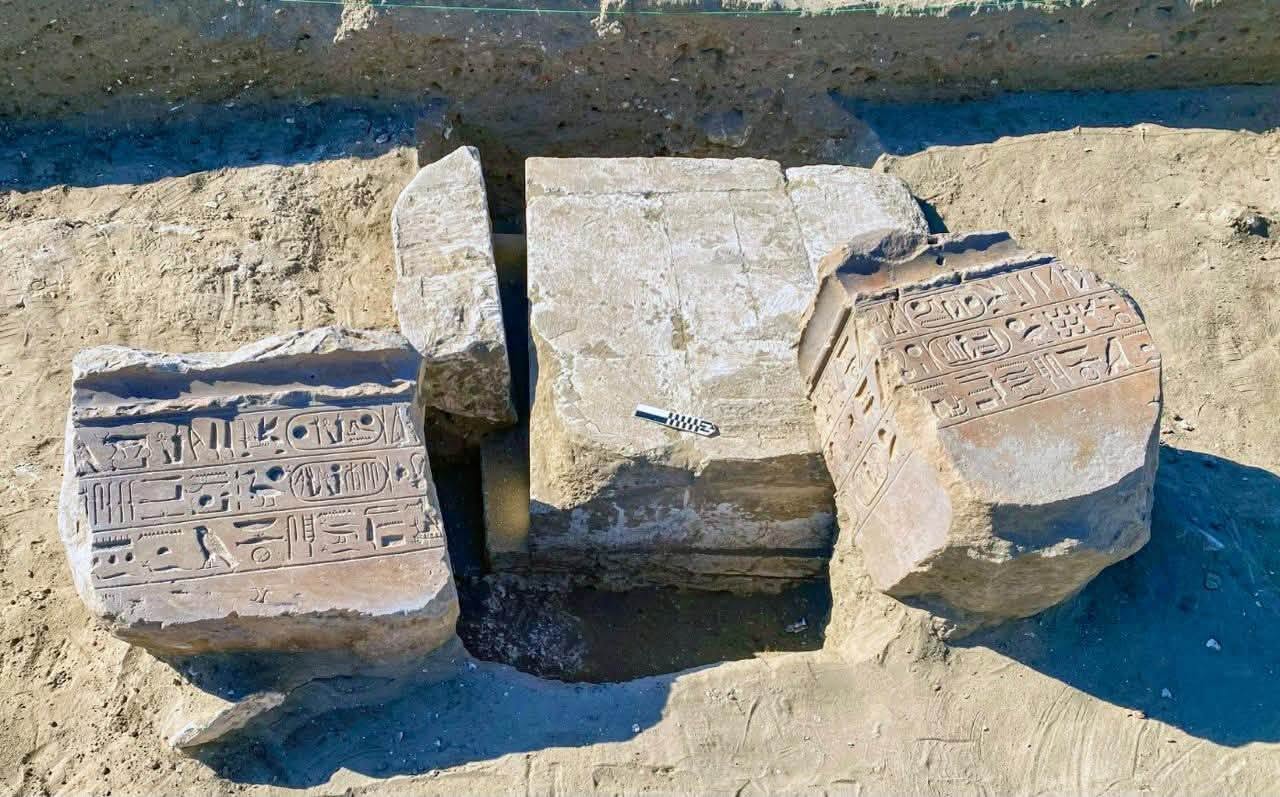
By 117 BC, the dramatic life of Ptolemy VIII (‘Potbelly’) was slowly but surely ebbing away. His character had become calmer, and he was less given to outbursts of violence. He tried to live up his godly title Euergetes, ‘the Beneficent’, by building temples and generally doing good works. A building inscription from Edfu Temple tells us that he died, aged 65, on 26 June 116 BC. Outlived by his rival sister-queen Cleopatra II (which must have brought her some wry satisfaction), he was succeeded as ruler by his niece-wife Cleopatra III. The king’s will permitted Cleopatra III to choose whichever of their two sons she thought the most suitable for the role of king. She appointed Ptolemy Alexander, the younger of her boys, in place of his elder brother. Potbelly’s last joke was a masterstroke of mischief, and the Ptolemaic dynasty would reel from it for decades to come.
Chickpea
Cleopatra III quickly moved to make Ptolemy Alexander her co-regent, but the army and the Alexandrian mob demanded that the older Ptolemy be appointed as their ruler. Cleopatra, fearing a full-scale riot, was forced to acknowledge her elder son as Ptolemy IX. But Cleopatra seems to have had no love for the older Ptolemy: even his nickname, ‘Chickpea’, may have been an invention of Cleopatra’s, given to him ‘in sarcastic mockery’, as the Greek author Pausanias (writing some 300 years later) noted. In fact, Pausanias stated categorically that, ‘I know of no other king who was so hated by his mother’ (even though, as a Greek himself, he was likely to have been less hostile than other Roman sources). Cleopatra’s reluctance in accepting her elder son’s co-rule might be explained by the presence of Chickpea’s dangerously strong-willed sister-wife Cleopatra IV, the eldest daughter of Potbelly and Cleopatra III. In many respects she was her mother’s equal in terms of ambition, and Cleopatra III rightly feared her daughter would demand her own place on the throne as wife and queen. Besides which, Chickpea and Cleopatra IV were very much in love, which made the situation all the more threatening for his mother.
Cleopatra III still had to deal with her ageing and increasingly cantankerous mother, Cleopatra II, who at almost 70 years old still clung on to life and the throne. A ruling triad was created consisting of Cleopatra III, Cleopatra II, and Ptolemy IX (Chickpea). Ptolemy Alexander, with his mother’s agreement, became the Tropheus (governor) of Cyprus, a Ptolemaic territory. However, in 114 BC, the ambitious prince would proclaim himself ‘Ptolemy X Alexander, King of Cyprus’. It was as egregious an action as had ever been committed by Potbelly, but, in Egypt, Cleopatra III let it pass.
Family rivalry
The long-drawn-out rivalry between Cleopatra III and her mother, which had played out over decades, only ceased when Cleopatra II, old, ill, and enormously overweight, died late in the autumn of 116 BC. Cleopatra III omitted her mother’s names and titles from all new inscriptions, so that, after her death, Cleopatra II was never allowed to be venerated as a goddess in the temples of Egypt, and eventually even her priesthoods ceased to function.

With her challenging mother finally out of the way, Cleopatra III turned her attention to her own ambitious, equally defiant, daughter Cleopatra IV, whose spirit she was determined to curb. According to the Roman historian Justin, Cleopatra III ‘took away [Chickpea’s] wife, compelling him to divorce his sister Cleopatra [IV], whom he very much loved’. It is probable that Cleopatra III had made the divorce a condition for Chickpea’s accession to the throne. Unwillingly, Chickpea acquiesced. However, Cleopatra III had made for herself an implacable enemy. Cleopatra IV turned out to be every inch her mother’s daughter – forceful, unyielding, totally fearless, and driven by a hunger for power.
Cleopatra III’s next move was to force the king to marry his youngest sister, Cleopatra Selene (Potbelly and Cleopatra III had already married their middle daughter, Cleopatra Tryphaena, to the Seleucid king Antiochus VIII Grypus, and she now lived in Syria). Cleopatra III supposed her youngest girl would be more malleable than her eldest daughter, and would prove to be loyal and obedient. Aged about 16, Cleopatra Selene played the role of the yielding ingénue to perfection (later events in her life would show she was anything but compliant) and took no formal part in the institution of queenship, though she bore Chickpea two short-lived boys. For now, Cleopatra Selene took a back seat and made no attempt to challenge her mother’s role as queen.

Cleopatra III the Queen
In Egypt, early in their uncomfortable joint reign, Cleopatra III and Ptolemy IX took their required titles: they were styled Theoi Philometores Soteres, the ‘Mother-Loving-Saviour-Gods’. Cleopatra’s hand in the choice of epithet is clear to see, and Pausanias later recalled that Chickpea was given the name ‘Philometor’ by his mother out of mockery. He must have recoiled at being addressed as ‘Mother-Loving’ but, nonetheless, he tried to make the best of things and establish his own identity as pharaoh. From 117 to 107 BC, Chickpea was recorded assuming the annual office of Priest of Alexander in the dynastic cult. We also know that in August 115 BC, he travelled to Elephantine to celebrate and officiate at the Nile’s flooding, where he observed his duties as pharaoh and granted privileges to the priests of Khnum.
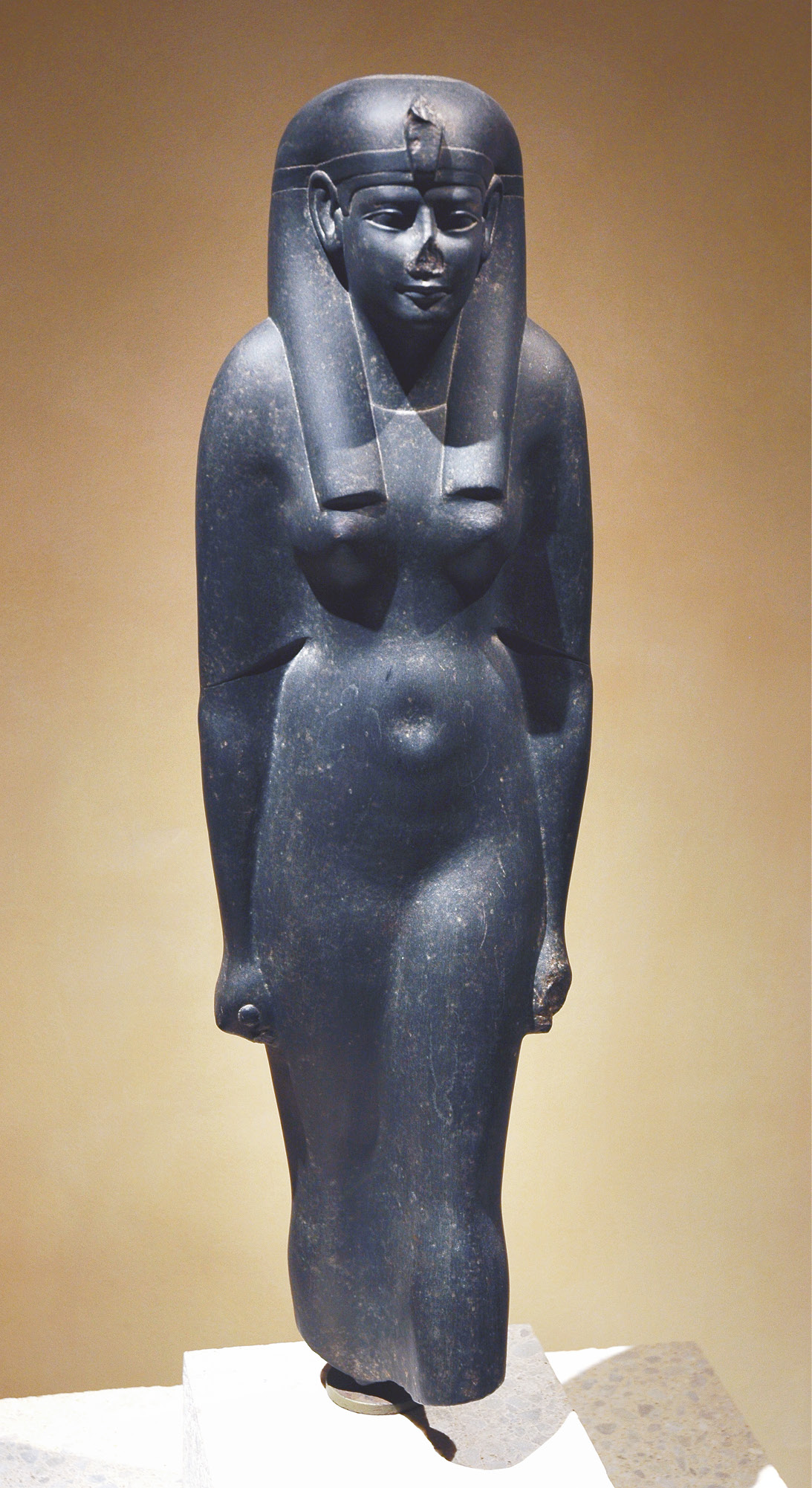
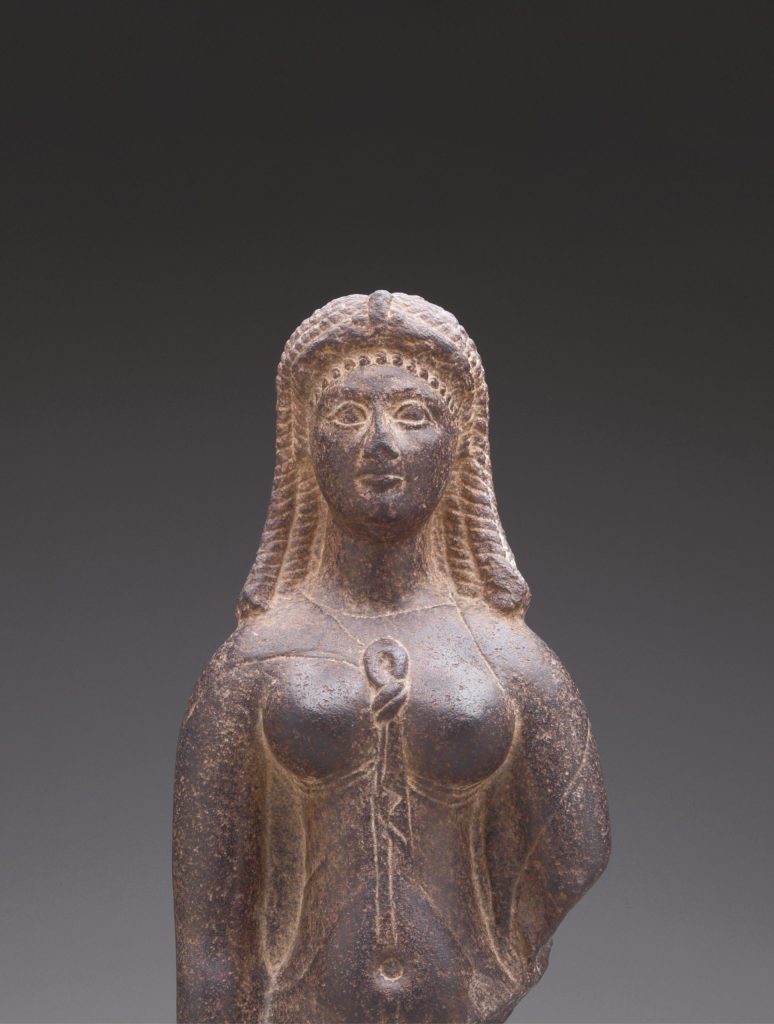
But even the traditional religious role reserved for the pharaoh was hijacked by his mother who, during this period, assumed for herself more religious and cult titles than ever before. Thus, in the hieroglyphic temple inscriptions found at Dakka and Philae, she is given traditional female titles such as ‘Mistress of the Two Lands’ and is addressed as the ‘Daughter of Ra’ but, more unconventionally, is also termed ‘the Female Horus’ and ‘the Female Ruler.’
At the Temple of Nekhbet at Elkab, just south of Thebes, Cleopatra was given the strangely androgynous titles ‘the Female Horus, Mistress of Two Lands, Strong Bull’, which suited Cleopatra III’s non-binary self-presentation. By fully embracing the old pharaonic theology of amorphous sexuality, Cleopatra was able to embody both a ‘masculine’ aggression as a pharaonic and Hellenistic warrior-king, and a ‘feminine’ sensibility as a nurturing mother and a living goddess.
Cleopatra III the God
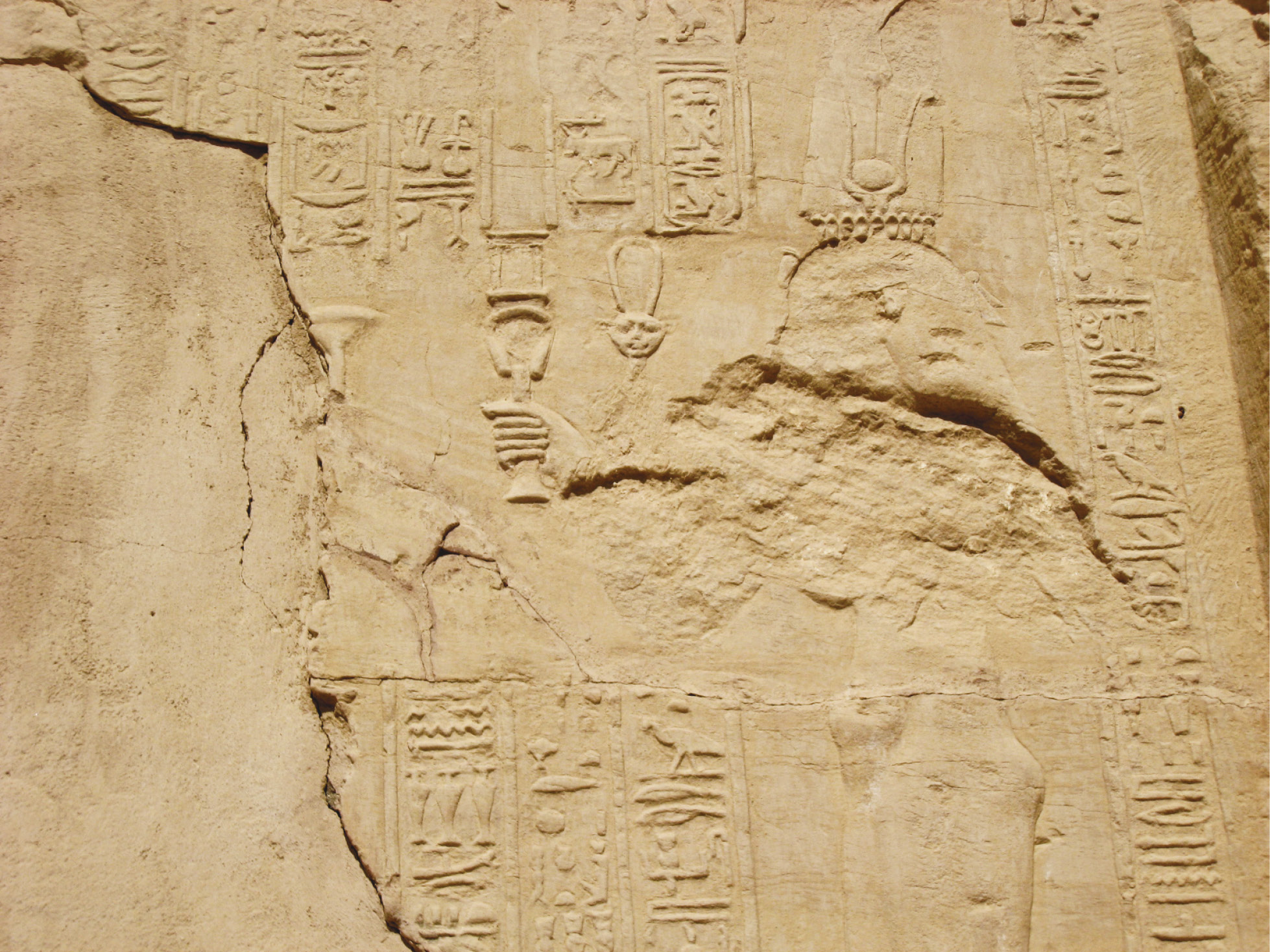
Cleopatra’s most notable honorific acquisition was her title ‘Priest of Alexander’ – an unprecedented achievement for a woman. However the possession of honours escalated when Cleopatra awarded herself a priest, and no fewer than three priestesses, recruited for her own ritual adoration as a living deity. In earlier generations, the Ptolemaic rulers had been established into the Alexander Cult under their own names and titles, and were given the honorific epithet Theos (‘god’) or Thea (‘goddess’) as a way of marking clearly their transition into the divine realm. The women of the dynasty had identified as Isis, but their characteristic queenship always remained clear and separate. Cleopatra III changed all that: she was simply ‘Isis, Great Mother of the Gods’. It was as if the mortal woman Cleopatra had disappeared and was replaced by the living incarnation of divinity, Isis herself.
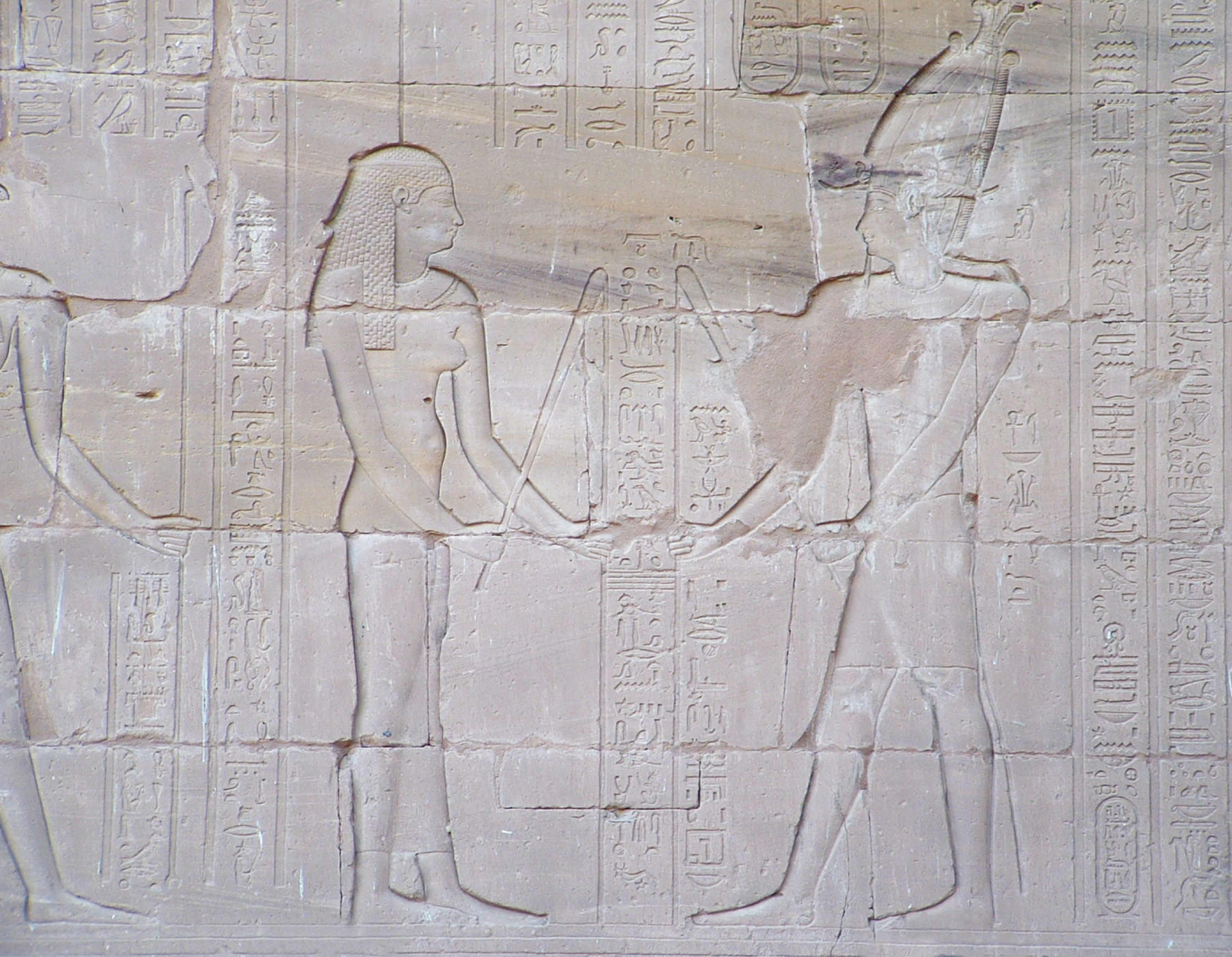
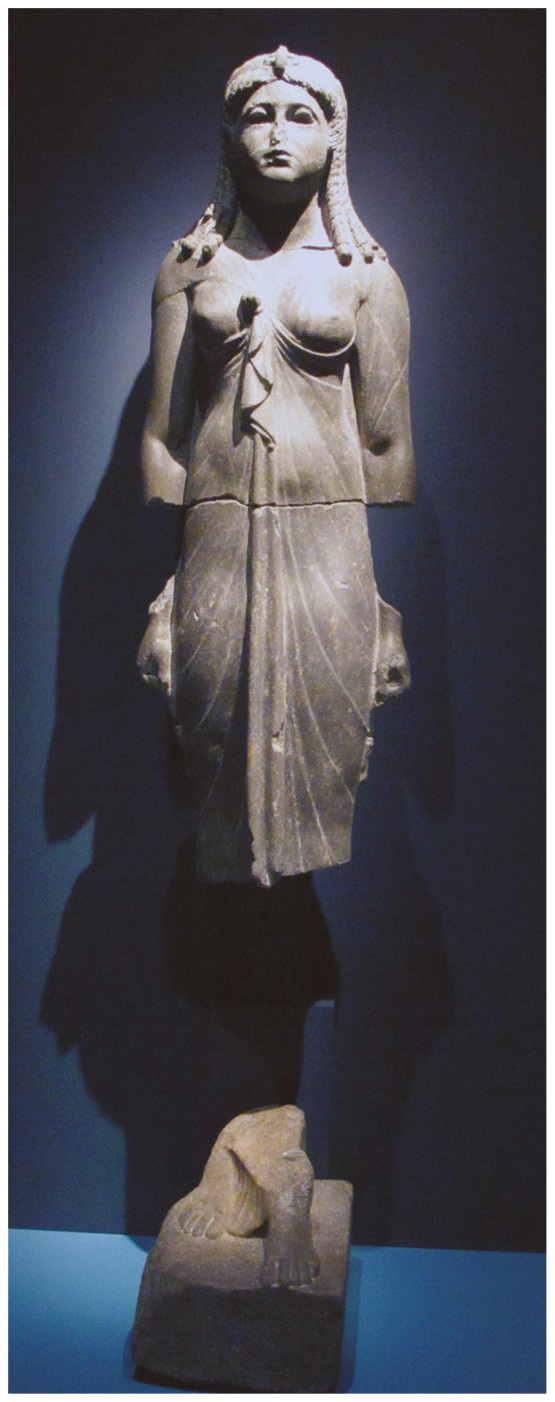
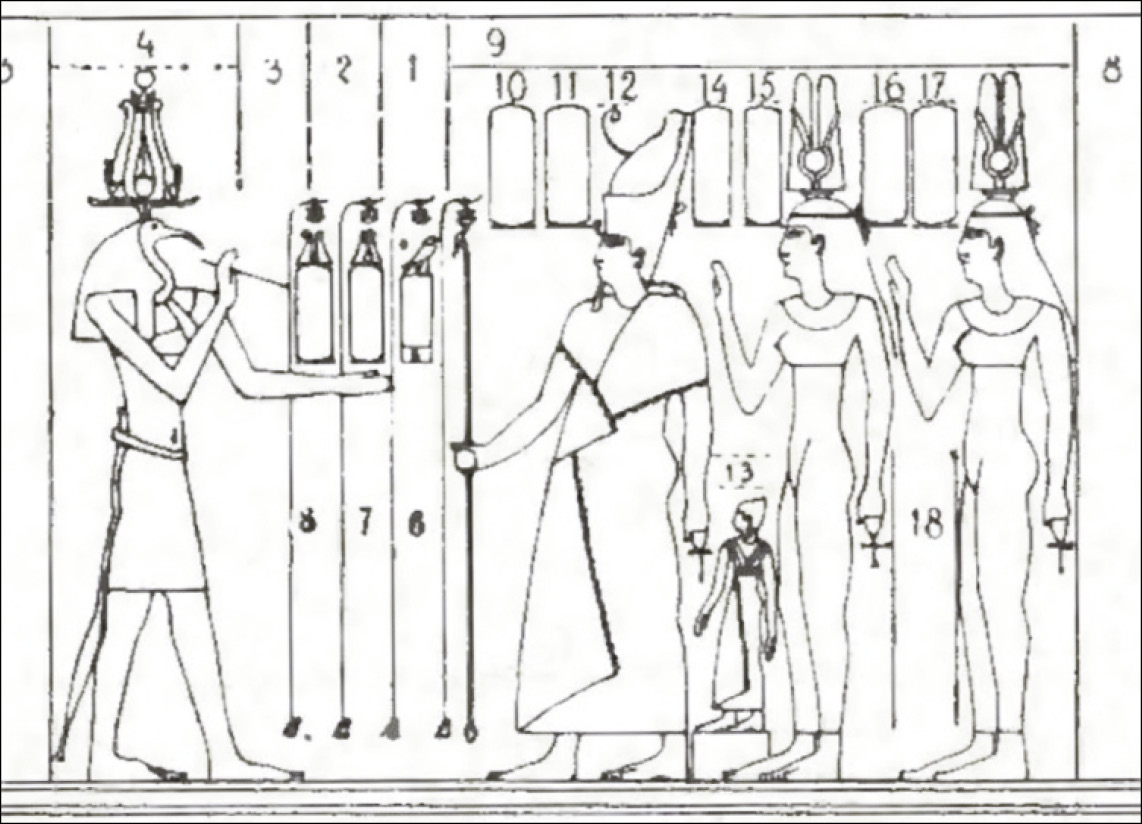
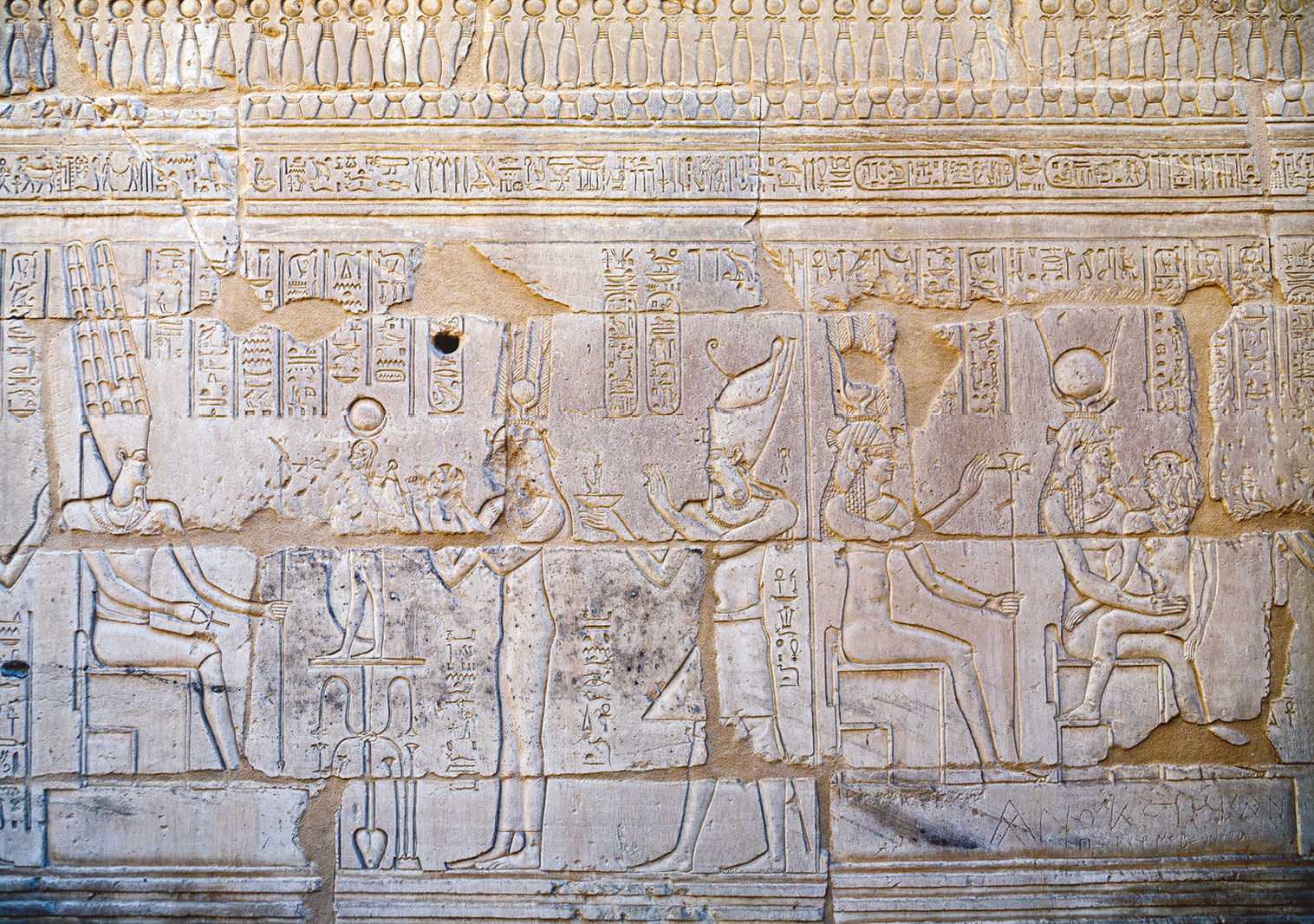
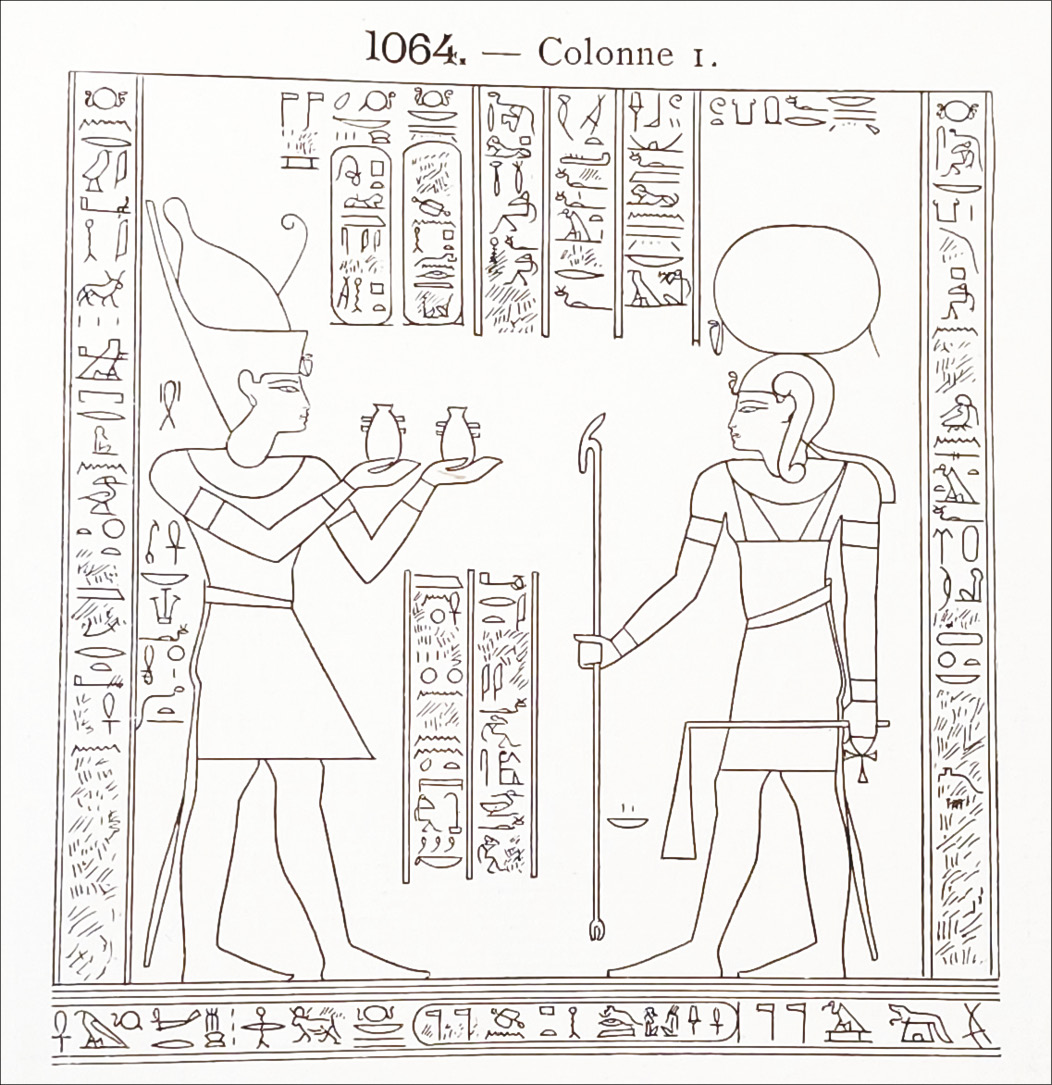
Throughout the joint-reign with Chickpea, Cleopatra III preceded her son in all official prescripts – Greek, demotic, and hieroglyphic – and she was inevitably given first place in dating of the reign formulae too, a significant indication of her superiority and dominance. A fragmented relief found in the Temple of Khonsu at Karnak, for instance, showed Cleopatra III occupying the place of honour, standing in front of Chickpea. Also, a huge well-preserved relief on the mammisi (birth house) at the Temple of Hathor at Deir el-Medina portrayed Cleopatra III in the frontmost position, offering a papyrus posey to the Theban triad of Amun, Mut, and Khonsu, while Chickpea, who stood in the hierarchically enfeebled position behind her, offered the gods the symbol of ma’at (‘justice’).
In other relief scenes, such as on columns at Kom Ombo, Chickpea and his mother were even represented in separate acts of worship. The Greek epigraphic evidence from Chickpea’s reign echoed the Egyptian material – for, in the documentary prescripts, the name of Cleopatra III always appeared alone, without that of her son, and she was routinely addressed as the Goddess Euergetis.
Murder plot
A less-than-happy Chickpea was thwarted by his mother in every attempt he made to assert sovereignty. Serious power struggles developed until, in 107 BC, Cleopatra decided that Chickpea had to go. She ordered her servants to spread a malicious rumour throughout Alexandria that Chickpea had tried to assassinate her and, conjuring up all her skills in amateur theatricals, she made a public appearance in front of the Alexandrian palace, weeping and wailing and showing off her (self-inflicted) wounds. According to Pausanias, the drama-queen put on quite a show:
She even covered her eunuchs (those she thought best predisposed to performing) with cuts and bruises and presented them to the people, making out that she was the victim of [Chickpea’s] aggression, and that he had thrashed the eunuchs in a similar fashion. The people of Alexandria rushed to kill [Chickpea], and when he escaped on board a ship, made Ptolemy Alexander, who returned from Cyprus, their king.
It had never been Cleopatra’s intention to let Chickpea escape with his life, but he managed to flee to Cyprus. In his haste to escape Alexandria, Chickpea left behind his children by Cleopatra IV, who were put into their grandmother’s care. His second sister-wife, Cleopatra Selene, was forced by their mother to divorce him.
War in Syria
In 107 BC, Ptolemy Alexander emerged as pharaoh Ptolemy X Alexander I, his mother’s new much-beloved co-regent. To cement his status as king, Cleopatra III ordered Ptolemy X to marry his brother’s ex-wife, Cleopatra Selene (his own youngest sister), and in 105 BC she bore him a son. However, Cleopatra III still felt threatened by Chickpea. Her instincts were correct – reports reached Alexandria that Chickpea was gearing up for war and, having crossed into Syria, he was intent on advancing on Egypt, retaking his throne, and destroying his mother’s power.
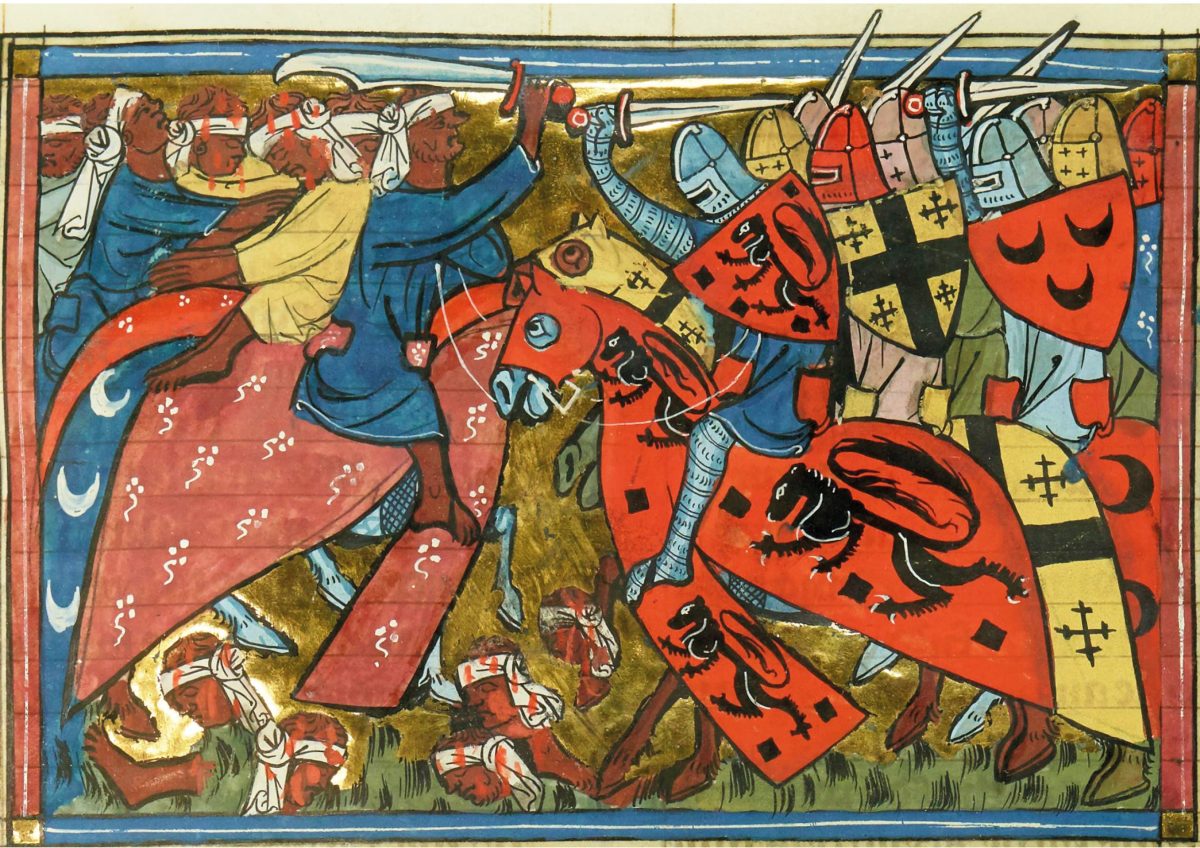
Late in the summer of 103 BC, Cleopatra III dispatched Ptolemy X and a fleet of warships to Syria, where he succeeded in getting his men as far north as Damascus. She herself travelled overland with her infantry to Ptolemaïs-Ake, and began a brutal siege (which lasted until early 102 BC). With most of the Egyptian troops occupied in Syria, Chickpea marched on the Egyptian border town Pelusium. However, Ptolemy X arrived there first and managed to drive his brother back to Gaza, where he and his army were forced to spend the winter. From there, Chickpea had no choice but to retreat back to Cyprus.

Cleopatra III achieved nothing of worth during her Syrian campaign: she simply increased the amount of fighting and destruction that was already raging in Syria due to civil war. Unbeknown to her, two of its most prominent casualties were to be her own daughters. At this time, Cleopatra IV and Cleopatra Tryphaena were each married to a man claiming to be the rightful Seleucid king. The sisters fought for power alongside their husbands, and both died as a result of their own sibling jealousies: Cleopatra IV was dragged out of sanctuary and killed on the orders of Tryphaena, while Tryphaena herself was killed by Cleopatra IV’s husband.

Cleopatra III does not seem to have mourned her two daughters. Instead, ever the political pragmatist, she acted swiftly to reconfirm the Ptolemaic presence in Syria by putting her sole surviving daughter to better political use. Cleopatra Selene, previously married to both of her brothers in turn, was now sent to Syria to marry her brother-in-law Antiochus VIII Grypus – the Seleucid king whom her mother most favoured. On the death of Grypus, she married a further two kings of Syria, and would become the mother of the last Seleucid ruler.
Cleopatra V Berenike III
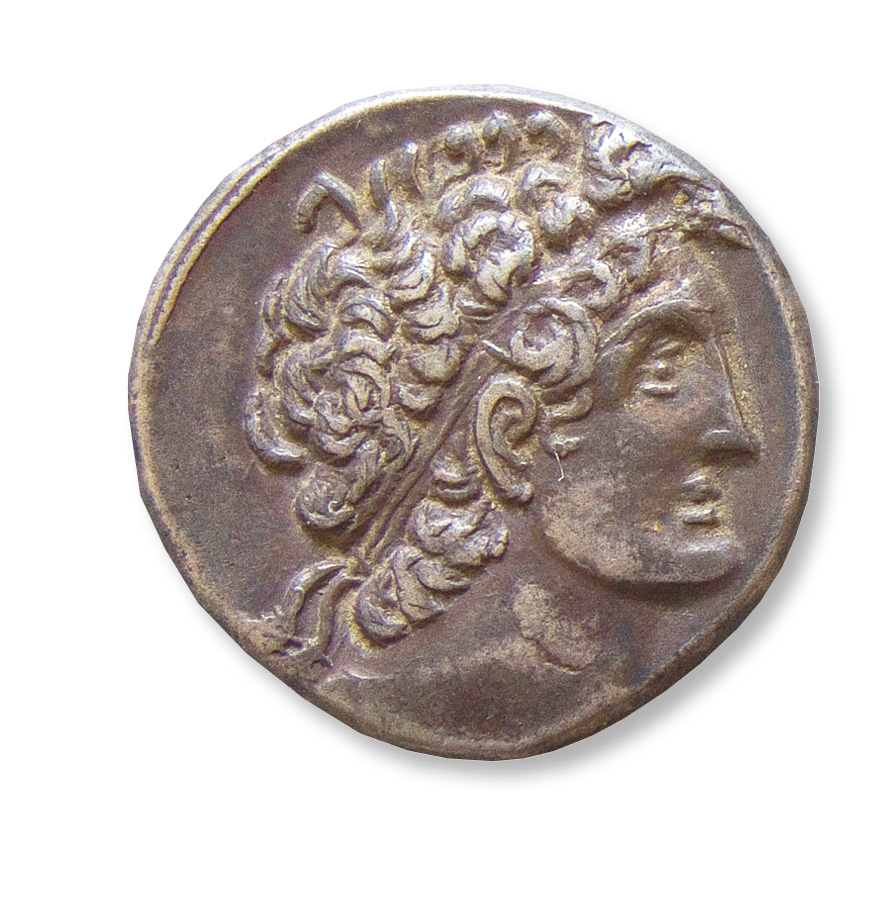
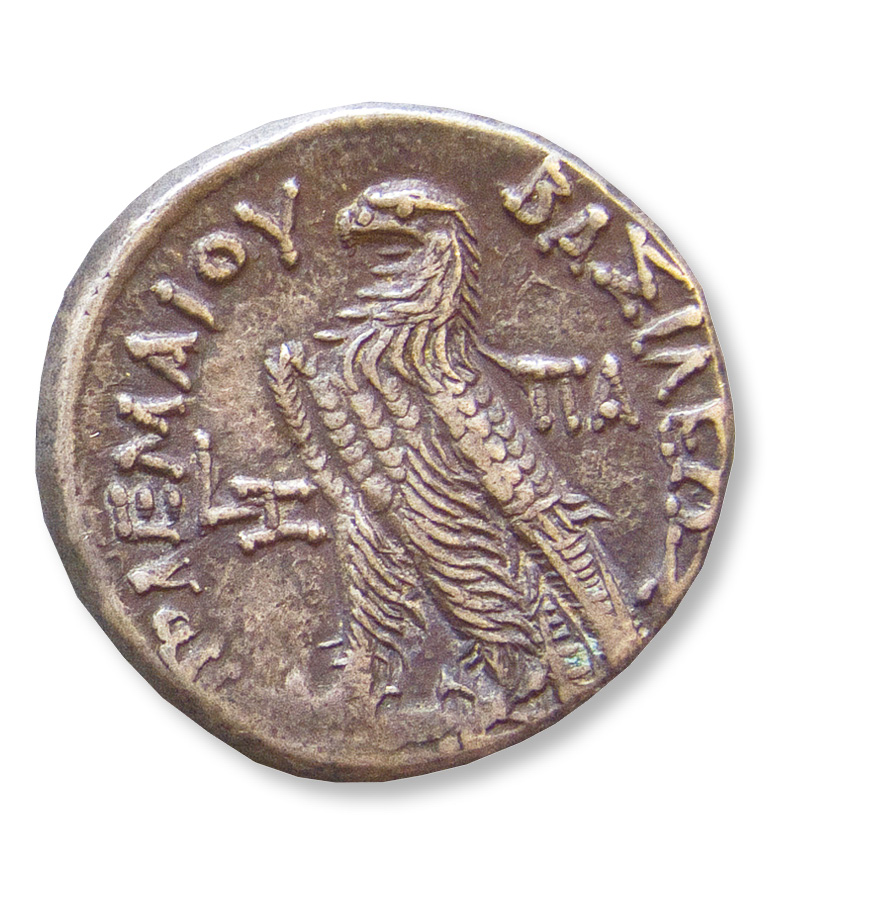
In 101 BC, and with an eye to his immediate future, Cleopatra III arranged for Ptolemy X to wed his niece, the 15-year-old daughter of Chickpea and Cleopatra IV. Berenike was an intelligent young woman, a quick learner, and keen observer. As Chickpea’s daughter, she was much loved by the infamous Alexandrian mob, who had watched her grow up and simply adored her. In many respects, this granddaughter was Cleopatra III’s trump card, as her marriage redirected support in Alexandria to Ptolemy X. In October 101 BC, Berenike was named as co-ruler alongside her husband-uncle, and was incorporated into the dynastic cult as the ‘Brother-loving Goddess’. She became Cleopatra V Berenike III, adopting ‘Cleopatra’ as a throne-name to demonstrate continuance from her grandmother Cleopatra III and great-grandmother Cleopatra II, as well as to propagate a belief in the dynastic stability of the new ruling couple.

Matricide
Ptolemy’s marriage to his niece somehow galvanised him. He began to act independently of his mother, and a rift developed between them as the king mulled over the many slights Cleopatra had perpetrated against him over the course of their co-rulership. His resentment grew to the point where he decided to assassinate his mother – before she could kill him. The murder of Cleopatra III occurred between 14 and 16 October 101 BC, and, although the sources are silent on the exact cause of her death, it was certainly brought about by foul play. There were rumours that Ptolemy, drunk after one of his interminable all-night banquets, had personally grappled his mother to the ground and strangled her with her own belt. We do not know for certain if Cleopatra V Berenike III was involved – she had nothing to gain by it – but she might have witnessed the killing.
Cleopatra III died at the age of 60, or thereabouts. Few people mourned her. She experienced a partial damnatio memoriae when, at her death, her string of elaborate priesthoods was disbanded. They soon disappeared from all official documents, as all traces of her reign were quickly suppressed, and even the pretentious titles she had amassed in her lifetime were allowed to fade into obscurity. The blackening of Cleopatra’s memory, which started at the time of her murder, was carried on across the centuries by Roman authors such as Justin, who later wrote about her life and characterised her as an archetypal oriental villainess: ‘She richly deserved her infamous death because she had driven her own mother from her marriage bed.’
Cleopatra III reassessed
Cleopatra III ruled as queen of Egypt for nearly four decades, second in longevity only to her mother Cleopatra II. During the early years of her reign, in a triumvirate with Cleopatra II and Potbelly, Cleopatra III was the inferior of three co-rulers with the least authority. Her image was exploited for dynastic propaganda, and her presence was permitted in the triad of rulers because she was of a fertile age and was expected to produce heirs for the dynasty. While taking the back seat, she used her time profitably and learned from her senior co-rulers – especially her mother – how to rule, growing in confidence and capability. During the ensuing 15 years in which she reigned as dominant co-ruler with both of her sons in succession, she was an excellent queen with a keen eye for bureaucratic detail. She carefully maintained her kingdom, and even protected it by leading troops – in person – into battle in Syria. She efficaciously negotiated the international politics of the day by knowing when to make war and when to stop; she even managed to keep Roman intervention in Egyptian affairs at a minimum. In Egypt, she was a brilliant propagandist, flouting centuries of Ptolemaic tradition that required a joint king and queen. She fused masculine and feminine royal titles, and contorted the traditional forms of iconography to create her own unique form of rulership. Finally, Cleopatra III used her children to create successful alliances that supported her dynasty and protected her kingdom, just as efficacious male monarchs of the Hellenistic world had always done. In spite of her intrigues, Cleopatra III was not the wicked queen portrayed by history, but rather a successful king – a king who happened to be a woman.

Lloyd Llewellyn-Jones is Chair of Ancient History at Cardiff University, and Director of the Ancient Iran Programme for the British Institute of Persian Studies. His research interests include monarchy and court society and cultural and global history. He is the author of Sister-Queens in the High Hellenistic Period: Kleopatra Thea and Kleopatra III (reviewed in AE 136), and has a new book on the Cleopatras due out next year. His articles on Cleopatras I and II can be found in AE 137 and AE 138.