Subscribe now for full access and no adverts
Medicine in ancient Egypt was advanced for its time; it was well respected by other early civilisations, and today continues to fascinate us. Was surgery a separate branch of general medicine? And was any type of operative treatment practised? While there is considerable evidence for the management of injuries and trauma, there is less support for surgical procedures relating to conditions that did not result from trauma.

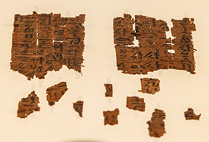
Medical papyri
The ancient Egyptian medical texts – the medical papyri – refer to minor surgical procedures, such as incisions to drain or excise swellings, cauterisation, sutures to close wounds, bandaging, and the reduction of dislocations. There is mention of the ‘knife or cutting treatment’ (Dwa), and a number of cases in the Ebers Papyrus describe the surgical removal and management of various swellings.
An example of treating such a swelling is Ebers Papyrus 865, which refers to an enlargement of the lower part of the abdomen in which ‘the water rose and dropped’. It has been suggested that this is a case of ascites (a condition in which fluid builds up in spaces within the abdomen). The treatment is to puncture the swelling with a knife, while taking care not to damage the anatomical structures below the puncture site.
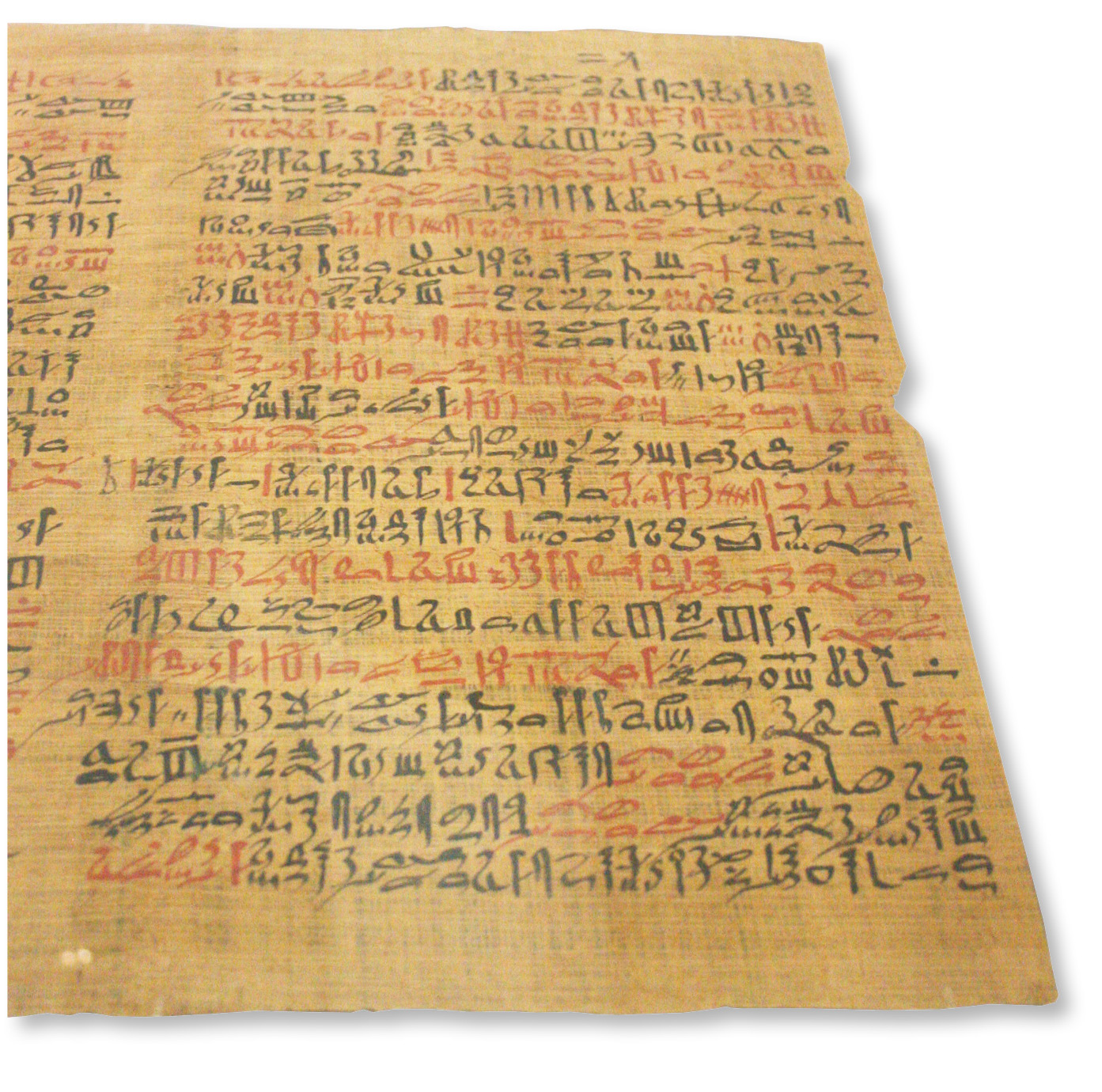
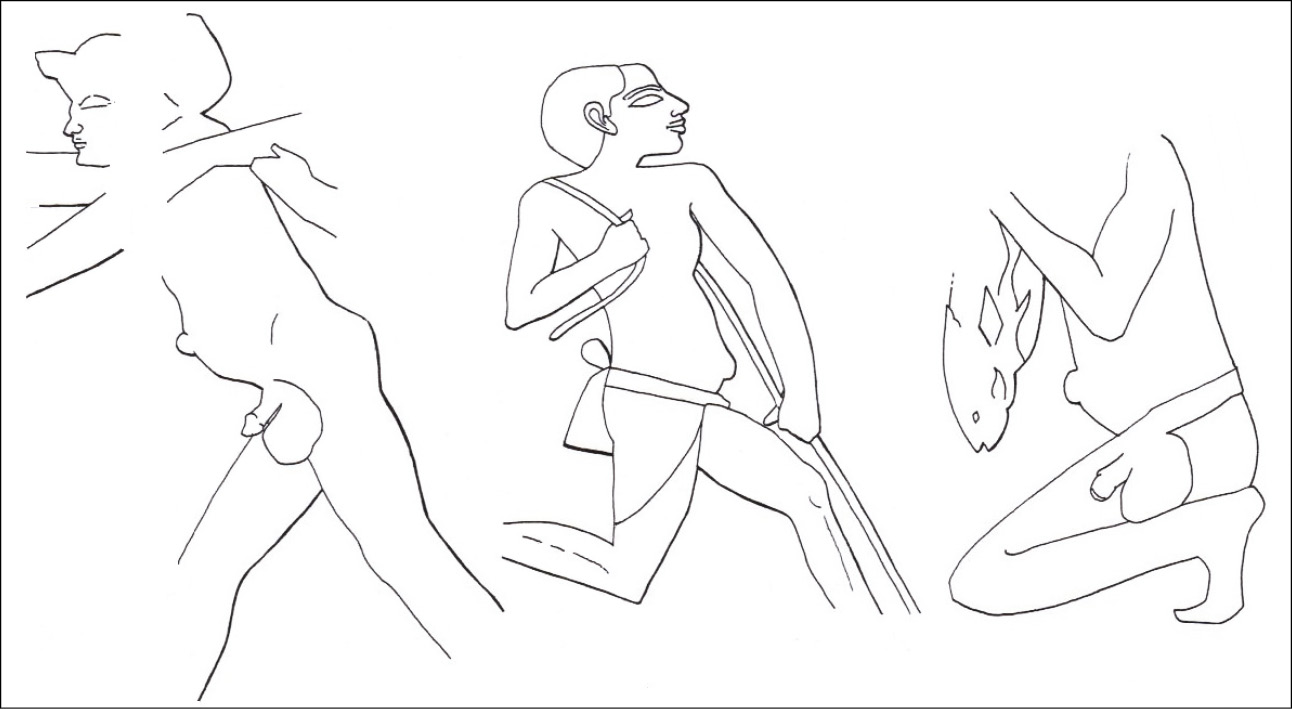
Ebers Papyrus 864 describes a bulge under the skin on top of the abdomen and above the navel. The examination for this condition consists of palpating the enlargement while asking the patient to cough, and then determining if it has increased in size. This appears to be a description of a typical umbilical hernia, a number of apparent depictions of which can be seen in paintings and reliefs of servants and workmen in various tombs. The advised treatment for the condition is the application of heat, but it is unclear whether this was cauterisation to occlude the neck of the hernia or the application of gentle heat to relax the abdomen.
A closer examination of some of these and other cases in the Ebers Papyrus suggests that the procedures were carefully planned and executed, and, while they are not examples of major surgery, they would nevertheless have required some anatomical knowledge, as well as a degree of skill and experience, together with an awareness of possible complications.
Some of the cases in the papyri recommend that the operator re-examines the patients periodically after completion of treatment. This would allow him to determine what further therapy, if any, was necessary, and would have provided opportunities to evaluate the results of his treatment. Such an approach would permit the physician to gain experience and ultimately to improve outcomes.
There is palaeopathological evidence of amputations and the setting of fractures with splints, but there are no detailed descriptions of extensive surgical procedures comparable to those, for example, operations described by Celsus that were performed in ancient Rome.
Instruments
A number of finds of supposed medical and surgical instruments have been made, with one example being the copper implements found in the mastaba (tomb) of the royal physician, Qar, at Saqqara. The mastaba has been dated to the Sixth Dynasty, although the tomb was reused during the Late Period. The implements have been variously suggested as model tools, engraving equipment, or possible surgical instruments.
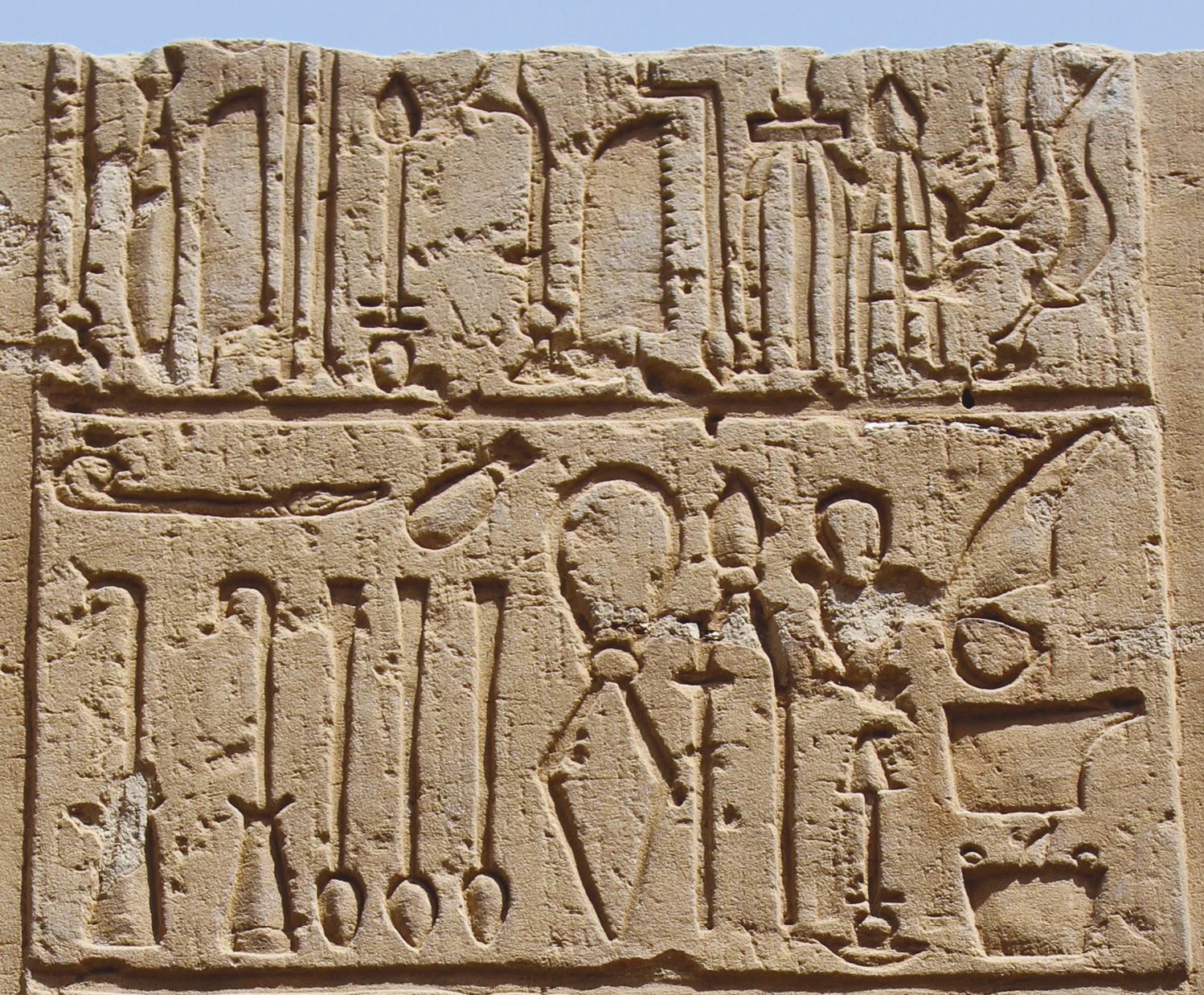
It is likely that medical instruments are shown in the celebrated scene depicted on the northern part of the enclosure wall of the Graeco-Roman temple at Kom Ombo. Here there is what appears to be a collection of nearly 40 implements or tools, and although different interpretations have been suggested as to their purpose, many of the items are contemporary with numerous well-authenticated depictions of Roman and Greek surgical instruments.
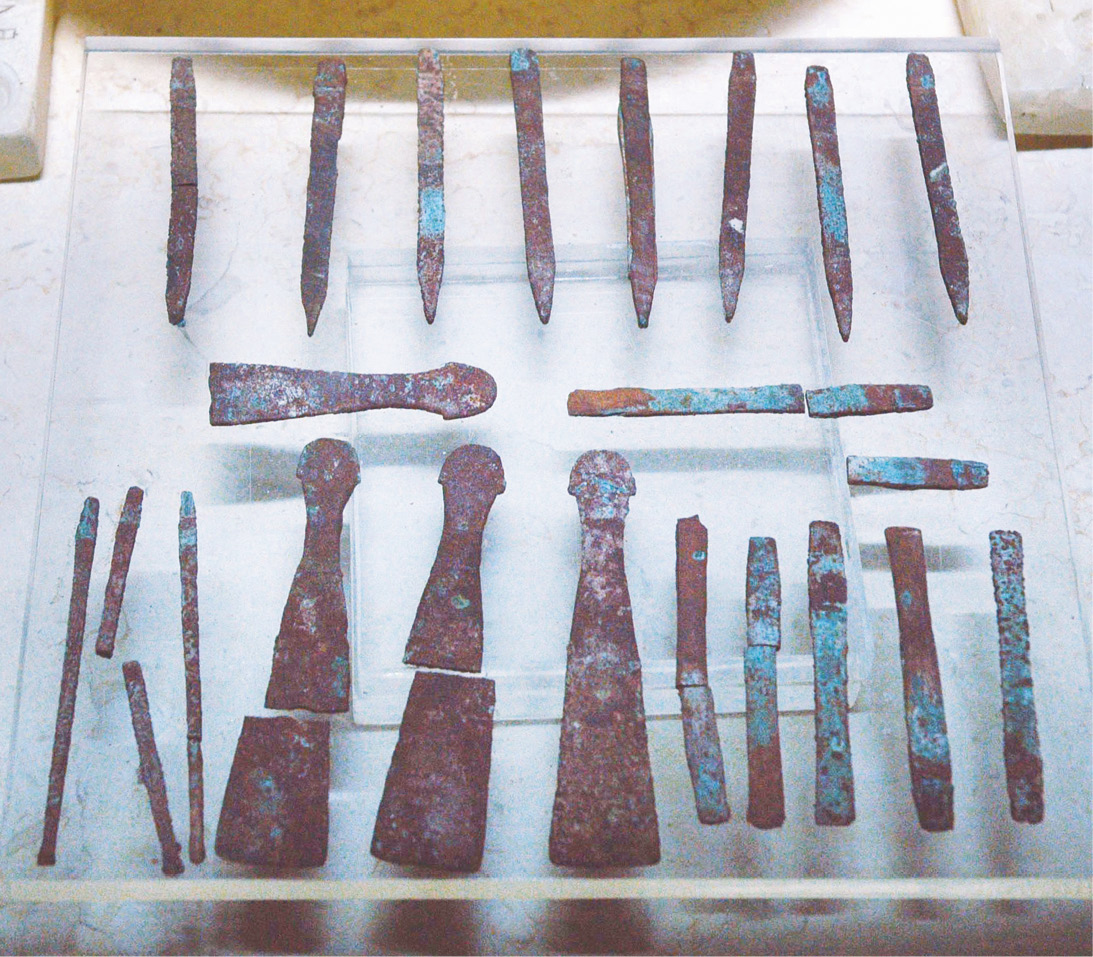
Many museums have collections of implements often labelled either as possible embalming tools or instruments, or described as ‘of unknown purpose’, some of which may have had a medical function. One difficulty in the identification of any ancient medical instrument is that they were never engraved with their purpose, and most have not been found in a context in which they might be positively identified as surgical equipment (but see the Iseum Savaria below).
Transmission of medical, surgical, and healing concepts
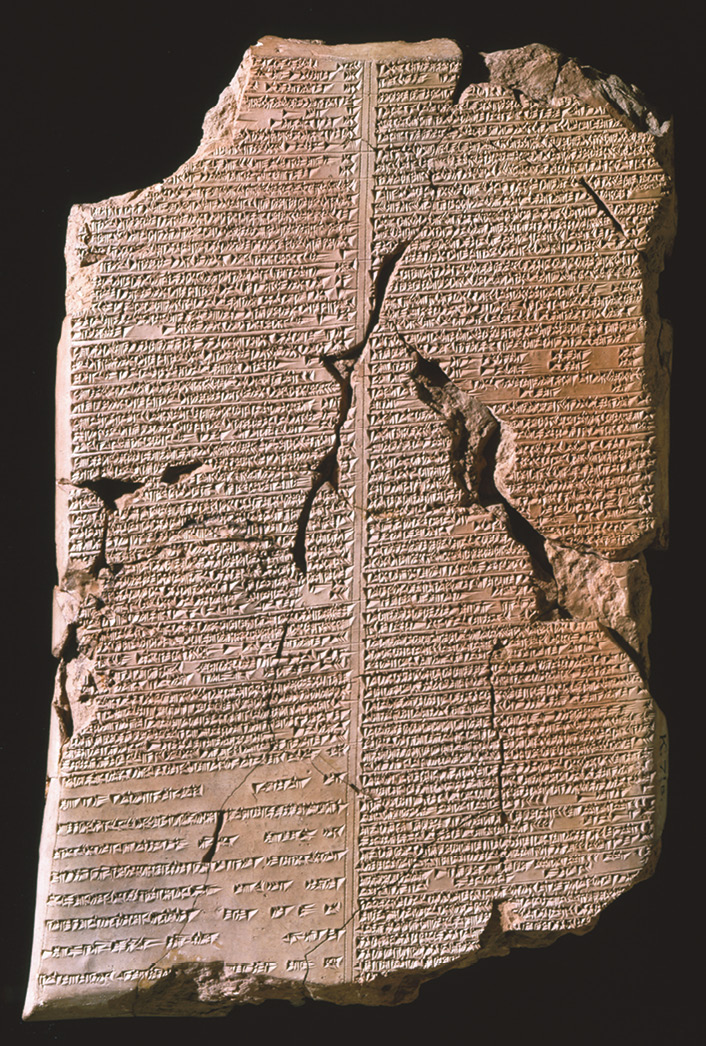
The successful treatment of ill-health plays a vital role in all societies, and not surprisingly some transmission of medical concepts and practices occurred across political borders in antiquity. However, not all systems incorporated surgery among their therapeutic methods. For example, surgical treatments were apparently never available in ‘Babylonian medicine’ (the system practised in Mesopotamia over the millennia), although some of their concepts and remedies had counterparts in Egyptian pharaonic healing practices.
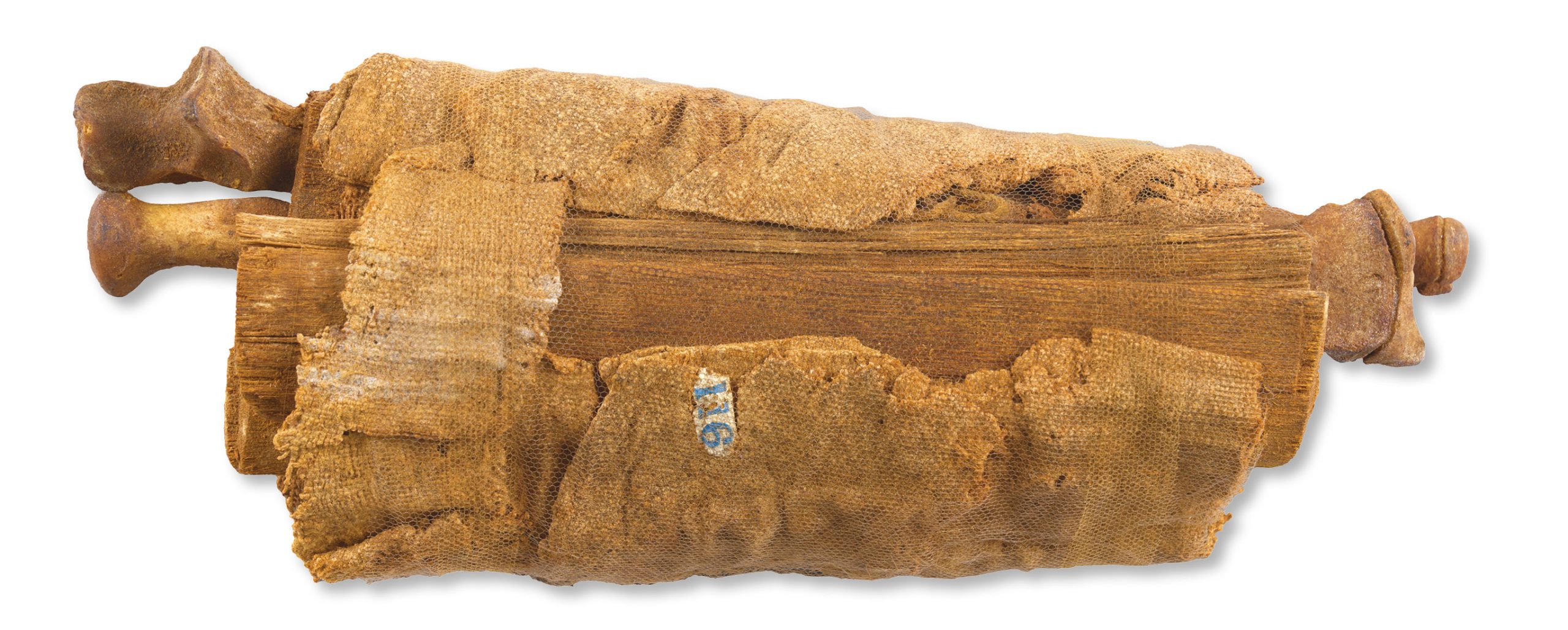
There is a significant difference in the availability of source material: whereas relatively few medical texts (mostly preserved on papyrus) have survived from ancient Egypt, the evidence from Mesopotamia – inscribed on durable clay tablets – is extensive. These nevertheless are sufficient to show that both systems were based on the belief that divine intervention played an essential role in diagnosing and treating the sick, which profoundly influenced their concept of disease and its causes and treatments.
Egyptian healers used a combination of ‘magico-religious’ and ‘empirico-rational’ (pragmatic) therapies to treat the sick: these included basic surgery and some therapeutically viable pharmaceutical recipes. The Mesopotamian system was also based on pharmaceutical remedies, and included prayers to deities; however, it did not involve surgery, but offered treatments not found in Egypt, such as animal sacrifices and astral medicine. The latter emerged in the 5th century BC and involved the performance of healing rituals, effected at propitious times in the zodiacal cycle.
The conquest of Egypt by Alexander the Great in 332 BC ushered in an era of foreign rule (the Graeco-Roman Period), providing new opportunities for immigrants to settle on Crown Land in Egypt. Although they included various ethnic groups from different homelands under Hellenistic and Roman rulership, most shared a Greek lifestyle, which included distinctive medical and healing practices. The settlers largely pursued these methods separately, but in parallel with the indigenous population’s continued use of pharaonic medicine. The Greek system reflected an increased awareness of surgical procedures which, according to literary and archaeological evidence, were significantly developed throughout the Hellenistic and Roman eras. For example, surgery was an important treatment offered at the Asclepeion at Epidaurus (c.350 BC), and excavation of Roman sites has revealed large numbers of surgical instruments.
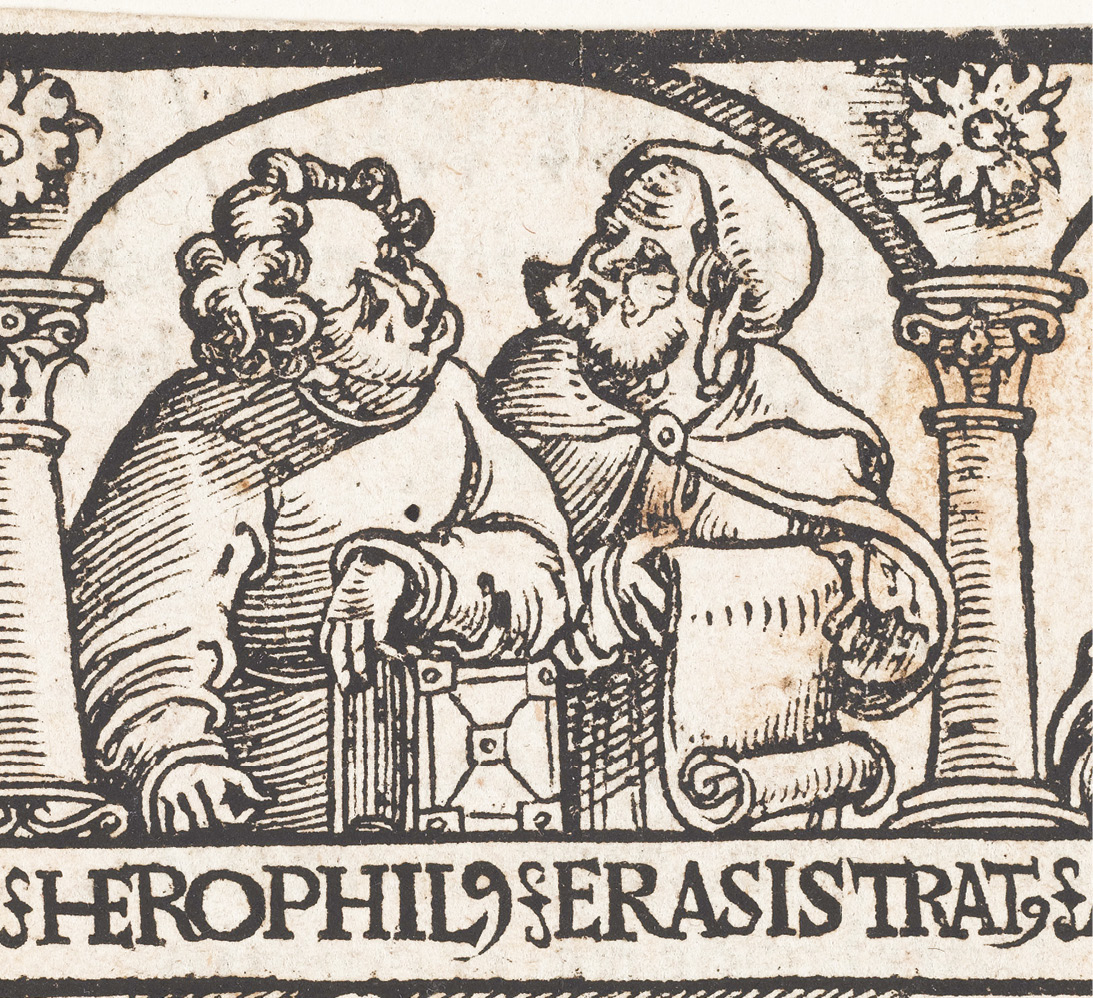
Surgical procedures became a key feature of the Alexandria medical school in Egypt, providing the basis for developments in techniques and instruments in Greek and Roman medicine. Internationally renowned for research and experimentation, this institution mainly followed the principles of Greek medicine and employed many notable physicians, such as Herophilus of Chalcedon and Erasistratus of Chios. A unique but grisly surgical practice was temporarily pursued there: according to Celsus (1st century AD), the Ptolemaic rulers authorised the dissection and vivisection of criminals supplied by the prisons, affording physicians the opportunity to examine the structure of internal organs and their disposition and functions within the human body.
The role of the temple in medical, surgical, and healing therapies
Surgical treatment during the pharaonic period was probably performed in a variety of locations, such as the home, workplace or the physician’s premises. Any role the temple may have played in providing medical care is, however, unclear. Although inscriptions indicate a close association between healing practices and some sections of the priesthood, there is a lack of textual, archaeological or iconographic evidence to confirm whether any treatments were carried out within the temple or the temple precinct.
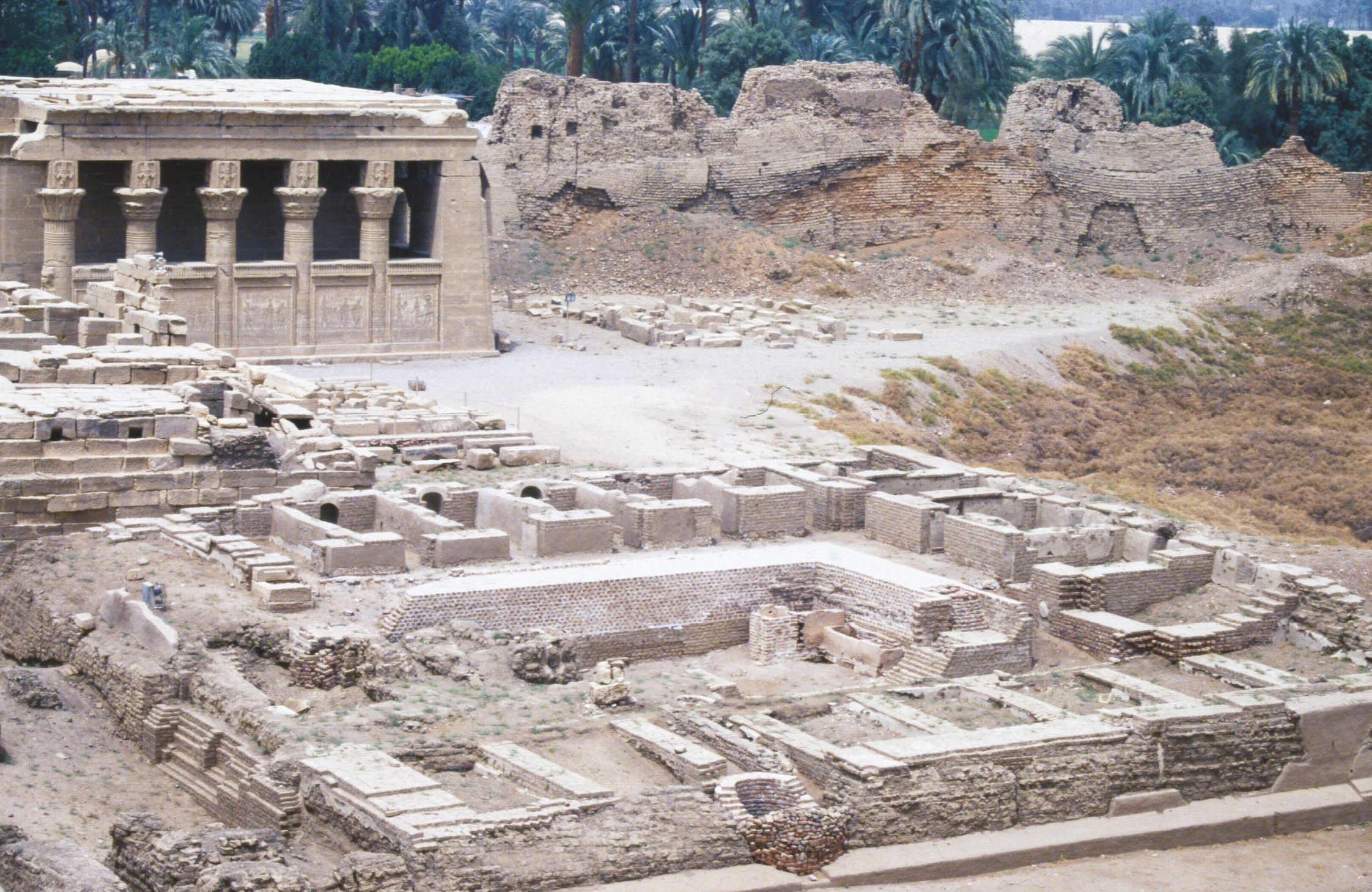
However, the concept of the Egyptian temple as a centre for healing, usually associated with deities renowned for defeating illness, is well established by the Late, Ptolemaic, and Roman Periods. Inscriptional evidence indicates that these places existed at Saqqara, Deir el-Bahri, Alexandria, Canopus, Antinoöpolis, Heliopolis, Hermopolis Magna, Leontopolis, Abydos, and Karnak. Excavation has also revealed a brick-built sanatorium in the precinct of the Temple of Isis-Hathor at Dendera. Treatments offered at the cult-centres included total or partial immersion in sacred water, and incubation. This involved the patients sleeping in the temple precinct so that they might receive dream interpretation and healing from the resident deities. Surgical procedures may have been carried out, too, during this induced trance-like state.

Some aspects of the temple healing therapies on offer in later times may have been introduced into Egypt from Greece, but some were probably derived from older Egyptian traditions. The cults of some Egyptian deities – especially Asclepius (Imhotep) and Isis – received widespread recognition, ultimately reaching many areas of the Roman Empire. One of these cult centres, located at the Temple to Isis at Savaria (Szombothely, Hungary), is of particular interest because of the significant discovery in situ of a set of identifiable surgical instruments. This not only indicates that the centre offered surgical treatment, but the find-spot of the items may confirm the temple periphery as the location where these procedures were carried out.
The Iseum Savaria as a religious and healing centre
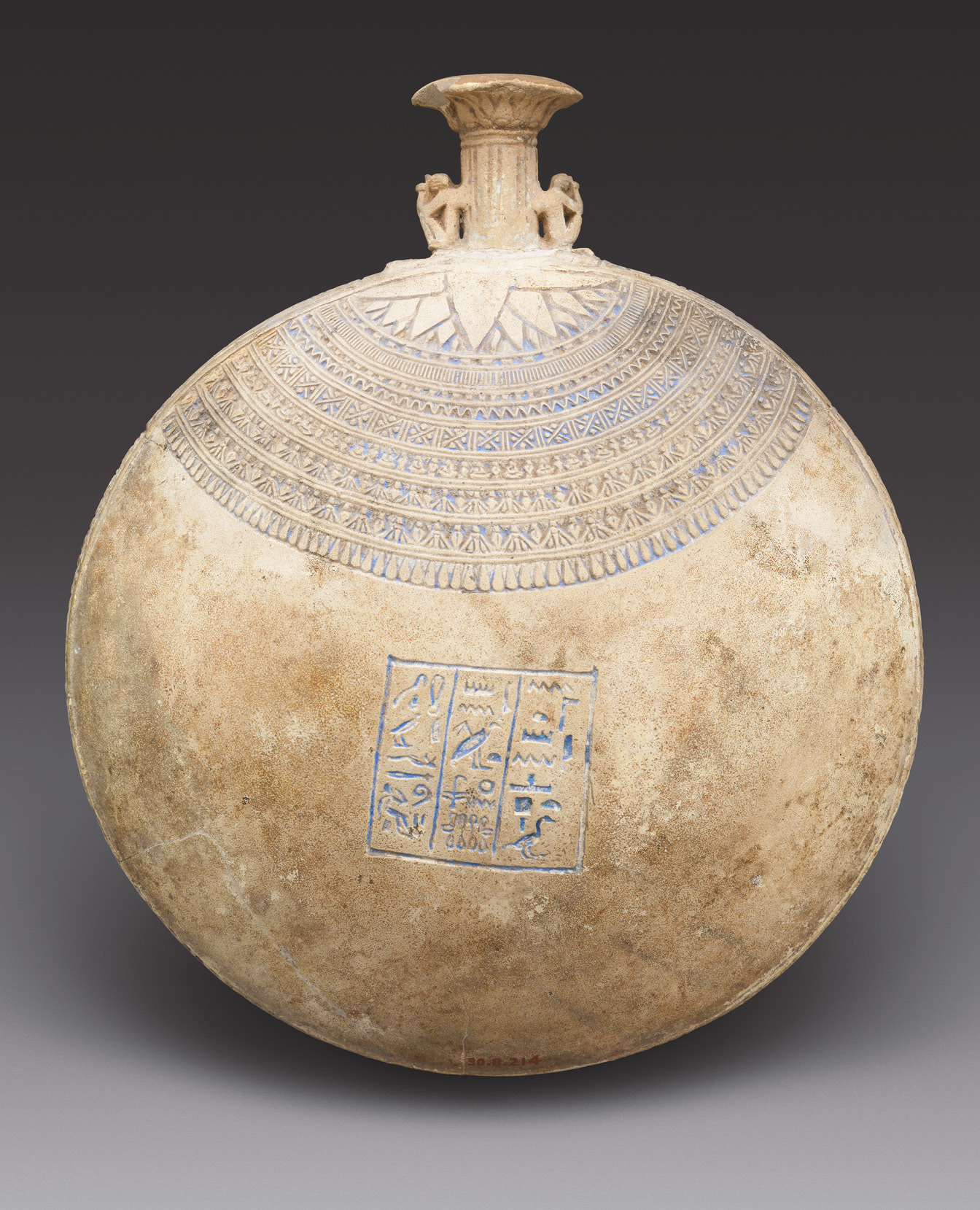
The Iseum Savaria was one of the largest centres dedicated to Isis outside Egypt. Excavations started there in 1955, and continued under Otto Soszrarits from 2001. They have revealed the extensive remains of a combined divine sanctuary and centre for medical therapies. The site featured a sophisticated water-supply system, including an independent drainage network; this was separate from the urban provision that served Savaria, and designed to ensure that all water in general use in the sacred precinct came from a ‘pure’ source. In addition, Nile water was transported from Egypt for the ritual libations regularly offered to Isis. New Year’s Flasks often contained Nile water, and were given as gifts to mark the beginning of the new agricultural year, which began in late summer, when the Nile River began to flood.
In her temple at Savaria, Isis was the recipient of a major celebration, the Navigium Isidis festival, held annually on 5 March, which coincided with the ending of winter storms in the Mediterranean and the resumption of seaborne trade. When the original version of this festival was performed in Egypt, it was always associated with Osiris and Isis. It was held to coincide with the annual Nile flood, and to celebrate the renewed fertility of the land and its people. In Roman times, the link between Isis and water continued to play a significant role at the goddess’s cult centres outside Egypt. The celebrations included a procession of priests and cult adherents, accompanying a model ship from the temple to the sea or local river, thus emphasising Isis’s new role as mistress of the seas, as well as protector of seafarers and of rulers and peoples of the Roman Empire.
The Savaria surgical instruments
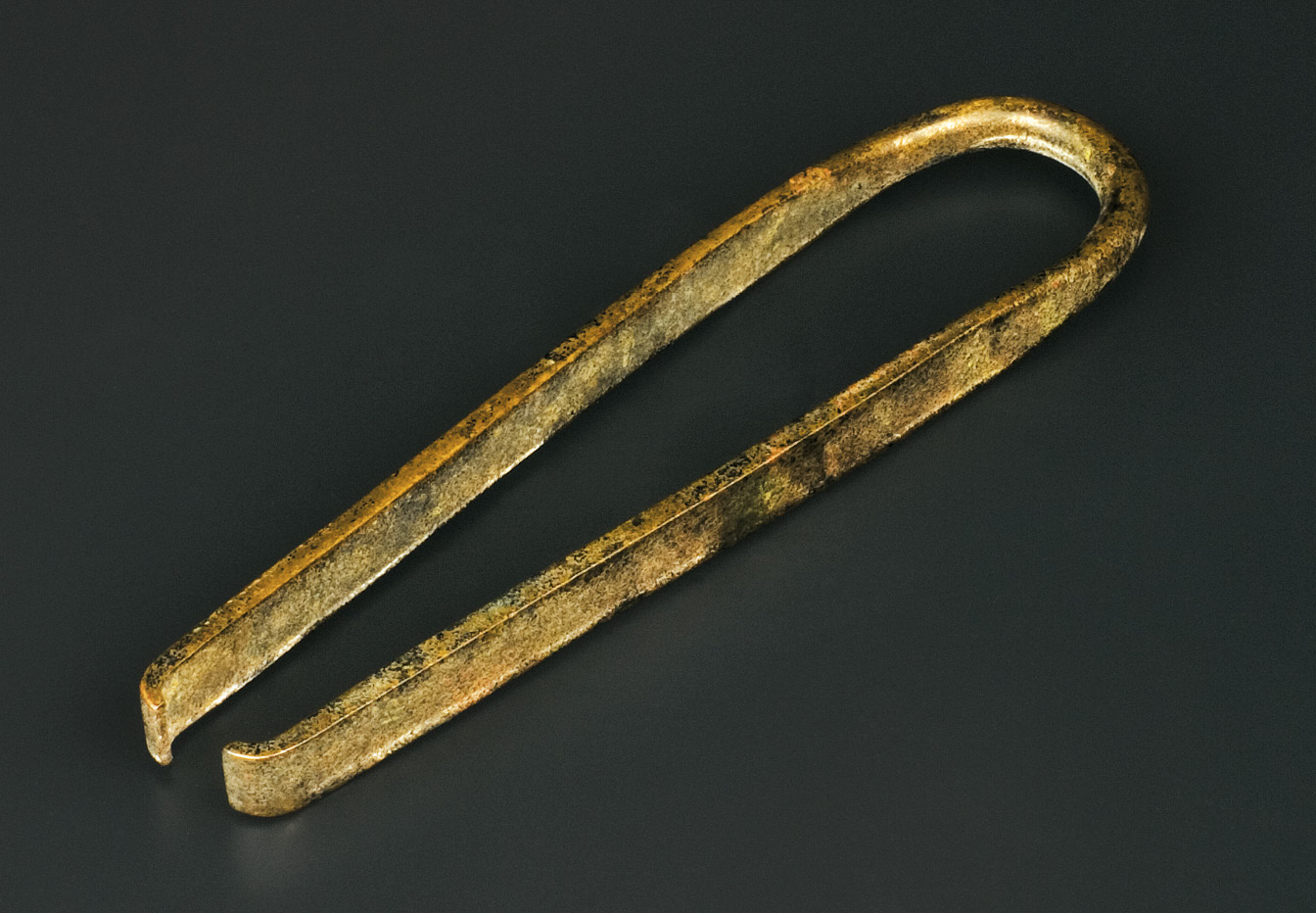
There is reference to a hnw–instrument in the medical papyri, which is considered to refer to a pair of forceps. Forceps are displayed in the Kom Ombo scene and there are many surviving examples in museums worldwide, but it is often difficult to decide whether their function was medical, cosmetic, or for use in embalming procedures. However, pairs of forceps have been found at the Iseum Savaria and, with their more-assured provenance, are more likely to have been used in medical procedures.
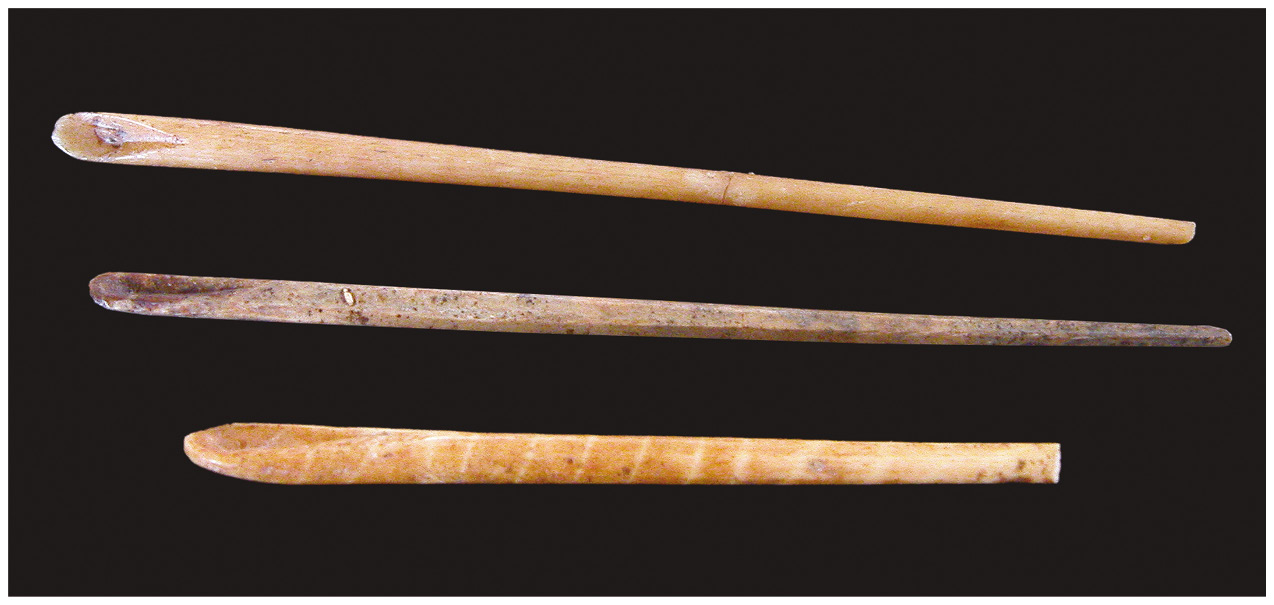
Similarly, there are several bone spatulas present in the assemblage that are likely to have been used to mix compounds, perhaps for medical purposes. The wider ends of the instruments have a spoon shape with a trough-like cut, possibly used as a dosage measure. A bronze spatula within the collection could serve several purposes: it could be used to reflect the edges of a wound, or press down the tongue during a medical examination. In the production of medicines, it could be used to spread or mix small amounts of substances.

In conclusion, although the ancient Egyptians developed and practised some effective surgical procedures – particularly in their treatment of injuries and trauma – pharmaceutical therapies remained the main focus of their healing systems, while the surgical tradition was developed further by the Greeks and Romans. However, with surgery, as with other areas of expertise, it was the Egyptians who ‘were the first in History to dare to look at the other side of the abyss that separates magic from science’ (Ghalioungui, 1963).
Rosalie David OBE has established a new university specialisation – biomedical research within the field of Egyptology – at the University of Manchester, where she is Professor Emerita. She is the author of more than 30 books and holds Fellowships in both the Royal Society of Medicine and the Royal Society of Arts.
Roger Forshaw is an honorary lecturer in Biomedical Egyptology at the University of Manchester, and a former dental surgeon. He has published widely on the Saite Period, the role of the lector, and medical and dental care in ancient Egypt.
Their new book, Medicine and Healing Practices in Ancient Egypt, is reviewed in this issue, and you can read their article on ancient Egyptian healthcare in in AE 134.
Further reading:
R David and R Forshaw (2023) Medicine and Healing Practices in Ancient Egypt (Liverpool: Liverpool University Press).
M J Geller (2010) Ancient Babylonian Medicine: theory and practice (Chichester: Wiley-Blackwell).
P Ghalioungui (1963) Magic and Medical Science in Ancient Egypt (London: Hodder & Stoughton).
T Pommerening (2020) ‘Egyptian medicine’, in D C Snell (ed.) A Companion to the Ancient Near East (Chichester: Wiley-Blackwell), pp.377-397.