Subscribe now for full access and no adverts
New evidence found at Umm el Qa‘ab (‘Mother of Pots’) in Abydos has shed light on the importance of the First Dynasty queen Meretneith (or Merneith), and casts doubt on the theory of ritual human sacrifice as part of royal burials.
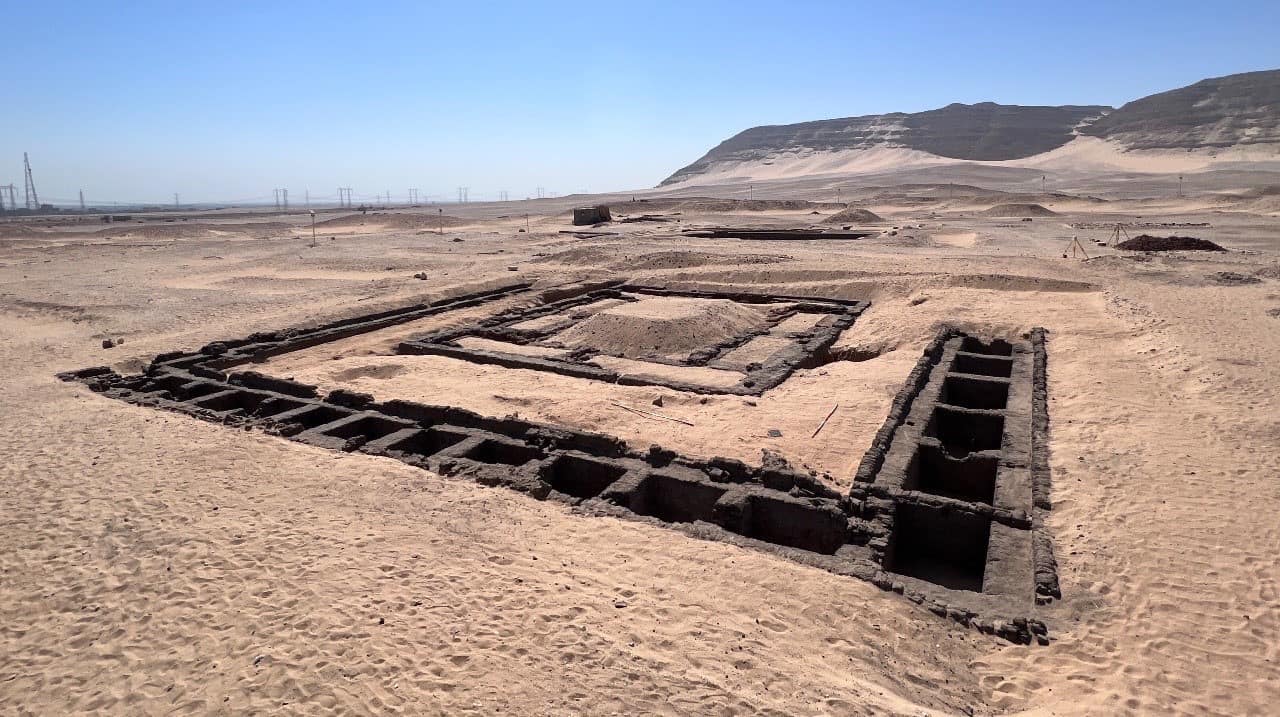

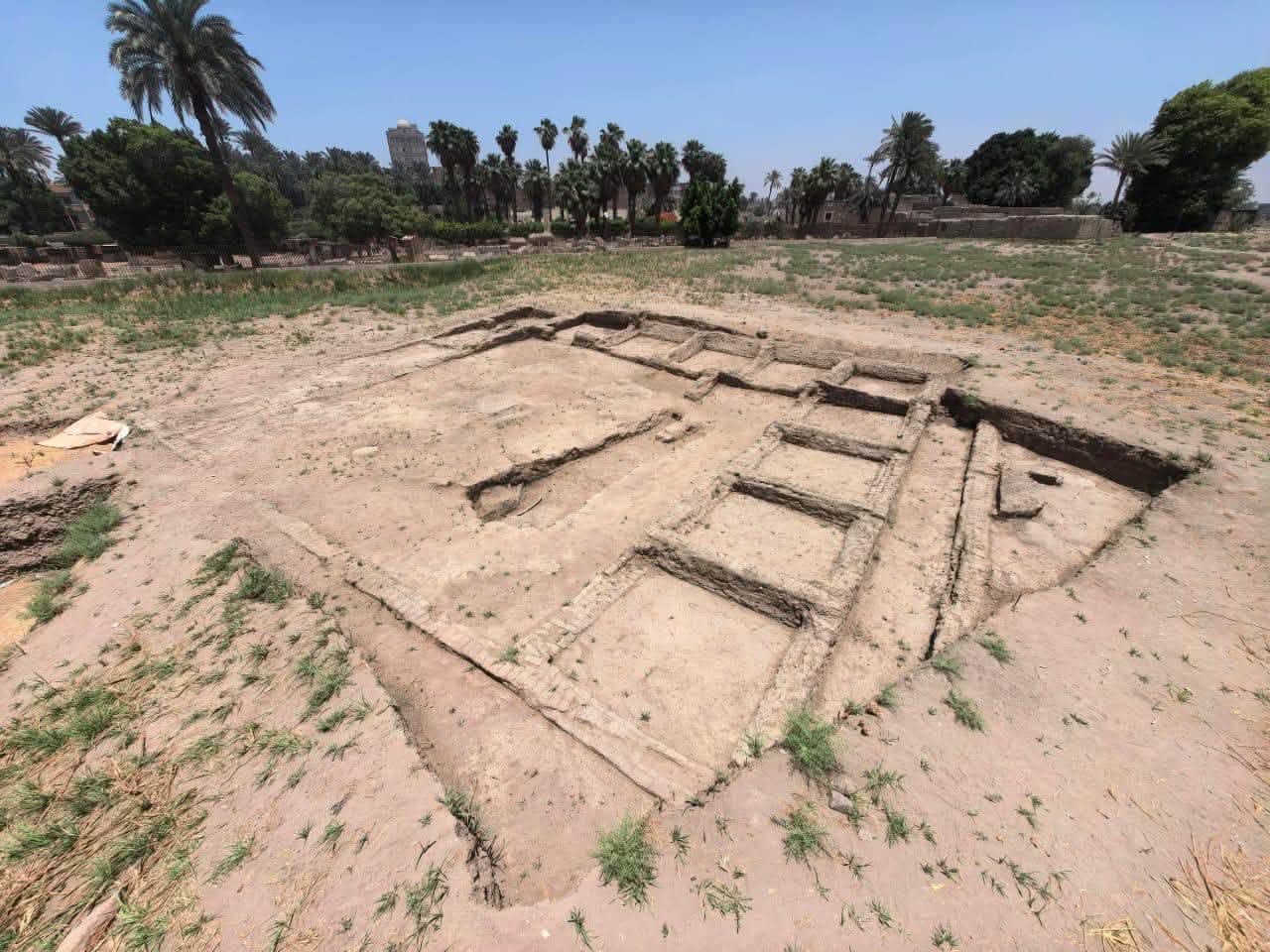
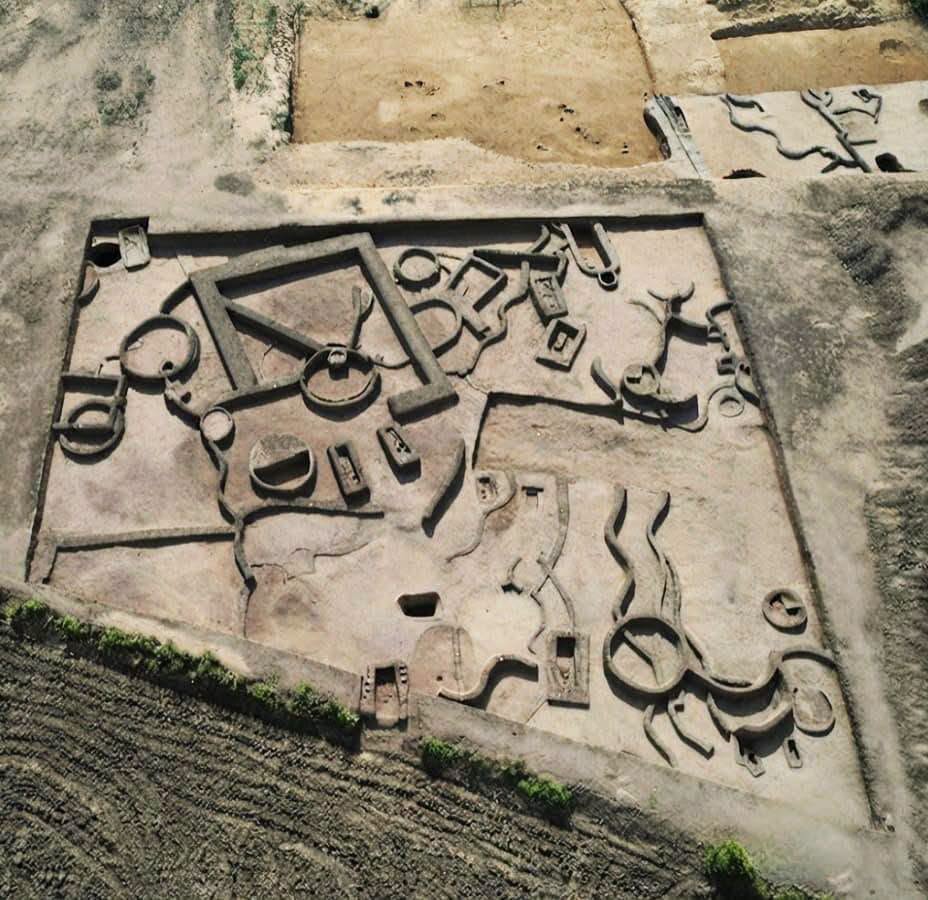
The international mission (the Egyptian Ministry of Tourism and Antiquities, the German Archaeological Institute in Cairo, the University of Vienna and Vienna University of Technology, and Lund University in Sweden) discovered grave goods including hundreds of large wine jars, some with intact stoppers, that still contained the remains of 5,000-year-old wine. Several inscriptions show that Meretneith controlled several important central government offices, including the treasury, which suggests that she may have been Egypt’s first ruling queen. She is the only woman of the period to be buried in her own monumental tomb complex in the royal cemetery, which included subsidiary burials of more than 40 courtiers and servants. However, using new archaeological technologies, the team discovered that these tombs were built over a relatively long period, suggesting that the deceased were not ritually sacrificed on the death of the queen, but rather chose to be buried next to her when they died.

Text: Sarah Griffiths / All images: © Ministry for Tourism and Antiquities