Subscribe now for full access and no adverts
REVIEW BY SG
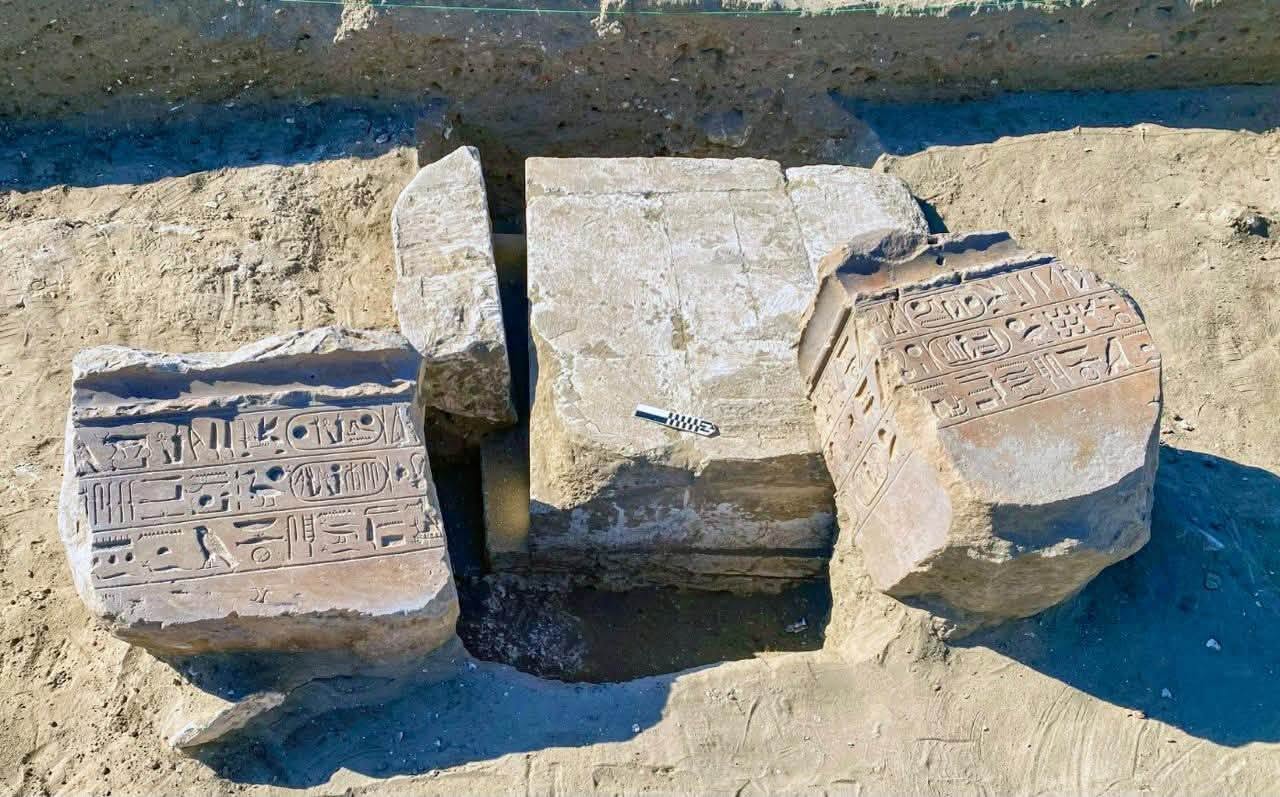
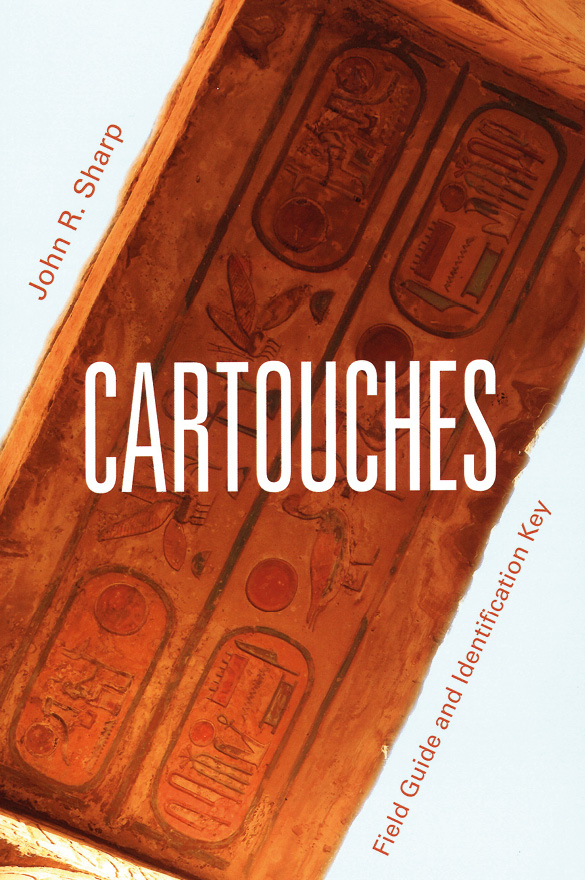
Being able to identify the kings by name can unlock the mysteries of monumental inscriptions and scenes. Thus a handy reference to help the beginner identify kings by their cartouches would be really useful. There are such books already – and a growing number of apps for mobile phones – but none are completely comprehensive, and they often miss out the most complicated names from the Graeco-Roman Period.
This new guide by John R Sharp almost suceeds, and it refers to previous work by Quirke, Clayton, Tyldesley, Johnson & Petty, von Beckerath, and Gardiner throughout. The author provides an easy-to-read, humorous survey, and takes pleasure in these perfectly proportioned, highly detailed miniature works of art.
Sharp’s guidebook covers the entire pharaonic period, from the earliest use of cartouches (by Sneferu of the Fourth Dynasty) to the Roman emperors – more than 120 cartouches identified – although this is still not a completely comprehensive list. For example, he explains that, as the rulers of the Seventh to Tenth Dynasties are not well attested, ‘the Field Guide will ignore them’, although he does include a few of the better known kings from the Thirteenth Dynasty.
The guide is organised into sections giving a chronological list of cartouches, showing each cartouche with a table breakdown of the signs contained (Gardiner number, sign, and pronunciation), accompanied by black-and-white photographs. I was happy to see that he also includes some of the more basic Ptolemaic and Roman cartouches. He even goes as far as to provide a special comment on the complexity of the Ptolemaic cartouches, explaining that most of the Ptolemies were ‘out of control with their names’, and as most of their cartouches were carved into soft sandstone, they appear as if they ‘were moulded from cookie dough’, making them hard to read.
The unique feature in this guide is a 65-page ‘Cartouche Identification Key’, built in the style of a wildlife field guide, where you can identify a name by searching for the signs contained in the cartouche. For example, if you look up kheper (‘scarab’), and neb (‘bowl’), this leads you to Nebkheperura (Tutankhamun).
Appendices include a Gardiner’s sign list of all hieroglyphs used in the book, a sign list ordered by English pronunciation, an index of throne and birth names, and an annotated bibliography that is immensely useful in explaining the area covered by each book. Sharp’s publication is highly recommended for beginners – and for those of us who are a little rusty when it comes to reading hieroglyphs.
Cartouches: Field Guide and Identification Key
by John R Sharp
CAROLINA ACADEMIC PRESS, 2022
ISBN 978-1-5310-2267-9
PAPERBACK £25