Cover Story
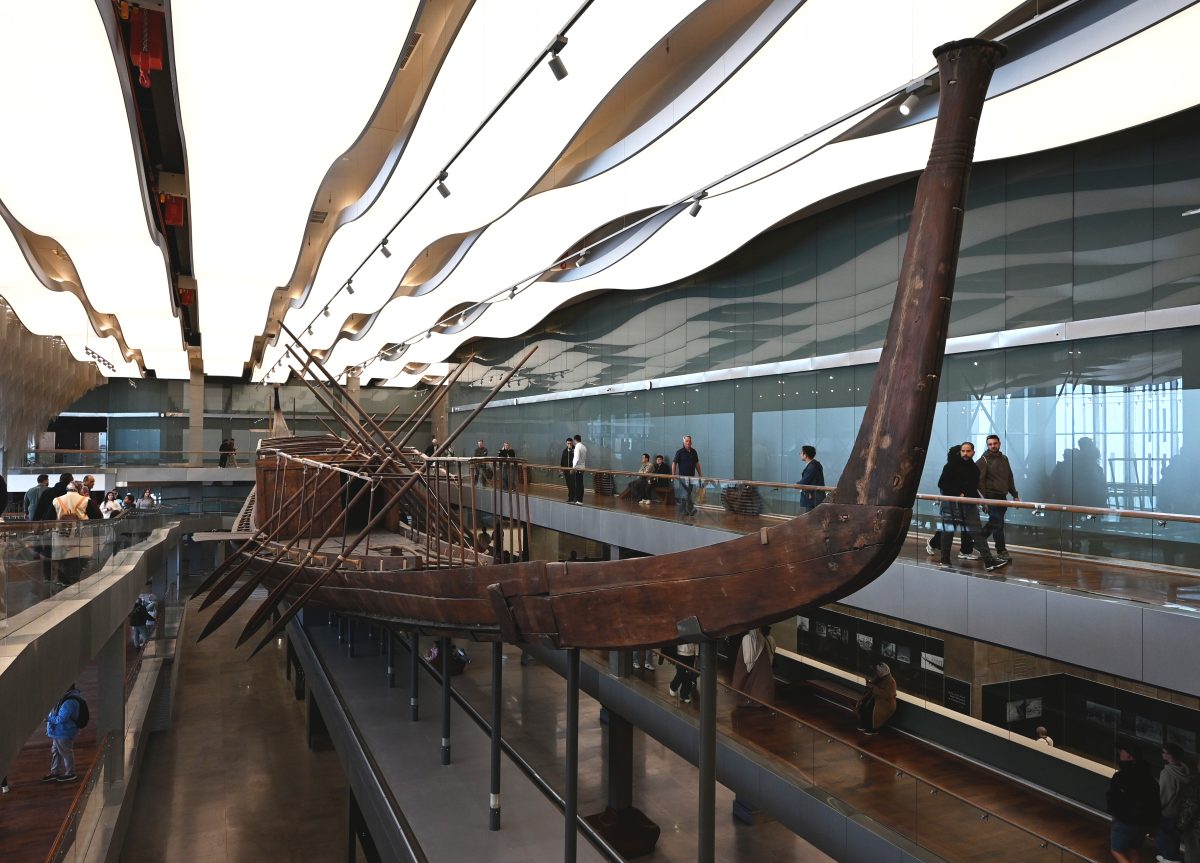
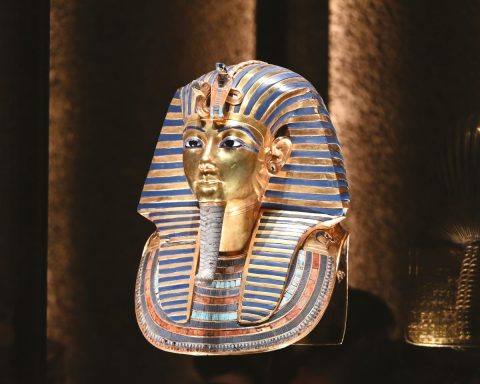 The Grand Egyptian Museum Geoffrey Lenox-Smith pays a return visit to the Grand Egyptian Museum to view the new galleries.
 Features
 Sir John Gardner Wilkinson: The ‘other founder’ of British Egyptology Robert R Frost explores the life and legacy of the antiquary, traveller, and pioneer of British Egyptology.
 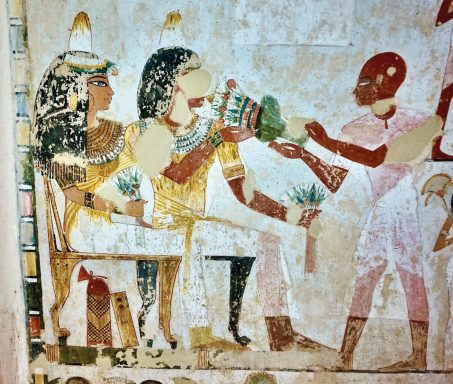 Were women literate in ancient Egyptian society? Simone Petacchi explores the often fragmentary evidence for women’s voices in ancient Egypt’s written culture.
 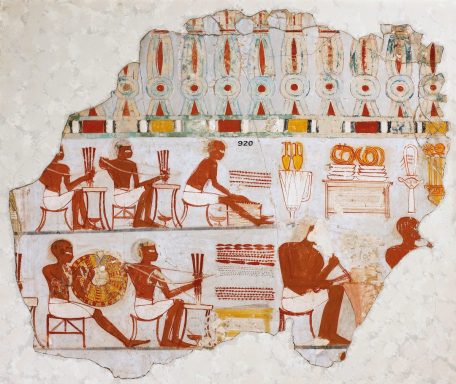 The great carnelian mystery James A Harrell looks into the uncertain origins of ancient Egypt’s most popular gemstone: carnelian.
 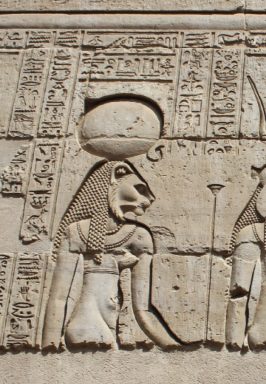 Pain relief in ancient Egypt: Part 2 – Physical and magical interventions Having explored herbal pain-killing remedies in the last issue of AE, Ira Rampil now looks at the physical and magical interventions used to relieve pain.
 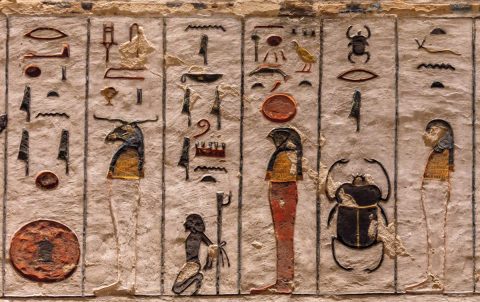 The Litany of Ra Andrew Fulton describes an important New Kingdom text that invokes 75 forms of the sun god.
 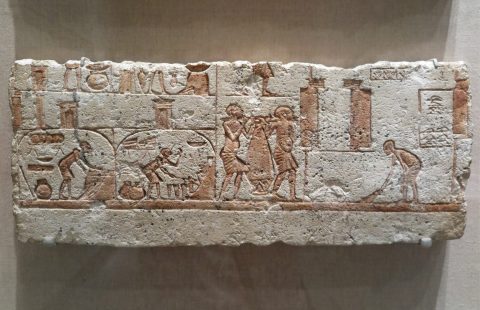 Hilary Wilson on… Bread, beer, and economics – Part 2 Hilary Wilson shows how the ancient Egyptians were paid in food and drink.
 News
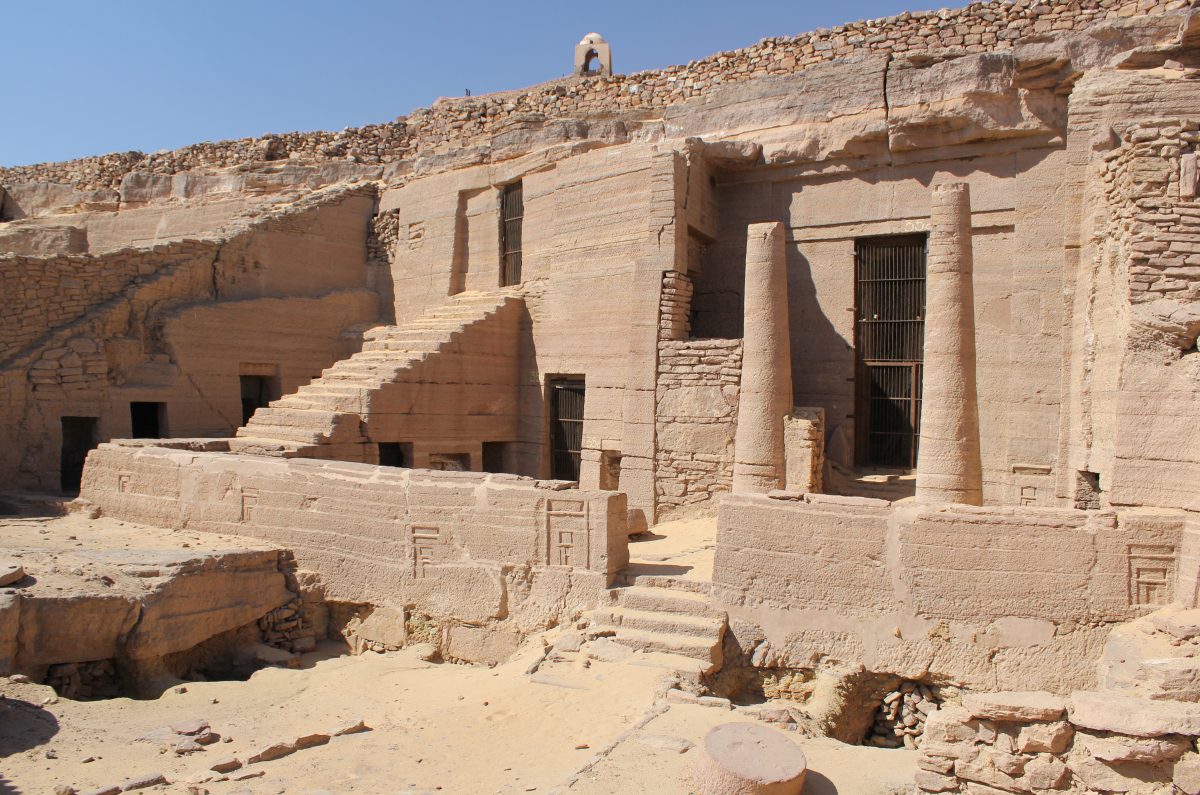
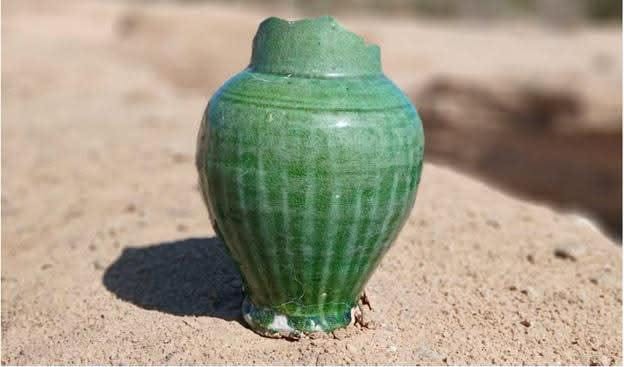
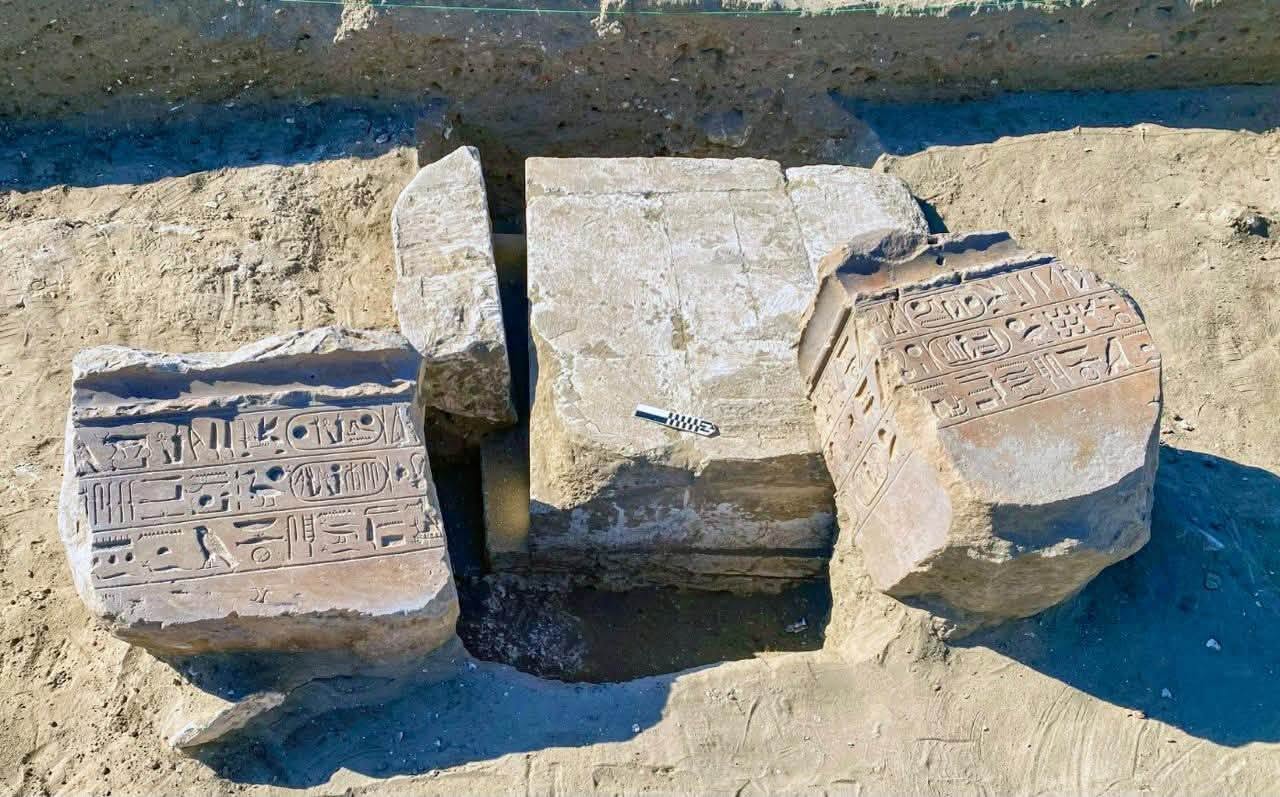
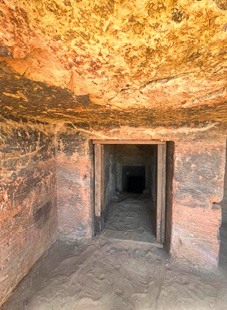 Bubasteion rock tombs Three rock-cut tombs belonging to high officials of the early New Kingdom have been discovered by an Egyptian team in the Bubasteion necropolis at Saqqara. The tombs are inscribed with…
 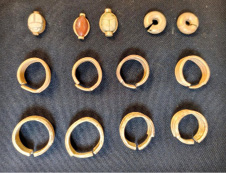 Heliopolis funerary set Archaeologists working at ancient Heliopolis (Matariya, Cairo) have uncovered an almost complete funerary assemblage beneath a mud-brick burial structure. The discovery includes a collection of personal and ritual objects, including…
 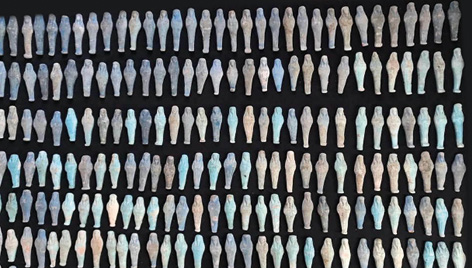 Tell Quesna burials An Egyptian mission has documented an unusual funerary practice in a newly discovered tomb at the Tell Quesna necropolis (Menoufia Governorate), in the central Delta. The team discovered several burials…
 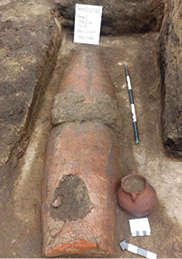 Tell Kom Aziza cemetery finds An Egyptian team excavating the multi-period cemetery at Tell Kom Aziza (Beheira) in the Delta has uncovered a section dating to the Graeco-Roman Period with diverse human funerary practices. Burials…
 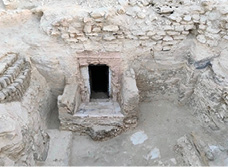 Newly discovered Qurna tomb A Dutch team from Leiden University has discovered a previously unknown Ramesside tomb in Sheikh Abd el-Qurna. Wall inscriptions name the owner as an official called Paser. The tomb has…
  Marina el-Alamein tombs An Egyptian mission at Marina el-Alamein (the site of the Graeco-Roman city of Leukaspis) has discovered 11 deep rock-cut tombs and 7 limestone surface tombs, many of which are still…
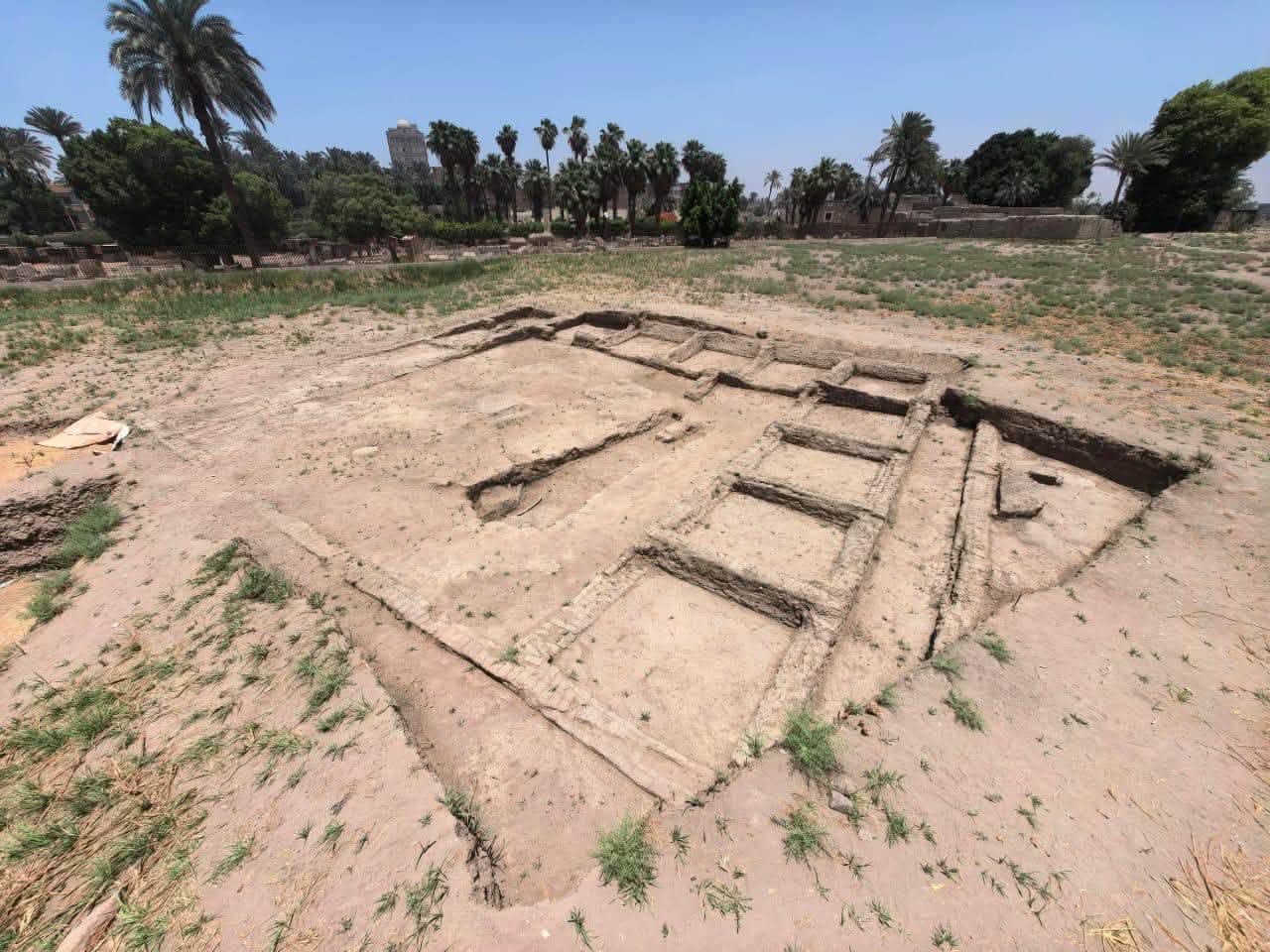
 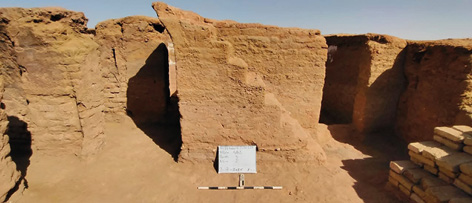 Byzantine city plan revealed An Egyptian mission excavating the Byzantine-era city at Ain el-Sabil in the Dakhla Oasis has uncovered the overall plan of the settlement and several new mud-brick structures. The city was…
  Hyksos-era complex A large multi-functional complex dating to the Fifteenth Dynasty (the Hyksos era) has been uncovered by an Egyptian mission at Tell el-Ku’a in Wadi Tumilat (Ismailia Governorate) in the eastern…
 Views
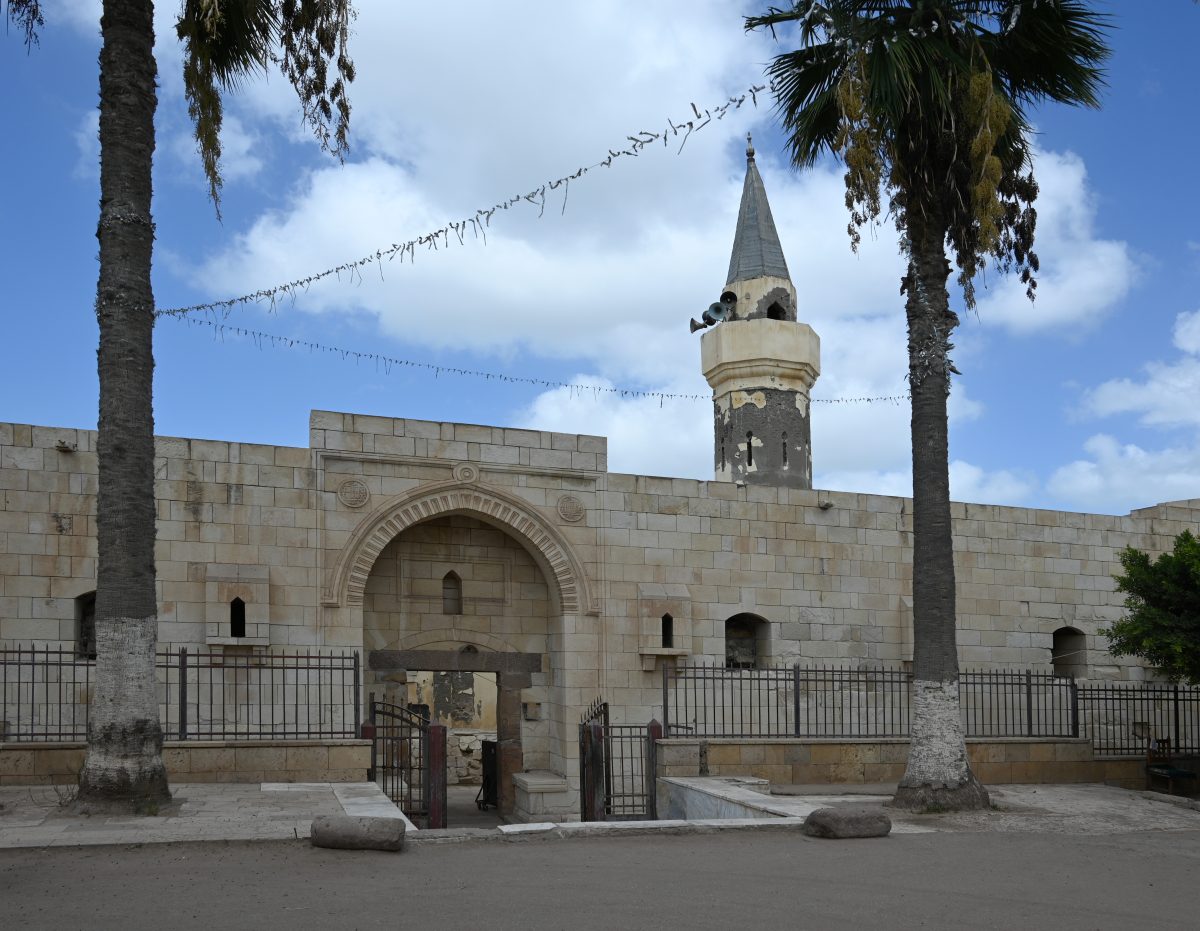
 Win a copy of Weaving for Eternity: ancient Egyptian textiles – significant museum collections in the north of England edited by Rosalie David and Angela Thomas Competitions Where is this? If you know, email the Editor peter@ancientegyptmagazine.com before 31 October with your answer, giving your full name, address, and a contact phone number. One lucky reader’s name…
  Ancient Egypt August listings What's on UNFOLDING HISTORY. WRITING IN ANCIENT EGYPT An exhibition exploring the origins of writing, featuring papyri from Elephantine that had been stored in the Brooklyn Museum since 1916 and have never… The Grand Egyptian Museum Feature, Travel Geoffrey Lenox-Smith pays a return visit to the Grand Egyptian Museum to view the new galleries.
 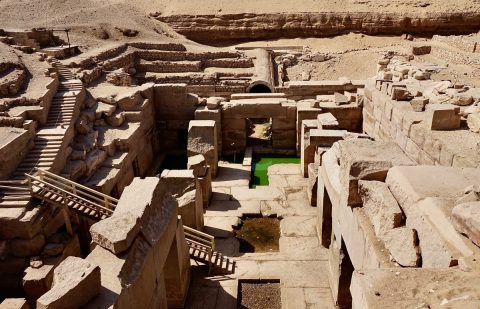 The Osirion at Abydos: A cenotaph for Sety I The Picture Desk The Osirion is one of the most intriguing New Kingdom monuments. It is located behind the Sety I temple at Abydos, the burial place of Osiris. Now open to the…
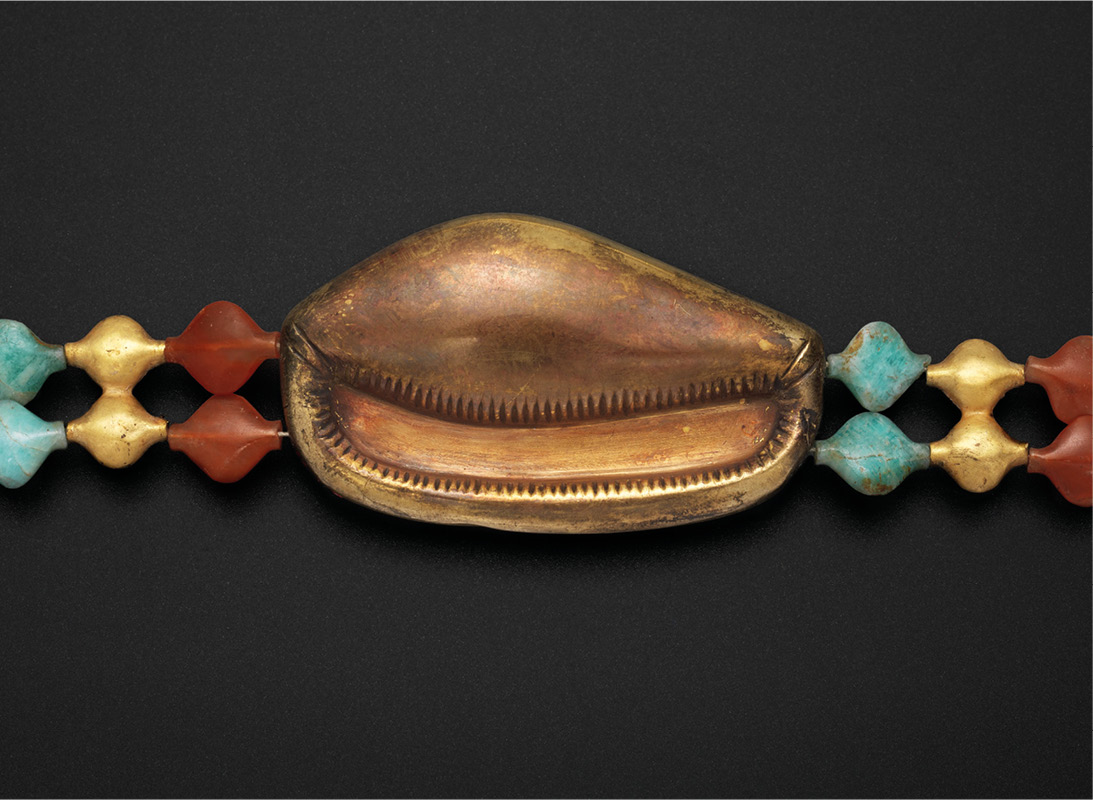
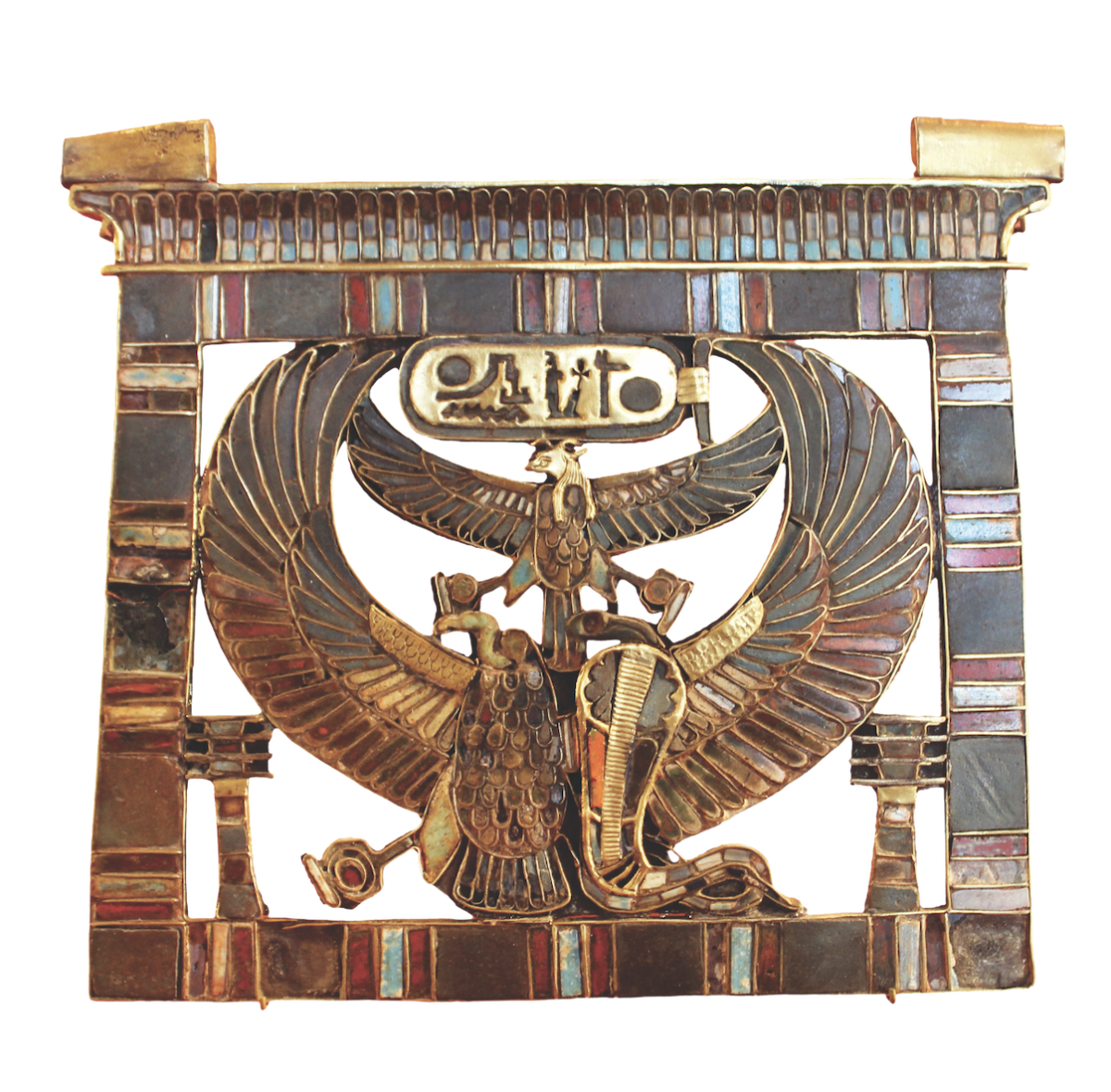
  Counterpoise of a menat-necklace naming Taharqa Objects Campbell Price describes a symbolic votive object from the Twenty-fifth Dynasty.
 Reviews
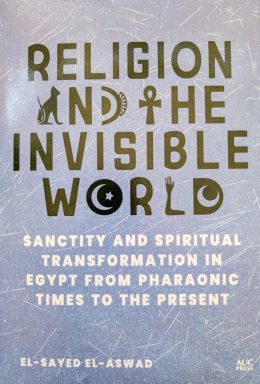 Religion and the Invisible World: Sanctity and Spiritual Transformation in Egypt from Pharaonic Times to the Present The Classical historian Herodotus described the Egyptians as the most religious of peoples. And, indeed, many people today find themselves wondering about the cross-overs between religious concepts in pharaonic, Christian,…
 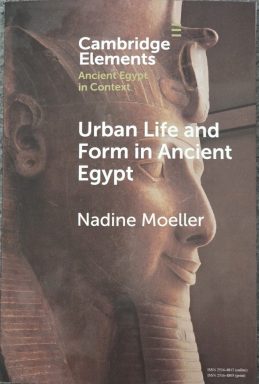 Urban Life and Form in Ancient Egypt Although there is a rich source of archaeological evidence for towns and cities in ancient Egypt, research into urbanism has, according to Nadine Moeller, often avoided mention of it, because…
 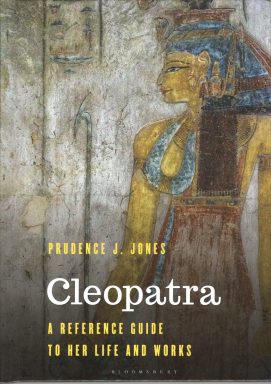 Cleopatra: A Reference Guide to her Life and Works Cleopatra VII now joins such luminaries as Nelson Mandela, Winston Churchill, and Henry VIII, as the latest historical celebrity to have her own volume in Bloomsbury’s ‘Significant Figures in World…
  The Reconstruction of the Furniture of Queen Hetepheres I, the Mother of the Pharaoh Khufu Following George Reisner’s discovery (in 1925) and meticulous excavation of the Tomb of Queen Hetepheres I at Giza, William Arnold Stewart was engaged by Reisner to reconstruct the furniture (‘the…
 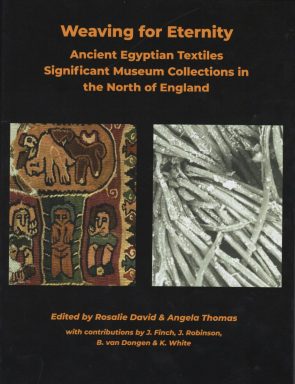 Weaving for Eternity: Ancient Egyptian Textiles – Significant Museum Collections in the North of England Textiles have long remained in the shadow of more conspicuous archaeological finds such as monumental sculpture, decorated coffins, and jewellery. Yet these often-overlooked artefacts offer vital insights into technology, economics,… Ancient Egypt August listings UNFOLDING HISTORY. WRITING IN ANCIENT EGYPT An exhibition exploring the origins of writing, featuring papyri from Elephantine that had been stored in the Brooklyn Museum since 1916 and have never… The Grand Egyptian Museum Geoffrey Lenox-Smith pays a return visit to the Grand Egyptian Museum to view the new galleries.
From the editor
The Grand Egyptian Museum at Giza is reputed to be the largest in the world dedicated to a single ancient civilisation. In practice, it is so big that only a tiny fraction of its collection can be viewed in one day. Geoffrey Lenox-Smith has already described in AE 138 and AE 148 earlier visits that he made before the museum was fully open. In this issue, he describes the artefacts in the newly opened galleries, including the Tutankhamun treasures and the Khufu barques.
Several other articles in this issue follow on from previous ones.
Hilary Wilson continues her explanation of the connection between bread and ancient Egyptian economics – where grain took the place of money. James A Harrell, who described the importance of purple gemstones in AE 153, now investigates the mystery surrounding the source of a popular orange stone: carnelian. Ira Rampil continues his study of the medical papyri by looking at physical and magical interventions intended to offer pain relief.
Robert Frost’s biography of Sir John Gardner Wilkinson tells how he was the foremost Egyptologist in Regency and much of Victorian Britain, whose accurate transcription of hieroglyphic inscriptions was particularly valuable.
The ability to read and write was for the most part limited to the male priesthood and professional scribes. But it must also have been a necessary skill for some women, as Simone Petacchi tells us.
In earlier editions of AE, Andrew Fulton brought to our attention two hieroglyphic texts: the Book of the Heavenly Cow, recorded on the walls of several royal tombs, and Ani’s Book of the Dead, now in the British Museum. Many key texts were recorded in hieroglyphs on the walls and columns of tombs in the Valley of the Kings, and one of them, the Litany of Ra, is the subject of another article by Andrew in this issue. Ancient Egyptian religion was hugely complex, with hundreds of deities, but in the New Kingdom one god was supreme: the sun god Ra. However, Ra had many manifestations, and the Litany of Ra lists 75 of them. Some are still shrouded in mystery, but those whose meaning is understood are described in Andrew’s article.
J Peter Phillips, Editor