Subscribe now for full access and no adverts
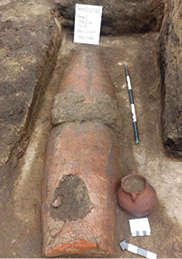
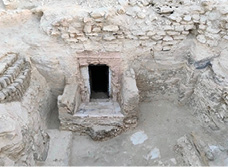
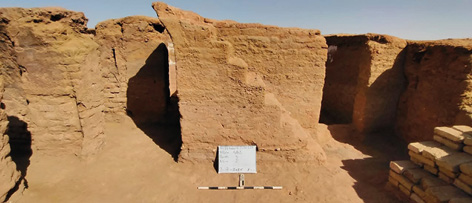
An Egyptian mission has documented an unusual funerary practice in a newly discovered tomb at the Tell Quesna necropolis (Menoufia Governorate), in the central Delta. The team discovered several burials with pottery dishes placed beneath the arms and between the thighs. Residues in these dishes are thought to be the remains of substances associated with funerary rituals, although further analysis is required to determine their exact composition and purpose.

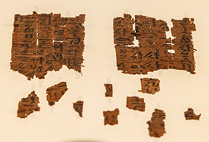
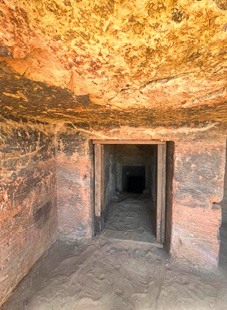
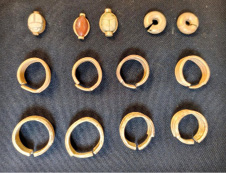
The tomb consists of a main hall connected to several subsidiary rooms, some of which appear to have been covered by vaulted ceilings. Within one of these chambers, the team discovered 560 faience shabtis, varied in shape and size, with some bearing texts from The Book of the Dead. Other finds included a collection of protective amulets including wadjet-eyes, the knot of Isis, scarabs, and representations of various deities, as well as two pottery oil lamps, and a large number of blue and green faience beads from a funerary net. The burials also included a variety of pottery plates and bowls, the pot containing residues used in mummification or funerary rituals, and a handle from a pot imported from the island of Rhodes (which bears the name of its maker), suggesting that the site was part of the active trade network between Egypt and the Mediterranean. As Tell Quesna contains burials spanning multiple periods, further study will be required to establish the precise date of and relationship between the tombs, burials, and artefact assemblages uncovered during the excavation.

Text: Sarah Griffiths / All images: Ministry of Tourism and Antiquities