Subscribe now for full access and no adverts
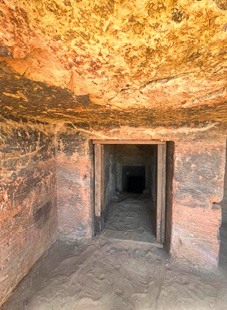
An Egyptian team working in the Bahariya Oasis have discovered three tombs from different periods at the site of Sheikh Sobi, the necropolis for the priests and governors of the oasis from the Late Period. The first tomb was carved into the sandstone bedrock, and consists of a 3m-deep shaft leading to two burial chambers. One chamber held the burial of a mummy wrapped in linen, placed inside a limestone sarcophagus that rested in a recess in the chamber floor – a practice suggesting the burial dates to the Late Period. The second, larger room held four limestone sarcophagi, each with a linen-wrapped mummy. The tomb was probably used as a family burial site.
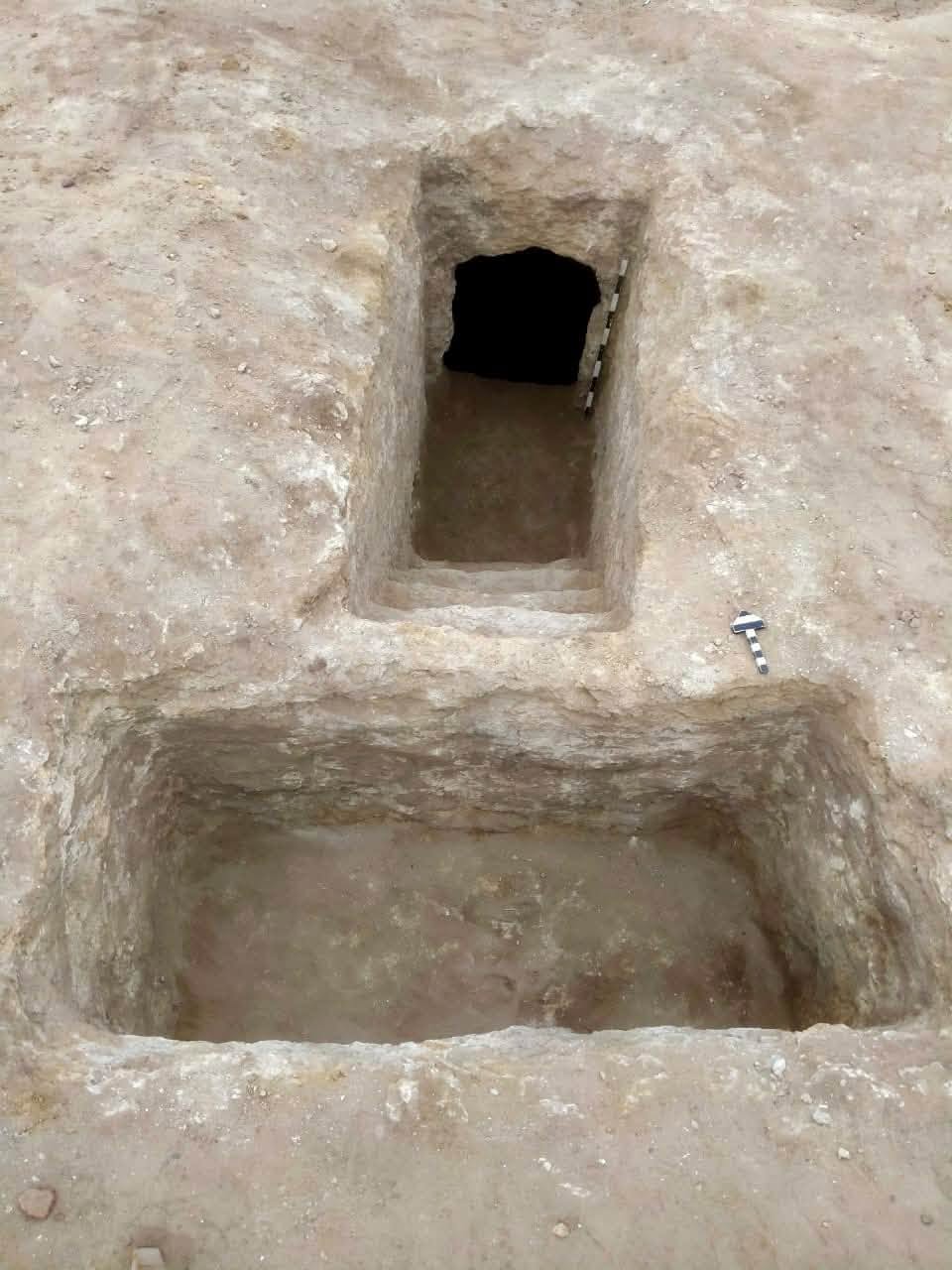
The second tomb appears to be Roman, and consists of a small shaft and three-step staircase leading to an undecorated burial chamber, although the evidence suggests that it was never used.
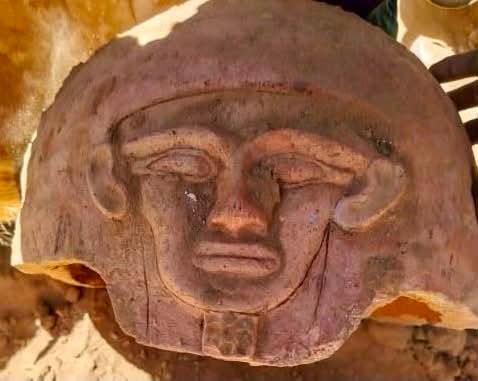
The third tomb, also from the Roman Period, has a rectangular shaft leading to a small, unroofed hall where the mummy rested before being taken to one of two tomb chambers. Fragments of a pottery sarcophagus were found in the southern chamber, while in the eastern chamber the team found a limestone sarcophagus with a broken lid. A side burial was found off the eastern entrance, containing a broken cylindrical pottery coffin, whose lid bore a human face with distinctive features.
Text: Sarah Griffiths / Image: Ministry of Tourism and Antiquities