Subscribe now for full access and no adverts
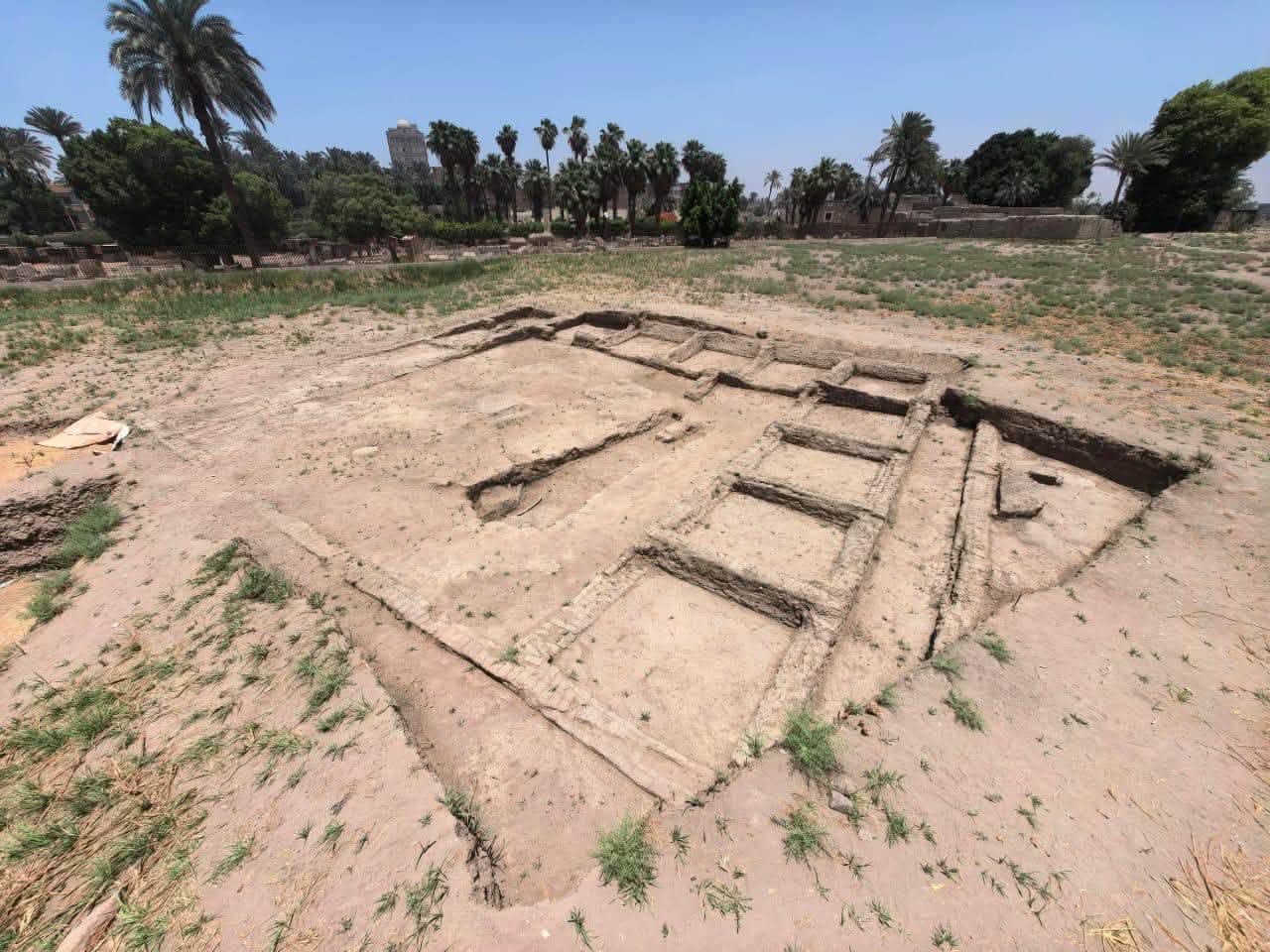
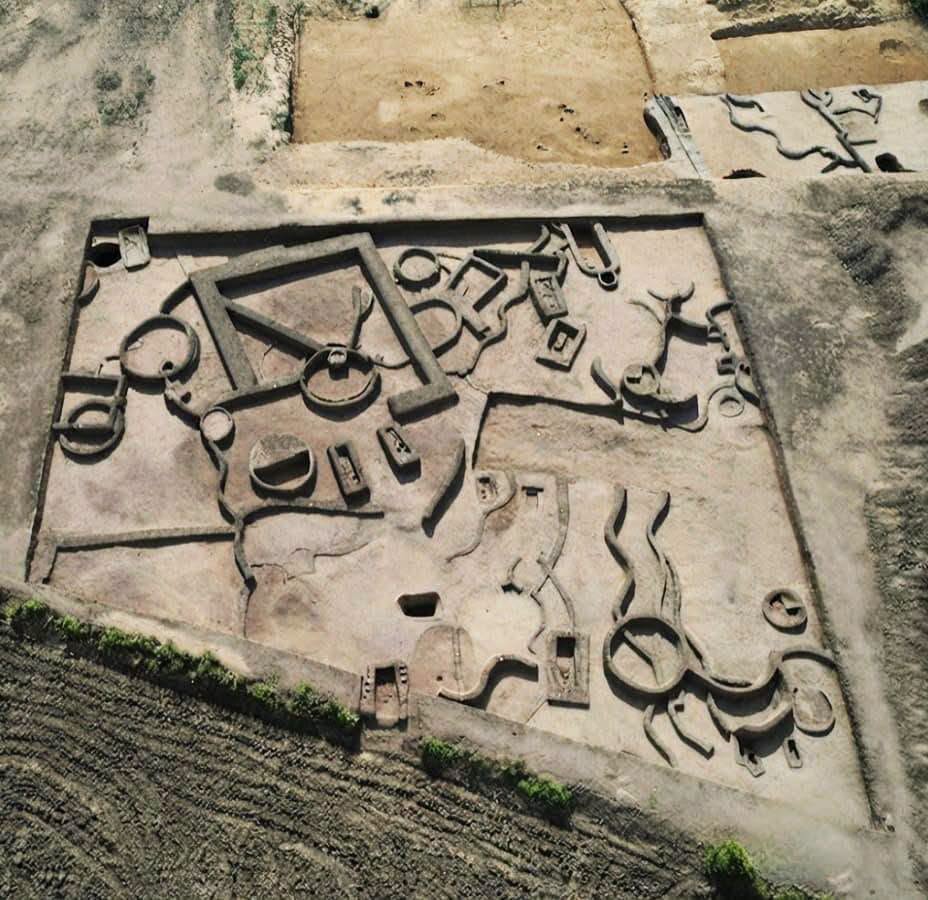
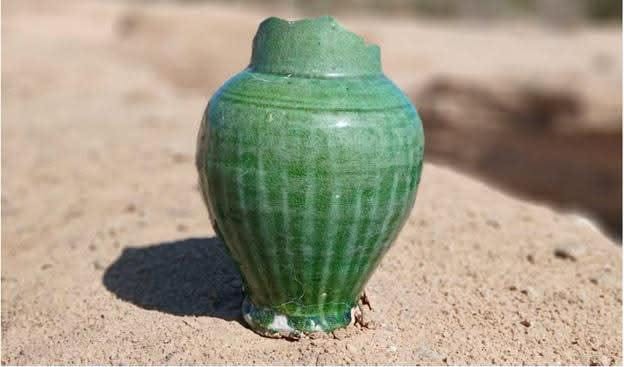
Egyptian excavations at the site of another lost city – ‘Asila’ – in northern Sinai have revealed the remains of an Islamic structure thought to be a caravanserai (roadside inn), on the Darb el-Sultani (‘Sultan’s Road’). Also known as the ‘Egyptian Hajj Route’, this was a vital historic route for pilgrims travelling to Mecca, as well as for trade caravans, postal services, and travel between Egypt, the Levant, and the Arabian Peninsula. The team uncovered remnants of mud-brick and red-brick walls with large limestone foundations – a style of architecture common during the Islamic era. Several rooms attached to the inn are thought to be shops to serve travellers. The layout resembles that of the Khan el-Khuwaynat, an important trading post in North Sinai, although on a smaller scale. Artefacts found include pottery storage jars, vessels with olive-green glaze, and fragments of oil lamps.

Text: Sarah Griffiths / Images: Ministry of Tourism and Antiquities